
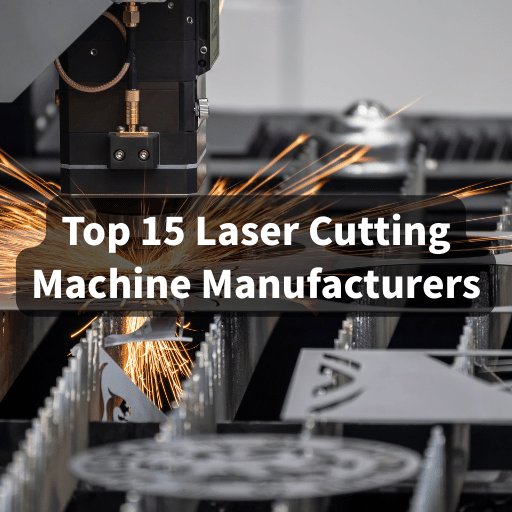
Top 15 Best Laser Cutting Machine Manufacturers to Know in 2025 (Updated List)
A powerful laser cutting machine has nowadays become a must-have tool in several industries, being known for its precision and efficiency. With improvement in technology, manufacturing processes are now altered by giving superb cut quality and productivity.
Introduction to Laser Cutting Machines
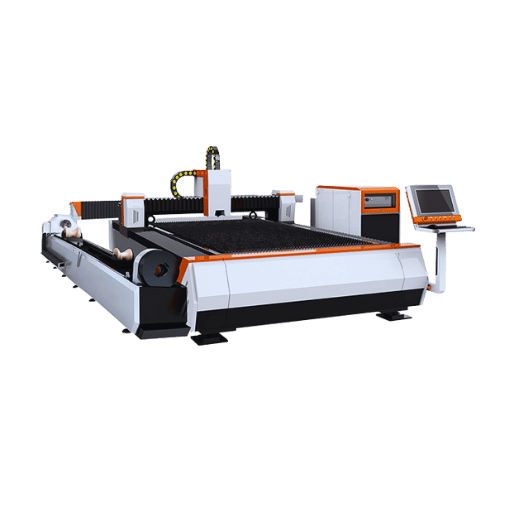
A laser cutting machine utilizes concentrated laser beams to cut and engrave materials with extreme precision. High-powered lasers are involved in these machines to undertake a multiplicity of tasks, ranging from cutting steel to very fine engraving on acrylic surfaces. The integration of fiber and CO2 laser technologies in one and the same machine further expands the possibilities, thus giving it that much-needed flexibility in industrial metal fabrication. Whatever industries faced in metal cutting were yet being overshadowed by issues of speed and quality, which got completely wiped away with the advent of laser cutting.
Importance of Laser Cutting in Various Industries
Laser cutting is an essential part of many industries due to its ability to perform precision cutting on complex designs. In industries such as aerospace, the precision and accuracy of laser cutting machines are critical in assuring that components that must perform are fit for purpose. In automotive manufacture, the machines are employed for improved productivity: efficiently cutting metal sheets and other materials. The technology of laser cutting has also found its application in electronics, where all precision and minimal material waste considerations are paramount. All in all, it is high-quality products provided by diverse applications that make laser cutting machines essential.
Overview of Laser Cutting Technologies
With the evolution of these laser technologies, a large number of cutting systems have evolved. These include:
- Fiber laser machines: Known for better efficiency in cutting reflective materials such as aluminum and copper.
- CO2 laser machines: Universal in operation and preferred for use over non-metallic materials such as wood and acrylic in engraving and cutting.
As CNCs and automation have improved considerably, today’s laser cutting machines perform tasks that were previously extremely complex, saving time and resources in manufacturing processes.
Emerging Trends in Laser Cutting Solutions
There are several new trends in the laser cutting arena that are coming into existence and reshaping its landscape, among them being the focus on sustainability, as designers are developing environmentally friendly laser cutting solutions.
- The faster and so high-speed fiber laser machines are in trend, as industries aim at raising productivity without compromising on quality.
- The manufacturers are focusing on developing eco-friendly laser cutting processes in order to sustain the environment.
- Another demand that appears to have risen is one for the machines to be equipped with better levels of automation so as to facilitate their own operation and lessen human intervention.
As these trends keep evolving, they promise to increase further in the scope of laser cutting systems.
Top 15 Laser Cutting Machine Manufacturers
1. Zhouxiang Group
Founded: 1991
Introduction: A high-tech enterprise based in Wuxi, China, Zhouxiang specializes in welding and cutting solutions, combining science, technology, and trade.
Main Products: Fiber laser cutting machines, H-beam production lines, and automated welding systems.
✓ Key Advantages:
- High precision and speed
- Comprehensive product range for industrial applications
- Strong R&D and customization capabilities
✗ Key Disadvantages:
- Limited global distribution network compared to some competitors
2. Trotec Laser
Founded: 1997
Introduction: An Austrian company known for premium laser cutting, engraving, and marking machines.
Main Products: Speedy Series, SP Series, and SpeedMarker Series.
✓ Key Advantages:
- High-quality, durable machines
- Eco-friendly solutions with reduced energy consumption
✗ Key Disadvantages:
- Higher price point
3. Epilog Laser
Founded: 1988
Introduction: A U.S.-based pioneer in CO₂ laser engraving and cutting technology.
Main Products: Fusion Pro, Fusion Edge, and Zing Series.
✓ Key Advantages:
- Renowned for speed and precision
- Strong customer support and training programs
✗ Key Disadvantages:
- Limited focus on industrial-grade machines
4. Raymond Laser
Founded: 2010
Introduction: A global manufacturer offering fiber, CO₂, and UV laser marking and cutting solutions.
Main Products: Fiber Laser Marking Machines, CO₂ Laser Marking Machines.
✓ Key Advantages:
- Comprehensive range of solutions
- Strong global presence
✗ Key Disadvantages:
- Limited innovation in software integration
5. OMTech
Founded: 2016
Introduction: A U.S.-based company offering affordable laser cutting and engraving machines.
Main Products: Fiber Laser Marking Machines, CO₂ Laser Engraving Machines.
✓ Key Advantages:
- Budget-friendly solutions
- User-friendly for beginners
✗ Key Disadvantages:
- Limited industrial-grade options
6. Beamer Laser Systems
Founded: 2000
Introduction: A U.S.-based leader in laser marking, cutting, and engraving solutions.
Main Products: S-Series, B-Series, and T-Series.
✓ Key Advantages:
- High precision and reliability
- Customizable features for industrial needs
✗ Key Disadvantages:
- Higher initial investment
7. Keyence Inc
Founded: 1974
Introduction: A global leader in industrial automation and laser marking.
Main Products: MD-F, MD-U, and MD-X Series.
✓ Key Advantages:
- AI-driven laser control
- Comprehensive automation solutions
✗ Key Disadvantages:
- Premium pricing
8. Videojet
Founded: 1969
Introduction: A global leader in high-speed laser coding and traceability solutions.
Main Products: CO₂, Fiber, and UV Laser Markers.
✓ Key Advantages:
- High uptime and production efficiency
- Extensive global service network
✗ Key Disadvantages:
- Focused on coding rather than cutting
9. FOBA Laser
Founded: 1969
Introduction: A division of Alltec GmbH, specializing in high-precision laser marking systems.
Main Products: Fiber, CO₂, and UV Laser Markers.
✓ Key Advantages:
- Integrated vision systems for precision
- Strong focus on compliance and traceability
✗ Key Disadvantages:
- Limited cutting capabilities
10. HeatSign
Founded: 2010
Introduction: A Chinese manufacturer specializing in industrial marking solutions.
Main Products: Fiber Laser Marking Machines, UV Laser Marking Machines.
✓ Key Advantages:
- Durable and efficient machines
- Competitive pricing
✗ Key Disadvantages:
- Limited focus on cutting applications
11. STYLECNC
Founded: 2003
Introduction: A Chinese company offering a wide range of CNC and laser cutting machines.
Main Products: Fiber Laser Cutting Machines, CO₂ Laser Cutters.
✓ Key Advantages:
- Affordable options for small businesses
- Wide range of models
✗ Key Disadvantages:
- Limited high-end industrial options
12. Tykma Electrox
Founded: 1960s
Introduction: A U.S.-based expert in industrial marking systems.
Main Products: Minilase, Zetalase, and Vereo Series.
✓ Key Advantages:
- High-speed, deep engraving capabilities
- Customizable automation solutions
✗ Key Disadvantages:
- Limited focus on cutting
13. Han’s Laser
Founded: 1996
Introduction: A leading Chinese manufacturer of laser equipment.
Main Products: Fiber Laser Cutting Machines, CO₂ Laser Machines.
✓ Key Advantages:
- Strong R&D capabilities
- Wide product range
✗ Key Disadvantages:
- Higher maintenance costs
14. TRUMPF
Founded: 1923
Introduction: A German company renowned for industrial laser cutting and manufacturing solutions.
Main Products: TruLaser Series.
✓ Key Advantages:
- Cutting-edge technology
- Strong global presence
✗ Key Disadvantages:
- Premium pricing
15. Amada
Founded: 1946
Introduction: A Japanese company specializing in sheet metal processing equipment.
Main Products: Fiber Laser Cutting Machines, CO₂ Laser Machines.
✓ Key Advantages:
- High-quality machines
- Strong focus on sheet metal applications
✗ Key Disadvantages:
- Limited customization options
Cost-Effectiveness of Laser Cutting Machines
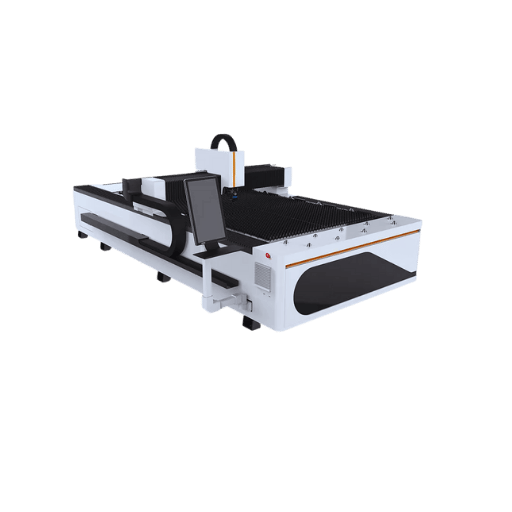
Analyzing Operational Costs
When assessing the cost-effectiveness of laser cutting machinery, one has to look into operational costs in great detail. These costs include not only the initial purchase price of laser cutting equipment but also all operating costs such as maintenance, electrical consumption, and consumables. Fiber laser cutting machines are energy-efficient, which brings in the saving with time. Another aspect is that high-performing CNC systems and automation features can also raise productivity further, reduce labor costs, and hence improve cost-effectiveness in general.
Long-Term Investment Benefits
Cost Savings
Less material wastage and cycle time reduction mean heavy costs.
Durability
Fiber laser and CO2 laser systems operate for a very long period without any change in their performance.
ROI
Improved productivity and cut quality will serve as significant returns of investments.
Comparative Cost Analysis with Traditional Cutting Methods
There must be a list of advantages that supports the choice of laser technology when a comparison of costs of laser cutting and traditional methods is conducted. Initial machinery capitalization for a laser cutter would likely be higher, but the higher speed and precision have a greater advantage in a reduction of cycle times, which in turn increase productivity.
Key Benefits of Laser Cutting Systems:
- Fast and accurate cut maximizes material utilization and minimizes manual intervention: waste from materials or high labor costs from traditional methods
- Advanced automation and CNC applications that simplify the operation and provide a cost-effective solution to difficult cutting applications.
Therefore, while taking into consideration long-term operational efficiency and savings, laser cutting systems stand to be more beneficial for the modern manufacturing needs.
Sustainability Practices in Laser Cutting
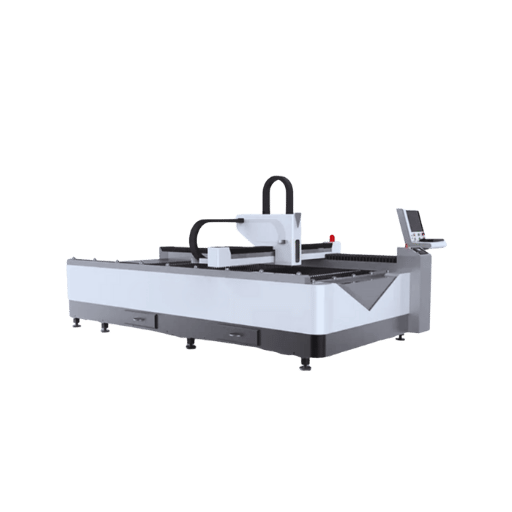
Energy Efficiency in Fiber Laser Cutting
The fiber laser cutting machine being selected under this title is energy efficient, and thus, it is within the sustainable choice in laser cutting technology. Given their high electric efficiency, that is, more efficiency compared to CO2 lasers, fiber lasers reduce energy consumption without compromising on performance. This energy efficiency reduces operational costs and also minimizes the carbon footprint, hence in support of environmental sustainability plans associated with manufacturing processes.
Reducing Waste in Manufacturing Processes
The laser-cutting machines have a significant role in reducing waste in manufacturing activities. Being remarkably precise, they ensure the maximum possible utilization of materials, thereby keeping scrap and waste to a bare minimum. This becomes the best sort of bargain when dealing with expensive materials like stainless steel and sheet metals, as the less waste that is created, the higher the savings.
Eco-Friendly Materials and Practices
A sustainable commitment implies the use of eco-friendly materials and practices in laser cutting operations. More and more manufacturers are preferring recyclable materials and greener practices so the production processes may become environmentally friendly. These laser cutting machines, with their advanced cutting technologies, efficiently cut these materials into desired shapes as per specifications to support an eco-friendly manufacturing process.
User Reviews and Market Reputation
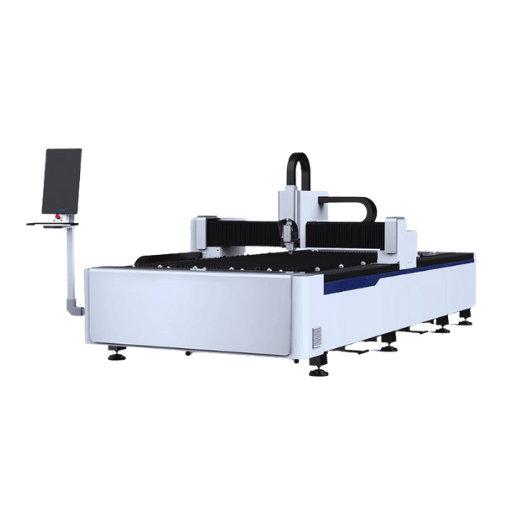
Insights from Industry Users
Given the fierce competition amongst manufacturers of laser-cutting machines, industry-end users provide what could be called a useful vantage point into the systems-their efficiency and reliability. Users operating in aerospace and industrial metal fabrication value the precision and productivity associated with fiber laser and CO2 laser systems. Testimonials from the end users tend to highlight laser cutters’ arguably top-notch cut quality and efficiency when working with materials such as stainless steel and acrylic.
Comparative Review of Leading Manufacturers
| Manufacturer | Specialty | Key Strength | Target Market |
|---|---|---|---|
| TRUMPF | Industrial Cutting | Cutting-edge technology | High-end industrial |
| Epilog Laser | CO₂ Systems | Speed and precision | Small to medium business |
| Han’s Laser | Fiber & CO₂ | R&D capabilities | Industrial applications |
| OMTech | Budget Solutions | Affordability | Beginners & startups |
| Keyence | Automation | AI-driven control | Automated manufacturing |
Customer Satisfaction and Support Services
Customer satisfaction and support services comprise an area’s landscape reputation for laser cutting machine manufacturers. The companies that put their customers first in responsive service and full support are usually preferred by end-users for the safeness of their operational experience. The accessibility to maintenance when needed, technical assistance, and training adds value to the laser cutting solution. Good support services not only build customer loyalty but create a reputation for being dependable partners doing business in this field of laser technology.
Future Developments in Laser Cutting Technology
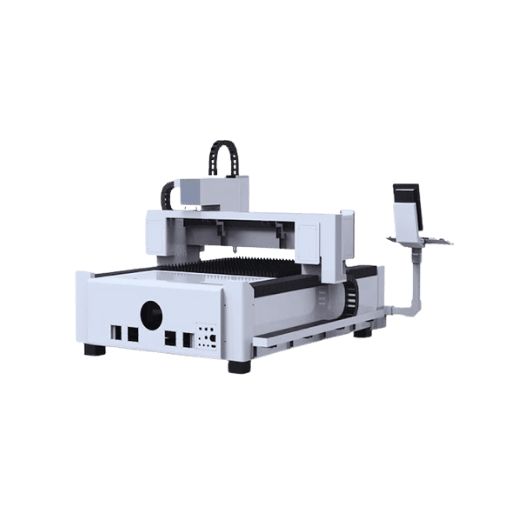
Predicted Trends in Laser Cutting Innovations
Future trends in laser cutting promise exciting innovations brought on by advances in laser systems and automation. Trends appear to place emphasis on developing fiber laser and CO2 laser machines and considering how the innovations contribute to increases in cutting speed and accuracy.
Key Future Innovations:
- CNC systems with AI: With smart automation, they are set to boost the efficiencies of laser cutters
- Sustainability features: Eco-friendly practices to be integral to new solutions in laser cutting
- Cutting speeds: Will be increased on new machines without compromise to precision
- Smart connectivity: Integrating IoT for remote access and predictive maintenance
Impact on Manufacturing Processes
Greater and more complex interactions between laser cutting systems and manufacturing processes offer opportunities and challenges. Advanced laser-cutting systems capable of precision cutting of stainless steel and sheet metal are disrupting the traditional production flows, enabling new and more complicated designs while minimizing production time. The modern laser cutters are interfaced with automation frontends to ensure operations free from disparity in resource utilization and maximum waste generation. With the advancement of these technological fronts, the new manufacturing paradigms will be shaped around them to enhance innovation and competitive thrusts across industries ranging from automotive to aerospace.
Conclusion: The Future of Laser Cutting Machines
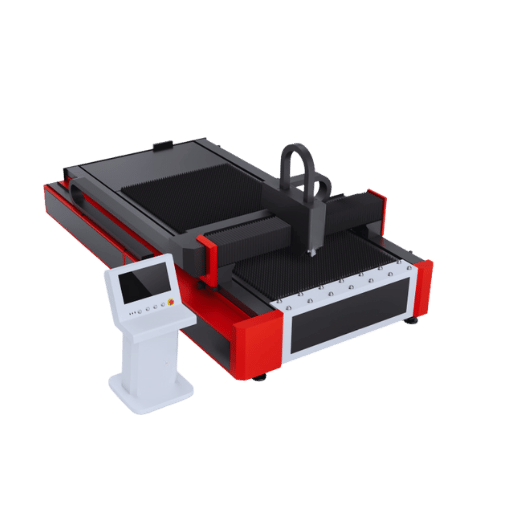
With technological advancement ushering in the dawn of much more functional and sustainable manufacturing solutions, the future of laser cutting technologies certainly gleams bright. Since fiber and CO2 laser technologies keep evolving and advancing, both serve as the driving force behind innovation in precision cutting and engraving, thus helping to boost productivity and increase applications in different industries.
In addition, the integration of automation and smart technologies would provide further operational simplification, thus elevating laser cutting systems to the must-have tools for industries today. With a focus placed on sustainability and innovation, the future will surely see a revolution of manufacturing processes with laser cutting setting new quality standards.
Key Takeaways:
- The laser cutting technology is increasingly fast-evolving in the direction of precision and efficiency.
- The looming innovations are governed by sustainability-related factors and automation.
- The 15 top likely companies offer solutions that vary with customers and the industry’s needs.
- Investing in laser-cutting systems will bring long-term cost benefits to one’s organization and give it a competitive edge.

![Robot Welding Parameters [Traceable Window]](https://zhouxianggroup.com/wp-content/uploads/2026/10/robot-welding-parameters-blog-featured.png)


