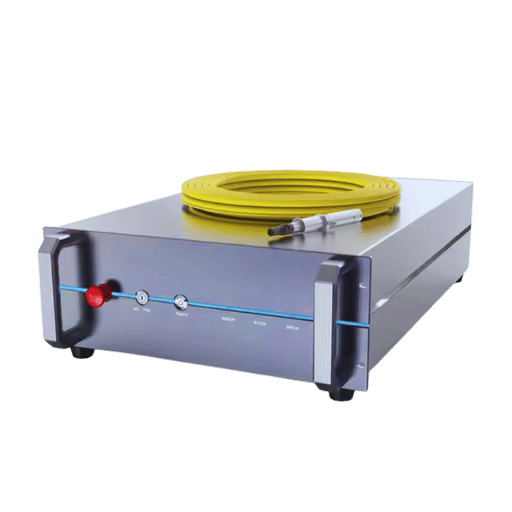
In this closely cut-throat industry, prevailing manufacturing and fabrication, efficiency, and accuracy do matter. The arrival of high-power laser cutting technology has made it possible for various plants to maximize accuracy, speed, and cost-effectiveness in their operations. Thus emphasizing the importance of upgrading to an advanced laser cutting system that will enhance productivity, free up bottlenecks in operations, and provide superior results. If you are working towards creating an ideal workflow or just keeping a step ahead of this fast-evolving environment, this post will provide you with sufficient knowledge of the technology and its effects on modern-day manufacturing.
How Does a Laser Cutting Machine Work?
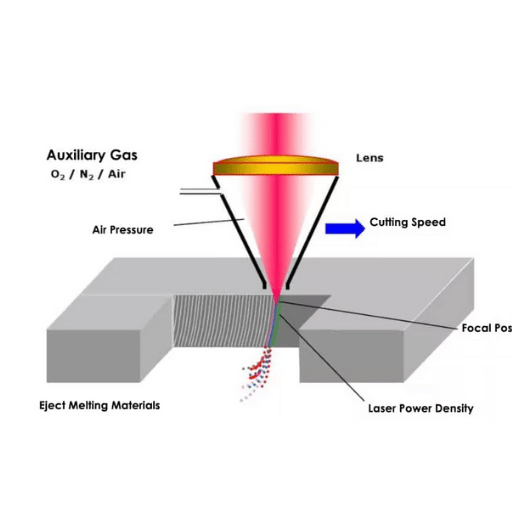
A laser cutter focuses a high-intensity laser beam onto the surface of a workpiece so that it melts, burns, or vaporizes it. Behind this operation is a computer-controlled system that allows for highly accurate, precise movements to produce highly complex designs. The machine also uses assist gases such as oxygen or nitrogen to enhance cutting action and rinse away debris from the cutting zone. It is the very concentrated energy and precise movement that create the precision cuts with clean edges and allow for a high level of repeatability, so this technology is employed in the cutting of almost every conceivable material found in a modern manufacturing environment.
Understanding the Laser Beam Technology
To put it simply, the laser involves the generation of a coherent light source via optical amplification through which the atoms, upon stimulation, emit photons in a regulated manner.
The Role of the Cutting Head in Precision
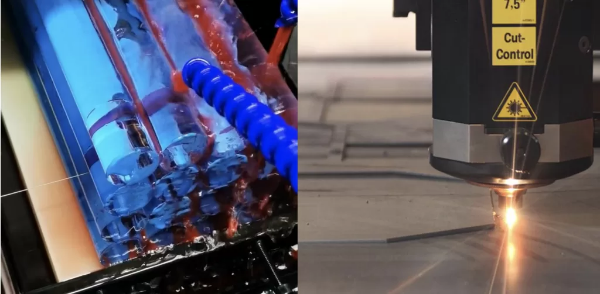
Production with laser cutting technology would be nothing without the presence of a cutting head. In essence, the very name of the cutting process determines the fate of the cutting head and its precision and quality. These pieces of equipment house three main parts: focusing lens, nozzle, and sometimes assist gas outlets- temperature, distance, position, etc., are somehow controlled to ensure bringing the laser onto the material under desired conditions. The focusing lens focuses the laser beam onto a small point, imparting very high-intensity energy upon the target to be cut at that point. The nozzle then ensures the proper alignment between the laser and assist gas, such as oxygen or nitrogen, to blow away molten material and achieve good edge quality. With the help of sensor feedback and adaptive control systems, the cutting head can make on-the-fly corrections to achieve accuracy and consistency when used with various materials and under differing thicknesses. Along with modern innovations and interpretations of data, the cutting edge is continuing to evolve towards finer precision in industrial applications.
Key Components of a Fiber Laser Cutting Machine
A fiber laser source, laser cutting head (nozzle, focusing lens, and auto-focus tracking system), servo motors, water chiller, air cutting system, control system, and machine bed with stabilizer are the main components of a fiber laser cutting machine.
Factors That Affect Laser Cutting Speed
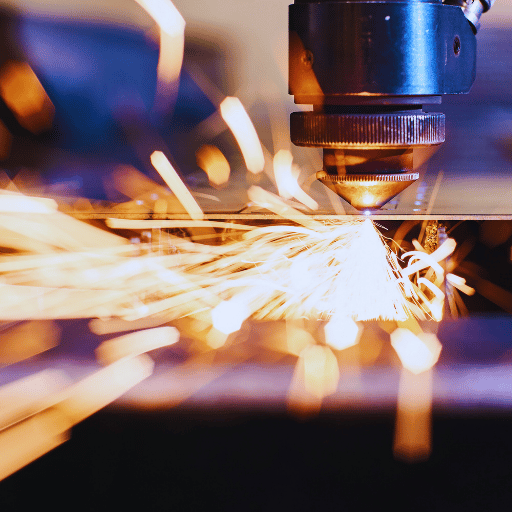
Laser Power and Its Influence on Efficiency
A major factor in this relationship is laser power; it controls the efficiency of a fiber laser cutting machine and ultimately the speed of the operation. In consideration of recent data illustrating the recent trends in searches analyzed through Google’s search engine analytics, it is observed that lasers with greater power also make faster cuts and can handle thicker materials. A 6kW fiber laser cutting on mild steel up to 25mm, for example, performs the cuts way faster than a 3kW laser, given that all other circumstances are kept equal for such an operation. Conversely, the power a laser consumes is not free: it requires more power to generate, the heat it produces on the material can be detrimental to certain materials, and so on. Keeping a balance between laser power, material type, and thickness shall ensure operational efficiency with minimum waste and without compromising precision.
Material Thickness Has Its Impact on Cutting Speed
Regarding the matter of material thickness affecting cutting speed, let me consider that usually thicker materials correspond to lower cutting speed, which is due to more energy required to penetrate through and work on the material. On the contrary, thin materials lead to increased cutting operations because of less laser power and less time requirement. My goal is to make sure the setup of working parameters for the laser, power, and speed, particularly, will be so fine-tuned for optimal performance and precision, regardless of whether the thickness is on the capability spectrum.
Fiber Lasers versus Plasma Cutting
Fiber laser is suitable for precision, speed, and thin materials, whereas plasma is less costly, faster for thick materials, and good for visible metals.
|
Parameter |
Fiber Laser |
Plasma Cutting |
|---|---|---|
|
Precision |
High |
Moderate |
|
Speed (Thin) |
Faster |
Slower |
|
Speed (Thick) |
Slower |
Faster |
|
Material Range |
Metals, Non-metals |
Conductive Metals |
|
Thickness |
Up to 25mm |
Up to 50mm |
|
Edge Quality |
Smooth |
Rougher |
|
Cost (Initial) |
High |
Low |
|
Cost (Operation) |
Low |
Low |
|
Maintenance |
Moderate |
Low |
|
Kerf Width |
Narrow |
Wider |
|
Heat Zone |
Smaller |
Larger |
|
Reflective Metal |
Limited |
Excellent |
|
Applications |
Intricate, Thin |
Thick, Heavy |
What Are the Advantages of High Power Laser Cutting?
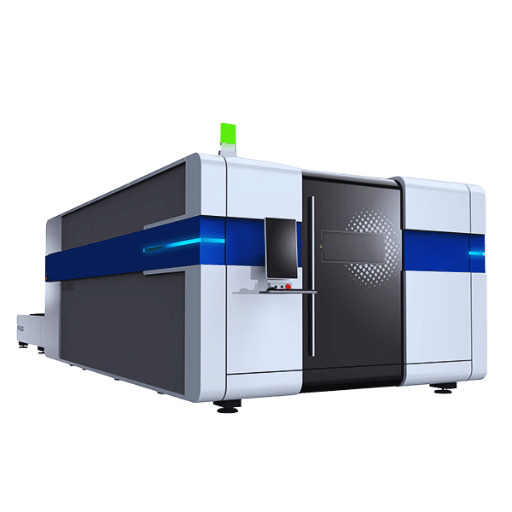
Increased Productivity with High-Power Lasers
From the high-power laser cutting perspective, productivity is increased with the highest cutting speed and accuracy instances. When cutting efficiency improves, waste and processing time are diminished, while throughput increases. Also, since high-power lasers cut a broad set of materials with varying thicknesses, they are suited for many industrial applications. These systems also guarantee that the quality is not compromised during the lengthy production, further optimizing production efficiency with minimal downtime.
Improving Quality of Cuts in Steel Plates
Improving the quality of cuts in steel plate involves considering the cutting techniques, such as preheating, cutting speeds, employing cutting technologies like fiber lasers, and considering the material compositions.
Increasing Cutting Speed for Faster Fabrication
Increasing cutting speed directly correlates with fabrication efficiency and less time consumption in manufacturing. To achieve this, advanced cutting technologies should be put forward in a higher position in daily usage; plasma cutters or fiber lasers provide cutting fast and accurately compared with conventional means of cutting. Optimization of parameters in machinery ought to follow these, like speed and power adjustment for even faster cutting without losing guarantees of quality. Cutting dependability is a bonus; with the equipment well-maintained and calibrated, errors are cut to a minimum, maximising performance.
That cutting industries increasingly incorporate automation and smart manufacturing systems to monitor and adjust cutting parameters on a real-time basis; through AI and IoT technologies, these improvements help streamline fabrication operations, rendering another set of technologies for improving throughput measurements. Through these initiatives to production for shorter cycles, manufacturers will accordingly respond to the market demands for precision and consistency in steel plate cutting.
How to Pick a Fiber Laser Cutter Appropriate for Your Requirements?
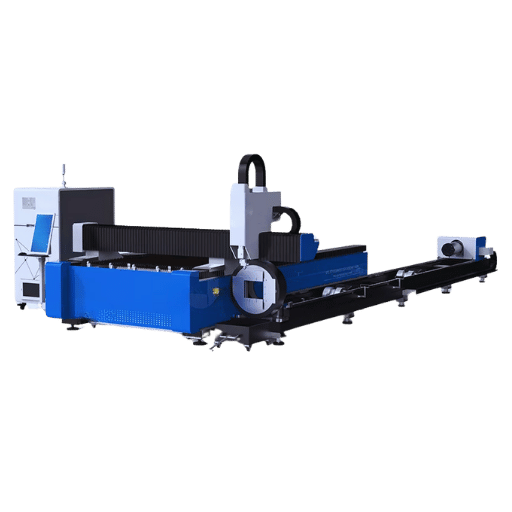
Studying the Laser Power Requirements
The thing about laser power requirements is that one must consider what the application entails (engraving, cutting, or so on), the thickness of the material, and the speed and quality desired, where the more power you have, the faster you can process, and the thicker the material may be handled.
Considering the Cutting Thickness Capabilities
Cutting thickness capacities are variable depending on material and technology, with fiber lasers cutting up to 80 mm for stainless and carbon steel, 60 mm for aluminum, and 50 mm for other metals
Assessing Cut Quality and Precision
To assess cut quality and precision in diamonds, one should analyze such parameters as proportions, symmetry, polish, and overall brilliance.
What Are the Key Differences Between Laser Cutting and Other Methods?
Comparing Laser Processing with Metal Cutting
|
Parameter |
Laser Processing |
Metal Cutting |
|---|---|---|
|
Precision |
High |
Moderate |
|
Speed |
Fast |
Slower |
|
Material Range |
Broad |
Limited |
|
Thickness Limit |
Up to 25.4mm |
Higher |
|
Automation |
High |
Low |
|
Tool Wear |
None |
Present |
|
Waste |
Minimal |
More |
|
Cost |
Higher upfront |
Lower upfront |
|
Applications |
Complex designs |
Simple tasks |
|
Energy Use |
Higher |
Lower |
Advantages Over Traditional Plasma Cutting
- Higher Precision: Laser processing offers higher accuracy and finer details than plasma cutting, and thus, it is preferred for complex designs.
- Minimal Distortion of Workpiece: The laser heat is very focused, so there is little thermal distortion, which helps to maintain the integrity of the workpiece.
- Greater Versatility: Laser cutting can be done on many different kinds of materials, including non-metals, that normally cannot be plasma cut.
- Clean and Smooth Edges: The edges created by laser cutting are smooth and clean; this usually requires very little or no post-processing.
- Less Material Waste: Because of the precision of laser cutting methods, material loss and waste are much less than traditional ones.
- Tool Wear: Tool wear is not an issue with lasers because there is no physical contact with the surface; plasma cutting faces such problems.
- Better Automation: Laser cutting systems are highly automated and can therefore be integrated into advanced manufacturing processes to increase productivity.
- Lower Cost in the Long Run: Although laser systems generally have a higher initial cost, their efficiency and low maintenance requirements translate into savings in the long run.
- Energy-Efficient for Thin Materials: For thin sheet/plate workpieces, laser processing can be considered energy efficient over plasma.
- Environmentally Friendly: Less pollution means environmental sustainability due to laser cutting.
Advantages of Fiber Lasers in Modern Fabrication
- High Precision and Accuracy: Fiber lasers can tailor operations with great precision, thereby allowing for artistically intricate turns for material that may be delicate or complicated.
- Fast Cutting Speeds: Fiber lasers offer significantly faster processing relative to the conventional methods while still maintaining top-quality finishing.
- Low Maintenance Requirements: With fewer combinations of moving parts and without requiring house gases or consumables, as some traditional lasers do, fiber lasers are very reliable and are maintenance-free.
- Versatile in Material Processing: Fiber lasers can cut or engrave materials from different origins, such as metals, plastics, to composites, thereby serving different industrial applications.
- Energy-Efficient: These lasers consume less power than any other kind, thereby also reducing their operational cost and environmental footprint.
- Small Footprint: The very small size of fiber laser systems gives easy integration with existing manufacturing setups, saving priceless floor space.
- Longer Lifespan: Fiber lasers are considered highly durable, with operational life spans often exceeding those of traditional laser systems.
- Consistent Performance: Fiber lasers exhibit a steady output quality with the passage of time, guaranteeing long-term reliability and reproducibility of fabrication procedures.
Frequently Asked Questions (FAQs)
Q: What are high-power laser cutting technologies?
A: It uses strong laser beams so that materials like sheet metal, carbon steel, etc., can be cut with high precision and speed. This operation is so fast and accurate that it finds its application mostly in industries.
Q: How does the laser cutting process work?
A: The laser cutting process directs a laser beam that emanates from a laser source onto the material. The laser focus is fixed to cut the material with high accuracy. The higher the power of the laser, in kW, it will have more power to cut through thicker materials and at the same time cut faster.
Q: What types of materials can be cut by high-power laser cutting machines?
A: High-power laser cutting machines are capable of cutting several materials such as carbon steel, stainless steel, aluminum, and other metals. The cutting solutions that these machines provide are so generic that a wide variety of thicknesses and kinds of materials are handled by one system.
Q: How does the greater laser power affect the cutting speed?
A: Higher power lasers impart speed to the cutting, as more energy is delivered to the cutting area, causing a more prompt and efficient removal of material. For example, a laser system of 20 kW or 30 kW cuts many times faster than systems of lower power.
Q: What are the benefits of using a high-power fiber laser?
A: Some of the benefits of high-power fiber lasers are high precision in cutting, agility in cutting speed, and the ability to cut thicker materials with a higher cutting rate. In addition, such lasers cut metal with extreme accuracy and efficiency, reducing waste and increasing productivity.
Q: What is the importance of laser focus in the cutting process?
A: Laser focus holds the cutting process precision in its palm. Focus has to be maintained properly such that the laser beam is directed onto a very small area for cutting with accuracy and neatness, especially important when making fine or highly precise cuts.
Q: Can we use high-power laser machines for oxy-cutting?
A: Yeah, in fact, high-power laser machines can be used for oxy-cutting. The process involves using a high-power laser beam with an oxygen gas jet to cut through thicker metals while the oxygen reacts with the burning material, hence making the entire process faster.
Q: What are the differences between CW fiber lasers and other types of lasers?
A: CW (continuous wave) fiber lasers emit a continuous laser beam instead of pulses given as pulsed lasers do. CW fiber lasers like those by IPG maintain constant power and are, therefore, best suited for high-speed and high-power applications.
Q: How do advanced fiber lasers lead to faster cutting solutions?
A: Faster cutting solutions are made possible by advanced fiber lasers due to their high power output and efficient energy conversion. This results in faster material processing time, lower operation cost, and improved productivity of the cutting systems.
Q: Why is precision necessary in laser metal cutting?
A: In laser metal cutting, precision is an assurance that the cuts shall hit all necessary marks within specifications. The high precision cuts minimize wastage of materials, improve the final product quality, and also hasten the entire cutting process.
Reference Sources
1. High Power Laser Cutting of SiC-Al2O3 Ceramic Matrix Composites
- Authors: P. Ghosh et al.
- Published in: Procedia CIRP, 2024
- Citation: (Ghosh et al., 2024)
- Summary: The study relates to the area of high-power laser cutting of SiC-Al2O3 ceramic matrix composites. The authors consider the influences of laser parameters on cutting quality and effectiveness. The methodology involves experimental setups for landslide analysis of cutting performance concerning laser power, cutting speed, and thickness of material.
2. Feasibility and Research of the Cutting Process for Laser Cutting Medium-Thick 20CrNiMo Steel Plates Using the High-Power Fiber Laser Without Assisted Blowing
- Authors: Wenling Liao et al.
- In: Journal of Manufacturing Processes, 2024
- Citation: (Liao et al., 2024)
- Summary: The feasibility of cutting medium-thick 20CrNiMo steel plates with a high-power fiber laser without any blowing assist is presented in this study. The study investigates the cutting quality, kerf width, and heat-affected zone (HAZ) through experimental trials. The authors use a systematic method to optimize the cutting process parameters and assess their effects on materials properties.
3. The Cutting Process and Quality of Thick Plates with High-Power Fiber Laser Improvements
- Authors: Yanjie Liu and Shijin Zhang
- Published in: Optical Fiber Technology, 2024
- Citation: (Liu & Zhang, 2024)
- Summary: It concerns improving the cutting process and quality of thick plates with the high-power fiber laser. The authors study different cutting parameters for their impact on kerf width and surface finish. The methodology pursued experimental validation and laser setting optimizations for cutting performance improvements.
4. Online media development that supports design prototyping with a laser cutter.-MIT’s DSpace repository.
5. Design and testing of components for a low-cost laser cutter.-Another from MIT’s DSpace repository.