
Welding isn’t simply a process of fusing metals—it’s an art that combines imagination and accuracy. A right welding project kit can make a huge difference in your overall experience and the final output, whether you are an experienced professional or a keen beginner. The market is flooded with numerous options and it can be daunting to discover a kit that is perfect for you in terms of both requirements and expertise. The objective of this guide is to make that path easy. We will discuss the must-haves, outline the characteristics of various welding kits, and help you choose the right one to bring your projects to life. Be prepared to unleash your imagination and become highly skilled at welding!
Introduction to Welding Project Kits
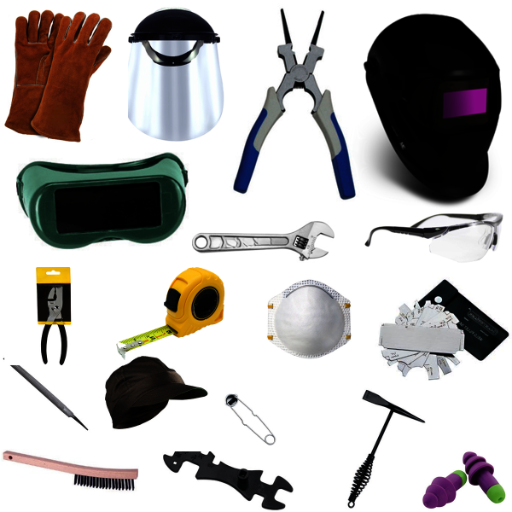
Welding project kits are convenient, prepackaged supplies that enable both hobbyists and professionals to perform welding tasks quickly. The basic tools and materials are usually included in these kits like the welding machine, safety equipment, electrodes or filler rods, and sometimes parts specifically for the project. They come in various skill levels, from beginner-friendly kits with the most basic tools to advanced options for complex projects. Welding kits make it easier for anyone to enter or advance in the welding trade by providing everything required in a single package.
What is a Welding Project Kit?
The welding project kit is a complete package that includes all the necessary tools and materials to complete a designated welding task or project. Usually, these kits contain a welding machine, safety equipment such as a welding helmet and gloves, electrodes or filler rods, and detailed instruction or guides. Depending on the kit, additional components such as clamps, brushes, or welding metals may be included.
Welding project kits are designed for a range of skill levels, from beginners who want to learn the basics to professionals working on complex projects. They are particularly favored because of their comfort factor as they do not require the purchase of a number of separate items and, therefore, the user always has everything needed to begin the project. The modern kits also include durable, user-friendly tools that align with efficiency and performance trends.
Benefits of Using a Welding Project Kit
💰 Cost Efficiency
Welding project kits minimize the cost of buying items separately by providing all necessary tools and materials in one package.
⏱️ Convenience
The project is fully supplied, so there is no need to spend time and effort sourcing materials and tools individually.
👥 Suitability for All Skill Levels
Kits are meant for beginners and experienced welders alike, thus making them adaptable and user-friendly.
📦 Enhanced Organization
All components in a single kit help to keep the project organized and, at the same time, reduce the risk of losing essential items.
✅ Consistent Quality
Tools and materials selected for compatibility are often included in kits, ensuring consistent project results.
Who Can Benefit from Welding Kits?
Welding kits are advantageous for a wide range of users. Home-based custom projects are the domain of hobbyists and DIYers, whereas professional welders prefer kits for efficient, high-caliber work. They are suitable not only for students and trainees but also for anyone acquiring welding skills, as the kits are prepackaged with essential tools and materials. Additionally, welding kits remain the best option for small business owners and contractors who want to save time and get more done across various projects. These kits are adapted to multiple skill levels, thus, making them accessible and practical for everyone participating in welding jobs.
Types of Welding Kits
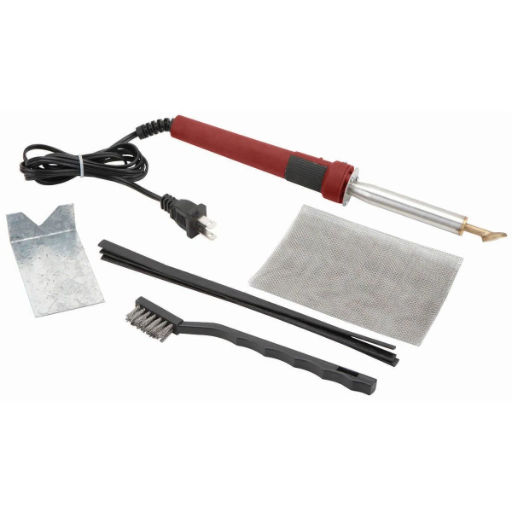
Welding kits come in various types, such as MIG, TIG, Stick, Flux-Cored, Oxy-Acetylene, and Multi-Process kits. Each type serves different purposes and skill requirements:
Beginner Welding Starter Kits
Choosing a proper starter kit at the very beginning of your welding career assures you of a smooth and safe learning process. Search for welding kits that are for beginners and contain these basic things:
✓ Beginner Kit Checklist
☑ Welding Machine
A MIG welder is strongly recommended for beginners due to its user-friendly, versatile design.
☑ Protective Gear
This will include a welding helmet with an auto-darkening feature, gloves, and fire-resistant clothing.
☑ Welding Wire or Rods
Check whether the kit is compatible with your machine and suitable for the material you plan to work on.
☑ Clamps and Accessories
Basic tools such as clamps for securing and cleaning welds and a chipping hammer are essential.
💡 Pro Tip: Pick kits from reputable brands that provide new welders with understandable instructions and quick support. This way, they can develop their skills and confidence more quickly.
Intermediate and Advanced Welding Kits
If you are skilled in welding, intermediate and advanced kits offer a wider selection of tools and capabilities for tackling complex projects. Usually, these kits include multi-process welders capable of MIG, TIG, and stick welding, providing versatility across different materials and techniques. Advanced welding kits may also include precision torches, upgraded safety gear, and digital displays for monitoring heat and current settings.
❓ “What is the reason of spending money on an advanced welding kit?”
Users prioritize attributes such as durability, convenience, and the availability of tools for specialized applications, including aluminum and stainless steel welding. These features are often found in Advanced Kits that are characterized by high-powered machines, pulse welding, and precise and sophisticated control functionality, which are, in fact, the essentials for projects that demand precision and professional-grade results. The key is not only quality but also the ability for the user to create parts with intricate designs or perform heavy-duty welding. In either case, investing in a professional welding kit will significantly improve process efficiency and weld quality.
Specialized Welding Kits for Specific Projects
Specialized welding kits are designed to meet the specific needs of specific projects, providing features and tools tailored to those requirements. For example, TIG welding kits may include precise torches and foot pedals, providing greater control when welding thin materials such as aluminum. In contrast, MIG welding kits typically have preset voltage settings well-suited to quick, heavy-duty tasks. Moreover, some kits prioritize portability and are better suited to repairs outside the workshop. In contrast, others are designed for artistic welding and include a supply of versatile tips for complex designs. Selecting the appropriate kit means understanding the project requirements and ensuring the equipment aligns with them.
Key Features to Consider When Choosing a Welding Kit
1
Types of Welding Process
Confirm whether the kit accommodates your required process, MIG, TIG or Stick welding, according to your project needs.
2
Power Output and Compatibility
Look for adjustable voltage and amperage settings to ensure compatibility with the materials and thicknesses you plan to weld.
3
Portability
If you will be working in different locations or on-site, consider the kit’s weight and size.
4
Durability and Build
High-quality materials, coupled with a robust design, should be your go-to if you want to ensure the kit lasts even under heavy use.
5
Accessories and Versatility
The kit should include essential accessories such as tips, torches, and safety gear, and be versatile enough to handle a wide range of applications, from simple repairs to elaborate designs.
6
Ease of Use
If you are a novice, it is best to choose user-friendly kits with clear instructions.
7
Budget and Value
It is essential to weigh price against features to ensure the kit offers good value without compromising quality.
Essential Accessories Included in the Kit
A high-quality soldering kit usually has the following essential accessories:
🔧
Soldering Iron
The main tool used to melt solder and connect parts.
🧵
Solder Wire
A roll of wire to form robust connections.
🧽
Sponge or Cleaning Pad
A cleaning tool for the soldering iron tip.
🗄️
Soldering Iron Stand
A holder that keeps the iron safe when not in use.
💨
Desoldering Pump
A handy tool for solder removal during repairs.
🔬
Tweezers
For precise handling of small components.
✂️
Wire Cutter/Stripper
For cutting and stripping wires as needed.
The availability of such accessories ensures safe, efficient, and precise soldering, whether you are working on small electronics or larger repair projects.
Types of Welders: MIG, TIG, Stick
MIG, TIG, and Stick are the three primary welding processes, each suited to specific tasks and materials.
This table highlights the key differences and features of each welding type, enabling users to select the right one for their projects.
Durability and Quality of Equipment
Durability and quality are two key factors to consider when evaluating welding equipment. Still, it is equally important to assess the project and the working environment requirements for that specific tool. MIG welders are robustly constructed and highly reliable so that they can last a long time even under high-volume, continuous use. On the other hand, TIG welders require skill to operate, but they deliver excellent precision and durability for delicate applications, particularly when working with thin or specialized metals. Stick welders are very robust and versatile and can work in rough conditions since their design is rugged and they can weld on rusty or dirty surfaces.
Besides, the only thing that can really shorten the life of any welding gadget is improper maintenance and lack of regular servicing. The high cost of the latest technology has made modern welding machines highly effective, with performance enhanced and usage extended, making them not just suitable but also a substantial investment for professionals and hobbyist welders.
⚠️ Safety Measures for Welding Projects
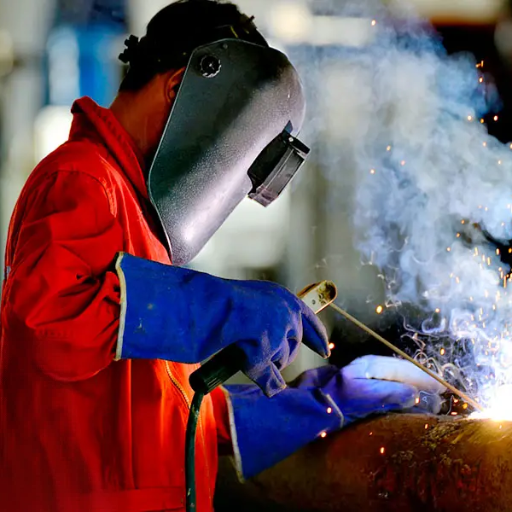
Safety is always the primary concern when working on welding projects. Personal protective equipment (PPE) such as a welding helmet, gloves, and flame-resistant clothing should be worn. Avoid inhaling toxic fumes by ensuring the work area is adequately ventilated. Keep a fire extinguisher nearby and clear the area of combustibles. Before you start, inspect the instruments for wear and tear. Practice proper welding techniques and follow safety rules to reduce risk.
Personal Protective Equipment (PPE)
Personal protective equipment (PPE) is essential for welding safety. The main items are:
🪖
Welding Helmet
It protects the face and eyes from harmful rays and flying debris. A helmet with an appropriate shade filter should be used for optimal protection against UV and infrared rays.
🧤
Gloves
Wear heat-proof, insulated gloves to protect hands from burns, sparks, and hot metal.
🥼
Flame-Resistant Clothing
Select flame-retardant jackets or aprons to protect against sparks and extreme heat. Do not use synthetic fabrics that can melt.
👓
Safety Glasses
It is advisable to wear safety glasses under the welding helmet for added eye protection.
👢
Steel-Toed Boots
They secure the feet from dropping objects and the metal that is molten.
⚠️ Important: These must always be worn and in good condition to get the full benefit of them.
Understanding Welding Fumes and Ventilation
Welding fumes consist of a complex mixture of gases and metallic particles produced during the melting process. These fumes pose a significant health risk to workers who accidentally inhale them. They can cause respiratory problems, including metal fume fever, and negatively affect the lungs over the long term. The risks are determined by the kind of material welded, the welding technique used and the length of exposure.
Proper ventilation is essential for eliminating harmful fumes and creating a safe working environment. The most effective measures include using local exhaust ventilation systems to trap and extract contaminants at the source, ensuring the welding area has adequate air circulation, and providing personal protective equipment, such as respirators, when necessary. Also, regular monitoring of air quality and compliance with OSHA and other applicable safety standards are crucial to minimizing hazards from welding fumes. With these preventive measures, workers can significantly reduce the health risks associated with welding.
Safe Practices for Home Welding
When performing welding activities at home, the first and foremost thing to think about is safety, which by the way, will keep accidents and health hazards at bay. Working in a well-ventilated area is the only way to reduce exposure to toxic fumes. Wear the proper personal protective equipment for the job, including a welding helmet with the correct tint, gloves, and fire-resistant clothing. Besides, make it a habit to clear from your work area all the materials that could easily catch fire and also keep a fire extinguisher handy. Also, use the right tools for the task and inspect your equipment for any damage before starting. Lastly, always check with the manufacturer’s guidelines regarding your specific welding machine and don’t leave equipment in use unattended.
How to Use a Welding Project Kit Effectively

To make the most of your welding project kit, you must first prepare strictly and adequately follow safety protocols. Get to know the kit’s components and the manual. Arrange the tools and materials so they are easily accessible while you work. Clean the metal surfaces and place the parts securely to counteract any movement during welding as the work area. If required for holding, use clamps or jigs. Work according to the welding instructions for your project, set the machine to the correct voltage and current and apply the proper technique. Monitor your progress and check weld quality regularly. After finishing the project, clean your tools and store the kit in a cool, dry place for future use.
Setting Up Your Welding Machine
First of all, I check which type of welding machine fits the purpose, i.e., MIG, TIG, or electric arc welding, to start with my welding machine setup. Then I go through all the parts carefully, like cables, hoses, and electrodes, etc., and make sure they are all proper and connected well to each other. After that I take the manual of the machine and set the parameters by changing the voltage, amperage, and wire speed according to the material I am using. If shielding gas is needed, I also verify that the correct one is connected. I conduct metal-surface cleaning and welding tests on scrap in January and February, when I am most confident the settings are correct.
Safety Tips and Essential Gear
Practice Projects to Enhance Your Skills
Basic Weld Joints
Initially, you should work on the basic weld joints like butt joints, lap joints, and T-joints to master the welding control and get welding consistency.
Metal Repair
Choose to practice by repairing small metal objects or tools, such as fixing a broken handle or filling a crack, to develop precision and technique.
Fabricating a Simple Frame
Fabricate a simple frame of rectangular or square shape out of metal, making accurate measurements and strong, clean welds at each joint the focus of your work.
Artistic Metalwork
Try to make few simple ornamental items, like a metal hook or a miniature sculpture, to enhance your imagination and develop your skills in fine work.
Building a Small Toolbox
Build a small metal toolbox or container as a project to become more familiar with measuring, cutting, and joining metal parts into a functional item.
Carrying out the above projects you will not only improve your welding skills but also increase your confidence in the use of different techniques and materials.
Reference Sources
-
Educational Resources and Product Guide | Miller Welds (PDF)
This guide provides welding training resources, classroom materials, and recommended tools for educational purposes. -
Welding Technology Tool Kit | Penn College Books (PDF)
A detailed list of tools and kits for welding technology students, including pricing and specifications. -
Welding Tool Kit | Lone Star College (PDF)
A comprehensive guide to required welding tools and kits for students at Lone Star College. - Top H Beam Production Line Manufacturer and Supplier in China
- welding projects guides
❓ Frequently Asked Questions (FAQs)
✨ Final Thoughts
Choosing the right welding project kit is a crucial step in your journey to becoming a skilled welder. Whether you’re a complete beginner looking to learn the basics or an experienced professional seeking advanced tools, there’s a kit designed to meet your specific needs. Remember to prioritize safety, invest in quality equipment, and practice regularly to hone your skills. With the right kit and dedication, you’ll be creating impressive metalwork projects in no time!


