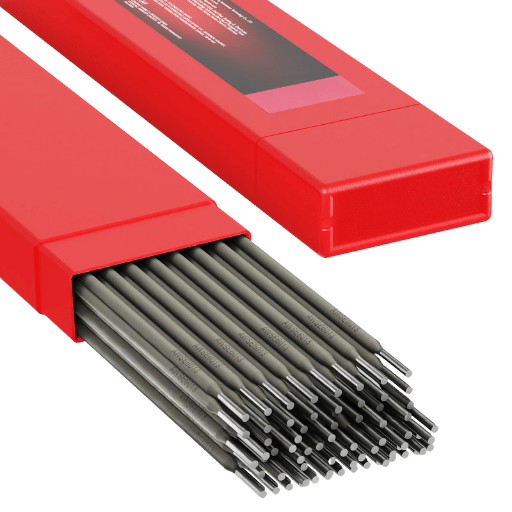
Welding rods should be reconsidered when choosing stick electrodes. That is because strong welds with a long life span are produced if the correct electrode is selected. The choice of weld rods molds all aspects of efficiency and finalization: whether for DIY, industrial repair, or metal structures fabrication. Many types of electrodes are used for specific applications, materials, or conditions. Its selection thus seems daunting. In this article, we will discuss some critical aspects of stick electrodes, focusing on the compatibility of materials, amperage, and position in welding. You will leave with enough information to base your choices confidently.
Introduction to Welding Rods
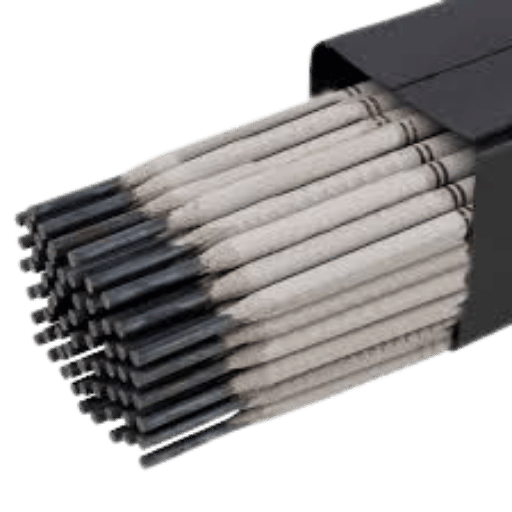
Welding rods, in the literal sense, act as electrodes for welding. They act as filler materials that are used in the welding of two work surfaces. Although welding rods usually melt to form part of the weld, they can also be non-consumable, meaning they produce the arc but are not part of the weld. Therefore, choosing the appropriate welding rod depends on the type of metal to be welded, secondary requirements for weld strength, and the method of welding used, such as shielded metal arc welding (SMAW). The welding rods must be stored properly to prevent moisture from contaminating them, as this may prove detrimental to the welding process.
Understanding the Basics of Welding Electrodes
Electrodes are welding rods essential in the welding process. They are medium carriers of electrical current to create the actual arc. Two main categories exist: consumable and non-consumable. Consumable electrodes melt during the welding process, joining with the metal being welded. On the other hand, non-consumable ones do not melt and are usually made of tungsten material. Selecting an electrode depends on various factors, such as the type of metal being joined, the welding position, and the operational requirements of the specific welding method being applied. It is essential to handle and store them properly to maintain their quality and bring forth high-quality weld results.
Importance of Choosing the Right Welding Rod
⚠️ Critical Point: Selecting the welding rod is critical for producing strong and durable welds free from any defects. This rod should be compatible with the base metal, possess sufficient strength, and meet the requirements of the selected welding process. Any mismatch of the rod to the application leads to weaker joints, more defects, and a loss of structural integrity. The selection criteria should consider the material composition and thickness of the base metal and the welding position. When matched correctly to the application, efficiency improves with less rework and assured consistent results.
Overview of Different Welding Techniques
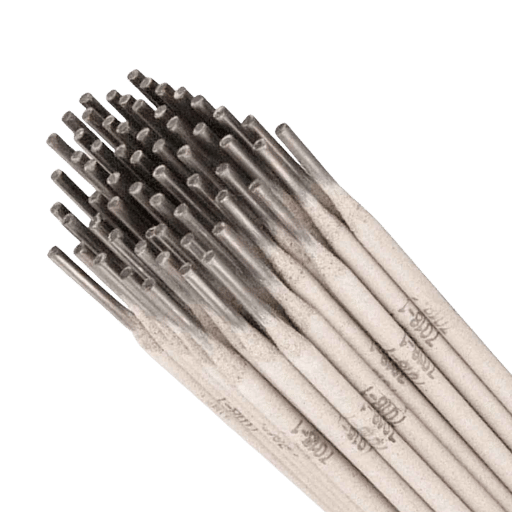
Welding is one of the fundamental processes in construction and manufacturing used to join metals and other materials. Various welding processes are designed for multiple applications, hosted by different materials and working conditions. A brief introduction to some standard welding processes follows:
1. Shielded Metal Arc Welding (SMAW)
Stick welding has always been considered an easy, flexible welding method. It uses a flux-coated consumable electrode to form the weld, making it appropriate for both outdoor and indoor projects. SMAW is prevalent in structural steelworks and pipeline repair due to its flexibility in performing in less-than-ideal conditions, such as slightly contaminated or rusty metals.
2. Gas Metal Arc Welding (GMAW/MIG)
Metal inert gas welding is a semi-automatic or automatic process in which a continuous wire feed electrode and a shielding gas are used to protect the weld pool from oxidation. Being the fastest welding method, MIG welding produces precise welds and is usually employed for welding thinner materials such as aluminum and stainless steel. Mig welding is extensively used in the automotive industry.
3. Gas Tungsten Arc Welding (GTAW/TIG)
Some might call it a precise and beautiful weld with TIG welding. It employs a non-consumable tungsten electrode. The rods are provided externally for any type of filler that might be necessary. Therefore, thin materials such as stainless steel and non-ferrous metals are best joined by the TIG method. The method requires a lot of skill and is slow. Remember that TIG produces clean welds that barely need finishing.
4. Flux-Cored Arc Welding (FCAW)
An evolution from MIG welding, FCAW employs tubular wire filled with flux to protect the weld from atmospheric contaminants. Sometimes, an external shielding gas is not necessary. While this welding process can easily work in the heavy construction and shipbuilding industries, its immense productivity for thicker metal sections makes it an incubator for such applications.
5. Submerged Arc Welding (SAW)
SAW is an automated process where the arc is submerged beneath a layer of granular flux, thereby preventing atmospheric contamination of the weld. The highest efficiency is achieved in creating significant welds in straight lines, which is why this method is extensively used in manufacturing pressure vessels, pipes, and structural elements.
6. Laser Beam Welding (LBW)
All laser welding essentially involves using a laser beam as a heat source to create welding joints that experience little to no heat distortion. Laser welding finds applications chiefly in aerospace, electronics, and automobile industries for smaller and more intricate parts. The working of laser welding is so fast and precise that it lends itself to mass production.
7. Ultrasonic Welding (USW)
Instead of conventional welding characteristics, materials are joined using high-frequency ultrasonic vibrations, which are often applied to plastics or metals but can also be used on stainless steel. It is commonly used in inthe manufacturing of medical equipment and electronics due to its low-temperature impact on materials.
Considerations for weld method selection include the nature of the material, the level of weld strength desired, the speed of production, and environmental considerations. To achieve the best possible results on a reasonable budget in any industry application, one must be well aware of the technical factors involved with each weld method.
Types of Welding Rods and Their Applications
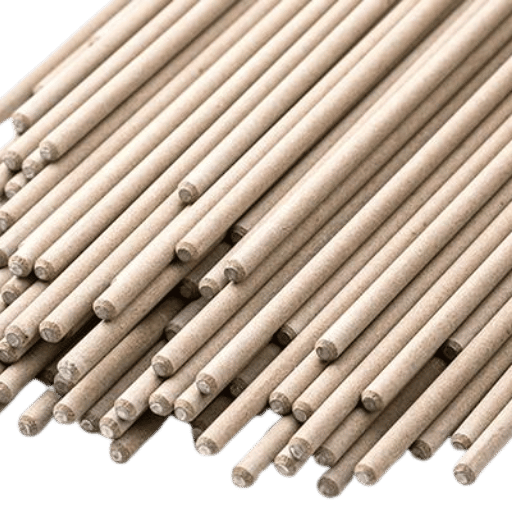
Common Types of Stick Welding Rods
- E6010 – This rod is regarded as having deep penetration and fast freezing; It welds in all positions, with applications in construction and pipeline work.
- E6011 – With the same characteristics as E6010, except that it can be used with both AC and DC currents, it is an excellent choice in situations where either power source may be available and where electrodes of different specs may be needed.
- E6013 – With light-to-medium-penetration capacity, E6013 electrodes are general-purpose electrodes with a smooth weld appearance and are often used for sheet metal work.
- E7018 – Being the low-hydrogen rod, it provides strong welds resistant to cracking, so it is an excellent choice for all structural and heavy-weld projects.
- E7024 – These electrodes are high-deposition electrodes used chiefly in flat or horizontal positions for speed and efficiency, often in fabrication settings.
Depending on the material, position, and desired weld quality, a rod type is selected.
Specialty Electrodes for Specific Materials
Specific welding works require electrodes made explicitly for particular materials to ensure they maintain their adequacy and effectiveness during the welding process. Below are some commonly used specialty electrodes and their applications:
Stainless Steel Electrodes
Electrodes for stainless steel welding, such as E308L-16 or E309L-16, offer excellent corrosion resistance and similar mechanical properties to stainless steel. These are used in food processing equipment, chemical tanks, and in areas where cleanliness and durability are of utmost importance.
Aluminum Electrodes
Aluminum welding rods, ER4043 and ER5356, are designed for welding aluminum and aluminum alloys. These electrodes fuse well and compensate for the pitfalls of welding aluminum, like the fast dissipation of heat and the formation of oxides. Automotive parts, aerospace projects, and marine structures are some typical applications.
Cast Iron Electrodes
Nickel-based electrodes such as ENi-CI or ENiFe-CI are formulated particularly for the repair or joining of cracks in cast iron parts. It exhibits superior machinability as well as compatibility with the expansion during heating. These electrodes find themselves in the repair and maintenance of machinery, engine blocks, and cast-iron pipes.
Hardfacing Electrodes
Rods for hardfacing are intended to withstand wear, abrasion, or impact in harsh environments. The usual candidates include chromium carbide or tungsten carbide electrodes, which are widely used in the mining, farming, and construction industries to extend the lifespan of components such as plowshares and industrial blades.
Copper and Nickel Alloy Electrodes
They provide welding for copper or copper-nickel alloys, which have excellent thermal and electrical conductivity. ERCu and ENiCu are electrodes used for this purpose. They are found in heat exchangers, desalination plants, and electrical applications requiring superior joints.
Using the electrode allows that welds will have the mechanical properties desired: strength, life, and environmental resistances inherent to the material in use. An understanding of the weld electrode and base material composition guarantees the weld’s longevity and quality.
Comparison of Coated vs. Bare Welding Rods
Factors Affecting Welding Rod Selection
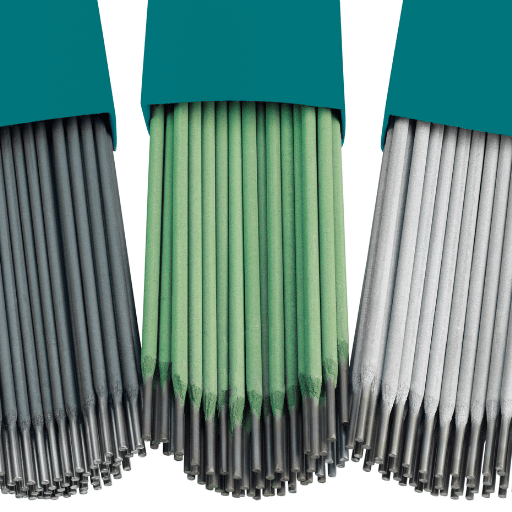
Material Type: Mild Steel, Cast Iron, and More
Rod Sizes and Their Impact on Weld Quality
Welding rod size is of the utmost importance in acquiring good weld quality, strength, and appearance. The choices for welding rod diameters should consider the material, welding process, and joint configuration. For instance, small rod sizes, such as 1/16″ and 3/32″ diameters, are typically used for thin materials or somewhat delicate work, allowing for precise control in low amp ranges. Larger rod sizes, such as 1/8″ and 5/32″, are used in welding thick materials because they provide significant deposition and penetration.
Key Considerations for Rod Size Selection:
- Heat Input: The size of the rod affects heat input and deposition efficiency
- Material Thickness: Rods that are undersized for thick materials will route insufficient penetration and make weak joints
- Welder Technique: The use of big rods requires the ability to apply even heat application
- Industry Standards: These are essential to comply with the strict requirements in aerospace and automotive applications
Rod size affects welding techniques as well. Slightly bigger rods need higher skills in heat transfer, while smaller rods demand care so as not to overheat. Selecting the right rod with the proper current and shielding gas will guarantee welding quality and structural integrity, while also reducing the need for post-weld finishing.
Welding Project Requirements and Techniques
When undertaking a welding project, it is essential to understand the material requirements and select the appropriate welding process to ensure the best result. Each base metal, whether carbon steel, aluminum, or stainless steel, offers unique thermal characteristics and requires specific treatments, such as preheat or post-welding, to prevent defects like cracking or warping.
For instance, in structural welding, processes such as GMAW or SMAW are preferred because of their versatility and strength. Industry reports state that for faster production ranges, using materials from thin sheets to thick plates, GMAW is the best, with deposition rates reaching as high as 8 pounds an hour using flux-cored wires.
Welding penetration and weld-line stability are announced upon proper current setting, voltage control, or travel speed. Heat input is also controlled through techniques of back-stepping and weaving to yield uniform results when the welding is large-scale and/or critically important, as well as through the choice of welding rod. Preparation can account for the factors of joint design and edge cleaning, ensuring that the actual weld will have adequate strength and decal.
Environmental factors like temperature, humidity, and wind conditions are managed to maintain the effectiveness of the arc and shielding gas. Observing accepted standards, such as AWS, ensures that safety and quality benchmarks are adhered to in all projects.
Common Mistakes in Welding Rod Selection
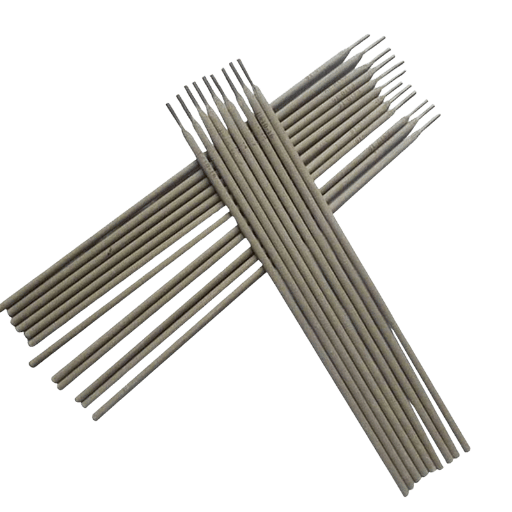
⚠️ Choosing the Wrong Electrode for the Job
Selecting an electrode that does not match the material being welded is one of the common issues. For example, using a rod for carbon steel on stainless steel might result in poor welds due to incompatible material properties; hence, the importance of selecting the appropriate stick. This may cause cracking, corrosion, or reduced tensile strength for the welded joint. Likewise, an improper electrode coating can cause issues with arc stability and weld penetration under adverse conditions like overhead and vertical welding.
According to the above statements, it is evident that welders should consider the electrode classification under AWS standards, such as AWS A5.1 or A5.5, to prevent such problems. For instance, an E7018 electrode is typically used for structural welding due to its low hydrogen content, which ensures that the chances of hydrogen cracking are almost nil. However, it should not be used with non-ferrous metals such as aluminum, since completely different materials have to be used as filler.
Best Practices to Avoid This Mistake:
- Joint design, position, and power source compatibility need to be taken into consideration in electrode selection
- Some rods are best used with an AC, while others give the best results in DC positive or negative polarity
- Refer to the manufacturer’s specifications to check for compatibility with the base metal
- AWS specifications are to be followed to get the desired weld quality and durability
Overlooking Coating Types and Their Properties
When deciding on welding electrodes, disregarding coating types and their properties can compromise the weld’s quality and performance. The coatings perform several vital functions, such as stabilizing the arc, protecting molten metal from contamination, and influencing the mechanical properties of the weld.
Cellulose-Based Coatings
Ideal for welding with deep penetration and all-position welds, making it suitable for pipeline projects.
Rutile Coatings
Improves weld look and makes slag removal easier. It is usually preferred for finished or light structural applications.
Low-Hydrogen Coatings
These electrodes contain very little moisture, which is essential to prevent cracking in higher-strength steels and alloys (such as AWS E7018).
It is evidenced that low-hydrogen electrodes, such as those classified AWS E7018, maintain weld integrity under severe stress situations. The most important thing is selecting the correct coating type depending on the welding conditions (position, base metal, environmental conditions) to ensure a weld with strength and no defects. With proper knowledge, one can prevent weld defects, reduce porosity, and meet industrial standards.
Ignoring Manufacturer Recommendations
Disregarding manufacturer recommendations in welding processes may lead to a loss in weld integrity and result in a multitude of defects. The manufacturer’s recommendations are based on rigorous and repeated testing, along with research and development, to ensure optimum performance and safety while adhering to American Welding Society standards.
Critical Finding: According to the Journal of Materials Engineering, weld failure rates increase by about 30% when the preheat temperature is not adhered to, more so for high-strength steels.
Consequences of Ignoring Recommendations:
- Moisture Absorption: Incorrect drying and storage conditions may cause porosity and hydrogen cracking
- Amperage Issues: Neglecting the specified range will lead to either excessive spatter or insufficient penetration
- Regulatory Non-Compliance: Risk of not satisfying standards under AWS D1.1 or ISO 9606
- Structural Reliability: Strength compromise and danger to joints
To alleviate these risks, one must adhere to the given guidelines, which include instructions on landscape conditions, electrode classifications, correct current settings, and heat treatment post-welding. Manufacturers, therefore, see these parameters not as mere guidelines but as essential factors that assure structural reliability, efficiency, and safety.
Expert Tips for Selecting the Right Welding Rod
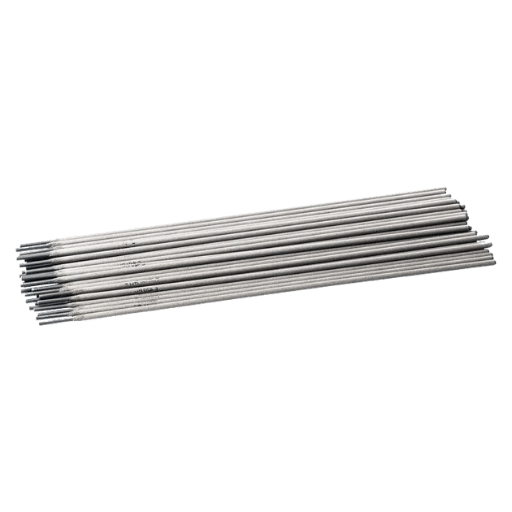
Assessing Your Welding Equipment
Correct evaluation of your welding equipment is a crucial step in ensuring maximum performance and safety during welding operations. First of all, check the welding rods for their compatibility with the welding equipment. For instance, a specified voltage and amperage range is required from the machine to avoid underpowering or overpowering the welding process relative to the electrode being used.
Equipment Assessment Checklist:
- Power Supply Compatibility: Determine whether your machine uses AC or DC power. Electrodes may be purpose-designed for DC operation, while some may work better with AC power.
- Output Controls: Fine adjustments should be made on machines for industrial applications to achieve better weld quality with less spattering.
- Regular Maintenance: Perform regular checks for cable damage, test connections, and clean all contact points to ensure consistent output and safe operation.
- Advanced Features: Equipment using inverter technology or thermal controllers will be more energy-efficient and be able to provide precise control over complicated tasks.
Have the tradespeople always choose tools based on the requirements of the job they are going to perform, so that productivity and work quality will improve.
Matching Electrode Type to Welding Technique
Selecting the correct type of electrode is crucial to realizing welds of high quality and consistency. Electrodes fall into consumable and non-consumable types based on their application or process. For example, consumable electrodes melt to become part of the weld, such as in shielded metal arc welding (SMAW), while non-consumable electrodes, such as tungsten in gas tungsten arc welding (GTAW), conduct the arc to heat the base metal without melting.
Welding techniques should be matched with electrode types based on factors like material composition, the weld strength needed, and the welding environment. Advancements in electrode designs nowadays provide better arc stability and less spatter, contributing to greater efficiency for the operator and less post-weld cleaning.
💡 Pro Tip: Likewise, electrodes must always be stored properly, as moisture absorption might impair the quality of the weld and create defects such as porosity. Electrode selection should always complement the welding technique and material requirements to guarantee optimum performance, cost effectiveness, and structural integrity on a project.
Practical Considerations for Beginners and Professionals
Various pragmatic elements need to be addressed in the journey of TIG welding, whether one is a beginner or an experienced professional, to ensure favorable results.
Material Preparation
Cleaning the workpiece thoroughly and removing all contaminants—especially oil, grease, and oxide layers—is part of the process. Employ wire brushing or chemical cleaning according to the material, that is, whether it is stainless steel or aluminum, for more consistent welding results.
Heat Management
Control of the heat input must be maintained in TIG welding to avoid distortion, especially with thinner materials. It is advisable to use water cooling for the torch during long welding periods or when working at a high amperage.
Equipment Settings
Keep an optimum balance between amperage and gas flow rate. The industry recommends 15-20 CFH when working with argon shielding gas, though this could change according to the material thickness.
Personal Safety
Use welding helmets with auto-darkening filters; gloves must withstand high temperatures; and clothing should be flame-retardant. Keep the workspace well ventilated so that harmful fumes are removed.
By taking care of these considerations with precision and following American Welding Society recommendations, welders, whether good or bad, can improve efficiency and accomplish a quality weld.
Frequently Asked Questions (FAQs)
Q: What factors should I consider when choosing a welding rod?
A: Consider the type of metal being welded, the thickness of the base metal, the welding position, and the particular welding process that will be applied when choosing a welding rod. While various welding rods are aimed at different applications, you must see which rod matches your specific project.
Q: How does the welding electrode affect the welding process?
A: An aerosol in the welding process is the electrode type you choose. Low hydrogen types for mild steel welds are indeed very sensible, giving strong welds with high tensile strength. An inert, non-consumable electrode, such as a tungsten electrode, can be used in processes like TIG welding.
Q: What is the difference between E6010 and E6011?
A: E6010 and E6011 electrodes are both widely used stick electrodes in shielded metal arc welding operations. Primarily, these electrodes differ in their welding characteristics; E6010 is capable of producing a weld with deep penetration and performs well in vertical and overhead applications, whereas E6011 offers a more stable arc and is more adaptable to adverse working conditions.
Q: How can welding rods be stored appropriately?
A: Proper storage of welding rods is imperative to their quality maintenance. They must be kept in either rod ovens or any dry place. Moisture absorption damages their weld quality. Also, do not dress them in extreme temperatures or expose them to high humidity to ensure they remain suitable for welding.
Q: Is there any significance in choosing the welding rod for my project?
A: Selecting the welding rod is pretty crucial when one wants to attain the desired results for their welding job. The rod will provide good penetration, reduce defects, and have the strength to support the weld, all of which are increasingly important in different types of metal.
Q: What welding rod should one use for cast iron?
A: For cast iron welding, rods should be used that are manufactured particularly for that metal, such as nickel-based rods. These rods produce a weld that is suitably strong with respect to the cast iron, since it lessens the degree of cracking.
Q: What is the function of the coating on stick welding rods?
A: The coating on stick welding rods serves the purposes of stabilizing the arc, shielding the molten metal from contamination, and making the welding process easier. Depending on the coating, one can alter the appearance of the weld or depth of penetration; hence, rods with a particular coating need to be chosen for the work at hand.
Q: How do I determine the thickness of the metal in selecting a welding rod?
A: Determining the thickness of the metal in selecting a welding rod is basically measuring the thickness of the base metal by means of calipers or a thickness gauge. Once the thickness is known, the type of electrode and intensity of welding current can be chosen to make a weld strong enough while at the same time preventing burn-through.
Q: What are the advantages offered by the shielded metal arc welding process?
A: This process imparts excellent advantages: from performing welds in position and being easy to master for beginners, to welding very thick materials. It employs stick electrodes that melt into the weld pool, making the process applicable to many metals and applications.
Conclusion
Choosing the correct welding rod is a fundamental decision that influences the quality and strength of your welds, as well as the success of your welding projects. By understanding the different types of electrodes to use, material compatibility, equipment capabilities, and assessment, and by following manufacturer recommendations for the electrode, one can achieve professional-grade results, whether a beginner or a competent welder. Remember: store properly, keep environmental factors in mind, and stay true to all the industry standards-consider AWS guidelines as an example. With the knowledge gained from this thorough guide, you will be ready to make choices that enable you to weld and finish jobs quickly, producing welds that are strong and reliable for any application.
Reference Sources
- 1. Arclabs Welding School: What Stick Welding Rod Should I Use?
- 2. Purdue University Extension: Welding Beginner Manual with Record Sheet
- 3. American Welding Society (AWS) Standards and Guidelines
- 4. Top H Beam Production Line Manufacturer and Supplier in China