
Even the minutest deviation from the standard poses significant challenges in high-precision motion applications. Unmechanical creep, the almost negligible shifts caused by continual stress over time, is one of the most understated problems in advanced robotics and biomechanics of the aerospace industry. Precision maintenance has become a paramount discipline in the military robotics and manufacturing industries. In this article, we’ll explore the ‘cutting-edge’ innovations made to combat mechanical and reliability creep, restore dependability throughout the vertebrate system, maintain motion, and make systems work without fault. By knowing the logic and further contemporary approaches, you’ll learn how to shield your high-precision engineering motion devices. Keep reading to find the ideal solution for your unique needs!
What is an Anti-Creep Device?
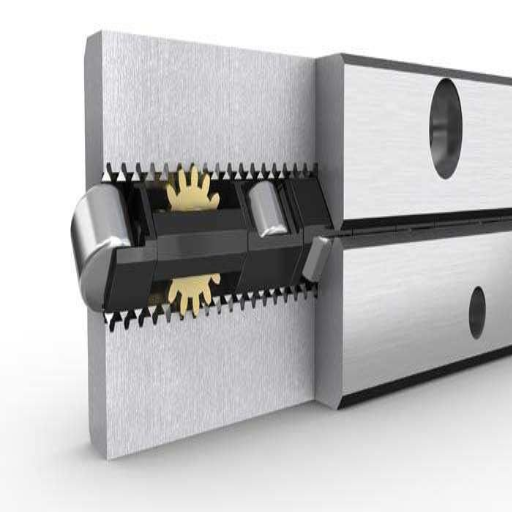
An anti-creep device is an anti-sway component that is intended to avert any further movement in systems that require precision, like engineering mechanics. Sway arises from a gradual load application, such as standing still in one position for an extended period, or heating a body to a higher point than normal temperature. So, temperature or time-induced deformation results in the loss of the overall accuracy of the system and its reliability. Anti-Creeping mechanisms have become the most reliable and indefatigable strategies for assuring systems’ expected performance, systems’ absolute correct functional accuracy, and thorough protection for losing alignment or an absolute malfunction in any critical work conditions.
How Do Anti-Creep Devices Function?
The applications of an anti-creep device encompass employing specific mechanisms or materials that delay the motion of a device or structure and deformation over time. Usually, these devices employ friction, locking mechanisms, or preloaded components to stabilize the device under various conditions. For example, ball screws in precision machinery may utilize anti-backlash nuts to prevent movement due to gaps or shifts during operation. More advanced anti-creep solution devices may also incorporate materials qualified for elevated temperatures to lessen the effects of thermal expansion or contraction. Mechanisms of this sort help to uphold proper alignment, reduce wear, and ensure system reliability.
Applications of High-Precision Anti-Creep Devices
The need for high-precision anti-creep devices is vital across many industries where operations must be accurate, reliable, and durable. Below are their five key applications:
- Robotics and Automation
Robotic and automated arms require ever-increasing precision at each stage of their movement. Since the level of precision for operations like soldering, welding, picking, and placing components in high-tech factories is very high, it is crucial that there is no jerk in the movement. Thus, lone positions have to be precise and static, ensuring the anti-creep mechanism works.
- Aerospace Engineering
High-precision anti-creep devices for aviation and space systems need to ensure absolute accuracy, precision, and structural support in regard to temperature variance, extremely high vibration, and pressure.
- Optical Devices And Instrumentation
Advanced optical systems, such as telescopes, microscopes, and laser equipment, opt for anti-creep devices to ensure the alignment of lenses and mirrors stays perfect even when subjected to external vibrations.
- Medical Equipment
Pivotal medical-grade tools, such as MRI machines or surgical robots, take advantage of anti-crack solutions for perfect positioning and operation at all times, allowing for faster diagnosis and treatment results.
- CNC Machinery And Precision Manufacturing
CNC systems and high-precision manufacturing tools are ensured to lack backlash or positional errors through anti-creep devices, which permit incredibly tight tolerances on the components being produced.
What are the Benefits of Using Anti-Creep Products?

- Enhanced Precision
Applying anti-creep products achieves accurate placement and movement for maximum dependability and operational efficiency.
- Improved Durability
By avoiding mechanical system creep, these products reduce the need for maintenance while increasing system longevity.
- Consistent Performance
Preserving stable and reliable control is essential for many industries, such as healthcare, manufacturing, and robotics, which rely on precision.
- Cost Efficiency
Smoother corrective maintenance increases resource optimization while decreasing repair and replacement usage in the long run.
- Safety and Reliability
Limiting unwanted positional changes and catastrophic mechanical malfunctions makes these products vital for reliable and safe systems.
Enhanced Performance in Automotive Applications
The importance of anti-creep technology cannot be overstated when considering automotive systems’ performance, safety, and life span. Take automatic transmissions, for example. The anti-creep feature in these systems helps hold the gears in precise positions, thus reducing the damage that may arise from shifting/movement in the mechanisms. This reduces the smoother changeovers, which improves the driving experience.
Moreover, anti-creep solutions are also crucial for various other systems, such as brakes, especially in electronic parking brakes (EPBs). These systems help stop the vehicle from rolling back on slopes, thus improving safety during normal driving activities. According to research done by MarketsandMarkets in 2023, the global market for automotive EPB is estimated to grow at 9.12% yearly due to the high adoption of advanced vehicle safety systems.
In addition, anti-creep mechanisms are very effective in braking and energy usage in electric vehicles (EVs). Research shows that the use of these systems in EVs improves energy efficiency by as much as 5-10%, which improves the vehicle’s range and performance while reducing damage to critical components.
Incorporating such devices in automobile systems embraces modern technological developments while enhancing focus on sustainability and safety.
Improving Load Management with Anti-Creep Solutions
Progress in anti-creep technologies is aiding immensely in controlling loads in modern vehicles, particularly electric vehicles (EVs). Proper load management requires a subset of elements that can endure sustained pressure and the resultant wear and tear over time without compromising performance or safety. Anti-creep solutions, such as anti-creep rings or integration with advanced braking systems, improve system performance under stress-bound conditions, known as creep.
Research shows that applying anti-creep technologies can reduce mechanical wear from 15-20%, thus increasing the lifespan of critical components like brake pads, rotors, and even transmission systems. The application of anti-creep measures in EVs, for example, exploited the so-called parasitic motion through the drivetrain energy management system, alleviating load variations and optimally controlling energy, improving the efficiency of the vehicle significantly.
Some industries embracing the anti-creep solutions noted reduced brake-based energy losses, complementing regenerative braking schemes. This leads to a smoother driving experience, decreases energy consumption, and increases the vehicle range by 7-12%, wartime conditions notwithstanding. Further, the need for sustainable transport solutions is met as the lower maintenance cost degradation protects the environment through waste minimization. Creeping products ensure load management is streamlined in the automobile as it aids in the balancing of safety and eco-friendliness features.
How Anti-Creep Devices Ensure Smooth Operation
Anti-creep devices are momentos de la gran importancia in preventing unwanted moves or slippage of mechanical parts in automotive systems, so that slippage does not occur during high loads or dynamic operations. Creep prevention mechanisms, in particular, are essential for ensuring alignment and containment of excessive mobility in advanced braking, transmission, and suspension linkages, as excess rotation and movement would jeopardize the systems and pose safety problems.
Recent developments suggest that applying advanced friction materials and frictional locking devices as anti-creep solutions cuts off deformation at critical components by 25%, significantly improving these components’ lifespan. In addition, there is a clear shift in the use of Vormax and TPC Chips, which are powered by high-performance fiber-reinforced composites and thermoplastics, for designing such devices. These materials provide downgraded resistance against wear and thermal degradation under extreme operating conditions and provide steady performance under prolonged cycles.
According to industry reports, using modern anti-creep designs optimally leads to performance in maintenance cost reduction of about 15-20 percent, as they reduce part replacement and system failure needs. Apart from those expenses, these designs enhance the energy saved due to the reduction of internal friction and mechanical synchronization optimization, aiding in the mission termed carbon footprint.
The role of anti-creep devices in modern structures is critical, as they are one of the reasons automotive engineering has developed to the extent it has today. These devices ensure a vehicle delivers a consistent, dependably safe, and environmentally friendly driving experience by eliminating any dramatic changes in operation and preemptively tackling any stress scenarios.
How to Choose the Right Anti-Creep Device for Your Needs?
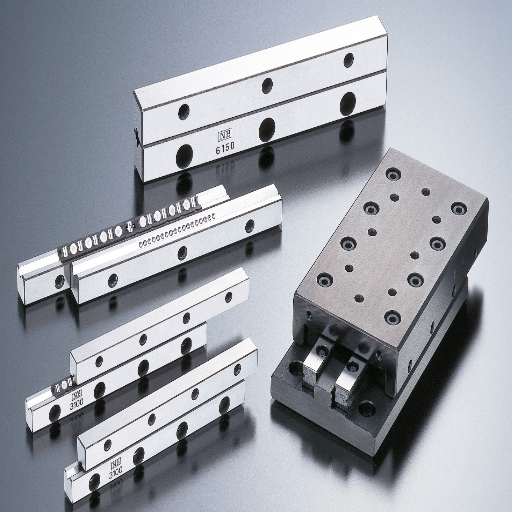
In this section, we will highlight some important aspects to keep in mind when choosing the right anti-creep device:
- Compatibility with Your Vehicle—Make sure that the device is tailored to your vehicle’s model and make. Always check the manufacturer’s guidelines for compatibility.
- Load Capacity – Pick a device with at least the minimum vehicle load requirements to guarantee the best performance.
- Material Quality—Choose devices made of high-quality materials that are strong enough to withstand vigorous usage over time and the elements.
- Ease of Installation—Choose a device with easy installation procedures that do not require special tools or professional help.
- Brand Reputation – Going for brands or manufacturers that have established a name for themselves in producing quality anti-creep devices is advisable.
- Cost vs. Value—Find an optimal option that does not skimp on serviceability. Although better quality options should always be preferred, overly cheap options will likely sacrifice safety or performance.
These tips to aid in anti-creep device selection allow for maintenance-free, dependable operation that is tailored to personal needs.
Factors to Consider: Size and Design
Design and size are crucial, and anti-creep devices should be fitted appropriately to perform effectively and exceed expectations. The following are the most important aspects to consider in detail:
- Device dimensions – Make sure that the device’s size fits its predetermined machinery or application criteria. The device needs to function optimally within these parameters. Remember to take complete measurements before making a purchase.
- Load Capacity—Choose a design that supports the maximum load weight for the effort. Study the manufacturer’s drawings to verify the data for the application.
- Material Composition—Use ‘ease of resistance’ as selection criteria. Select tools made with steel and engineered composites that can endure long-term use to guarantee toughness and resistance to wear.
- Installation basics: Choose a design that can be installed in minimal time without the use of specialized tools and advanced knowledge. Lower complexity translates to less downtime.
- Design and ergonomics are two refining terms. Consider ergonomics and aesthetics for areas where the device will be placed or touched often. A good design is not only smooth and appealing but also highly usable and enables better harmony beyond visual and sculpture.
All the considerations enable one to leave no stone unturned in ensuring the dimensions and designs of the anti-crack device correspond to a perfectly zero operational and practical set of requirements.
Evaluating High-Quality Anti-Creep Products
The following benchmarks need to be considered while assessing the effectiveness and reliability of available anti-creep products in the market. First, the materials used within the product are crucial. Identify products made of corrosion-resistant and durable materials, such as reinforced composites or stainless steel, that offer reliable performance over a long duration. Second, the certifications that endorse compliance with standards set by industries and regulatory bodies should be checked, as testing and certification are a quality assurance mark. It is essential that the device in question complies with relevant legislation and has undergone adequate testing for safety and the device’s efficiency. Lastly, case studies formulate customer feedback, which is critical to understanding the product’s performance. Anti creep products have different applications which include anti cage creep technology, anti creep rings, anti creep screws and shrink tube devices.
Comparing Different Anti-Creep Solutions in the Market
Putting all these pointers together will ensure that the product selected offers maximum value in usefulness while providing the desired performance.
| Solution | Key Feature | Application | Material | Durability |
|---|---|---|---|---|
|
Anti-Cage Creep |
Prevents drift |
Linear guides |
Brass/Steel |
High |
|
Anti-Creep Rings |
Elastic/rigid |
Plastic assemblies |
Metal/Plastic |
Moderate |
|
Anti-Creep Screws |
Fixed preload |
Automotive joints |
Steel/Aluminum |
High |
|
Shrink Tube |
Crash-resistant |
Structural joints |
Polymer |
Moderate |
What are Common Applications for Anti-Creep Systems?
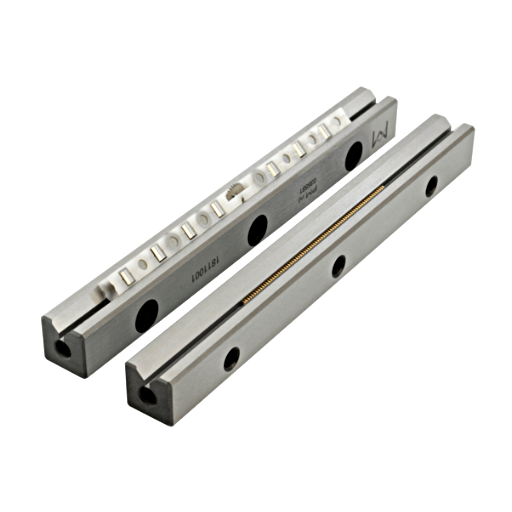
The Anti-Creep Ruts prevent slipping in the same way that Anti-Creep systems work in construction, energy, mechanized sequencing systems, and wind turbines. A slip in any of these systems is often a cause for wear, increased operational downtime, and, in most cases, less-than-safe working conditions.
Use in Linear Motion Systems
As the name suggests, a linear motion system has at its center the concept of a straight path system. The system addresses the issues of friction and wear by incorporating rail guides, carriages, and actuators. Each linear motion system controls movement, surpassing conventional standards, which makes it renowned in the industrial sector. Adding advanced materials, smart feedback sensors, and self-adjusting tools has supplemented the claimed aspects, promoting better energy control and efficiency.
Application in Rail and Table Designs
In table or rail construction, linear motion systems provide flexibility and precision, which makes them very important. As such, they have numerous applications. Below are five areas in which they are heavily featured:
- CNC Machinery Tables
Precision machining and replication in production processes are achieved through the accurate and smooth movement of CNC tables, which is made possible by linear rails.
- Automation Assembly Lines
Part and component placement is done accurately and quickly with the help of linear motion rails on the tables, which greatly enhances the efficiency of automated assembly processes.
- Medical Imaging Equipment
The precise table movements enabled by linear rails in devices like CT scanners and MRI machines improve medical diagnostic possibilities.
- 3D Printing Platforms
Linear motion systems stabilize and maintain the position of a 3D printer’s print bed and extruder, resulting in accurate deposits of printer materials in various layers and high-quality prints.
- Packaging Machinery
Applying motion control to the rail and table mechanisms makes swift and precise movements in packaging processes possible, greatly enhancing throughput while minimizing mistakes.
As observed in the examples above, linear motion technology is adaptable and critical in advanced industrial and medical environments.
Industrial and Manufacturing Uses of Anti-Creep Devices
In industrial systems and equipment, **anti-creep devices** are one of the primary components created to address the diabolical problem of positional drift in linear motion applications. Specifically, these devices prevent ball screws, linear guides, or rollers from recovering out of alignment due to forces, surroundings, or active repetitive use over time.
One precise use case is precision machining. High-end CNC machines thoroughly rely on anti-creep devices for marked positional alignment during speedy operations. Even a 0.01 mm deviation could lead to expensive anti-creep devices, making them crucial.
Equally, in manufacturing conveyor systems, anti-creep technology also helps maintain smooth motion along coils of long lengths. If such devices did not exist, maverick continuous vibrations and load stresses would completely misalign the system, which is not productive. Research has shown that anti-creep devices in these systems can increase the operational life up to 25%, drastically reducing downtime and costs.
Another essential use is robotic automation in assembly lines. These systems are frequently configured to function at high speeds while repetitive tasks require the highest level of accuracy. Anti-creep devices maintain the motion controller boundary, restoring devices properly and eliminating major alignment malfunctions that can stop production. In automotive, for example, automated welding or stamping may generate defects and unnecessary material expenditures if the processes do not have the proper alignment.
According to a 2023 market report, the international supply of anti-creep technology for industrial uses is increasing at a rate of 6.2% CAGR. This reflects greater levels of automation and precision requirements in most industries, including aerospace, electronics, and medical device manufacturing.
Incorporating anti-creep devices results in higher reliability, decreased maintenance, and better productivity, all critical for the modern industrial outcome.
Reference Sources
-
ASCE Library – Optimization of Anti-Creep Admixtures for Plasterboards
This source covers studies on anti-creep admixtures regarding their application and their effectiveness in gypsum plasterboards.
-
ScienceDirect – Anti-Creep Pretension Determination for Mesh Reflector Antennas
This paper investigates the issues related to the anti-creep pre-tension strategy for preserving the permanent surface accuracy of mesh reflector antennas.
- Top Welding Rotator Manufacturer And Supplier In China
Frequently Asked Questions (FAQs)
Q: What is an anti-creep device, and how does it work in high-precision linear motion?
A: An anti-creep device is designed to prevent unwanted movement or creep in high-precision linear motion applications. It works by ensuring that the components, such as the crossed roller track and rack and pinion mechanism, remain stable and in place, even under high-speed operating conditions.
Q: How can I determine if an anti-creep device suits my application?
A: To determine suitability, consider the operating speed, load capacity, and direction of motion required in your application. Reviewing the manufacturer’s catalog and specifications will provide insights into which anti-creep device will work best for your needs.
Q: What maintenance is required for an anti-creep device?
A: Regular maintenance includes checking the raceway surface for wear, ensuring that the holder and pin are secured, and lubricating the unit as recommended by the manufacturer. It’s important to service the device to prevent creep issues.
Q: Can I easily replace the anti-creep device in my existing setup?
A: Yes, most anti-creep devices are designed for easy replacement. They often come as a complete kit with all the necessary components, allowing for a straightforward installation process.
Q: What types of applications benefit from using an anti-creep device?
A: Applications that require high precision and stability, such as CNC machines, robotics, and measuring instruments, greatly benefit from using an anti-creep device to maintain accuracy during operation.
Q: Are there any concerns regarding the weight of an anti-creep device?
A: While some anti-creep devices can be lightweight, it is essential to ensure they are robust enough to handle the operational demands. Manufacturers typically provide information on the weight and suitability of their devices for various applications.
Q: How does the anti-creep device handle vertical motion?
A: Anti-creep devices can be designed to handle vertical motion by utilizing specially designed holders and tracks that prevent creep regardless of the direction. This ensures consistent performance in both horizontal and vertical applications.
Q: What factors influence the performance of an anti-creep device?
A: Key factors include the raceway design, the quality of the crossed roller bearings, the lubrication used, and the overall construction of the unit. Proper selection and maintenance of these factors can enhance the performance of the anti-creep device.
Q: Is there an auto-release feature in some anti-creep devices?
A: Some advanced anti-creep devices may feature an auto-release mechanism that allows for quick adjustments or resets, making it more convenient for operators. Check the product specifications to see if this feature is available.
Q: Where can I find detailed specifications for anti-creep devices?
A: Detailed specifications can typically be found in the manufacturer’s catalog or website. Many manufacturers provide in-house support to help customers select the most suitable anti-creep device for their applications.

![Robot Welding Parameters [Traceable Window]](https://zhouxianggroup.com/wp-content/uploads/2026/10/robot-welding-parameters-blog-featured.png)


