
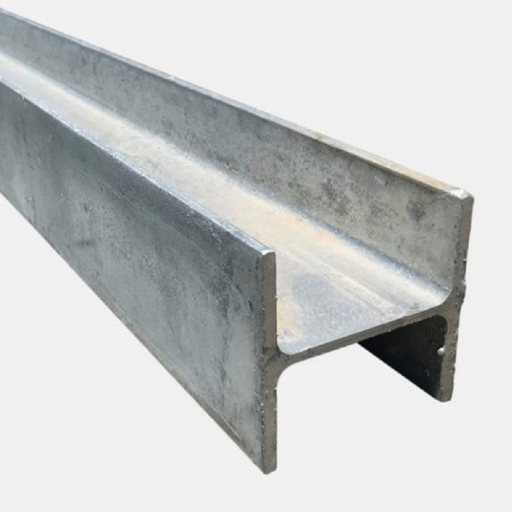
From an engineering perspective and in regards to modern construction, H-beams hold a vital place as one of the most prominent components of structural steels. However, that leads us to ask, what makes these steel beams so necessary, and how do they differ from their close relative I-beams? I will dive into the distinctive features that define H-beams, along with their importance pertaining to the construction of strong and dependable structures. From a practical viewpoint, you can expect to learn something new, whether you are a part of the industry, intrigued by construction, or curious to explore how steel is manufactured. Alongside everything, I will elaborate on the central part of the article, which dissects the entire procedure of H-beam production. The entire industrial process starts with smart techniques and advanced technologies, which practically guarantee precision and efficiency at each stage.
How is the H-Beam Production Process Initiated?
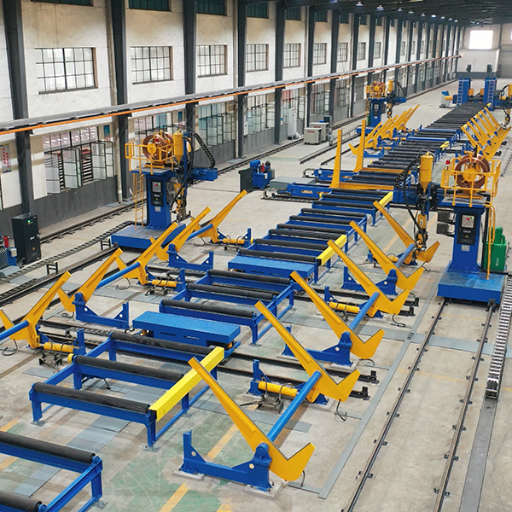
The H-beam production process starts with the H- beam placement manufacturing high-quality steel. A furnace is used to heat the steel so it can be shaped, altering its profile to an H and ensuring the beams have proper dimensions.
What is the Role of Raw Material in H-Beam Manufacturing?
The primary concern when manufacturing H-beams is choosing the appropriate raw materials as they directly affect the final product’s quality and strength. H-grade steel is often chosen for its strong versatility, flexibility, and resilience against pressure. The alloy combination of the steel includes carbon, manganese, silicon, and small amounts of other elements to balance the performance further. For example, manganese enhances the tensile strength and silicon improves the elasticity.
The most recent industry research shows a single need for structural cut parts and H-beams within the structural steel market improvement. H-beams have become much more popular because they allow better performance in business and consistently outperform other products. Close to 25% of H-beam production parts take advantage of low and high alloyed steel making the beams lighter but durable.
In addition, meeting international standards like ASTM A36 or EN 10025 hinges on the quality of raw materials used. Compliance with these standards entails both mechanical and composition benchmarks; hence H-beams can be used for bridges, skyscrapers, and industrial structures.
How Does Molten Steel Transform into a Beam?
An exacting process involving numerous advanced technologies begins with the steel mill, where iron ore, coking coal, and limestone are transformed into molten steel in a blast furnace. Once critical quality benchmarks of alloy composition are met and monitored throughout with stringent QC protocols, the molten steel is cast into slabs, blooms, or billets. These are the semi-finished products.
During the H-beam manufacturing process, billets are reworked to about 1200°C in a rolling furnace and go through multiple rolling mills. These mills reshape the billets to the desired H-shape, while ensuring strict tolerances. Universal tandem rolling and other advanced rolling methods are used to give the beam uniform strength and consistency along its entire length. The latest automation systems supervise the entire operation, optimizing the structure’s rigidity.
Once the rolling is complete, the microstructure of the steel is refined using controlled cooling techniques, improving its ductile and tensile properties. Other beams may have additional heat treatments applied to them depending on their use. These additional processes may include quenching and tempering. Dimensional and aesthetic requirements are achieved through finishing processes that include straightening, trimming, and surface inspection.
H-beam manufacturing now incorporates measures aimed at achieving sustainability targets, such as reducing energy consumption and recycling scrap steel within the production cycle. The International Energy Agency has reported that newer steel plants now consume an average of 20 GJ per ton of crude steel, a significant reduction compared to the older methodologies. Such IEA innovations only further increase the sustainability and efficiency of the steel production industry.
What Makes The Universal Rolling Mill Important?
The Universal Rolling Mill has been instrumental in modernizing the production of steel since it allows the greatest variety of high-quality steel products to be manufactured. Its configuration for unique bi-directional rolling axiomatic permits accurate control of dimensions alongside uniformity of surfaces. Because of its versatility, the Universal Rolling Mill is best suited for the fabrication of structural sections for beams, channels, and rails which are critical for construction, and infrastructural projects.
Based on recent studies, universal rolling technology- integrated mills are considerably more productive and economically efficient than traditional counterparts due to lower material wastage. As an example, other studies report of universal mills achieving improved utilization rates of up to twenty percent thus reducing cost of steel production. Furthermore, such smaller cost alternatives aid in the sustainability agenda by providing a more efficient means of energy utilization while reducing byproduct emissions. With the increased precision that comes with using enhanced control systems, these mills are less precise in the rolling action which reduces the need for extensive finishing work done afterward.
Why is Weld Crucial in H-Beams Manufacturing?
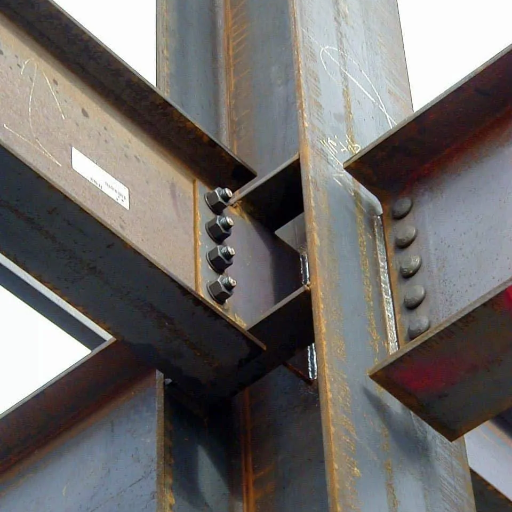
The importance of welding in the manufacturing of H-beams lies in the fact that it fully integrates the beam’s structure and strengthens it. Welding unites the flanges and the web, transforming them into a single component that can endure substantial loads and stresses. Furthermore, reliable welding practices are critical in sustaining accuracy along with consistency in dimensions, which is very important for the safe and efficient use of H-beams.
Understanding the Weld in Steel Products
Welding performs an important function in the manufacturing of steel products, which are joined through powerful and careful processes. The fabrication of the weld requires heating the rods up to their melting points, so that both materials can join together and form a bond, which can either be reinforced or as strong as the basic materials. This procedure is especially relevant in construction, automotive, and shipbuilding industries, where the structure has to be reliable.
Recent data collected in the industry shows that over half of the steel products around the globe contain welding as a part of the manufacturing production process. As an example of this, there was approximately $20 billion in dollars spent in America alone on the welding market in 2022, and that number is expected to grow as more and more economies begin using prefabricated steel for infrastructure, especially in emerging economies. In modern times, accuracy and precision is of utmost importance, and new sophisticated methods such as laser welding and friction stir welding have made strides in contemporary welding automation systems. Error margins for automated systems can be as low as 1%.
Additionally, the strength of the welds made makes them extremely vital in the construction ecosystem especially in steel structures. Recently we discussed a study that focused on welded structures and found that around 90% of the welds performed well consistently and performed well under variable loads showcasing great reliability. This goes on to provide great endurance and safety when manufactured welded products. Combining high-end materials with properly executing the right welding methods definitely goes on to make modern weld unavoidably crucial in todays world.
Construction manufacturers are now able to meet demands of the evolving world by adapting performance steel products by integrating innovative technologies and employing strict quality control methods, making modern welds outstanding.
How Effective is Welded Steel on Structural Steel?
Welded steel greatly enhances structural steel with dependable, long-lasting joints essential to engineering and construction. Such bonded joints can be obtained using welding techniques like gas metal arc welding (GMAW) and flux cored arc welding (FCAW), which further optimize structural performance and construction versatility, increasing resilience, and load-bearing capability of the structure.
Recent studies show that welded joints can achieve 70-90% of the base metal strength. This varies with the welding technique and quality of material used. Industry data suggests modern welded steel structures exhibit enhanced fatigue resistance enduring dynamic and cyclic loads for longer periods. Further fatigue resistance is achieved due to advanced automation such as robotic welders improving consistency and reducing production times by 30%.
Structural design alterations are complex, but welded steel permits them without sacrificing structural integrity. Vertical and horizontal loads are abundant in skyscrapers, bridges, and industrial plants, all of which reap the benefits from welded steel. Additionally, integrated high-strength steel grades ensure safety and reliability by withstanding extreme environmental conditions such as seismic activity, high winds, and temperature changes.
The importance of welded steel in reinforcing and optimizing structural applications in various industries underscores the advancements made in practice and welding technologies.
Problems Encountered When Welding H-Beams
I find that H-beams and their associated welding processes have several problems. One of them is controlling the heat caused by the high temperature involved which can burn and cause the beam to lose its shape. In addition, the uniformity of the welds along the beam is very important since weak spots can severely compromise the integrity of the structure. Some positions may be constrained and difficult to reach, especially in intricate geometrical shapes, thus requiring complex planning and special instruments. With regard to the applied welding method, defect-free welds with no cracks or porosity require careful consideration to welding material selection and the methods used to ensure that all materials overlap appropriately.
What are the Key Steps in Carbon Steel H-Beam Manufacturing Processes?
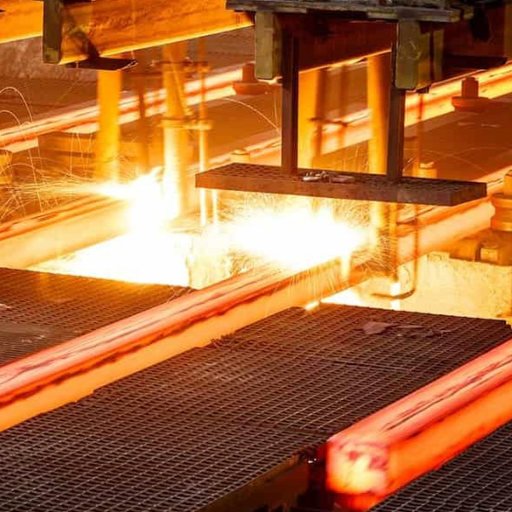
- Material Selection – The carbon steel is picked because it satisfies the strength to weight ratio and durability requirements.
- Cutting and Shaping – There are advanced cutting machines which help to shape the steel into the required dimensions.
- Welding and Assembly – Steel parts are welded into H-beams which are made to be powerful and equal throughout the section.
- Heat Treatment – The H-beam is put throught the necessary procedures such as tempering and quenching in order to make it more tough and stable.
- Surface finishing – The surfaces are smoothened through different procedures like grinding, polishing, coating and are also protected from rusting.
- Quality Inspection – The beam is checked for the best possible quality and verified against a standards checklist.
How is Carbon Steel Prepared for Beam Production?
As discussed above, carbon steel is prepared in a specific manner bearing in mind the necessary properties of durability and strength. To provide adequate strength, the first step is choosing the correct raw materials which usually include iron and carbon, then melting them in a blast furnace. The content of carbon in steel is one of the most important factors determining its hardness or flexibility; in most cases, structural carbon steel is manufactured from steel with 0.15% to 0.30% carbon content.
To enhance steel quality, sulfur and phosphorus are removed as impurities through refining processes. Strength and resistance to wear and tear can be increased by adding alloying elements like manganese or silicon. The rest of the refining process yields molten steel that is cast into slabs or billets and reheated and rolled into beams.
World Steel Association recently analyzed steel production and marked it as an area where technologies have been successfully integrated to reduce energy consumption and greenhouse gas emissions. Today’s steel plants are fully automated and employ energy-efficient technologies that enhance production processes. As stated on their 2023 report, one ton of crude steel only costs 80% of the energy that was needed to produce it 30 years ago. Furthermore, over 30% of beam produced globally are made from recycled steel, drastically reducing their carbon footprint.
Preparation of carbon steel is done in such a manner to ensure that construction and industrial grade H and I beams produced afterwards are of the highest possible quality.
Understanding the Rolling Process of H-Beams
H-beams are essential in construction and other heavy industries, and their rolling process is crucial for achieving accuracy, strength, and quality. Like most steel goods, H-beams go through hot rolling, which includes multiple steps, [(1)] sıra ısıl işlem, [(2)] ana sına değin, and [(3)] olgunlaşma sına.
The steel’s initial forging begins at a specific temperature of 1,200°C, requiring the use of a reheating furnace. Once the steel is in the range of 1,200°C to 2,192°F, the next phase of its “H” shaping begins. However, during the forging, precision control is a must to ensure consistent thickness, proper geometric features, mechanical qualities, and uniform engineering properties.
Today’s rolling mills have modern equipment and automation devices that boost productivity, consistency, and efficiency. For instance, finishing stands and computers in the workshops can now achieve a tolerance level of +/- 0.5 mm which drastically optimizes material utilization and quality. These facilities also incorporate sophisticated thermal regulation hardware capable of constant real-time thermal condition checks, essential during the shaping and strengthening stages of the H profile.
Importantly, energy efficiency and sustainability have become a focal point during the production of H-beams. Consumption of raw materials is minimized as manufacturers use recycled steel as feedstock. Furthermore, some contemporary facilities that utilize heat recovery systems waste in the rolling process also cut down energy usage. As per industry data, rolling updates to more energy-efficient procedures have the potential of reducing energy usage by 10 to 15% compared to older methods.
Having a state-of-the-art rolling process ensures that H-beams are easily customized for use in high-rise buildings, bridges, and even industrial structures while providing impressive load-bearing capacity and sustainable advantages.
Why has the Universal Finishing Mill Gained Great Popularity?
The Universal Finishing Mill has gained great popularity and is widely used because of their importance in H-beams production, making possible accurate control of geometric dimensions and surface quality. With their cooperation in modern advanced rolling operations, the Universal Finishing Mill greatly improves the strength and homogeneity of the finished product. With the modern developments reported, it is possible to achieve precision of up to ±0.2 mm with universal finishing mills which guarantees repeatability in mass manufacturing. In addition, these mills are fitted with automatic control systems that measure and change the parameters of the cuts in real-time enabling the production of greater amounts of beams of higher quality.
Recent research reveals that Universal Finishing Mills reduce production waste by as much as 18% because of their accuracy and efficiency. This reduction in waste decreases material costs and lowers the environmental impact by utilizing resources more effectively. Improvements like these make certain that H-beams produced using the Universal Finishing Mill are compliant with strict industry safety and reliability standards for multifunctional use.
How are Steel Plates Integrated to Form H-Beams?

H-beams are made by the combination of two h-plates welded together through cutting and welding. Shaping the web and flanges of the H-beam begins with cutting the steel plates to the exact dimensions. They are mechanically bonded using sophisticated welding methods that promote strength and durability. After all, H-beams go through a thorough inspection ensuring compliance with industry benchmarks.
Combining Steel Plates: What’s the Process?
All the steps listed above ensure the combining of steel plates achieves precision and accuracy. The threshold chosen must rely on the application purpose of the steel frame structure. In addition, the steel plates are selected in relation with their grade ans thickness. For the latter, advanced technologies like water-jet cutting, plasma cutting, and laser cutting can be used. With a tolerance of +0.05 mm, laser cutting brings high precision.
After cutting, configuration adjustment is either shape bending or plate bending. These processes are achieved with brush machines or roller cutters that impose thousands of tons of pressure for shape accuracy on thick steel plates.
To join the plates, welding is employed through methods like submerged arc welding (SAW) or gas metal arc welding (GMAW). Large-scale projects benefit greatly from SAW as it offers consistent weld quality and deep penetration. For example, SAW’s industrial efficiency is remarkable with a deposition rate of up to 30 lbs/hour. Ultrasonic or X-ray testing allows for verification of weld quality by non-destructive defect verification.
The surface treatment processes like grinding or shot blasting are done after the plates are welded together, improving the finish and preparing the steel for subsequent applications. The assembled product undergoes a stringent quality inspection to verify compliance with standards like ASTM or ISO. These combined steel plates are then used for advanced engineering or construction works like bridges, buildings, or sophisticated industrial machinery.
Understanding the Role of Flange and Web
Flanges provide stability and distribute loads, while webs resist shear forces and maintain structural integrity.
| Key Point | Description |
|---|---|
| Flange Role | Load distribution |
| Flange Shape | Flat or curved |
| Web Role | Shear resistance |
| Web Shape | Vertical plate |
| Combined Role | Structural support |
The Function of Vertical Rolls in I-Beam Production
Vertical rolls are critical shape shapers in the production of I-beams. They maintain shape and size accuracy. During the hot rolling phase, vertical and horizontal rolls function together to form the web and flanges of the I-beam. The vertical rolls assist in preserving the set width of the flange by exerting lateral pressure which opposes uniform deformation. This is necessary for consistent structural performance across different elements and reliability for industrial requirements.
Vertical roll systems have been recently enhanced, and as such, vertical rolls are capable of producing I-beams with tolerances of up ±0.2mm. Modern systems further enhance vertical rolling precision by minimizing the time needed to change settings for certain production configurations. Research shows, vertically automated systems are capable of boosting utilization by 15 – 25%, and minimising material scraps, due to the automation of production processes. The combination of such accuracy and effectiveness proves the importance of vertical rolls in today’s construction and engineering works.
What Makes H-Beams Ideal for Construction Projects?

These types of beams are very effective in construction projects due to the durability, flexibility and efficiency. H-Beams offer high load carrying efficiencies as they enable support to heavy structures. They also allow even distribution of weight which enhances stability while minimizing risks of failure. H-beams are also easily customizable, welded and connected which makes them suitable for variety of construction requirements. Lastly, Dust H-beams have durability which guarantees reliability for both small and larger projects.
How do H-beams aid in supporting load bearing capacity?
These beams are one of the most important types of construction beams used due to their structural efficiency, shape and material properties. Another part of its structural properties that makes H beams efficient is their design. H beams have horizontal flanges with vertical webs which form an “H” shape, giving them the required bearing slack. Recent surveys display H beams to be far more efficient than other types of beams. For example, an ASTM A992 structural steel H beam has a carrying capacity of 50,000 pounds per square inch (psi) depending upon the dimensions and thickness value.
The specific capabilities of an H-beam concerning load-bearing capacity depend on factors such as its length, cross-section area, material grade, and the specific engineering of the beam in question. Numerous structural design calculators for bridges, skyscrapers and industrial buildings show that H-beams work best when the bending forces are spread over the wide cross-section of the beam. Moreover, some studies have shown that H-beams are able to lower material costs by up to 15% in comparison to traditional reinforced concrete. This difference is mostly attributed to the engineered strength and lighter weight of the H-beams. These features enable H-beams to become widely integrated in modern construction projects that require extreme efficacy in load-bearing structures.
Why are H Shaped Cross Sections famous?
H-shaped cross-sections or H-beams as they are called, are more favored in construction owing to their enhanced efficiency and cost-effectiveness. From a mechanical perspective, their configuration optimally utilizes the moment of inertia which makes them good at bearing loads and resisting bending of the beam. Recent analyses show that H-beams can carry up to 25% more load than I beams of equivalent dimensions which makes them useful for extremely stressed use.
Wider flanges do improve stability and even provide balance strength distribution which minimizes deformation chances due to pressure. With the development of modern technology and steel alloy products, the strength to weight ratio of H-beams has been improved greatly. As an example, a construction industry report published in 2023 claimed the optimized weight while keeping intact H-beams stunning structural integrity has led to them being used in more than 50% of newly designed commercial structures.
Alongside the rest of the world, the manufacturing process of H-beams is also becoming more refined with advanced technology like automates welders and precision cutters which lower labor needed and throw away materials, making production more efficient. These factors have added up to the steady lowered production cost making H-beams an incredibly economically sound option. H-beams have gained a strong position in engineering and architecture because they have remarkable structural features, are cost efficient, and can be used across many different industries.
Importance of Corrosion Resistance in H-Beams
H-beams are increasingly being used in construction. To ensure that they last as long as possible, special ‘anti-rust’ coatings are applied to protect them in moist locations or places that experience salt-water exposure. Many manufacturers now use copper, nickel, or chromium alloys as these offer additional protection for rust and corrosion. For example, increasing the chromium percentage to above 10.5% results in the creation of a protective oxide layer on the steel, preventing further oxidation.
Up to 30% of the structure’s lifecycle can be preserved by using corrosion resistant H-beams, drastically decreasing maintenance costs. This is essential in marine construction, bridges or coastal buildings because of the constant exposure to corrosive steel structures. Protective galvanization, innovative paints and advanced sealants further prevent reaction with corrosive elements. Enhanced resistance improves the life span of H-beams while reducing costs and damage to the environment.
Reference sources
- In-situ alloying of a fine grained fully equiaxed Ti-based alloy via Electron Beam Powder Bed Fusion Additive Manufacturing process (Mosallanejad et al., 2022)
- Key Findings:
- The Electron Beam Powder Bed Fusion (EB-PBF) process was used to manufacture a fine-grained fully equiaxed Ti-based alloy through in-situ alloying.
- The as-built material exhibited a wide range of properties, including high density (>99.9%), relatively fine microstructure, and a range of yield and ultimate tensile strength values.
- Methodology:
- A Taguchi design of experiment approach was used to examine the effect of process parameters (beam current, velocity, focus offset, and line offset) on the properties of the printed Ti-6Al-4V alloy.
- Various characterization techniques were employed, including density measurement, surface roughness analysis, elastic moduli and hardness testing, tensile testing, fractography, and microstructure analysis.
- Key Findings:
- A review of machine learning techniques for process and performance optimization in laser beam powder bed fusion additive manufacturing (Liu et al., 2022, pp. 3249–3275)
- Key Findings:
- Machine learning (ML) techniques have been extensively applied in laser beam powder bed fusion (LB-PBF) additive manufacturing for process and performance optimization.
- ML algorithms can be categorized into interpretable ML, conventional ML, and deep ML based on their interpretability and accuracy.
- The review highlights the state-of-the-art in ML applications for LB-PBF, including process parameter optimization, defect detection, and part quality prediction.
- Methodology:
- A systematic literature review was conducted to identify and analyze the relevant research papers on the application of ML in LB-PBF.
- The reviewed papers were categorized based on the type of ML algorithms used and the specific applications in the LB-PBF process.
- Key Findings:
- Electron beam metal additive manufacturing: Defects formation and in-process control (Shi et al., 2023)
- Key Findings:
- The review discusses the formation of various defects in electron beam metal additive manufacturing (EB-AM) and the techniques for in-process monitoring and control.
- Defects such as porosity, lack of fusion, and surface roughness can be caused by factors like beam parameters, powder characteristics, and thermal history.
- In-process monitoring techniques, including high-speed imaging, infrared thermography, and plasma monitoring, can be used to detect and mitigate these defects.
- Methodology:
- The review summarizes the current state of research on defect formation and in-process control in EB-AM based on a comprehensive literature survey.
- The review covers the underlying mechanisms of defect formation and the various monitoring and control strategies employed in EB-AM.
- Key Findings:
- Top H Beam Production Line Manufacturer and Supplier in China
Frequently Asked Questions (FAQs)
Q: What is the h-beam manufacturing process?
A: The h-beam manufacturing process starts with rolling together steel plates to create a wrought component. It is usually fabricated by a universal mill and an edging mill which shapes the steel into the requisite h-beam form.
Q: What type of steel is used to produce h-beam steel?
A: H-beam steel is produced from common structural steel. This specific steel type is recognized to have great tensile and impact strength which is useful when used for construction.
Q: How are h-beams manufactured?
A: They are manufactured by rolling steel plates and feeding them into upper and lower horizontal rolls in a universal mill. The web of the h-beam and the flanges are formed at the same time to make sure that they achieve close fit and strong joint.
Q: What is the role of the edging mill in the h-beam manufacturing process?
A: The finishing mill focuses on the edges of the h-beam and gives them to the required shape, size and structure. This helps to maintain the h-beam’s rigidity.
Q: What makes h-beams a popular choice for the primary construction beams?
A: H-Beams have high capacity as horizontal construction structural supports and they further are more resistant to bending and deflection as compared to other options available in the market. Also, their cross section allows them to carry greater weight.
Q: What feature differentiates an H-beam from other steel beams?
A: An h-beam is differentiated from other steel beams because of its unique cross section which takes the shape of letter ‘H’. This configuration is advantageous as it offers much more rigidity than angle steel or channel steel.
Q: What is the importance of the h-beam forming process with respect to quality?
A: Quality of h-beams is dependent on the rolling and edging processes. Forming techniques must ensure uniformity in thickness and strength in the beams, which greatly brings consturction safety.
Q: In what aspects of construction are H-beams utilized?
A: H-beams are utilized in construction in various strustural parts such as bridges, buildings and large infrastructure projects. They are strong and can be used as both horizontal and vertical structural members.
Q: Could you tell me the difference between h-beams and channel steel?
A: H-beams have a broader flange strip with a thicker web than the channel steel which has a c-shaped cross section. This allows the h-beams to carry structural loads and offer more stability as compared to channel steel.
Q: Why is web of the h-beam equally important part of the design?
A: The web is important as it gives the vertical load bearing attributes to h-flange and provides shear strength because it connects the two halves. This is also the reason why h-beams are used for construction and to support heavy loads.


