
Welding is a technique that blends artistry and craftsmanship, making it a marvelous way to bring your ideas to life in metal. If you are a novice wanting to enter the world of DIY welding projects slowly, then this is the right place for you. The guide presented here is meant to draw and hold your attention, offering easy yet inspiring project ideas that will gradually make you more skilled and confident in your welding. These projects, including both decorative and functional items for your house as well as valuable tools, are all for beginners and will not only allow you to practice the basics of welding but also to unleash your creativity. No matter if you are just discovering a new pastime or if you are already thinking about metalwork projects on a larger scale, this article is going to equip you with the correct information and motivation to take the first step correctly.
Introduction to Metal Projects

Metalworking is a diverse and satisfying craft that enables you to produce items with great strength, durability, and practicality. Among beginner metalworking projects, one can find easy activities such as making bookends, planting stakes, or small shelving units that allow practicing basic techniques like cutting, joining, and polishing. These activities aim to strengthen your self-esteem and help you learn basic skills, thus enabling you to take on more complex work in the future. For everyday use or ornamental purposes, starting with simple patterns first ensures a controlled and pleasant experience while acquiring the skill.
What Are Metal Projects?
Metal projects can be defined as artistic or practical activities engaging the entire process from the design through the fabrication to the assembly of metal materials to create one-off pieces. A metal project might include a simple item such as a hook or a candle holder and can even be very advanced constructions like furniture or decorative sculptures. People have started doing more and more metalworking at home as they can learn and get the skill of working with metals while bringing their own unique item. Metal projects are usually done using standard methods such as welding, soldering, grinding, and cutting. They can be carried out for various reasons, such as personal use, artistic expression, or professional craft. Besides the mentioned methods, metal projects, for instance, offer resources such as online tutorials and starter kits, which are mainly used by beginners, opening the world of metal projects to hobbyists and aspiring fabricators alike, thereby making it more popular.
Importance of Metalworking in DIY
Metalworking is a prominent and indispensable technique in DIY projects, and its flexibility, durability, and scope for creativity make it a desirable option. It is a fantastic process for individuals and particularly for professionals to create not only functional but also beautiful and strong pieces of furniture, tools, and storage solutions along with other items that have their unique personal touch in home or office areas. Besides, it is one of the most amazing ways to learn problem-solving skills, as it encompasses many steps of the process that demand precise measurement, critical thinking, and imaginative solutions for formatting and combining metal parts. Furthermore, metalworking is eco-friendly because it can be done by repairing, repurposing, or upcycling metal, thereby reducing waste and extending material life. Moreover, for each level of skill and every type of project, there are numerous tools and resources like starter kits for easy handling and online tutorials that cater to the needs of the DIY community, encouraging them to take on big and small projects alike and at the same time, foster their inventiveness and ability to use resources wisely.
Overview of Welding Techniques
Welding is critical in metalworking because it is a process that combines two or more materials, primarily metals, by melting them to create a solid bond. The three main types of welding processes are:
1
MIG Welding (Metal Inert Gas)
This type of welding, also known as Gas Metal Arc Welding (GMAW), is considered very easy for beginners. Its speed and versatility make it the most commonly used welding method. It uses a continuous wire electrode and shielding gas to produce clean welds that can be applied on different metals like steel and aluminum.
2
TIG Welding (Tungsten Inert Gas)
The other name for this method is Gas Tungsten Arc Welding (GTAW). It is the only technique that allows the creation of high-quality, perfect welds. A tungsten electrode is recommended for delicate metalwork or thin materials such as stainless steel and alloys.
3
Stick Welding (Shielded Metal Arc Welding)
This technique, one of the oldest, uses a stick electrode coated with flux, which is thus consumable. It is not as accurate as other methods, but it is a popular option for outdoor applications and for surfaces that are rusty or dirty.
All these methods can cater to different needs and, at the same time, help users strike a balance between ease of use, precision, and material compatibility.
Essential Tools and Materials for Metalworking
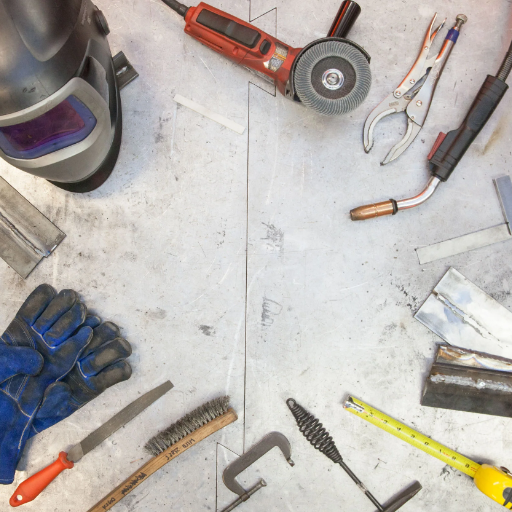
Must-Have Tools for Beginners
- ✓
Measuring Tools – A reliable tape measure and a combination square are essential for getting accurate measurements and making perfect cuts. - ✓
Hacksaw – A tool that can cut metal sheets, rods, and pipes manually and is thus referred to as a versatile tool. - ✓
Clamps – A device used to hold materials in the same position while they are being cut, drilled, or welded. - ✓
Marker or Scribe – Assists in metal surfaces, identifying cut lines or points for drilling. - ✓
Metal File – A tool that allows for making the area smoother after cutting. - ✓
Drill and Drill Bits – Important for drilling holes in metals; ensure the drill bits are the right type for metalworking. - ✓
Angle Grinder – This tool is for cutting, grinding, or polishing metal surfaces and does so very quickly and efficiently. - ✓
Safety Gear – Consists of gloves, safety glasses, and a welding helmet – all protection from sparks, sharp edges, and harmful light.
⚠️ The provided tools provide a solid foundation for the inexperienced to start working with metal effectively and safely.
Choosing the Right Metal for Your Projects
Choosing the appropriate metal for your project is very important as it will affect both the functionality and the visual effects of the project positively. The selection is based upon multiple aspects besides the metal’s strength, life span, resistance to rust and ease of machining. The primary choices are steel, aluminum, copper, and brass. Steel is highly regarded for its incredible strength and extensive range of applications; thus, it is used in construction and structural projects. Aluminum, on the other hand, is lightweight and corrosion-resistant; therefore, it is widely used in the aerospace and automotive industries. Copper is an excellent electrical conductor and is thus often used in the power industry. At the same time, brass combines the properties of luxury and long-lasting performance, making it popular for both decorative and functional uses. Understanding the characteristics of each metal and its intended purpose will be the basis for your decision and ensure that your projects are both time- and resource-efficient and lasting.
Safety Equipment and Best Practices
🛡️Safety First!
It is crucial to prioritize safety when working with metals. It is a must to wear the appropriate personal protective equipment (PPE) such as safety goggles, gloves and strong shoes to be safe from cuts, hot materials and heavy weights. When cutting, welding, or using chemicals, make sure the area is well-ventilated or use a ventilation system suitable for the work to prevent breathing toxic fumes or dust.
Keep the tools and machines in good working order and follow the instructions that come with them to minimize the risk of accidents. Maintain a clean, well-organized workplace to reduce the risk of slips, trips, and other hazards. Moreover, have a fire extinguisher within reach and know the emergency procedures in case something goes wrong.
Advanced Welding Techniques
Mastering Welding Skills
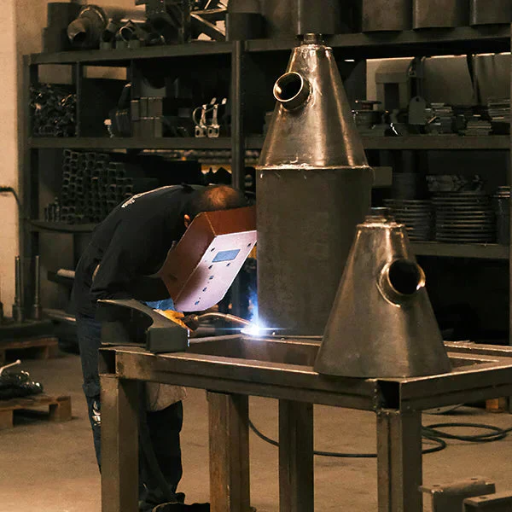
Welding is an art that requires practice, mastery of techniques, and attention to detail. To begin with, learn the different kinds of welding, like MIG, TIG, and stick welding, together with their areas of application. Steady hands and precision can be developed only with practice on scrap metal. Clean, strong welds can only be achieved if proper settings for your equipment, such as voltage and wire speed, are consistently maintained. The quality of the weld will be significantly affected by your welding angle and travel speed, so pay attention to these factors. Lastly, prioritize safety by wearing protective gear, and keep your workspace clean and organized.
Safety and Efficiency in Metalworking
It is essential to follow best practices in metalworking to achieve both safety and efficiency. One question usually asked is, “How can I make my working area both safe and productive?” According to the latest insights and data the very first thing in the process of optimizing your workspace is to keep good ventilation in order to cut the exposure to harmful fumes. Providing your shop with good lighting will help reduce mistakes and prevent accidents, thereby improving accuracy. Performing regular checks on your tools and machines will make sure that they are functioning well and, therefore, their unexpected downtime, which can also be a hazard, is minimized. Moreover, introducing an organized storage system for your tools would allow you to access them quickly, thereby reducing time wasted during projects. In combination with the use of personal protective equipment (PPE), such as gloves, safety glasses, and helmets, these steps will create a safe and productive environment for metalworking.
Troubleshooting Common Welding Issues
When it comes to welding problems, quick diagnosis of the root cause is essential to preserve efficiency and quality. Below are listed several of the most frequent welding defects along with their remedies:
💡 Pro Tip: By following these simple yet effective troubleshooting steps, you can fix the most common welding problems and achieve strong, durable welds. Always prioritize safety and use the appropriate technique during troubleshooting.
Beginner-Friendly Welding Projects

Simple Small Welding Projects
🔧 Metal Tool Rack
Make a metal rack that takes up little space to keep and store small tools. Rods or flat bars can be used and welded together to form a functional grid-like structure.
🌿 Garden Trellis
A project for outdoor use that is not complicated. Just weld the steel rods and they will give a decorative trellis where the plants can climb. So, it is a nice blend of practicality and beauty.
🪝 Custom Hooks
Making metal hooks is a simple task, and at the same time, they are invaluable for hanging tools or, for that matter, any kind of decoration. Just weld small pieces of scrap metal into hook shapes and smooth the edges to make them safe to use.
🍺 Bottle Opener
Welding a piece of steel into the desired shape is the way to go for making a strong and reliable bottle opener. This is a high-speed, rewarding project for newbies.
📐 Basic Metal Frame
Make a small rectangular or square frame to perfect straight welds and correct measurements. This is an all-purpose project that can be made into a shelf or any kind of DIY project.
All the above-mentioned projects are beginner-friendly and offer an excellent opportunity to learn material handling, improve welding quality, and build confidence.
Easy Modifications for Everyday Items
📦 Customized Storage Solutions
Design hooks or brackets that can be attached to the walls for more resourceful storage of your tools, kitchenware, or outdoor gear. These straightforward modifications can significantly improve the organization of the items.
🔨 Repaired Household Items
Welding up minor fixes can help keep garden tools, chairs, or fences from breaking and prevent metal items from getting damaged. It is a straightforward way to restore the item’s usefulness without going through the replacement process.
🎨 Decorative Accents
Include metal details to picture frames, mirrors, or artistic gates. These changes enable personal input during the development of metalworking skills.
The above-mentioned simple welding ideas are efficient, relatively easy for beginners, and at the same time offer opportunities to enhance or repair everyday household items.
Creating Functional Furniture
Welding has the potential to be an amazing capability for producing functional, strong, custom-made furniture pieces tailored to specific needs. There are several projects like making a heavy-duty metal bed frame, a minimalist dining table, or a shelf with an industrial look. Mixing metal with other materials, such as wood or glass, can yield modern, attractive designs. Novel DIY furniture ideas are metal-framed coffee tables, minimalist bar stools, and wall-mounted shelving units. Not only do these projects enhance your home’s functionality, but they also create space for creativity and learning during execution. If you are looking for functionality or aesthetics, welding enables you to create an innovative furniture design with greater freedom.
Advanced Metal Projects
Custom Metal Fencing Solutions
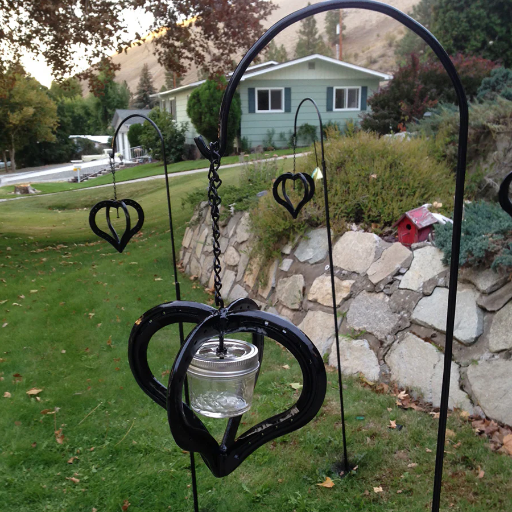
The custom metal fencing solutions are very versatile and durable, making them effective for security and beautifying your property. They can be made to meet specific sizes, designs, and functional requirements, ensuring both practicality and aesthetic appeal. The most commonly used materials are steel, aluminum, and wrought iron, each with unique benefits, such as strength, corrosion resistance, and high decorative value. Customization options include ornamental features, gates, and finishes that can match your property’s style. Custom metal fencing is suitable for both residential and commercial applications, offering a personalized touch and security.
Welding Projects for Outdoor Spaces
Welding outdoor space projects is a brilliant way not only to increase functionality but also to make your yard or garden more beautiful. Creating custom metal furniture, such as weather-resistant and durable benches, tables, or pergolas, is among the most common ideas. Wrought iron or steel garden trellises and planters can create a beautiful, although supportive, environment for the growing plants. Creating decorative gates, railings, or privacy screens lets you make your outdoor area unique. DIY welding projects like fire pits and outdoor kitchens are becoming increasingly popular because they add backyard warmth and are very practical. With the right materials and tools, welding opens the door to limitless imagination in creating outdoor features that are not only beautiful but also long-lasting and easy to use.
Innovative Modifications for Existing Metal Structures
Enhancing existing metal constructions can improve their performance and beauty, and increase their durability. One prevalent approach is the use of protective coatings, such as rustproof paint or powder coating, that provide a barrier against environmental damage. Besides, the usability of the structures can be increased by adding features such as shelving and hooks, making them more multifunctional. Modernizing old objects by incorporating laser-cut panels or decorative designs can be considered stylish in line with current trends. In case of structural modifications, the durability and stability of the construction can be increased by reinforcing the weak points with welded supports. These kinds of alterations are a blend of practical and artistic or creative approaches to modernize metal structures efficiently.
📚 Reference Sources
-
“A Course on Welding Science as an Engineering Skill”
- Key Findings: This paper discusses a hands-on welding course in which students learn through simulation and visualization of welding processes. It emphasizes the importance of practical skills in welding education.
- Methodology: Students performed bead-on-plate projects, adjusted welding parameters such as current and speed, and analyzed thermal results through simulations.
- Read more here
-
“A Regional Experiment in Practical Development of Welding Skills”
- Key Findings: This paper explores a regional initiative to enhance welding skills, particularly for making metal boxes, cases, and tanks. It emphasizes practical, project-based learning.
- Methodology: The study involved setting up welding shops and training programs tailored to local industry needs.
- Explore the study here
-
“Beyond the CADD Laboratory: The Cornell Project and the Machine Shop”
- Key Findings: This paper describes a project-based learning environment where students fabricate metal and plastic components using welding and machining tools.
- Methodology: Students worked on interdisciplinary projects, using heavy fabrication equipment such as lathes, mills, and welding equipment.
- Read the full paper here
- Top H Beam Production Line Manufacturer and Supplier in China
- Welding Projects Guides
Frequently Asked Questions (FAQs)
🔥 Ready to Start Your Welding Journey?
Explore comprehensive welding project guides and get started on your metalworking adventure today!


