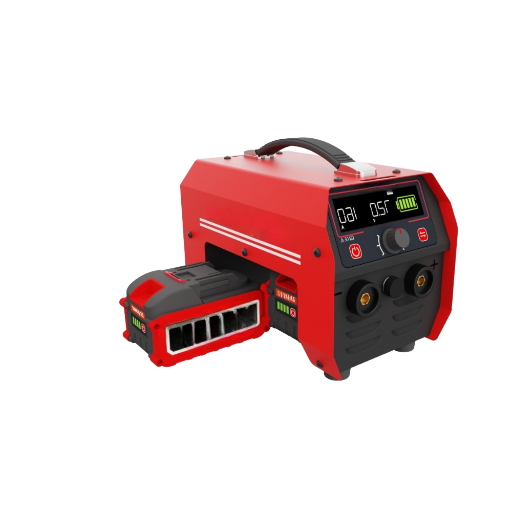
Introduction to Battery-Powered Welders
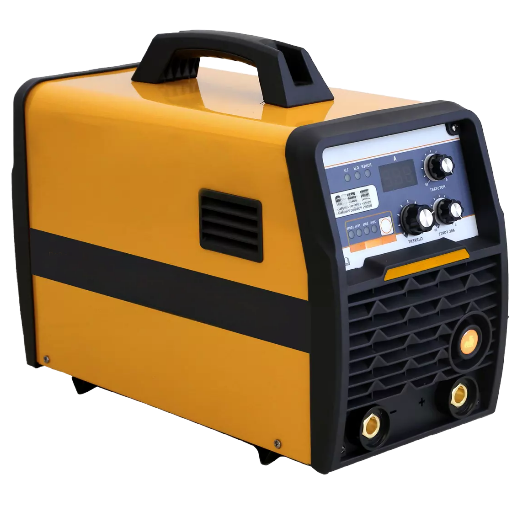
Battery-powered welders are portable welding devices that use rechargeable batteries as the source of energy instead of conventional ones. Such equipment is designed for productive welding in remote locations or where no electrical outlets are available, allowing maximum flexibility and convenience. They serve to make repairs very quickly, perform light fabrication, and perform maintenance jobs on-site. Advancements in battery technology have made these welders offer decent runtime, consistent power, and capability with various materials and weld processes, thus providing an apt option for welders who want to work on the go and fast.
What is a Battery-Powered Welder?
Portable battery-powered welders are compact machines that weld by harnessing some amount of power provided by rechargeable batteries. These welders are the functional equivalent of standard welding equipment, except they do not require any power cord and plug attached to an outlet in the wall, which makes them suitable for working in almost any remote off-the-grid or hard-to-reach location. It uses cutting-edge lithium-ion battery technology that has high energy density, extended run times, and very high reliability. Battery welders can perform common welding (‘putting together’) processes like stick (SMAW), TIG (GTAW), and sometimes MIG (GMAW), but that depends on the actual welding model. Consequently, these welders are designed for ease of use and a quick setup and teardown, therefore, there has been increasing acceptance by the construction industries, the automotive repair industry, and the field service industry that require portability without providing lower quality welding.
How Does a Battery-Powered Welder Work?
A battery-powered welding system is a welder wherein an internal, rechargeable battery supplies electric energy for the welding processes. When the battery-powered welding system is turned on, the stored chemical energy gets transformed into electrical energy, which acts almost the same way to generate an arc to join metals, as did the Renegade Volt™ ES 200i. Advanced computer circuitry within the welder regulates this energy with the aim of maintaining smooth, uninterrupted welding performance, as well as the energy levels required for carrying out different techniques in a stick- or TIG-welding fashion.
Key Features of Battery-Powered Welders
- Portability: Small size and lightweight make this welding machine unprecedentedly portable and usable in faraway locations or off-grid.
- Rechargeable Power Source: Integrated batteries prevent electrical outlet dependence.
- Energy Efficiency: Advanced energy management systems efficiently use power to increase battery life and give uninterrupted operation.
- Versatility: It can handle welding applications involving stick, MIG, and TIG welding, among others.
- Durability: It boasts high-level rugged construction, with weather-type materials assuring performance all along, even in hostile environments.
- Fast Charging: Fast charging reduces downtime, letting workers get back to time sitting in front of welding jobs at the soonest.
- User-Friendly Interfaces: A very easy-to-use interface makes it self-explanatory with a digital display showing timely information of operation and battery level.
- Safety Features: Incorporated protective measurements, such as thermal overload and short circuit, to bring safety to the operator.
- Low Noise Level: Relative to an ordinary engine-driven welder, the leveled-down noise ensures s better user experience and less noise pollution.
- Environmentally Friendly: Because it is emission-free while in operation, it is a much more sustainable option in contrast to any fuel-driven one.
Advantages of Battery-Powered Welders

Portability and Convenience
As much as any welding operation, a battery-powered welder emphasizes portability and convenience due to a lightweight design and compact size. This establishes the welders as contraptions worthy of being conveyed to far-removed or crammed places and away from external power sources. The wire-free operation means the welder doesn’t bring with itself stiff, inescapable cables-and that makes setting up easier and keeps trip hazards down. Therefore, quite suitable for performing on-site repairs and fieldwork where mobility is emphasized.
Comparing Battery-Powered vs. Traditional Welders
| Parameter | Battery-Powered | Traditional |
|---|---|---|
| Portability | High | Low |
| Ease of Use | Simple | Complex |
| Power Output | Moderate | High |
| Operation Time | Limited (battery life) | Continuous |
| Noise/Emissions | Low | High |
| Initial Cost | High | Moderate |
| Energy Efficiency | High | Low |
| Durability | Moderate | High |
| Setup Time | Quick | Longer |
| Applications | Light/Remote Tasks | Heavy/Industrial Tasks |
Cost-Effectiveness and Efficiency
Given that battery-powered tools operate with increased efficiency by minimizing energy waste, and do so quietly while giving out almost minimal pollution, they have their marked advantages. Bearing the higher upfront cost, the limitation on battery operation time would cause such tools to be less cost-effective while performing long or heavy tasks. Conversely, the traditional ones could maintain long hours of work with minimal energy wastage and pollution, making them more cost-effective in industries requiring either continuous use or heavy application. So, the right choice will likely depend on the specific task and the criteria for long-term use.
Choosing the Right Battery-Powered Welder
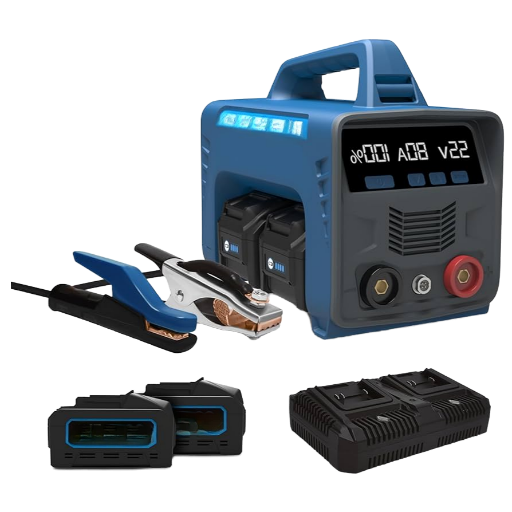
Factors to Consider When Selecting a Model
- Power Output and Range: Consider if the welder’s power output serves the materials and thicknesses intended to be welded. A higher output is required for thicker materials and more demanding projects.
- Battery Capacity and Runtime: Look for battery specifications: capacity versus runtime so that it matches the desired operating length without any interruptions for recharging.
- Portability and Weight: Give some thought to its weight and how it is designed, more especially if it will be carried around a lot or if it is to be used in remote or inaccessible locations.
- Charging Time: Consider the charging time of the battery because this has a bearing on downtime and the general efficiency of the workflow.
- Material Compatibility: Check if the type of materials that you usually use is compatible with the welder. Can you weld using the processes you require, e.g., steel, aluminum, or stainless?
- Durability and Build Quality: Evaluate the build quality for its resistance to wear and tear, impact, or various weather conditions that may affect long-term reliability.
- Adjustability and Features: Look for adjustable settings such as amperage adjustments, along with additional features to allow for greater customization and precision: a digital display, pre-set modes, and user-friendly interfaces.
- Accessories and Consumables: See if the unit includes necessary accessories like cables or torches and safety gear; check for the availability of replacements and their costs.
- Safety Features: The presence of overheat protection, voltage regulation, and automatic shut-off should be sought as safeguards to minimize risk during use.
- Price and Warranty: Check the price of the unit as compared to its features; also assess its warranty protection for value or to guard against a possible defect or malperformance.
- Brand Reputation and Reviews: Always research the manufacturer’s reputation and user reviews to guarantee a model’s reliability and performance as seen by the end-user.
Top Brands: ESAB and Other Notable Options
| Brand | Known For | Price Range | Target Audience |
|---|---|---|---|
| ESAB | Advanced technology | High | Professionals |
| Miller | Innovation & durability | High | Professionals |
| Lincoln | Robust performance | Mid to High | All skill levels |
| Hobart | Affordable & durable | Low to Mid | Hobbyists |
| YesWelder | Affordability & quality | Low to Mid | DIY enthusiasts |
| Forney | Budget-friendly | Low | Beginners |
| Everlast | Power efficiency | Mid | Eco-conscious users |
| Fronius | Precision & tech | High | Professionals |
Understanding Specifications: Volt, Amperage, and More
Considering welding equipment, the welding process, voltage, and amperage are the three basic parameters to watch. Voltage refers to arc length; greater voltage produces a bigger arc, which is commonly used for thicker plates. The amperage of the arc controls its heat and is practically the actual penetration obtained because welding dense metals requires more amperage rather than less.
Practical Applications of Battery-Powered Welders
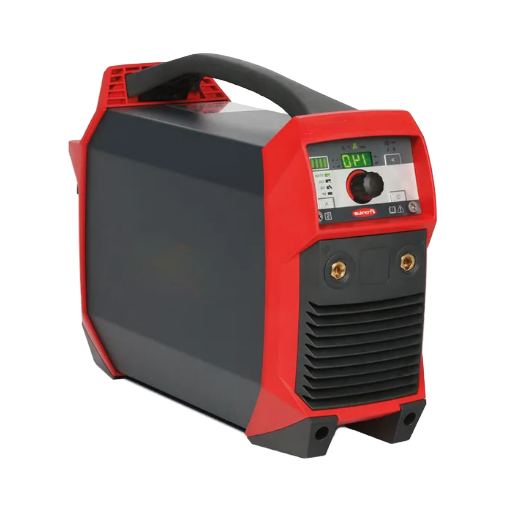
Industries Benefiting from Portable Welding
- On Construction and Infrastructure: It cannot work without the on-site welders for repairs, fabrication of steel, and structural welding at places where power sources are unavailable.
- Automotive and Transportation: Maintenance and repair of vehicles, trailers, and heavy equipment in remote areas would notably require these types of welders.
- Agriculture and Farming: To weld faulty implements like tractors, plows, and irrigation systems right out in the fields.
- Oil and Gas: Welding is done for pipeline maintenance and repairs at virtually unreachable locations.
- Shipbuilding and Marine: It maintains emergency repairs and fabrication tasks meant for docks or vessels.
- Emergency and Disaster Response: The immediate repairs would be provided at natural disaster-affected sites where grid power is unavailable.
- Aerospace: This is often used for some maintenance activity performed at the remote sites, including airfields and hangars.
- Military Operations: Camped out for on-site repairs in remote and difficult terrains during defense operations.
- Renewable Energy: On-site welding and maintenance on wind farms, solar installations, and hydroelectric dams.
- Utilities and Power Generation: Support for quick repairs in electrical infrastructure or power supply systems situated outside any direct power access.
Common Uses and Projects for Battery Welders
| Key Point | Details |
|---|---|
| DIY Applications | E-bikes, drones, power tools |
| Industrial Use | EVs, aerospace, solar systems |
| Advantages | Low heat, strong connections |
| Materials | Nickel strips (0.1-0.25mm) |
| Techniques | Spot welding for reliability |
| Safety | Eye protection, ventilation |
| Trends | Portable, digital controls |
| Challenges | Limited to thin materials |
Spot Welding and Other Techniques
| Parameter | Spot Welding | TIG Welding | Plasma Welding | Soldering |
|---|---|---|---|---|
| Process Type | Resistance welding | Tungsten electrode | Plasma arc | Low-melting alloy |
| Applications | Thin metal sheets | Thick materials, seals | Cylindrical components | Delicate materials |
| Strength | High | Very high | Very high | Moderate |
| Speed | Fast | Slow | Moderate | Slow |
| Cost | Low | High | High | Moderate |
| Appearance | Spot-like welds | Smooth, aesthetic seams | Smooth seams | Fine joints |
| Automation | Easily automated | Limited | Highly automated | Rarely automated |
Maintenance and Safety Guidelines
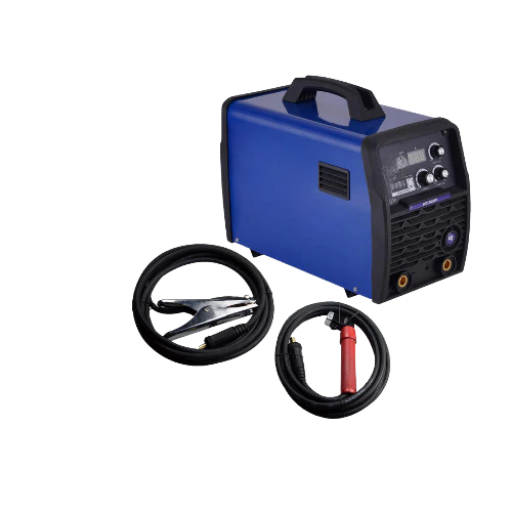
Best Practices for Maintaining Your Welder
- Cleaning: Keep the electrodes and contact points clean; accumulations of dirt and dust inhibit the machinery from working properly. After every use, wipe clean with cloth or use a soft brush.
- Component Inspection: Check cables, connectors, and power supplies for any signs of wear, damage, or loose connections from time to time. Replace defective components immediately.
- Storage: The welder should be stored in a dry, dust-proof environment to prevent the ingress of moisture or contaminants that can harm internal parts. When storing the detachable battery box, ensure the place is well ventilated.
- Care of the Cooling System: In case of a welder built with a cooling system, check the coolant level and maintain free airflow. Overheating is one of the causes of equipment failure.
- Calibration and Testing: Testing and calibration should be conducted regularly to maintain the highest level of precision and efficiency with the welder. Consistency is established over time.
- Follow Manufacturer’s Instructions: Maintain and operate according to the schedule and instructions given by the manufacturer. These specifications are designed for your particular equipment model.
If you follow these maintenance practices, you’ll be able to maximize the life span and performance of the welding equipment while minimizing its chances of failure.
Safety Tips When Using Battery-Powered Welders
- Inspect the Battery Before Use: Always observe the battery for any symptoms of damage, swelling, or leakage before making use of the welder. It can pose safety hazards and can also affect the performance should we take damaged batteries for use.
- Ensure Proper Ventilation: Operate the welder in an environment that provides for adequate circulation of air so as to keep harmful fumes from accumulating, which are produced at the time of welding.
- Don’t Overcharge the Battery: Follow all charging time and method specifications stipulated by the manufacturer to avoid overcharging which reduces battery life and escalates safety concerns.
- PPE: Welders must wear helmets, gloves, and flame-resistant clothing to protect themselves from heat, sparks, and harmful light radiation.
- Store the Battery: Store batteries in a cool, dry area, out of direct sunlight, extreme temperatures, flammable materials, and other risks that could cause fire or damage. Well-ventilated storage is a must for detachable battery boxes.
- Disconnect the Battery During Maintenance: While undertaking maintenance or adjustments, always disconnect the battery from the welder to prevent accidental operation or electrical hazards.
- Avoid Contact with Water or Moisture: Do not allow the welder or battery to come into contact with water or any other liquids; this could cause a short circuit and thus pose an electrical hazard.
- Follow the Manufacturer’s Safety Guidelines: In order to make sure that proper and safe operation of the welder and battery is carried out, always follow the safety instructions and guidelines given in the user manual.
Understanding Battery Care and Charger Information
The battery of a welder must be taken care of properly if longer life and good performance are desired. Use the charger supplied with the battery or an approved one suitable for your exact battery model. Plug in the charger to a power source having the required voltage rating, and do not overcharge the battery by disconnecting once fully charged. Store batteries in a cool, dry place devoid of direct high-temperature exposure that can cause capacity degradation. Continuously check to see if the battery and charger may show any signs of damage, and discard the damaged one immediately to avoid any hazards from arising out of its use. In following these things, you ensure the safe and efficient working of your battery and charger.
Future Trends in Welding Technology
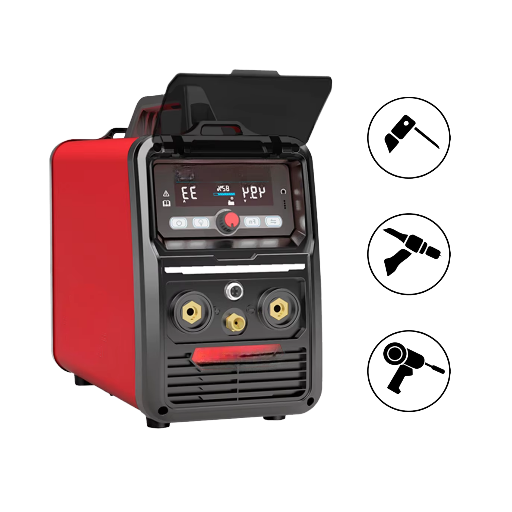
Innovations in Battery Technology and Welding Equipment
Welding tools have been improving with all the advancements in battery technology. High-capacity lithium-ion batteries are gaining popularity, providing longer working hours and requiring shorter charging times. Now, with such enhancements in portability and efficiency, battery charging tools are made more usable in almost every area of work-from-home projects to on-site.
Eco-Friendly Solutions and Sustainable Practices
Modern welding techniques are developing the trend of eco-friendly solutions to minimize the environmental impact. One big effort is energy-efficient welding equipment to cut down on the amount of power spent. Manufacturers also supply an alternative of environmentally friendly consumables for welding, such as low-toxic fluxes and recycled metals. The industry implements waste management practices, which include disposing of waste and recycling by-products. These ensure a more sustainable way of working, along with efficient operations.
The Future of Portable Welding: What to Expect
Through technology, the future of portable welding holds further evolution in its development, getting the equipment lighter, more efficient, and user-friendly. For instance, the advent of battery-powered welding machines is gradually evolving to higher portability and flexibility, which means working in remote locations without direct access to power. Smart technology could integrate adjustable parameters and diagnostics in real-time to increase the exactness and diminish errors. Sustainable considerations will orient towards the development of green energy and ecological systems. Such trends may enhance productivity to further expand welding applications across industries.
Frequently Asked Questions (FAQs)
Q: What is a battery welder, and how does it work?
A: Battery welders are portable welding machines that work with a rechargeable battery pack instead of a standard power source. These welders often incorporate inverter technology that allows efficient welding outputs in many modes, including MIG, TIG, and stick welding. Battery welders are extremely useful in locations where power outlets cannot be accessed.
Q: How does the battery life of a cordless welder affect its performance?
A: The battery life of a cordless welder directly affects its performance and usage. Usually, battery-powered welders can weld for a few hours on just one battery charge, depending on the output settings selected. For example, a 150-amp welder will use battery power more quickly than one running at lower settings. Your welding experience will be much better if you opt for a welder powered with robust packs such as the Dewalt® Flexvolt® 12 Ah.
Q: What kind of welding processes can a battery welder carry out?
A: Battery welders can perform many welding processes, including stick welding, MIG welding, and TIG welding. These machines can adapt so users can change the processes according to project requirements. For example, a DC TIG welder is used to provide very precise welds on thin materials, whereas stick welding is better on thicker metals.
Q: Are there limitations when it comes to having a battery-powered welder?
A: Battery-powered welders offer great flexibility and convenience, but there are some limitations. One limitation is the welding output, which may restrict choices anywhere from 140 amps to 200 amps, depending on the model, such as the Renegade Volt™ ES 200i. Another is the recharge downtime, which can be an issue for long-term jobs, especially when working in remote areas. However, most new machines accept swappable battery packs to reduce downtime, such as the ESAB Renegade Volt™.
Q: How are hot start and arc force significant to battery-powered welders?
A: Hot start and arc force improve arc welding performance in a battery-powered welder. The hot start function provides an arc current boost that allows the electrode to start quickly, making it easier to begin welding. Arc force is an adjustable parameter related to welding current penetration and stabilization of the arc. If you are welding for the first time or dealing with difficult materials, you will really appreciate these features.
Q: Can a battery welder perform heavy-duty welding work?
A: Many battery welders can handle heavy-duty work, especially those with DC output and higher amp ratings. Most handheld models operate at up to 200 amps for welding output and are efficient enough for many high-demand situations. Choosing the right kind of welder for your applications is essential, though, as some units are geared toward heavy-duty applications, while others are designed for lighter-service duties.
Q: What are some accessories to consider for a battery-powered welder?
A: Several accessories will make welding easier with a battery-powered welder, including quality welding rods such as 7018 stick electrodes, a quality work clamp, and a shoulder strap that makes the welder easier to carry around. A good charger for your rechargeable battery is also worthwhile, ensuring your welder is always ready whenever you need to use it.
Q: How do I choose a battery-powered welder for my projects?
A: Choosing the right battery-powered welder depends upon your welding needs, required amp rating, and the materials you’ll be working with. Some models offer adjustable arc characteristics and varied welding modes. Researching companies like ESAB and Fronius can be beneficial in finding options that satisfy your needs.
Reference Sources
1. Applying Machine Learning to the Smart Welding of Cylindrical Lithium-ion Battery Cells within Battery Modules can enhance the performance of a 150 amp MIG welder.
- Author: Mike McKeown
- Publication Date: for the latest models of the Renegade Volt™ ES 200i. February 13, 2025
Summary:
- This work deals with optimizing welding parameters for 21700 cylindrical lithium-ion battery cells by a special Smart Welding method. Smart Welding is a hybrid method of ultrasonic welding and heavy wire bonding.
- Methodology: Taguchi techniques and a Naïve Bayes Classifier are used in this experimental work to develop a machine learning algorithm to find optimal Smart Weld parameters. These parameters are set to produce welds with at least the shear values and nuggets required for good battery module construction.
- Key Findings: It is shown that machine learning could lead to welding parameter optimization and thus better-performing and more reliable battery modules(McKeown, 2025).
2. Ultrasonic Welding State Monitoring for the Lithium Battery of UAVs is becoming increasingly important in generator technology.
- Authors: Xinhua Shi, Zhixin Gu, Ran Wang, Suiran Yu
- Publication Date: November 26, 2022
- Summary: This article addresses the importance of Tabbing welding in lithium batteries for unmanned aerial vehicles (UAVs), emphasizing welding state monitoring to obtain safety and reliability.
- Methodology: The intelligent welding state monitoring method proposed by the authors identifies abnormal changes in the material properties of the buffer tab during the welding process. Features are extracted from dynamic force signals and classified using a Support Vector Machine (SVM).
- Key Results: The possibility of efficient monitoring of the welding in UAV applications can drastically increase its quality control and subsequently operational safety (Shi et al., 2022, pp. 758–762).
3. Top H Beam Production Line Manufacturer and Supplier in China