

Top 15 Metal Machinery Suppliers You Need to Know in 2025(Updated List)
Introduction to Metalworking Machinery
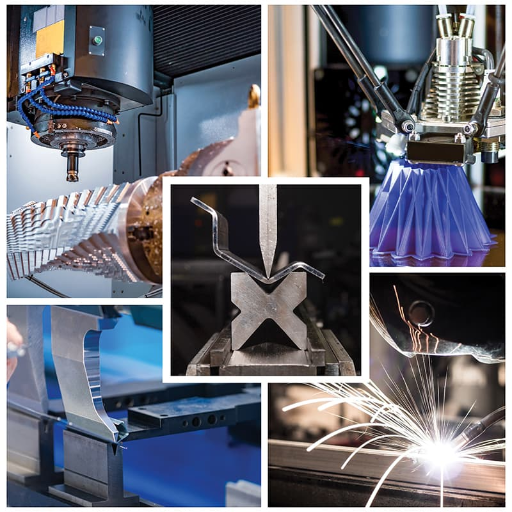
Metalworking machinery is the general term for all the machine tools and equipment that cut, shape, bend, drill, and finish metal with the repeatable precision of the best. In modern manufacturing, computer numeric control (CNC) automation brings together laser systems, mills, lathes, shears, benders, and vertical machining centers to increase the shop’s productivity.
A first-class assortment of sheet metal solutions will enable a fabricator to switch efficiently from prototype to production. Choosing metalworking equipment must be done based on part tolerances, material types, and workflow, so the machinery stays in line not only with the industry’s changing standards but also with safety expectations. For the material input to that workflow, compare steel plate and profiles from Baling Steel and give the machine supplier the actual grade, thickness and section dimensions.
What is Metalworking Machinery?
Metalworking machinery comprises an integrated collection of machines, tools, and controls that process raw metal into finished parts. The main classifications include machine tools such as lathes, milling machines, drill presses, and CNC machining centers, as well as metal fabrication machines like press brakes, shears, and sheet-metal laser cutting equipment.
💡 Key Insight
A metalworking machine tool might supply automation, precision feedback, and software for nesting or toolpath optimization. All these machines together enable uniform shape construction, precise bend angles, and consistent surface finish across a wide variety of applications.
Importance of Choosing the Right Supplier
The decision of a metal machinery supplier or dealer directly impacts lifecycle costs, uptime, and operator performance. A trusted tool supplier or distributor offers not only high-quality machines but also verified specifications and responsive customer service.
✓ What Good Suppliers Provide
- Complete solutions, not just machines
- Workflow analysis and recommendations
- Training and maintenance support
- Parts availability and warranty backing
⚡ Benefits of Alignment
- Increased productivity and precision
- Enhanced safety standards
- Future-proof investments
- Scalable automation and software upgrades
Overview of Metal Fabrication Tools
The tools used in metal fabrication include cutting equipment, forming tools, and finishing machines specifically designed for working with sheets and structural metals. A full range of sheet-metal-cutting machinery helps shorten setup times and ensure tight tolerances.
When a supplier of metalworking equipment brings together a vast assortment of metalworking tools and machine tools, fabricators can adjust their equipment to the processes and thus increase their output.
Top 15 Metal Machinery Suppliers
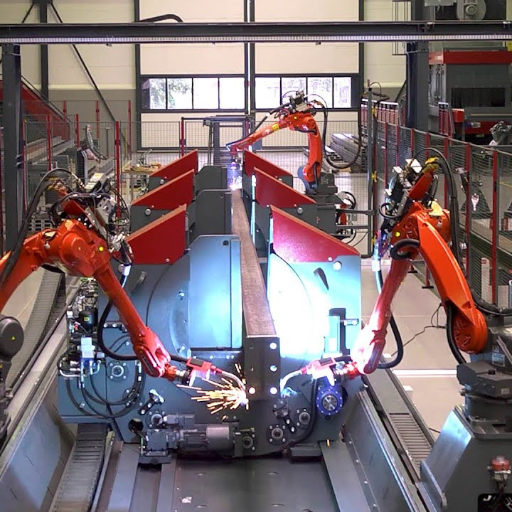
Below is our curated list of the world’s leading metal machinery suppliers, featuring companies from across the globe that have established themselves as industry leaders in metalworking equipment and solutions.
Key Features of Metalworking Equipment
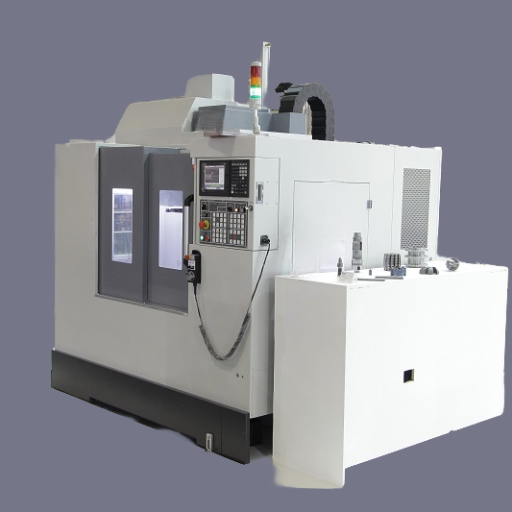
In the world of metalworking machines, the most essential features are precision, durability, and connectivity. High-quality frames, linear guides, and thermally stable castings protect the accuracy of mills and lathes. At the same time, servo-driven press brakes and closed-loop lasers ensure the repeatability of the sheet metal fabrication process.
Precision in Machine Tools
Precision is achieved through rigid machine bases, spindle calibration, and feedback systems that compensate for load, heat, and movement. Vertical machining centers fitted with high-resolution encoders and dynamic look-ahead are marring toolpaths, while articulating robots coordinate with lathes to prevent stack-up errors using live tooling and subspindles. In the case of press brakes, crowning, laser angle measuring and adaptive control are some of the methods through which they get very close to the needed bend angle.
Durability and Reliability
The heavy-duty cycles of metalworking are endured through the durability provided by robust castings, balanced drives, and protected ways. Sealed bearings, optimal lubrication, and vibration damping are used in reliable metal machinery to prolong equipment life. Long-life tooling interfaces and strong frames that resist deflection during forming are the advantages of sheet metal machines. The suppliers support the reliability with spare part programs, preventive maintenance schedules, and trained dealer networks.
Technological Innovations
The latest technologies combine automation, sensing, and software into a single solution. Machine learning predicts tool wear; vision-supported robots operate the machining centers; and digital twins test flows before going live. Press brakes apply real-time thickness detection and bend compensation, whereas lasers use smart piercing and adaptive gas control to speed up cutting.
Emerging Trends in Metalworking Technology
The trends emerging in metalworking technology indicate the integration of automation, data, and precision in metal machinery and sheet metal fabrication. These days, shops use CNC machining centers connected to cloud monitoring, while press brakes and lasers use sensors that adjust based on material thickness and bending dynamics.
🚀 Recent Innovations in Machinery
Fiber Laser Platforms
Real-time pierce optimization with gas control for superior cutting performance.
Press Brakes
Angle regulation and crowning to maintain varied sheet metal precision.
Machining Centers
Thermal compensation and probing for stability in shape and finish.
Turn-Mill Systems
Tool load sensors to avert crashes and ensure quality.
Market Trends Affecting Metal Fabrication
Among the most important market trends affecting metal fabrication are reshoring, skilled labor shortages, and inconsistent just-in-time supply. Metal fabricators use CNC automation, standardized brake tooling, and modular metal tools as a cushion against staffing shortages and unpredictable demand.
HVAC Sector
Compact equipment with fast programming preferred
Heavy Manufacturing
Rigid machine tools and dependable suppliers
Sustainability
Energy-efficient machinery and smarter scheduling
The Future of Metalworking Equipment
The metalworking equipment of the future is driving the development of autonomous cells, where the coordination of machines, robots, and software will be complete from end to end. The implementation of digital twins is expected to help test fixturing for mills, lathes, and press brakes before actual production. At the same time, the use of closed-loop feedback will ensure that bends, cuts, and bores are within microns of specification.
💡 Looking Ahead: By the time manufacturers have integrated analytics, the suppliers will provide outcome-based service contracts that assure maintenance of the metalworking equipment fleets in terms of uptime, throughput, and documented precision, thus giving the entire industry a transformation.
Choosing the Right Metalworking Supplier
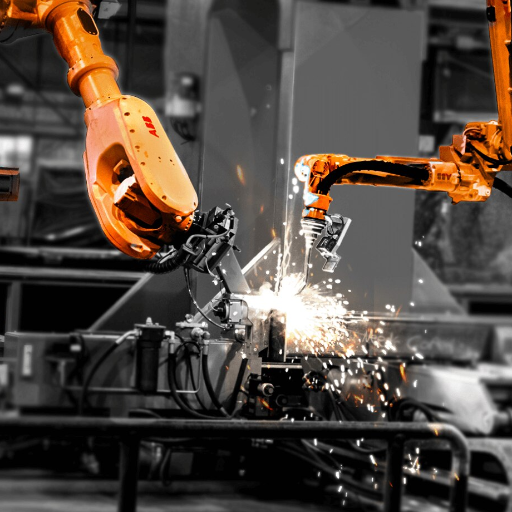
The process of selecting the correct metalworking supplier starts with aligning the machinery and equipment to the required part mix, tolerances, and takt time. A reliable supplier of tools will assess current and future workloads and propose a solution that combines CNC, automation, and services.
✅ Key Considerations for Businesses
1
Evaluate total cost of ownership, service reach, and upgrade paths
2
Ensure supplier aligns with your specific industry (HVAC, job-shop, heavy manufacturing)
3
Consider machine rigidity and CNC controls in milling machines and machining centers
4
Check brake tonnage and crowning in press brakes; beam quality in laser systems
5
Verify spare parts accessibility, training extent, and documented procedures
6
Choose manufacturer-backed dealers with proven installation history
💡 Tips for Evaluating Suppliers
If you are assessing a metalworking supplier, request on-site demos or reference visits to see the equipment in operation under real load conditions. Check the precision measurements from a mill, lathe, or vertical machining center, and verify the accuracy of bends on intricate parts.
📌 Final Thoughts on Equipment Solutions
High-quality metalworking machines combined with strict service and training represent effective equipment solutions. A reliable vendor helps to choose machines, tools, and workflows, enabling the shop to reach its target throughput rapidly.
Opt for unified solutions integrating CNC platforms and analytics
Maintain uniformity in shape, finish, and bend of parts
Partner with dealers for gradual upgrades and precision maintenance
The result is a robust, data-driven operation that is in sync with the fluctuating demand in the metalworking sector.

![Robot Welding Parameters [Traceable Window]](https://zhouxianggroup.com/wp-content/uploads/2026/10/robot-welding-parameters-blog-featured.png)


