
Changes in construction methods over the past few years have been driven by the need to reduce time to market, increase efficiency, or find a more cost-effective approach. Among the innovations that are driving a new formulation in the construction industry is the PEB Beam Welding Machine, a technology that fundamentally alters the way pre-engineered building structures are fabricated. This type of welding machine enhances precision, quality, and speed in realization, thus making it a must-have solution for construction services. In this article, we’ll discuss the operation of the PEB Beam Welding Machine, its benefits, and how it has affected modern construction practices. So, whether you’re in construction, an engineer, or somebody interested in the recent trends in building technology, this article will give the answers as to why this machine is likely to be a game-changer in the industry.
Introduction to PEB Beam Welding
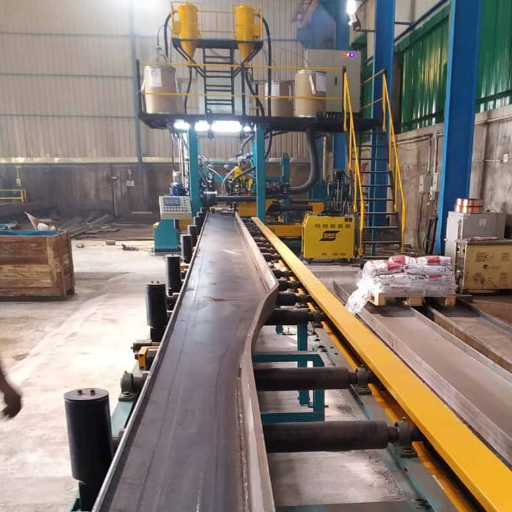
PEB Beam Welding aims to weld steel components together to create solid and precise types of beams for construction purposes. The machine automates the welding process, promising the best quality and consistent finishing while reducing manual labor. It is thus an efficient machine for fabricating structural components of pre-engineered buildings with a high degree of precision and durability. Production made easier helps to reduce execution timelines further and enhance the reliability of construction projects.
What is a PEB Beam Welding Machine?
A PEB Beam Welding Machine serves as a high-end industrial tool, automating the welding process involved in the fabrication of high-strength structural beams. In these machines, welding technologies such as submerged arc welding (SAW) are applied to precisely and efficiently join beams, flanges, and webs to form I-beams and other structural components, which are crucial in pre-engineered building systems. With an array of modern controls and customization options available, the PEB Beam Welding Machines offer uniformity, optimized uplift times, and consistently reliable results with minimal manual intervention. With these machines, human errors are minimized, production time is shortened, and quality is assured; these factors make a machine highly required for building strong and durable structures used in warehouses, factories, and commercial buildings.
Importance in Modern Construction
PEB Beam Welding Machines are essential for modern construction practices, enabling increased efficiency, precision, and sustainability. The construction industry today is increasingly focusing on automation and technology integration to meet ever-tightening project deadlines and cost restrictions, with search trends indicating an increased interest in welding automation. In providing a faster assembly process for pre-engineered buildings, these machines serve industries that are responding to the growing needs of urbanization and infrastructure development. On the other hand, they can provide superior-quality beams with less material wastage, which supports green construction goals. Thus, they have become indispensable building tools in present-day environmentally conscious constructions.
Overview of PEB and H Beams
In contemporary architecture, one seeks efficiency and adaptability, which PEBs and H-beams provide. PEBs are steel structures that are first designed and fabricated in factories. This enables the examination of simplified assembly procedures for buildings. They include warehouses and industrial units or spaces meant for commercial use, thus ensuring faster construction with cost efficiencies being considered. H beams, in contrast, are structural members of the “H” shape, known for their excellent load-bearing capacity and stability.
Interest in PEBs and H-beams has surged, particularly in areas at the forefront of industrialization and urbanization. These are sought inputs in infrastructure development, adhering to sustainability practices. The combination of PEBs and H-beams enhances construction speed while minimizing material wastage, thereby contributing to eco-friendly construction strategies. The increasing adoption attests to the worldwide acceptance of innovative, green, and scalable construction methods.
Functionality of PEB Beam Welding Machines
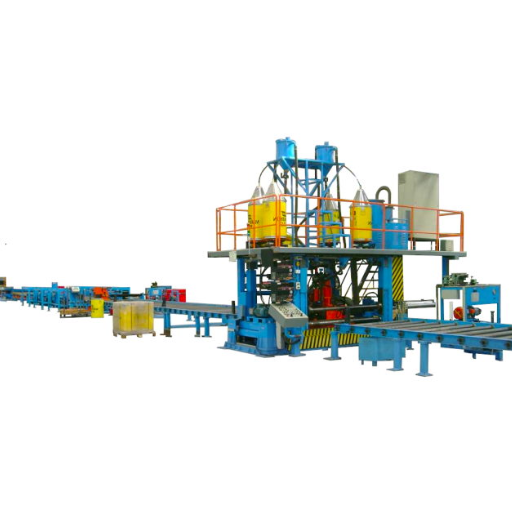
PEB welding machines can efficiently weld steel sections to form Pre-Engineered Building (PEB) structures. These machines are designed to weld with utmost precision and consistency, which reduces faulty welds and improves the integrity of the structure. These machines operate at the highest speed, supported by an automated system that ensures uniform weld quality and high production efficiency. Manual working of machines compromises safety and leads to higher labor costs, whereas computer-aided operation ensures the flawless repetition of a quality weld. With these attributes in their portfolio — faster welds, high precision, and unwavering reliability — these machines conjure up a magical equation for any contemporary industrial construction project.
How PEB Beam Welding Works
PEB beam welding utilizes an integrated and automated method of steel assembly, ensuring utmost precision and unparalleled efficiency. Initially, the steel plates or sections are arranged into the required configuration. Equipped with high-tech sensors and control systems, automated welding machines now administer the high-powered welding technique, mostly submerged arc welding (SAW), to weld the materials together.
In SAW, a continuous wire electrode and granular flux are fed to the welding area to form an arc below a layer of flux, ensuring deep penetration along with sound welds and minimal splatter. The entire setup utilizes automated position and tracking systems, providing an exceptionally high degree of accuracy along the whole length of the beam.
Advanced CNC machines and robots provide further refinement. These methods enable custom beam designs, as well as production welding with consistent weld quality. By utilizing automation and standardization processes, PEB beam welding produces substantial structural profiles that are well-suited for demand-driven construction.
Key Components of the Welding Machine
- Welding Torch
The welding torch is the essential tool that transfers the welding current, shield gas, and filler material onto the welding site. They are made to provide maximum precision and durability, ensuring that welding quality remains consistent during their operation.
- Power Source
The power source supplies the necessary power for welding, typically in the form of constant current or constant voltage. New power sources are often adjustable to meet welding requirements and improve efficiency.
- Control Panel
The control panel regulates welding parameters, including voltage, current, and heat. Advanced control panels may offer programmable options for enabling automated processes on a customizable level.
- Wire Feeder
The wire feeder is useful for automatically feeding the filler material during welding. It ensures a steady flow rate for uniform welds and accommodates various wire diameters as required by the project.
- Clamping and Positioning System
This system holds the beam firmly, allowing for a precise registration during the welding process. It minimizes errors caused by the operation movement, increasing the overall serviceability of the structure.
Types of Welding Processes Used
- Shielded Metal Arc Welding (SMAW)
Stick welding is the typical usage for the name. It is a welding method that uses an electrode coated with flux, which melts, decomposes, and produces a gaseous shield and a layer of slag to cover the weld pool. It is among the most widely used methods due to its simplicity and versatility, and is employed in construction, repair jobs, and the maintenance of heavy equipment.
- Gas Metal Arc Welding (GMAW/MIG)
The small wire is continuously fed, and a shielding gas is used to form a clean weld in a wide range of MIG welding processes. Speed and erectness of customer use typically make it attractive to automotive and manufacturing sectors, where high throughput is demanded.
- Gas Tungsten Arc Welding (GTAW/TIG)
In TIG welding, a non-consumable tungsten electrode is used in conjunction with a separate filler material to produce high-quality welds with precision. Additionally, accuracy is used mainly for welding thin materials, particularly where the utmost quality is required, such as in aerospace and piping systems.
- Flux-Cored Arc Welding (FCAW)
It is very similar to MIG welding. The wire is tubular and filled with flux. FCAW can be run with or without shielding gas and is adaptable to situations where welding must be done outdoors, requiring good penetration.
- Submerged Arc Welding (SAW)
Under the cover of granular flux, the hidden arc welding goes with a wire electrode that is continuously fed into it to protect the welding zone from contamination. It is a highly efficient process and is primarily used in large-scale projects, such as shipbuilding and the construction of structural beams.
Applications of PEB Beam Welding
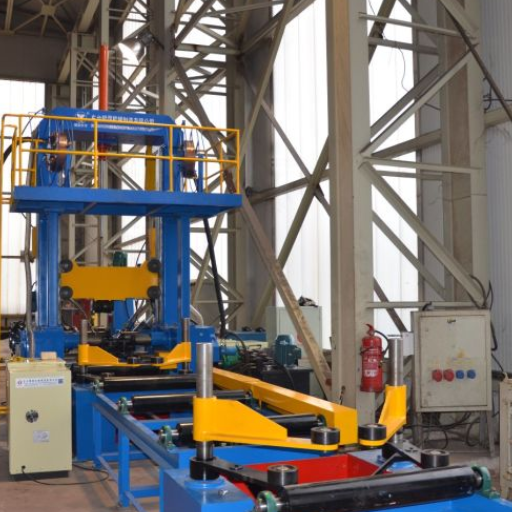
PEB beam welding has been primarily used in the fabrication of pre-engineered buildings, including workshops, warehouses, industrial sheds, and commercial structures. This technique ensures the strength and stability of steel-fabricated beams, which can withstand enormous loads and resist adverse environmental conditions. In addition to other welding techniques, it enables the welding of custom-made beams to meet specific architectural or industrial needs, providing both precision and efficiency in the fabrication process.
Industries Utilizing PEB Beam Welding
PEB beam welding constitutes a vital element in many industries that demand quality, cheap, and flexible building solutions. In line with this, some of the key sectors making use of this process are:
- Warehousing and Logistics: Warehousing companies utilize PEB beam welding in constructing extensive storage facilities that must withstand heavy loads and adverse weather conditions.
- Manufacturing and Industrial Plants: Industrial operations often utilize pre-engineered buildings for factories and plants, ensuring that welding is performed with precision and durability to accommodate structures designed for heavy machinery and equipment.
- Commercial Buildings: PEB beam welding enables malls, office spaces, and retail centers to maximize space utilization in harmony with architectural requirements.
- Agriculture: PEB beam welding is applied to barn construction, storage silos, and other agri-facilities that require durability and adaptability to the environment.
- Aviation: The aviation industry utilizes pre-engineered beams for hangars and maintenance facilities, as these structures require large, unobstructed spans to accommodate aircraft.
- Sports and Recreational Facilities: Gymnasiums, sports arenas, and recreational centers often utilize PEB constructions, as they are cost-effective and lend themselves to designs that accommodate large open spaces.
The technique thus enjoys growing demand in various industries in tandem with the request for economic yet strong and flexible structural solutions.
Applications in Structural Engineering
- Bridge Construction
PEB structures are widely used in bridge construction due to their longevity, ability to bear loads, and economic considerations. Hence, faster assembly means that contract duration gets shorter through traditional methods. Some estimates from studies suggest that modular bridge construction can result in a 30% reduction in construction time.
- Industrial Warehouses
Warehouses and storage facilities utilize PEBs in structural engineering. With their customizable designs and high strength-to-weight ratios, these structures are capable of supporting heavy machinery and large quantities of goods.
- High-Rise Buildings
The use of advanced-strength materials and prefabricated components heralded a new era in the construction of high-rise buildings. Structural engineers utilize these techniques, notably steel-frame systems, to provide safety and stability in areas prone to high winds or seismic activity, thereby enhancing construction efficiency.
- Power Plants and Energy Facilities
Structural engineering applications in power plants include the design of frameworks to support turbines, boilers, and pipelines. The facilities, therefore, require robust structures to withstand heat, vibration, and pressure, ensuring operational safety and efficiency.
- Seismic-Resistant Structures
The structures are constructed using flexible materials and damping systems to reduce and prevent damage due to earthquakes. Among other things, base isolators and reinforced concrete forms are used to enable buildings to absorb and dissipate seismic energy, thereby protecting life and safeguarding property.
Benefits of Using PEB Beam Welding Machines
- Enhanced Precision and Consistency
PEB beam welding machines weld with precision, consistency, and high quality, whereas human error may occur. Studies show that automated welding methods can increase accuracy by 30% compared to manual processes.
- Improved Efficiency and Speed
Professional machines work at high speeds, completing the projects much quickly. Welding production has increased by nearly 40% to help accommodate tight project schedules.
- Cost Savings
Because less material is wasted and fewer workers are required for the operation of PEB beam welders, they are more cost-effective. Companies typically report a 25% reduction in operational costs after installing automated welding systems.
- Reduced Downtime
Being highly sophisticated and requiring fewer maintenance, these machines seldom break down, thereby ensuring continuity in operations and maximizing uptime.
- Safety Enhancements
By automating welding, workers are not exposed to hazardous work and therefore have a lower chance of injury. With the introduction of automated welding solutions, a 50% decline in workplace injuries was recorded.
Advantages of PEB Beam Welding Machines
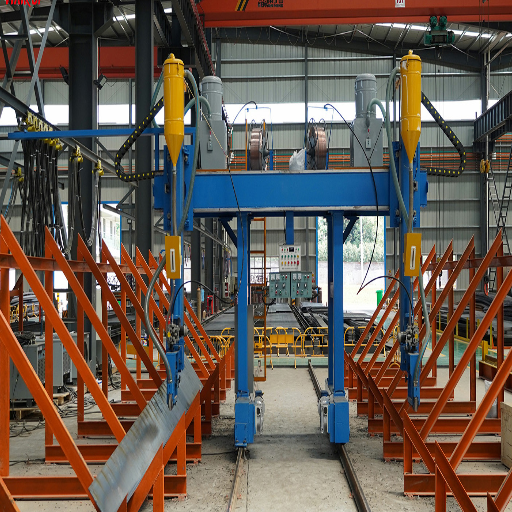
1. Improved Precision
PEB beam welding machines ensure high welding accuracy, resulting in consistent quality and reduced material waste.
2. Increased Productivity
The machines are designed for high-speed operations, enabling projects to be completed quickly without compromising welding quality.
3. Cost Efficiency
By reducing errors, wastage, and labor, PEB beam welding machines tend to lessen total operating costs.
4. Versatility
They handle various beam sizes and configurations, making them suitable for a wide range of construction requirements.
Efficiency and Production Capacity
While it is the leap in innovation that sets PEB Beam Welding Machines apart in terms of efficiency and production capacity, these very machines are also designed to align with workflow needs by automating mundane, repetitive tasks and minimizing human errors. Welding with exact calibration and high-performance technology ensures the best concert outputs in consistent quality, giving construction households the capacity to take on high volumes and maintain quality while working under stringent deadlines. In addition, since these machines consume less electricity, they excel in ensuring sustainability while also being cost-efficient.
Precision in Welding
From my perspective, precision in welding is a priority in all its aspects because it ensures the highest quality, minimal errors, and minimal waste. Coupled with advanced technology and automation, consistent outputs can be achieved and agreed-upon deadlines met while upholding sustainability goals, maintaining a balance between time, quantity, and quality, all yielding efficient yet superior performance in every project.
Cost-Effectiveness in Manufacturing
Production at the right price is duly accomplished through the proper use of resources, processes, and technologies. Through the use of automation and digital technology, such as AI-powered analytics, manufacturers can reduce the cost of manual work, enhance precision, and minimize the wastage of raw materials. Reports indicate that Industry 4.0 technologies enable companies to achieve operational efficiency gains of 20 percent and significantly reduce production costs. On the other hand, lean manufacturing and JIT systems of inventory management also contribute to smoothing the working and lowering the cost of holding, thus allowing organizations to compete in a constantly turbulent market. These acknowledge the role of technical advancements in reducing costs while maintaining top-level quality.
Selecting the Right PEB Beam Welding Machine
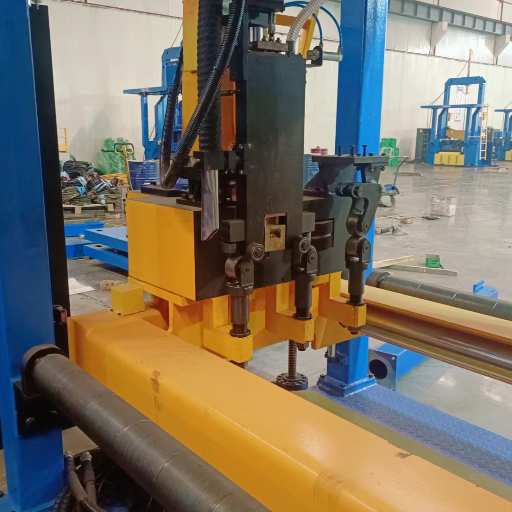
The right PEB beam welding machine will depend on various factors such as the specific requirements of your project, welding speed, and compatibility with different beam sizes and materials. You want a welding machine that ensures consistency in output and is cost-effective due to its precision, reliability, and energy efficiency. Prioritize manufacturers that have a global reputation for backing their products, as this support is typically offered. Also, ensure that spares and service can be obtained as soon as possible, thereby avoiding operational downtime. If you combine all these criteria, then your choice will certainly weigh in favor of the machine that supports your operational goals.
Factors to Consider When Choosing a Welding Machine
Choosing the right welding machine for your application is a significant decision that can impact its operational benefits and efficiency. Here are five factors you should take into consideration:
- Type of Welding Process
Depending on your specific application, select a machine that supports the welding process of your choice, such as MIG, TIG, Stick, or Flux-Cored. For example, MIG welding works well for thin metals like aluminum; TIG is better suited for thin stainless steel and non-ferrous materials, offering more precision.
- Power Input and Output
Consider the power requirements of the welding machine. Some machines use 110V, others 220V, and the rest are dual-voltage. Make sure the power output matches the thickness of the materials you intend to weld; thicker metals require more amperage for adequate penetration.
- Duty Cycle
Duty cycle expresses the amount of welding time a welding machine can withstand before overheating. For professional or industrial applications, a duty cycle of 60% or greater is recommended. However, occasional users or hobbyists can get by with a welding machine with a lower duty cycle.
- Portability and Weight
Depending on your workshop or field requirements, you may want to consider how portable your welding machine will be. If it is light and compact, it is much easier to carry around. On the other hand, any stationary models may have more functionality and power for a fixed setup.
- Budget and Long-Term Costs
This is the determining factor: what is your budget? How will maintenance fees, consumable parts, and energy costs affect your final purchase? The final cost of a machine may seem tempting, but choosing a quality one will ultimately save you even more money and make your purchase worthwhile in the long run.
Choosing the right welding machine after carefully considering all these factors is guaranteed to meet your technical requirements and budget, allowing you to operate efficiently and sustainably.
Evaluating Production Needs and Capacity
A practical method, if you will, of assessing your production capacity and needs, weighs the volume and variety of types of projects that your welding operations will be handling. Consider the materials that you work with most frequently, the thicknesses, and the joint configurations required. Determining the number of outputs you expect will ensure the welding machine can handle the workload without compromising either quality or efficiency.
One key consideration is the compatibility of welding machines with higher levels of automation and tools that integrate seamlessly throughout the workflow. Increasingly, companies are giving preference to machines equipped with a technology layer, such as IoT capabilities or adaptive controls, that enhance output and precision. Coupled with knowledge of your production objectives are insights into today’s industry developments, which enable you to choose equipment that allows for scalability while still meeting current operational requirements.
Tips for Maintaining Your Welding Equipment
- Regular Cleaning
Dust, debris, and metal particles can settle over time on our welding equipment, clogging and causing damage. After the operation, cleaning should be thorough for the equipment, especially the vents, filters, and moving parts. For example, cleaning of the wire feeder system will reduce feeding issues by as much as 40%.
- Inspect Consumables Frequently
Inspect wear and tear of any consumables such as nozzles, tips, and electrodes. Worn consumables, if replaced, assure consistent welding and maximize the life of your equipment as well. Approximately 30% more wire feeding problems occur due to a worn tip.
- Adhere to Routine Maintenance Schedules
Adhere to the manufacturer’s maintenance schedule. Lubricating moving parts and tightening loose connections regularly will prevent larger breakdowns. Following correct maintenance schedules will increase the life of equipment by 25% according to certain studies.
- Monitor Electrical Connections
Verify that all cables and electrical connections are secure and free from corrosion. Damaged cables or loose connections present performance issues or safety hazards. Such inspections can reduce your equipment downtime by approximately 15% when conducted monthly.
- Calibrate Your Equipment
Keep your welding machine periodically calibrated to ensure accuracy. Calibration ensures that voltage, amperage, and wire feed speed are synchronized adequately for consistent results. After regular calibration, the machines demonstrated a 20% improvement in weld quality consistency.
Reference Sources
- University of Alabama in Huntsville: Plasma Electron Beam Welding – Discusses the plasma electron beam (PEB) system and its applications in welding.
- Academia.edu: The Potential of Wire Electron Beam Additive Manufacturing – Covers electron beam welding applications in manufacturing, including structural components.
- NASA Technical Reports Server (NTRS): Integration of Aluminum Welding – Explores the development of plasma electron beam (PEB) systems for advanced welding techniques.
Frequently Asked Questions (FAQs)
Q: What is a PEB beam welding machine?
A: A PEB beam welding machine is specifically designed for welding pre-engineered buildings (PEB). These machines are optimized for high efficiency and precision in creating structural beams, often utilizing advanced welding techniques such as pull-through welding to ensure strong and durable joints.
Q: How does a PEB beam welding line operate?
A: A PEB beam welding line typically consists of several stages, including cutting, assembly, and welding. The process begins with a cutting machine that prepares raw materials, followed by beam assembly, where components are positioned. Finally, the welding is performed using either automatic or manual welding techniques to form a pre-fabricated beam.
Q: What are the benefits of using a beam welding machine?
A: Using a beam welding machine offers numerous benefits, including increased production speed, improved weld quality, and reduced labor costs. The automation in systems such as the beam welding line enhances efficiency, allowing manufacturers to produce tons of beams per month with consistent results.
Q: What types of welding techniques are used in PEB beam welding?
A: PEB beam welding commonly employs techniques like tack welding, pull-through welding, and twin wire saw welding. These methods ensure strong connections and allow for the assembly of various beam sizes, such as light-duty H-beams, enhancing versatility in manufacturing.
Q: Can PEB beam welding machines handle different beam sizes?
A: Yes, PEB beam welding machines are designed to accommodate a variety of beam sizes, including both standard H-beams and custom configurations. The versatility in beam line equipment allows manufacturers to adjust settings for different dimensions and weights, ensuring efficient production.
Q: What is the role of a manufacturer of PEB beam welding machines?
A: A manufacturer of PEB beam welding machines provides comprehensive turnkey solutions, which can include design, construction, and installation of the necessary equipment. They ensure that the welding production line is optimized for performance and meets the specific needs of their customers.
Q: What is the difference between automatic and manual welding of beams?
A: Automatic welding involves the use of machines to perform the welding process with minimal human intervention, leading to higher efficiency and consistency. In contrast, manual welding requires skilled welders to operate the equipment, which can be beneficial for custom or complex projects but may result in slower production times.
Q: How can beam welding systems improve productivity?
A: Beam welding systems streamline the entire welding process, reducing downtime and enhancing workflow. With integrated handling systems that support beam movement and dedicated equipment, such as beam pull and boom welding manipulators, these systems optimize efficiency, enabling manufacturers to achieve higher output rates.
Q: What should I consider when choosing a beam welding machine manufacturer?
A: When selecting a beam welding machine manufacturer, consider their experience, the range of equipment offered, customer service, and support for installation and maintenance. It’s also essential to find a provider that offers customized solutions tailored to your specific production needs.


