
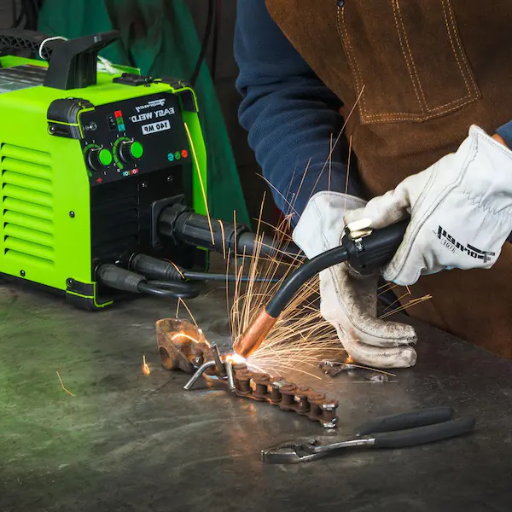
As you may already know, welding is a quite a bit involved, and selecting the correct equipment is fundamental to its success. Whether you are a professional in the field or a DIYer planning to tackle a new project, knowing critical steps such as checking the guidelines for welding devices is very helpful. Identification of welder type, power requirements, project scale, and materials are merely examples addressed in this guide to help your decision-making process. This article discusses absolutely everything essential so as to avails the most appropriate tools for one’s tasks while ensuring maximum safety and efficiency alongside precision.
What are the Different Types of Welding Machines?
- MIG Welders (Gas Metal Arc Welding) – Great for novices, these machines are helpful with different materials, including steel and aluminum. They utilize shielding gas and a continuous wire feed.
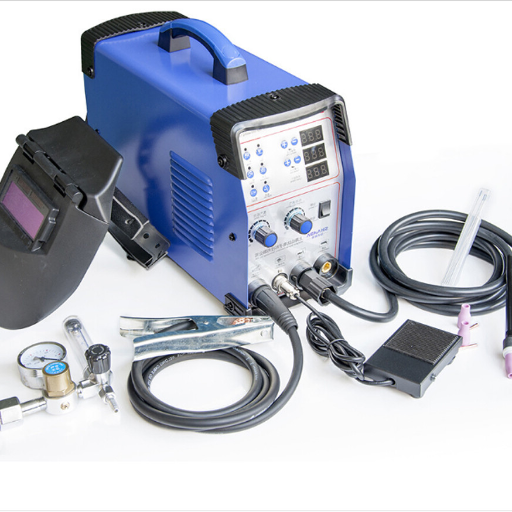
- TIG Welders (Gas Tungsten Arc Welding) – Most recognizable for their accuracy, these welders are best for thin parts that require detail. They deliver clean and top-notch welds.
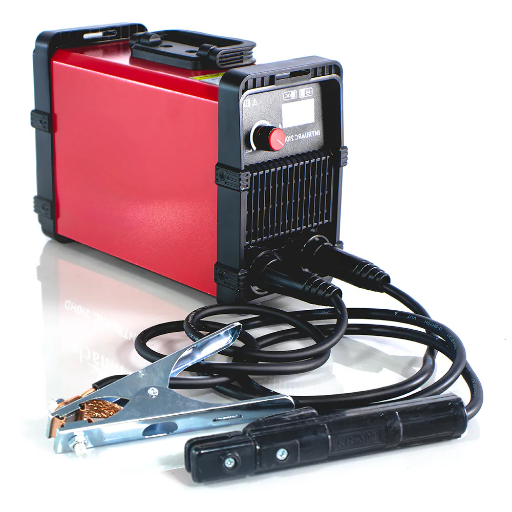
- Stick Welders (Shielded Metal Arc Welding) – These welders are rugged, easy to operate, and perform well in the open air on surfaces that are dirty or rusty.
- Self-Recessed Welders – These welders are akin to MIG welders, but cater to more robust tasks. They are beneficial at use in the open air or during windy conditions since they do not always use shielding gas.
- Spot Welders – Focused on the assembly of thin sheet metals, these welders are extensively used in the automotive industry.
Understanding MIG Welders
MIG welders, commonly referred to as GMAW machines, are some of the most flexible welders available. They are used in a variety of industries like construction, automotive, and manufacturing. A MIG welder uses a consumable electro rod and a shielding gas to produce very clean welds with very little spatter. Recent data suggests that MIG welds account for almost 48% of the welding processes done in the production industries due to ease of automation as well as efficiency.
MIG welders are faster than other welders and are able to perform longer jobs continuously which is a big perk for this technology because it does not require frequent replacement of electrodes. Additionally, they excel at working with thinner plates of aluminum and stainless steel which increases precision and versatility even in delicate workflows.
The most recent developments in MIG welding technology incorporate synergic controls that adjust the current and voltage to the material being welded and the welding pace. Modern MIG welders also have inverter technology which improves power efficiency and energy consumption by 30% compared to older models that used transformers. Some modern models have or are equipped with digital screens and programmable options tailored to specific metals, thus augmenting ease of use.
The enhancements not only offer experts and seasoned professionals practicality; beginners and welding novices are also able to easily operate MIG welders. For people with DIY home projects or for large scale industrial projects, MIG welding technology provides ease and reliability in performing clean welds.
Features of TIG Welding Equipment
TIG (Tungsten Inert Gas) welding tools are considered to be different because of their effectiveness and ease of use during the process of welding because they allow users to conduct highly sophisticated and meticulous welding tasks. One of the most important aspects of a TIG welding machine is that they can weld different metals like stainless steel, aluminum, and magnesium while maintaining the heat input to the machine. With extreme care and precision during the welding process, clean welds are produced during the process with a very small amount of spatter and distortion.
Modern TIG welders incorporate new technologies such as pulse welding, which permits better control of the heat applied, increasing the opportunity of thinner metal plates without risk of warping. Increasingly common are digital interfaces and memorized-settings, allowing preset and saving preferred parameters for consistent repeat applications. As an example, professional TIG welders depend on machines that control amperage, allowing changeable current setting adjustments to improve work speed during complex fabrications.
Some industry experts believe that the Lincoln Electric Precision TIG 275 and the Miller Diversion 180 are among the most advanced TIG welding machines of 2023. These machines integrate modern features, including multi-process welding technologies and additional accessories for greater versatility. Research indicates that TIG welding methods have a strength efficiency of about 70-90% with most materials and techniques, which makes it very useful in aerospace, automotive, or artistic fabrication industries.
Such changes are reshaping the welding industry and ensuring that TIG equipment continues to meet the demands of both casual and professional users.
How Stick Welders Work
Stick welders, or Shielded Metal Arc Welders (SMAW), create a powerful electric current that flows through an electrode. This current generates high temperatures that melt both the electrode and the base material, creating a molten pool that cools into a durable weld. The electrode’s flux coating creates gas and slag which protects the weld from harsh atmospheric oxygen and nitrogen.
The most recent improvements in stick welding have greatly increased its dependability and efficiency. For example, modern stick welders have now incorporated inverter technology which is lighter and more efficient when compared to older transformer models. Industry data shows that stick welding is still favored as it is versatile and can be used in outdoor and rough environments where wind or dirt would make other welding methods unreliable.
Additionally, research has shown that stick welders work effectively with a variety of materials such as carbon steel, stainless steel, and even cast iron, and can operate on materials with thicknesses from one-sixteenth of an inch to several inches. Although the deposition rate of stick welding is lagging behind other processes like MIG, it remains the favored option for maintenance and repair work, especially in construction and shipbuilding industries.
How to Choose the Best Welding Equipment for Your Application?
The application and requirements at hand dictate what kind of welding equipment is best suited. To ensure proper equipment is selected, begin by determining what material is to be welded and its width or thickness. For all-purpose welding, MIG welders are handy and low skill barriers make them easy to operate. In the case of outdoor or rugged repair work, stick welders serve best. For fine work on stainless steel or aluminum which requires high levels of precision, TIG welders are ideal. In all cases, the equipment’s safety standards, power capacity, mobility, and skill prerequisites should be matched with the project’s requirements in order to meet safety standards.
Deciding The Material That Has To Be Welded
Every type of welding equipment has its specific materials it can work with. When selecting a welder for particular materials, each process has to be compatible with the specifications of the metal’s type and its width or thickness. For steel, MIG welding is favorable for its simplicity and effectiveness. Outdoor conditions and tough thicker heavier metals are best suited to stick welding. Thin materials or aluminum require TIG welding for the best results. The specific methodologies employed should align with the relevant materials’ characteristics.
Evaluating Welding Output Requirements
When considering the criteria for welder output, a few different parameters stand out which need to be highly accurate in the context of the given project. It has been noted recently that welding methods are affected by the materials to be welded, the required amps, and the quality of finish. For example,
- Material Thickness and Amperage: Different materials requires distinct amounts of power to perform effective welding. Steel for example, needs 1 amp of energy for every 0.001 inches of thickness. More delicate materials like aluminum need approximately 125 amps at a thickness of 0.125 inches when TIG or MIG welding methods are used.
- Importance of Duty Cycle: Duty cycle is a limiting factor in output welding power. A welder with a duty cycle of 60% means it can work for 60% of a ten minute period. For certain industrial applications, it is important to use a welder with high duty cycles in order to enable uninterrupted operation.
- Wire Feed Speed and Voltage Setting for MIG Welding: It has been stated that for mild steel a WFS of 300 to 500 inches per minute, coupled with a voltage of 17 to 20 volts is advisable. These changes are required for the type of material and position of the welder.
- Current Type (AC/DC): For aluminum welding, Alternating Current (AC) works best since it breaks the oxide layer, while Direct Current (DC) is preferable for steel as it guarantees a steady arc and deep penetration.
- Safety and Efficiency Trends: Modern welding equipment has incorporated inverter technology which improves machine safety. Added features such as lighter equipment and easier adjustments ensure consistent power throughout the process regardless of input changes.
Focusing on calculations guarantees modern technology will provide consistent results.
Deciding Between Engine-Driven and Electric Models
When deciding between engine-driven and electric models, consider factors such as power source, portability, runtime, cost, maintenance, and emissions.
| Key Point | Engine-Driven | Electric |
|---|---|---|
| Power Source | Fuel-based | Electricity |
| Portability | High | Limited |
| Runtime | Long | Dependent on Grid |
| Cost | Higher Initial | Lower Initial |
| Maintenance | Frequent | Minimal |
| Emissions | Produces CO2 | Eco-Friendly |
What Prices Can You Expect for Welding Machines?

Depending on the model and specifications, welding machines have different prices. Starting from $200, you can get basic machines and mid-tier machines usually go for $500 to $1,000. Advanced models for industrial use go for over $2,000. Accessories, brand name, power output and other factors definitly play a role in the price.
Factors Influencing Welding Machine Prices
- Type of Machine: Pricing varies greatly depending on the welding apparatus used; this can be MIG, TIG or even Stick welding. Every type comes with its own sets of advantages and price ranges.
- Portability: Specialized models that are lightweight and easier to transport tend to have a higher price than more universal models.
- Brand Reputation: Well known reliabile brands often are trusted due to their history and sell their products for high price.
- Additional Features: Models with sophisticated components such as digital screens, multi-process functionality or safety mechanisms tend to be more expensive.
Where to Look for the Best Offers?
The most convenient way to find the best price is to search for the most trusted retailers first, like Amazon, eBay, or specialized tools and machinery stores. In addition, it is always wise to compare prices from different stores. Also, always check for discounts that may page and manufacturers or authorized vendors. Checking local hard ware shops and trade fairs sometimes gives purchase the very things at lesser price. It is a must for every buyer to ensure that the seller is a reputed one and offers a warranty for the product.
What Accessories and Supplies Do You Need?

- Protective Gear: Safety goggles, gloves, earmuffs, and closed shoes are a must.
- Basic Tool Attachments: Extra blades or drill bits and pads for sanding based on the specific tool used.
- Lubricants and Cleaners: Regular maintenance of machinery aids in maintaining optimal function and minimizes damage over time.
- Power and Extension Cords: These should be appropriate for the powered tools and should be long enough to reach from the power source.
- Storage Solutions: Organizers and toolboxes for supplies are to be kept accessible yet secure.
Essential Welding Accessories for Beginners
As a beginner welder, having the correct tools and accessories integrates into refining the work’s precision, enhances safety, increases efficiency, and elevates the overall quality. Below are data-driven recommendations and insights for welders below:
- Welding Helmet with Auto-Darkening Features: This is one of the most important parts of safety equipment. It prevents exposure to sparks, ultraviolet (UV), and infrared (IR) rays which can cause injury to your eyes and face. Especially, auto-darkening helmets are good since they shade themselves depending on how bright the environment is. A recent market analysis found that auto-darkening helmet use has increased by 15% in 2023 which was attributed to greater safety as well as ease of use and advanced technology.
- Welding Gloves: A welder’s gloves must be made from the appropriate materials such as leather to ensure the user is shielded from extreme temperatures, sparks, as well as cuts while maintaining a solid grip on tools. Research reveals that hand injures account for 35 percent of welding related injuries which makes wearing gloves an imperative safety measure.
- Portable Welding Screens: These screens protect perform the function of shielding bystanders or other nearby objects from stray sparks ensuring a safe working environment. Modern welding screens are more often than not lightweight as well as durable since they are made from flame resistant materials. There is a noticeable increase in demand for compact and foldable designs that specifically cater to hobbyist welders.
- These tools provide precise alignment for workpieces which enhances their accuracy and efficiency. Welding magnets are very popular for tasks in metalworking such as forming 90-degree angles and holding steel plates. Based on recent reviews, smaller projects which are usually done by beginners seem to be better handled with tools that have a pull force of 25 lbs and above.
- Consumables and Spare Parts: Be sure to have spare nozzles, electrodes, and filler materials on hand to ensure projects can be worked on without interruptions. A majority of beginner welders tend to underestimate the amount of consumables that will be required which leads to unwarranted downtime due to lack of supplies. It is best to purchase in bulk as much as possible in order to meet project expectations.
- Welding Apron or Jacket: While working you can be protected from sparks, flames, and debris with specially flame-retardant clothes designed for welding. They are mostly recommend made of split leather because of their tough and superior durability. Data from the 2022 Employee Safety Report reveals that appropriate protective clothing can reduce the incidence of minor burns by 60%.
Purchasing safety tools and accessories is crucial in every workplace since it improves safety measures and boosts productivity. In addition, beginners are advised to take their time and choose reputable manufacturers that offer protective welding gear with warranties and certification to attes the durability and safety of the items.
Advanced Welding Supplies for Professionals
Welding specialists need modern devices to make sure they get accuracy, reliability, and effectiveness in their work procedures. As per the latest business analysis reports, the global market value of welding equipment is expected to increase to $27.2 billion by the decade’s end, with a yearly growth of 4.5% from 2023 to 2030. Demand from sectors like construction and aerospace, advancements in automation and AI welding technologies are fostering this growth.
Professionals in the field now require robotic welding systems, advanced programmable TIG welders, and actively sharper plasma cutters. They provide faster and more accurate cutting. Automated welding systems, for example, can enhance productivity by 30% while drastically reducing defects due to design optimization, multi-cycle testing, and machine vision implementation. Furthermore, multi-process welding systems that enable fluent transitions between different welding types also improve versatility and efficiency during work.
For long-term comfort and safety on the project, it is critical to invest in professional-grade equipment such as helmets with auto dark filters and ventilation systems. To remain competitively productive and have successful outcomes for projects, staying on industry updates and adopting high-standard certified welding tools will be important as technology evolves.
How to Maintain and Care for Your Welding Equipment?

- Routine Cleaning: Always remove dust, dirt, and welding products from equipment after use to prevent accumulation and ensure optimal function detection and respond well.
- Wear or Damaged Parts Inspection: Regularly inspect wires, plugs, and tubes for changes of wear to ensure increase functionality for service.
- Grease Application: Rust is often found in mechanical systems, thus the application of recommended lubricants will ensure the smooth and rust free functionality of moving machine elements.
- Use Controlled Storage: Excessive temperature and moisture can be detrimental to equipment function, thus ensure to always keep the equipment in well defined conditions temperature and moisture wise.
- Do Not Forget To Follow Instructions: Equipment has user manuals including all defined maintenance processes and procedures, do ensure you make read and follow the instructions properly so as not to skip any section.
- Adjust Frequently: When equipment is used regularly, make sure all parts are checked and spaced properly for exact functions so checking the tightening of screws is a must.
Regular Maintenance Tips
The manual available always has set defined timelines when servicing should be done, instruction should automatically help to prompt you fully individually encourage all tasks are being performed.
- Address Damage Promptly: All visuals checkup something that is extremely ignored very often for the cords, any cracks or loose ends checked must be checked often which solves many problems.
- Equipment Cleanup: To increase functionality make sure after every use ensure you clean any dirt associated, partials stuck so residue will always be surrounding.
- Operation Testing: All expected results should be checked and retested on timely sequence including results-surreal.
- Optional updates on software and firmware: Install necessary updates on software components for optimal performance and security.
- Maintenance to replace worn out parts: Some equipment components over time may need servicing or replacement.
The provided best practice guides will ensure the equipment retains performance accuracy for a number of years.
Cleaning and Storing Your Welding Equipment
To maintain the proper functioning of my welding equipment, I make sure they are cleaned thoroughly after each use. I dust off any debris, tangles, dust, or remnants of welding using a soft cloth and the right tools. Items that have the potential to corrode are out of rust, so to prolong their functionality, I apply a thin coat of oil. In terms of storage, I place equipment in a safe area away from moisture and extreme temperatures. This equipment includes cables which, if kept neatly coiled and organized, promotes rigorous tool health and longevity.
When Should you Replace your Welding Accessories?
Worn out or damaged accessories that have the potential to compromise safety and performance despite proper maintenance will result in constant burrs, inconsistent welds and elongation causing slugs and pauses in welding. Those accessories ay include worn out cables, burnt, cracked, deformed nozzles, stray connector pieces, or spent electrode holders. Conducting these checks frequently will guarantee their speedy detection along with seamless safe operation. While doing so though, ensure to follow guideline rules for intervals on maintenance and they constitute wear and tear for the accessories absent any externally damaging functions.
Reference sources
1. Applications of Machine Learning in Friction Stir Welding: Prediction of Joint Properties, Real-Time Control and Tool Failure Diagnosis
- Author: A. Elsheikh
- Journal: Engineering Applications of Artificial Intelligence
- Publication Date: May 1, 2023
- Citation Token: (Elsheikh, 2023, p. 105961)
- Summary: This paper discusses the application of machine learning techniques in friction stir welding (FSW) to predict joint properties, control processes in real-time, and diagnose tool failures. The study emphasizes the importance of integrating AI technologies to enhance the efficiency and reliability of welding processes.
- Methodology: The research employs various machine learning algorithms to analyze data collected from FSW processes, focusing on predictive modeling and real-time monitoring.
2. Review on Machine Learning Based Welding Quality Improvement
- Authors: Ikkun Kim, Moon-Gu Lee, Y. Jeon
- Journal: International Journal of Precision Engineering and Manufacturing-Smart Technology
- Publication Date: July 1, 2023
- Citation Token: (Kim et al., 2023)
- Summary: This review paper examines the application of machine learning algorithms such as ANN, DNN, and CNN in improving welding quality. It highlights successful studies that have predicted bead width, welding quality, and quality classification.
- Methodology: The authors conducted a comprehensive literature review, analyzing various machine learning techniques applied to welding quality prediction and classification.
3. Prediction of the Ultimate Tensile Strength (UTS) of Asymmetric Friction Stir Welding Using Ensemble Machine Learning Methods
- Authors: Surasak Matitopanum et al.
- Journal: Processes
- Publication Date: January 27, 2023
- Citation Token: (Matitopanum et al., 2023)
- Summary: This research develops ensemble machine learning methods to predict the ultimate tensile strength of friction stir welded seams. The study demonstrates the effectiveness of using Gaussian process regression and support vector machine models for accurate predictions.
- Methodology: The authors utilized a dataset comprising various FSW parameters and applied ensemble learning techniques to enhance prediction accuracy, validated through multiple datasets.
4. Top H Beam Welding Line Manufacturer and Supplier in China
Frequently Asked Questions (FAQs)
Q: What is an engine driven welding machine?
A: An engine driven welding machine is a type of welder that uses an engine, usually gas or diesel, to produce electricity for welding. This is beneficial in far away places where electricity is not easily accessible.
Q: How do I select the right welding machine for my next welding project?
A: When selecting the welding machine for your next project, think about the material you will be using and its thickness along with the welding type you intend to use, whether it is MIG, TIG or stick welding. Also keep in mind the weight and if you will need an engine driven machine for portable work.
Q: What are the advantages of using an engine-driven welder?
A: As with any other tool, engine driven especially rugged and durable, so these welders make a great addition to any contractor’s toolkit, especially when working in remote areas. They can be used for high amperage production. Further, they have the added bonus of being able to run auxiliary tools, making them versatile pieces of equipment and accessories.
Q: Can a multi-process welding machine handle different types of welding?
A: Yes, multi-process welding machines can perform MIG, TIG, and stick welding. Such machines are flexible and an excellent purchase for people with varying welding requirments.
Q: What Additional Safety Features Should I Consider for a Welding Machine?
A: A welding machine should have safety features like thermal overload protection, a reliable auto-darkening welding mask, and an effective welding fume and UV filter.
Q: How Significant is the Amperage in a Welding Machine?
A: The welding machines amperage is very significant as it determines how well the machine can weld metals of different thicknesses. High amperage machines are better for thicker materials, while lower amperage machines work better with thinner materials and delicate work.
Q: What is the Significance of Wire Feeders in MIG Welding?
A: Wire feeders have a very important part in MIG welding. They automatically feed the welding wire through the gun or torch at a set speed which helps to achieve consistent welds. Effective wire feeders significantly improve the welder’s productivity and the quality of welding.
Q: Is it possible to find welding machines that have plasma cutting features?
A: Some modern welding machines incorporate plasma cutting, enabling you to alternate between welding and cutting with ease. These are usually multi-process machines which are very useful for a workshop that requires both functions.
Q: What are the basic tools that should be included in a welding cart?
A: The basic tools that should be included in a welding cart are a durable cart, a welding gun or cutting torch, safety equipment such as gloves and helmets, and wire storage spools and electrodes and filler rods. These tools help maintain safety and streamline your welding workflows.


