
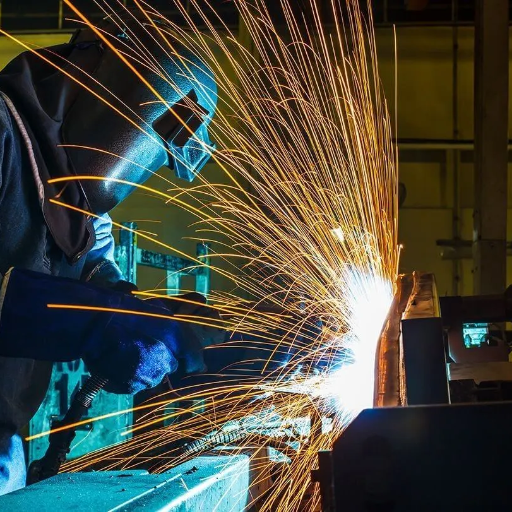
Like with everything else, welding has two sides; it can be seen as both an art and science since attention to detail and mastery of tools is required. Whether you are an established professional or a novice attending your first lesson, grasping the basics of welding will help achieve solid joints for your work pieces. Welders of all levels are invited for a one-stop blog post about tips and tricks which include techniques and supplies that guarantee success. There are many things that a craftsman needs to keep in their productivity toolbox, and by the end of this tutorial, you will know what supplies you need for your trade. Your imagination is going to ignite and with these resources in hand, everyone will level up on their crafts.
What is Metal Welding and Why is it Important?
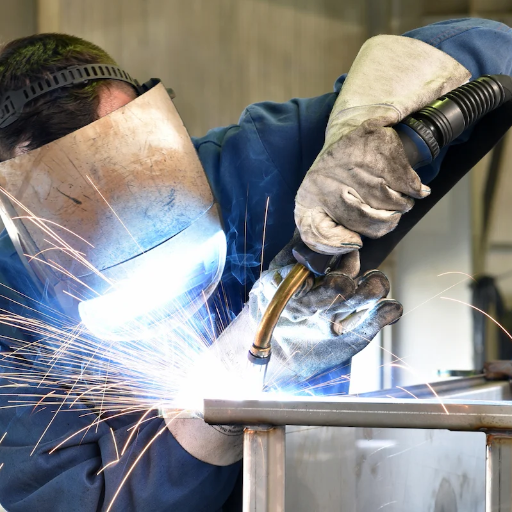
Metal welding is the process of joining two or more pieces of metals through the application of heat or pressure, and sometimes both. Metals create great bonds and pieces during the cooling and melting process. Metal welding is extremely important to the construction, manufacturing, automotive, and aerospace industries as it is used for ensuring the durability and functionality of structures, tools, and equipment.
Understanding the Steps of Welding
Welding includes the preparation, joining, and cooling. In the preparation stage, the materials are aligned and cleaned which gets them ready for the joining stage. During joining, heat or pressure is applied to the aligned pieces of metal, and through the right amount of heat and pressure, the metals get melted and fused together. In the final stage which is cooling, the weld begins to cool down and solidifies creating a strong bond.
Key Differences Between Welding and Brazing
Welding and brazing differ in terms of process, strength, temperature, and filler material used.
| Parameter | Welding | Brazing |
|---|---|---|
| Process | Melting metals | No melting |
| Strength | Stronger bond | Weaker bond |
| Temperature | Higher required | Lower required |
| Filler | Similar metals | Dissimilar metals |
| Precision | Less intricate | More intricate |
| Applications | Heavy industries | Delicate tasks |
| Fusion | Full fusion | Surface bonding |
Applications of Weld Metal in Industry
Metals used for welding are crucial for different sectors because they provide technology for fabrication, repair, and construction. It is essential in the aerospace, automotive, shipbuilding, construction, and energy industries. For instance, in construction, welded steel frames are sine qua nons for modern skyscrapers because of their strength and durability. As per the data as of now, the construction sector is expected to increase the usage of weld metal at a compound annual growth rate (CAGR) of 4.3% from 2023 to 2030.
Welding in the automotive industry continues to dominate due to its accuracy and reliability with respect to assembling lightweight components like aluminum which comes handy for meeting emissions standards as well as improving fuel efficiency. Other advanced technologies like laser and robotic welding have been adopted hence productivity and precision have soared. Research suggests that over sixty percent of vehicle manufacturing processes depend on welding technology which showcases its importance.
The application of weld metals has great significance in the renewables sector. Wind turbines, for example, require proper welding processes to mount the blades and build the towers which face extreme weather.For the offshore wind energy projects alone, welding needs are anticipated to rise significantly while the global forecast for the renewables market stands over 2 trillion dollars in the coming 7 years.
In addition, more and more weld metal applications are made possible as sustainability and efficiency become increasingly prioritized. Innovations with weld technologies like friction stir and cold metal transfer welding are proving more and more that industries are in need of weld metals in an ever changing world.
How Does TIG Welding Differ from MIG Welding?
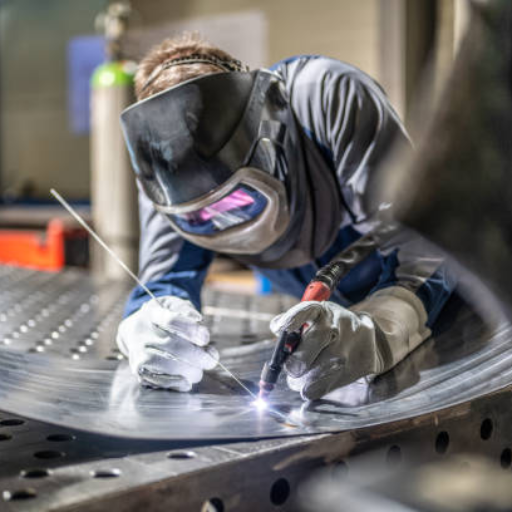
TIG welding, or Tungsten Inert Gas welding, and MIG welding, or Metal Inert Gas welding, are both forms of welding that differ in their techniques and use. While TIG welding uses a tungsten electrode which requires more skill to operate and is thus, better for intricate work, MIG welding feeds wire electrodes continuously which makes the process faster, more efficient, and suitable for bigger tasks. MIG welding is better for productivity, while TIG welding excels in aesthetic appeal.
Basics of TIG Welding
Like many other forms of welding, TIG or Tungsten Inert Gas welding, as the name suggests, is a precise technique that is common in aerospace and automotive industries, and in art fabrication. It uses a tungsten electrode that is non-consumable and shields the weld area with inert gases like Argon or Helium to protect the weld from atmosphere exposure. This form of welding provides better control which helps in producing clean, strong, and precise welds. Some of the best metals such as stailess steel, aluminum, and magnesium can be used.
Alloyed with appropriate gases, TIG welding is a practice that can minimize spatter, distortion, and strength distortion across various materials; hence, it is used primarily for delicate repairs. For instance, aircraft components which require both strength and light weight alloys are made using TIG welding. It serves a purpose in specialized niches of the industry. Its value is captured in the data which states that TIG (Tungsten Inert Gas) Welding applications comprise roughly 10% in an industrial setting.
Welding technology has greatly aided the efficiency and accessibility of both gas supply and economy systems. New machined transformers allow for more precision with additional features such as pulsed welding, exact heat control, and preset dials. These innovations not only enhance precision of work but also conserve material and energy maximizing efficiency while meeting eco-friendly operational standards.
Disadvantages of gas welding
It is also known as Gas Metal Arc Welding (GMAW). The distinguished reputation of MIG (Metal Inert Gas) Welding lies in its effectiveness and popularity. The faults of MIG welding do not negate the advantages it provides which include but are not limited to rapid execution along with a rise in productivity.The ease of use and quality of MIG welding has been recently improved by advanced synergic control systems and wire-feed mechanisms. For example, synergic controls allow automatic adjustments of specific parameters, which optimizes the setup process and guarantees consistent welds throughout the process. This is especially useful for less skilled operators.
Based on the data, modern MIG welding machines increase productivity by 30% compared to traditional welding methods. In addition, modern MIG welding machines are highly versatile and capable of working with a variety of materials, including carbon steel, aluminum, and stainless steel.
The adoption of modern energy-efficient technologies has made them much more environmentally friendly, as newer systems consume approximately 15% less energy than older models. With other measures taken to make industrial processes greener, these new technologies help to reduce the overall carbon footprint.
Choosing the Right Welding Technique
Considering the material, requirements for the project, and efficiency, which can be time-saving or cost-effective, all determine what welding technique to select. Aluminum and copper alloys are clasifed as non-ferrous metals, therefore, MIG welding (Metal Inert Gas) is usually preferred due to its simplicity and effectiveness. Manufacturing plants are rading over 50% of welding processes with overlay balance because of the deposition rate not to mention clean welds that are produced with little splatter.
TIG welding (Tungsten Inert Gas) specialization is known for its versatility enabling it to be used on different micromaterials as well as projects that demand superb previson and aesthetic finishes making it more effective than other kinds of welding. Their incorporation in the aerospace and automotive industries or putting art reveals their industrial welding significance. While it may be slow and laborious, such precision aids specialized applications particularly in surgery which require great accuracy.
Furthermore, modern-day technology has led to development of new hybrid techniques which incorporate traditional and modern methods such as laser-MIG and laser-TIG. These techniques increases the speed of work by as much as 40% while at the same time minimizing the impact of heat on fragile materials.
Knowing the requirements of your assignment and keeping abreast of modern developments can greatly help in balancing functionality with eco-friendly options.
What are the Essential Metal Welding Supplies?
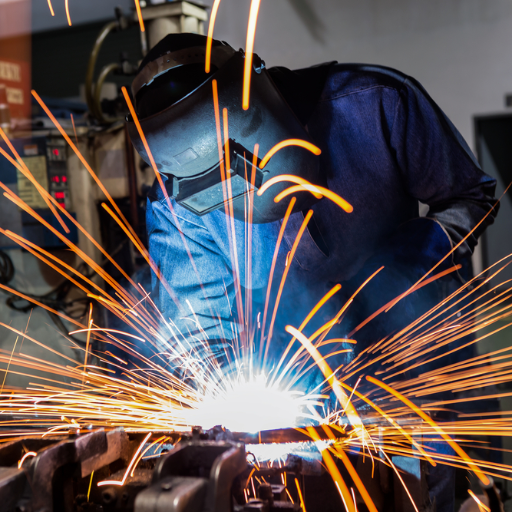
- Welding Machine: Choose an appropriate machine according to a certain welding procedure (for example MIG, TIG or stick welding).
- Electrodes or Filler Metals: Select compatible electrodes and filler rods that correspond with the base metal.
- Protective Gear: Welders helmets, gloves and welding clothing ensures safety.
- Gas Supply: For MIG and TIG methods, ensure the provision of shielding gases such as Argon or CO2.
- Clamps and Fixtures: Hold the pieces to be welded accurately and positionally rigid.
- Wire Brush or Grinder: Carry out cleansing of the metal surfaces before and after welding to achieve the optimal results.
Choosing the Right Electrode
Electrode selection is essential for the quality of the weld is important. Various factors influence electrode selection including; type of metal to be welded, the welding technique to be used, and the application. Taking the example of mild steel, the electrodes E6010 and E7018 will provide good penetration and reliable welds. With stainless steel electrodes, more specialized E308L or E316L are needed which are less susceptible to corrosion and helps in providing long lasting weldments.
Just as with Weld SMAW, GMAW and GTAW, there is a specific electrode coating and core material that goes well shimmed with a given base metal. As the industry states, electrodes are classified based on the industry’s standards of electrodes which mentions coating, current type usabe, and even the strike of current. For example, E7018 indicates tensile strength of 70 k psi and is able to be used in all possitions.
More current Google resources and tools are at the disposal of the servedar. Data from the welding industry indicates that through the use of the proper electrode, productivity on welding tasks can increase up to thirty percent while reducing material waste. Instant access to electrode specification charts coupled with mobile apps liberates the welder from having to carry them. Mobile apps make it easy to check on electrode specifications and guarantee accurate and quality weld results.
The Importance of Protecting Gases in the Welding Procedure
The welder has to decidedly pick from a set of protecting gases. This set contains: argon, carbonic gas, helium and mixtures of said gases. Each of them has it’s unique benefits depending on certain application needs.
Industry information reveals that choosing appropriate shielding gas can improve work quality, minimize spatter, and refine the weld bead. For instance, argon is preferred during TIG and MIG welding because it ensures a stable arc and produces clean and beautiful welds. However, carbon dioxide is used more often in MIG welding because it is cheaper and has better penetration in thicker materials.
As noted in a report from this year, argon-based mixtures in MIG welding can boost productivity by as much as 20% because of the decreased post-weld cleaning time and lowered defect rate. Also, mixtures of helium and argon are known to enhance fluidity in welds and are especially useful for high-temperature applications or in welding of non-ferrous metals like aluminum and copper alloys.
Professional welders have to consider shielding gas selection and calibration because the right choices ensure a weld that is structurally strong and deposit weld metal with minimal defects and rework hours, thus reducing welding costs.
Filler Material Information
Filler material is highly important in achieving a strong and good weld. It is the filler metal which becomes liquid with the base metal and solidifies to form a joint in the process of welding. The selection of filler material is made based on various categories like metallurgical interfaces, joints, stresses, and welding methods.
As an example, recently employed ER70S-6 is widely accepted because of the carbon steel weld’s high tensile strength along with outstanding deoxidation. Also, when welding stainless steels, ER308L or ER309 fillers are used to preserve the stainless steel filler’s corrosion resistance and mechanical properties. The right determination of filler metals can affect the weld quality and compliance with the relevant industry specifications such as the American Welding Society (AWS) guidelines.
Inappropriately matched filler metals are known to cause weld defects which include cracks or failure under stress, a multi billion dollar loss in repair and safety epic fails for industries every year. Because of that, it is mandatory for welders to consider the geometry, environment, and service conditions to the base metals when choosing a filler material.
How to Achieve Quality Fabrication in Metal Welding?
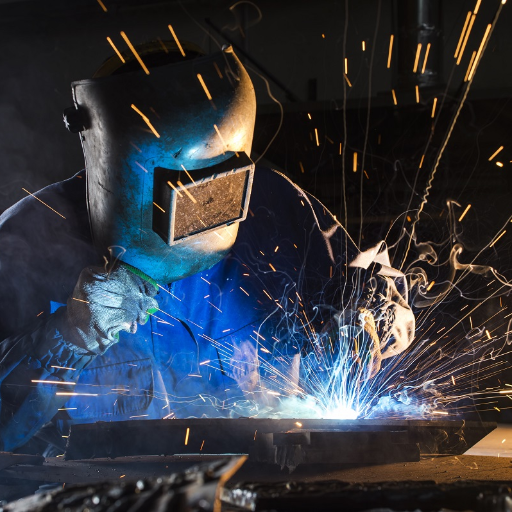
- Select the Right Filler Material: Check for compatibility of the base filler material weld with the base metal structure in regard to strength and durability.
- Prepare the Materials Properly: To ensure proper welding, cleanse the surfaces like rust, oil, dirt, and other contaminants.
- Use Proper Welding Techniques: Maintain uniform techniques, correct heat levels, and proper settings for the welding equipment.
- Inspect and Test the Welds: Conduct visual inspections and non-destructive tests to assess for any underlying issues or potential vulnerabilities.
Most Effective and Enhancing Practices: Welds for Thin Metal Plates
In the case of thin metal sheets, maintaining control over processes is crucial to prevent excessive burn-through or distortion. The most useful recent finding is that thin metals can benefit from methods like TIG welding, as it is more precise and cleaner. The ability of TIG welding to control heat input makes it ideal for thinner materials of 0.3 mm to 2 mm in thickness.
The usage of modern welding machines with new settings has refined the process significantly. Take, for example, pulse welding, which is a highly effective procedure that switches between high and low currents to mitigate overheating and preserve the integrity of thin sheets’ structures. Industry analysts indicate that a pulse width of 20-40% with a suitable duty cycle relative to the material’s thickness markedly reduces the probability of warping.
Furthermore, the choice of filler material is equally important to attaining effective and reliable joints in a weld. For the case of thin stainless steel sheets, it is often recommended to use ER308L filler rods, which are low in carbon and minimize carbide precipitation, therefore reducing the chance of corrosion at the welded joints.
Along with pre-weld preparations, research emphasizes the importance of cleaning the metal components. Removing oxide layers, oils, and dirt enhances a weld’s strength because it increases the chances of proper fusion. Some recent studies show a thin layer of oil increases the chances of becoming porous by 30%.
Employing advanced strategies while observing basic principles of material handling, together with modern machines and precise settings, experts have shown it is possible to achieve optimal results even with thin and fragile metals.
Methods of Joining Metal Sheets Efficiently
The welding industry has embraced technological advancements and new ideas from experts regarding effective metal sheet joining and their precision. For example, laser welding technology is becoming increasingly popular because of its effectiveness in achieving high-quality welds with minimal distortion. ResearchGate reported that laser welding can penetrate stainless steel up to six millimeters and maintain a narrow heat-affected zone. This feature makes it useful in highly intricate applications such as automotive and aerospace parts.
Also, emerging aluminum alloy joining solutions include friction stir welding (FSW). As reported by TWI, Friction stir welding creates joints with a tensile strength more than 80 percent of the base material. This is better than fusion welding through conventional means. This method is particularly suitable for lightweight thin metals that are delicate and where structural strength is important.
Inow, automatic infrared cameras and ultrasonic flaw detection are being used to identify faults in real-time, allowing for immediate corrective action. The Welding Journal indicated that applying these non-destructive methods reduced rework due to post-weld verification by 25% thus improving overall production timelines.
Modern methods allow data insights to be used to construct quality joints with less waste and lower manufacturing costs.
Avoiding the Common Mistakes in Metal Structures
- Wrong Material Selection: Corrosion, fatigue, or structural failure may occur over time because of using an improper metal selection for a specific environment. Ensure that the material selection aligns with the application and environment conditions.
- Welding the Wrong Way: Weld failures such as cracks and deformations are attributed to insufficient heat application and poor skill across the board. Make sure that the welders are competent and follow accepted practices within the sector.
- Ignoring QC: Not implementing thorough inspections means flaws can be overlooked, risking the structure’s integrity. Apply non-destructive testing (NDT) for consistent quality assurance.
- Not Designing for Thermal Changes: Structures can warp or suffer stress as a result of thermal contraction and expansion if not properly accounted for. Construction plans should cater for temperature fluctuations.
- No regular Maintenance: Failure to monitor regular maintenance, inspection, and upkeep can escalate hidden issues that worsen over time. Scheduled maintenance greatly improves the longevity of metal structures.
What Standards Does the American Welding Society (AWS) Set?
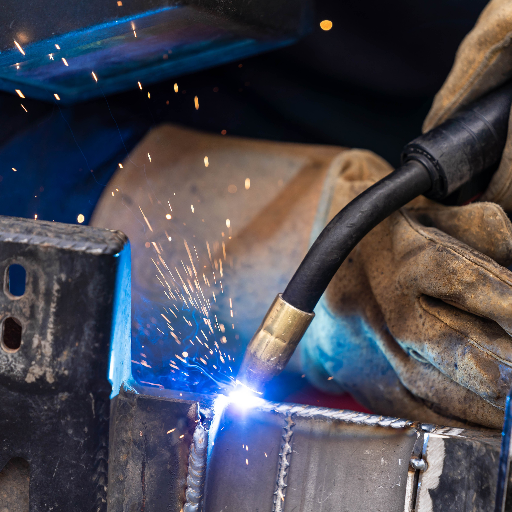
The American Welding Society ensures the safety, quality, and efficiency of welding practices through setting defined standards. These standards relate to inspection criteria, procedures, materials, and the welding practitioners’ qualifications. Some foundational milestones include structural welding guidelines, welding symbols, and performance qualification tests. These standards are aimed at fostering uniformity and dependability in the diverse sectors that rely on welding.
Overview of AWS Welding Procedures
AWS welding procedures align with particular techniques and practices vital for achieving consistent, high-quality welds. The procedures are documented so that welders have a set guide for the materials and applications at hand.
As per recent updates, AWS D1.1, the Structural Welding Code – Steel, is among the most commonly cited standards. It contains comprehensive provisions on the welding of structural steel, which is crucial for the safety and durability of construction projects. AWS D1.2 has also fully covered aluminum welding and provides specifics dedicated to the nature of aluminum.
AWS standards include performance qualification tests (PQT) which seem to have contributed towards some reported industry trends. Reports claim that over 70% of many primary manufacturers demand certification aligned to AWS PQT welding standards to assure quality of the weld and reduce failure rates.
To better support contemporary industries, AWS is adopting new technologies such as laser welding and robotic welding. Robotic welding systems, for example, have increased production efficiency by 30% in the automotive sector, all while following AWS guidelines. These AWS examples demonstrate their dedication to blending innovations with standardized practices.
Why AWS Certifications Matter
AWS certifications help maintain quality and standardization for the welding industry. Areas that employ AWS-certified welders, for example, report up to 25% lower welding errors according to recent studies. This reduction translates to immense cost savings and bolstered product dependability. Certifications like Certified Welding Inspector (CWI) are highly in demand. Industry reports indicate job openings requiring CWI increased by more than 15% in the last two years.
Moreover, the AWS certification demand stretches to diverse fields like construction, aerospace, automotive, and energy. For instance, construction companies following the AWS guidelines report an increase in productivity by 18 percent, primarily owing to less rework and project delays. These certifications mark an organization’s technical capabilities and its unwavering dedication towards quality and safety, thus offering reassurance and inciting trust from clientele regarding services or products certied professionals offer.
With changing technologies and shifts in the marketplace, trends AWS certifications adapt to are essential in upholding innovation, responsibility, and a high caliber of skill within the workforce.
Safeguarding Welding Operations
Focusing on safeguarding metal welding operations, I concentrate on following proper safety procedures, along with wearing protective equipment like goggles, gloves, and insulated clothing to cover the body. Controlling and ventilating workspaces is critical in minimizing hazards, and focusing on maintaining a tidy, organized area aids in this goal. Following industry standards aids in guaranteeing high-quality outcomes while fostering a safe environment. Safety, while attending to best practices and rigorous equipment checks, is always the top priority in my approach to welding.
Reference sources
- Optimization of process parameters of ultrasonic metal welding for multi layers foil of AL8011 material (Samir et al., 2023, pp. 119–127)
- Publication Date: 2023-03-04
- Methodology: Utilized ultrasonic metal welding (UMW) and central composite design to experiment with multilayer AL-8011 foils. The response surface methodology (RSM) was employed to optimize process parameters.
- Key Findings: The study investigated the relationships between input parameters (welding pressure, time, vibration amplitude) and output responses (power, force, energy) in UMW. The goal was to optimize these parameters for achieving the best possible welding connections in multilayer AL-8011 foils.
- Ultrasonic Metal Welding of Multilayered Copper Foils to Nickel-Plated Copper Sheet in Lithium-Ion Battery Cell (Shin et al., 2021)
- Publication Date: 2021-07-27
- Methodology: Used ultrasonic metal welding (UMW) to weld multilayered copper foils to a nickel-plated copper sheet, relevant to lithium-ion battery cell production. Comparative experiments were conducted to examine the effect of horn and anvil alignment on weld quality. Statistical analysis was performed on the effects of welding pressure, amplitude, and time.
- Key Findings: The study analyzed the weldability of multilayered copper foils and nickel-plated copper strips using UMW. It investigated the impact of alignment and process parameters on weld energy, mechanical performance, cross-sectional shapes, and microstructure of the nickel layers.
- Liquid Metal Welding to Suppress Li Dendrite by Equalized Heat Distribution (Wang et al., 2021)
- Publication Date: 2021-08-21
- Methodology: Experimental and theoretical simulations were used to investigate the growth mechanism of lithium dendrites in lithium metal anodes. A new strategy of liquid metal welding was explored to address the issue of non-uniform heat distribution.
- Key Findings: The research proposed Joule heat as a mechanism for Li dendrite growth. A liquid metal welding strategy was developed to improve heat distribution and suppress dendrite formation, showing compatibility with other Li-metal anode protection methods.
- Top Welding Robot Manufacturer and Supplier in China
Frequently Asked Questions (FAQs)
Q: What are the differences in soldering and brazing as opposed to welding?
A: Both soldering and brazing are techniques that melt filler metal to join parts, although the filler is applied at temperate lower than the parts. With soldering and brazing, no base materials are melted as performed in welding.
Q: Why does joint design matter in the context of welding?
A: In welding, joint design matters because it relates directly to the strength of the weld. Adequate joint design takes into account the distribution of stress and make room for expansion and contraction during thermal cycles.
Q: What problems can you identify with welding steel to aluminum?
A: The differing melting temperatures, thermal conductivity, and crystallization geometry of steels and aluminum make welding them difficult. These metals often need special techniques and equipment to be properly welded together.
Q: In what way does the range of temperature impact the processes of welding?
A: Welding employs a range of temperature in controlling the characteristics of hot liquid metals and solid metals Molded in joints. Excessive heating may cause joint weakening and metallic warping.
Q: Which regulatory bodies are responsible for supervising the welding operations on pressure vessels?
A: One of the most relevant standards is that of the ASME (American Society of Mechanical Engineers) for the welding of pressure vessels. The vessels are subjected to rigorous testing for both the service conditions and the operational pressures/temperatures they will encounter in real-world scenarios.
Q: In which ways is ductility beneficial in welding processes?
A: Sustaining ductility is beneficial because it enhances a metal’s ability to be worked and retain resiliency to stresses without breaking apart. Impacts such as shocks or jolts and changes in temperature are handled much more effectively because the welded joint is reinforced due to its structural integrity.


