
Are you an expert welder looking to earn extra income with your skills? No matter if you are a full-time professional or an amateur with a great love for the art, welding offers a lot of ways to earn some extra money. The range of welding projects is broad and depends on your creativity, from fast-selling practical items to unique artistic masterpieces that can command higher prices. In this comprehensive guide, we will show you some of the most lucrative welding projects where you cannot only apply your skills but also meet market demand. All you need is to unleash your creativity, find out what is in demand, and start converting your skills in metalwork into a nice and easy side income!
Introduction to Welding Projects for Side Money
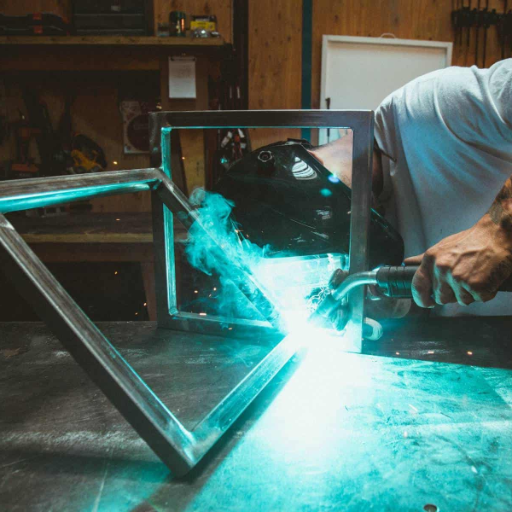
Welding projects are among the best ways to earn money on the side, as they are practical and creative, combining skills with easily marketable ideas. The most common projects are furniture, such as custom-made tables or chairs, artistic objects like garden art, and functional items like storage racks. The reason for the high demand of these projects is their usefulness and beauty. Welders can offer a wide range of products that meet various customer requirements while remaining cost-efficient by designing primarily for quality and simplicity. Welding can be an effective way to earn extra income, whether you sell online, at local markets, or through custom orders.
Understanding the Potential of Welding as a Side Hustle
Operating a welding business as a supplementary job offers a lovely opportunity, especially given current market trends. Custom metalwork, home improvement projects, and DIY creations are attracting increasing attention. There has been a remarkable increase in searches for terms such as “custom metal art,” “handmade metal furniture,” and “welding projects for homeowners” over the last year. This rise in search terms shows a growing need for personal and practical metalwork items. New welders will have a wide range of craft areas to choose from if they create metal items that suit consumer tastes; thus, the market will be broad and active for them. They can also leverage the competition and learn from it, positioning their skills and offerings most profitably in a solid, even more rewarding industry.
💡 Benefits of Starting a Welding Side Project
- 💰 Supplemental Income
A welding side project can be a source of extra income, making it easier for you to increase your financial security or save money for future purposes. - 🔧 Skill Development
You can learn different aspects of your profession by taking on various projects, and your skills will be more polished, making you a more adaptable and capable welder. - 🎨 Creative Outlet
Through welding, one can share their creativity with the world through custom designs, unique metalwork pieces, or even artistic projects. - 🤝 Networking Opportunities
Participating in side projects can help you meet clients, fellow welders, and industry professionals, thereby expanding your professional network. - ⏰ Flexible Schedule
A side project can be shaped according to your existing commitments—the opposite of a full-time job—allowing you to work at your own pace.
Understanding Market Demand for Welding Projects
Identifying industries and trends that require welding services is the first step in assessing market demand for welding projects. The need for welding skills in the construction, automotive, and manufacturing sectors is constant for repairs, new construction, and infrastructure development. Additionally, the number of custom and artistic welding projects has increased, driven by a growing demand for unique designs and metal art. Local demand research, monitoring job boards and online marketplaces, and tracking the trend toward automation and tech adoption in welding are all ways to assess the market and identify potential opportunities. For this reason, being versatile in meeting the specific needs of your region or market niche is the key to maximizing demand.
Popular and Profitable Welding Projects

🪑 Custom Metal Furniture
The design and manufacture of custom-made tables, chairs, and shelving units are in high demand for both home and commercial use.
🎨 Home Decor Items
The production of modern metal wall hangings, sculptures, and decorative items attracts customers seeking one-of-a-kind designs.
🚗 Automotive Repairs and Modifications
Repairing or modifying cars could be a steady, income-generating activity for skilled metalworkers.
🏡 Structural Welding
The construction and repair of fences, gates, and railings for residential and commercial properties remain very popular services.
⚙️ Industrial Equipment Repairs
Local factories and heavy industries can offer favorable contracts for the repair of their machinery and equipment parts.
Focusing on these methods can significantly improve profitability while meeting exact market requirements.
Welding Projects by Skill Level
🔰 Simple Welding Projects for Beginners
These beginner-friendly projects improve basic welding techniques while creating practical and decorative items.
1. Metal Tool Rack
Create a small rack to organize tools in the workshop or garage. This project is simple and offers practical usage.
2. Garden Hose Holder
Weld a holder to store garden hoses neatly. It’s a straightforward and rewarding project.
3. Keychain or Key Holder
Practice basic welding skills by making small keychains or a wall-mounted key holder.
4. Metal Box or Tray
Make a small box or tray for storage that lets you practice straight-line welding and edge joining.
5. Fire Pit
Create and assemble a basic outdoor round or square fire pit suitable for gatherings.
⚡ Intermediate Welding Project Ideas
These projects are opportunities for you to improve yourself while creating work that is both useful and aesthetically pleasing.
1. Bike Rack
Build a robust, functional rack that supports one or several bikes, combining precision welding with creative design.
2. Garden Trellis
Design a strong, beautiful trellis for climbing flowers to enhance outdoor areas and elevate the overall aesthetic, while practicing your welding skills.
3. Furniture Pieces
Create a coffee table or bar stools with metal frames, emphasizing intricate joints and smooth finishes as key aspects of your project.
4. Tool Cart
Create a mobile cart with several shelves to store and organize tools, providing both mobility and functionality.
5. Metal Gate
Invent and forge a personalized gate, working on sophisticated skills of combining metals and art-craft elements for a classy look.
🏆 Advanced Welding Projects for Higher Income
Employing these challenging welding techniques can lead to higher pay, as they combine the technologist’s technical skill with the artist’s imagination to meet market needs.
1. Custom Furniture
Create top-notch metal tables, chairs, and shelves. The main reasons are their modern design and long lifespans, which often drive up prices.
2. Automotive Fabrication
Get involved with making car frames, exhausts, and performance parts. There is a small but well-paying market here, especially among car enthusiasts.
3. Commercial Railings and Fences
Build and design strong, beautiful railings or fences for companies and posh estates that consistently require high-quality materials.
4. Structural Components
Fabricate and connect beams, brackets, and other structural components for hardware and construction projects. These projects usually come in large batches, which are suitable for generating significant revenue.
5. Artistic Sculptures
Metal artworks that are distinctive and created for art galleries, garden placements, or private collectors. The artistically unique pieces can fetch very high prices in the art world.
Essential Tools and Equipment for Welding Projects
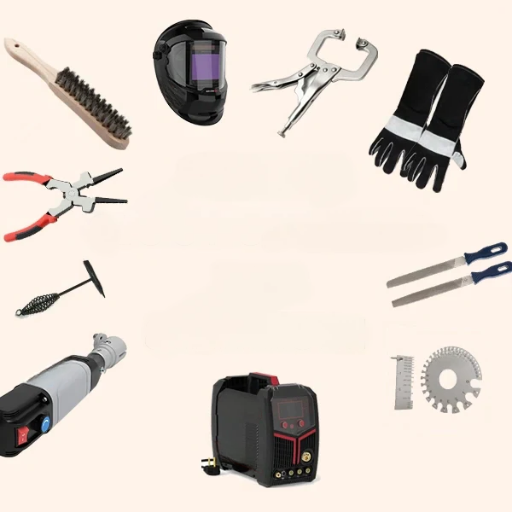
To complete welding projects successfully, a variety of tools and equipment is required. The personal safety equipment includes a first-class welding machine, a welding helmet with a suitable eye shield, welding gloves, fireproof clothing, and safety shoes. Additionally, accessories such as clamps, a wire brush, welding rods or wire, and an angle grinder are essential for preparing and finishing welds. For accuracy, measuring tools and a welding table are crucial. It is essential to invest in reliable, durable equipment to deliver professional results on any welding project.
🔧 Basic Tools Every Welder Needs
Welding Machine
The primary tool for every welder, used to generate the heat required for metal joining.
Welding Helmet
Provides basic eye protection against very bright light and sparks, preventing arc eye and similar injuries.
Protective Gear
Fire-resistant clothing, welding gloves, and safety boots safeguard against hot metal, sparks, and molten metal.
Clamps
Hold workpieces steady to provide necessary precision and stability for the welding process.
Wire Brush
Used to prepare metal surfaces for welding by cleaning rust, paint, or dirt.
Welding Rods or Wire
Materials needed to produce strong welds.
Angle Grinder
A tool that shapes metal surfaces and levels welds, contributing to neatness and a professional finish.
Tools and equipment mentioned above are basic requirements for welding practices that are not only safe but also effective, making them a must for welders of any skill level.
Advanced Equipment for Professional Quality
- TIG Welding Machine: Ensures welds are accurate and of the highest quality, making them suitable for delicate projects and thin materials.
- Plasma Cutter: Makes metal cutting precise and fast, making it a must for jobs requiring exact measurements.
- Welding Positioner: Enables easy manipulation of workpieces, reducing the complexity of welding operations involving multiple parts.
- Fume Extractor: Guarantees health safety by extracting toxic fumes that result from welding.
- Automatic Welding Helmet: Includes a lens that automatically darkens, providing the welder with uninterrupted viewing and improved visibility.
These tools project the quality and efficiency of heavy, challenging industrial work.
Estimated Startup Costs for Beginners
For a novice to take up welding as a business or hobby, it generally means spending money on basic equipment and safety gear right from the start. What you spend may differ according to the tools’ quality and brand. Just for reference, here’s the average breakdown of the startup costs:
| Item | Estimated Cost |
|---|---|
| Welding Machine | $200 – $500 (basic MIG or stick welders) |
| Safety Gear | $100 – $200 (helmet, gloves, protective clothing) |
| Tools and Accessories | $150 – $300 (clamps, wire brushes, welding table) |
| Materials | $50 – $150 (welding wire, rods, practice metal) |
| TOTAL ESTIMATED RANGE | $500 – $1,200 |
💡 Tip: Most often, beginners go for a modest start and upgrade when skills get better. This range is based on the quality of equipment and the number of additional needs.
Pricing Your Welding Work

Pricing your welding work requires careful consideration to ensure a fair and profitable outcome. First and foremost, take material costs into consideration which consist of metal, welding supplies, and consumables, among others. Secondly, labor costs must be adjusted based on the project duration and your expertise. Overhead expenses, such as electricity, equipment maintenance, and the workshop area, must also be accounted for. Moreover, it is wise to know the market rates in your area so you remain competitive and your work is appreciated. Integrating these factors will help you set a price for your services that is not only fair but also reasonable.
Calculating Material and Labor Costs
📊 Material Costs
To calculate material expenses, compile a list of all project materials, including raw materials (e.g., metals, welding rods, and filler materials) and consumables (e.g., shielding gas). Don’t forget to get prices from local suppliers and online stores to find the best deals, and, if possible, buy in bulk for better price management.
⏱️ Labor Costs
Estimate the total time needed to finish the project, taking into account its difficulty and your proficiency. The total time must be multiplied by a labor rate per hour that reflects your expertise, industry standards, and potential overhead costs, such as taxes or insurance. Don’t forget to account for time spent on preparation and after-work cleanup. By considering all these points, you will have a precise cost breakdown that will allow you to charge fairly.
Understanding Overhead and Competitive Pricing
Overhead costs are the fixed expenses your business needs to operate and are not directly linked to any project. They may include rent, utilities, insurance, equipment maintenance, and even software subscriptions. To achieve sustainable pricing throughout the project’s life, it is paramount to accurately determine your overhead costs and allocate a portion of them to each project. This method not only covers the business trappings but also allows you to handle unanticipated costs.
Use competitor research to set competitive prices. Analyze industry trends, regional pricing, and competitors’ strategies. Compare those factors with the value and quality you provide to find a price range that is just right. This not only makes your products appealing to customers but also ensures that your costs and profits are covered.
Setting Prices that Reflect Your Skill Level
When setting prices that reflect your skill level, consider your experience, know-how, and the value you deliver to your customers. Follow these steps:
- Analyze your previous assignments and the outcomes you have produced, since this is an indication of your skill
- Find out price ranges usually charged by people with the same skills and experience in your field
- Take into account special talents or areas of expertise that make you stand out
- Make sure your prices treat clients fairly while providing you with a reward commensurate with your time and effort
Safety Precautions for Welders
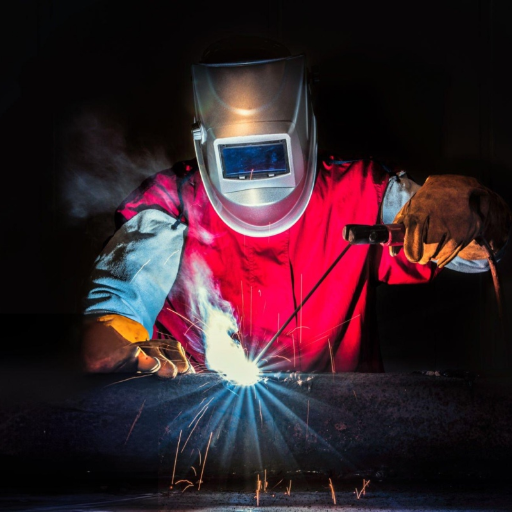
The proper use of personal protective equipment (PPE) is essential for welders, including helmets with good eye protection, flame-retardant clothing and gloves, and steel-toe boots. Fire-resistant barriers should be used to reduce fire risks, while adequate ventilation should be maintained to prevent inhalation of harmful fumes. Equipment should be regularly inspected and maintained to keep it in good working order, and safety rules and training protocols should be followed to prevent accidents.
🛡️ Essential Safety Gear and Equipment
The very first thing welders should keep in mind is safety, and they should do this by using the following essential protective gear and equipment:
1. Helmets with Auto-Darkening Lenses
Protect the eyes and face from harmful ultraviolet (UV) and infrared (IR) rays, and act as a barrier against debris and sparks.
2. Flame-Resistant Clothing
Wearing such clothing can significantly eliminate the risk of injuries from sparks and heat exposure.
3. Welding Gloves
Protect hands while maintaining dexterity and heat resistance.
4. Steel-Toe Boots
Mainly designed to protect feet from hot materials and falling objects.
5. Respirators
Prevent inhalation of gases or substances that could harm the lungs.
6. Hearing Protection
Recommended, especially in confined spaces, as welding operations can produce excessive noise.
Welders can eliminate significant risks and create a safer workplace by always wearing this gear.
Common Safety Practices in Welding
- Regularly Inspect Equipment: Have tools and machines checked to make sure they work correctly so that welding doesn’t get interrupted by malfunctions
- Maintain a Clean Workspace: Make welding safe by avoiding fire hazards created by having flammable materials and clutter around the welding area
- Provide Fresh Air to the Area: Employ a suitable air flow or ventilation system to prevent the accumulation of poisonous gas
- Use the Right PPE: Make it a habit to put on safety gear, gloves, helmets, and aprons, including them, to avoid burns and injuries
- Stick to Standard Practices: Follow correct welding methods and instructions strictly so that there is precision and no risk during the affair
Emergency Procedures for Welders
⚠️ During emergencies, always make sure that you are safe first and then help others. Follow these steps:
- Stop Work Immediately: If an emergency arises, stop all welding activities and turn off welding equipment to eliminate additional risks
- Alert Others: Let people in the area know that there is an emergency and make sure everyone is safe
- Evacuate if Necessary: In case of hazardous situations such as fire or a gas leak, evacuate the area without delay and help others if it is safe to do so.
- Use Fire Extinguishers for Small Fires: In case a small fire breaks out, use the correct type of fire extinguisher (ensure you’re trained in its use)
- Report the Incident: Notify your supervisor or designated safety personnel and log the incident as per safety protocols.
- Seek First Aid for Injuries: For burns or injuries, give first aid or call emergency medical services if the injury is serious.
- Follow Emergency Plans: Follow the emergency action plan of the workplace, including evacuation routes and assembly poi.nts
Frequently Asked Questions (FAQs)
What beginner welding projects can help me earn extra cash?
Welding projects that are beginner-friendly and can be sold for a profit include simple welded items such as grill grates, small outdoor furniture, handrails, wheeled storage carts, and personalized metal signs. These undertakings typically use mild steel, and a basic MIG welder or a flux-core rig in a small welding workshop can do the job. Moreover, a welding class or session at a welding school will provide welding tips and guidance on metal thickness, enabling you to create high-quality welded items in demand at craft fairs or on platforms like Etsy.
Which equipment is essential for profitable welding projects?
Equipment necessary for profitable welding projects includes a welder that matches the material you are using—MIG for quick, scrap-metal work, TIG for aluminum or high-quality finishes, or flux core for outdoor jobs—along with safety gear, a reliable welding rig, clamps, and grinders. You might want to consider a Hobart MIG welder for reliable performance as a beginner, and make sure you have the right shielding gas, such as argon or inert gas mixes, for TIG or MIG applications. Having a setup suited to the type of work you do (onsite repairs vs. production) enables you to produce consistent, marketable welded items.
How do I price welding projects to make a profit and account for metal thickness and labor?
Welding projects to earn money should be priced by calculating material costs (e.g., scrap metal for budget jobs), labor at an hourly or project rate, overhead for your welding shop or rig, and a profit margin. Don’t forget to include time for preparation, welding, finishing, and if required, onsite installation. For intricate custom metal fabrication where one of the materials is either mild steel or aluminum and it necessitates different consumables (argon for TIG, acetylene for cutting), elevate prices. Providing clear quotes that include metal thickness and custom work details will assist clients in grasping the value and the process of getting the work done will also be smoother.
What marketing strategies help get work for welding projects to make money?
Strategies for marketing that drive work include creating a portfolio of welded items, leveraging word of mouth, maintaining a presence on Etsy and in local classifieds, participating in craft fairs and home shows, and contacting contractors performing handrail or repair work who need support. To attract a growing market, such as outdoor furniture or wrought-iron repair, you can offer samples or small projects to local businesses, keep social media active with your custom work, and ask satisfied customers for referrals.
Are there legal or safety considerations when doing welding projects to make money from home?
Sure—verify local zoning regulations to see if you can operate a side business from home and get any permits or business licenses that you might need. Observe safety precautions recommended by your welding school or welding class: gear up with proper PPE, ensure good ventilation and be fire-safe, especially if you are working with acetylene or inert gas cylinders. Have your welding unit and electrical supply (220v when necessary) properly installed to prevent accidents. It is also advisable to have business insurance coverage for onsite installations or larger jobs.
📚 Reference Sources
-
-
Case Study Regarding Effectiveness and Profitability of Automating the Welding Process: Investigates the profitability and efficiency of automated welding systems, offering insights into modular approaches.
-
Automating the Welding Process: Successful Implementation of Automated Welding Systems: Highlights the profitability of automated welding and its potential as a lucrative venture.
-
To Weld: Beginning MIG Welding and Metal Fabrication Basics: Provides foundational knowledge on welding and metal fabrication, including practical project ideas.
-
Top H Beam Production Line Manufacturer and Supplier in China
-


