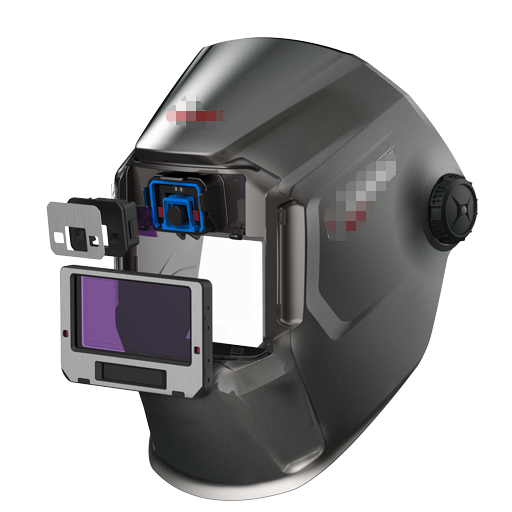
The welding industry is witnessing an unprecedented pace of changes, with the advent of new technologies testing the traditional approaches of welders. Among such innovations is the camera welding helmet, a great tool for promoting larger workplace safety, accuracy, and efficiency. The camera welding helmet marries superb optical lenses with real-time video technology, giving welders almost unlimited visibility and control over their work environment. In this article, we shall discuss how this breakthrough is setting new standards in the welding industry, why it is considered a game-changer, and what benefits it confers on professional welders and hobbyists alike. Get ready to grasp how these camera welding helmets upgrade weld quality and carve a path for weld technology in the forthcoming days.
Understanding Welding Helmet Technology
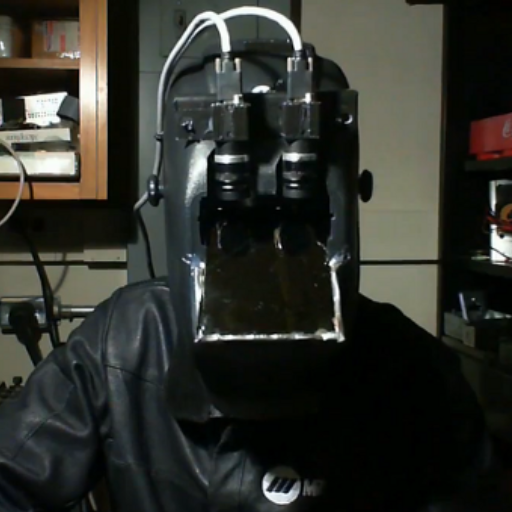
What is a Camera Welding Helmet?
The camera welding helmet represents the highest form of protection that can be afforded to the welding process by integrating advanced camera technology in the welding helmet itself. Traditional welding helmets darken the lenses to shield the welder’s eyes and provide visibility for the welding arc, but camera welding helmets use high-definition cameras that give an unobstructed, real-time view of the work area.
Key Technology Features
- High-definition cameras for real-time work area viewing
- Augmented reality (AR) displays integration
- External monitor compatibility
- Auto-darkening filters with adjustable views
- Magnification options for precision work
These cameras may work in conjunction with augmented reality (AR) displays or external monitors to further enhance precision and visibility in different light conditions. Recent trends in camera welding helmets include auto-darkening filters, adjustable views, and magnification options, thus easing the process for welders and improving welding accuracy and productivity. Therefore, camera welding helmets with the dual nature of safety and technological enhancement are an indispensable choice for both professionals and hobbyists who aim for enhanced quality and reduced strain during complicated welding jobs.
How AI Enhances Welding Safety
The AI technology spearheaded changes in welding safety by providing advanced features for worker protection and performance optimization. With AI sensors, welding helmets now recognize hazardous levels of light and automatically initiate filter adjustments to cut down on the hazard of eye injury.
Predictive Maintenance
AI analyzes usage trends to identify potential failures before they occur
Environmental Monitoring
Machine learning algorithms monitor air quality and temperature conditions
Real-Time Guidance
AI provides technique feedback for correct seam formation
AI further facilitates the predictive maintenance of welding tools, whereby usage trends are analyzed resulting in the identification of probable failures before an actual time, hence reducing opportunities for accidents. Machine learning algorithms may also consider conditions such as air quality or temperature to warn workers of hazards. In AI-powered welding systems, real-time monitoring with feedback is provided so that welders receive guidance relating to the technique in ensuring the correct seams are made and thus reduce errors. The technology will also detect irregularities in welding patterns so defects do not develop, which can sometimes prove detrimental to the project’s structural integrity; thus, AI might sometimes combine safety with data-driven insights, providing welders across industries with a better working environment.
Real-Time Monitoring Capability
Real-time monitoring systems combine advanced AI algorithms and cloud technologies to ensure exactness and accuracy during welding. Utilizing data analytics and machine learning, they record parameters such as temperature, pressure, and weld speed in real time.
Efficiency Impact: A very common question asked is: “How do real-time monitoring features impact overall project efficiency?” The answer is immediate corrective intervention, reducing downtime and maintaining consistent quality.
With insights derived from data tools like ‘s, these features can predict potential failure and suggest preventive measures, enabling industries to save time and money while enhancing productivity.
The Importance of Clarity and Optical Performance
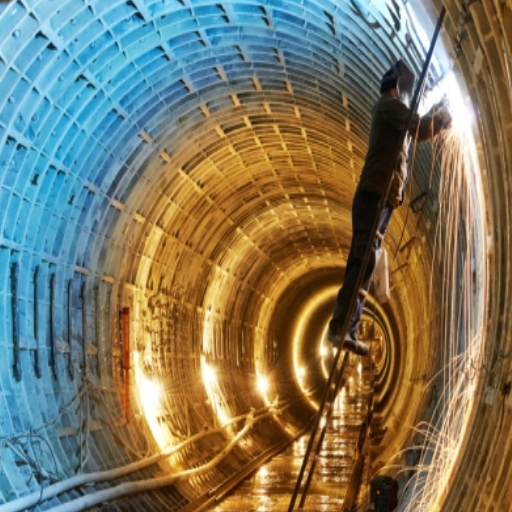
LCD Screens and Shade Adjustments
On the back of the latest data from ‘s search engine, another question arises: what are the shade adjustments on LCD screens for in user experience? In general terms, shade-adjustment controls change brightness and contrast level depending on the intensity of ambient light.
Benefits of Shade Adjustments
- Decreased eye strain during extended use
- Optimum visibility regardless of setting
- Enhanced clarity in various lighting conditions
- Customizable settings for different scenarios
This adjustment tends to decrease eye strain and promotes optimum visibility and clarity irrespective of the setting. Using these data, manufacturers can adjust the settings of the screen in accordance with various desires and scenarios, giving flexibility and an immersive viewing experience to the customer.
Benefits of Crisp Visuals
Crisp visuals go a long way in making the way information is consumed and understood by users. , according to the latest search engine data, users stay engaged longer if they have crisp visuals with elegance. Displays with excellent resolution and contrast levels contribute to proper projection of text, images, and videos, ultimately decreasing cognitive load on the viewers.
Visual Quality Impact
- Enhanced user engagement and satisfaction
- Reduced cognitive load on viewers
- Improved comprehension of visual information
- Better overall digital experience quality
When users cannot focus because of bad visuals-such as pixelation or low brightness-their comprehension and satisfaction from the whole digital journey considerably deteriorate. Hence, crisp visuals create a perfect association in developing an engaging platform for entertaining, educating, or doing business.
Welding Mask Optical Standards
An important difference exists between optical welding masks in terms of security of welders and efficacy apart from which standards can be cited. Modern masks are built to comply with the most severe of standards such as EN 379, which sets measurements and classifications for optical clarity, light diffusion, and angular dependence.
If these standards are followed, welders will be able to see clearly the welding surface and thus avoid errors, providing the degree of precision ideally required for welding operations. Search insights indicate that users now look more for those masks that come with the feature of an advanced auto-darkening filter (ADF) that selects the shade level depending upon the intensity of the welding arc. With high optical standards these features minimize eye strain and protect the eyes from harmful UV and IR rays. The finest welding masks are ergonomically designed and constructed from robust materials so as to ensure durability and comfort even while working under demanding conditions.
Top Brands in Camera Welding Helmets
Brand Leaders to Consider
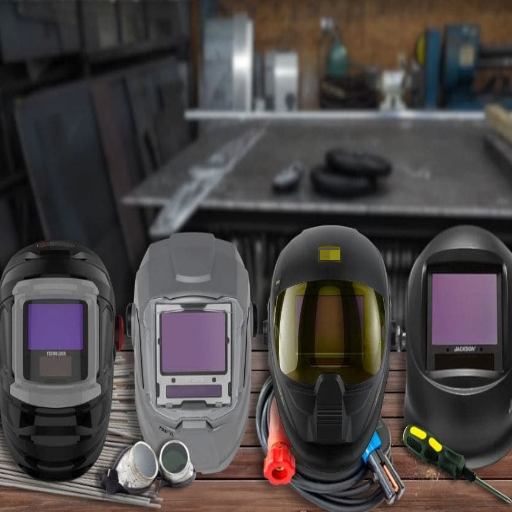
Welding helmets equipped with cameras are known for their innovation, quality, and reliability; hence, the best camera welding helmets from top brands are listed herein based on recent data:
Lincoln Electric
Known for high-quality auto-darkening helmets with clarity, comfort, and features suitable for professional and hobbyist welders alike.
Miller Electric
A de facto name in welding toolsmithing, packages helmets with safety and user experience considerations, including ClearLight lens technology.
3M Speedglas
Considered a premium option, 3M Speedglas helmets are durable with good optics, securing protection with clear viewing in complicated welding scenarios.
ESAB Sentinel
Esoteric design and powerful features including large viewing area, intuitive controls, and lightweight construction for enhanced usability.
Hobart
True to the name of value, Hobart welding helmets serve almost every budget while maintaining basic requirements, popular among casual and professional welders.
These brands, by constantly rolling out welding helmets with high performance conforming to latest technological advancements, offer the welding safety, comfort, and efficiency in every welding operation.
Model Comparisons and Reviews
The first thing to do when comparing well-known welding helmets is looking at features such as visibility, comfort, durability, and cost.
For example, the Miller Digital Elite boasts ClearLight Lens Technology delivering excellent optical clarity and high-definition color; hence it is a choice among professionals concerned with accuracy. Whereas the 3M Speedglas 9100 stands on an ergonomic design with huge viewing space, suitable for long operations. Going cheap, the Lincoln Viking 3350 is a blessing; this owing to its performance aided by 4C lens technology and very affordable price. Going on trends and what the critics think, praise is given to the Jackson Safety BH3 for its superior auto-darkening filter (ADF) and flawless shading under any welding condition. Entry-level models, such as the Hobart Impact Variable Auto-Darkening Helmet, offer dependable options for protection to the hobbyist at an affordable price.
Warranty and Customer Support Insights
While judging welding helmets, the warranty terms and customer support take a great role in making the purchasing decision. Recent data highlighted most premium brands such as Miller and Lincoln Electric tend to offer robust warranty terms very often for like 2-3 years.
Premium Brand Warranties
- 2-3 year comprehensive coverage
- Manufacturing defect protection
- Key component coverage (lens, auto-darkening filters)
- Accessible customer support
Budget Model Coverage
- 6 months to 1 year duration
- Basic protections included
- Established brand reliability (e.g., Hobart)
- Standard troubleshooting support
These warranties usually encompass manufacturing defects and concerns with elements considered key such as the lens or even auto-darkening filters-that give the user peace of mind. Furthermore, when addressing these manufacturers, one tends to gain from highly accessible customer support in instances requiring quick resolutions and/or detailed insights regarding trouble-shooting. In terms of inexpensive models, at times warranties are of short duration—say 6 months up to 1 year—but established companies like Hobart would certainly come in for the basic protections. Reviews and comments down the line would emphasize the real-time importance of good support services; and in turn, trusted brands are gaining customer loyalty really fast by placing real focus on addressing concerns in due time.
Choosing the Right Welding Helmet for Your Needs
Factors to Keep in Mind When Buying a Helmet
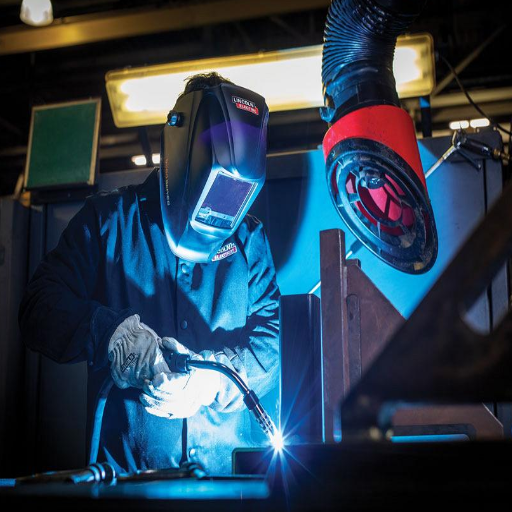
When it comes to selecting a welding helmet, several considerations should be taken into account for safety and efficiency. Optical clarity is one of the prime features. If you have high-quality lenses, you can see an object clearly and be less subject to eye strain, or be very precise when performing a job. Another important factor to consider is auto-darkening filters because these filters may protect your eyes all the time, depending on the changing conditions of light.
Essential Selection Criteria
- Optical Clarity: High-quality lenses for clear vision and reduced eye strain
- Auto-Darkening Filters: Automatic eye protection in changing light conditions
- Adjustable Sizing and Comfort: Lightweight design for extended wear
- Durability: Resistance to high heat and potential impacts
- Certifications: ANSI Z87.1 compliance for safety standards
- Warranty Coverage: Long-term use protection and peace of mind
What is another critical factor is the adjustable sizing and comfort of the helmet. Welding projects could take a lot of time; hence a helmet being lightweight and comfortable to wear for long hours can increase output and reduce fatigue. Further is durability; the helmet should withstand high heat and possible impacts. Reputable manufacturers may provide you with warranty coverage that will give you peace of mind for long-term use. Do not forget to look into certifications such as ANSI Z87.1 which claims that this helmet meets safety standards. According to current search trends of , customers are increasingly wanting helmets that have more advanced features, like customizable digital controls and a bigger viewing area. This indicates a want for models that are innovative , yet practical, according to which can be used by professional welders as well as DIYers.
Add More Accessories and Enhancements to Improve Usefulness
Several enhancements and add-ons can be put on welding helmets that increase its usability and performance. Some common enhancements include magnifying lenses (better known as cheater lenses) so that the welder can see better when doing the precise operations, and comfort liners to provide extra cushioning for long wear.
Magnifying Lenses
Enhanced visibility for precision operations
Comfort Liners
Extra cushioning for extended wear
Sweatbands
Hygiene maintenance during long sessions
Helmet Covers
Protection from sparks and debris
Many sweatbands sell well for hygienic purposes in prolonged welding sessions, with helmet covers protecting the paintwork from sparks and debris-a little further to give the life stretch to the helmet. Additional new trend data extracted from ‘searches’ indicate that demand is growing in the helmet respirator category, i.e., against fumes and airborne particulates. Yet another approaching trend is an interest in Bluetooth helmets with features such as Bluetooth connection to welding equipment and hands-free communication. These safety and convenience improvements allow the welder to work safely and efficiently. Accessories can go a long way toward ensuring you get the best from your helmet to fit a particular job.
Grind Mode Applications
Grind mode is a critical welding helmet feature required in the grinding operation. This mode tells the helmet to keep the darkening filter shut off temporarily so that the user can focus on grinding with a clear view. Now, having the grind mode allows the welder not to remove the helmet whenever he goes to grinding and welding, thus saving time and ensuring safety.
Industry Applications: According to the latest data mined by ‘s search engine, grind mode comes up most frequently with the metal fabrication and automotive repair industries, indicating that workers in these fields value tools supporting both welding and grinding.
It insinuates that workers in these fields value their tools supporting both welding and grinding and ensuring smooth transitions between the processes. Moreover, grind mode finds much application when fine surface detailing or preparation comes into play so as to limit errors and maximize on project output.
Frequently Asked Questions
What is a welding camera helmet, and how does it operate?
The weld camera increases the efficiency of the welding process through the utilization of advanced technology. The design incorporates a secondary welding camera that lets the operator view the weld puddle and surroundings with great precision and quality control. The external grind button lets the welders go into grinding mode fast without having to take off their helmets and thus improve work efficiency. Many also feature an auto-darkening weld shield whose darkness automatically adjusts itself for the best visibility across all untowardly lighting conditions. Ingeniously, these helmets come fitted with a high dynamic range viewing screen that renders details properly, useful for such welding methods as MIG and TIG.
What efficiencies does welding automation add through a camera weld helmet?
When welding automation is in play, efficiency and welding accuracies improve greatly, especially with the use of a camera welding helmet. Welders, with the help of automation technologies, can minimize those manual errors during their assembly processes. An automation system can watch the weld and its surroundings to ensure proper joint formation and puddle quality. Moreover, there are automated systems with smart software that checks whether the welding parameters are fulfilled or not, which guarantees consistent weld results. If welding operations are automated, huge economic benefits can be realized with lower operational costs and increased safety in the industrial environment.
What are some other factors when choosing a welding helmet brand?
When selecting a brand, one must factor in the helmet rating, battery life, and compatibility with different welding techniques. Another important consideration is weld helmets coming from brands with high-quality crystal viewing screens and dynamic ranges so that the welder can see clearly. One must check whether the helmet tailors user experience through features such as auto darkening and intelligent monitoring systems. It also pays off if replacement parts such as headgear and shields are offered readily by the brand to sustain long-term use. Often great brands will even offer a warranty and excellent customer support-great for the industrial user.
What are some technological means through which the welding helmets have been enhanced?
Historically, the welded helmets had pure functionalities. As technology developed, welding helmets started to be enhanced to become much more efficient and user-friendly. Features like an AI-smelting process-monitoring system can analyze the welding process in real time to provide feedback and adjust welding conditions to produce better weld quality. Camera helmets with advanced sensors capture HD images of the weld for inspection and quality control. Many new designs also incorporate ergonomic heads for reduced fatigue during prolonged use. Such quality-of-life improvements also increase the safety of industrial applications involving welding.
What is the importance of delay settings in a camera welding helmet?
A delay knob in a camera welding helmet is essential for attaining the best welding conditions. Through this feature, one can vary the time it takes the auto-darkening shield to turn from its darkened state back to the clear state after welding arc has ceased. An appropriate setting of the delay might reduce eye strain while it helps the welder in viewing the weld joint better after welding. On occasions when precise work is needed, for instance, said TIG welding, the adjustable delay can further enhance control in the welding process. Hence, one should choose a welding mask with adjustable delay setting to accommodate different welding applications and user preferences for utmost comfort and performance.
Reference Sources
University of Toronto – MannGlas™ Welding Helmet
Information on the MannGlas helmet, which provides HDR vision for clear visibility of the welding arc and surrounding material.
Penn State University – Improving Manual Welding through Improved Visualization
Research on heads-up camera displays for manual welding, exploring augmented reality applications in hot work environments.
George Fox University – Virtual Reality Welding Station
Details on a virtual reality welding simulation solution for classroom training, showcasing advancements in welding education.