
The key component of construction is steel beams. They also provide essential support for many other structures, such as the giant skyscrapers and bridges that are often overlooked. The problem of selecting a framework that is most suitable for the job in question presents two common choices seen in every construction industry – H-beams and I-beams. Unlike the equilateral and right-slanted beams, the dimensions and other properties of these steel sections differ, which explains why the structural designs, as well as the information on steel beams, are mostly dissimilar. In this text, key differences between I-beams and H-beams are discussed to help you discern their advantages and identify strategies for your construction projects. In this article, I cover what any structural engineer, architect, or enthusiast seeking answers about why objects are designed in a certain way must consider, as well as how they can achieve this.
Introduction to H Beams and I Beams
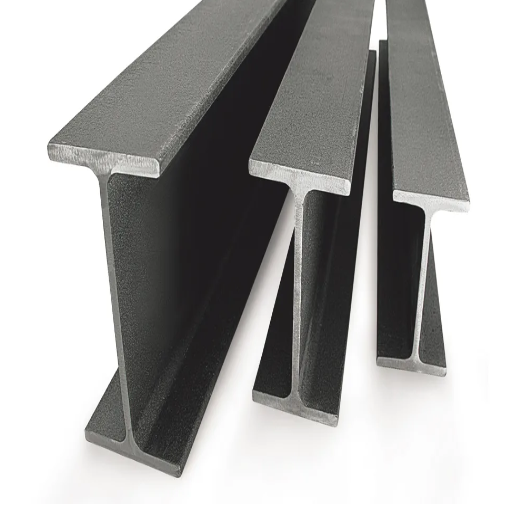
Most construction projects utilize H-beams and I-beams as common types of steel structural beams, according to RS — a toast level. With H-beams and I-beams, the difference lies in their shapes as well as their applications. H-beams have broad flanges, making them suitable for heavier loads. They are needed for the construction of heavy-duty projects, such as bridges and high-rise buildings. The I beam, on the contrary, has a narrow flange. It gives it a lighter weight and hence, makes it a cheaper type of building structure. These beams serve the PDF purposes; one should be aware of the limitations of each and make the correct decision when designing the building’s structural frame.
Definition of H Beams
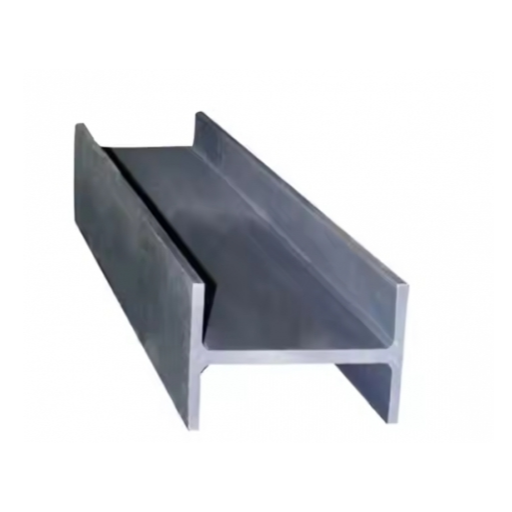
Wide flange beams, popularly referred to as H-beams, are one of the most common structural components in various constructions and mechanical operations. These are named H-beams due to the H shape cut they exhibit when viewed in cross-section, featuring wide spans and broad size flanges connected by the web in the middle. This form, compared to other beam shapes, is very accommodating as it offers maximum strength and support. Equally important is that it can bear more weight. Skyscrapers, bridges, and other industrial buildings are all equipped with H beams of varying heights, weights, and characteristics. Primarily made from steel, H-beams may, in some cases, be manufactured using aluminum or a composite material, depending on the specific project at hand. The increased flange thickness enhances stability and imparts better flexural strength compared to I-beams.
Definition of I Beams
I-beams are products of rolled or cast steel, concrete, or other materials that are used for supporting concrete formwork according to construction requirements. The conference primarily focuses on the bracing detailing, which is unique to I-beam connections. Preliminary results of the survey indicate that flexibility and trajectory of the pipe are influenced by the geometry of human orthopaedic gait, which depends on the injuries made in the knee or foot joints. Information on compliance with the safety of people`s health, work conditions, rationality of labor, new applications of materials of modern technology, and increasing the durability of concrete in aggressive environments is of significant interest.
Purpose of Comparing H Beams and I Beams
Comparing H-beams and I-beams helps determine the best choice for structural support, load capacity, cost efficiency, and specific project requirements.
|
Key Point |
H Beam |
I Beam |
|---|---|---|
|
Strength |
Higher load capacity |
Handles direct loads |
|
Span |
Up to 300 feet |
33-100 feet |
|
Weight |
Heavier |
Lighter |
|
Cost |
Cheaper |
More expensive |
|
Usage |
Bridges, skyscrapers |
Elevators, houses |
Structural Strength and Load-Bearing Capacity
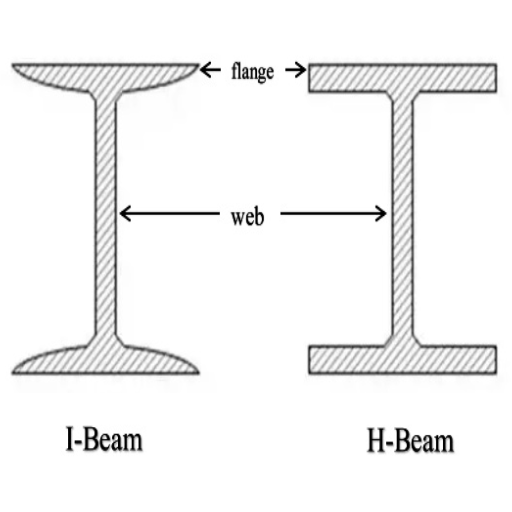
H shapes are, by design, more capable of resisting deformations and impact because of the additional flange area available to them. This is because they can take more weight over a specific span, making them suitable for supporting larger structures or handling heavier loads. On the other hand, I shapes are capable of providing the requisite strength but are commonly gauged for convenience of use, as they have less web and flanges tend to be smaller, appearing as though they would have a lower capacity to provide support to forces other than vertical. The decision to interchange these two is specific to the project at hand, particularly in consideration of the imposed loading and the structure’s nature.
Strength of H Beams
In construction and engineering, H beams enjoy the most acclaim and appeal due to their maximum strength and load-bearing capacity. It can be established from recent research that they owe their strength to the way they are fabricated, i.e., with a wider flange and a heavier load section compared to other standard-shaped sections. And it is not just that H columns can withstand greater loads; they also possess an inherent strength in bi-directional loads, such as bending and shearing. Relatively, H columns are often made of superior-grade steel, which in turn extends the build life of the beams and the material, particularly in harsh working conditions. This breadth of application enables the construction of the lightest high-rise buildings, bridges, and industrial facilities. The use of H-beams in various configurations ensures that the combined effect of the highest level of science and the finest materials is necessary if such high-performance beams are to be replaced.
Strength of I Beams
Usually referred to as Universal Beams, I-beams represent a unique combination of weight and strength. These building elements are designed to withstand horizontal pure bending and shear actions. Abutments in the form of flanges resist the bending moment and tension forces at the top and bottom of the beam, and sandwiching the web stifles the shear forces. Although due to their profile, I-beams (also known as H-beams) are commonly used in construction works, they are typically applied to items such as floorings, bridges, and building framing. One of the methodologies that has been exploited is the advancement in materials science and manufacturing processes, primarily for iron and steel, which has contributed to even higher strength and functional capacities of I-beams. State-of-the-art amplifiers and cutting technologies, which render materials’ resistance to bending very high, are preferred as a cheaper method in cases of structural work that requires materials but needs to be cost-effective and still function properly.
Comparative Load-Bearing Capacity
The capacity of I-beams to support loads is relatively higher compared to other structural systems. As a result, one advantage demonstrated by I-beams is their superior load-carrying ability, which is achieved through their special structural configuration of metal and non-metal materials. With modern technology, I-beams are manufactured using alloys, which are formed into the desired shapes after being worked on from 20 to 40 kilopounds up to 50–100 kip.
On the other hand, wooden beams, which are a public nuisance, support smaller loads, with their capacities approximately ranging between 10 and 30 kips. Although reinforced concrete beams possess the structural ability of steel I-beams, they are significantly heavier and less effective in terms of material optimality. It means I-beams are more frequently used in the construction of large structures where both cost and the strength of the structure are constraints.
Material Efficiency and Cost Implications
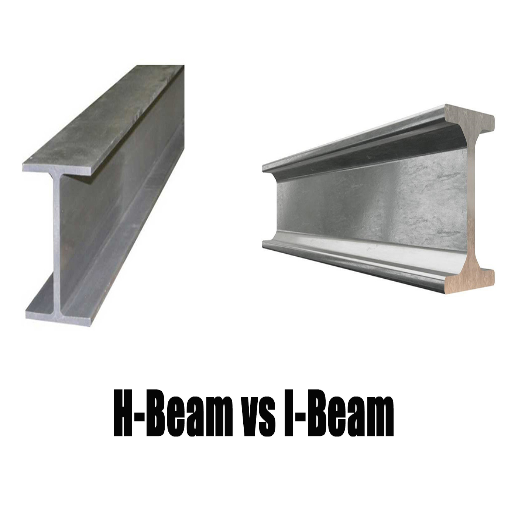
Considering the comparative material utilization and cost factors, steel I-beams are optimal in terms of capacity and economy. The reason for that is in the way they are constructed, as not much material is required to get high strength, which helps to make them most (or very) effective in building large structures. Additionally, although there may be a significant cost for top-grade steel compared to wood and its substitutes, the life expectancy of steel structures and the ease of maintenance of the material make it somewhat cheaper in the long run, which enhances the overall project economy. All in all, the efficiency given for steel I-beams is backed by the economics of the type of construction in use at present shells.
Material Usage in H Beams
H Beams are beams that are generally known for their cross-section that resembles the alphabet letter “H” and are particularly designed in such a way that the strutting and stabilizing of the structure is more efficiently carried out. Surprisingly, as it appears, H beams are considered more efficient than their I counterparts, as the bounding of H beams is generally thicker, allowing them to support more loads across even longer lengths. In the case of an H beam, the thickness of the web and flanges is higher than that of the I beam, which means that loads are also heavier and walls are taller; hence, H beams are also helpful in such constructions.
Recent research data shed light on the concept that using H-beams reduces the number of such beams required for a single project, which particularly benefits those engaged in the construction business. It is also important to note that H-beams initially result in higher material consumption, but their enhanced stiffness and reliability ensure that they are the best options for very high load hoisting requirements and large spans. The fact that they can withstand higher stress levels means H beams will always be used whenever structural safety is a consideration in the design of a project.
Material Usage in I Beams
I-beams, also known as wide flange beams, are structural elements designed to serve economic purposes – to hold weight with minimal material usage. H-beams, on the other hand, are much thicker than the I-beams, having wider flanges and thicker webs. This requires more input in terms of material and, hence, is less economical than I-beams in most use designs. This also makes them a preferable choice for projects that do not involve heavier loads. There is a vast amount of I-beam usage in the construction of relatively simple structures, such as apartments or light and medium-weight utility buildings. It should also be noted that the material volume utility feature is particularly beneficial when reducing weight is essential, such as when employing a beam in an under-construction bridge or designing a vehicle under the Carriage Frame. At the same time, because H-beam construction utilizes more material, it is stronger and more durable than the I-beam. Consequently, it is mainly used in construction work where specified criteria for the strength and material are critical, such as flooring.
Cost Considerations for H Beams vs I Beams
H-beams are generally more expensive due to their higher material usage and more complex manufacturing process, while I-beams are more cost-effective for smaller projects.
|
Key Point |
H Beam |
I Beam |
|---|---|---|
|
Material |
Higher usage |
Lower usage |
|
Fabrication |
Complex, welded |
Simpler, rolled |
|
Cost |
More expensive |
Cheaper |
|
Efficiency |
High for large spans |
Cost-effective small spans |
|
Installation |
Specialized tools |
Easier handling |
H Beams and I Beams Advantages and Disadvantages
H Beams
Advantages:
- For large projects and overpasses, it has better quality and toughness features.
- It has wider flanges, and these extra-wide flanges help in enhancing the overall capacity of the flanges’ material.
Disadvantages:
- Higher expenses are incurred due to the increased range and advanced fabrication.
- Its installation requires specialised tools and equipment.
I Beams
Advantages:
- Their use costs marginally less money in small projects, and also where there is less weight to bear.
- Designing and installation are made easier and quicker, and less material is needed in the process.
Disadvantages:
- There is minimal application when used in spaces with wide as well as heavy loads.
- Cross-sectional Construction of structural area, the ceiling coefficient, bridge span requirement, the beam length/compressive member length ratio, and the strength of cross sections.
Advantages of H Beams
- High Load-Bearing Capacity
This shape is most suitable for structures that bear a significant amount of weight without buckling, due to its larger flanges and thicker web.
- Wide Spans
H profiles have the advantage of being able to bridge vast spans without structural inefficiency, making them suitable for bridges, tall buildings, and large factories.
- Greater Stability
The H-beam’s flange, with a broader surface, helps resist buckling and provides good performance in both compression and tension.
- Cost Efficiency in Long-Term Projects
Although they have a higher acquisition cost, the use of H-Beams in construction Interiors reduces maintenance costs because they can be readily converted into bridges or other large machines.
- Versatility in Design
H-beams are a type of construction beam used in various construction applications. They are predominantly made of steel; however, they can also be made of other materials and offer strength over long spans without requiring costly reinforcements.
Disadvantages of H Beams
- Higher Initial Cost
It is common knowledge that H-beams have numerous long-term benefits. However, they appear to be more expensive than most other commonly used beams, such as I beams and wooden beams, specifically in terms of the cost of purchase and installation; this is likely to be a concern in budget-sensitive projects.
- Heavier Weight
H-beams are large, in addition to their other heavier attributes. They are bulky and efficient in the structural benefits of beams. Consequently, transportation and handling become a considerable challenge. Excessive weights contribute to Increased costs and also to the need for specialized equipment during installation.
- Limited Aesthetic Appeal
Structurally, H-beams are designed to be pure essentials and occupy no visual space. The constructive beauty is lost in these beams, which makes them, unfortunately, not the best option for a project where design aspects matter greatly, such as organic structures.
- Susceptible to Corrosion
H-beams, being steel items, are prone to corrosion, and therefore, they must be adequately treated or maintained; otherwise, such components will wear out over time. This is true in areas with extreme levels of humidity and salty air. Moreover, necessary measures such as protective coatings and their maintenance might be costly.
- Less Flexible in Small-Scale Construction
Due to the heavy steel cross-section and the great height of the H beam, these are impractical for small-scale construction works that often require lighter, more flexible materials. Their rigidity and design profile will restrict their application in complex and alternative building solutions.
Advantages and Disadvantages of I Beams
Advantages of I Beams
- Efficient Load-Bearing Capacity
Each I-beam is designed to bear massive loads in such buildings, as it can withstand both bending and shear forces simultaneously.
- Versatility in Applications
Due to their versatile profile and the range of sizes available, I-beams can be utilized in various projects, from individual to large-scale, in both domestic and commercial buildings.
- Cost-Effective Material Usage
Furthermore, due to the dimensions of such I-beams, it is also possible to decrease the quantity of material used by cutting some of it off. This, in turn, reduces the cost of the structure in comparison to a few other materials.
- Ease of Fabrication and Installation
I-beams are straightforward, meaning less time and effort are needed to erect them as components.
- Good Compatibility with Other Materials
Components of I-beams can also be adhered to concrete, and the composition of structures is increased substantially as a result, from a performance point of view.
Disadvantages of I Beams
- Susceptible to Buckling Under Heavy Loads
Although they are very reliable, I-beams can be susceptible to distortions, particularly under heavy forces, especially when poorly designed to provide adequate support during the erection process.
- Corrosion Risk in Certain Environments
I-beams are a type of steel product that can also be affected by rust. However, these should not be stored in enclosed conditions or exposed to any chemicals unless they are coated with preservatives and carefully maintained.
- Challenges in Customization
In most cases, the availability of I-beams is limited to sizes and shapes commonly used in building construction, which may restrict the use of the beams in creating complex and intricate design structures in construction projects.
- Weight Considerations in Smaller Projects
Structurally, I-beams are denser than other steel sections in that their strength-to-weight ratios are lower. Consequently, it is conceivable that I-beams are not well-suited for use in small buildings. Lighter solutions must be found.
- Initial Cost Factors
The first step in employing I-beams involves the purchase cost of the beams, which is usually higher than that of most materials, posing some challenges to projects, especially those with a very tight budget.
Applications in Construction and Engineering
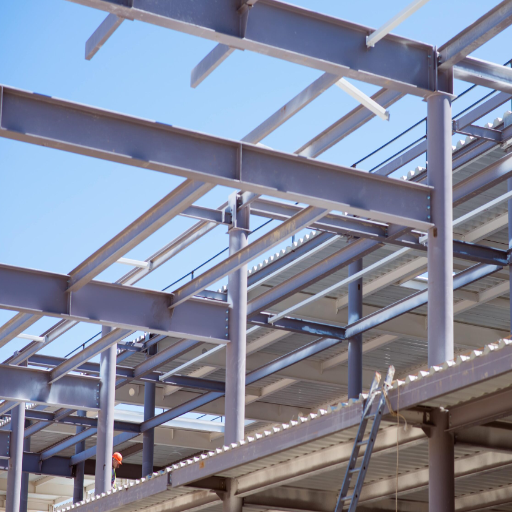
If taken into consideration, the construction and engineering of any kind, I-beams will have the most crucial role. Their importance lies in the fact that they are robust and resistant to supporting large weights. These steel beams are mainly used in the assembly of buildings, bridges, and walkways. Their special design principles, such as web and flanges, enable I-beams to bear the load over a large area, making them suitable for use in the construction and reinforcement of floors and slabs in heavy buildings. Apart from that, they are also used to fabricate other components that support the building, such as columns and beams for warehouses, factories, and various commercial buildings, to ensure the assemblage remains steady even in challenging and changing circumstances. Such is their general benefit that they are a must-have in many construction accessories.
Use of H Beams in Bridges
Highly reliable bridge construction makes use of I beams due to their exceptional Load-diffusing strength, as defined by the given cross-section. Uniform weight distribution improves the load-bearing capacity of the beams, making the structure safer. It is not just about weight, but rather those strong and rigid H-beams that reinforce the stability of a structure, such as a bridge, not only in a secure way, but also in a very strong one. It is feasible to use High-Strength Steel in the production of H-beams due to its improved ductility and resistance to wear and tear over time. However, various designs and technologies, even if it is one of the best materials, also avoid direct use if they are used along with other highly beneficial materials, for instance, disadvantage the additional costs of reinforcement and damages of concrete, hence the cost of ownership is also lowered and the service life improved. The geographical and performance orientation changes of the bridge project due to the numerous restrictions of the past are comprehensive and applicable only for the prevention of engineering systems’ expansion, particularly in construction.
Use of I Beams in Building Frameworks
Steel I-beams are paramount in construction because they can bear significant loads in structures while minimizing the need for excessive material. Owing to their characteristic form, they offer incredible tensile and compressive strength and are well-suited for supporting slabs, walls, and roofs, and this is the principal reason why I tend to use them as often as I do. In addition, they can be utilized in various other ways, even with a limited budget, which is why I would say they are the best resources to ensure the longevity and optimal performance of any constructed facility.
Industrial Applications of H Beams and I Beams
I-beams and H-beams are essential components in most industrial operations due to their strength, durability, and versatility for a wide range of applications. Five primary uses of these structural members are presented below:
- Construction of High-Rise Buildings
H-beams and I-beams are extensively used in the erection of block and multi-storey structures. The provision of large, heavy, and vertical loads ensures that high-rise structures remain stable and secure.
- Bridges
The construction of bridges requires the use of H-beams and I-beams as the primary structural components. Their use is beneficial in that it allows for the creation of vast distances that are capable of carrying huge weights.
- Shipbuilding
These are the most critical structural sections used in the fabrication of ships, particularly the hull and deck constructions, which are designed to be strong and withstand challenging environments, such as rough seas and violent waters.
- Industrial Platforms and Equipment
One example of the use of H-beams and I-beams is the construction of strong platforms, such as conveyors and other industrial equipment, where they allow for pinpoint support and efficient load carrying.
- Warehousing and Storage Solutions
Their use in providing storage spaces is due to the storage beams having an exceptional strength-to-weight ratio, allowing other storage systems and beam shelving designs also to store heavy weights while saving space.
With different lengths and structures available under this section, they can be applied to various industries, providing support in present-day construction devices.
Reference Sources
-
University of California, Davis
Moment Of Inertia Of H Beam
This source provides insights into the structural properties and applications of H-beams and I-beams. -
Hillsdale College
5 Ways Calculate I Beam
This article explains the structural differences and calculations related to I-beams and H-beams. -
Oregon Health & Science University
5 Inertia Tips I Beam
Discusses the strength-to-weight ratio and structural efficiency of I-beams and H-beams.
Frequently Asked Questions (FAQs)
Q: What is the difference between H beams and I beams?
A: The primary difference between H beams and I beams lies in their cross-sectional shapes. H-beams have a wider flange compared to I-beams, which makes them stronger and more stable under heavy loads. This design results in better resistance to bending and twisting, making H beams a preferred choice for applications requiring high strength.
Q: Which beam type is stronger, H beam or I beam?
A: Generally, H beams are considered stronger than I beams due to their wider flanges and greater cross-sectional area. This design enables H-beams to distribute weight more evenly, making them ideal for structural applications where strength is crucial.
Q: How are H beams and I beams used in construction?
A: Both H beams and I beams are widely used in construction for supporting structures such as bridges, buildings, and heavy machinery. H-beams are often preferred in large infrastructures where high load-bearing capacity is necessary, while I-beams are commonly used in lighter applications and as floor joists.
Q: What is an I-beam rod?
A: An I-beam rod refers to a rod that has been shaped like an I-beam, often used in various engineering applications. These rods can provide significant strength and support in structural designs, similar to traditional I beams, but in a smaller or more specific form.
Q: Are H beam rods better for high RPM applications?
A: Yes, H beam rods are often recommended for high RPM applications due to their stronger construction and ability to handle increased stress. They are typically made from forged steel, which enhances their durability and performance under high power levels, making them suitable for street cars and performance engines.
Q: What factors should be considered when choosing between H beams and I beams?
A: When choosing between H beams and I beams, factors such as load requirements, height, thickness, and the specific application must be considered. H-beams are ideal for heavy loads and high-stress situations, while I-beams may be more suitable for lighter loads and simpler structures.
Q: Can I use I-beams for engine components like pistons and rods?
A: While I beams are primarily used in structural applications, they can be adapted for specific engine components if designed correctly. However, for components like piston rods and connecting rods, H beam rods are often favored due to their superior strength and ability to withstand the forces generated during engine operation.
Q: How does beam shape affect performance in motors?
A: The shape of a beam, whether H or I, can significantly affect performance in motors, primarily when used in components like connecting rods. The H beam’s design reduces weight while maintaining strength, which is crucial for optimizing engine performance and achieving higher RPMs in performance applications.
Q: What are the aftermarket options for H and I beams?
A: There are various aftermarket options available for H and I beams, including forged steel variants that enhance performance and strength. For automotive applications, builders often opt for H beam rods to improve reliability and power handling capabilities, particularly in modified or rebuilt engines.


