
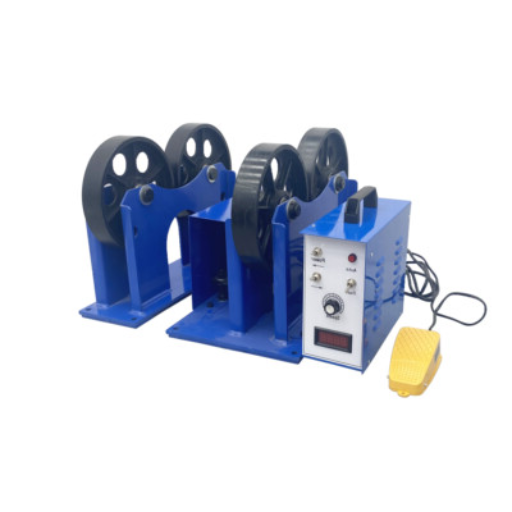
Pipe welding calls for precision, expertise, and class-leading equipment to ensure high-quality outcomes. For pipe welders striving to perfect their craftsmanship, learning to utilize a positioner with the proper rotator can be a game-changing technique. This post focuses on the importance of the welding positioners for attaining precise and repeatable accuracy in the welds, alongside how the right rotator can ease hard-to-do projects. From experienced welders who wish to improve their skills to novices eager to broaden their horizons, this guide contains constructive and achievable advice to boost one’s pipe welding ability. Follow along as we uncover the ways to improve your welding efficiency.
What is a Pipe Welding Rotator and How Does it Work?
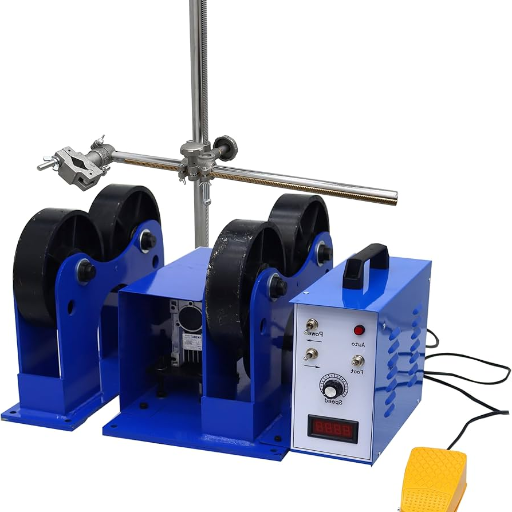
A pipe welding rotator is a piece of equipment specifically intended to rotate pipes with precision during the welding procedure. It operates by rotating the pipe which is held securely at one end and done at a controlled speed, attaining precise welds without inconsistencies. Since the pipe does the rotating, there is no need to do adjustments manually which promotes efficiency and reduces errors. Pipe welding rotators are ideal for large and heavy pipes as they need careful yet steady control during uniform rotation.
Understanding the welding rotator mechanism
The pipe welders rotator mechanism is aimed for flexibility during the welding process, thus seamless handling of the pipes is essential. Main parts of the device include a set of wheels or rollers that support and facilitate rotation of the pipe. These components are usually made of strong materials such as rubber or polyurethane which increases grip while simultaneously preventing damage to the pipe. Rotation is done by a motor and gearbox, advanced models do have the flexibility on having variable speed controls for different welding requirements.
Modern welding rotators have a key feature which is their load capacity. For example, standard rotators have load capabilities from 5 tons to more than 100 tons which is useful for both small and large scale industries. The rotation speed is usually between 6 to 60 inches per minute. Some models have self aligning features which let rollers adjust to the pipe diameters which reduces set up time and improves efficiency.
Newer designs are integrating automation technology more often. Many welding rotators are now equipped with PLC (Programmable Logic Controller) systems which allow operators to schedule fully automated workflows for different phases of work. This feature helps save on labor intensity and consistency in the quality of welds in different projects is achieved. With these features, welding rotators are outstanding in productivity, precision, and worker safety. They are essential in the oil and gas industries, petrochemicals, and construction.
Importance of Rotators in Pipe Welding
The use of welding rotators enables enhancements in efficiency and accuracy in the operation of pipe welding. In modern industry, automated controlled welding rotators are reported to improve efficiency by 40\% compared to manual welders. This is because automated welding rotators can rotate heavy pipes steadily and precisly, thus ensuring uniform welds whilst reducing misaligned joints or incomplete fusion.
Today, automated rotators can be integrated with AI and IoT systems to monitor real-time KPIs like sensor data with rotation speed tracking, self-adjusting positioning, and predicting maintenance through ML algorithms. This reduces the number of downtimes, thus allowing operations to run continuously.
The integration of power sources with efficiency technologies has led to a growing achievement of energy-saving targets within industry sectors. For instance, VSD equipped welding rotators provide differeneces in powered energy up to 30\% whilst catering to a diverse range of pipe diamater and weights from 1 ton to over 100 tons seamlessly.
This integration of technology and automation improves both productivity and safety. Workplace safety is greatly enhanced with less physical handling and automated safety measures. Sectors such as aerospace, marine, and industrial manufacturing that require high-precision welding achieve remarkable savings and improved quality of products with the use of modern welding rotators.
Different Types of Pipe Rotator
- Conventional Rotators: These are best for simple, routine tasks and hold pipes with fixed or adjustable rollers.
- Self-aligning Rotators: These save time on setup by automatically adjusting to the size of the pipe.
- Adjustable Rotators: These have rollers which can be set manually or electronically, giving them a wider range of pipe sizes.
- Turning Rolls: These rotate cylindrical pieces during welding or assembly for smooth and accurate steady motion
How to Choose the Right Welding Positioner for Your Needs?
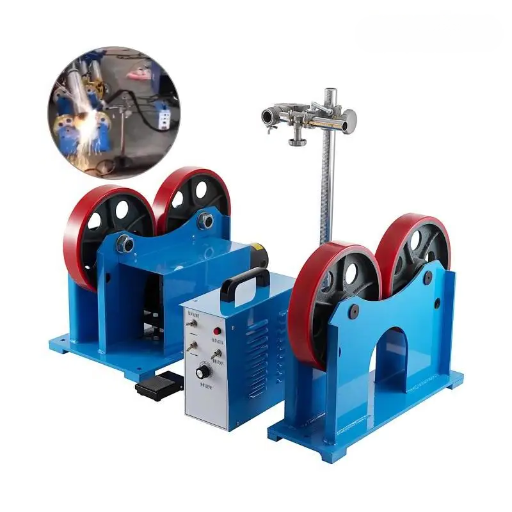
- Understanding Your Workpiece – Evaluation of an object’s size, weight, and shape will assist you in determining the capacity requirements of the positioner.
- Take into Account Welding Procedures – Manual or automated welding procedures performed by a welder should assist in selecting a positioner which suits your operations.
- Evaluate Adjustability – Note if your application requires specific rotational angles and adjustments through such features as tilt, rotation, or height.
- Confirm Compatibility – Check whether the positioner is compatible with other equipment such as welding machines or rotators.
- Emphasize on Safety – Positioners equipped with safety features such as clamps or load balancing which ensure stability when in use should be prioritized.
Things To Pay Attention To: Workpiece Diameter and Load Capacity
As always, while working with a new positioner, one needs to take into consideration workpiece diameter and load capacity first as these two factors predominantly define the positioner’s efficiency and precision.
The positioner turntable’s diameter should be slightly larger than the workpiece to ensure stable support during rotation. For example, smaller positioners are best suited to applications weighing below 50 lbs. They are most suitable for light weight projects under 50 lbs. On the other side, medium to large positioners can accommodate heavier loads from 500 lbs to several tons.
Emerging trends in the industry show that some modern advanced positioners have now exceeded a load capacity of over 20,000 lbs, which is beneficial for the heavily manufactured industries such as shipbuilding or aerospace. Moreover, the distribution of weight along the axes of the positioner is important since it affects performance, which makes it imperative to evaluate the center of gravity to ensure balanced operation. Higher end models come equipped with sophisticated load balancing technologies that help decrease strain, thus improving equipment longevity.
Sustaining lower efficiencies leads to unbalancing the equipment which in turn could create severe damage to the equipment. Thus it is important to assess the load balance. Well known manufacturers such as Lincoln Electric, Miller and Koike Aronson provide complete specifications for their positioners, giving freedom to the end users to evaluate the capacity rating to their expectations.
Comparing Rotary Welding Machines
Rotary welding machines can be compared based on features like load capacity, speed, precision, versatility, and price.
| Parameter | Description |
|---|---|
| Load Cap. | Maximum weight supported by the machine. |
| Speed | Rotation speed of the welding fixture. |
| Precision | Accuracy in rotation and welding. |
| Versatility | Adaptability for various applications. |
| Price | Cost of the machine. |
Selecting the Best Turning Rolls for Your Workpieces
While picking the best turning rolls for my workpieces, I take into considerations the following factors: load capacity, workpiece size compatibility, and adjustability. First of all, my materials must be safely secured to the turning rolls so that consistent and precise rotation can occur without any interruptions. Moreover, I consider the rollers, especially their ability to support different surface finishes without causing any damage. I also control the operational features to ensure that equipment ease aligns with the project requirements.
What Are the Advantages of Using a Pipe Rotator in Various Welding Processes?
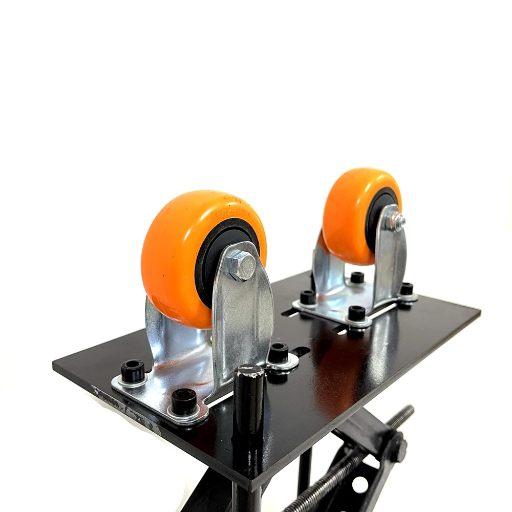
- Boosted Pipe Welding Efficiency: Manual work is alleviated thanks to pipe rotators which automatically rotate pipes for consistent weld application.
- Weld Precision Improvement: Weld defects are minimized and precision is enhanced due to lift joint welding pipe’s uninterrupted rotation which guarantees uniform heat distribution.
- Reduced Manpower: Focusing on the welding work only increases since there is no need to rotate the pipe manually, thereby reducing physical effort and time.
- Flexibility: Different applications can be served by Pipe rotators as they can suit numerous sizes and weights of pipes.
- Safety: Pipe rotators improve safety by reducing the need for manual adjustments which subsequently lowers workplace injury risks.
Enhancing Pipe Rotators Productivity And Safety While Welding
The use of pipe rotators in welding processes vastly improves productivity and safety. One of the advantages of automated systems, like pipe rotators, is that productivity within an organization can increase by 60% when compared to manual systems. This is due to the consistency offered by the pipe rotators which help in uniform rotating the pipe and stabilize welding, which enhances penetration and reduces defects like porosity or incomplete fusion.
Moreover, through the use of pipe rotators, alignment and operator exhaust from work is streamlined, thus enhancing precision and alleviating operator fatigue. These factors are crucial for achieving quality welds. Industry reports show that pipe positioning tools have been proven to reduce welding rework rates by 30%, resulting from the time and cost efficiency gained. Additionally, pipe rotators assist welders in effectively managing challenging stainless steel or alloy materials which require consistent heat to avoid warping or cracking.
Pipe rotators not only increase the technical aspects of welding, but also ensure steady and repeatable processes. This enhances safety and efficiency within the workplace, which allows operators to quickly complete projects while meeting high industrial standards, thus becoming a vital asset for businesses that want a competitive edge in the industrial welding field.
Enhancing Positional Accuracy with Automation
The welding industry has embraced automation, especially with technologies like pipe rotators. Automated positioning systems make use of modern sensors, servo motors, and real-time data processing to achieve critical accuracy during welding operations. With automated pipe rotation systems in place, businesses can realize productivity gains of up to 40% as noted in recent reports. Moreover, automated positions minimize errors even further, making sure critical parameters of the weld like the angle, speed, and alignment are automated which ensures consistency and improves the quality of work done.
A TechNavio report states that the global market for automated welding systems is predicted to grow at a compound annual growth rate (CAGR) of 8.2% between 2023 and 2028, primarily due to increasing industrial demand and the need for precision and scalability. As with all automation systems, these new systems also help reduce material waste because precision movements ensure raw materials can be maximally consumed. Furthermore, operators can remotely manage workflows and perform predictive maintenance using IoT devices, driving seamless workflow control.
In fields where accuracy is critical like oil and gas, aerospace, and shipbuilding, automated systems for positioning are extremely useful. These systems make it easier for operators to perform intricate welding on large structures which helps to meet deadlines, decrease costs, and shorten operational expenses. Automated positioning systems are vital in achieving excellence in industrial welding, making these systems crucial for businesses that want to enhance their competitive edge.
Reducing the Time and Effort Involved in Welding
With automation, intricate tasks in welding can be performed with less effort and in record time. Significant strides made in automation have shown that welding time can be reduced by thirty to forty percent. Automated positioning systems enhance efficiency by aligning components with precision, maintaining consistent weld paths. Automated systems greatly reduce human error which helps reduce the chances of reworks.
For example, one research project conducted in the shipbuilding sector showed that automated welding and positioners cut put hours by almost a third compared to before with no reduction in weld quality, and, if anything, the welds were better. Additionally, these systems greatly reduce operator strain due to the lifting of heavy components and the need to repeat simple, infrequently varying tasks. As a result, skilled personnel only need to supervise and make adjustments instead of doing manual placement, which enhances safety and increases efficiency.
Firms that implement automated weld perish also stand to realize some cost savings in the long run. Spending less on supplies, robotics, energy, and idle time leads to decreased overall operational costs. Because of these benefits, not only do automated positioning systems improve the efficiency of the welding sequence but they also enable industries to achieve their productivity targets with greater ease without compromising accuracy and quality.
How Does MIG Welding and TIG Welding Benefit from a Rotary Welding System?
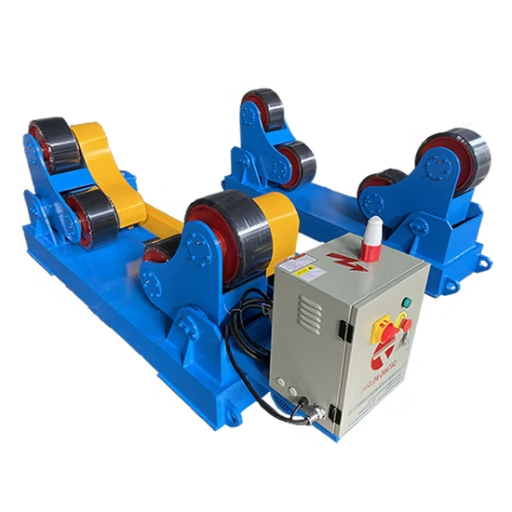
Both MIG welding and TIG welding greatly benefit from a rotary welding system for cylindrical parts since it maintains accuracy and consistency. Rotating the workpiece at a specific speed allows even distribution of heat and smooth weld beads, which enhances precision, decreases operator strain, and improves productivity and overall efficiency. This makes the entire welding process more trustworthy and dependable.
Enhancing Productivity in Welding with MIG Techniques
One of the most known and versatile methods of welding, Metal Inert Gas welding, can greatly increase productivity when combined with refined techniques and modern devices. With its high deposition rates, MIG welding is beneficial for various sectors like automotive, construction, and manufacturing. Research demonstrates that advanced MIG welding machines—particularly those with synergic control features—boost production speed by up to 30% relative to older models.
Other essential elements to increase productivity with MIG welding while keeping the correct travel speed along with gas flow and consumable material use. For example, the introduction of argon-based mixtures improves the overall quality of the weld and reduces spatter, resulting in less work and downtime. Furthermore, efficiency gets a progressive boost through the use of automated systems since repetitive tasks are done faster and with greater precision, reducing the chances for operator error.
When incorporated into training protocols and observed safety guidelines, MIG welding can be perfected while simultaneously minimizing costs in high-demand production settings.
TIG Welding Precision with Positioners
TIG welding is famous for its precise and high-quality welds, especially where intricate work is needed. The use of positioners in TIG welding further improves precision as operators can maintain consistent angles and weld pools through complex joints rotation. As reported recently, the use of modern welding positioners can boost productivity up to 40% by alleviating operator fatigue and improving access to poorly reachable welds.
In addition to improving productivity, positioners enhance uniformity which improves quality, particularly for circumferential and longitudinal welds. Some studies show that advanced positioner systems integrated with digital controls can decrease welding errors by 30%. Moreover, the capability to tailor positioners for automated TIG welding is a significant benefit for bulk industrial applications. These systems ensure consistent weld quality while reducing material waste, rendering them cost-effective for manufacturers in aerospace and automotive industries and other sectors focused on precision.
Efficiency and precision preservation can be achieved through automating Operator training, along with the introduction of modern technology, positions TIG welding as both exceptionally effective and precise for small and large scale production across a broad range of industries.
Versatility of Pipe Welding Rotators in Different Processes
Essential to modern constructionint fabrication and manufacturing industries, pipe welding rotators enhance a company’s performance both quality-wise and efficiency-wise. These devices not only provide smooth rotation, but also guarantee consistent weld penetration and quality throughout the weld. Its use in various welding processes, for example TIG, MIG and submerged arc, marks their versatility within entire industries.
Adoption of automated pipe welding rotators has been observed in recent trends. The developments of smart controls and sensor technology are driving these changes. Automated processes are expected to increase productivity by thirty percent and reduce defects by twenty-five percent, making them vital to high-stake fields such as oil and gas, shipbuilding, and construction. Furthermore, new adjustable designs with electronic sensors are capable of accommodating various pipe diameters and weights, including models that support over one hundred tons.
Using pipe welding rotators helps to improve safety by reducing the manual lifting and carrying of heavy pipes. These tools are appreciated by manufacturers because of their ability to reduce the cost of labor while maintaining consistent and high quality industrial grade welds. Thus, the pipe welding rotators are very important for enhancing processes, step-by-step and providing a long-lasting value in cost savings in diverse industries.
What Maintenance Practices Ensure Longevity of Your Pipe Welding Rotator?
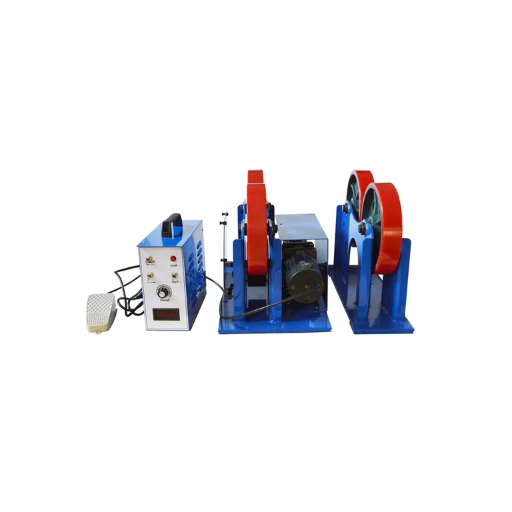
- Scheduled Lubrication: Apply the specified lubricant to relevant moving parts of the machine to minimize wear and friction.
- Scheduled Checks: Look for damage sign indicators like worn components or loose bolts, and fix them without delay.
- Operational Cleanliness: Clean the machine by removing dust or debris, and preventing rust or other forms of corrosive damage.
- Manufacturer Specs: Stick to the maintenance timetable and the suggestions highlighted in the guide.
- Safety Checklist for Electrical Diagnosis: Check for any broken wires or connections as well as any other circuit which require attention.
Regular Maintenance and Inspection of Welding Rotators
Consistent inspection and servicing of the welding rotators is crucial in sustaining their functionality for a long period of time. Within this context, an assessment is made on the degree of wear and tear on various components, appropriate alignment and balance is verified, electrical connections checked, and routine lubrication carried out. Ensuring a set servicing timeline while rectifying concerns immediately improves equipment safety and efficiency.
Rotary Parts – Maintenance & Troubleshooting
The maintenance of welding rotators specifically the lubrication involves rotary parts, significantly lowering friction and possibility of overheating. As per the modern standards of the industry, the lubricant selection should be in accord with the manufacturer’s discretion to mitigate any issues relating to corrosion or premature wear. For instance, synthetic lubricants are gaining preference due to their anticipated thermal stability and lower frequency of application leading to lower costs over time.
Moreover, these lubricants have been suggested due to the over 15% increase in operational efficiency and a 30% increase in lifespan of crucial components of the machine parts, of which weld rotators are part. Regular monitoring of the usage with regards to temperature and workload is crucial. Automated lubrication systems have recently become reliable in precisely maintaining large-scale operations with regards to human error and have a proven track record in ensuring consistency. With the adoption of these techniques into basic routine maintenance, companies can ensure the automatic enhancements of the productivity while proactively resolving the risk of expensive equipment failures.
Safe Handling of Workpieces That Are Heavy and Difficult to Manage
Handling workpieces that are heavy and bulky requires protective measures to ensure safety and proper equipment, training, and abiding by the safety procedures is a must. Using devices to lift heavy materials ergonomically to deal with hydraulic lifts, robotic arms, and gantry cranes have superseded the traditional method of using unbending cranes and reduced workplace injuries by approximately 25% in the last decade. Using these aids not only minimizes strain on the body of workers, but it also ensures that precision is achieved during operations, eliminating the need for over-complex damages.
As we already covered, heavy objects are dangerous to move, and doing so with the wrong technique leads to workplace injuries, around 31% of reported musculoskeletal disorders annually. The matter has caused many unsafe lifting PPE—gloves and boots to shut doors—inside capability programs dealing with posture and devices on rest training focusing on safe posture empowering courses.
Pioneering workplace safety improvements, cost-saving automation with smarter monitoring solutions provide set forth to abolish errors among osha predicted injuries by leveraging load lifting systems curtains along with powered gloves and safety dedicated bots including asset certified oversight.
Reference sources
- Computer Aided Process Planning System for Pipe Welding – This study focuses on a process planning system for pipe welding, including the use of pipe rotators to maintain welding precision.
- Factors affecting productivity of pipe spool fabrication – This paper discusses the role of rotators and other fixtures in pipe spool fabrication and their impact on productivity.
- Development of a robotic complex for hybrid plasma-arc welding of thin-walled structures – This paper includes insights into the integration of welding rotators in robotic systems for advanced welding applications.
- Top Welding Rotator Manufacturer and Supplier in China
Frequently Asked Questions (FAQs)
Q: What Is A Pipe Welding Rotator, How does It Function?
A: A device specifically designed to rotate cylindrical elements such as pipe and pressure vessels, a pipe welding rotator focuses on the precise rotary motion during welding. A comprehensive system of ‘ weld rotators’ comprises of rotatable pipe rollers with an attached workpiece, which when rotated yields greater efficiency during welding. In applications, especially for large capital project pipes, uniformity and precision on positioning during welding is critical and the use of pipe rotators assists in achieving this goal.
Q: What Are The Advantages Of Using A Pipe Welding Rotator?
A: The core features of precision, accuracy, efficiency and uniformity makes pipe welding rotators one of a kind. Seamless automation coupled with effective management of substantially Off balance loads is easily achievable with pipe rotators which completes the job without jeopardizing stability during cutting or welding. Because welders do not need to move from their stations due to its rotary feature ensures steady weld quality whilst boosting the zip flexibility, safety, and reduced overall labor cost.
Q: In what ways does the use of a foot control enhance the operation of a pipe welding rotator?
A: With a foot pedal control, the welder can increase or decrease the speed and turn the pipe roller in a clockwise or counterclockwise direction with their foot. This feature promotes ease of use while maintaining accuracy which smoothens the welding operation.
Q: For what welding tasks are pipe welding rotators applicable?
A: Pipe welding rotators are applicable for a variety of processes including the welding of pipes, pressure vessels, and other cylindrical materials. They play an important role in the manufacturing and construction sectors in themical industries where heavy duty and high-quality welding is required.
Q: Explain how self-centering pipe rotators work?
A: Self-centering pipe rotators have a responsive feature that allows them to adapt to the size of the pipe that is being welded. With this feature, the self-centering pipe rotators are set up fast and are easily and quickly ensured that the pipe is set to be centered on the axis which gives the best welding placement thus reducing the time needed for setting up.
Q: Pipe welding rotators are utilized in a diverse range of pipe welding applications. What is the role of the welding ground in this case?
A: The welding ground is instrumental for ensuring an electrical bond during the welding process. It also prevents any electrical mishaps or safety issues, thus providing the welder with good working conditions and welding environment.


