
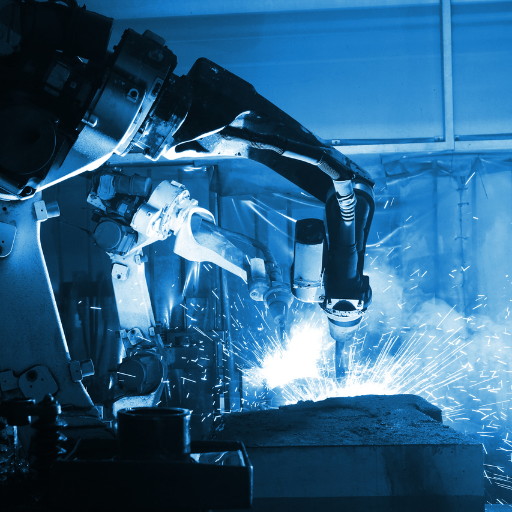
While welding has always been an integral part of construction and manufacturing, the approach used is now evolving as technology advances. Traditional craftsmen manual welding is being replaced with advanced robot welding systems which are designed to increase efficiency and precision. Understanding the differences between these two methods has become vital for businesses and professionals operating in the region. As such, we will discuss the advantages, limitations, and practical applications of both methods alongside exploring the benefits of manual welding versus robot welding. This guide is aimed at experienced welders, manufacturers looking for streamlined processes, or anyone in sha searching for industrial insights. We are sure that it will provide assists anyone in discerning decisions easily.
What is Manual Welding and How Does it Work?
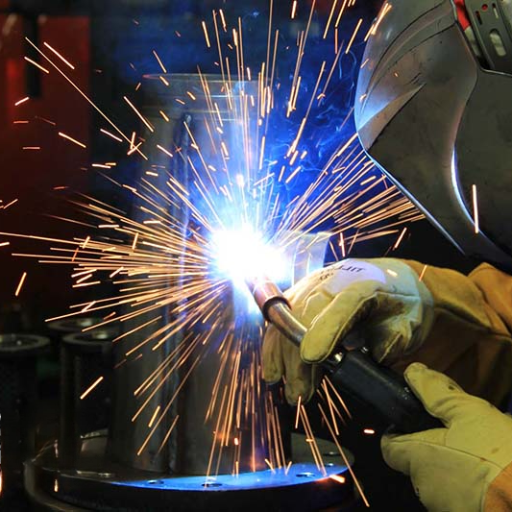
Manual welding is a distinct process wherein a welder uses hand tools to join together metal parts. With manual welding, the angle, speed, and heat of the welding tool are fully determined by the welder, which enables precise and strong welds. This technique is efficient, adaptable, and most suitable for projects that need skillful detail handiwork or repairs.
Overview of Manual Welding Techniques
Several methods form part of manual welding and each has its own different applications, materials, and techniques. Many people know manual welding as Shielded Metal Arc Welding (SMAW), Gas Tungsten Arc Welding (GTAW), and even Gas Metal Arc Welding (GMAW).
- Shielded Metal Arc Welding (SMAW): Known as stick welding as well, SMAW is arguably one of the most common forms of welding. It is known to be best for repairs and outdoor projects as it has use in different weather conditions. It utilizes an electrode that is covered in flux which shields the weld pool from atmospheric gas exposure. Allocation data suggests that SMAW is used for about 25% of the world’s welding demand because it works well with thick products.
- Gas Tungsten Arc Welding (GTAW): TIG welding, as GTAW is colloquially known, uses gas tungsten welding techniques for more exacting work and is better suited for precision work that demands high-quality welds. It requires argon or another inert gas as a shield and uses a non-consumable tungsten electrode. GTAW is prevalent in aerospace and automotive industries for welding thin sections of stainless steel and non-ferrous metals. Although the deposition rate for this process is slower as compared to other processes, experts note that the welds produced are far fewer in defects, which is critical in these cases.
- Gas Metal Arc Welding (GMAW): Also referred to as MIG welding, GMAW makes use of a consumable wire electrode and external shielding gas to protect the weld. It is widely known for its speed and perceived as a workhorse in manufacturing because it can be automated. More than half of all industrial fabrication and GMAW welding activities can be attributed to these processes in the last few years, which is made easier through the extensive use of automation and adaptability to numerous materials.
Despite improvements made by inverter-based welders and monitors in real-time, every process still has its drawbacks. With the merging of modern and traditional methods, a vast scope of industries may benefit from faster and more precise techniques, offering low-cost solutions without sacrificing quality.
The Importance of Skilled Human Welders in Manual Welding
Even with advancements in automation and robotic welding, skilled human welders still have a crucial impact in the construction and industrial sectors. An infrastructure growth in several countries, along with the adoption of new cars, ships, machinery, and energy sources, has allowed the welding industry to grow at a projected rate of 5.4 % from now till 2030. Automation tends to make things easier, but the artistry and precision of mastery work still require manual welders for high value custom and intricate orders.
Industry research shows that more than 60 % of welds for pipelines and ship parts were completed using traditional welding by skilled human welders in 2022. These welders also face great demand due to their efficiency in solving problems on the spot that require real-time adaptability. In line with these developments, new technologies such as AR welding helmets and digital instructional courses are allowing skilled workers to safeguard precision, block AR elements, and keep up modern production, strengthening their manual welders skills. All these adaptations and surrealist integrations indicate how essential human skills and experience are alongside technology.
Obstacles Encountered by Manual Welders
Like many other professions, manual welders face unique challenges that can include health concerns and industrial advancement. One of the greatest problems is overexposure to fumes from welding which may result in long term breathing issues. The Occupational Safety and Health Administration (OSHA) has reported that individuals who work with welding fumes that have manganese contend with the possibility of developing neurodegenerative processes.
Another problem of concern is the welding range’s physical demands. Bending or standing in specific postures for to long can cause damage to the spine that is permanent, known as musculoskeletal disorders (MSD). The Bureau of Labor Statistics (BLS) has reported that in manufacturing, welding and other forms of production, the MSDs attributed to repetitive motion or fixed postures, which are prevalent during welding, has also been mentioned as an important factor for industrial injury.
In addition, welders face the challenge of having to learn Wquality requirements continuously for newer technologies and materials being introduced in the market. For example, there is an increasing demand for welding aluminum and high strength steels and these materials need to be welded using sophisticated methods. The American Welding Society (AWS) has made forecasts of more than 375,000 welding professionals deficient by 2026, thus indicating the need of skilled welders adaptable to modern demands.
Lastly, an increase in automated systems alongside robotic welding intensifies the fight manual welders have to endure due to the efficiency and precision machines bring. Even with such challenges, manual welding still flourishes in areas where detailed artistry, troubleshooting, and adaptability are needed, which proves that human skills and ingenuity are still greatly valued.
How Does Robotic Welding Work?
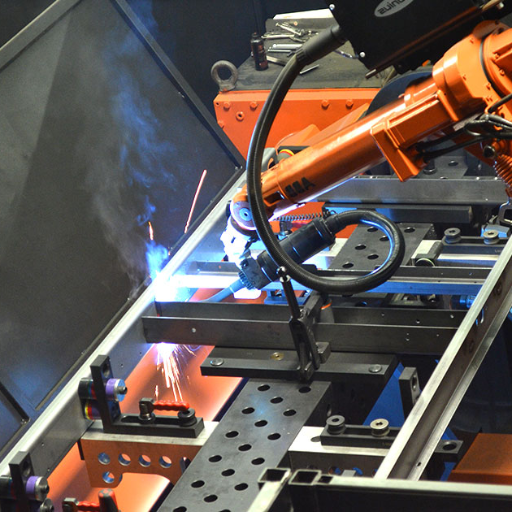
Welding automations or robotic welding involves the use of machines programmed to undertake welding tasks. Worksites incorporate such technology in order to ensure accuracy, robotics make use of weld jigs or fixtures. Lauren (63), states that robotic welders perform a sequence of operations controllable by hardware and software that release heat with precision to materials so as to melt them. Welders pre-path are used to apply heat effectively. These automations increases production efficiency while minimizing error on a large scale.
Components of a Robotic Welding System
- Robotic Arm: This subassemblage is the most important one as it handles position and movement simultenously. The robotic arm has several axes thus it can introduce movement in various directions to reach complex weld.
- Welding Torch: The robotic arm comes with attachment or turbans. As part of the welding machinery, their responsibility is to sprinkle welding heat 26 to the specific section where some is requested.
- Controller: Robotics systems are usually made with one controlling central module. Controller is the main unit providing decision making process and sets power for some auxiliary devices like robotic arm, motion paths of controlled axes and other parameters of welding. Thus operations determined by them are processed with great accuracy.
- Power Supply Unit: This module is in charge accessories are in form of electrical energy transformers, so it gathers voltages provided for welding by controlling put to the seam during device defined intervals.
- Sensors: Many contemporary robotic welding systems incorporate advanced sensors like vision or laser sensors for monitoring purposes. With these sensors, alignment is monitored, materials are compensated for, and quality control is performed automatically.
- Software: The robotic system can be controlled and programmed through software which has numerous applications. Software determines the welding steps to be performed, the trajectory of movements, relevant parameters, and captures data to improve processes.
Benefits of Automated Welding
- Consistency: Robots perform identical and precise welds mitigating human error, ensuring consistent uniform quality across all products.
- Efficiency: Off-the-shelf automated systems increase production throughput, reducing sales losses due to downtimes.
- Cost-Effectiveness: Automated welding reduces indirect long-term labor expenditures and materials widd on a robotic system, even if upfront spending is substantial.
- Safety: Automated systems serve as an outer layer robot for engaging in perilous fumework hot or unwise work, shielding staff from sustaining burns, toxic hazards, and other potential injuries.
- Flexibility: Modern robotics can switch between diverse types and classes of welding tasks and structures/ materials to be welded.
Robotic Welding Techniques
- Arc Welding: An industrial electric arc utilized to melt and join metals, is among the oldest and most effective techniques for joining thick and high-strength materials.
- Spot Welding: Applied to automotive sheet metal components, pressure and heat are applied to concentration points where the parts are designed to be attached.
- Laser Welding: Ideal for intricate pieces and thin materials, offering faster and more accurate clean outs.
- TIG Welding (Tungsten Inert Gas): Better execution and control make this process ideal for jobs requiring fast and fragile touch.
- MIG Welding (Metal Inert Gas): Preferred for alarge scale works due to its swiftness, this method is instantaneous and flexible.
Comparing Welding Methods: Manual Welding Vs Robot Welding
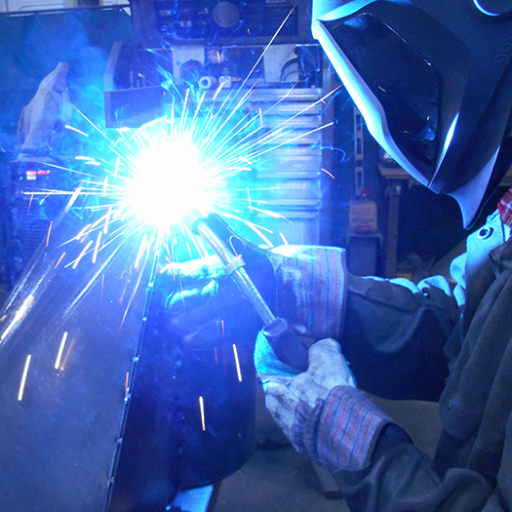
Both robot welding and manual welding possess unique strengths and weaknesses. Manual welding is beneficial for personal touch and judgment, especially in bespoke tasks or intricate works. Large scale, continuous, or repetitive tasks are best suited for robot welding due to its efficiency and consistency in speed, greater precision, and greater accuracy. Balancing detail, amount of work, precision, and deadline dictates which method suits best.
Comparing Effectiveness Between Robotic and Manual Welding
Unmatched precision alongside unrivaled efficiency associated with robotic welding technology makes this advancements stand out. Robots maintain exact arc lengths and welding speeds which fosters uniformed welds and minimizes defects. As disturbing as it is, robotic welding systems are reported to achieve a staggering ±0.1 mm accuracy. Such precision makes it an indispensable aid in the automotive and aerospace industries. Rotobotic welding increases productivity as lack of downtimes enable continuous operation. Manual skilled welders do not stand a chance when one robotic welding arm are able to accomplish five times their output within identical time spans.
Conversely, the versatility and adaptability offered by manual welding may be especially useful in more complicated, one-off projects that rely on human skill. Skilled welders have the ability to cope with many unpredictable aspects, manipulate processes dynamically, and rectify imperfections instantaneously, which robotic systems have not yet achieved. The downside, however, is that manual welding slower. Human fatigue also diminishes both quality and productivity. Industrial studies suggest robotic systems work at an efficiency of almost 90%, while manual welding stagnates around 50%-60%.
In conclusion, each approach provides specific advantages. Robotic welding is most beneficial in speed, focus on production, and scale. On the other hand, manual welding is still crucial in artistic work, specialization, or high attention detail work.
Cost Implications of Robotic and Manual Welding
The cost implications of robotic and manual welding include initial investment, operational expenses, maintenance costs, labor efficiency, and long-term ROI.
| Parameter | Robotic | Manual |
|---|---|---|
| Initial Cost | High | Low |
| Operation Cost | Moderate | Low |
| Maintenance | High | Low |
| Labor Efficiency | High | Moderate |
| Long-term ROI | High | Low/Moderate |
Flexibility and Welding Tasks Adaptability
Robotic welding systems carry out repetitive and high volume tasks with unmatched reliability and precision compared to manual welding. These systems can be programmed for repetitive tasks and are guaranteed to save time during lengthy processes while error potential is greatly reduced over time. On the contrary, robotic systems struggle with highly variable tasks full of complex customization such as small scale intricate projects.
The agility of manual welding far surpasses robotic systems when it comes to diverse and unpredictable tasks. With manual welding, a human worker is capable of seamlessly adjusting to different materials, unique job requirements, shift positions, and a multitude of custom demands. A 2023 industry report indicates that over 65% of welding tasks performed by small to medium sized businesses are done manually due to the need for flexibility and customization.
Advancements in robotic systems continue to strengthen their integration of advanced sensors and AI-based adaptability; however, their pliability rests on the sophistication of programming and task standardization rigidity. Despite its slower pace and higher labor intensity, manual welding retains dominance when it comes to varied and one-off projects.
Pros and Cons of Robotic Welding
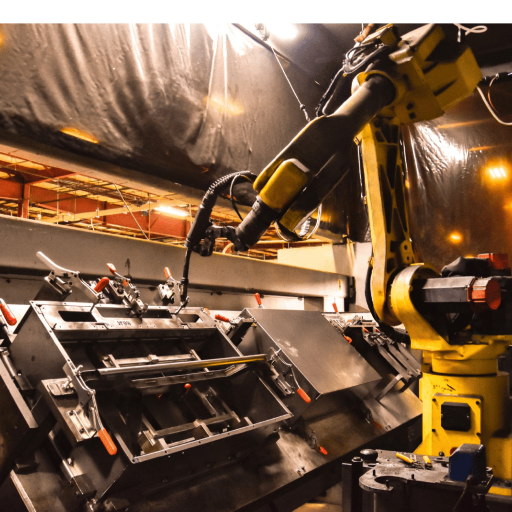
Advantages of Robotic Welding
- Reduction of Human Error: Robotic systems offer precise welds, greatly minimizing the impact of human errors.
- Automation: Compared to manual welding, automated robotic welding systems work at a faster cycle time.
- Reduced Production Costs: Robotics reduce costs in the long term by improving efficiency and minimizing scrap and rework.
- Improved Safety: Direct contact of workers with fumes, intense heat, and other hazardous conditions is eliminated.
Disadvantages of robotic welding
- Pervasive Industry Investment: The overall investment for purchasing and implementing robotic systems can serve as a barrier to entry for some banks.
- Rigor: For highly tailored or greatly changing assignments, robots are barely useful.
- Ongoing Robot Maintenance: To preserve effective operations, systems need ongoing hard programmer maintenance every so often.
- Wide Skill Shortage: Skilled human operators are needed to program the robotic systems, as well as to monitor their functions.
Advantages of Robotic Systems in Welding
The adoption of robotic systems brings numerous benefits to modern manufacturing processes, especially with regards to operational efficiency, accuracy, and productivity. Here are some refined advantages based on recent data and technological trends:
- Boosted output: Unlike human workers, robotic welding systems have the ability to function without getting tired. Industry reports have documented increases in production speed by as much as 30% alongside significant reductions in turnaround times.
- Enhanced Precision and Quality: Modern robotic systems are equipped with advanced AI and sensor technologies that can achieve an error rate as low as 0.05%, which allows for unmatched accuracy in the execution of welding tasks.
- Overhead Costs Efficiency: Operational savings were observed as an investment in robotic welding systems resulted in a reduction of hyperthetical 20-40% in spending within five years of adoption. Business studies highlight that initial expenditures associated with robotic systems tend to offset a long-term return by reduced labor costs paired with lower material expenditure.
- Improved workforce safety: Workers are kept from hazardous environments that expose them to extreme temperatures, toxic fumes, and tight spaces common in welding. The automation of dangerous tasks robots helps mitigate the physical risks for human workers.
- Scalability for Automated Production: Robotic welding systems clearly align with mass production strategies as they can seamlessly integrate within production lines. High repeatablility robotic systems unlock the potential for scalable manufacturing while maintaining production consistency and quality.
These advantages are further reinforced with advancements in other robotic areas like machine learning and real time monitoring, technologies which are crucial for todays industrial automation.
Identifying Cons of Robotic Welding in Industry
As every rose has it’s thorns, robotic welding systems comes with their own set of challenges, particularly with regard to the perceived value of these systems. One notable issue is the steep investment needed. Recent reports indicate that a single unit of robotic welder can cost anywhere between $50,000 to $200,000 based on the system’s features and complexity. This number does not include programming, maintenance, or operator training which greatly adds to the total cost of implementation.
Concerns overst sstem malfunctions pose another difficulty. Even though robotic welders are programmed for accuracy, unforeseen glitches or mechanical defects can result in costly repairs and interruptions to workflow. According to recent research, unexpected halts in automated production systems could set enterprises back as much as $260,000 every hour. Businesses that implement robotic welding face the challenge of having to mandatorily comply with rigid maintenance schedules alongside investing heavily in surveillance systems to lower these risks.
Moreover, the inflexibility of robotic systems can hampermadaptability. Differing from human welders, robotic welders require significant reconfiguration to adapt for alterations in the design or material change of a product. These lack of adaptability can lead to increased turnaround times and expenses which prove to be dire for industries that deal with a wide array and ever-changing projects. Keeping these challenges in mind, robotic welding comes with a myriad of benefits however it is essential for an organization to consider its needs and capabilities thoroughly prior to investment.
How Welding Robots Impact Welding Jobs
In my view, welding automation has an impact on working scenarios by changing the job characteristics of welders. On the one hand, they assume the dull and dangerous work of welding, thus ensuring safety and accuracy. On the other hand, these machines demand trained personnel for programming, maintenance, and supervision. This transition suggests that there could be reduced demand for conventional welders, but there is increased demand for specialized robotic and automation engineering positions. Embracing such shifts entails upskilling and keeping pace with changes in technology relevant to the industry.
Future Trends in Welding Needs and Technology
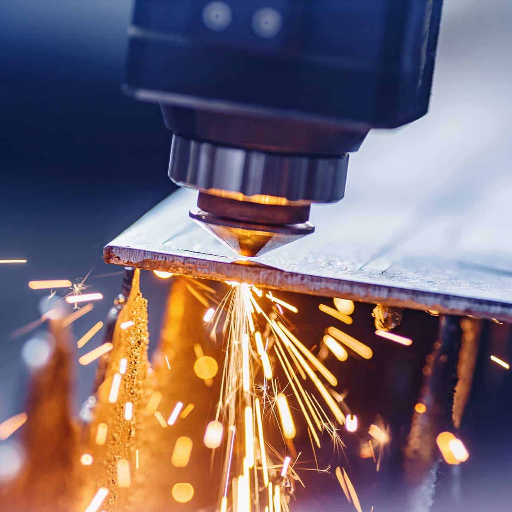
The future growth and adoption of Artificial Intelligence (AI), robotic welding systems, and Augmented Reality (AR) will create new opportunities in precision training and educational frameworks. A gradual decrease in manual welding jobs will result alongside an increase in employment opportunities for robotic programmers and automation specialists. Moreover, material innovations like composites and lightweight alloys, as well as environmentally-friendly innovations, will also shape welding processes and techniques. Competing in a fast-paced environment will require full adaption and continuous learning in emerging technologies.
The Rise of Automation in Welding
Changing industries to adopt new technologies has enabled increased accuracy, higher productivity, and reduced labor costs in welding. A report from the last welding automation exhibition reveals that the anticipated global market growth is at 7.9% from 2023 to 2030. This increase is likely due to the growing use of automated welding systems in the automobile, construction and aerospace industries.
The implementation of automated welding technologies, such as robotic arc welding and laser welding systems, enhances speed and precision while reducing operator error. For example, robotic welding achieves a remarkable repeatability accuracy of ±0.1 mm, a precision manual welders cannot match. As well, automated systems perform tasks in unsafe conditions for humans, such as extreme heat and cramped places, reducing overall workplace hazards.
The automotive and aerospace industries continue to drive automations adoption due to high demand for welds that are complex and of superior quality. Robotic welding systems with advanced sensors aided by AI ensure adaptability to complex geometries while maintaining superior weld integrity. There is an industry shift toward collaborative robots, known as cobots, that augment humans, offering advantages of both automation and human skills.
In contrast, the increase of automation in the industry creates a shift in workforce needs. There may be less need for the conventional welder, but skilled technicians able to program, maintain, and troubleshoot automated systems are in demand. New workforce requirements are being met by emerging training programs in robotics, software programming, and precise engineering.
Overall, adoption of automation in welding represents a lasting change which improves productivity, product quality, and safety at the workplace, in addition to requiring full-scale modifications of the industry in response to the new technologically driven changes.
Advancements In Welding Machines and Procedures
As per the latest developments in the field of welding technology, innovations are emerging that are bound to set the trends in the future. AI and machine learning powered automated welding systems are rapidly being deployed in production settings, with the global wel?
ding market expected to exceed $27 billion by 2025 according to some researchers. AI-powered welders can recognize and forecast patterns as well as defects, enabling precise welded joints well above the capabilities of conventional systems.
The adoption of laser welding is another emerging trend that is characterized by its high accuracy, low distortion, and the ability to work with a wide selection of materials. This is popular in sectors such as automotive and aerospace where strength and accuracy are critical. For example, automotive manufacturers are now able to create laser welded frames which are light, thick, and dependable, enhancing efficiency and safety simultaneously.
Moreover, incorporating real-time analytics and sensors into welding machinery improves oversight and quality check processes. Modern welders have the ability to receive real-time feedback during the welding procedure which reduces errors as well as material waste. Furthermore, the development of collaborative robotic systems “cobots” is advancing, which allows for human operators to work side by side with these sophisticated machines.
These advances illustrate the swift development of welding technologies and underscore the urgency to retrain the workforce in next-generation technologies for better marketability in comparison to other economies.
Addressing the Gap: Skilled Human Vs Robotic Welders
The robotic welders and skilled human welders discussion has become predominant as the need for productivity escalates. Development in robotic welding technology made it possible for such devices to complete repetitive and sophisticated tasks at a remarkable level of precision. As reported by MarketsandMarkets, the robotic welding market is expected to grow from USD 6.4 billion in 2022 to 11.2 billion by 2027, at a CAGR of 11.3%. This surge is driven by greater adoption in the automotive, aerospace and construction industries which require high precision and speed.
Nevertheless, some distinct aspects still favor human welders. Versatile and innovative problem-solving are hallmarks of expert welders, particularly in custom or atypical welding tasks where machines have limitations. As reported by the Bureau of Labor Statistics (BLS), welding remains a prominent profession in the United States with more than 400,000 professionals employed in the field by 2022, showing that there is still ample demand for human welders.
Even though robotic systems can increase productivity in operations as well as eliminate mistakes, the cost of acquiring and maintaining such systems poses a threat to small and medium-sized manufacturers. Finding the proper equilibrium between workforce and automation requires sustained investments in advanced technology, proper training for the workforce, and continual automation refinement. Both human and robotic welders will be critical as the industry continues to evolve and further adapt to diverse market needs.
Reference sources
- The effects of robot welding and manual welding on the low- and high-cycle fatigue lives of SM50A carbon steel weld zones
- Authors: Changwan Han et al.
- Published in: Advances in Mechanical Engineering, Volume 11
- Publication Date: March 13, 2019
- Citation Token: (Han et al., 2019)
- Summary:
- This study analyzes the differences in fatigue lives between robot welding and manual welding for T-shaped weld structures made from SM50A carbon steel using CO2 gas arc welding.
- Methodology: Fatigue tests were conducted using a three-point bending method, and S-N curves were generated for both welding methods.
- Key Findings:
- Robot welding exhibited better high-cycle fatigue lives compared to manual welding due to a more uniform and higher welding speed, resulting in a smaller weld zone area (~12% smaller) and finer grain size, which increased hardness. However, manual welding showed better low-cycle fatigue lives.
- Discussion on the welding performance of automatic welding of industrial robot and manual welding
- Author: Zhang Yan
- Published in: IOP Conference Series: Materials Science and Engineering, Volume 637
- Publication Date: October 11, 2019
- Citation Token: (Yan, 2019)
- Summary:
- This paper discusses the impact of industrial robots on welding performance compared to manual welding.
- Methodology: The author analyzes various standards and performance metrics related to automated welding.
- Key Findings:
- The study emphasizes the importance of automated welding in improving production quality and efficiency, suggesting that industrial robots can significantly enhance welding performance.
- Towards an automatic classification of welding defect by convolutional neural network and robot classifier
- Authors: Nissabouri Salah et al.
- Published in: Indonesian Journal of Electrical Engineering and Computer Science
- Publication Date: March 1, 2024
- Citation Token: (Salah et al., 2024)
- Summary:
- This research presents a convolutional neural network (CNN) model for classifying welding defects, which can be applied to both robot and manual welding processes.
- Methodology: The CNN model was trained using a dataset from resistance spot welding (RSW) to classify defects such as splash, twisty, and overlap.
- Key Findings:
- The model achieved a prediction accuracy of 99.86%, demonstrating the potential for automated defect detection in welding processes, which can enhance the quality control of both robot and manual welding.
Frequently Asked Questions (FAQs)
Q: What is the difference between robot welding and manual welding?
A: The metal fabrication processes which involve robot welding and manual welding differ in the automation, accuracy, and productivity of the latter. Thorough automation of robotic welding machines allow for faster and more precise welds as compared to manual welding which depends on human skill and is less consistent in the quality of welds.
Q: Which types of welding are robots capable of performing?
A: Robots capable and designed for welding can be programmed for multiple types of welding processes, including resistance welding, spot and arc welding. These processes can be performed by robots. They are ideal for environments with a higher production rate as they ensure weld quality consistency.
Q: In what different ways does robotic welding add value to the weld quality?
A: The use of robotic welding improves the quality of the weld by enforcing consistent parameters with the use of electronic weld process controllers. This automates most of the actions that are typically done during welding, greatly minimizing the chances of human error. This ensures a consistent weld during all the fabrication processes.
Q: What are the pros and cons of robotic welding?
A: Advantages robotic welding offer include improvement in productivity, and reduction in materials wasted, as well as consistent weld quality. Disadvantages include the high cost of investment for the robotic welding equipment, as well as the need for skilled personnel to programme, maintain, and oversee the advanced machinery.
Q: With robotic welding in place, does skilled labor lose value?
A: Skilled labor is still needed with robotic welding to develop programmatic interfaces with the welding robots, supervise the automation workflows, and conduct periodic servicing. Even though robotic arms perform the welding tasks, human attention is needed to ensure that the systems are properly aligned to function in an optimized manner.
Q: Can robotic welding take over manual welding completely?
A: Although robotic welding is capable of performing numerous functions in metalworking, there is still a need for manual welding in sophisticated bespoke and small volume work. Therefore both manual and robotic welding can coexist, as each serve different manufacturing requirements.
Q: What modern advancements in welding technology come with the use semi-automatic welding methods?
A: The semi-automatic method merges both manual and automated robotic welding techniques. This method retains some degree of human control which assists in attaining precision. This method is applicable in situations where there is partial automation needs alongside some room for human intervention, as it boosts efficiency and Quality of the weld.
Q: In what contexts would manual techniques and robotic techniques most appropriately apply, 혹시 있어요?
A: Automated robotic welding technology would be best applied in repetitive welding tasks which have been noted for their high accuracy and speed. On the contrary, manual welding is best suited for flexible, unique and custom tailored designs because it allows greater creativity compared to automated robotic welds.
Q: In what ways do different processes of metal fabrication influence the use of robotic versus manual welding techniques?
A: In considering the type of metal fabrication processes which differ in material, thickness, complication, and other specifics, all these factors differ for with manual welding and robotic welding. Manual welding is commonly preferred for intricate works designed from varied materials, while robotic welding is best in cases with repetitive simple designs.
Q: What are some drawbacks from the lack of using human welders that come with fully automated robotic welding systems?
A: Some Drawbacks that come associated with robotic welding is the high upfront investment as well as separate ongoing costs due to maintenance and tech problems that could occur. Automated welders also lack customization and human precision, so they are not ideal for projects needing highly precise human intuition during welding.


