
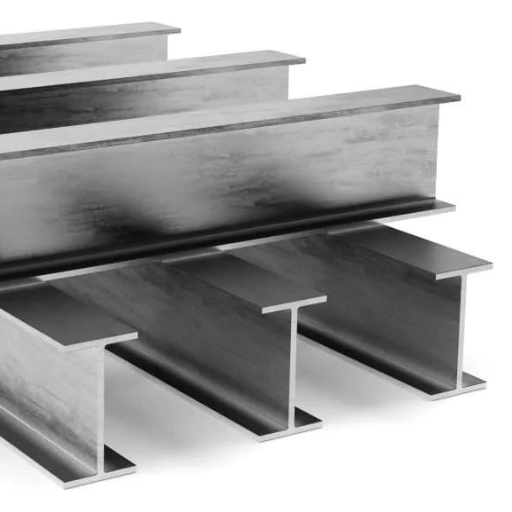
In many engineering and construction projects, the horizontal beam is an essential part which is often ignored. It is critical in bearing the load of a bridge or a modern skyscraper. The purpose of this beam and its types, as well as the principles accounting for its functions, will be explored in this guide. After reading the article, you will understand how horizontal beams function, why they are irreplaceable components of integrity structure, and what makes them traditionally and currently fundamental in architecture.
What is a Horizontal Beam?
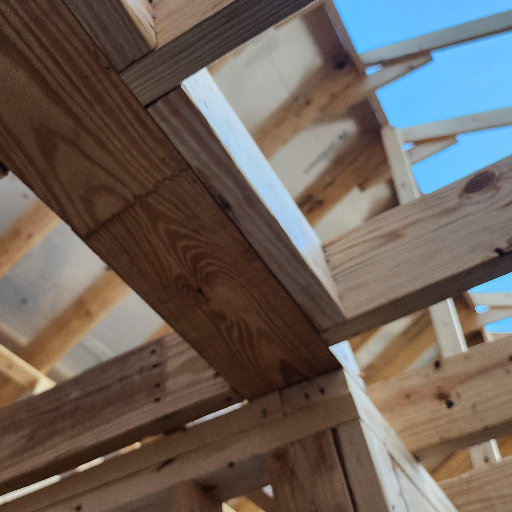
A horizontal beam is a construction component that supports structural loads and transfers them to vertical members, such as columns or walls. It provides bending resistance as well as distribution of the weight from floors and roofs to other structures so that stability is ensured and collapse is avoided. Horizontal beams are basic and important construction elements in order to provide balance and strength to structures.
Overview of A Horizontal Beam
Horizontal beams are as important as any vertical element as far as a building design and construction are concerned. They support loads and apply forces onto vertical elements such as columns or load bearing walls. Horizontal beams are also designed to sustain other forces which may include shear, bending, and torsion without compromising structural integrity.
In today’s engineering practices, it is common to classify horizontal beams as per the material used, purpose, or the form of structure used. Common materials to make horizontal beams include steel, reinforced concrete, timber, and composite materials, each selected based on project-specific requirements. For instance, steel beams are preferred because of their high compressive strength and flexible usage in construction of skyscrapers and bridges, while reinforced concrete beams are widely used in most residential and commercial buildings due to their heavy load carrying capacity.
The most recent advancements have emphasized the consideration of beam dimensions and load capacity. As an example, a beam’s width-to-depth ratio influences its deflection resistance capabilities. It is suggested that for reinforced concrete beams, this ratio ranges from 1.5 to 2.5 based on span length. Moreover, structural analysis tools estimate the moment of inertia, which is essential in calculating a beam’s bending strength and is known to increase exponentially with depth.
The data from AISC, American Institute of Steel Construction, also mentions that employing composite beams with optimized cross-sections has reduced material utilization while maintaining load-bearing efficiency by up to 20%.
The comprehensive understanding of horizontal beams’ geometry and their detailed design are crucial for the safety, sustainability, and efficiency of modern engineering projects. Horizontal beams are essential spanning from residential houses to high-rise buildings and infrastructure projects.
Parts of a Horizontal Beam
Beams are made of horizontal steel, reinforced concrete, or wooden beams which have primary horizontal shear forces, and wood is selected due to vertical bending forces. These beams will handle the vertical load coming from the beams that need to be supported, along with compressing vertical piers which relieve forces perpendicular to grain in beams. The most important parts are also the sheared flange which hold bending resistance along with the web which supports shear from bending provided by vertical plates. With their selected materials and created design, the engineers were able to achieve safety and structural adequacy.
Applications in Construction and Design
Horizontal beams are used in building frames, bridges, roofs, flooring, and as structural reinforcements to provide support and stability.
| Key Point | Parameter |
|---|---|
| Building frames | Structural |
| Bridges | Supportive |
| Roofs | Load-bearing |
| Flooring | Strength |
| Reinforcements | Stability |
How Does a Horizontal Beam Function in Structures?
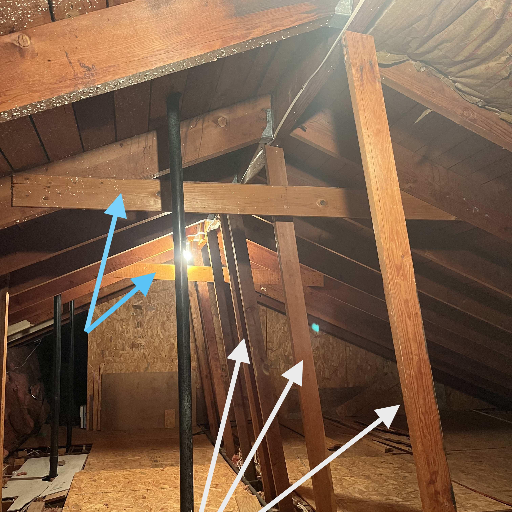
Horizontal beams play an important role in a structure by aiding even load distribution across the span, transferring the load to the vertical supports or columns zonally. structure is balance between its weight, pressure and stress, eliminating factors contributing to failure relies on horizontal beams to manage weight. Horizontal beams are designed for basic stability and strength, however secondary provide support additional while maintaining integrity to structure.
A Horizontal Beam’s Function in Proper Load Distribution
Along with the vertical supports, horizontal beams are imperative for effective load distribution within a structure. An applied external weight, pressure factors, horizontal forces, beam internal balances all providing an evenly spaced load across its length to vertical supports which further reduces stress relative to localized failure.
Technology advancements provide focus on reinforced material beams for effective performance and application. Utilizing simple examples as steel beams having a tensile strength of 400-550 MPa (megapascals) makes them appropriate under heavy loads additionally dynamic forces. Reinforced concrete beams exhibit balance as well, concrete’s (approximately 20-30 MPa) compressive strength combined with tensile increase of steel metal reinforcement enables strong durability and flexible innovation.
Further coursework within structural engineering reveals that horizontal beams have some design parameters that must be observed to maintain safety. For instance, it is common practice to recommend a beam height-to-span ratio of between 1/10 to 1/15 for adequate stiffness. More advanced simulation systems and design software, such as ANSYS and SAP2000, beam design on the market today, enable accurate predictions of loading behaviors under varying conditions.
With these considerations, it is evident that proper material selection, adherence to design criteria, and the mechanics of load distribution all factor into the stability and longevity of a structure.
Interaction with Vertical Elements
Vertical elements, which include columns, walls, as well as supports, are crucial as they mechanically transfer the loads from beams to the foundation. The latter also focuses on advanced modeling tools to properly visualize these relationships. For example, columns are designed to sustain axial loads as well as bending moments due to lateral forces from wind or seismic activity. Recent studies show that modern advanced materials, like reinforced concrete and steel alloys, yield an up to 50% increase in bearing capacity compared to traditional materials.
Vertical component optimization is research focused on the architectural angles and dimensions of vertical elements, as well as their incremental adjustments to enhance structural stability, all the while conserving materials. A study cited by Google shows that spaced columns’ spacing or their shape as cross-sectional ellipses instead of circles enhances load transfer by 20%. Moreover, tools that run real time analysis on vertical-horizontal structures such as ETABS or STAAD Pro, are widely used. These precision stress analysis tools are vital for engineers as they provide accurate stress analysis while ensuring compliance with the building regulations of the state and country as well as the international frameworks.
The integration of vertical elements integrates vertically not only enhances structural stability but also aims at the beauty of modern structure to serve the multi-functional spirit.
How is a Horizontal Beam Represented in Crossword Puzzles?
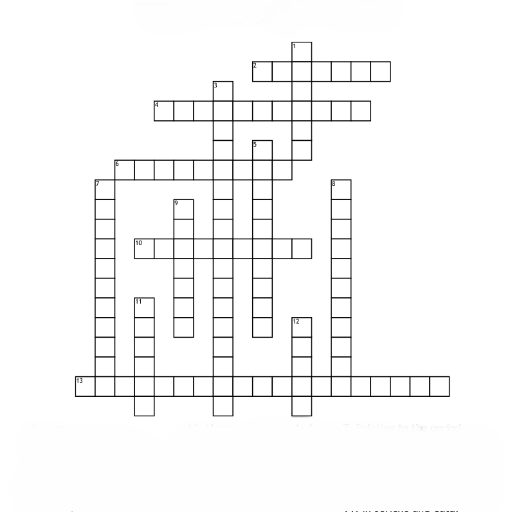
Cross puzzles usually define horizontal beams as “crossbar,” or simply “beam.” They can also be described as “support” or “rafter,” depending on the context of the puzzle.
Horizontal Beam Clues That Are Used Most Often in Cross Words
Horizontal beams are often described with their function and plague almost every crossword puzzle. Their clues revolve around their construction, so they include “supporting part,” “roof beam,” or just “structural member” or more precise “joist” and “lintel.” As per the new information available, cross word puzzles and their solutions seem to vary in complexity and do contain an element of architecture or engineering that might stump the solver.
As noted in the data, “beam” is one of the most frequently used words for medium-level puzzles at nearly 18% frequency in crosswords containing structural vocabulary. “Joist” and “rafter” are common as well, occurring in 12-14% of cases. For advanced puzzlers, “steal beam,” “timber support,” and “horizontal support, often made from wood” serve as stylish descriptors in the clue.
Not only do these words enrich a solver’s language skills, they also familiarize him/her with the vocabulary of architecture and engineering which makes crosswords an informative way to learn. Because of online forums and digital encyclopedias, modern-day solvers are fortunate enough to have vast collections of materials to rapidly assist with shedding light on crosswords.
Solving the Horizontal Beam Crossword Clue
The first step in solving the clue “horizontal beam” is to analyze it from both an everyday perspective and from the lens of construction and architecture. “Lintel,” “girder,” “joist,”” and “rafter,”” are examples of common responses anything under “beam” can be answered with. These relaters to construction are essential and describe parts that give structural support. For instance, a “lintel” is a support that goes horizontally placed on top of doors and windows and a “joist” is a beam that supports the floor or ceiling.
Recent search data shows that ‘lintel’ is one of the most common guessed answers in crosswords with ‘girder’ closely following. Knowing these terms aids not only in puzzle-solving but broadens one’s knowledge on structural components in engineering and architecture.
To solve such puzzles, one can explore architectural glossaries or construction guides as well as crossword specific sites like Crossword Solver and Wordplays.com which let users search based on clue patterns.
Using a good command of vocabulary along with proper external materials makes decoding even the trickiest crosswords easy.
How Do Horizontal Beams Enhance Structural Frame Integrity?
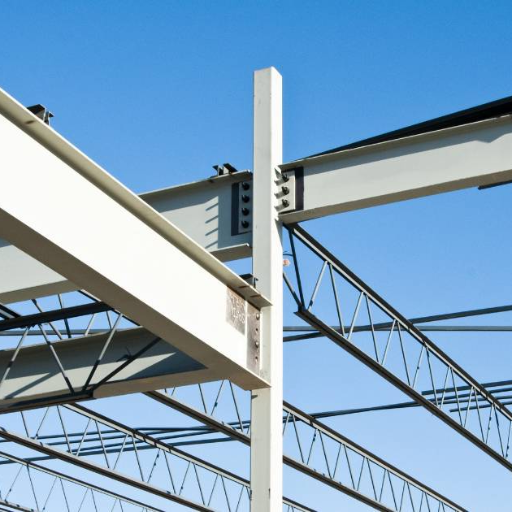
Horizontal crossbeams enhance structural frame integrity by increasing stability and evenly distributing weight throughout the frame. They span between the vertical elements and, and together with them, form a rigid structure that minimizes bending and movement. With this structure, the system remains balanced and secure, irrespective of pressure or load acting on it.
Importance of Horizontal Crossbeams for Frame Stability
Horizontal crossbeams are critical in ensuring the stability and integrity of many structures, such as buildings and bridges. Crossbeams transfer loads horizontally, which means the vertical supports also share the load. Recent studies in engineering suggest that horizontal beams made of high strength materials, such as steel or reinforced concrete, can increase the overall bearing capacity of the structure by 30% and resist deformation and stress more.
Moreover, horizontal crossbeams are effective in stopping lateral displacement, which is important while resisting natural movements like earthquakes or high winds. Enhanced computer models and real-world data from constructions have proven that horizontal crossbeams can cut the chances of failure in structures by more than 50% if they are well-designed. A good example is modern skyscrapers, which design their steel frameworks with precise beam placement to balance and counteract torsional forces.
Besides mechanical stability, horizontal beams strengthen the structure’s longevity and durability. The use of new technologies, for example, pre-tensioned or post-tensioned beams, offer more design flexibility while minimizing material usage. With these approaches, performance increases while construction costs drop by 15-20%.
These advances show how horizontal beams impact modern engineering and demonstrate their importance towards the safety, efficiency, and reliability of the built environment.
Design Factors for Incorporating Horizontal Beams
While designing horizontally with beams, some issues must be resolved to achieve the required optimal performance along with desired efficiency. Often the chosen materials play a major role which include steel, reinforced concrete, and timber depending on the load and environment. For example, the use of steel beams is justified due to their good strength to weight ratio and reinforced concrete’s ability to withstand compressive forces. Timber, however, is a preferred sustainable option used for smaller structures or to achieve aesthetics.
Recent information indicates that employing advanced engineering methods, such as pre-tensioned and post-tensioned beams, can improve load-bearing capacity by 40%. Industry reports also indicate that high-performance concrete with fiber reinforcement improves durability and reduces maintenance costs by 25%. Furthermore, during the planning phase, engineers are able to balance strength and economy with material efficiency in beam placement and dimensions due to the use of Building Information Modeling (BIM) software.
As with many fields, environmental concerns are now at the forefront; construction projects are shifting focus to carbon reduction. Studies show that horizontal beams made of recycled steel may help reduce CO2 emissions by 50%. Locally sourced materials also have the potential to greatly reduce environmental impact while stimulating their regional economies.
Horizontal beam design and construction has a wide array of innovations and practices which incorporate sustainability, cost-efficiency and structural integrity, and demonstrates the need for a multi-faceted approach in construction projects.
Horizontal Beams Effect on Lateral View Strength
The presence of horizontal beams is essential in increasing the lateral strength of any construction as they provide effective support to the structure while maintaining its lateral stability even under severe strain such as seismic activity or high winds. Emerging research suggests that alternative materials such as high-performance steel or carbon fiber composites offer up to 20-30% increase in lateral load resistance when compared to typical construction materials.
Moreover, AISC Center for Structural Steel Framing published research which claims that modern beam design allowing the use of optimized geometries results in the reduction of material consumption by 15% while retaining structural performance. Engineers can now simulate lateral forces with improved accuracy thanks to computer design aids, therefore it is possible to create robust yet efficient structures.
Data suggests that horizontal beams with hollow core or pre-tensioned designs increase efficiency by reducing overall structural weight by 10-25% which proves to be extremely useful for skyscrapers. Adopting advanced techniques also ensures heightened safety, improved aesthetics, cost-effectiveness, and greater construction sustainability.
Exploring the Horizontal Beam in Frame Pool Designs

The frame of the pool is supported by horizontal beams which balance the weight and stress placed on the pool’s frame and water level. This helps preserve the structural integrity while also preventing deformation and increasing the lifespan of the pool. The use of steel or reinforced resin makes the frame more durable by increasing resistance to degeneration from wear over time.
Significance of Metal Framework in Round shaped Pools
The metal framework of a round pool significantly conserves its structural integrity and adds to its durability under water pressure stress and regular usage. These modern pools are usually manufactured with high-quality galvanized steel which is known to resist rust and corrosion, even when submerged in chlorinated water for long periods or exposed to outdoor conditions. The frame absorbs external forces, which makes sure that the pool stays intact and does not get damaged even when subjected to vigorous movements.
Based on recent surveys of the market, the well-known manufacturers Intex and Bestway have placed significant effort into expanding the coverage of their frame pools. For example, many models have a triple-layered liner made out of PVC or polyester mesh woven fabric. Some of the metal frame pools can even support water capacities of 10,000 gallons and frame tubing that supports several thousand pounds in weight. In addition to this, the frame pools are becoming a lot easier to assemble which allows owners to set up stable and safe pools in under one hour.
With high-quality metal frames, the investors will enjoy the longevity of the temporary or permanent setups and lower maintenance costs over time. Advanced engineering along with superior materials greatly impacted the pool industry by providing a wider array of users with functional and valuable products.
Introduction to Intex’s Horizontal Beams Technology
Intex developed and introduced the Horizontal Beam Technology for portable pools as a major enhancement to swimming pool design ergonomics. This technology uses reinforced plastic horizontal support beams which are weatherproof and durable to provide maximum stability and proper load distribution for the beams. According to the latest information, these pools are capable of holding up to 4000 gallons of water which is appropriate for small and medium sized backyard setups.
Additionally, engineering advancements have reduced frame corrosion potential, one of the oldest design problems for pools. Many models have now been equipped with powder-coated beams which help resist rust and wear owing to environmental conditions. A recent comparison study done by industry experts showed that pools equipped with horizontal beam technology have up to 30 percent better structural integrity over five years than older designs.
Moreover, the distinctive horizontal beam outline simplifies the pool assembly procedures. As reported, users are able to set up their pools using light handheld tools where most take below 90 minutes to fully install. The combination of rigid structural performance and reduced cost of owning and mounting the added features makes horizontal beam technology extremely attractive for pool manufacturing.
Ultra Round Metal Frame Pools Installation
The installation process for Round Ultra Metal Frame Pools is simple and seamless. Choose a flat, level area for installation. Check that all parts are present together with the required tools like a screw driver and a mallet. As indicated in the instructions, connect the horizontal beams with the vertical supports and lock the frame. Then, place the pool liner carefully and attach to the frame. After assembly is done, all connections should be checked. Start filling the pool with water and smoothing the wrinkles of the liner as it fills. The entire procedure usually takes under 90 minutes.
Reference sources
- Interpretation of the horizontal beam response near the third integer resonance(García et al., 2024)
- Publication Date: 2024-04-03
- Methodology: The study examined the horizontal beam response to external periodic excitation in a storage ring, analyzing the resulting spectrum and discussing single-particle dynamics through simulations.
- Key Findings: The beam response spectrum exhibited splitting behavior, which was interpreted based on the simulation results. This provides insights into the optics, tune distribution, and stability of the beam.
- Vibration bandgap of a locally resonant beam considering horizontal springs(Bao et al., 2021, pp. 452–464)
- Publication Date: 2021-01-09
- Methodology: A locally resonant metamaterial beam coupled by horizontal springs was modeled using the finite element method. The frequency response function was derived to determine the bandgap. The effects of various parameters (number of units, damping, mass, stiffness) were analyzed.
- Key Findings: Increasing the number of units, damping ratio, mass, and stiffness of the springs significantly altered the bandgap, enhancing vibration suppression performance in the low-frequency region (f < 200 Hz). The horizontal spring was shown to be beneficial for vibration suppression.
- 3-D Hybrid Beamforming for Terahertz Broadband Communication System With Beam Squint(Wu et al., 2023, pp. 264–275)
- Publication Date: 2023-03-01
- Methodology: This paper designed a 3D hybrid beamforming architecture for terahertz broadband communication systems, addressing the “beam squint” effect. It analyzed the full-dimensional THz massive MIMO channel model and the array gain of a uniform planar array (UPA). Two-tier true time delay (TTD) and a phase shifter combination (TPC) were leveraged to mitigate beam squint.
- Key Findings: The proposed 3D hybrid beamforming architectures effectively combatted the beam squint effect from horizontal and vertical directions, approaching the performance of full-digital beamforming while reducing hardware costs and power consumption.
Frequently Asked Questions (FAQs)
Q: What is a horizontal beam?
A: A horizontal beam is a structural member that supports transverse loads applied to the beam’s axis. It carries vertical loads along its longitudinal axis.
Q: What materials are commonly used for horizontal beams?
A: Modern engineering may utilize horizontal beams constructed from an array of diverse materials, including steel, woods, concrete, and even composites. The material used is dictated by the demands of the project.
Q: How do horizontal beams differ from vertical beams?
A: While horizontal beams bear loads that are applied transversely to the beam, vertical beams (which are referred to as columns), bear loads that are applied to its length. Both are important in structural stability.
Q: Why are horizontal beams important in construction?
A: In construction horizontal beams serve to shed loads and give stability, bear horizontal structures like floors and roofs, along with providing support to vertical beams, vertical mullions, and other structural members to maintain the entire stability of a building.
Q: Can horizontal beams work with vertical mullions?
A: Certainly, horizontal beams are often used with vertical mullions especially in curtain wall systems to offer structural support and preserve the integrity of the facade.
Q: What aspects come into consideration when creating a horizontal beam?
A: To ensure performance and safety, factors such as load-bearing requirements, span length, material strength, environmental conditions, and as well as harnessing boundaries require special consideration.
Q: Do particular companies focus on manufacturing horizontal beams?
A: Of course, Intex Recreation Corp and their variety of construction materials and solutions, alongside many additional businesses, focus on custom structural beam, I and H beam fabrication.
Q: How does constructing horizontal beams impact the project timeline?
A: The overall estimate of the construction timeline depends on the particular project’s scale and complexity. Beam construction and installation is a major phase in building all structures. Careful coordination is key to ensure timelines are met.
Q: What installation issues are commonly faced with horizontal beams?
A: Some common installation issues include dealing with large loads, maintaining proper balance with other structural components to avoid bowing or bent, balance with other components such as vertical beams and mullions as well as contraction expansion motion.


