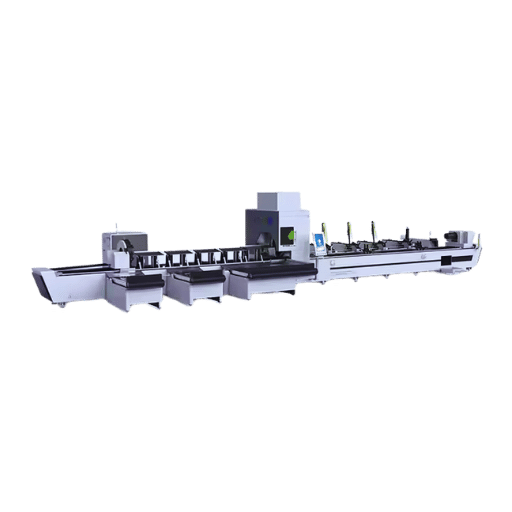
Laser cutting technology has completely changed manufacturing and construction by bringing about magnanimous precision, speed, and efficiency. When it comes to cutting H beams significant part in structural engineering-laser cutting is the superior one, having precision in clean cuts and little waste. This book investigates in detail mastering H-beam laser cutting with the assistance of classes for the machines and techniques for the processes so as to obtain the end product. This in-depth study will provide the seasoned and the new with the skills and know-how needed to brush up on your trade and enhance efficiency for staying ahead in this competitive landscape.
What is H Beam Laser Cutting and How Does it Work?
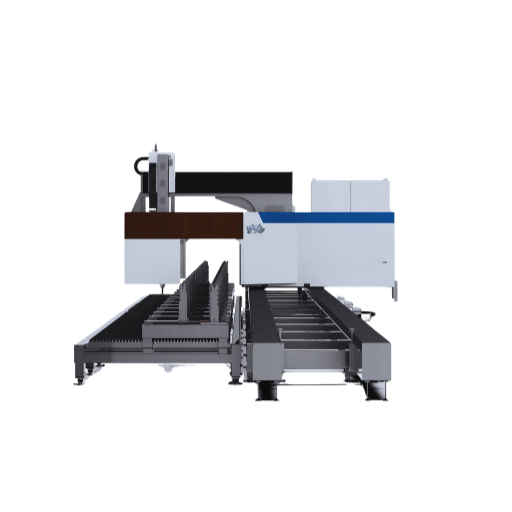
A laser-cutting H beam is a very precise method involving the focusing of laser beams to cut H-shaped steel beams to any desired shape or size. The laser works by emitting an intense beam of light that heats up, melts, or vaporizes the material along the cutting path. This method is fast and clean, with very little deformation, making it the perfect choice for applications that demand precision. Allowing a change in the depth and angle of the cuts according to requirements for structural or industrial applications is achieved by laser parameter adjustment. This method finds wide application in construction, manufacturing, and engineering sectors owing to its precision and speed.
Understanding the Basics of Laser Cutting
Laser cutting is a thermal separation technique using the energy of a concentrated laser beam to shine heat, melt, or even vaporization onto materials for laser-precise cutting in industrial as well as artistic applications.
The Role of H Beam in Structural Projects
H Beams find good use in structural engineering because of their high strength and versatility. Generally, these beams are fabricated with steel. Their “H” shape allows for superior retention of loads as well as bending forces. H Beams find broad application in the construction of bridges, skyscrapers, and large industrial complexes where durability and stability are a focal point. A new trend of searches suggests an increase in interest in sustainability-based construction projects using H Beams, for as the design allows for efficient use of materials, it also suggests a reduction in the generation of waste. Being able to carry both vertical and horizontal loads has made them favorites of architects and engineers aiming to maximize structural integrity while keeping costs low.
How H Beam Laser Cutting Machines Operate
H-Beam laser cutting machines function by focusing a high-power laser beam through a CNC-controlled cutting head to cut, bevel, punch, and mark steel beams with an H profile, the automated features of contour recognition, and edge-finding for an extra layer of efficiency and accuracy.
Why Choose an H Beam Laser Cutting Machine?
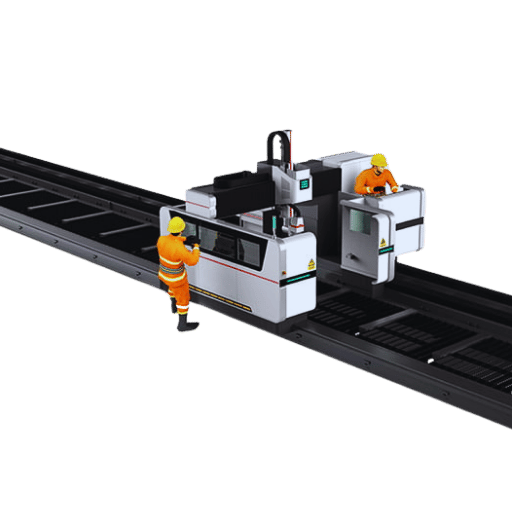
Advantages of Using a Laser Cutting Machine
- Precision and Accuracy: The application of laser cutting machines involves cutting almost every possible geometric shape; hence, there is a need for precision and tolerances to be as minimal as possible. Hence, there is a need for maximum structural integrity and conformance to specifications.
- High-Speed: It is fast and automated, and hence decreases the time for manufacturing processes significantly, with the production of consistent results for each cutting process.
- Material Versatility: Laser cutting is capable of cutting practically any material, including various grades and thicknesses of steel, aluminum, and more.
- Cost-Effectiveness: As laser cutting results in less waste creation and lower production times, a lot of money can be saved compared to the old cutting methods.
- Reduced Thermal Distortion: The narrowly focused heat zone allows minimal warping or distortion, something that is particularly important in thin or delicate materials.
- Automation and Integration: These machines may also be integrated with the latest automation tools, such as CNC controllers or real-time monitoring systems, to automate various manufacturing processes.
- Enhanced Safety Features: Being tightly enclosed with a series of interlocks, the safety features of the laser cutting machines ensure the operator’s safety and security during operation.
- Low Maintenance and Longevity: Modern laser cutting equipment is made to be robust and long-lived and requires minimal upkeep time, thus ensuring minimal downtime and operational costs.
- Eco-Friendly Operation: In contrast to conventional cutting methods, laser cutting causes less waste and particulate emissions, thus promoting a sustainable way of manufacture.
- Customizability: Due to the speed with which the machine settings can be modified for design changes, laser cutting would be used in a dynamic production environment requiring flexibility.
Comparing Laser Cutting Machines with Traditional Methods
Laser cutters are wonders for precision and speed, and also for being general-purpose machines, while traditional methods are simply cheap, preferred for thick materials, and easy to maintain.
|
Parameter |
Laser Cutting |
Traditional |
|---|---|---|
|
Precision |
High |
Moderate |
|
Speed |
Fast |
Slow |
|
Versatility |
High |
Limited |
|
Material Use |
Efficient |
Moderate |
|
Cost |
High upfront |
Low upfront |
|
Maintenance |
Low |
Simple |
|
Thick Cuts |
Limited |
Effective |
|
Automation |
High |
Low |
|
Waste |
Minimal |
More |
|
Setup Time |
Short |
Long |
Key Features to Look for in an H Beam Laser Cutting Machine
- Precision Cutting: Provides accurate, clean cuts to eliminate secondary processing.
- Fast Cutting: Decreases processing times, thereby speeding up production.
- Material Compatibility: Works on several metals and alloys to maximize application.
- Energy Conservation: Employs the latest technology to save on energy consumption without sacrificing output.
- Robust Build Quality: It withstands harsh industrial environments and ensures long-term durability.
- Automated: CNC and other automation features enhance automation and consistency.
- User Interface: Simple control and software ensure easy operation and quick learning.
- Compact Design: Conserves floor space and fits easily into production lines.
- Maintenance: Requires less maintenance, thus less downtime and cost.
- Safety Features: Designed with safety mechanisms that protect operators and meet industry standards.
- Customizable: Modular components or more specialized tools tailored to fact-specific industry needs.
How to Select the Best H Beam Laser Cutting Machine
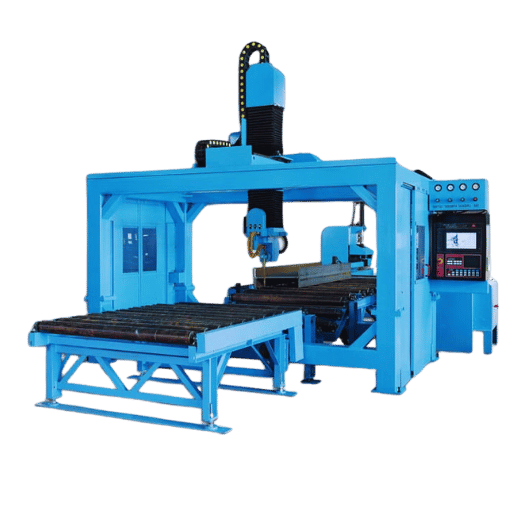
Evaluating Different Suppliers and Manufacturers
Selecting a supplier or manufacturer for an H beam laser cutting machine is of the utmost importance, requiring careful consideration of several criteria to ensure high performance, reliability, and added long-term value. Various factors considered essential by the latest data from Google’s search engine include:
- Reputation and Experience: Understand the company’s presence in the industry. A manufacturer with a great performance history and a good standing in the eyes of its customers is more likely to meet its promise of excellent machines and support services.
- Technological Capabilities: Investigate if the supplier implements cutting-edge technologies in their machines. Applications might include operations that are automated, precise cutting, and the ability to work on a variety of materials.
- Certifications and Standards Compliance: Check if the manufacturer observes international safety and quality standards, such as ISO, to ensure that the equipment complies with regulatory requirements.
- After-Sales Support and Maintenance: From training to troubleshooting and maintenance, all of these support services must be reliable to keep the equipment up in the air. Those who extend such support are the ones you need to go for.
- Cost Vs. Quality: Price does matter, but should not be valued over the machine’s durability and functionality. The cheaper options might compromise on aspects needed or become more costly in the long term due to more frequent maintenance.
- Customization: If machine applications are specialized, it is better to go with manufacturers who can provide customized solutions to meet specific operational requirements.
Consider these with good user feedback and expert suggestions from online sources to help you with your decision in choosing the best supplier for your H-beam laser cutting machine.
Understanding CNC Laser and Automation Features
- Optimal Cutting Precision: CNC laser cutting systems ensure major precision in the cut, maintaining quality each time, regardless of the material, be it metal or composites.
- Automation Systems: Full automation boosts productivity by involving material loading, positioning, and unloading.
- Multi-axis: Higher-order multi-axes can produce cuts on curved or angled surfaces, fit for complicated geometries.
- Adaptive Control Systems: The control system will adaptively adjust the parameters of laser power and cutting speed to optimize performance and output quality.
- Real-time Monitoring: Most integrated sensors, combined with camera systems, oversee the laser-cutting processes for accuracy with minimal errors.
- Material Compatibility: CNC laser machines are meant to work for almost every kind of material, like steel, aluminum, plastic, and glass.
- Programmability: These machines, combined with more capable software, give operators the ability to program in custom designs and optimize cutting paths for maximum efficiency.
- Energy-Efficient: Anwender machines have energy-saving components designed to minimize operational costs and contribute toward sustainability goals.
- Safety Features: The safety features embedded into the system guarantee operator safety, made safer with the enclosed laser zones together with the emergency stop functionalities, and compliance with regulatory standards.
- Scalability: Since they are modular, they scale very well and allow the business to upgrade its configuration with its growing demands.
- User-Friendliness: Easy interfaces ensure ease of use, cutting its learning curve for new operators and boosting productivity.
When a business understands and places importance on these features, it can then select CNC laser cutting systems relevant to its specific operation and production needs.
Factors to Consider: Cutting Head, Power, and Speed
Cutting Head
The cutting head is a very important part of the laser cutting CNC machine since the laser beam is aimed through it onto the material. The type of lens, the design of the nozzle, and the very high precision of focal adjustment are the things to consider. Modern cutting heads may include sensors for real-time monitoring.
Power
Laser power determines the machine’s capability to penetrate materials of various thicknesses and densities into different surfaces. Generally, systems of more significant wattages will be more suitable for cutting thick materials or for faster processing times. Besides that, higher power will reduce the accuracy and increase energy consumption; hence, power should be balanced with application requirements.
Speed
Cutting speed affects production and the quality of the product. Speed has to be optimized respectively to the material used, the thickness of the product, and the required precision. Too high a speed will produce imperfection, and too slow a process can affect production efficiency. Many modern systems will have such a variable speed setting to suit production requirements.
Applications of H Beam Laser Cutting in Industries
Utilization in Shipbuilding and Structural Steel Projects
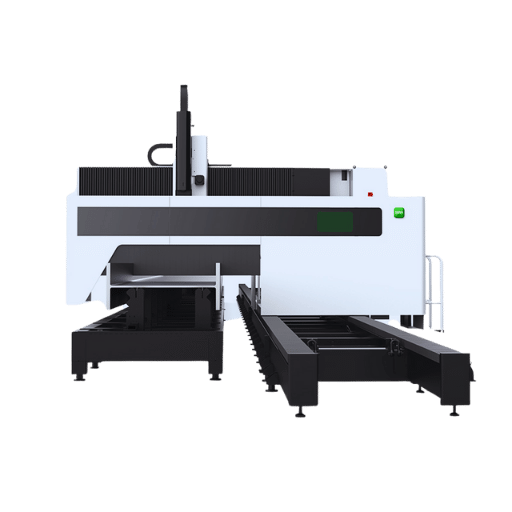
The beam H laser-cutting process is mainly important in shipbuilding and structural steel projects for reasons of precision, speed, and versatility. This process makes sure that a large steel component is cut away from a particular pattern, which is important for structural integrity and material wastage. Recent industry statistics have revealed that in the last decade, demand for laser-cut high-precision steel in shipbuilding has risen by over 15%, largely driven by the technological improvements in laser cutting that brought down the time and production costs. Structural steel projects further gain from the smooth fabrication of beams and joints, ensuring they bear more loads and stand better in construction. Incorporating H-beam laser cutting thus enables industries to meet the ever-growing demand of large infrastructure development while strictly adhering to safety and quality norms.
Innovations in 3D Laser Cutting and Steel Beam Cutting
In 3-D laser cutting, steel beams can be precisely treated and passed through cutting, essentially increasing the cut quality and limiting material wastage. 3-D laser cutting, enabling the most detailed and accurate of cuts, requires the least secondary processing and helps streamline manufacturing activities. More so, the technology supports intricate and custom designs, perfect for large-scale construction and specialized industrial site projects. Improvements in automation and software integration also build consistency levels toward producing goods of consistent quality while sustaining cost efficiency. These advances continue to raise the plot anew in steel fabrication.
The Future of Fiber Laser Cutting Machines in Automation
The future of fiber laser cutting machines in automation is marked by advancements in AI-driven optimization, increased integration with smart manufacturing systems, enhanced energy efficiency, and the ability to handle diverse materials with precision, making them pivotal for sustainable and efficient industrial applications.
Troubleshooting Common Issues with H Beam Laser Cutting Machines
Addressing Cutting Process and Weld Quality Concerns
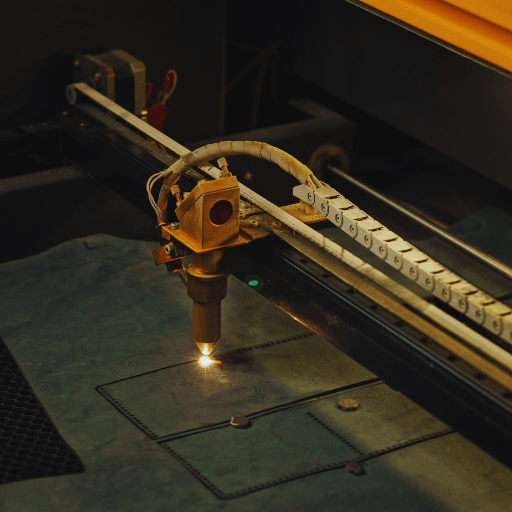
Laser cutting of fine H beams demands that the laser focus be optimally accurate. Inaccuracy in focus results in poor cutting or uneven cuts, and imprecise cutting. The lens should be inspected frequently for contamination, with appropriate cleaning measures undertaken to maintain peak performance.
When the weld quality is impaired, ensure that the laser power, speed, and assist gas pressure settings are correctly matched to the material being processed. Improper settings result in poor or inconsistent welds. Additionally, mechanical components such as the nozzle require periodic inspection for wear or damage that could adversely affect weld quality.
If these procedures are followed and system maintenance checks are conducted regularly, common problems are alleviated, and cutting and welding results are improved.
Maintenance and Care of Your Laser Cutting Machine
It is key for me that the laser cutting machine is kept clean and maintained. I follow a routine maintenance schedule, cleaning the lens, mirrors, and other optics that tend to accumulate residues hindering performance. The cooling system of the machine is also checked to ensure proper flow of air, and the laser tube and so forth are also checked as per specification. I have also kept mechanical parts lubricated as recommended and the workspace free from dust and other particles to reduce downtime and retain cutting accuracy.
Enhancing Efficiency with Proper Cutting System Setup
To achieve optimal cutting, the system must always be perfectly aligned and calibrated, followed by a regular maintenance schedule. First, give due attention to leveling the cutting bed and keeping it straight, because the bed can cause warping of material and uneven cuts. Next, a focus gauge is handy in checking whether the laser’s focal point has been set properly, considering the material thickness; i.e., proper setting is crucial to consistent results. The right choices of cutting parameters, such as speed, power, and frequency, are also essential to guaranteeing clean edges and reducing material wastage. Google’s latest information also points to the importance of software integration in the modern cutting systems, wherein an automated algorithm for nesting or AI optimization can greatly lessen material wastage as well as operational time taken. Therefore, with proper calibration systems and computer tools, the manufacturers can intensify productivity, maintain high-end accuracy, and save on resources.
Frequently Asked Questions (FAQs)
Q: What is an H-beam laser cutting machine?
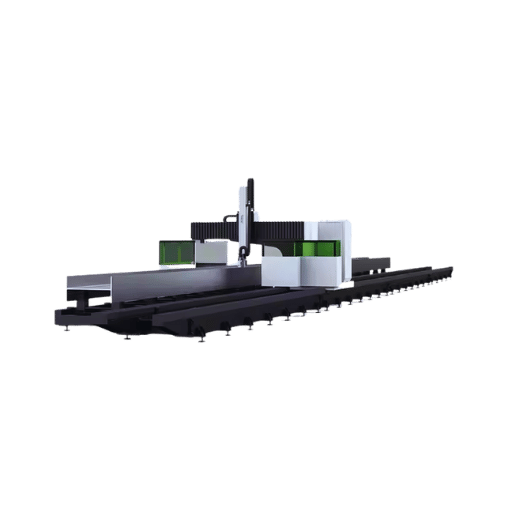
A: An H-beam laser cutting machine is a highly specialized industrial laser cutting machine used for precision cutting of H-beams and other profiles of structural steels using laser technologies with a very high degree of accuracy and cutting quality.
Q: How is laser tube cutting different from a traditional method?
A: Laser tube cutting is more precise and faster in completing the operations. It also provides an unbecoming surface quality compared to other similar methods like plasma cutting or mechanical sawing. This method is perfect for steel structures that possess complex shapes and intricate designs.
Q: What are the advantages of using a laser cutter for steel structures?
A: A laser cutter for steel structures offers many advantages, like greater accuracy of cutting and less wastage of material. It provides a lesser surface treatment after cutting and is quicker in cutting complicated geometrical shapes.
Q: Can a laser tube cutting machine do bevel cutting?
A: Yes, a laser tube cutting machine will have bevel cutting edges and join them at angles required in applications such as welding or the making of steel structures.
Q: What materials can be cut by an H-beam laser cutting machine?
A: An H-beam laser cutting machine may cut various materials, including H-beams, section steel, channel steel, and numerous other steel profiles that will enable it to be used in different industrial applications.
Q: How does laser welding complement laser cutting in industrial applications?
A: Laser welding complements laser cutting in that it provides precise and strong joints, assuring the structural integrity of steel beams and other components cut by laser technology, thereby streamlining the manufacturing process.
Q: What are the considerations for choosing a laser cutting machine manufacturer?
A: The factors to consider when choosing a laser cutting machine manufacturer include cutting quality of the machine, reliability, after-sales service and support, customization options, and the reputation of the manufacturer in the industry. Also, consider their understanding and specialty in laser cutting technology.
Q: How does cutting accuracy fit into laser tube cutting?
A: Cutting accuracy in laser tube cutting wins over final elements that need to be finished as per the exact specifications that, being included, will eliminate any additional finishing work and will bring value to assembly to ensure structural integrity.
Q: How does the loading and unloading work in laser cutting machines?
A: Loading and unloading are processes in laser cutting machines wherein fully automated systems are responsible for taking care of the material before and after being cut. These systems ensure efficiency and reduce manual intervention, therefore reducing the potential for damage to the materials.
Q: What advantages does a steel laser cutting machine have over plasma cutting?
A: Steel laser cutting machine enjoys a plethora of advantages over plasma cutting. Such advantages include: laser cutting is much more precise as far as engraving is concerned; laser cutting will usually cause very little discoloration of edges; laser cutting also causes a virtually absent heat-affected zone; and it can cut a wider variety of materials and thicknesses with a leakage or distortion.
Reference Sources
1. Fiber Laser Cutting on Steel Plates from Twin Spot Beam Side in the Scanning Direction
- Authors: Y. Okamoto et al.
- Publication date: October 18, 2023
- Journal: Journal of Laser Applications
Key findings:
- The study focused on analyzing the variation of laser beam intensities with a view to reducing dross height in fiber laser cutting of a 3.2 mm thick steel plate.
- By splitting a single Gaussian beam using a special axicon lens, twin-spot beams were created for use by setting them in the scanning direction during the cutting experiment.
- Variation was given to the power ratio between the two beams in an attempt to discuss the intensity balance needed for effective dross reduction.
- The results showed that with a power ratio at 8:2 in favor of the rear beam, the dross height was further reduced to 18 μm, which is less than that obtained with a single Gaussian beam.
- The study established that adjusting the power ratio could effectively control the shape of the cutting front and the uniformity of the absorbed power in the thickness direction(Okamoto et al., 2023).
2. This work is about adjusting the geometries of the cutting front and the kerf by beam shaping so that the laser cutting speed can be maximized.
- Authors: Lind et al.
- Date: March 13, 2023
- Publication: The International Journal of Advanced Manufacturing Technology
Summary Key Findings:
- The laser beam’s shape influences the cutting front and kerf geometry, which in turn affect local absorptivity and cutting speed.
- With online high-speed X-ray diagnostics, the study observed how the cutting front and kerf geometry appeared during the fusion cutting of 10-mm-thick stainless steel samples.
- It came out that a greater or elongated longitudinal cross-section of the beam results in enhanced absorptivity, whereas a reduced transverse width restricts kerf width.
- The results very well agree with a geometric model that describes absorptivity and kerf area and hence enables one to estimate reliably maximum cutting speed from beam shape, laser power, and sheet thickness(Lind et al., 2023, pp. 1527–1538).
3 Fiber laser cutting of steel materials with twin spot beams- twin spot setting in the kerf-width direction
- Authors: Kota Morimoto et al.
- Released: November 1, 2022
- Published in the Journal of Laser Applications
Key Findings:
- In this study, the effect of temperature distribution on cutting characteristics was studied, and the possibility that laser beam intensity distribution could improve cutting quality was studied.
- A fiber laser beam was split into two beams by a roof axicon lens, and the cutting characteristics were examined using the twin-spot Gaussian beam setting in the kerf direction.
- Experiments have shown that in the twin-spot process, the dross height could be reduced to less than 18 μm, which is lower than the dross height under the single Gaussian beam process. (Morimoto et al., 2022)
4. Online media development to support laser cutter prototyping tools – DSpace by MIT.
5. Study and experimental comparison of laser cutting of 1.2 mm thick austenitic stainless-steel sheets by CW ND: YAG laser – SOAR by Wichita State University.