
The hydraulic rotator is a novel part of industrial equipment that increases its functionality, accuracy, and efficiency in various applications. In the forestry and construction industries, as well as in material handling, managing heavy machinery has never been easier. With hydraulic rotators, seamless 360-degree rotation can be enabled for various operations,which is unparalleled regarding control and strength. This article aims to reveal hydraulic rotators’ core advantages and mechanisms and why they are crucial in modern industrial workflows. We will look at different types of industrial applications hydraulic rotators can be applied to, their effect on optimizing performance, reducing downtime, and how these tools help industries operate more effectively. Join us as we reveal essential information about hydraulic rotators and how they are changing the world of equipment innovation.
What is a Hydraulic Rotator and How Does it Work?
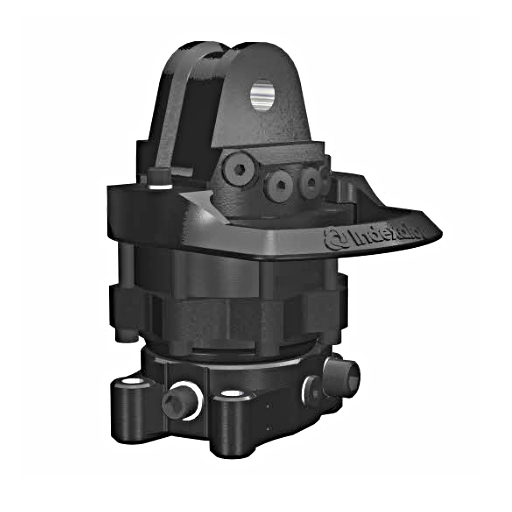
Hydraulic Rotators are small but powerful devices that allow rotational movement in different industries. It enables smooth and effective movement by employing hydraulic pressure to rotate components or loads. They are mainly used with claws or grapples, which require precise movement and control. These attachments use pumps with hydraulic fluid, enabling the mechanism to achieve smooth and continuous motion up to 360 degrees or limited turning per the specifications of the rotator. With a strong build and effective performance, these rotators are essential for construction, waste management, forestry, and many other industries.
What are the main components of a hydraulic rotator?
A hydraulic rotator consists of four main components: a hydraulic joint, body, rotor, and fluid system.
| Component | Description |
|---|---|
|
Rotor |
Converts hydraulic to mechanical energy. |
|
Body |
Encases and supports internal parts. |
|
Fluid System |
Manages hydraulic oil flow. |
|
Hydraulic Joint |
Allows oil passage while rotating. |
How does the hydraulic motor facilitate rotation?
A hydraulic motor turns hydraulic energy into mechanical energy, which facilitates rotation. A pressurized hydraulic fluid, usually from a pump, powers the motor and forces its internal parts, like the gears or pistons, to move. Torque and rotational motion are produced and supplied to the load or device connected to the motor. Nowadays, hydraulic motors are built for precision and efficiency. They employ modern sealing technologies and fluid dynamics control to reduce energy loss and increase performance. Pulse-free and dependable performance is warranted under high loads and harsh industrial environments.
What types of applications benefit from hydraulic rotation?
The flexibility and precision movement of hydraulic rotation systems with heavy loads make them popular across many industries. Here are five applications that are particularly aided by the use of hydraulic rotation:
- Construction Machines
Hydraulic rotation seamlessly executes the rotational movements of machines like excavators, cranes, and loaders. These systems allow for accurate form and powerful action during lifting, loading, digging, and even loading intricate materials.
- Material Handling Equipment
Forklifts and conveyor systems depend upon a robotic arm known as a hydraulic motor. The motor ensures control while also allowing for smooth handling of goods, thereby improving efficiency at warehouses, shipping ports, and factories.
- Agricultural Machines
Harvesters and seed drills are examples of agricultural machines that rely upon hydraulic rotation. Together with sprayers, these devices allow them to cut, spread, and distribute agricultural products reliably and precisely.
- Offshore Equipment
Hydraulic rotation is used in marine manufacturing for cranes, winches, and even anchor handling systems. Withstanding harsh conditions, the systems provide durability, reliable performance, and superb systematic control.
- Industrial Automation Systems
Hydraulic rotation is extensively used in assembly tasks, material pressing, machine tool operations, robotic systems, and even at many automated and manufacturing production facilities. Given the high need for precision and efficiency in industrial systems, these systems endure.
How to Choose the Right Hydraulic Rotator for Your Equipment?
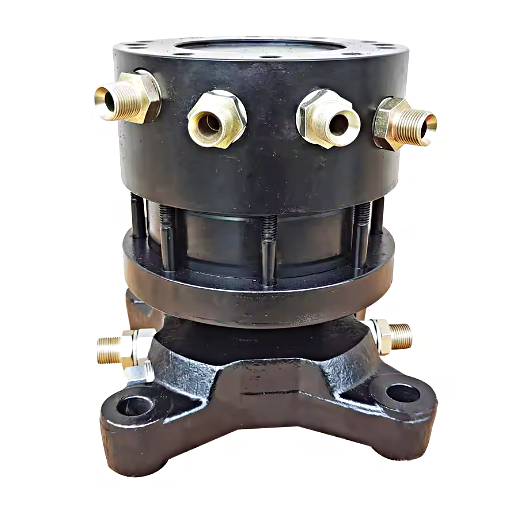
- Load Capacity
Ensure the rotator is designed to work with the maximum weight and strain your equipment will exert. Overloading will harm performance or cause equipment failure.
- Compatibility
Ensure the rotator aligns with your equipment’s hydraulic flow rate, pressure, mounting dimensions, and other specifications.
- Rotation Angle
Evaluate whether your task demands the full 360° rotation of the device or only a limited range of angular movement.
- Durability
Due to the extreme conditions they endure in construction and offshore applications, selecting rotators made from loose materials is important.
- Application-Specific Features
Some tasks may require increased precision or integrated braking systems. Identifying these needs will make the selection easier.
- Manufacturer Support
Purchase from renowned manufacturers that provide technical support, warranties, and replacement parts because their products are more reliable.
These considerations will help ensure your hydraulic rotator is suited to your equipment and application.
What factors should be considered when selecting a grapple rotator?
To guarantee maximal productivity and durability from a grapple rotator, the following factors must be taken into account before making a selection:
- Load Capacity
Ensure the grapple rotator you select can manage the heaviest load your application will require. The chosen model must support their appropriate load rating to avoid straining the apparatus. Constant overloading can lead to rapid depreciation or malfunctions.
- Material and Durability
Seek out rotators crafted from superior materials such as hardened steel. Tougher materials and designs stand up to strenuous working environments. These components reduce maintenance needs and protect against damage.
- Hydraulic Compatibility
Always check if the grapple rotator works seamlessly with the apparatus’s hydraulic system. Confirm that the pressure and flow rate requirements are well aligned. Mismatched specifications can damage the system and cause unnecessary downtime.
- Lift Rotation Angles
Define the application requirement for rotation while selecting the grapple rotators. Determine if continuous lift rotation is needed or if limited rotation could also fit the project.
- Installation and Maintenance
Selecting models that are far easier to service guarantees better lugging and ideal mounting. Simple maintenance guarantees minimal value loss from machine downtime.
- Operational Considerations
When selecting a rotator, mild corrosive materials designed to withstand further exposure to extreme levels of moisture, temperature, and harsh substances are ideal. These models provide reliable operation under vastly varying conditions.
Considering these points will help you choose a grapple rotator that increases productivity, guarantees safety, and meets the requirements of your apparatus and operational objectives.
How do load and torque impact the choice of a rotator?
When choosing a rotator, load and torque are some of the factors that require full attention since they affect the equipment’s effectiveness and operational life. Additionally, the load limit of a rotator is defined by the maximum weight of the materials that need to be handled. If the rotator is overloaded, it can lead to extreme wear on parts, mechanical breakdowns, or hazards during operations. For instance, based on industry benchmarks, forestry sector heavy-duty rotators are often required to have a load range from 3 tons to above 10 tons, depending on the working conditions and the equipment’s surroundings.
High torque is advantageous for a rotator as it measures the capacity of heavy objects to be rotated smoothly and effortlessly. Furthermore, high torque is required for applications that involve the manipulation of materials in construction or waste management. With regards to this, the torque ratings are usually given by the manufacturers, and the recommended rotator torque rating should be adequate to ensure that it will withstand the necessary circumferential pressures without performance loss.
Rotary tools having a maximum torque of approximately 4,000 Nm are suitable for medium-duty applications, as outlined in more advanced technical manuals. Moreover, industrial-grade models offer up to 7,000 Nm or more. Emerging technologies, like hydraulic systems with adjustable torque settings, enable performance optimized for various workloads, improving operational flexibility.
““
Optimally setting the load and torque parameters to the application requires matching the unit’s specifications for maximum safety, minimum downtime, and maximized equipment lifespan. Best results, as always, require aligning with the manufacturer’s technical data sheets, adhering to recommended parameters to achieve desired performance.
What is the importance of the mount design in hydraulic systems?
The effectiveness and safety of a hydraulic system are linked to the mount design. Systemically designed mounts minimize component wear by aligning parts and reducing mechanical stress and vibration. For example, alignment between shafts and bearings is paramount, as mounting misalignment swiftly escalates into costly maintenance through accelerated component failure.
Specific hydraulic systems function with exceedingly high pressure, some surpassing 4000 PSI (pounds per square inch). Dynamic loads must and can only be synthetically restrained at these levels using robust/solid mounts. This is the case for foot and flange mounts, which are integral to fastening hydraulic motors and pumps while simultaneously upholding operational efficiency.
Rigorous benchmarks like ISO 3019-1 document materials for mount vibration that guarantee precision and control inter-component discrepancies. These equilibrium conditions limit oscillation sustenance to over 30%, which prolongs the life of the hydraulic equipment by 15-20%. Meeting these standards outside the bounds of manufacturer recommendations guarantees results.
In the end, the mount is not simply a supporting structure. It also serves the vital purpose of allowing the hydraulic system to run efficiently, safely, and effectively while keeping in mind minimum downtimes.
What are the Applications of Hydraulic Rotators in Material Handling?

The precision provided by hydraulic rotators makes them vital in material handling processes. Their applications span from manipulating logs to the advanced handling of scrap materials. Compared to other industries where control is not as much of an issue, scrap metals have a loose or irregular structure that greatly benefits from maneuverability.
Reflecting on their implementation in construction, precast concrete pipes or even beams increase the complexity of the load for operation. Relying on versatile equipment like hydraulic rotators can greatly increase productivity in all industries that require the movement of heavy or simply difficult-to-lift loads.
Working with hydraulic rotators reduces the risk of damage to equipment or materials while ensuring the safe handling of materials.
How are harvester rotators used in agricultural settings?
Harvester rotators are essential in agricultural machinery due to the efficiency needed when handling crops and other materials. These devices are integrated into harvesters to improve the mechanized cutting, lifting, and depositing of crops into containers. For forestry-related agriculture, these devices help smooth the harvester head rotation so the operators can change angles easily and efficiently work on slopes or tight turns. Precise control also reduces the wear on machinery, which, together with rotators, enables quick collection of timber, sugarcane, and other agricultural products. Their flexibility aids the modern and technological solutions-based advanced farming methods.
What role do crane rotators play in construction?
With the advent of modern construction, the manipulation of heavy items has become more efficient due to rotators. Crane rotators make it possible to accurately and efficiently smooth steel beams, concrete slabs, and other components of buildings while facilitating their smooth rotation. Even in confined and challenging work areas, they can rotate conveniently. With the aid of rotators, pandems can achieve precision because the possibilities of human error have been eliminated. This, in turn, makes it easier to accelerate project timelines. The more complex the maneuver, the more composition aids the crane rotator requires. Additionally, complex digital controls improve accuracy dramatically, making rotators a key necessity for large-scale construction projects where high standards of precision and reliability must be met.
How can a rotator improve efficiency in industrial operations?
Enabling the automation of maneuvering activities such as positioning, dumping, or assembling rotators increases efficiency and productivity, reduces worker strain, and increases worker safety.
| Benefit | Description |
|---|---|
|
Productivity |
Speeds up operations and reduces downtime. |
|
Safety |
Minimizes manual handling and injury risks. |
|
Ergonomics |
Reduces worker strain and fatigue. |
|
Precision |
Ensures accurate positioning and handling. |
|
Versatility |
Adapts to various industrial applications. |
What Maintenance Practices Ensure Long Service Life for Hydraulic Rotators?

Taking good care of hydraulic rotators enhances their performance, efficiency, and service life. Here are a few things you can do:
- Routine Cleaning: Dirt accumulation affects optimal rotator operation, so it is essential to keep the rotator free from debris and clean external parts that are used frequently.
- Equipment Lubrication: Failure to reduce the rotator rub-friction between moving parts can lead to significant wear and tear, thus making regular lubrication and reducing dirt accumulation vital.
- Examination for Damage and Wear: Constantly fixing leaks, cracks, and other wear signs should be a major part of your routine to keep your rotator in shape and avoid complications.
- Check the hydraulic hoses, fittings, and seals: all of them need to be bound appropriately together to eliminate chances of leakage and wear, making replacing old connections essential.
- Manufacturer Specification Compliance: Amending and preparing maintenance schedules using the user’s manual is a great way to ensure alignment and follow the outlined steps.
Fulfilling these basic but important tasks provides a way to reduce rotator downtime while increasing the device’s service life.
How can signs of wear in hydraulic systems be identified?
Recognizing the occurrence of wear in hydraulic systems is crucial to mitigating possible failures and costly downtimes. Below are some of the most prominent signs to be on the lookout for:
- Unusual Noises: Pay attention to any grinding, knocking, or whining sounds in the hydraulic system, as they could signify trapped air or issues in the pumps.
- Decreased Performance: If a hydraulic system’s response is sluggish, with limp power and low action, then a reduction in system components, depletion of fluids, or contamination of oil is likely.
- Visible Leaks: Check for fluid drips and stains on the hoses and fittings, which indicate worn seals and damaged fittings.
- Overheating: Too much heat could result from too much work done on the hydraulic system’s components, with little lubrication or fluid movement that needs unblocked access.
- Variability of Pressure:** Use pressure gauges to measure any traces of lack of balance or fluctuations of pressure in the system. These can indicate pump inefficiencies, meaning some parts are damaged or internally worn out.
By ensuring regular checkups and maintenance and acting on these indicators, the efficacy and lifespan of the hydraulic systems can be improved.
What maintenance tips can help achieve smooth operation?
Regular Fluid Checks: Check that the hydraulic fluid level and quality is optimal. The fluid should be clean and fall within the set parameters. Low or dirty fluid can lead to inefficient system performance and internal damage.
Maintaining Clean Filters: Follow the recommended steps to replace or clean the filters. Filter maintenance is crucial, as dirty filters may enable contaminants to enter the system, resulting in clogged components and lower efficiency.
Inspect Hoses and Seals: Periodically check for cracks, leaks, or other damage to the hoses and seals. Fluid loss due to damaged hoses or seals reduces system pressure and affects the entire operation.
Monitor Operating Temperature: Ensure the equipment is not working under recommended temperatures, which may lead to overheating, fluid degradation, and component wear.
Lubricating Moving Parts: Ensure that the lubricants used are compatible with the system and that the application is done according to the manufacturer’s specifications. The proper amount of lubrication on rotating parts aids in decreasing friction, which leads to loss of heat and wear.
Reference Sources
- “Investigation of dynamic processes in the hydraulic system of clamping the staffs of the segment unwinder of the unit of aggregation of rolls pipe welding machine 20-114”: This paper analyzes the dynamic processes in a hydraulic clamping system of a pipe welding machine. The methodology involves creating a dynamic model using a finite-difference method and solving it using Simulink MATLAB. Key findings highlight dynamic loads at the end of the working and reverse strokes, recommending an optimized operating time for the control valve to reduce these loads. (Mazur & Shcherbinin, 2022)
- “The study of dynamic processes in the hydraulic system of the roll clamp of a two-cone unwinder rolls pipe-welding unit 159-529”: This paper also focuses on dynamic loads in a hydraulic roll clamping system of a pipe welding unit. Similar to the previous paper, it uses a mathematical model (system of partial differential equations) to analyze the system’s behavior and proposes an optimized valve operating procedure to reduce dynamic loads. (Mazur et al., 2020, pp. 25–44)
- “Optimized High Energy Vibration Environmental for Four-way Joint Lock Nut of Hydraulic Pipeline in Aircraft Energy Storage Systems”: This paper investigates the loosening mechanism of a lock nut in a hydraulic pipeline under high-energy vibration. The methodology involves experimental testing using a specialized fixture to reproduce the vibration environment. Key findings reveal the root cause of the loosening and guide safe installation. (Liu et al., 2023, pp. 17–20)
- Top Welding Rotator Manufacturer And Supplier In China
Frequently Asked Questions (FAQs)
Q: What is a hydraulic rotator, and how does it work?
A: A hydraulic rotator is a device that allows machinery to rotate freely 360° continuously. It utilizes hydraulic power to facilitate movement, providing highly efficient power for various applications.
Q: What are the main components of a hydraulic rotator?
A: The main components of a hydraulic rotator include the cylinder, valves, and the radial piston hydraulic motor. These components work together to ensure smooth and continuous operation.
Q: How does the cylinder function in a hydraulic rotator?
A: The cylinder in a hydraulic rotator plays a crucial role by converting hydraulic pressure into mechanical movement, allowing the rotator to maintain a firm grip while rotating.
Q: Can a hydraulic rotator provide 360° continuous rotation?
A: A hydraulic rotator is designed to provide 360° continuous rotation, enabling it to perform complex maneuvers without interruption.
Q: What advantages does a radial piston hydraulic motor offer in rotator design?
A: A radial piston hydraulic motor offers enhanced efficiency and a compact design, which contribute to the hydraulic rotator’s overall performance and ensure it operates smoothly under load.
Q: Are there spare parts available for hydraulic rotator equipment?
A: Yes, spare parts for hydraulic rotator equipment, including cylinders and valves, are readily available, allowing for maintenance and repair as needed.
Q: How does the black bruin hydraulic rotator differentiate itself from others?
A: The black bruin hydraulic rotator is known for its robust construction and reliable performance, ensuring that it can maintain a firm grip while providing 360° continuous rotation in demanding environments.
Q: What maintenance is required for hydraulic rotator equipment?
A: Regular maintenance for hydraulic rotator equipment includes checking hydraulic fluid levels, inspecting the cylinder and valves for wear, and replacing damaged spare parts to ensure optimal performance.
Q: How do I choose the right hydraulic rotator for my needs?
A: To choose the right hydraulic rotator, consider factors such as load capacity, operating pressure, design specifications, and the type of application.


