
Box beams embody the elegance of contemporary infrastructure’s construction components with unparalleled strength and durability. The precision and inefficiency that the industry requires pose a challenge in manufacturing them. The astonishing box beam production lines have catered to such challenges, giving insights into the entire scope of engineering and fabrication of structures. Whether you’re an experienced professional in the industry or simply intrigued by vital structural elements and constructions, this article guide will provide know-how to utilize a world-class box beam production line. This article will dive deep into the architecture and astonishing fabrication systems implemented to construct beams.
What is a Box Beam Production Line?
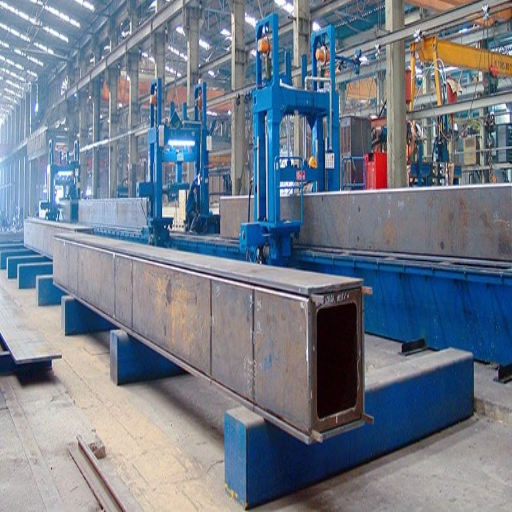
Of the many challenges box beams pose, one versatile system that solves them is the box beam production line. It is tailored purposely to automate cutting, welding, assembling, and finishing box beams, intricately designed structural elements for modern construction. By automating these crucial tasks, the system guarantees repetitive precision and consistency without sacrificing industry speed and efficiency.
With the implementation of advanced technology and automation, a box beam production line reduces the need for labor while ensuring great precision and quality, which is critical in producing reliable and durable structural elements in bulk.
Definition of Box Beam and Its Applications
A box beam is an example of a structural element with a hollow rectangular cross-section. It is made of wood, steel, or aluminum and is built by joining several pieces to make a closed cross-section, which makes it strong and rigid. The design allows box beams to carry massive loads without bending easily, making them useful in construction and engineering projects.
Box beams are used in architecture, bridge construction, automotive, and aerospace engineering. They are crucial in the construction of frames, support structures, and girders due to their lightweight nature and exceptional load-bearing abilities. Furthermore, advanced technologies in production processes enable box beam customization, increasing their adaptability and usefulness in modern construction and design projects.
Components of a Box Beam Production Line
The box beam production line includes an array of specialized parts that aid in automating the custom manufacturing order. Such components are:
- The Preparation System prepares materials by performing CNC cutting on raw steel or aluminum plates to obtain the exact dimensions required.
- The Automatic Welding Station is equipped with robotic welding arms or sub-arc welding machines, which seamlessly join the beams’ components and weld them uniformly.
- The assembly jigs or fixtures help hold the components during assembly. This guarantees proper alignment and accuracy of the box beam’s dimensional structure.
- The Roll forming or Pressing Machines help bend and obtain the required box-like structural profile for the project.
- The Surface Treatment Section applies the last corrosion protection and durability to the beams by sandblasting, grinding, or painting; this also gives them a good aesthetic look.
- The beams in this step undergo Inspection and Quality control by means of sensors, cameras, or simply manual checks, ensuring the high, strict engineering and safety standards needed without having to be dispatched.
Combined with the mentioned advanced components, it suffices for the requirements needed in a box beam. All these will provide automation, precision, high Quality, and Efficiency, which are required for completing diverse industrial tasks.
How Box Beams are Different from H Beams
While H beams are solid, cost-effective, and excel in bending strength, box beams are hollow and offer superior torsional resistance and uniform strength.
|
Parameter |
Box Beams |
H-Beams |
|---|---|---|
|
Shape |
Hollow square |
H-shaped |
|
Strength |
Torsional |
Bending |
|
Weight |
Heavier |
Lighter |
|
Cost |
Higher |
Lower |
|
Fabrication |
Complex |
Simpler |
|
Applications |
Columns |
Beams |
|
Aesthetics |
Sleek |
Functional |
|
Load Type |
Axial/Torsion |
Shear/Bending |
|
Durability |
High |
Moderate |
|
Flexibility |
Low |
High |
How Does a Beam Production Line Operate?
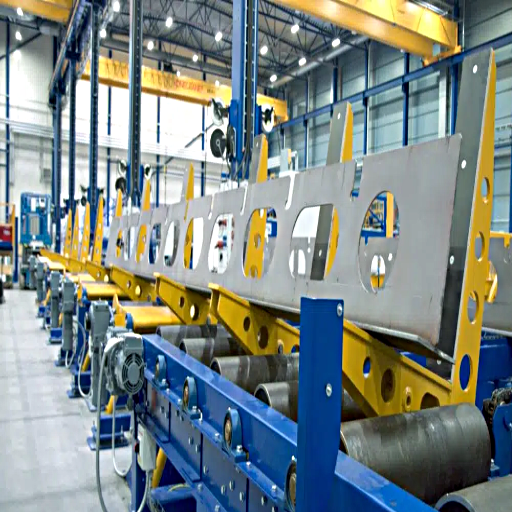
Streamlining the manual labor of sculpting and cutting raw metal to create beams enables the operation of a beam production line. The process usually starts by feeding raw metal into the line. It is then cut or shaped into the desired size and dimensions. Shaped components are further modified into a precise and consistent size with CNC cutting tools and automated welding systems. Afterward, complete beams are assembled and joined with the differently shaped parts that were previously cut. Quality checks are performed at various points to confirm the accuracy and structural integrity of the beams. The final products are painted, coated, or treated to improve their quality and then packed for shipment. This systematic approach reduces waste, which maximizes productivity.
Key Machines Used in the Production Line
- Cross-Cutting Machines
Cross-cutting machines methodically cut raw materials like steel plates or bars to preferred sizes and shapes while maintaining precision, symmetry, and minimal waste.
- Bending Equipment
This set of machines enables the precise angling and shaping of materials by applying force to achieve the desired outcome.
- Welding Machines
Welding machines specialize in attaching various constituents to ensure they are strong and endure considerable forces. These machines include automatic and robotic welders with remarkable precision and speed.
- Beam Surface Treatment Systems
Beam surface treatment systems facilitate the cleansing and covering of beam surfaces, like sandblasting, to add an additional layer of protection, which increases resistance against chemical damage and prolongs the useful duration of the product.
- Quality Control Machinery
Various inspection systems, such as laser scanners and automated measuring devices, are incorporated within the production line to validate checks for failures, ensuring dimensional accuracy and structural reliability during each phase of the manufacturing process.
These machines coordinate harmoniously to enhance each other’s strengths and minimize weaknesses in time and cost without compromising the production process’s quality and final product.
The Role of Welding in Beam Production
Welding is vital in maintaining structural precision during beam fabrication. For construction and industrial use, beams must possess tremendous strength and durability, meaning metal parts must be fiercely bonded together during welding. The introduction of automated robotic and laser welding has dramatically changed the industry by improving speed, precision, reducing errors, and increasing accuracy. Moreover, automated welding allows for better seamless load transfer within the beams that must withstand immense amounts of weight and stress, and enhances their longitudinal member capacity. Heedful quality control checks during welding are equally crucial in avoiding safety and durability defects, considering the final product.
What are the Benefits of Using a Box Beam Production Line?
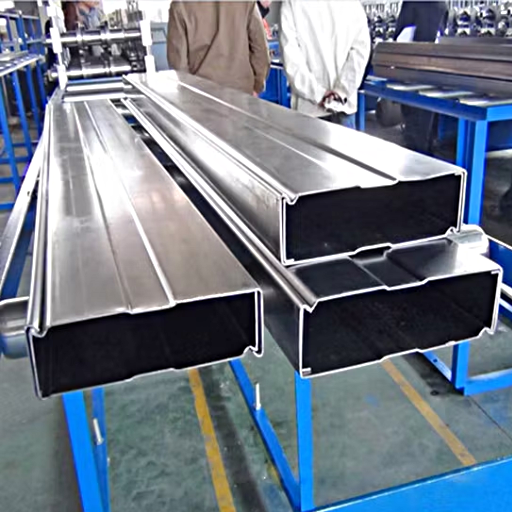
A box beam production line has unparalleled benefits as with most automated production machinery. Firstly, it dramatically boosts productivity by improving the step-by-step flow of work and decreasing the manual work needed. Secondly, it enables precision-enforced uniformity, ensuring that all beams produced are free from variability in quality standards. Thirdly, the production line diminishes the expenditure of materials and maximizes resources, as there is less wastage of materials associated with beam fabrication. Finally, it allows for bulk production for large construction and industrial projects while maintaining high precision.
Increased Efficiency and Automation
The latest information from Google’s search engine shows how new technologies in efficiency and automation are becoming the newest driving forces of productivity across multiple sectors. These new technologies not only simplify intricate procedures but also apply new tech like AI and Machine Learning to improve performance. Businesses can adapt to the market much faster and maintain a competitive edge in the modern dynamic world where these advancements eliminate human blunders, accelerate procedures, and access relevant data.
Cost-Effectiveness of Beam Production
Beam production has grabbed attention due to its ability to produce high-quality outputs while remaining cost-effective. This is accomplished by adding new manufacturing processes such as automation and precision engineering which along with employing advanced technology, significantly decrease material wastage and labor costs. Moreover, 3D printing and sourcing raw materials from sustainable places have further optimized production costs, allowing companies to scale efficiently. Concerning the price-to-performance ratio, beam production is among the most economically sensible solutions in construction and industrial applications.
What are the different welding techniques used?
Each welding method doesn’t require the same technique. Each method has its area of application:
- Shielded Metal Arc Welding (SMAW or Stick Welding) uses a flux-coated consumable electrode, which is fundamental. SMAW sticks are basic but very useful in different scenarios.
- Gas Metal Arc Welding (GMAW / MIG Welding) uses a wire electrode and a shielding gas to produce a weld between materials. Like GMAW, MIG welding is fast, easy, and has a low learning curve, which is why people use it in many different areas.
- Gas Tungsten Arc Welding (GTAW or TIG Welding) uses non-consumable tungsten electrodes with external filler. GTAW produces very fine and precise welds, which is great for very thin materials and critical applications.
- Flux-cored arc Welding (FCAW): Quite similar to MIG, FCAW utilizes tubular wire with flux filling, which removes the need for shielding gas. That means you can do heavy-duty outdoor welding where you could not otherwise.
- Plasma Arc Welding (PAW): With PAW, you employ ionized gas to weld things. This advanced technique is used in specialized industries that require a greater level of detail.
When selecting a method where PAW is merely being used, one must consider the type of material, project needs, and working environment as one selects one method out of many that have differing pros and cons.
Electroslag Welding vs. Traditional Methods
Electroslag welding works best with thick materials that require minimal prior preparation and high deposition rates, while MIG and TIG methods are versatile and precise with thinner materials.
|
Parameter |
Electroslag |
Traditional |
|---|---|---|
|
Material |
Thick |
Thin/Moderate |
|
Speed |
High |
Moderate |
|
Precision |
Low |
High |
|
Setup Cost |
High |
Low |
|
Defects |
Minimal |
Variable |
|
Position |
Vertical |
Flexible |
|
Heat Input |
High |
Moderate |
|
Automation |
Easy |
Moderate |
|
Applications |
Heavy-duty |
General |
|
Cooling |
Slow |
Faster |
Benefits of Automatic Welding Machines
- Machines will do more work, increasing the speed of production. Studies have shown that productivity can be enhanced by 50% due to automated systems.
- Cutting Down On Precision Errors: Automation greatly reduces the margin of human error. This is crucial in fields like aerospace and automotive, where high precision is mandatory.
- Lowering Direct Labor Costs: The need for manual labor is drastically reduced, reducing overhead costs. Instead of performing the welding, the operators get to supervise the processes.
- Quality Control Of The Welding: The automatic systems control the speed and heat used, which means every weld in the project will be the same. There is less variability, which increases reliability in the completed products.
- Advanced safety: Precise automation reduces direct worker exposure to dangerous conditions like extreme heat, toxic gases, and dangerous sparks, which improves safety and reduces the chances of injury.
How to Choose the Right Box Beam Production Line Supplier?

When selecting a supplier for box beam production lines, keep the following in mind:
- Experience and Expertise Track Record: Not all suppliers will meet your expectations. In terms of experience, choose a supplier with a proven track record in manufacturing processes. Understanding your unique challenges and needs will enable a knowledgeable supplier to offer practical solutions.
- Product Quality: The warranty on the equipment is only as good as the products it advertises. Make sure that it uses advanced technologies, reliable machinery, and equipment made of high-quality, durable materials. It must also maintain production efficiency and minimize downtime.
- Customization Options: Suppliers must be able to tailor their equipment according to the specifications of your unique operations. Optimal output is guaranteed from oh-so-smart technology.
- Customer Support: Responsiveness and the absence of “waiting queues” are the most vital indicators of strong after-sales service. However, a good supplier will be available to offer comprehensive assistance to mitigate any issue promptly.
- Reputation and Reviews: Do not just cross-check the supplier’s testimonials; check reviews and case studies from previous clients too. The industry is also an excellent source of feedback, so their positive comments are beneficial.
- Cost-Effectiveness: Avoid overlooking pricing in an attempt to prioritize low-cost features. Maintaining necessary, essential features should not come at the expense of low costs.
Considering these criteria will allow you to choose a provider that meets your production expectations and optimizes your box beam production steps.
Key Factors to Consider
While choosing a supplier or when considering alternatives for Box Beam’s production, the following factors have to be analyzed critically:
- Material Quality
High-quality materials depend on bthe ox beams’ reliability and durability. Most robust strapping supplied needs to include test certificates or documents confirming its warrant of material strength and reliability in conjunction with international benchmarks. Materials such as high-strength steel or reinforced aluminum should be assessed in terms of what needs to be accomplished.
- Production Capacity
Check the supplier’s production capacity because it must satisfy your volume needs without any delays. A supplier who can produce around 10,000 units in a month may be optimally suited for large-scale box beam projects as opposed to a supplier who can only produce 2,000 units. Strong prospective-good decision consistency on factors of scaling production also needs to be maintained.
- Precision in Manufacturing
All box beams have to be performed on best-case stimulating beams with high-precision cutting, welding, materials, marking, inspection location, and machining involved. Extreme precision is required on stairs trim under robotics, lowering system arms gently pulling components from the machine side while receiving predefined commands to retain the aligned position scanners sent onwards. Aligning the pulse details ensures the lasers are sent one at a time, guaranteeing precision.
- Compliance with Standards
Take a look at ensuring the company keeps aligning all its policies with the appropriate standards. Being in sync with segments, the supplier holds on and certifies the company with industry credits, which implements policies like ISO 9001, meaning control sets over details for regulating management. By definition, verification logic, which considers assuring compliance, leads to explaining systematically each need.
- Maintenance and Support Services
Consider the after-production services provided by the vendor, including warranties, maintenance programs, and customer assistance. A vendor offering prompt assistance and readily available spare parts or technical support can minimize operational downtimes.
Companies are assured of an efficient box beam production process when evaluating these particular criteria.
Evaluating the Experience and Reputation of Suppliers
Reputation and expertise are essential when evaluating potential suppliers for box beam production. Established suppliers with a long history of successful projects usually indicate reliability and expertise. This can be established from portfolio reviews, case studies, and client testimonials. In addition, businesses can further understand the supplier’s reputation through Google reviews, industry forums, professional networking sites, and even social media. Such tools can help gain a detailed insight into the supplier’s reputation in the market. Business partners with positive feedback and established partnerships are sometimes the best option for quality suppliers.
Reference Sources
-
“Utilising low-cost RGB-D cameras to track real-time progress of a manual assembly sequence”:
- Key Findings: Explores using RGB-D cameras for tracking manual assembly processes, enabling data mining for efficiency improvements.
- Methodology: Real-time tracking of assembly sequences using low-cost cameras.
-
“Improving formwork engineering using the Toyota Way”:
- Key Findings: Toyota’s production principles are applied to enhance formwork engineering, emphasizing stopping the production line for quality control.
- Methodology: Adapts lean manufacturing principles to construction engineering.
-
- Key Findings: Investigates the rigidity of T or L-shaped thin-walled box beams, focusing on joint stiffness.
- Methodology: Experimental analysis of box beam configurations.
- Top Box Beam Production Line Manufacturer And Supplier In China
Frequently Asked Questions (FAQs)
Q: What is a box beam welding line?
A: A box beam welding line is a specialized production line designed for the automated welding of steel box beams. It utilizes various machines, such as welding manipulators, welding positioners, and submerged arc welding machines, to achieve high efficiency and precision in the production process.
Q: How does the h beam production line differ from a box beam production line?
A: The H beam production line focuses on producing H-shaped beams, while the box beam production line is specifically designed for steel box beams. Both lines may use similar technologies like submerged arc welding, but cater to different structural needs and designs.
Q: What are the key components of an automatic beam production line?
A: An automatic beam production line typically includes a cutting machine, assembly machine, welding line, welding rotator, and a shot blasting machine. These components work together to streamline cutting, assembling, welding, and finishing beams.
Q: What is submerged arc welding, and why is it used in beam production?
A: Submerged arc welding is a process that creates an arc between a workpiece and a continuously fed electrode, with the weld area submerged under a blanket of granular flux. This technique is used in beam production to produce high-quality welding seams with minimal spatter and distortion.
Q: Can I customize the beam assembly process in a beam production line?
A: Yes, many beam production line manufacturers offer customization options for the beam assembly process. This can include modifications to the assembly machine, the configuration of the gantry type used, and the integration of seam tracking technologies to enhance the efficiency and accuracy of assembly.
Q: What type of machines are involved in the box beam welding process?
A: The box beam welding process typically involves several machines, including a CNC plasma cutting machine for precise cuts, a hydraulic welding positioner for positioning the beams during welding, and a cantilever welding machine for handling larger box beams effectively.
Q: How does the welding seam tracking system work in a beam production line?
A: The welding seam tracking system uses sensors and tracking devices to monitor the welding seam’s position in real time. This ensures that the welding process remains aligned with the intended seam, improving the quality of the weld and reducing the chances of defects.
Q: What are the advantages of using a gantry-type welding machine in beam production?
A: Gantry-type welding machines offer several advantages, including the ability to handle large and heavy beams, increased stability during the welding process, and flexibility in movement. They also allow for efficient access to various parts of the beam for welding and assembly.
Q: What is the role of a shot blasting machine in the beam production line?
A: A shot blasting machine is used in the beam production line to clean the surface of steel beams by removing rust, scale, and other contaminants. This process ensures better adhesion for coatings and improves the overall quality of the finished product.


