
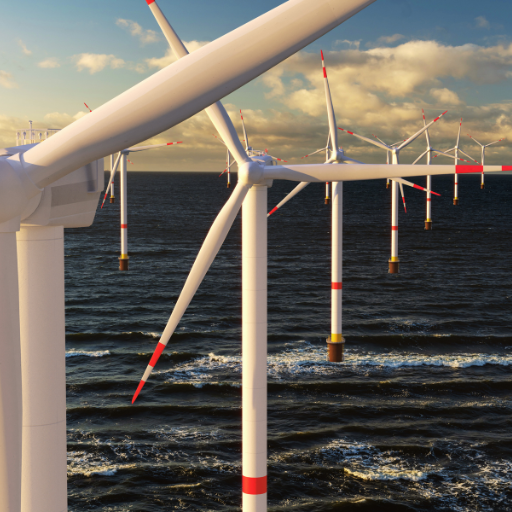
Increasingly around the world, changing to renewable energy has made wind power one of the easiest and most sustainabale options for achieving emission and clean energy goals. Wind power is achievable through wind turbines which are verifiable technological wonders. It is these turbines which make generating electricity possible. However, with a vast market, a multitude of manufacturers, and an expanding sector, identifying key innovators who are offering reliable energy technologies is rather difficult.
This article will showcase the pivotal 10 wind turbine manufacturers who have integrated innovation into the wind energy sector. Understanding their advanced technologies while examining their contribution to the energy transition will provide insight into industry leaders.
What is Wind Turbine Manufacturing?
How is Wind Turbine Technology Advancing?
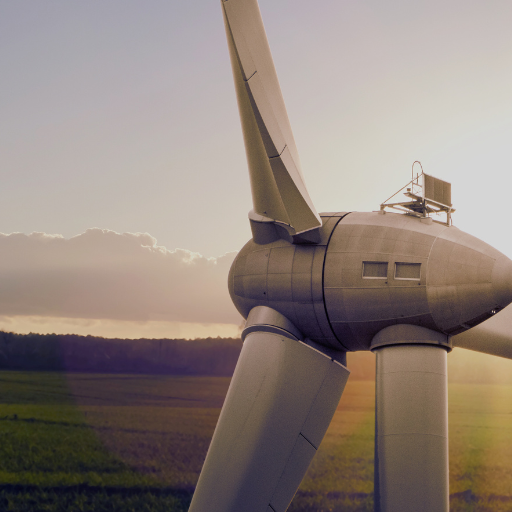
Technological innovations aimed at improving em-efficiency, reliability as well as scalability are advancing wind turbine technology. Developing rotor diaeters and turbine towers seeks to capture wind energy in low-wind regions, therefore expanding wind energy availability. Strength and cost-effectiveness is enhanced by advances in materials such as composites. Furthermore, turbine downtimes are being reduced by real-time monitoring and predictive maintenance. These digitalization innovations are optimizing turbine performance.
What Are the Key Components of Wind Turbines?
Wind turbines contain several interrelated components that enable their effective operation and energy generation. These include:
Rotor Blades: Capture kinetic energy from wind.
Nacelle: Sits atop the tower and contains vital mechanical parts like the generator and gearbox.
Gearbox: Steps up the slow rotation of the blades by the wind to the faster rotation of the generator.
Generator: Activated by the rotating shaft and produces electricity, thus, electricity is generated from rotational energy.
Tower: Support the turbine, elevating parts to wind capture optimal altitudes.
Control System: Monitors operations and manages the turbines for safe and efficient operational standing.
What Is Driving the Wind Energy Industry’s Growth?
A host of environmental, policy, and economic factors are contributing to growth within the wind energy industry. The adoption of renewable energy sources has been spurred on by increased awareness of the impacts of climate change. Fossil fuel alternatives have become far more accessible owing to technological advances and cost efficiencies enabled by scale, particularly within the wind energy sector. Investment in wind power is also supported by government policies as well as international commitments to reducing CO2 emissions, which view wind energy as pivotal for sustainability.
Who are the Leading Wind Turbine Manufacturers?
What Makes Vestas a Top Manufacturer?
Vestas attention to operational know-how and innovation makes them a world leader in the wind turbine industry. For more than 40 years, the company has been a reliable player in the industry and it has installed more than 164 GW of wind turbines in 88 countries. Through advanced rotor designs and energy management systems, the company continuously seeks to improve performance and efficiency. Furthermore, predictive maintenance and analytics services offered by Vestas ensures that turbines operate at full potential. These competitive advantages further strengthen the company’s position as a valuable business partner in renewable energy.
Siemens Gamesa is one of the leading players in the offshore and onshore wind turbine markets, having installed more than 20 GW of capacity. The company has significantly contributed towards the advancement of wind technology and continues to dominate the global offshore market. Gamesa has significantly contributed towards the advancement of wind technology and continues to dominate the global offshore market. One of the company’s major products, the SG 14-222 DD, has incorporated sophisticated digital and aerodynamic technologies that enable Siemens Gamesa to yield large amounts of energy. Siemens ‘ dedication to sustainability is highlighted through innovations like recyclable blade technology, which enables reduction of wind energy production’s footprint. The company’s global leadership is maintained, in part, through expansion into emerging markets facilitated by strategic partnerships.
What Role Does Goldwind Play in the Wind Industry?
Goldwind, as a China-based company, is one of the leading actors in the global movement towards the utilization of renewable sources of energy. Goldwind is one of the leading manufacturers in the world and specializes in the design and construction of PMDD wind turbines due to their cost-efficiency and ease of servicing. The company has a strong international presence; it has a 100 GW installed capacity across more than 38 countries. In addition to this, Goldwind focuses heavily on the R&D aspect, specifically on the smart operational systems of wind turbines using big data and IoT. Its initiatives to merge performance enhancement and innovation in renewable energy aids in furthering the goal of sustainability.
What are the Challenges in Wind Turbine Manufacturing?
How Do Supply Chain Issues Affect Production?
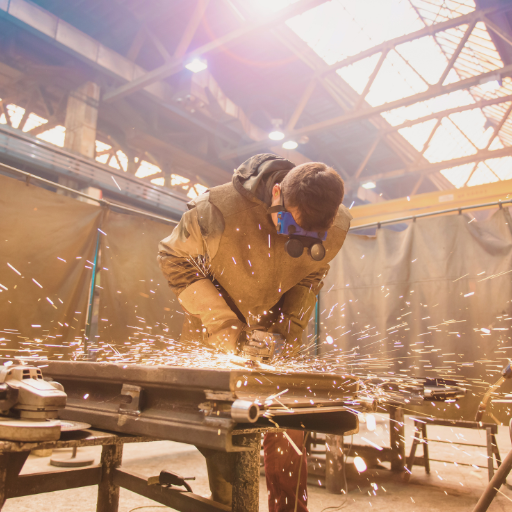
Disruptions to the supply chain have a considerable impact on the manufacturing of wind turbines. Ordering vitals parts like blades, gearboxes, and electronic systems can slow production timelines and increase costs. Other factors such as raw material shortages, and geopolitical tensions also worsen the problem. For example, the dependence on certain materials for turbine magnets showcases the volatility of the entire supply chain. More sophisticated methods aimed to improve the flexibility and efficiency of the manufacturing process are being examined to enhance productivity.
What Innovations Are Needed in Turbine Manufacturing?
Changes in the fabrication of wind turbines is imperative for enhancing productivity and addressing challenges within the industry. An example of development is the modular turbine design which improves transportation and construction. Moreover, the application of more advanced composite materials that are stronger and lighter can lead to a reduction in environmental impact and manufacturing costs. The strain of the manufacturing cycle can also be alleviated through 3D printing which is capable of small batch fabrication and rapid prototyping of parts. The incorporation of digital technologies such as predictive analytics and AI for designing turbines empower manufacturers to optimize the turbine while reducing waste. The advancement of renewable energy relies heavily on uninterrupted investment in research and development, because there are still many innovations that can be discovered.
In What Ways the Installation Process Impact The Industry?
The installation of wind turbines marks an important stage in wind energy projects as it affects costs and deadlines. Transporting large wind turbine parts to remote locations can pose a serious logistical challenge due to limited infrastructure. In addition, complex terrain and variable weather can delay on-site work and create safety hazards. New developments in crane technology and robotics are improving the assembly sequence concerning accuracy and safety for personnel. Also, at-sea wind farms are being outfitted with installation vessels and onshore installations are utilizing pre-assembled components which reduces time required for installation. Overcoming these challenges will greatly increase deployment speeds and contribute to the development of the wind energy industry.
What Are the Future Trends in Wind Power?
How Will Technology Impact the Next Decade?
The wind energy sector will continue to evolve greatly due to technological innovations. In the next ten years, AI technologies, developed with the help of machine learning and sophisticated sensors, are expected to enhance the operation of wind turbines and precision smart sensors to increase efficiency and energy yield. Data analytics will provide the information needed for operators to foresee equipment failures enabling maintenance workflows and scheduling to be done far more efficiently. In addition to these benefits, enhanced energy capture in areas with lower wind speeds would be made possible with newer turbine designs that feature larger blades and taller towers. The advent of floating wind technology is likely to increase the geographical scope of offshore wind farms, enabling the construction of floating wind farms in deeper waters.
What Are the Predictions for Wind Energy Capacity by 2025?
The Global Wind Energy Council (GWEC) forecasts that by 2025, the global installed wind capacity will exceed 1,000 gigawatts (GW) . This milestone is driven by robust expansion of both onshore and offshore wind projects due to supportive government legislation, renewable energy targets put in place by corporations, and falling costs associated with wind technology. Notably, the offshore segment is projected to grow faster, with pivotal markets in Europe, China, and the US spearheading growth. These projections reinforce wind power’s critical role in achieving international climate objectives and transitioning to a sustainable energy system.
How Are Evolving American Wind Projects?
American wind projects are changing substantially due to policies and their incentives, market needs, and technological advancements. The growth forecast for the United States indicates an increase in onshore wind installations in the Midwest and Great Plains, as well as substantial increases in offshore wind developments on the East Coast. The federal government has set targets for offshore wind capacity, such as 30 GW by 2030, and many projects are already in the permitting and construction phases. At the same time, community wind projects are on the rise along with other distributed wind projects, enabling economies at the local level to directly take advantage of renewable energy. Upgrades to grid facilities, including high voltage direct current (HVDC) transmission lines, are also improving the capacity to integrate wind energy into the national grid, thus diversifying the energy mix.
How Do Global Markets Compare for Wind Turbine Manufacturing?
What is the Role of China in the Global Wind Market?
China has emerged as the single leader in the global wind market, taking the number one place in the production, installation, and export of wind turbines. Their policies, both for offshore and onshore wind installations, are very supportive, mostly due to the government’s political will and generous monetary rewards. Companies like Goldwind, Envision, and MingYang are on the forefront of wind turbine manufacturing and technology, driving down the prices of production and manufacturing while increasing scalability. Furthermore, China has the largest domestic wind energy market with unmatched capacity and scope for domestic innovation and development.
What About North America’s Contribution to The Wind Energy Sector?
The region still actively participates in wind energy generation with the Us as the second largest market for wind energy in the world. The region has favorable natural wind resources both in the Great Plains and the offshore areas, along with state and federal programs aimed at driving the use of wind energy. Mexico and Canada also form part of the North American wind market, with Canada concentrating on large land based wind farms and Mexico harnessing the southern winds to serve its ever growing energy appetite. The presence of turbine manufacturing companies like GE Renewable Energy, and various international collaborations have further boosted the region.
What are the Environmental Benefits of Wind Energy?
How Does Wind Power Contribute to Sustainable Energy?
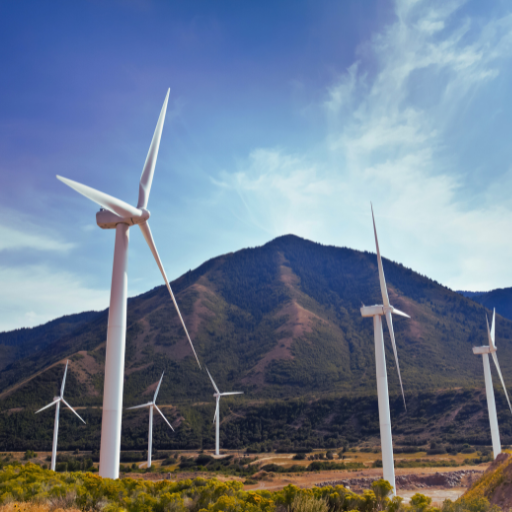
Wind energy aids in sustainable energy practices by using a renewable and perpetual resource—wind—and generating electricity without emissions. It does not use fossil fuels, so there is no pollution and a decreased reliance on fossil fuels and non-renewable energy sources. Compared to conventional power plants, it has a lesser environmental impact which contributes towards the mitigation of climate change.
What is the Impact of Wind Turbines on Electricity Generation?
By transforming kinetic wind energy into electric energy, wind turbines bolster electricity generation tremendously. Currently, residential, commercial, and industrial turbines are able to fulfill power requirements as they are able to generate high volumes of wind energy. Electricity generated from wind is also helpful in diversifying the grid, improving energy security, and aiding the transition to low carbon energy systems across the globe.
How Wind Energy Can Assist in Achieving Energy Goals by 2050
In meeting the 2050 energy goals, wind energy is expected to help achieve large-scale decarbonization of the energy sector. Expanding the capacity of onshore and offshore wind farms will be instrumental to achieving climate goals, enhancing the contribution of renewables within the global electricity generation mix, and meeting energy demand in a sustainable manner. Innovations in wind technology, along with supportive policies and investments, propels continuous improvement towards long-term renewable energy strategies.
References
The following research papers focus on wind turbine manufacturing and were published within the last five years (2019-2024):
- “Technological Capability as a Driver of Environmental Technology Trade: Evidence from the Wind Turbine Industry” (Garsous & Worack, 2022) (Garsous & Worack, 2022)
- Methodology: This article seeks to demonstrate the effect of technological know-how in the international trade diffusion of wind turbine technology with empirical evidence. The particular techniques employed are not captured in the abstract that has been provided.
- Key Findings: As presented in the abstract, there is an assertion on the relationship between technological expertise and the trade diffusion of wind turbine technology, however, no further details are provided.
- “Additive Manufacturing of Wind Turbine Blades, including Materials and Design Challenges: A Review” (Zarzoor et al., 2024) (Zarzoor et al., 2024)
- Methodology: Here, the focus is on a review paper analyzing the application of 3D printing technology in the fabrication of wind turbine blades. The methodology is based on the review of literature on available research related to the manufacturing processes, technologies used, materials selection, design optimization methods, and other potential problems associated with this technology.
- Key Findings: The study reviews some of the processed materials for blades 3D printed, focusing on the significance of greater value design optimization not only for operational efficiency but also for economical performance. Furthermore, it addresses issues such as the level of material, surface finish, proportioning, and sizing and framingaffle sturdiness.
- “Design and Manufacturing Using 3D Printing Technology with a Life Cycle Analysis of a Recyclable Polymer Based H-Darrieus Wind Turbine“ (Olivera et al., 2024) (Olivera et al., 2024)
- Methodology: This section illustrates the potential approaches unique to a particular wind turbine’s design and 3D printing, including the life cycle assessment. Specific methodologies are not given in the provided abstract.
- Key Findings: In this case, the analysis’s scope is highlighted while its main results remain undisclosed.
- “The Responsiveness of Cross-Sectional Compliance to the Manufacturing Tolerances of Wind Turbine Blades” (Maes et al., 2024) (Maes et al., 2024)
- Methodology: This investigation applies BECAS and VABS as validated cross sectional modeling tools, along with 3D finite element models, to assess the impact of machining allowances on the stiffness characteristics of blades’ cross sections.
- Key Findings: The study illustrates the effect of minute geometric discrepancies on the corresponding cross-sectional stiffness properties, thereby underscoring the necessity of precise geometric representation during design stages.
Recommended Reading: Top Welding Rotator Manufacturer and Supplier in China


