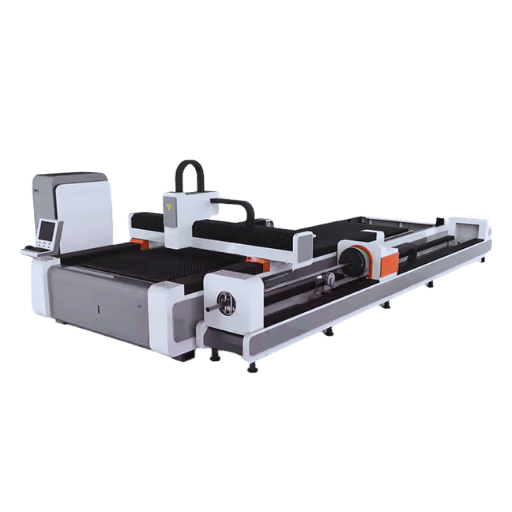
Metal cutting has been significantly modernized over the years, and the introduction of technology has played a major part in changing the old ways into effective, such as active and extensible processes. Fiber laser cutting machines are among the industry’s innovative inventions, which have come on board to disrupt how intricate metal works are performed. This chapter looks at the general view on the fiber laser cutting technology and its contribution to current fabrication. These machines will be highlighted in terms of their accuracy and speed as well as their cost effectiveness and ability to adapt to a wide range of operations to show how they have been able to peer into the workings of countless industries ranging from automotive, in aircraft, buildings, and even in general machines and components. Join us as we explore the mechanics in these tools, the advantages of using them, and how they can be used in the future to open up ways for smarter and more efficient metal workings.
What is a Fiber Laser Cutting Machine?
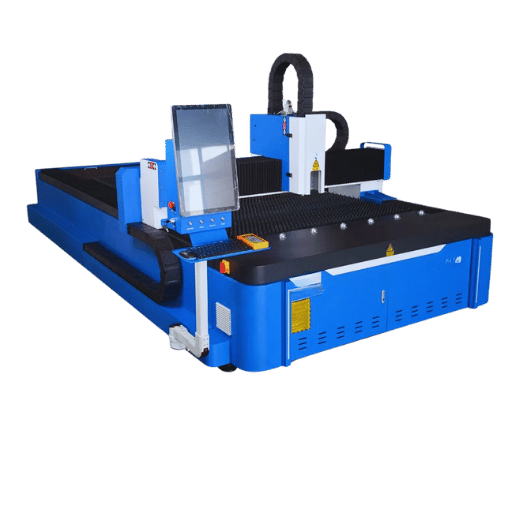
A laser fiber cutting machine is a sophisticated piece of equipment used to cut metal sheets and other structures with great accuracy and rapidity. The underlying principle is a fiber laser, which is developed in optical fibers and is then used to focus light via a cutting head towards the surface of the material. The light serves to heat up and melt the surface away for good cuts free of burrs. Fast. Maintaining – rate at which fiber laser cutting machines are “turned on and used” is associated with very high levels of accuracy. These are mainly employed in the aerospace, automotive, and general manufacturing industries because they perform outstandingly in cutting different material types and thickness levels without having to worry about waste.
Understanding the Fiber Laser Technology
The laser fiber cutting machine’s working principle is as follows: it includes various different kinds of light generated differently.
How Does a Fiber Laser Cutter Work?
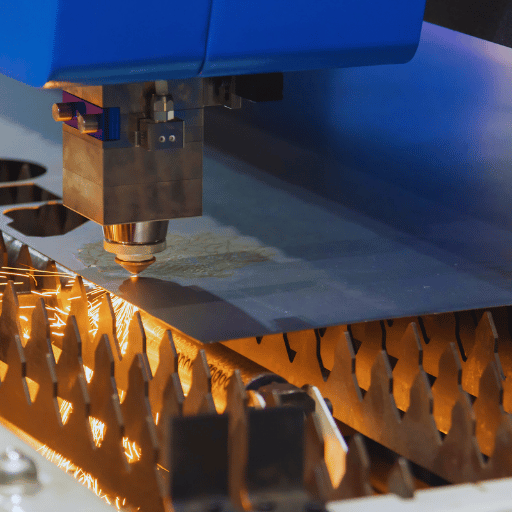
A laser fiber cutting machine is a complex piece of equipment. It generates a high-power laser beam by oscillating a small laser wave in an optical fiber doped with rare-earth ions such as Yb. The fiber ends with a glass lens, culminating in a highly intensified laser aimed at the material to be cut. The high-power laser does not come undamaged, cutting entirely through the material. Complex laser cutting systems have components that control the movement and positioning of the laser to ensure it traces the desired cutting geometry. And this can be seen more to date as confirmation has it that fiber laser cutting machines are very accurate as they cut with high speeds, causing minimum heat affected zones (HAZs), which enhances the capability to mostly use the cutting machines on materials such as metals, plastics, among others.
Key Features of Laser Cutting Machines
- High Processing Accuracy: A laser cutting machine can cut extremely clean and neat edges, even when cutting intricate patterns or complicated designs. Its extended capacities allow cutting parts with tolerances of microns.
- Ability to Work with Different Material Types: To mention, these machines serve many industries through cutting materials such as metal, plastics, wood, composites, and others.
- Enhanced Cutter Speed: Future laser technology, such as fiber lasers, is available, which can cut very fast, thereby increasing production and reducing turnaround.
- Thermal Deformation Minimum Level: It helps to avoid undesired distortions of samples due to heat, because the laser helps to localize the heated area.
- Control System Features: Within a laser fiber cutting machine, for instance, each cut is made using computer software control, with the position of material being set and reset each time, making it possible to achieve repetitive actions.
- Optimisation of Energy Use: New laser cutting technologies help to cut on energy consumption but still give the desired work, especially fiber lasers.
- Contactless Cutting Fluids Application: Because laser cutting is a non-contact operation, there is no wear of parts or contamination of the cut surfaces.
- Flexible Configurations: Change of parameters, namely power, velocity, and focus, is implemented without difficulty, thus adapting the machine for any given application.
- Simple Repairs Required: In robust machinery designs with these defined lengths of service life are even longer with minimal repairs.
- Environmentally Responsible Fiber Laser Cutters: There are less blamed filtration systems, and the consumption of raw materials means that laser cutting machines are friendlier to the environment.
Why Choose a Fiber Laser Cutter for Metal?
Benefits of Fiber Laser Metal Cutting Machines
- Cutting Precision Is Effective: Machines that feature laser fiber cutting enable accurate cutting and minimize the damage caused to the edges of the material, even if the design is precise or it is complicated.
- Increase the cutting speed: Since fiber lasers are more advanced than other methods, i.e., the builder can work at a higher speed, which helps in minimizing and mostly eliminating manufacturing hours.
- Range of Materials: These types of machines perform remarkably well with stainless steel, aluminium, brass and copper, and many more metals.
- Energy Conservation: Some cutting lasers called ‘fiber lasers’ use less energy than the ‘CO2’ ones, and due to this, they are suitable and effective for the job of cutting metals.
- Almost Zero HAZ Zoning: It targets only the area required in cutting and leaves out the rest that does not need to be heated.
- Cost-Efficient Operations: Low power consumption, less wastage of materials, and low maintenance also serve the purpose of cutting down on the expenses.
- Automation Friendly: Too many fiber laser machines are capable of operating in automation environments, hence ensuring increased levels of productivity and reduced levels of human involvement.
- Highly efficient: For long-term services, effective measures have been put to ensure fiber cutters work well without breakdowns.
- Lesser Time Lost in Production: High levels of efficiency during operations and services mean less delay in production.
Green Design: With increased power efficiency and green characteristics, this process is environmentally friendly.
Comparing Laser Metal Cutting Machines with Traditional Methods
The laser fiber cutting machine provides more accurate and rapid, and flexible designs compared to a die, costing less and being more suitable for thick sections of material.
|
Parameter |
Laser Cutting |
Traditional Cutting |
|---|---|---|
|
Precision |
High |
Moderate |
|
Speed |
Fast |
Slow |
|
Material Use |
Efficient |
Moderate |
|
Versatility |
High |
Limited |
|
Cost |
High Initial |
Low Initial |
|
Thickness |
Limited |
High Capability |
|
Maintenance |
Complex |
Simple |
|
Automation |
High |
Low |
|
Applications |
Intricate |
Basic |
|
Waste |
Minimal |
More |
Applications in Metal Fabrication
- Car component production belongs to this type
- Aerospace frame manufacturing
- Housing and enclosure production for electronic devices
- Building beams and skeletal structures
- Designing and constructing bespoke metal furniture
- Making instruments used in medicine
- Air conditioning and ventilating installations
- Ships and structural components
- Plant and Factory Machinery and Equipment
- Architectural design and home interior design
How to Choose the Appropriate CNC Fiber Laser from the Market?
Considerations When Buying a Metal Cutting Laser
- Material Suitability: Verify that the metal you intend to laser cut may be laser cut with this machine, and in particular, if it cannot be laser cut, the working process should entail minimal laser cutting of metal.
- Efficiency on Speed: Is the machine convenient for production or transmission at the speed and power? Without any costly loss of quality, that is the factor one has to consider when looking into construction features such as precise die cutting.
- Wattage: Always select a laser that has enough power to cut through the material depth efficiently.
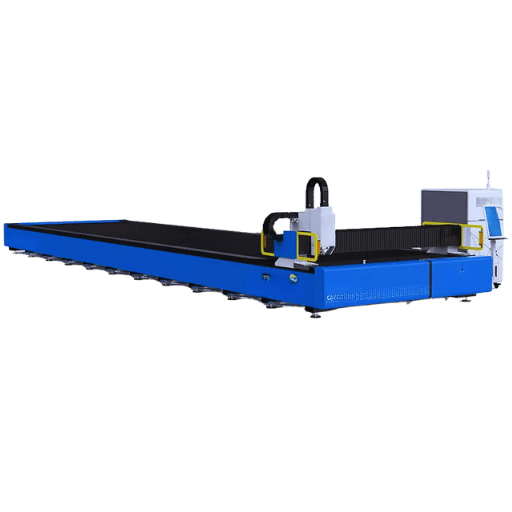
- Working Area of Bed: Ensure the bed sizes fit the project.
- User Friendly: Try to get a machine that supports easy-to-understand programs that have a neat step-by-step procedure from design to cut, as well as CAD/CAM, which are popular applications.
- Function marriage: Machines are advised to use products containing these mechanisms to avoid mechanical damage to the parts.
- Maintenance Versus Quality of Construction: Evaluate the cost of placing to use and its easy maintenance, which never causes investment for repair, and facilitates the consolidated operations of the cutter.
- Running Costs: Look at elements such as electric usage, parts replacements, ongoing material costs, etc, in regard to the potential for economizing with the machine as a whole.
- Cutting Machine Safety Measures: Ensure that general safety measures, such as guards, emergency stop, and laser protection, are made available.
- Help and Limitations: From the customer service rendered to the provision of training to guarantee very important aspects like the manufacturer’s warranty, please remember every single aspect.
Analyzing Other Models and Specific Characteristics
There are several types of Laser fiber cutting machines designed, such as 2D, 3D, CO2, Fiber, Nd: YAG, Tube Lasers, and it has different characteristics when it comes to power, speed for cutting, and material.
|
Key Point |
Details |
|---|---|
|
Model Types |
CO2, Fiber, Nd:YAG, 2D, 3D, Tube |
|
Power Range |
500W to 20kW |
|
Cutting Speed |
Up to 50m/min |
|
Material Types |
Metals, Non-metals |
|
Precision |
±0.001mm |
|
Cooling |
Water, Air |
|
Work Area |
600x600mm to 2500x1700mm |
|
Applications |
Automotive, Aerospace, Jewelry, Electronics |
|
Drive System |
Servo Motor |
|
Software |
CAD, DXF compatible |
|
Automation |
Optional features like auto-loading |
|
Weight |
1000kg to 13800kg |
|
Dimensions |
Compact to large-scale setups |
Top Laser Machines for Precision and Efficiency
|
Model |
Laser Type |
Max Speed (in/sec) |
Wattage |
Key Features |
|---|---|---|---|---|
|
Trotec Speedy 400 |
Ceramic CO2 |
170 |
Up to 120W |
Quick engraving, advanced optics |
|
Epilog Fusion Pro 48 |
CO2 and Fiber |
165 |
Up to 120W |
Dual-source, IRIS™ Camera |
|
Glowforge Pro |
CO2 |
N/A |
45W |
Passthrough slot, Cloud-based |
|
Rayjet 300 |
CO2 |
N/A |
Up to 120W |
Intuitive software, versatility with materials |
|
Trumpf TruLaser 3030 |
Solid-State |
N/A |
Up to 4000W |
Automation features, industrial-grade applications |
These options are considered to be some of the finest laser machines today in every sense of the word, owing to their performance with differing degrees of precision and efficiency. There is a need for laser machines designed for factories, small-scale systems, and even home use and crafting; it is worth noting that laser machines and their functionality differ greatly based on the needs of the project.
Exploring the Capabilities of Fiber Laser Metal Cutting Machines
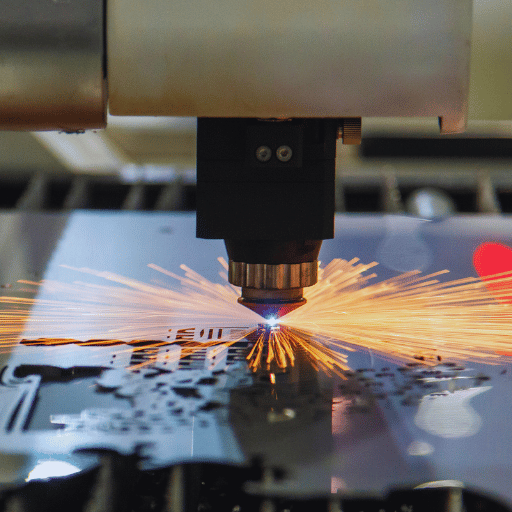
Precision Cutting for Metal Sheet and Metal Tube
Laser fiber cutting machines in industries, especially cutting machines on metal sheets as well as tubes, provide high accuracy and efficiency. Electric shocks or beam absorption method takes the beam onto the material, so that it cuts it cleanly without leaving any burrs or distortions. This enables users to perform high-quality work on steel, aluminum, brass, and many other metals, while not compromising the accuracy, even for very complex shapes. Worth mentioning also that the advanced software and the choice to automate operations are features that improve their operation. Thus, such machines are beneficial for highly demanding industries.
Handling Various Materials like Aluminum, Brass, and Copper
When manipulating substances such as aluminum, brass, and copper, one has to consider their physical characteristics to guarantee the best results. The aluminum can be defined as light in weight, and a very good conductor, and power control must be used; otherwise, the distortion or high heat concentration will be the order of the day. If lathes work very well with brass, then there is a need to address the issue of heat, for the material has very high thermal conductivity. However, processing of copper, which has very high electrical and thermal conductivity, requires one to be very accurate and slow in operation to prevent heat, in particular, the tearing of the material. It is the correct adjustment of the operation parameters that makes it possible to handle a wide range of different materials and still achieve the desired results.
Advanced Cutting Solutions for Complex Designs
The reliance on an advanced cutting system is great as it allows one to work on any level of complexity by cutting through any material using systems such as a high-performance laser fiber cutting machine, which gives an accurate, sharply cut, and uniform product.
How to Maintain and Maximize the Efficiency of Your Laser Cutter?
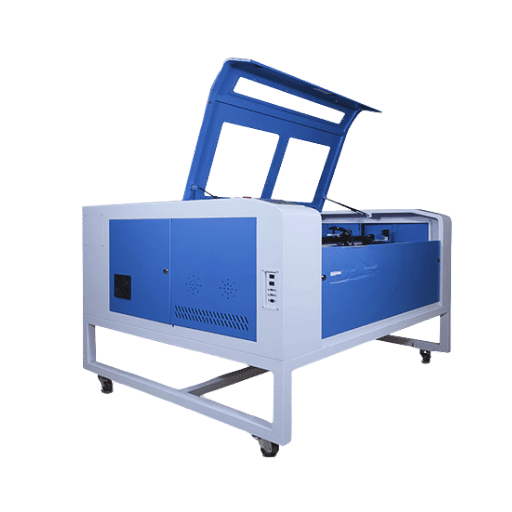
Regular Maintenance Tips for Fiber Laser Cutting Machines
- Regular Optical Cleaning: It is important to regularly check the lens and mirrors for any contamination and clean using appropriate products and clean tissues so that the laser beam is not distorted and the optics do not get damaged.
- Filter Replacement and Checking: Dust and other particles are controlled by air filters, keeping them clean is crucial because clogged air filters would affect the laser’s power and cooling system.
- Laser Beam Alignment and Adjustment Checking: Inspect how the laser beam is aligned consistently to prevent misalignment, as this can cause unnecessary energy loss and a lack of quality in cutting.
- Moving Parts Lubrication: It is important to ensure that all linear guides, moving parts, including gears, are lubricated properly so that friction is reduced and smooth functioning is achieved.
- Checking the Cold Water Chiller: It is important to check the functioning of the cold water chiller or cooler so that the laser units do not overheat and the related components last longer.
- Lens Focus Calibration: It is important to check and, if needed, calibrate the lens focus so that the material is cut with precision, avoiding any mistakes.
- Work Space Cleaning: This entails a systematic approach towards removing machine bed and surrounding areas of any rubble or filth that could seem excessive, as well as reducing/ avoiding fire risk.
- Software and Cutting Settings Verification: Ensure function optimization in applications relative to a variety of materials by carrying out frequent software updates of the machine and also checking on cutting conditions from time to time.
- Checking of All Electrical Wire Connections: There is a need for all electrical connections to the machine to be checked and fastened in case any are loose, so as number one interference and thus possible machine damage.
- Professional Service Planning: Plan for Certified Engineer Visits and Interventions where Required for More Permanent Solutions to Some Issues that Show Repeatedly.
Enhancing Productivity and Reliability
To improve productivity and dependability, I ensure all my tools are well-maintained and checked all the time. This involves installing new software updates for equipment, checking for proper cutting parameters, and confirming the availability of all filled-up connections. In this respect, I enlist the services of experts in servicing to tackle some problems as they arise rather than wait till it is too late to have the machines in a condition that can be used comfortably.
Common Issues and Troubleshooting in Laser Cutting Systems
Generalizations of these issues and malfunction types such as power variations, alignment deficit, failure of compatibility of materials, provision of a software, as well as performance issues are present in a fiber laser cutting system, for example, presence of burrs, dross or undercutting.
|
Key Issue |
Cause |
Solution |
|---|---|---|
|
Power |
Inconsistent |
Calibrate, inspect |
|
Alignment |
Misaligned beam |
Realign optics |
|
Material |
Incompatible |
Use a suitable type |
|
Software |
Glitches |
Update, reinstall |
|
Cut Quality |
Burrs, dross |
Adjust settings |
Frequently Asked Questions (FAQs)
Q: Why choose the fiber laser cutting method for metal materials?
A: The fiber laser cutting technology has lots of advantages like laser precision, saving energy and materials, as well as cutting different metals, including steel, stainless steel, or titanium. They are smaller in size and easier to manage than any other cutting equipment available.
Q: How can a CNC laser cutting machine improve the fabrication of metals?
A: The use of CNC laser cutting machines does improve metal cutting in that, as there is perfect control of the matrix being used and as a result high accuracy and uniformity are achieved in the process. Following, they help with the automation key where it lessens the need for manual tasks, and lets the process be more effective.
Q: What is the impact of IPG fiber technology on the performance of laser cutting machines?
A: IPG fiber technology has a major impact on boosting the performance of laser cutting machines by offering enhanced power output, excellent beam quality, and improved durability, which, in turn, cuts faster and more precisely.
Q: In what way does fiber laser technology assist in cutting heavy-gage metals efficiently?
A: Fiber laser technology is advantageous when cutting heavy-gauge metals as it has a characteristic high concentration of power and beam quality, which makes it efficient in cutting materials such as steel and titanium.
Q: For which materials, a fiber laser cutting machine suitable?
A: A fiber laser cutting machine is suitable for processing steel, stainless steel, aluminum, copper, brass, titanium, and other vital materials typically used in industrial processes.
Q: How does the installation and configuration of fiber laser cutting machines affect their functionality?
A: The proper installation and setup of the fiber laser cutting machines are of ultimate importance to the performance of the equipment. Well-aligned and well-calibrated lasers render excellent cutting quality, while corrections or the use of loaders improve the efficiency of the processes.
Q: Explain the importance of compact design in the context of fiber laser cutting machines.
A: The compact importance becomes stronger in fiber laser cutting machines because it not only economizes space in the factories but also assists in the easy implementation within the existing machinery and most cases, reduces the cost of installation and maintenance.
Q: How do fiber laser cutting machines deliver accurate cutting results?
A: The fiber laser cutting machine offers accurate cutting results due to the high laser precision and Computer Numeric Control system that aid in making complex and decorative cuts, resulting in a small amount of leftovers.
Q: Why are loading and unloading systems important in fiber laser cutting machines?
A: The use of automated loading and unloading systems enhances production productivity by reducing the changeover time, lessening the amount of human work, and allowing the machine to run for a longer time, which boosts the capacity of the machine.
Q: What are the advantages of fiber laser cutting over conventional metal cutting techniques in terms of precision and effectiveness?
A: Enhanced performance of the fiber laser cutting machines as opposed to conventional metal cutting methods is due to the focused control, higher velocity of cutting, and reduced cost of operation. Cutting of the metals has also improved as there is no much stress in the cut elements and less heating is involved.
Reference Sources
1. Effect of Cutting Speed and Oxygen Pressure Variation of Laser Cutting Fiber Machine on Surface Enuresis of 304 Stainless Steel Material.
- Authors: Mohammad Rudi Romadhoni, Samsul Hadi
- Journal: Jurnal Teknik Mesin
- Publication Date: November 28, 2024
Summary:
- This research studies how changes in cutting speed and oxygen pressure affect the surface roughness of 304 stainless steel cut with a laser fiber cutting machine.
- Methodology: A Real experimental method was used, consisting of cutting speed variable (1400, 1700, and 2000 mm/min) and oxygen pressure (3, 4, 5, 6, and 7 Bar) as independent variables, and surface roughness measured in micrometers (Ra) as the dependent variable.
- Key Results: The lowest mean surface roughness value of 5.087 microns was attained at 1400 mm/min of cutting speed and 7 Bar of oxygen pressure, while the highest was 8.604 when the cutting speed increased to 2000 mm/min and the pressure reduced to 3 Bar. This exploitation concluded that cutting speed as well as oxygen pressure have any significant effects on surface roughness(Romadhoni & Hadi, 2024).
2. Optimizing The Slit Width For Laser Fiber Cutting Machine With Hpe Films
- Authors: Qi Lan, Guangfeng Shi
- Conference: Other Conferences
- Publication Date: August 5, 2024
Summary:
- The present study is on the optimization of slit width in laser cutting of polyethylene films with the use of fiber laser marking machine.
- Methodology: A Box-Behnken design was applied to understand the influence of the various parameters of laser cutting, namely defocus distance, cutting velocity, and power of laser, on the slit width, determined by one-nixel microscope.
Primary observations: The findings indicated that the laser power and velocity induced changes on the slit width whereas the defocus distance of the laser had minimal effect (Lan & Shi, 2024, pp. 132263L-132263L – 6).
3. Analysis of Kerf Width in CO2 and Fiber Optical Lasering Patterns of SS 316 L Alloy
- Authors: Sargar and colleagues
- Journal: ‘Recent Innovations in Mechanical Engineering’
- Published: 13th December 2024
Brief:
- This comparison involves the determination of slit thicknesses in fiber cutting, and CO2 cutting of SS316L.
- Name of the Method: The present study focused on the experiments with variation of pressure of the gas, intensity of the laser, and speed of cutting, for which the thickness of kerf was measured.
- Standout Results: It was found that the kerf width of the fiber laser in the processing of though the utmost ultrasound heat was produced cut (0.3950 mm) was smaller than that of the CO2 laser (0.5726 mm) processing of the same material, thereby proving include fiber optic devices for precision lasers (Sargar et al, 2024) .
4. New Technologies Section: Laser fiber cutting machine Bodor i7 and TruBend 3066 bending machine – Fundamentals of bending and cutting machines, and individual components and operation of a cutting machine.
5. Cutting Tool Blue Laser: Acceptance Test and Methods for Determining the Optimal Parameters – Explores the process of laser cutting in materials and its parameters.