
In welding and metalworking, achieving impeccable results requires precision and the utmost care, where time and effort are of the essence. A turning table is one of the key features that will enable you to create more consistent welds to a much higher quality standard with significantly less work. This article will walk you through building a working turning table by thoroughly explaining the steps, techniques, and benefits for DIY fans and experts to polish their prowess in welding. From the fundamental materials, we will guide you with numerous tips to optimize your turning table, so stick around.
What is a weld positioner and how does it work?
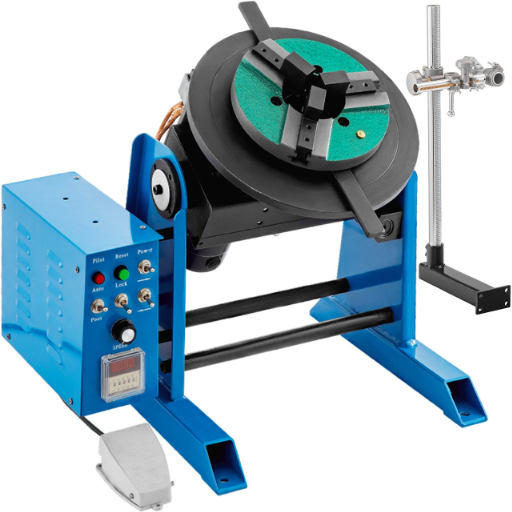
As the name suggests, a weld positioner is an automated device meant to secure and rotate workpieces so that the welder can access the welding surface from the optimal angle to perform the welds in the best manner possible. Each positioner allows a degree of stability and control by tilting, rotating, or moving the workpiece towards a predefined axis, enabling the weld to comfortably assume a fixed position with minimal movement relative to the workpiece. Weld fatigue, quality, and productivity improved due to the controlled tilling motion. Weld positioners are particularly useful when working with heavy or complex components since they allow for smoother, more uniform welds with much fewer changes in position.
Understanding the welding process
Welding refers to a process of joining two materials, most commonly metal pieces, through the use of heat and pressure. As one of the most critical manufacturing processes today, the automotive and airplane industries rely heavily on the power of welding because it’s capable of building enormous structures such as bridges and skyscrapers. An expert welder can create strong bonds that resist harsh environments, benefiting any nation’s infrastructure. Modern-day technology also has robotic and automated welding systems, further enhancing welding work’s accuracy and complexity.
How weld positioners enhance productivity
Weld Positioners are crucial time-saving tools that enable seamless automation of welding processes. They facilitate the ease of working with heavy workpieces. Weld Positioners are vital for all industrial processes because they guarantee active worker safety. By reducing the strain workers have to deal with, these workers will undergo decreased physical stress. The automated weld positioners are used to program complex welding tasks that can be executed consistently. Modern fabrication works depend on weld positioners to reproduce components or structures. Positioners are the most versatile equipment among all modern-day industrial tools and machines.
Key features of a weld positioner
- Adjustable Rotation and Tilt Angles
Weld positioners allow precise control over rotation and tilt angles, enabling accurate piece positioning and setting for different welding procedures. These adjustable settings provide the best possible access to weld joints and allow optimization of numerous factors to reduce errors and improve weld quality.
- Load Capacity
Positioners with high load capacities can accommodate workpieces from small, medium, large, and heavy-duty structures. Depending on industrial needs, models are made to bear pressure from hundreds of pounds to several tons.
- Variable Speed Control
Set at different speeds, positioners allow smooth, consistent rotation, which helps maintain uniform welding processes and minimizes weld defects. Using advanced tools enhances a smooth workflow, guaranteeing quality output.
- Durable Construction
Weld positioners built from robust materials such as steel ensure long-term reliability, durability, and consistent performance even under heavy usage.
- Compatibility with Automation
Modern weld positioners effortlessly integrate with automated welding systems and programmable logic controllers (PLCs). Their ability to greatly reduce manual effort makes them ideal for advanced manufacturing facilities focused on improving productivity.
What are the different types of welding positioners?
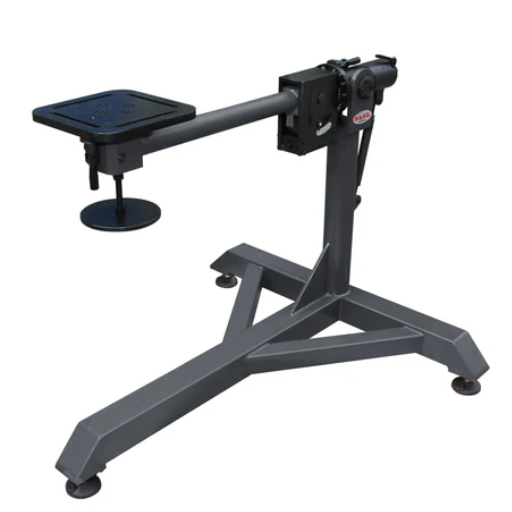
Different welding processes and workpieces require different types of welding positioners:
Rotary Table Positioners
This type controls the workpiece by means of a rotating table that can hold and move the workpiece in precise ways, allowing specific angle and positional control throughout the welding process.
Tilting Rotatable Positioners
These pieces of equipment can tilt and rotate, which allows complex rearranging for multiple welding tasks, especially for cylindrical objects.
Headstock and Tailstock Positioners
This type is best for large or long workpieces as it has supports at both ends, which allow for efficient rotation and positioning of the object.
Pipe Welding Positioners
These positioners are best for pipe fabrication as they enable the welding of pipes at a consistent speed and angle.
Manual Welding Positioners
These are the most basic, non-powered tools that aid in putting smaller and less complex projects in place.
Without circumventing the placement needs of the workpiece, weight, and welding processes, the positioner that best serves the workpiece cannot be optimized.
Comparing rotary and turntable positioners
While rotary positioners allow multi-axis rotation for precision tasks, turntable positioners focus on simpler single-axis rotation.
| Parameter | Rotary | Turntable |
|---|---|---|
|
Rotation |
Multi-axis |
Single-axis |
|
Precision |
High |
Moderate |
|
Workpiece |
Complex shapes |
Flat/circular |
|
Flexibility |
High |
Limited |
|
Applications |
Aerospace, robotics |
Pipe, tanks |
|
Cost |
Higher |
Lower |
|
Setup |
Complex |
Simple |
|
Control |
Advanced |
Basic |
Choosing the correct welding positioner for your needs
Multiple criteria must be evaluated while choosing a welding positioner: the complexity, size, weight of the workpiece, and the specific welding processes being used. Rotary positioners with substantial weight capacity, stability, and high control yield the best results for heavy, significant components. In contrast, bulky and lighter tasks that require speed and increased flexibility are best suited for turntable positioners. Also consider the material type, welding angles, and amount of production needed. When high-volume or repetitive welding is required, automated positioners can help save operator energy, boosting efficiency. Carefully evaluate overriding specific welding requirements and consult the manufacturer’s recommendations to ensure optimal positioner safety, performance, and usability.
Applications of various welding positioners
Welding positioners significantly improve every industry’s safety, productivity, and operational efficiency. The following are five significant welding uses positioners:
- Pipe and Tube Welding
Welding positioners are primarily used in pipeline industries like oil and gas, water management, and construction. They enhance the rotary and axial movement of pipes, which assists with maintaining spatial weld consistency, alleviating a customer’s fatigue, and improving overall productivity.
- Pressure Vessel Manufacturing
Welding positioners are used extensively to fabricate pressure vessels within chemical plants, power stations, and storage facilities. They assist with sizable and heavy cylindrical structures by allowing for even welds on all sides of the object.
- Automotive Industry
Welding positioners are very common in the manufacturing of automotive components such as axles, frames, and exhaust systems. They enhance efficiency in terms of cycle time and the volume of items produced during a single shift in the automotive industry.
- Aerospace Assembly
The aerospace industry requires high-precision welding for delicate tasks. Welding positioners graciously provide accurate welds on parts like aircraft frames and engines. The intricacy of these structures makes it impossible to achieve high tolerances without accurate assembly and precise positioning at every point during the manufacturing process.
- Heavy Equipment Fabrication
Agricultural equipment, cranes, and construction machinery may have bulky parts, but this does not phase out industries that focus on heavy machinery. Welding positioners are a game-changer for those looking to swivel bulky parts for precision welding without sacrificing speed or efficiency.
These applications enable industries to maximize operational efficiency while improving weld quality by using welding positioners.
How do you choose the correct welding turntable positioner?
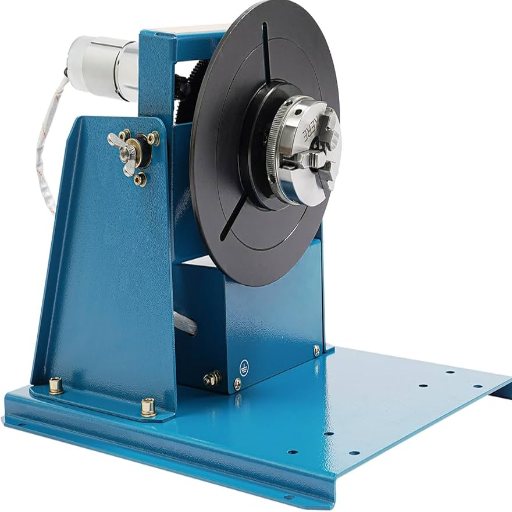
Remember these tips below when choosing the correct welding turntable positioner:
- Load Bearing Capacity—Make sure the positioner can safely handle the weight of the workpiece and additional fixtures and tooling. Safety and performance may be compromised if capacity is exceeded.
- Table Size and Adjustability—If adjustable features like tilt and rotation speed are present, they should increase the versatility of the positioner.
- Rotation Speed—Different rotary welders operate using different weld materials and processes, so it is ideal to have controlled variable speed selection.
- Compatibility with Welding Equipment – To optimize productivity verify that the positioner easily fitts and works well with pre-existing systems and tools.
- Durability and Build Quality – Look for a positioner made from robust materials, as they are far more dependable long-term when under extreme conditions.
With these tips, you should have no problem picking a suitable welding turntable positioner.
Factors to consider when selecting a positioner
As modern data insights alongside recent advancements in engineering technology positioners have fully automated and mechanized welding as a process, industrial automation systems can drastically improve operational productivity and safety metrics. These systems enhance productivity by practically eliminating manual errors and vastly improving precision, enabling operators to accomplish much more accurate work on the used components. Modern tools also maintain the requisite posture, making work less fatiguing for welders. Seamless integration of contemporary welding positioners with automated systems guarantees faster production cycles, consistent weld quality, and unbreachable precision. With technological tools such as modern welding positioners, industries can streamline workflows, lower operational expenses, and achieve unmatched quality and safety uptime.
Optimal features for different welding tasks
The efficiency of ATOM welding systems depends on the workpiece’s material, thickness and position, welding speed, and surrounding conditions.
| Parameter | Feature | Task |
|---|---|---|
|
Material |
TIG for thin |
Aluminum, steel |
|
Thickness |
MIG for thick |
Structural steel |
|
Position |
Adjustable setup |
Overhead, vertical |
|
Speed |
MIG for fast |
High-volume tasks |
|
Environment |
Flux-core outdoor |
Windy conditions |
|
Skill |
TIG for experts |
Precision tasks |
|
Cost |
Stick low-cost |
Repairs, basic use |
Understanding the workpieces and their requirements
When selecting a welding positioner, one should consider the characteristics of the workpieces, such as the size, shape, weight, and material, because all these factors are critical in determining the optimal positioning solution. A robust positioner that can support high loads would be ideal for larger workpieces, while smaller and more intricate parts would benefit from precision-adjustable positioners. Moreover, the materials used on the workpiece and the heat they undergo determine whether specialized fixtures or rotation speeds need to be used to maintain uniform weld quality. Manufacturers can enhance productivity with the aid of positioners by matching their capabilities with the specific requirements of the workpieces to ensure consistent standards.
What applications benefit from using a rotary welding positioner?
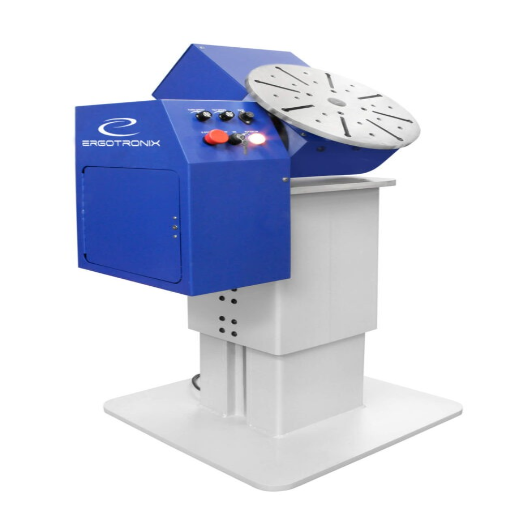
Efficiency, precision, and consistency are primary attributes that define the fields that use rotary positioners, making them extremely useful to industries like aerospace, automotive, oil and gas, and manufacturing. Pipes, cylindrical workpieces, tubes, and flanges are standard workpieces these industries deal with. Complex or repetitive welds are best performed using rotary positioners, enabling operators to maintain proper welding angles throughout the process. Pressure vessels or structural component assemblies where large-scale fabrication processes are done also benefit from these positioners, as they greatly enhance productivity.
Industries that utilize rotary welding positioners
Rotary welding positioners are used in many sectors because of the precision, safety, and efficiency improvements they provide during welding operations. Some of the most critical industries are:
- Aerospace: This industry accomplishes Precision welding of critical components such as engine parts, fuel tanks, and structural assemblies, by aircraft standards.
- Automotive: These positioners enhance the quality of exhaust systems, chassis parts, and drive shafts manufactured through mass production by providing consistent weld quality.
- Oil and Gas: Positioners are used in pipeline welding and pressure vessel fabrication and are recommended for their enhanced productivity and endurance in harsh environments.
- Construction and Infrastructure: Construction welding positioners are used to erect large structural components like steel beams and columns of bridges, allowing seamless maneuvering of heavy workpieces.
- Manufacturing: These make industrial machinery, material handling tools, and storage tanks because they offer precise welding on cylindrical and irregular shapes.
- Energy Production: The wind and nuclear power industries utilize the welding positioner for turbines, generators, and reactor parts to achieve the exact precision required during fabrication.
Positioners’ versatility makes them irreplaceable in industries where safety, accuracy, and weld quality are crucial.
Case studies of successful welding operations
- Specialized Pipe Welding in the Fuel and Gas Industry
An oil and gas industry leader used rotary welding positioners to construct an extensive pipeline network in record time. These positioners enabled the company to automate the welding of large-diameter pipes and achieved flawless welds, which later reduced rework and material wastage. The automated welding positioners gave uniform results that fulfilled the industry standards for quality and production speeds. This case study illustrates the role of welding positioners when it comes to efficiency as well as precision for complex projects.
- Renewable Energy Wind Turbine Manufacturing
A huge player in this industry custom-manufactures massive structures of wind turbines for their projects and uses welding positioners for fabrication. With the addition of positioners to robotic welding systems, the company maintained consistency across all welds, having surfaces that were highly curved and irregularly shaped. These additions expedited timelines and further ensured the turbines’ lifespan, enhancing their credibility. The outcome of this operation highlights the vital roles of welding positioners for fostering clean and green energy.
- Tailored Construction Equipment Creation
One of the construction equipment suppliers had difficulties with rotary welding on large parts that demanded safety standards. Integrating rotary welding positioners into their workflow allowed the team to manage significant components effortlessly, making positional welding easier. With these improvements, operator safety was improved while weld quality was enhanced, allowing the company to meet tight deadlines. The case showed the advantages of the automation of industrial manipulators for welding positioners in manufacturing and how they can simplify processes and improve products.
Reference Sources
-
Capitol Iron Works – Essential Guide to Welding Positioners
Iron Works offers information about welding positioners, features, and types of positioners. -
Kistler Machine – Detailed Overview on Welding Turntables
This site addresses the parts, features, and use cases for welding turntables. -
Kinetic Technologies – Everything You Need to Know About Welding Positioners
A detailed guide about the weld positioners: they also discuss the rotating tables and their use during welding. -
Cyclotron Automation – Welding Positioners: A Complete Guide
This guide explains comprehensively the types, uses, and importance of welding positioners. -
Hossmann Welding Table – The Versatility of Rotating Welding Tables
A practical guide discussing the uses and benefits of rotating welding tables. - Top Welding Positioner Manufacturer And Supplier In China
Frequently Asked Questions (FAQs)
Q: What are welding positioners, and how are they used in welding applications?
A: Welding positioners are specialized tools designed to hold workpieces during welding, allowing optimal positioning and accessibility. They are essential for various welding methods, such as MIG and TIG welding, and are particularly useful in industrial welding environments to increase productivity and ensure high-quality welds.
Q: What is the importance of the welding position in achieving high-quality welds?
A: The welding position is crucial because it affects the welder’s ability to access the workpieces and control the torch. Proper positioning can lead to better penetration, reduced spatter, and improved weld quality. Using welding positioners helps achieve the ideal welding position, enhancing the effectiveness of the welding process.
Q: How do welding positioners contribute to automation in fabrication?
A: Welding positioners facilitate automation by enabling robotic welding operations to perform continuous welding precisely. They can be integrated into automated systems, allowing for efficient welding without needing constant manual adjustment, which helps reduce labor costs and improve overall productivity.
Q: What types of rotary welding positioners are available on the market?
A: There are several types of rotary welding positioners, including headstock and tailstock positioners, which offer height adjustment and rotational capabilities. Other types may include tilt tables and custom-built positioners designed for specific welding jobs, accommodating a range of workpieces and welding applications.
Q: How can welding positioners reduce labor costs in industrial settings?
A: Welding positioners reduce labor costs by minimizing the need for manual adjustments and allowing for more efficient welding processes. By automating the positioning of workpieces, welding positioners enable welders to focus on their techniques, leading to faster project completion and reduced downtime.
Q: What are the essential tools for using welding positioners effectively?
A: Essential tools for using welding positioners include the welding torch, appropriate welding consumables, and any necessary fixtures or clamps to secure the workpieces. Additionally, understanding the welding settings and specific welding applications will help achieve the best results when using these positioning systems.
Q: What factors should be considered when selecting a positioner manufacturer?
A: When selecting a positioner manufacturer, consider factors such as the quality of their products, available customization options, after-sales support, and their experience in the industry. A reputable positioner manufacturer will provide high-quality equipment that meets specific welding applications and ensures optimal performance.
Q: Can welding manipulators be integrated with welding positioners?
A: Yes, welding manipulators can be integrated with welding positioners to enhance the efficiency of the welding process. This combination allows for better control of the welding torch and improved access to complex geometries, resulting in high-quality welds and increased productivity.
Q: What welding methods can benefit from using positioners?
A: Various welding methods can benefit from using positioners, including MIG, TIG, and submerged arc welding. Each method requires specific positioning to achieve optimal welding results, and positioners help ensure that the workpieces are held correctly throughout the welding process.


