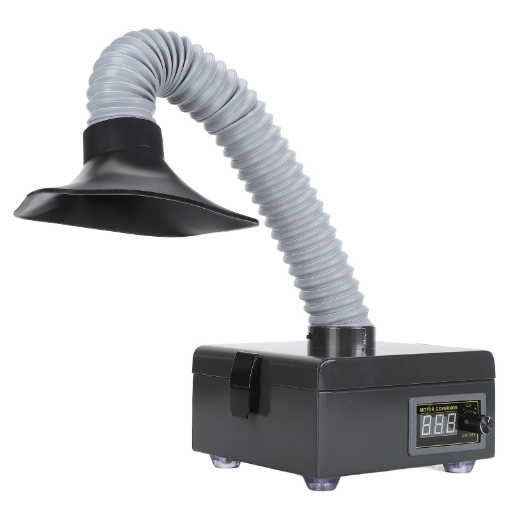
Welding is able to go through many industrial processes, but somehow, makes its own hazards: fumes and particulate matters are just two handfuls of them that welders have to live with! If not taken immediately into a design ventilation scheme, the welders would find their level of health going down, and the air must face pollution in the environment. Here comes the great application for welding exhaust fans. This manual explains the importance of solution extraction and proper ventilation systems and also gives insight into choosing the best welding exhaust fan for a given application. Now, with this know-how in tow, professional welders, workshop managers, and safety officers can come to better air quality and prioritize the safety of the workers. Continue reading to get information on welding exhaust fans and the way they protect a clean working environment under all regulations.
🔥
Importance of Welding Fume Extraction
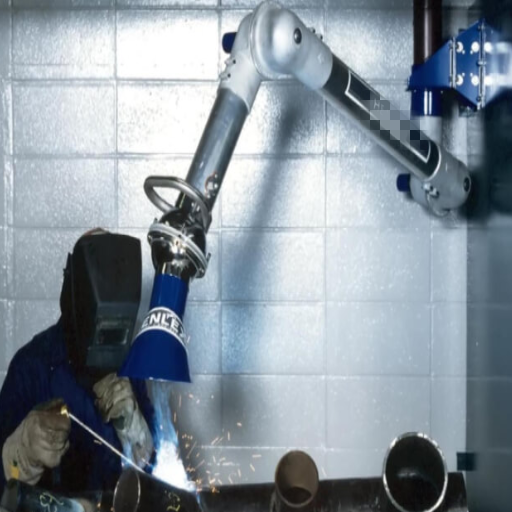
Health Risks Associated with Welding Fumes
⚕
Critical Health Warning
Welding fumes consist of a myriad of fine particles and various gases emitted during welding. Prolonged exposure to these fumes poses severe health-related dangers for the workers. According to recent scientific data, for welding fumes, both short- and long-term ailments exist.
⏱Short-term Effects
Irritation of the eyes, nose, throat, dizziness, and nausea by inhaling hazardous gases such as carbon monoxide or ozone.
⏰Long-term Effects
Chronic illnesses of the respiratory tract, lung damage, and heightened chances of cancers such as cancer of the lungs and of the larynx. Additionally, certain metals like manganese may interfere with the nervous system and induce symptoms akin to Parkinson’s disease.
According to updated occupational health data, if there is proper ventilation along with the use of welding exhaust fans, such risks can be considerably lowered by effectively drawing fumes out from the air. Therefore, it becomes clear that fume extraction provides a good level of safety for the workers in compliance with workplace safety standards. They, provided that PPE such as respirators are worn by workers, are the key to a healthier and safer working environment.
Why Proper Ventilation is Crucial in Workshops
Ventilation is essential in any workshop to ensure worker health and safety and also to make compliance with modern occupational safety regulations possible. With increasing statistical trends and information from various sources, the awareness of any danger arising from poor air quality in enclosed work environments is certainly increasing. Airborne hazards can be welding fumes, chemical vapors, dust particles, etc.; they can cause brief or prolonged irritation as well as health hazards such as respiratory diseases, lung damage, or carcinomas. Therefore, the working of any ventilation system would prevent the buildup of hazards with the view of ensuring a clean and safe environment.
Modern Ventilation Solutions Trending
Search data reflect that interest is growing for high-tech solutions such as high-efficiency filters, intelligent ventilation systems, and variable exhaust setups, seeking to upgrade air quality in workshops. In this way, the adoption of advanced ventilation solutions can lead to a marked reduction in accidents, increased productivity, and compliance with occupational health and safety standards, thus providing a feeling of empowerment and well-being for workers.
Regulations and Standards for Fume Extraction
Fume extraction regulations and standards compliance is the utmost means to ensure the present-day safety of workers and that respect is given to the environment. Nations all over the world view it as their obligation to operate regulatory bodies in order to maintain standards of air quality within working conditions and environments. To do so effectively, they provide basic arrangements that protect within acceptable exposure limits from harmful substances to installation and maintenance of suitable extraction systems or periodic practices of air monitoring. Some industries also have sister standards, for instance, ISO 15012 for welding fumes, that determines the performance requirements for their filter systems.
In truth, proper fume extraction provides a green approach to resolve adverse environmental issues sanctioned such as by the Clean Air Act in the U.S. mentioned earlier, which modulates emissions from industrial establishments. Recent data featured industries that utilized state-of-the-art extraneous technology and thereby met regulations but simultaneous to achieving compliance, improved the working conditions with clean and safer environments. Thus, abiding by these codes is an upfront step toward guaranteeing employee safety and further instilling operating standards for sustainable hybridization.
🔧
Types of Welding Fume Extractors
Portable Fume Extraction
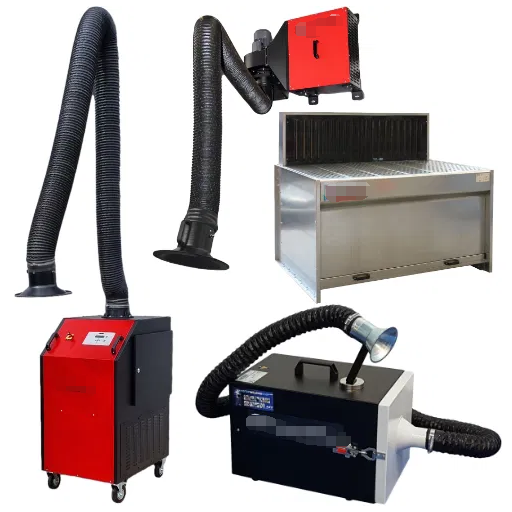
Being highly versatile and efficient, a portable fume extraction system removes any hazardous fumes and particles raised during welding, soldering, or several industrial processes. Until recently, these extraction units exemplified the epitome of search; with their portability and easy operation, workers are able to manage air quality in a number of workspaces without permanent installations. Search trends further suggest that interest is rising toward systems with enhanced HEPA filtration and adjustable arms to further concentrate on the capture of the finer particulate matter and also allow a customizable application for particular environments. Their compact design is very much suitable for shallow-type workshops, on-site repairs, or any other limited space of a facility, keeping the bargain balanced between performance and convenience.
Wall-Mounted Fume Extraction Systems
Wall-mounted fume extraction systems are becoming trendy on account of space-saving design and glorious performance capabilities. According to the latest search authority, users are often on the look-out for a system that provides high suction power at low energy costs. They are ideal solutions for industrial settings or laboratories requiring long-term stationary solutions. In addition, the possibility of installation on walls offers a means of minimizing floor space footprint, thereby being a great option for plants with limited free areas or CAD-based workflow restrictions. Added searches indicate interests in intelligence controls, including something that can automatically detect fumes and adjust their suction accordingly for both efficiency and user satisfaction.
Hoods and Arms for Fume Extraction
Upon the analysis of current trends and latest data, a big question remains: What exactly are people searching for in fume extraction hoods and arms? It seems that key features are those that provide safety and efficiency. Common search queries equally stress a high-performance filtration system with one that can capture the smallest particulate measure to release clean air in workspaces. Flexibility and adjustability are hence evident in the biggest searches as many users entertain searches for model arms that are easily maneuverable for numerous tasks. Another feature found to be in demand has been smart technology, with automated sensors and energy-saving operations being attractive to the environmentally conscious. Hence, manufacturers that concentrate on adaptability, filtration at high standards, and technological advancement are hence likely to answer the user’s need.
⚙
Factors to Consider When Selecting a Welding Exhaust Fan
Size and Capacity of the Exhaust System
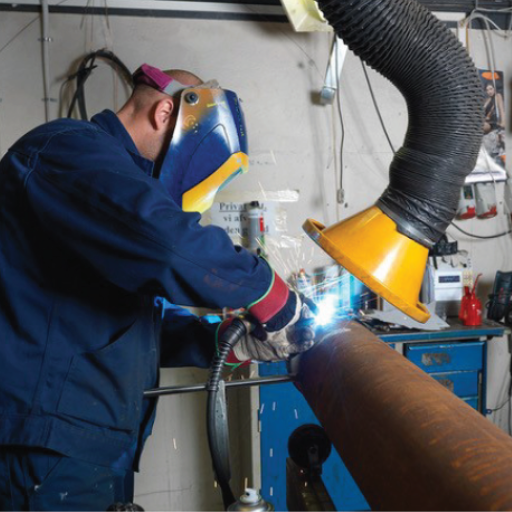
When the exhaust fan for welding needs to be chosen, the size and capacity of the system are needed to provide good ventilation. Users still tend to ask how they should know what capacity to have for the workspace. The general view has been to think of CFM rating in relation to the size of the area to be ventilated. If the workspace is small, then somehow a lower CFM rated fan will suffice. Bigger industrial spaces mostly require huge capacity systems that can move much air. Besides, things like the number of welding stations, the materials being welded, and how much the spaces are being used must be factored in to prevent accumulation of dangerous air and to make the working environment safe for all. With these considerations, companies can best adapt their exhaust systems to their needs.
Types of Welding Processes and Their Fume Production
Fumes come in different quantities and compositions from all welding processes; the type of base material and method is the varying factor. For example, arc welding processes such as Shielded Metal Arc Welding (SMAW) and Flux-Cored Arc Welding (FCAW) enter better fenestration with profuse amounts of fumes released owing to flux fumes burning and filler materials. Gas Metal Arc Welding (GMAW), or more popularly known as MIG, will generally have lesser fumes, but the risks can still arise depending on what metals and shielding gases are used. TIG produces the least fumes as it does not employ consumable filler rod coatings, but nonetheless, under certain conditions, gases toxic to health can be formed.
High Fume Production
Heavy flux coating creates significant fumes
Flux core burns producing heavy fumes
Medium Fume Production
Moderate fumes depending on material/gas
Low Fume Production
Minimal fumes, cleanest process
Special Material Considerations
In recent times, it was learned that fume production is also influenced by the nature of metals being welded:
- Stainless Steel: Releases hexavalent chromium, which is an exceedingly toxic carcinogen
- Galvanized Steel: Produces zinc oxide fumes that cause metal fume fever if inhaled in large quantities
These differences need to be appreciated so as to be able to choose the right active measures like ventilation systems, PPE, and constant air monitoring to ensure safety and compliance.
Noise Level and Efficiency
Noise in industrial settings acts as one of the major factors affecting occupational hazards and operational efficiency. Excessive noise leads to hearing impairment of various types and contributes to a lack of concentration among workers; thus, workers have an opportunity to commit the wrong acts that could be hesitated of causing accidents. The latest data indicate that, to satisfactorily address these issues, one might require the application of the most modern noise control technology such as acoustic barriers or sound-absorbing materials. Additionally, scheduling noisy operations during less sensitive time periods brings slight disturbances. Upkeep and maintenance of equipment coupled with redesign of equipment aimed at reducing mechanical noise will help conserve the hearing ability of workers while providing a dusky ambience conducive to intensified productivity.
🔨
DIY Fume Extraction Solutions
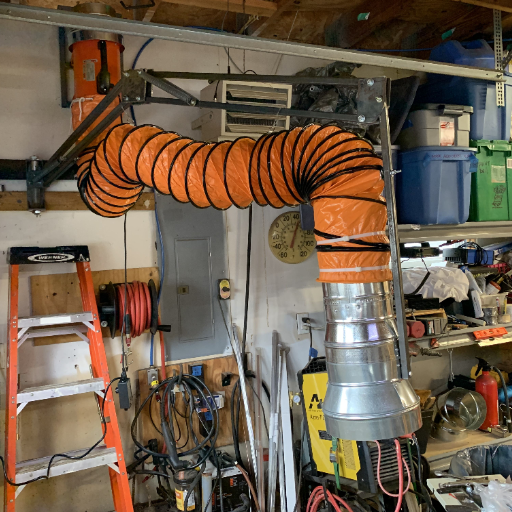
Building Your Own Fume Extraction Hood
DIY
Cost-Effective Solution
Building your own fume extraction hood could present an effective and cheap way of enhancing the air quality in your workspace.
Required Materials:
Sheet of metal or plastic
High capacity exhaust fan
Flexible ducting system
Activated carbon filters
Design the hood to sit very close to the area in which you are working to capture all of the pollution right where it is created and send it through the ducting to the filters or outside display.
Lately, search data gathered from ‘s search engine indicate a rising interest in the installation of quiet exhaust fans with energy efficiency to balance noise and performance. Many DIYers allow some adjustability in their hoods so that the hood itself can be easily moved to focus on specific work areas. Custom exhaust hood, along with regular filter cleaning and proper ventilation, will highly reduce airborne toxins and provide a much safer and healthier working environment.
Using Flexible Hoses and Fume Arms
Flexible hoses and fume arms are one element in fume extraction systems. Originally, it had to address many different roles in varying industrial and laboratory environments. Yet, because of their flexibility and ease of adjustment, these arms and hoses can be placed close to the poisoning-charged atomization zone. This prevents poisonous particles from finding their way into the atmosphere, thus constructing a safe working environment. According to the most recent data from ‘s search engine, flexible hoses with HEPA filters are among the most searched air-quality-enhancing solutions for confined spaces. This indicates increased awareness regarding the need for fume control on targeted locations and how customizable and extendable fume arms might lend a hand in solving some of the hard problems surrounding working environmental issues. Application of such equipment leads to a safer working environment as well as greater efficiency in creating cleaner atmospheres.
Cost-Effective DIY Exhaust Systems
Trending DIY Solutions
According to recent data from engine trends, cheap DIY exhaust systems are trending among those users searching for low-cost air-quality improvements. Many people scroll down building the system themselves using common materials such as PVC pipes, inline fans, and HEPA filters. By either putting together the products themselves, users can design systems that best suit their requirements for a workshop, garage, or any other type of confined spatial area. This increase in search volume shows the customer’s drive to search for budget alternatives with function and air safety as priority. For those aiming to make an inexpensive exhaust system, plenty of online tutorials and forums will be the way to go.
🛠
Maintenance Best Practices for Welding Fume Extractors
Regular Inspection and Cleaning of Equipment
Search Trend Insights
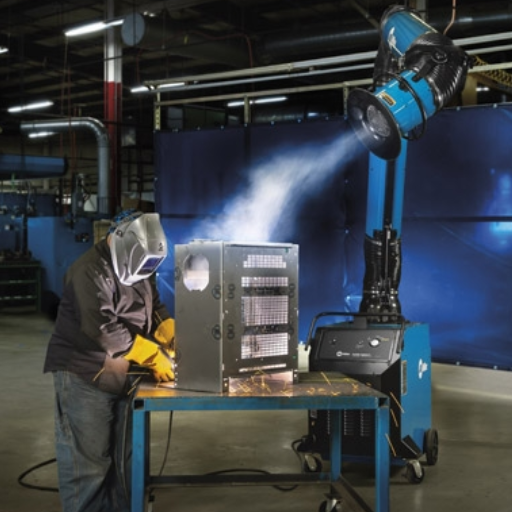
Inspection and cleaning are prerequisite for ensuring the welding fume extractor’s good operation and prevailing longevity. There is also an interesting observation from the recent search trends data from , wherein a sizable increase appears in the number of users searching for maintenance tips that would make these systems cost-effective and reliable.
High Usage Systems
For systems in constant industrial use
- Check filters for clogging
- Inspect ducts for buildup
- Monitor airflow performance
Moderate Usage Systems
For moderate workshop use
- Filter inspection and cleaning
- Duct maintenance check
- System performance review
Usually, one would be advised to inspect the filters for any clogging and to either clean or replace them according to the manufacturer’s instructions, while the ducts should be checked for any buildup that might impede airflow. There are also extensive user queries concerning how frequently these tasks should be carried out, with an agreement generally that evaluation should be weekly for systems in high use and be monthly for the system in moderate usage. Adopting these routines thus makes a significant impact on efficiency and safety in the work environment as most search data show.
Replacing the Filters and Components
Most Searched Question
Hence, this replacement really constitutes a crucial step maintenance-wise to guarantee system effectiveness and longevity. According to the latest data from , one of the most searched questions on the search engine is, “How often should filters and components be replaced?”
The question is variable and depends on the type of system and the extent of its usage. For the case of systems with heavy usage like in industrial and commercial settings, filters ought to be replaced monthly to every three months to prevent such things as clogging of air flow to promote healthier air. For residential systems with moderate usage, the replacement time might be prolonged to 3-6 months, and provided inspections are being undertaken respectively. Components such as belts, fans, and coils, however, ought to be inspected and replaced when any sign of wear or loss of efficiency becomes apparent. Adhering to these procedures will not only increase their efficacy but also minimize the possibilities of system breakdown, a key concern uncovered by user search trends.
Safety and Compliance
To guarantee safety and compliance during the maintenance of an HVAC system, industry standards should be adhered to as well as local regulations. According to recent search data from , the users frequently bombard the search with questions such as, “What are the key safety practices for HVAC maintenance?” The practices include maintenance performed after regular inspection, proper training on the handling of refrigerants, and following safety protocols by wearing protective gear and ensuring proper ventilation during service. Besides following EPA rules and adhering to manufacturer specifications to ensure the safe disposal of hazardous materials and the associated environmentally responsible approach, these systems are well served by satisfying the requirements of residential as well as commercial setups.
Frequently Asked Questions
What is a welding fume extractor and how does it work?
Simply put, welding fume extractors are devices intended for extracting hazardous fumes and gases created during welding that could be dangerous in the working environment. These extractors use suction power to achieve local extraction-at the source of the fumes-producing effective extraction of contaminants in the welder’s breathing zone. Usually, the extractor is aided with a fume extraction hood or arm that may be placed for maximum airflow and minimum exposure to welding fume. High-grade filtration systems-HEPA filters, for example-make sure that clean air is delivered by the extractor to keep down the health risk due to hazardous particulate matter found in welding environments. The correct arrangement of the extraction system is highly important for efficiency.
How do fume extraction arms improve welding ventilation?
Fume extraction arms complement welding ventilation by providing the welds with a flexible and effective means of fume capture at the generation of welding fumes: in other words, at the source. The arms can be mounted to the wall or can be movable to accommodate several different welding booths and workstations. They swivel so that they can easily be maneuvered around the welding table to ensure that the arm can trap fumes and gases from various angles as well as protect the welder. Hence, in successful localized extraction, the quality of air in the whole work area gets better. Proper airflow and suction are the other most important factors in making the extraction system working to its full potential and to create a safer environment in the workspace.
What considerations should be made when choosing a fume exhaust system?
Depending on the process involved, a fume exhaust system can take myriad forms. The standard exhaust mechanism draws fumes from the point of emission through a duct of varying diameters and lengths until it exits through an external outlet. Ensuring the system is adequately balanced with consideration given to welding fumes that can become hazardous when allowed to recirculate back into the working environment is crucial. For the client, the welding process through either MIG or soldering must consider the nature of the fumes, as they tend to differ, from the welding process. Finally, in the welder’s personal working circumstances, the system has to perform well in containing, capturing, and filtering the fumes created during welding.
How can welding helmet and respirator best function with a fume extractor?
You must have a welding helmet and respirator compatible with the fume extractor, and they must go well together. With welding helmets, it is essential to ensure a good seal all around the edges so any airborne contaminants do not come in. On the other hand, if welding fume-rated respirators are used alongside extraction systems, a further layer of protection is offered to workers. The continuous inspection of helmets and respirators for signs of wear and tear or damage will lead to working inefficiencies of the extraction system being maintained. So when all these are working together, following proper working practices for the welding helmet and respirator and extraction system will reduce welding fume exposure, thus rendering the working environment safer.
What are the advantages of wall-mounted fume extraction systems?
Wall-mounted fume extraction systems provide a number of very useful benefits in a welding setup. Being installed high on the walls, they save some valuable floor space, thus making them suitable for compact workstations. They can be designed for maximum airflow and suction power, guaranteeing that fumes are drawn in and filtered out before these ever get a chance to attach themselves to the workspace. Moreover, wall-mounted setups hence come with flexible arms or hoses for varied positioning to suit assorted welding requirements. This flexibility translates into better working of the whole fume extraction system and contributes toward a safer and cleaner working atmosphere for the welders.
Reference Sources
-
Local Exhaust Ventilation for the Control of Welding Fumes in the Construction Industry
This literature review discusses the effectiveness of local exhaust ventilation systems in controlling welding fumes, including the use of exhaust fans.
Source: Oxford Academic -
Methods of Eliminating Pollutant Emissions from Welding Processes
This paper explores various methods, including ventilation systems and exhaust fans, to reduce pollutant emissions in welding environments.
Source: Taylor & Francis Online -
Designing and Installing Local Exhaust Ventilation Systems for Welding Fumes
This document provides insights into the design and implementation of local exhaust ventilation systems to minimize welders’ exposure to fumes.
Source: Academia.edu - guide for welding machine accessories