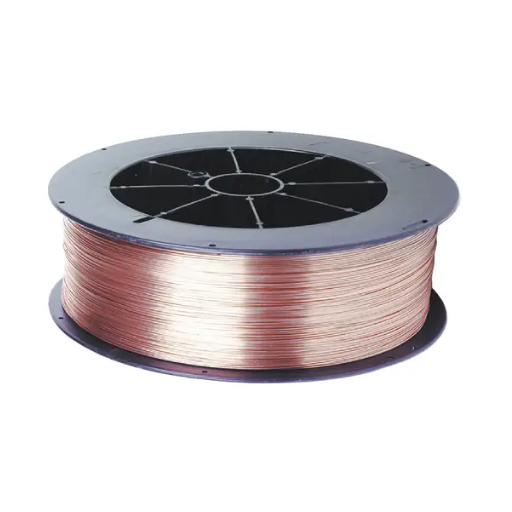
MIG wire size is a factor that can greatly implement your welding quality, strength, and efficiency. From professionals to beginners working on their craft, knowledge of welding wire sizes becomes critical in achieving better results. But with a long list of choices, how do you make the right choice for your project? The following section covers all information pertaining to MIG welding wires, from understanding wire sizes to tips on how to select the right wire size for your welding needs. Hereby, after reading the article, you will walk away knowing the guidelines for making wise choices that will enhance your welding performance.
Understanding Welding Wire Sizes
An Introduction to Welding Wire
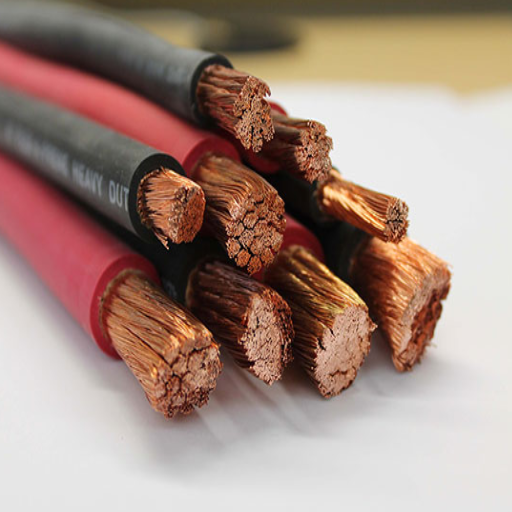
Welding wire is the most important filler used in the MIG welding procedure for joining two metal pieces. Choosing the right size wire can have a heavy bearing on the weld quality and strength. Each wire size stands for the wire diameter and is generally categorized into gauged sizes such as 0.023″, 0.030″, 0.035″, or 0.045″. Usually, wire size depends on the thickness of the material used and the required strength of the weld. Wires that are thinner at 0.023″ diameter are used in projects that involve thin metal sheets, while thick wires of 0.035″ or 0.045″ are used for heavy welding of thick material, such as structural steel. As per expert advice and trending searches, it does indeed seem that most users abroad are in search of that middle ground between compatibility with their welding equipment and deliverance of good results for their specific project. With this basic knowledge under your belt, you will be confident enough to pick the right wire size for any application.
Typical MIG Wire Sizes
The updated report reflects data gathered from a popular search engine that disseminates information on the 0.023, 0.030, 0.035, and 0.045 diameter wire sizes searched for. Various wire sizes address various welding jobs; hence, they enjoy a wide audience from hobbyists to professionals. Wire 0.023 is mostly used on very thin materials, for example, automobile body panels, whereas 0.030″ wires are highly versatile and can be used for light and medium welding. Wire sizes of 0.035″ and 0.045″ are likely to be in demand for the heavier gauge projects that require more rigid materials. These search trends suggest that welders assess the wire sizes according to the thicknesses of their materials and desired welding results for enhanced performance and quality workmanship.
Wire Size Chart Overview
When choosing the right wire size for a welding project, it’s necessary for optimum weld quality to have a wire diameter that is matched to the thickness of the material. Based on the latest findings from the search-engine ranking data gathered, the most used wire sizes along with their application are listed below:
With this wire size chart in hand, combined with some knowledge about thicknesses of materials and all requirements that projects demand for, welders are capable of making better, informed choices, and executing their works timely and with high-grade results.
Types of Welding Wire for MIG Welding
The Story of MIG Welding Wire
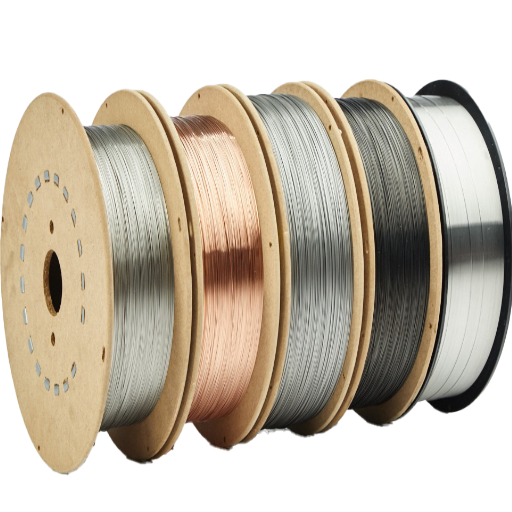
MIG welding wire is an indispensable element for the MIG welding method. It serves dual purposes: as an electrical conductor and as filler material to fuse metals together. The choice of wire depends upon many factors: the type of metal being welded, its thickness, and the strength desired of the weld. Some common types include solid wires and flux-cored wires.
Solid Wire
Almost always used to weld mild steel, stainless steel, and other metals under conditions that are clean and controlled. Unless it is shielded by a suitable gas, the weld might become contaminated. The shielding gas is commonly argon or a mixture of argon with carbon dioxide.
Flux-Cored Wire
Filled with a flux compound that in most cases allows the use of no shielding gas. This makes the flux-cored wire practical for outdoor or windy conditions that would likely cause shielding gas to dissipate. Considering its penetration, flux-cored wire is a solution for thicker metal and heavy-duty jobs.
Factors to consider when choosing a MIG welding wire are its diameter, the welding machine it is used with, and the welding position it can be used in (flat, vertical, etc.). An excellent quality welding wire with proper settings and techniques can produce solid and reliable welds for a wide range of applications.
Filler Materials in MIG Welding
Filler materials constitute the most important role in MIG welding to cross the gap and join the metal members, producing strong, durable welds. The filler materials contain solid wires like ER70S-6, widely employed in welding mild steel for its great deoxidizing action that results in fine and smooth welds under different operating conditions. For welding that requires corrosion resistance, such as in food and marine applications, stainless steel wires such as ER308L or ER316L are usually used. Aluminum wires such as ER4043 and ER5356 are designed to weld thin materials with high thermal conductivity.
Some factors influence the filler material to be selected; these are base metal, application, and environment. For example, flux-cored wire should preferably be used in outdoor conditions because it feeds on itself and does not require an external shielding gas. Similarly, filling wires need to be compatible with the welding unit you are using, as well as capable of performing to the requirements of your project. Selecting the right wire type and welding parameters enable a highly professional-directed welding method that gives high strength and durability in many industrial applications.
Mild Steel Versus Structural Steel Wire Options
When faced with choosing among mild steel and structural steel wire types, there are considerations for the context of one’s project. In most such instances, thin mild steels are inexpensive, convenient to use, and are perfectly suited to general applications. They also work with thinner materials and nonstructural projects where high strength is not the main consideration. Structural steel wires, on the other hand, are designed for large-scale applications requiring superior strength and toughness. They can, for instance, take up heavy loads and stress caused by construction, bridges, and other infrastructure projects.
According to this latest data, structural steel wires have traditionally been given preference for industries that require high-performance class materials such as automobile and large-scale production. Mild steel, on the contrary, has always been welding wire for the simplest fabrication situation and cheap one. The main factor for choosing wire is to contemplate the thickness of the material and the loads it must sustain and consider the environmental state by which the work lasts. Aligning these facts to your goal will give you the correct answer to weld efficiently and effectively in your work.
Choosing the Right MIG Wire Size
Factors Influencing Wire Size Selection
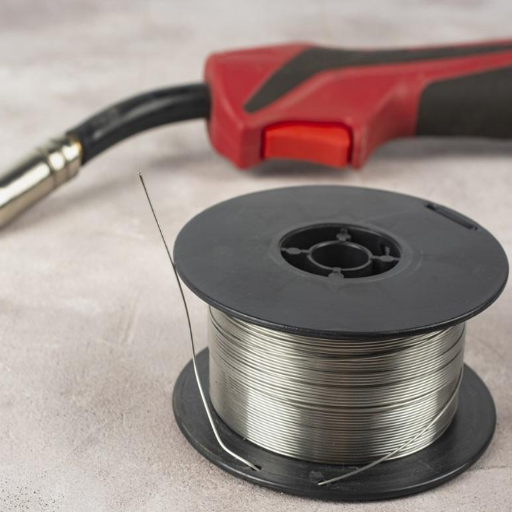
Choosing the right MIG wire size to achieve the best welding performance cannot go unnoticed as a critical step. Several factors influence choosing the appropriate wire diameter for a particular purpose:
-
Material Thickness
The thickness of a material considered for welding is the most important factor. For thin materials, smaller wire diameters such as 0.023″ or 0.030″ provide greater precision and control, whereas thick materials work in conjunction with bigger wire diameters such as 0.035″ and 0.045″ in deeper penetration and the creation of superior welds.
-
Type of Metal
The wire types and sizes also vary from one metal to the other. Steel, stainless steel, or aluminum have different properties that affect how the wire interacts with them. Correct sizing with the appropriate metal guarantees better bonding and fewer welding defects.
-
Welding Position
The welding position, flat, vertical, or overhead, significantly influences the selection of the wire size. For example, for overhead or vertical welding, smaller wire sizes may be needed for easier manipulation and less spatter.
-
Amperage and Voltage Requirements
With bigger wire sizes needing higher amperage and hence conducive to heavy deposition and use, smaller wires use lesser amperage to save energy and keep distortion at bay on delicate projects.
-
Project Objectives and Finish
In situations of welding where appearance and finesse are important, for example, in automotive or sculpture welding, small wire sizes should be used. Larger wire sizes, on the other hand, are used in structural welding, where strength is paramount.
When these various factors are carefully aligned with project goals and conditions, the most appropriate wire size can be selected for better performance and finish.
Choosing the Correct MIG Wire for Your Project
To choose the correct MIG wire for your project, you need to weigh many factors to guarantee its top performance and efficient use. As provided from the latest data from a search engine and consultant suggestions, here are some key steps:
- 1
Know Your Material Type
One of the most important factors is the type of material you are welding. For instance, carbon steel normally requires an ER70S-6 wire, which is the most common variety due to its versatility. Stainless steel welding would require wires such as ER308L, and aluminum uses ER4043 or ER5356 wires depending on strength.
- 2
Keep Consideration for the Thickness of Your Metal
Thicker metals might usually require bigger diameter MIG wires in order to be able to penetrate into the thicker metals for strong welds. Otherwise, thinner metals will be better for smaller wire sizes, which tend to avoid excessive heat or distortions.
- 3
Match Wire with Your Welder Power
In the run time of welders, ensure that the wire you go for is suited in terms of amperage rating to fit well with the capacity of your welder. It is somehow a big wire that maybe will wash away your welding from a small welder, whereas it may also be a small wire that goes nowhere if on heavier-duty welding.
- 4
Choose Suitable Shielding Gas
Different wires operate best under different shielding gases. For instance, solid wires are often used with argon/CO2 mixtures for clean welds, whereas flux-cored wires generally do not require shielding gas at all.
- 5
Consider Your Project Type & Environment
Think about whether it will be an indoor or outdoor project and if appearance matters. If this is an outdoor project or a project with lots of airborne contamination, flux-cored wire is probably better suited for the job since it can handle the wind and resist porosity. If you want good-looking welds, solid wire is probably the way to go.
- 6
Cost Vs. Need for Performance
Though costlier wires with strong deoxidizing capability can produce excellent results, one should weigh them against the prospective benefits while making a decision.
Choosing by weighing these factors against your welder’s criteria, you are certain to pick the right MIG wire for any job for the greatest yield and efficiency.
Understanding Material Thickness and Joint Type
Material thickness and joint type play an important role in welding. It includes changes to welding method, machine setting, and preparation of the materials. Thin materials mean less voltage, fusing amperage, and minimum diameter of wire to avoid burn-through whilst attaining full penetration. Thick materials call for highly heated mediums with a bigger diameter of wire to generate thick fusion and structural integrity.
Joint type considerations include things such as accessibility of the weld, which can include a thin application of stresses, and the use of welds themselves. For example, butt joints are common for use but oftentimes require some edge preparation if they are on the thicker end to cater to proper penetration. Lap joints are good when the materials overlap and allow a larger surface area for welding. In contrast, fillets welds are commonly used for corners and need to be correctly referenced for machine settings so that the weld is practical and visually acceptable.
Together with new search insights, welders place great importance on also knowing the interactions of joint types and material thickness with new welding technology. Some of the most searched queries on include “What’s the best MIG wire for thick steel?” and “How to weld thin aluminum without warping?” underline the increasing preference for making one-size-fits-all solutions less based on generic material and joint consideration. Keeping yourself updated on the introduction of welding tools and materials will help immensely with precision and efficiency in any welding endeavor.
Best Practices for MIG Welding
Expert Tips for Optimal Welding Results
💡 Expert Tip for Thick Steel
One of the most searched questions being “What’s the best MIG wire for thick steel?” would get an expert recommendation to go for the ER70S-6 wire, which has great tensile strength and can work on dirtier surfaces. It can work well on thick steel and allow for a little more deoxidizers, which translates to a cleaner, more accurate weld.
⚡ Expert Tip for Thin Aluminum
The answer to the question, “How to weld thin aluminum without warping?” revolves around heat control and preparation. Use a spool gun with a softer alloy type of aluminum, such as 4045 or 5356; reduce these voltage settings so as to avoid overheating. Weld in short, constant passes to prevent warpage and maintain the integrity of the thin aluminum sheet.
With the above tips and with an understanding of material characteristics and the right tool for the job, the welding professional will be able to execute welds quickly, efficiently, and with high integrity.
Setting up Your MIG Welding Machine
The MIG welding machine is set up according to the project; hence, it must be given the best shielding gas suitable for the project. For most steel welding, the gas mixture considered free from contamination and weld abrasion is Argon and CO2 in a ratio of 75:25. After this, adjust the voltage setting of the machine and wire speed according to the type of material and the thickness being welded; there is, most of the time, a chart provided by the manufacturer for this purpose. Check that wires being used are those recommended for the project, i.e., general use wires should be 0.030 or 0.035 diameter. Ensure good grounding of the workpiece through the use of a ground clamp provided with the machine to create an uninterrupted electrical connection. And now, always ensure to check all of your connections, and do put on your protective gear before starting any welding activity. That would, in the end, create a solid foundation for achieving precise and successful MIG welding.
Techniques for Effective Welding
A good weld is a marriage of welding science, with that special touch of creative best practice applied in response to your project. Correct settings are key: voltage and amperage settings need to be changed according to thickness and type of material. Modern tools and Internet resources, including calculators or information from reliable sources, prove useful in determining these parameters. Maintain the correct welding angle: generally, 10 to 15 degrees will do well for push or pull welding. Constant travel speed, as almost a rule, will best ensure an even bead, with minimum splatter and burn-through. Quality of gas could also make certain differences to weld quality: to name an example, argon 75% and CO2 25% mixture is customary for steel welding by a MIG process. Allow for a positive cleanness of workpiece with regards to the removal of rust, paint, or dirt; contamination will weaken the weld. A combination of these methods supported well with credible information will allow welders to produce workable and good-performance results in many applications.
Frequently Asked Questions
❓ Why is it important to select the right welding wire size?
Choosing a wire with the correct diameter greatly promotes the production of high-quality welds. The voltage and amperage settings of your welder are dependent on the wire diameter; in fact, these parameters are basic to the welding process itself. Hence, a fine wire with a diameter 0.6 mm is mostly used for welding thin materials while a coarser wire of around 0.035″ diameter would be appropriate for heavier materials. An appropriate wire would prevent the melting-and penetration from being way too much so as to kill weld quality and strength; on the opposite side, insufficient melt and penetration do the same adverse effect to weld quality. Different material grades might also require different wire diameters.
📏 What are the standard MIG welding wire sizes?
0.8 mm, 0.6 mm, and 0.035 inches are among the common MIG wire sizes for particular welding applications. The welding wire diameter influences deposition rates and travel speed, so it should be chosen, depending on the thickness of the material to be welded. A larger diameter wire is usually for thicker materials as it is capable to support higher amperages with a better depth of penetration. Therefore, the size wire to choose should correspond to the duty cyle rating of your machine so that it doesn’t burn out while in use.
⚡ How do different wire diameters affect welding performance?
Wire diameter is the biggest factor affecting welding performance. The bigger wire can carry high amperage necessary for welding thicker materials. Using a smaller wire on thicker joints will cause splatters and a lack of penetration. The correct size of the MIG wire will give a smooth weld with little chance of overheating. Wire diameter also affects the arc stability and the amount of shielding gas necessary to protect the weld pool from contamination.
🤔 What considerations should I be mindful of when deciding on MIG welding wire?
Look at materials’ thickness, welding amperage, and the desired weld quality versus wire selection for MIG welding. Wire diameter is crucial to producing sufficient melt and penetration for the weld. Joint design also factors into choice in a welding project. Choose good quality welding consumables, including shielding gases so as to optimize your wire choice. Understanding the characteristics of different wire types will assist in determining appropriate MIG wire for your particular application.
🛡️ How does the choice of shielding gas correspond to welding wire size?
The shielding gas choice closely relates to welding wire size and the materials in use. Different diameters of wire may necessitate slightly different shielding gas compositions. For instance, large diameter wires generally throw an arc quite wide, requiring compensation in gas flow rates vis-a-vis small wires. The proper shielding gas assists with quick weld quality by reducing spatter and providing for clean finishes. Therefore, choosing the right MIG wire size plays alongside to considering the correct shielding gas for the welding.
Reference Sources
- guide for welding machine accessories
-
📚 Welding Processes Handbook
This book provides comprehensive insights into various welding processes, including the use of continuously fed metal wires as electrodes.
- Read on Books
-
🔧 Tubular Wire Welding
This resource discusses advancements in tubular wire welding, including the impact of wire diameters on welding capabilities.
- Read on Books
-
📋 Welding Procedures
A technical document detailing welding procedures, including the use of flux-cored wires and their applications.
- Download PDF on Academia.edu