
H-beam aluminum is a material worth knowing, as it suits a broader range of applications, recognized for its strength, durability, and adaptability. From erecting skyscrapers and assembling intricate machinery to rare architectural ventures, aluminum H-beam assures value and performance. This article guides readers through the world of H-beam aluminum, exploring its diverse applications, benefits, and the manufacturing dynamics that make it a preferred choice among engineers, architects, and manufacturers. Thus, one will gain a broader perspective on why H-beam aluminum is offered as a material of choice for modern projects that provide a home for ambitious ideas with greater reliability.
Introduction to Aluminum H Beams
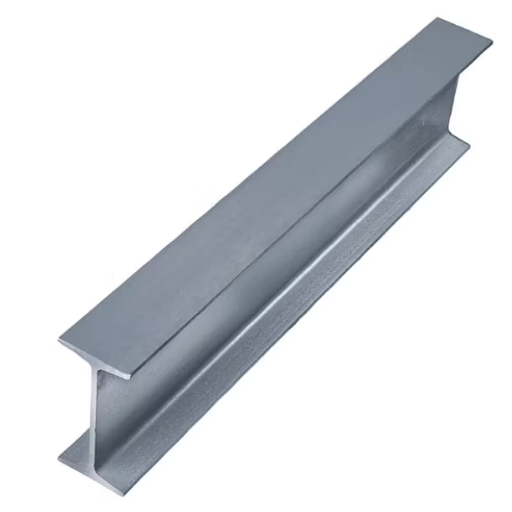
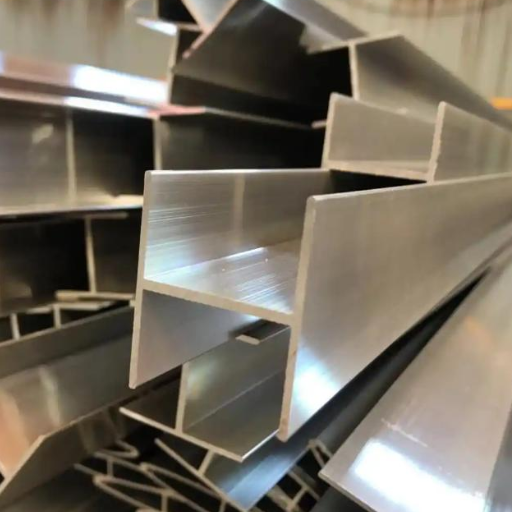
Aluminum H-beams are structural members fabricated in an “H” shape, offering a good strength-to-weight ratio and versatility. Typically, these beams are used in construction, engineering, and industrial projects that require support and stability, while also remaining lightweight. The corrosion resistance qualities and good fabricability of these beams enable them to be used in various industries for applications ranging from building frameworks to machinery components. Modern, innovative designs most commonly utilize aluminum H-beams because of their efficiency and durability.
What are H Beams?
H Beams, also known as I Beams or H-Section Beams, are the structural elements commonly used in construction and engineering projects. With such a name, it meant the beams were distinguished by their very unique cross-section shape, resembling the letter “H.” The H beam consists of two parallel flanges joined by a web in the middle; therefore, these channels offer the best load-bearing capacity with resistance to bending, as bending supports hefty loads over long spans.
Such beams are made from steel and aluminum, with aluminum providing an edge due to its lightweight and anticorrosive properties. H-beams find applications ranging from frameworks for buildings and bridges to heavy industrial equipment and shipbuilding. Their precision engineering and flexibility render H beams an essential part of modern-day construction and infrastructure development.
Composition and Properties of 6061 Aluminum
6061 aluminum is a versatile alloy composed primarily of aluminum, magnesium, and silicon, offering excellent strength, corrosion resistance, and machinability, making it ideal for structural, automotive, and aerospace applications.
| Key Point | Details |
|---|---|
| Aluminum | 97.9% |
| Magnesium | 0.8-1.2% |
| Silicon | 0.4-0.8% |
| Density | 2.7 g/cm³ |
| Tensile | 310 MPa |
| Yield | 276 MPa |
| Corrosion | High resistance |
| Machinability | Excellent |
| Applications | Aerospace, automotive, structures |
Advantages of Using Aluminum in Construction
Lightweight and High Strength
Aluminum’s genius lies in the marriage of a low density with good strength, thus serving construction projects that require lightweight materials. For instance, aluminum 6061 has a density of only about 2.7 g/cm³, which is approximately one-third that of steel.
Corrosion Resistance
Aluminum develops an inert oxide layer on its surface, essentially protecting it from rust and corrosion. This ensures the structure’s longevity when exposed to rigorous weather conditions in coastal areas or some industrial environments.
Excellent Workability
One can mold, cut, and shape aluminum, saving time and money in production. Being malleable, it can be shaped into a greater variety of forms and designs, which in turn provides engineers and architects with more creative options for their projects.
High Thermal and Electrical Conductivity
Being the best conductor of heat and electricity, aluminum provides excellent energy-efficient building solutions, including HVAC systems, window frames, and electrical wiring. Since aluminum reflects much of the radiation, it helps to create energy-saving options for buildings.
Recyclability and Sustainability
One of the most recyclable construction materials, aluminum requires only 5% of the energy it takes to produce primary aluminum for its recycling. Aluminum usage reduces construction waste and promotes green building practices, which directly support the Sustainable Development Goals.
Applications of Aluminum H Beams
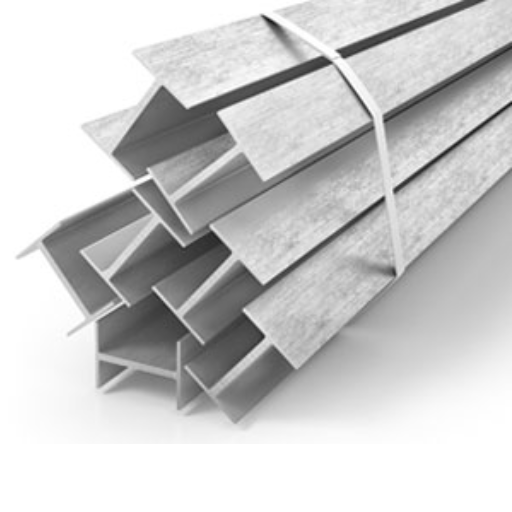
Aluminum H-beams find diverse applications in building and industrial projects, offering strength, lightness, and corrosion resistance. Mainstream applications include:
Structural Support
Used in construction frameworks, bridges, and platforms for their ability to bear significant loads while maintaining a light structure.
Transportation Industry
Commonly utilized in the design of trailers, trucks, and railway components, where reducing weight is essential for efficiency.
Marine Construction
Ideal for boat framing and dock structures due to their durability and resistance to saltwater corrosion.
Aerospace Applications
Incorporated in aircraft manufacturing for lightweight structural integrity.
Their versatility and performance make aluminum H beams a valuable component in multiple industries.
Construction and Structural Uses
Aluminum H-beams find vast applications in construction and structural engineering because they offer a high strength-to-weight ratio and resist environmental degradation. They are heavily used in contemporary construction projects, particularly in designing facilities, bridges, and roof supports that require durability and heavy service. Furthermore, the aluminum H-beams are well-suited for resisting corrosion and will withstand well in wet working conditions and weathering. That is why aluminum H-beams are a preferred structural element for engineers and architects striving for sustainability, efficiency, and design integrity.
Transportation and Aerospace Applications
The aluminum beams find a very significant position in transportation and aerospace applications because they are light and have the highest strength-to-weight ratio. They give fuel efficiency, performance, and structural stability. Here are five detailed uses in the transportation and aerospace fields:
Aircraft Frames
Aluminum H beams are used to make aircraft frames and fuselage components. Being light, the aluminum reduces the total mass of the aircraft. Greater fuel efficiency and payload capacity are achieved with the same structural integrity under critical loading conditions.
Railroad Cars
Lightweight aluminum H-beams are used as structural members for high-speed trains and railroad cars. In being resistant to corrosion, their durability guarantees reliability and safety in the face of adverse working environments for extended periods.
Automotive Chassis
Automotive manufacturing utilizes aluminum H-beams in designing lightweight yet sturdy chassis structures to reduce vehicle weight, thereby improving fuel economy and lowering emissions, without compromising passenger safety.
Spacecraft Structures
Aluminum H beams find application in spacecraft design, imparting adequate durability to the launch and space travel under extreme stresses. Additionally, they ensure corrosion resistance, providing performance longevity in harsh space environments.
Shipbuilding
Aluminum H-beams are also used in ship construction to keep decks and hulls lightweight. Their resistance to rust and exposure to saltwater makes them particularly useful in marine applications, ensuring longevity and low maintenance requirements.
Industrial Applications of Aluminum Beams
Aluminum beams are considered vital in varied industrial sectors due to their strength, versatility, and lightweight features. Here are five major applications:
Construction and Infrastructure
Aluminum beams are primarily used in construction projects for framing, roofing, and bridges. They maintain the required strength while keeping the structures light. For example, aluminum frameworks are 50% lighter than steel versions, yet offer equal strength.
Automotive Industry
Aluminum beams play a crucial role in the automotive industry by enabling the production of lightweight frames and components for vehicles, which in turn improve fuel efficiency and reduce emissions. According to industry reports, they can reduce the curb weight of vehicles by up to 20%, resulting in significant energy savings.
Energy Sector
In constructing renewable energy facilities, such as wind turbine towers and solar panel mounts, aluminum beams are often utilized. Their weather-resistant and lightweight nature makes them perfect for locations that are either extremely remote or difficult to access.
Aerospace Industry
Aluminum beams are used in aerospace structures, such as wings and fuselage sections, wherever the strength-to-weight ratio is crucial. Aluminum alloys, including those used for beams, can reduce the weight of components by up to 30 percent compared to traditional materials such as steel.
Railway and Transportation
Aluminum beams are used extensively in the design of railway cars and metro systems to ensure resistance to deterioration and a heavy load-bearing capacity. Energy efficiency can be significantly improved in lightweight railcars built with aluminum components; such cars will also reduce track wear and tear.
The above applications indicate the versatility and importance of aluminum beams in various industries.
Manufacturing Processes of Aluminum H Beams
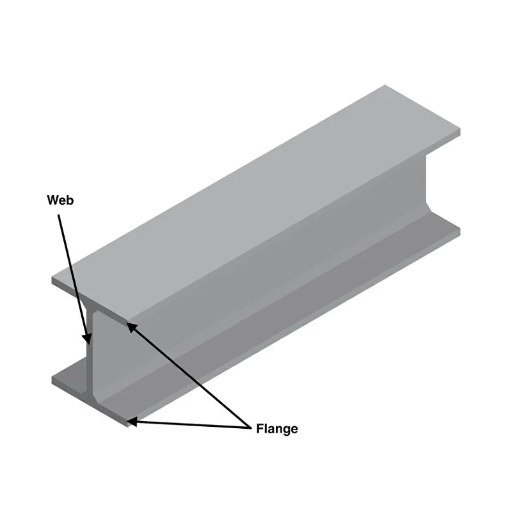
The manufacturing of aluminum H beams goes through several major processes to attain precision, strength, and durability:
Extrusion
The aluminum billets are heated and pushed through a die shaped in the form of an “H” to achieve the cross-sectional profile of the beam, thereby creating consistent dimensions and structural integrity.
Heat Treatment
The beams are heat-treated to enhance their strength and other mechanical properties, ensuring compliance with relevant industry standards.
Surface Finishing
These treatments aim to protect against corrosion and achieve a desired look or feel, including anodizing, painting, and powder coating.
Cutting and Customization
The beams undergo cutting to specified lengths and sometimes are customized for various applications, including drilling or welding.
These steps are meticulously controlled to ensure the production of high-quality aluminum H-beams that serve various industrial and construction purposes.
Extrusion Techniques for Aluminum
The aluminum extrusion method is applied in manufacturing when an aluminum alloy material is forced through shaped dies to form objects having the desired cross-section. Aluminum extrusion is widely used because aluminum is lightweight, strong, and versatile. Modern extrusion techniques utilize advanced technology, including computer control, to ensure the precision and consistency of every batch.
Extrusion-Aluminum has its inquiries regarding efficiency and potential applications in modern industrial practices. These methods are more efficient in that they produce very little waste material and give developers the option of generating highly complex, custom profiles in bulk. Aluminum extrusions are heavily utilized in the automotive, aerospace, architectural, and electronics industries. For instance, aerospace engineers often opt for aluminum extrusions to construct aircraft structures due to the material’s high strength-to-weight ratio and excellent corrosion resistance. Meanwhile, in furtherance of the originality brought about by the new concept of manufacturing, 3D extrusion and integration with additive manufacturing have pushed the limits of this method, making it significant again for modern industrial design.
Fabrication and Modification Methods
Aluminum extrusions are fabricated and modified through various advanced processes, with a focus on precision and adaptability for multiple industrial applications. Some standard options include cutting, bending, welding, and machining to alter extrusions for design or function while meeting specific requirements. Anodizing is a process that can be used to further enhance the material’s finish and corrosion protection. In recent times, CNC machining and laser cutting have been introduced, which have since taken these operations to a higher level of accuracy and speed compared to traditional approaches.
Quality Control in Aluminum Beam Production
From an aluminum beam production perspective, it must be controlled for reliability, durability, and adherence to industry standards. Its production involves a series of critical steps, including material inspection, dimensional check, and assessment of surface quality. Inspections are conducted either through an ultrasonic test or an X-ray examination to locate internal defects without damaging the beam. The use of 3D laser scanning and automated inspection systems is increasing to ensure greater precision in measurement and minimize human errors during inspections. By this approach, manufacturers can anticipate potential defects and identify ways to enhance production workflows. Robust practices reduce waste and costs, and improve customer satisfaction by ensuring high-quality beams that are highly customized to meet demand, all with consistent quality.
Benefits of Using Aluminum H Beams
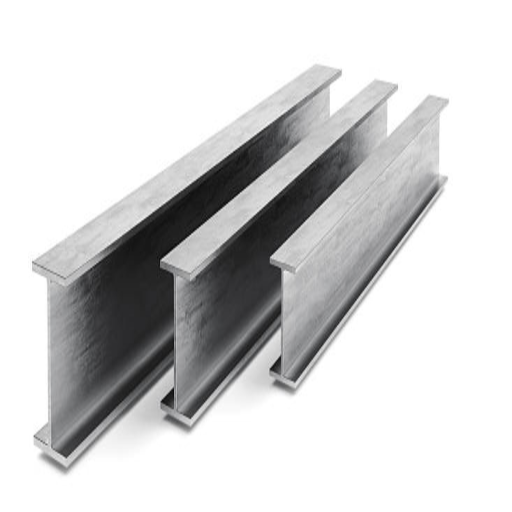
- Lightweight and Strong: Aluminum H-beams offer a high strength-to-weight ratio, making them ideal for applications that require both durability and lightness.
- Corrosion Resistance: Aluminum is corrosion and weather-resistant. Hence, it will last longer even in unfavorable environments.
- Versatility: These beams can be applied in various industries, including construction, transportation, and engineering.
- Ease of Fabrication: Aluminum H-beams are easy to cut, shape, and weld, making them adaptable to specific project requirements.
- Eco-Friendly: Aluminum is a recyclable material, making these beams a sustainable option for any eco-friendly project.
Corrosion Resistance of Aluminum Alloys
Above all else, corrosion resistance is a property of aluminum alloys credited to the formation of a thin oxide film on their surface. This aluminum oxide film protects the underlying metal from moisture, air, and many chemical agents. The corrosion of aluminum alloys in marine environments has drawn considerable attention, leading shipbuilding and offshore processes to opt for aluminum alloys. The other advanced surface treatments, such as anodizing and coating systems, further enhance this natural resistance, thereby extending the lifetime in a very aggressive environment. Studies reveal that elements found in alloys, such as magnesium and silicon, tend to perform well in such conditions. These alloys tend to perform well in extreme conditions because they are highly resistant, made from the aluminum series 6xxx. Hence, aluminum alloys have become a sustainable and straightforward option for industrial use.
Lightweight Properties and Their Impacts
Considered the lightest metal, aluminum finds a significant number of applications in the industrial sector. With an approximate density of 2.7 g/cm³, aluminum is approximately one-third as heavy as steel. Weight reduction is the primary feature for which this metal has sought-after applications. Here are five pluses and impacts of the weightless nature of aluminum:
Fuel Efficiency in Transportation
Being lighter, aluminum is used in a wide range of applications across the automobile and aerospace industries. It has been found that the use of aluminum in vehicle manufacturing can reduce the total mass by up to 50%, which in turn improves fuel consumption and results in lower CO2 emissions.
Improved Load Capacity
The lower the density, the greater the aluminum-loaded capacity for transporting applications in ships, airplanes, and freight vehicles, allowing goods to be transported efficiently over very long distances without compromising their structural integrity.
Ease of Handling and Installation
Lightweight aluminum components command easy handling and installation, thus reducing labor costs and construction time in facade building and infrastructure projects.
Enhanced Portability for Consumer Products
Laptops, smartphones, and other portable devices are all made with aluminum in lighter weights, making them more usable and portable for consumers.
Structural Performance in Architecture
Being a lightweight material, aluminum offers the prospect of stylizing architectural projects, allowing for large spans and intricate detailing, which in normal circumstances is very challenging with heavy materials.
These features underscore aluminum’s versatility, showcasing that its lightweight attribute is a vital factor in its success in the realm of modern engineering and design.
Cost-Effectiveness in Project Implementation
The cost-effectiveness of aluminum is enhanced by its durability, recyclability, and ease of installation in various applications. Being lightweight, aluminum saves on transportation costs and makes construction easier, thus reducing the total cost of project realization. Aluminum recycling processes consume approximately 5% of the energy required for primary production. From this perspective, it becomes a highly economically viable option for large-scale projects, particularly for industries seeking to minimize environmental impacts while meeting budget constraints. Aluminum is also financially feasible, given its low life expectancy and maintenance costs, which translate into savings throughout the project’s life cycle.
Choosing the Right Aluminum H Beam for Your Project
Three major factors should be considered when selecting the right aluminum H beam for a task:
- Load Requirements: You must determine the type of load to be supported by the beam, including static loads, dynamic loads, and any other relevant loads. This type of consideration will ensure that the beams are indeed strong enough to bear the load required by the project.
- Dimensions and Design: Choose beams that best fit the dimensions and design of your application. The size must comply with the structural design requirements and space constraints of your project.
- Environmental Conditions: Consider the environment in which your product will be used. Aluminum is considered corrosion-resistant and is therefore great for outdoor and wet environments; however, ensure that the aluminum alloy is suitable for your particular conditions.
Efficiency and reliability will be assured for your project if these factors are well addressed when choosing an aluminum H-beam.
Factors to Consider: Load Capacity and Durability
Factors affecting load capacity and durability include material strength, design, construction quality, environmental conditions, and maintenance, all of which contribute to ensuring safety, longevity, and optimal performance.
| Key Point | Details |
|---|---|
| Material | Strength, type, and quality |
| Design | Load distribution, shape |
| Construction | Craftsmanship, joints |
| Environment | Weather, loads, stress |
| Maintenance | Inspections, repairs |
Pricing and Supplier Selection
In the search and selection of aluminum H-beams, the price and genuineness of the supplier need to be considered, as they stand to deliver a balance between cost and quality. Prices can vary significantly depending on the grade of the alloy, the dimensional specifications, and the current market demand. Therefore, one must perform price comparisons across multiple suppliers to obtain a fair price. Check out review platforms to identify trustworthy suppliers with customer ratings and pricing transparency. Next, prefer those suppliers who provide detailed product specifications and warranties, as these are markers of quality and reliability. Thereafter, be sure to account for shipping and handling expenses, as these can impact the total budget. This combined effort of researching online and speaking with suppliers will ultimately lead to an informed choice for a purchase.
Customizing H Beams for Specific Needs
H-beams are customized to allow for alterations in their design and dimensions, enabling them to meet specific structural requirements. Customization mainly depends on the required load and environmental conditions. For example, thicker flanges and web sections are designed for heavy-load applications, whereas corrosion-resistant metals, such as galvanized steels, are selected for use in humid or coastal environments. Modern manufacturing technologies, including CNC machining and laser cutting, ensure that the beams are modified to fit the precise specifications of a project, such as bridges, buildings, or industrial frameworks. It is imperative, however, to retain those professional manufacturers that utilize the latest fabrication technologies to produce the optimal results within safety and quality standards.
Reference Sources
- Virginia Tech – Aerospace and Ocean Engineering
AOE3054 – Experiment 2 – Static Deflection of a Beam
This source offers insights into the properties of aluminum beams and their applications in structural experiments. - Western Carolina University
Introduction to Beam Theory
A detailed academic document covering beam shapes, including H-beams, and their structural characteristics. - Stanford Linear Accelerator Center (SLAC)
Activation of Aluminum Beam Dumps
Discusses the use of aluminum beams in high-energy applications, focusing on their durability and energy absorption. - SSRC Proceedings 2024
Experimental Studies on Aluminum Sections
Explores the stability and buckling behavior of extruded aluminum members, including H-beams. - American Iron and Steel Institute (AISI)
Sustainability Assessment of Aluminum Beams
Compares the energy consumption and sustainability of aluminum beams versus steel beams.


