
The installation of a steel beam is a regular step in construction and renovation activities, and it has several other uses, such as quickly opening an open floor extension or bearing the weight of heavy appliances and other loads. For the seasoned professional in this trade or the DIY person trying to fix something in their own home, one of the initial steps is understanding the procedure and materials used for installing steel beams. This article follows a step-by-step procedure for safely installing a beam by design, ensuring it is fastened securely. It will provide directions on what to prepare for, tools to use, problems that may arise along the way, as well as guidance on how to tackle them, plus a few tips to ease the process. By the end of this, you shouldn’t feel that installing steel beams in your way is somehow wrong because you will know that it was the last thing to do to get it right.
Understanding Steel Beams
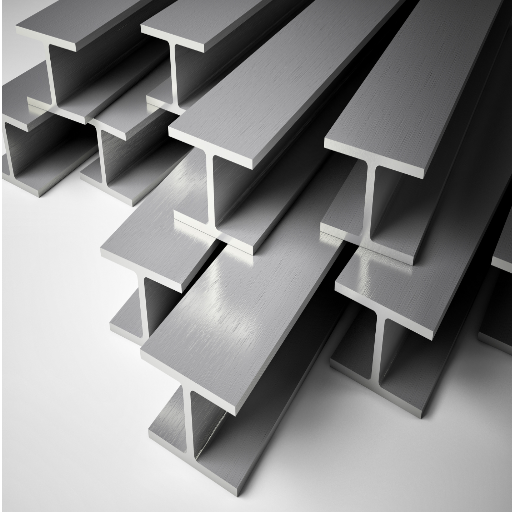
The installation of steel beams involves numerous critical activities that are essential for the stability and durability of various structures. Often, they are designed to support a particular weight and ensure that this is evenly distributed along the superstructure. Steel beams come in various forms, such as I-beams, H-beams, channel beams, and others, and are therefore purchased based on the specific application they serve. Based on their applications, bearing capability, and the resistance to wear and tear, they find their uses in Residential, Commercial, and Industrial constructions. These types of corrections are accepted and commonly cause very long delays in the floor design of particularly large buildings, the order of tens of meters. Some considerations to take into account, depending on which steel beam is to be selected, include the load to be borne, the length of the beam (also referred to as span length), and the structural design requirements of the particular building.
Types of Steel Beams
Several categories of steel beams meet specific requirements for various structural needs and applications. Accordingly, below are the most popular types:
- I-Beams (Wide Flange Beams): All these beams are called I-beams; put differently, with the appearance of a capital letter I, these beams can resist shear and bending, as these are stresses that usually act in heavy construction work, such as in multi-storey buildings and bridge construction.
- H-Beams: Being H-shaped, these beams have a wider flange than I-beams; therefore, they have an increased capacity to bear loads over large areas, particularly useful for heavy steel works, also known as heavy construction and infrastructure projects.
- T-Beams: It is possible to incorporate these elements into floor system designs by combining the force delivery characteristics they provide with the use of other materials.
- L-Beams (Angle Beams): Examples of such beams are – The beams that are forked in such a way and resemble the letter “L.” In the majority of cases, their use goes beyond vertical suspended structures alone, and they also have applications in horizontal ones.
- Channel Beams (C-Beams): Channel beams, or C-Beams, which are shaped like the letter “C,” are useful in construction because they can be primarily used to construct walls, floors, and frames, among other purposes.
- Box Beams: Box beams, as compared to H-beams, are beams that are crafted by joining together two or more steel components. They are most often paired with hollow rectangular sections when it is required to achieve specific advantages of the structures.
- Tapered Beams: Beam directions that change gradually over the slope between adjacent panels are known as honesorque, for moving on the site, or roof beam. This concept may be used; the design of such beam(s) helps with distributing the load evenly across the structure.
The configuration of a steel beam will vary distinctly, and several factors must be considered: the type of load to which it is applied, the required span length, and how the components need to be constructed and assembled. New, improved design aids, such as CAD and application programs, make the steel beam sufficiently adaptable to the above dynamic considerations with minimal risk to safety and efficiency levels.
Steel I-Beam vs. Other Beam Types
Steel I-beams are lightweight, cheaper, and usable for shorter spans, while other beams, such as H-beams and W-beams, provide more strength to the structure, allow long-span buildings, and better distribute loads for heavy-duty purposes.
| Key Point | I-Beam | H-Beam | W-Beam |
|---|---|---|---|
| Weight | Lightweight | Heavier | Heavier |
| Span | 33-100 ft | Up to 330 ft | Up to 300 ft |
| Strength | Moderate | High | High |
| Flange | Tapered | Wide, parallel | Wide, uniform |
| Web | Thin | Thick | Wide |
| Usage | Small-scale projects | Bridges, skyscrapers | Large buildings, trailers |
| Cost | Economical | Higher | Higher |
Key Features of Steel Beams
High Strength-to-Weight Ratio
Metallic beams are primarily used for their lifting capacity. They can transport heavy loads without being very heavy themselves, which renders them suitable for massive constructions, such as bridges and skyscrapers.
Durability and Longevity
Steel does not wear out, rust, or decay easily. These attributes ensure that steel beams can last for a considerable period without requiring significant maintenance effort. Any person working with steel would ensure it is suitable for withstanding very harsh climatic conditions, including extreme temperatures and humidity.
Flexibility in Design
The steel beams can be carried out in those common shapes such as I, H, and T sections, so engineers and architects can make them for all types of structures. These retain customization features for a particular project as well.
Recyclability
Steel materials used for beams are among the most recyclable in the construction industry. Steel beams are believed to be one of the most sustainable materials because steel is known to be hundred percent recyclable. Steel beams can be demolished when they reach the end of their useful life, melted down, and then remade into new steel beams, rather than losing quality. The process is known as sustainable construction practices.
Cost-Effectiveness
Steel beams are durable and economically attractive because the high costs associated with these materials are offset by the fact that these infrastructures will almost always serve their purpose over their life expectancy. Additionally, they avoid the expenses related to constant maintenance or repairs, and unless something drastic occurs, the project’s cost is significantly reduced.
Planning for Steel Beam Installation
Site Preparation
It is important to clear the building site before starting with any of the installations. Ensuring the clearances are in place and all permits are OK is necessary before any activity is started.
Measurement and Alignment
Take precise measurements to verify that the steel beams are in the correct position as designed. Use available devices that are known to be reliable for better outcomes.
Safety Measures
Introduce the safety requirements, such as the presence of proper personal protective equipment for workers and the availability of equipment for handling beams.
Professional Installation
Professional people should do the installation. Thus, the activity can be carried out at the required structural specification and within the stipulated parameters.
Inspection and Final Adjustments
Upon installing the beams, a check should be performed to ensure they are properly aligned, connected, and clinched for safety. Any such adjustments need to be made in a timely manner so that no complications arise later.
Consulting with a Structural Engineer
Engaging the services of a building’s structural engineer is beneficial. It includes projects with the weakest or the sturdiest structural elements, such as the load-bearing walls, lintels, or beams. The professional duties include identifying the forces that are likely to arise and assessing the stability and adequacy provided by the design. The traditional restrictions on labor are being removed by the increased use of technology and modern data, driving the evolution of all other fields. Engineers can test the suitability of materials, estimate points of potential stress or deformation, and provide solutions tailored to the existing conditions. For example, it is unfortunate that the prevailing tendencies of heightened misalignments or material degradation are often avoided through brooding and performance evaluation. The use of an expert in building mechanics not only helps to meet the standards and regulations adhering to health and safety, but also ensures that projects take place within budgets and adhere to their lifecycle.
Assessing the Site and Load Requirements
Environmental and structural variables often require a technician to use specialized tools, as well as conduct a site assessment, for a more comprehensive evaluation. Any engineer must acknowledge fundamental factors such as soil profile, location, and weather, among others, to establish considerations like structural weight limits and ensure their safety as initially designed. This is seen as very helpful, as it enables one to understand and predict the potential dangers resulting from possible seismic movements located at the site. Furthermore, the safety design of the structure is highly beneficial because it aligns with the real design requirements, considering both foreseeable and unforeseen extreme conditions. This is particularly necessary because every site has its limitations and opportunities which require the design to conform to, efficiently and appropriately.
Obtaining Necessary Permits
The first and foremost requirement for launching any construction or development endeavor is to obtain the appropriate permits. This is because the proper permits ensure that all applicable rules and production norms are followed. Projects, in most cases, must incorporate detailed drawings, project scope, and environmental requirements, while also meeting zoning and safety requirements. This step proceeds quickly with the help of current data and the latest technologies, which facilitate the coordination of necessary permits and eliminate grey areas. Furthermore, it can also predict potential risks and the timeliness of changes in the law, allowing developers to anticipate these in advance and avoid or minimize the time consumed by the entire approval process. It can be estimated that the use of such advanced tools in the permit process will help promote a paperless society, saving time while still ensuring compliance with existing standards.
Tools and Equipment Needed for Installation

To ensure that the installation is excellent, the following materials and tools are necessary:
- Safety Gear: Equipping workers with hard hats, safety goggles, steel-toed boots, and heavy-duty glasses would help minimize risk during beam replacement tasks.
- Measuring Tools: Measuring tapes, spirit levels, laser tapes, and others that measure and check the levels of surfaces.
- Power Tools: They help one fasten or unfasten fixtures, drill holes, or tighten screws.
- Hand Tools: Pliers, hammer, screwdrivers, and a specialized tool designed to relieve tension are included.
- Lifting Equipment: One of the following lifting items may be in use: hoisting devices, lifts, or cranes.
- Fasteners and Anchors for Wood and Steel Beam Installation: A variety of fasteners, including screws, nuts, bolts, clips, angles, and connectors, are used to secure and tighten components and sections.
- Electrical Equipment (if applicable): Styling tools are used by many people, especially hair professionals. So the demand is higher. The following tools are available: a wiring cutter, a voltage tester, and a cable tray.
Maintenance of all tools and equipment, especially their health and safety status, should be done before installation begins.
Essential Tools for Installing Steel Beams
When talking about steel beam installation, the first thing that comes to mind is the implementation acts and the increased efficacy and safety brought about by advances in technology. A progressive installer will then use conventional and modern tools in tandem to hasten the installation. Other tools and machinery needed for beam replacement are:
- Laser levels serve the purpose of accurate fitting while fixing them, hence ensuring the correct fixing positions.
- Hydraulic Jacks and Spreaders: Ideal for adjusting and positioning heavy beams easily without requiring a lot of manpower.
- Magnetic Drills: These powerful tools are mounted and are capable of drilling holes in I-beams very fast and accurately.
- Load Monitoring Systems: These have undergone significant evolution and now provide accurate, real-time data on load weights and their placements during hauling and installation, enabling workers to perform lifting assignments with safety and confidence.
- Wearable Augmented Reality (AR) Devices: These types of equipment, which resemble AR glasses or headset designs, enable technicians in the field to receive instructions and virtually align components to reduce errors.
The use of both traditional and modern technology will ensure increased accuracy, higher productivity, lower chances of mishaps, and hence, a smoother placement of steel girders.
Safety Equipment and Precautions
Specific protective gear, such as that required for the installation of steel beams and the safety of the workers involved, must be observed. Welding operators should wear hard hats, safety helmets, ear protection, steel-toe-capped boots, hand gloves, and protective eyewear (PPE) to prevent injuries during heavy lifting and working at heights of two or more levels. In addition, to prevent falls, guardrails and fixing points must be installed in buildings to avoid fatal injuries during work at height.
One of the significant safety concerns that often arises in work settings is the lack of adequate training on how to identify hazardous issues and utilize various tools. It is recognized, however, that the introduction of an enhanced training program, inclusive of regular inspections of tools and equipment, can significantly decrease the probability of accidents. It should also be emphasized that the application of devices such as sensors and monitoring systems tends to enhance safety by triggering an alarm in the event of operational anomalies. Consequently, it is easier to achieve safety for persons and minimize accidents while at work by adopting such a safety culture, particularly when handling heavier building materials.
Ordering Steel Beams: What to Consider
The structural steel beams need to meet their purpose, so consider some basic requirements when ordering such materials. Firstly, you need to understand the specific type of steel beam required, whether it is an I-beam, H-beam, or T-beam, as each is used for different structural purposes. Obtain precise dimensions, such as length, width, and guard thickness, to ensure the steel is compatible with the design. Furthermore, take into account the grade and toughness of the steel, which should be in congruence with the loads to be employed and the surroundings within which the building will be situated.
Additionally, confirm the supplier’s certification and reliability, as this is essential to avoid delays or quality-related issues. Be aware of current pricing policies and testimonials before making necessary decisions. For all such plans to work, proper intentions must be adhered to regarding the use of steel beams to serve varying structural needs over extended periods.
Step-by-Step Guide to Installing Steel Beams
Prepare the Site for the installation of load-bearing beams

Prepare the Site for the installation of load-bearing beams
Clear the spot where the steel beams will be put. Evaluate the level, balance, and strength of the supporting structure before installing the steel beams.
2Take Accurate Measurements
Design the steel beams to within the given accuracy to avoid the ‘headache’ of rework costs. Indicate the appropriate distances for the marks of the beam attachments.
3Lift the Steel Beam into Position
Arrange for lifting equipment, for example, cranes, forklifts, jacks, or hoists, so that the steel beam can be hoisted into the installation area without the risk of injury. Ensure it aligns with the layout points, particularly for the placement of the primary beam.
4Secure the Beam
Secure the steel beam with dependent bracing elements or use bolts, brackets, or welding as appropriate. Ensure the fastening of the structure is secure, and that the entire structure meets all safety standards.
5Inspect the Installation
Once the beam is fixed, conduct a review of both the safety and the alignment of the machine. Measure and ensure that the installation complies with the applicable structural and functional requirements for load-bearing beams.
6Finalize the Work Area
Before starting work, please inspect the site for any remaining equipment or debris and inform the staff of the importance of complying with OSH requirements.
Preparing the Site for Installation
For a successful project, the most important thing is to prepare a site that will present no risks and complications, especially when dealing with load-bearing beams. Consider the venue that best suits your project and eliminate any unwanted elements and hindrances that could distort or obstruct the space as much as possible. Verify that the surface, including the supporting base, meets the established level and that the strength is sufficient for the structural load. Additionally, double-check all measurements and grid points as indicated in the drawings to ensure accuracy.
It is random to consider everything else while overlooking environmental factors, such as weather, which can significantly impact the installation process. There may be conditions, such as heavy rainfall or strong gale-force winds, that could easily cause property damage or human injury, resulting in project delays and disruptions. Take such risk factors into consideration and take necessary precautions, such as removing tools and equipment from potential danger, reinforcing any elevated elements, and wearing proper protective equipment. Failing to prepare carefully for the site simply means that the risks increase and there will be extra expenses as people’s level of accuracy shrinks, and so does structural safety.
Hoisting and Positioning the Steel Beam
Erection and handling of iron or steel girders is a process in automated and robotic manufacturing procedures that requires accuracy. It is an essential process involving the attachment and concentration of safety concerns put in place for employees when carrying out such work on a construction site. This process begins by selecting an appropriate hoisting machine, such as a crane, capable of handling the weight and size of the beam. All rigging, which consists of slings, chains, and so forth, should be taken into account and inspected for suitability on location and appropriately secured onto the beam. As the beam is being lifted, proper coordination is necessary because the operator needs to hear guidance from the ground crew, who are positioned to direct them correctly.
“They want to make sure that the steel beam is put in its place properly in the vertical plane. How can this be done? “The easiest way is by using both laser leveling implements and testing with a bubble level to verify that the position is on target during execution. This twin method avoids deviations that may be hazardous because the fundamental stability of the work will be in place. This requires a series of inspections and numerous improvements to be completed before the end of the construction works. Precautions are taken by ensuring learning to construct is stress-free, and sticking to the terms and regulations that are set in the standard operating procedures is reinforced.”
Securing the Beam: Connection Methods
Ensuring the stability and lifespan of a beam largely depends on the connection method used in the beam. Different types of connection strategies are employed in today’s building techniques, including bolted connections, welding, and the use of nuts as fasteners. For example, bolted connections are more versatile and allow for adjustments when needed, or, even better, easy detachment. In contrast, welded joints provide a filled joint between static structural members. They are beneficial in applications that require the highest possible strength and stiffness, often prioritizing these factors over other essential considerations. Additionally, the present system has developed new fasteners and adhesive materials that are specifically designed for use in extreme environments where traditional joining methods are ineffective. The project, however, requires a close examination of the bolt in particular and an assessment of its ability to withstand the weight of the beam, considering the site’s specifications, the materials used, and the finishes in use, to ensure the safety of the current-day erection.
Cost Factors in Steel Beam Installation
Several key features determine the total cost of using steel beams:
- Material Costs: The cost of steel beams generally exhibits strong evidence of demand and supply fluctuations in the market. Furthermore, there are different types of steel beams, such as I- and H-beams, which can have varying costs due to their dimensions and parameters.
- Labor Expenses: Proper working skills must be utilized when performing the work; therefore, the cost of labor services and the complexity of the tasks involved will determine the expense.
- Transportation: Moving heavy steel beams for setting requires additional costs, which depend on the level of activity and the size of the beams in question.
- Preparation and Equipment: Ground or equipment that enhances handling and orientation of the beams, for example, the use of cranes may inflate the cost estimation.
- Permits and Regulations: Meeting metropolitan building codes is a strict urban policy, and some significant administrative charges may be incurred.
Taking into account these considerations, project managers can calculate the costs of accomplishing this project and efficiently allocate resources.
Breaking Down Beam Installation Costs
When it comes to dividing expenditures related to pile installation, several essential aspects must be taken into consideration to enable proper budgeting, including steel beam installation costs. One of the major divisions is materials, since the expense of beams is based on the kind and material of the beams, including wood beams and steel beams. Another significant expense is labor, as it is definitely out of the question to complete the installation in a short amount of time without skilled professionals. Also, transport costs are taken into account, and especially concerning this, the fetching of large or heavy pieces of bean may tend to hike up the charges. Moreover, it is essential to ensure that the ground is prepared adequately, specifically by renting equipment for purposes such as ground preparation or using cranes during the construction process, or rather, during the project launch, which also impacts the total cost. Lastly, all applicable laws and provisions are ensured to be adhered to, which can lead to an increase in price due to transactions and operational considerations. Having analyzed all these aspects, one can develop a comprehensive plan for allocating and utilizing resources effectively.
Cost to Install a Steel Beam: What to Expect
Average Installation Cost: $1,200 – $4,200
Labor Costs: $200 – $400 per hour
The potential expense of installing a steel beam can vary significantly based on several key criteria. It is generally quite costly, with homeowners paying an average of between $1,200 and $4,200, depending on the length of the required beam and associated expenses. In this case, labor costs comprise the lion’s share of the spend, averaging between $200 and $400 per hour, depending on the size and complexity of the challenge.
Added expenses may include charges associated with transportation and logistics, as some larger beams incur additional shipping costs. Factors such as on-site work, including the removal of existing structural elements or utilities, also contribute to the final price. The project will incur additional monetary expenses, as it will also require the use of specific equipment, such as cranes and rigging gear. Applicable fees, including but not limited to permits and inspections, are equally important, as they guarantee regulatory conformity and structural durability.
These multiple factors that contribute to the decision-making process indicate that the total cost involves not only the monetary value of the materials needed to build or the funds required to pay workers, but also the factors of preparation and the transportation of all necessary materials to their intended locations. Learning about this aspect will lead to more accurate estimates, which are crucial in preventing instances of over-budgeting.
Factors Influencing Steel Beam Costs
Material Grade and Quality
Among other factors, the steel grade, for instance, ASTM A36 or high-strength constructional steel, significantly determines construction costs. There are several known reasons, among the most common ones is that the grade of steel is not similar. Steel beams of higher quality can be more expensive in some examples due to their increased integrity and tensile strength.
Beam Size and Shape
The fabrication costs of wide beams are higher as more raw materials are used, resulting in higher prices of wide beams. Special shapes, such as I-sections and H-sections, may also be more expensive due to their complex manufacturing process.
Market Demand and Supply
Price developments are often influenced by variation in global steel markets. Steel pricing can increase with an increase in demand for construction or when the supply has been curtailed due to economic or other circumstances, affecting steel I-beam costs.
Fabrication Requirements
They are intended for in-house welding of beams that are straightforward to procure. However, welding the manufacturer’s abnormal configuration, which involves more operations and tools, cannot be performed since it is significantly more expensive.
Transportation and Delivery
The process of transporting commodities, such as gigantic iron beams, poses logistical issues as well as monetary implications. The long distances over which these loads are moved or the size of the loads in question will require the use of specially designed transport capabilities and, sometimes, the acquisition of additional permissions or licenses, thereby resulting in extremely high costs.
Reference Sources
- Academia.edu – Method Statement for I Beam Installation: This document provides a detailed method statement for steel beam installation, including safety protocols and procedural steps.
- Michigan Technological University – Materials Estimating Steel Players: A lecture document covering steel beam materials, measurements, and installation considerations.
- Kansas State University (K-REx) – Design of Castellated Steel Beams: Discusses design and installation techniques for castellated steel beams, including connection methods.
- University of Maryland – 30 Good Rules for Connection Design: A guide on connection design for steel beams, focusing on bolted and welded connections.
- University of Maryland – Cambering Steel Beams: Explains the process of cambering steel beams, a critical step in specific installations.
Frequently Asked Questions (FAQs)
A: The average cost of steel beam installation can vary depending on several factors, including the size of the beam, the type of beam needed, and local labor rates. On average, you can expect to pay between $100 and $300 per linear foot for the installation of steel beams. This cost typically includes materials and labor, but can increase if additional structural modifications are necessary.
A: To determine the size of the beam needed, it’s essential to consult a structural engineer. They will evaluate the load-bearing walls, the weight of the building materials above, and the floor plan to recommend the appropriate size of beam. Factors such as the span of the opening and the type of load the beam will support are critical in this assessment.
A: Yes, you can replace a wooden beam with a steel beam, and this is a common practice in renovations. Steel beams provide greater strength and can support heavier loads than traditional wooden beams. However, it’s crucial to consult with a general contractor or structural engineer to ensure that the installation is structurally sound and complies with building codes.
A: Steel beams offer several advantages over wooden beams, including increased strength, durability, and resistance to warping, termites, and fire. Steel support beams can also allow for larger open spaces in a floor plan, making them ideal for modern architectural designs. Additionally, steel beams generally require less maintenance over time.
A: A structural engineer plays a crucial role in the installation of steel beams by assessing the building’s structural integrity and ensuring that the new beam can support the loads it will bear. They will provide calculations and specifications for the type of beam required and oversee the installation process to ensure safety and compliance with local building codes.
A: Yes, temporary supports are often necessary during the installation of steel beams to ensure stability and safety. These supports help hold up the structure while the new beam is being installed. Once the steel beam is in place and secured, the temporary supports can be safely removed.
A: LVL beams, or laminated veneer lumber beams, are engineered wood products that are stronger and more stable than traditional wooden beams. They are made from thin layers of wood glued together, which allows for a more consistent product that resists warping and splitting. LVL beams are often used in applications where high strength and load-bearing capabilities are needed.
A: Steel beam prices can vary significantly based on the type of beam, such as I-beams, H-beams, or tubular beams. The cost per beam also depends on factors like weight, size, and the manufacturing process. Additionally, local steel fabricators may offer different pricing based on availability and demand for specific types of beams.
A: When planning for the installation of a steel beam, consider the overall construction cost, including labor and materials. Review the floor plan to determine the best location for the beam and assess any necessary adjustments to plumbing and electrical work. It’s also essential to ensure that you have the required permits and that the installation complies with all applicable building codes.


