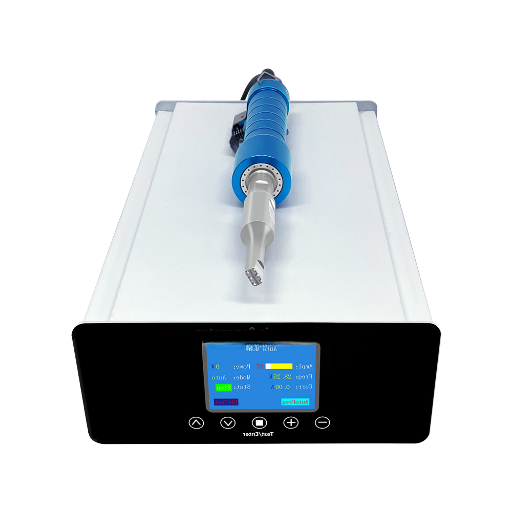
Types of Spot Welding Equipment
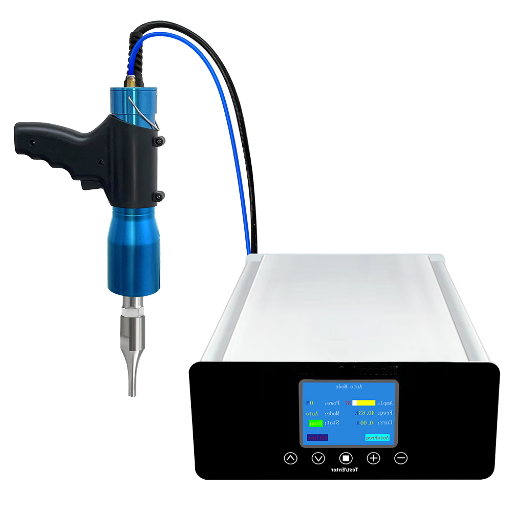
| Type | Key Features | Applications | Advantages |
|---|---|---|---|
| Portable | Compact, lightweight | On-site repairs, small tasks | Mobility, ease of use |
| Bench | Stable, bench-mounted | Electronics, jewelry | Precision, repetitive tasks |
| Pedestal | Stand-alone, powerful | Automotive, aerospace | High volume, durability |
| Pneumatic | Compressed air pressure | Furniture, metal enclosures | Consistency, ergonomic |
| Robotic | Automated, precise | Automotive assembly | Speed, minimal intervention |
| Seam | Continuous welds | Fuel tanks, pipes | Leak-proof, strong joints |
| Butt | End-to-end joining | Wire, piping | Uniform, seamless joints |
| Rocker Arm | Pivoting arm | Custom shapes | Versatility, cost-effective |
| Capacitor Discharge | Rapid energy bursts | Jewelry, electronics | Precision, minimal heat |
Overview of Spot Welders
Spot welders are specialty machines used to join two or more pieces of metal at particular points by heating through electrical resistance. They have wide application in the automotive, electronics, and manufacturing industries owing to their efficiency and precision. The welding process entails applying a large electric current through the electrodes at a very specific location to produce a weld, thus forging strong and durable bonds. Since spot welders are meant for high-speed production and require very little maintenance while providing consistent results, they are indeed cost-effective for various industrial applications.
Resistance Welders: Functionality and Types
| Key Point | Details |
|---|---|
| Functionality | Electrical current + pressure |
| Spot Welding | Joins metal sheets |
| Seam Welding | Continuous welds |
| Projection Weld | Focused heat at projections |
| Flash Welding | High current, molten join |
| Percussion Weld | High-current discharges |
| Upset Welding | Solid-state forging |
| Advantages | Fast, strong, clean |
| Applications | Automotive, aerospace, etc. |
Comparison of Seam Welders and Projection Welders
| Parameter | Seam Welders | Projection Welders |
|---|---|---|
| Weld Type | Continuous | Localized |
| Material Thickness | Thin materials | Thick materials |
| Applications | Airtight, liquid-tight joints | Structural, embossed components |
| Speed | Faster | Moderate |
| Automation | Highly automated | Moderately automated |
| Durability | High | Very high |
| Heat Control | Minimal distortion | Superior heat balance |
| Cost Efficiency | High | Moderate |
| Flexibility | Limited to straight seams | Suitable for complex shapes |
| Common Uses | Fuel tanks, pipes | Automotive, construction |
Benefits and Applications of Spot Welding
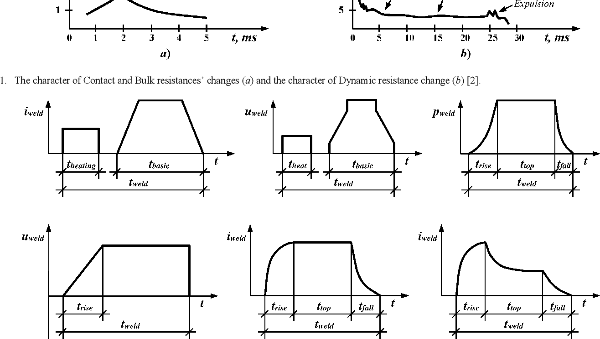
Advantages of Using Spot Welding Machines
- Efficiency: Spot welding machines provide speed and efficient welds; hence, they find application in mass production.
- Consistency in Quality: The weld strength and quality are kept consistent, avoiding the risk of defects.
- Automation: The welding process is highly suitable for automation and integration into modern production lines.
- Cost-Effectiveness: The spot-welding machines are cost-efficient with little consumable requirements and low operational costs in the long run.
- Energy Efficiency: Spot welding consumes less energy when compared to several welding operations, thus contributing its bit to energy savings.
- Joint Strength and Durability: The welds generated by spot welding are strong and durable for heavy applications in industries.
- Less Distortion: This method releases minimum heat around the weld region, keeping material distortion at bay.
- Flexibility: Adaptive to several welding operations, spot-welding efficiently welds thin to thick materials or coated metals.
- Safety: Spot welding machines usually limit the heat zones to an identified region; hence, risks due to high-temperature welding processes are reduced.
Industries Utilizing Spot Welders
Spot welding equipment is frequently utilized within various industries because it is highly efficient, reliable, as well as cheap and easy to use when joining metal parts. Some major applications of welding include:
- Automotive Sector: Spot welding in car manufacturing involves several processes, but is specifically for joining the body and frame of the vehicle. These include creating very strong and even surfaces, which requires a very fast cycle speed, which is essential in manufacturing.
- Aviation Industry: welding in aircraft manufacturing is used for lightweight welds,s which as aluminum and titanium, which are used for strong structures.
- Electronic Industries: In the production of batteries, circuit boards, and electrical pieces, spot welding machines are indispensable and contribute to fine and strong manufacturing of elements that are too fragile.
- Domestic Appliances: In using spot welding, all boxes and other cases of such domestic appliances, like refrigerators and washing machines,s are often built easily.
- Construction and Development: Spot welding is used in steel works and construction envelopes, since this fabrication method allows structures to be built that are resistant and enduring in nature.
- The Railway Sector: This industry uses spot welding in train carriages and other transport and railway structures to build strong and effective joints of metals.
- ‘Green Energy’: In addition to that, manufacturing of solar panels and wind turbine components is extensively done using spot welding for strong connections in metals.
Such work within these sectors owes its success to development in welding processes that include, amongst others, automation, control, and development for different materials. While meeting the increasing regard for productivity and standard output, such applications of spot welding remain one of the most essential processes in current industries.
Case Studies: Successful Applications of Resistance Welding
| Key Point | Details |
|---|---|
| Industries | Automotive, Aerospace, Electronics |
| Applications | Spot Welding, Projection Welding, Seam Welding |
| Challenges Solved | Quality issues, energy efficiency, and equipment instability can be mitigated by using advanced equipment like inverter-based resistance spot welding machines. |
| Technologies Used | Weld Monitors, Adaptive Controls, Capacitive Discharge Systems |
| Benefits | Improved Quality, Reduced Costs, Enhanced Efficiency |
| Case Examples | Automotive Sensors, Battery Welding, Aerospace Honeycomb Assembly |
| Key Parameters | Current, Voltage, Force, Material Properties |
| Common Issues | Condensation, Electrical Instability, Process Variations |
| Solutions | Real-time Monitoring, Process Optimization, Equipment Upgrades |
Maintenance Tips for Spot Welding Equipment
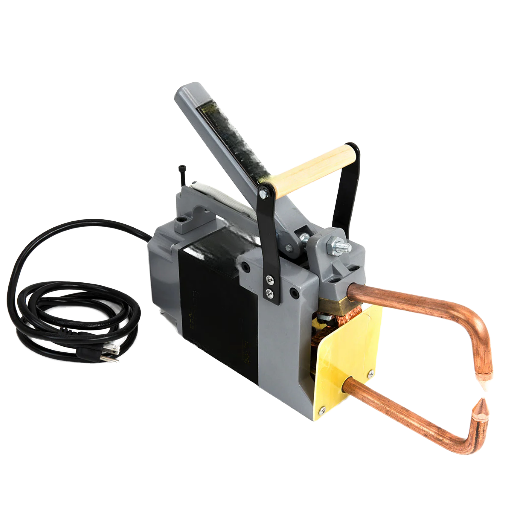
Routine Maintenance Procedures for Welders
- Look at Electrode Tips: Inspect the tips of these electrodes every so often to evaluate whether they have become worn or damaged, and swap them whenever this is necessary so that weld works do not undergo degradation and quality remains at optimum.
- Clearing of the Contact Surfaces: Dust the contact surfaces of the electrodes and other obligatory points to clean any dirt, rust, or any substance that may hinder its function.
- Calibration & Alignment: Check that the entire welding set-up is calibrated correctly and that the electrode orientation is cut to perfection to avoid user errors.
- Confirm Connections of the Cooling Systems: In addition, confirm that all mentioned cooling systems, including even water hoses and connections, are operational to avoid any damage or risk of overhauling your spot welding equipment.
- Lubrication of the moving parts: Use the required oil as associated with the appropriate parts for lubrication purposes to avoid creaking and wearing out of important parts.
- Review Electrical Parts: Inspect cables and other connections together with terminals to see if there are any breaks, any unraveling, or deterioration; change them if these exist.
- Monitor Pressure Systems: Supervise pneumatic or hydraulic installations periodically and ascertain that pressure levels are within acceptable limits and that systems are working correctly.
These types of maintenance activities should be carried out regularly since they would enable the operators to preserve the equipment for extended periods, enhance efficiency in operation, and lower the probability of any breakdown not scheduled in operation.
Common Issues and Troubleshooting Techniques
| Issue | Key Point | Troubleshooting |
|---|---|---|
| Overheating | Ventilation | Clean and check the cooling |
| Unusual Noises | Tighten | Fix loose parts, replace |
| Power Failures | Inspect | Check cables, breakers |
| Performance Drop | Clean | Replace clogged parts in the resistance spot welding machines to maintain efficiency. |
| Leaks | Repair | Fix hoses, seals, fittings |
| Software Errors | Update | Recalibrate and restart the inverter to ensure it operates at peak performance. |
| Corrosion | Protect | Remove rust, coat parts |
| Misalignment | Realign | Adjust shafts, belts |
| Frequent Shutdowns | Assess | Check the environment, safety |
| Fluid Contamination | Test | Replace fluids, clean |
Best Practices for Repairing Spot Welding Machines
For maintenance and repair of spot welding equipment to be successful, there are some principles that one should adhere to:
- Conduct Periodic Monitoring: Periodically examine components like cables, electrodes, and connections to look out for any wear and tear that may have occurred. Such problems can be fixed early enough before they become a problem.
- Involves Cleaning and Protecting Parts: Focus primarily on parts that are vital and keep them clean to avoid any performance decline. Worn filters or parts that have wear must be changed to new ones.
- Fix Problems As Soon As They Occur: Stop any degradation that will result from leakage, misalignment or corrosion once the problems arise, as they lower the efficiency and safety of the equipment.
- Calibrating and Upgrading: Take advantage of the system’s latest software updates and recalibrate the machine on a regular basis to guarantee its accuracy.
- Avoid Bad Parts While Repairing: Whenever you are repairing or replacing parts, always opt for the best parts made for the machine in order to maximize its operational life.
- Machine Operation Environment: Ensure the environment where the machine is being utilized is without any extreme moisture, dust or any other conditions that can cause harm or interfere with the functions of the machine.
In this way, a few instances in which the tool is not functioning properly can be found, and allows it to work in its optimal condition for a more extended period of time.
Safety Guidelines for Spot Welding
Personal Protective Equipment for Welders
In order to guarantee the well-being of the welders, it is very important to have appropriate personal protective equipment, PPE. Such PPE should include, but not be limited to, the following tools:
- Darkening welding helmet with face shield – it protects the face as well as the eyes from weld splatter, excessive brightness, and UV rays.
- Anti-flash Clothing – To defend the nurses from burns, sparks, and heat, the clothing covers the entire body of the nurse properly. The best prescrubs are long-sleeved trousers and blouses made of fire-retardant fabric.
- Work or oven gloves – Work gloves that trap in heat during the work cycle and allow workers to continue working.
- Winter or safety shoes – With toe reinforcements, the shoes ensure safeguarding of the feet from risks of injury due to impacts or burns coming from hot metal.
- Air Cleaning – Ensuring that the workers are not exposed to the fumes and gases as they wear a particulate-type respirator or welding mask.
Such hearing preventive devices can be used in the form of earplugs to mitigate the effect of noise coming from the use of spot welding equipment.
Safety Protocols in the Workshop
- Maintain an Orderly and Safe Worksite: Secure the work environment from dry combustible materials, trash, and superfluous instruments all over the place that may cause accidents or fire.
- Examine the Equipment: Periodically look into the tools and machines for any faults or problems, and resolve them at once.
- Abide by the Said Recommendations: For the safe and proper usage of the equipment, all of it shall be operated as per the manufacturer’s instructions.
- In Case of Any Emergency: Train all people in the location of emergency exits, firefighting equipment, and medical kits. Run occasional practice drills to keep People on their toes.
- Adequate ventilation: Proper circulation of air within the given space helps in preventing pollution of fresh air and accumulation of toxic gases within the workshop walls.
- Safety Pretraining and Work Induction: Be consistent with the staff to carry out safety lectures, etc., and do not let green hands be left unsupervised.
The strategies discussed above help to avoid potential risks, create conducive working conditions, and observe occupational health and safety requirements.
Emergency Measures and First Aid for Welding Accidents
Burns
- The first course of action in the case of burns is to irrigate the burn site with copious amounts of water for 10- 20 minutes immediately.
- Be aware that using creams, foam, ice, or any remedies right away when burnt is not ignored.
- The burn should be simply covered with gauze and should not be adhesive. Major burns should be attended by a qualified consultant
Eye Injuries (e.g., Arc Eye)
- Resist the urge to rub because it can make the injury worse.
- Try to apply a cool device or object, i.e., a cold compress, to the affected eye, and this will help to relieve some pain and swelling.
- See a doctor immediately for appropriate assessment and treatment.
Electric Shock
- Remove the power supply if possible and safe to do so.
- Contact 911 emergency operators straightaway.
- Perform a primary survey. Begin CPR if you breathe and have a pulse while protecting yourself.
Cuts or Abrasions
- To clean the cut, use clean water or saline solution to wash the cut.
- Place a clean gauze over the wound with small pressure, and support bleeding.
- A first aid dressing should be applied for wounds of this kind to protect the cut, then evaluate signs of infection in case any occur.
Fume or Gas Exposure
- Immediately move the person who has been exposed from the room or area to one that has fresh oxygen.
- If clothes are binding, saturated, or irritating the skin, remove them or loosen them to enhance ventilation.
- Seek medical attention if symptoms such as dizziness, nausea, or difficulty breathing persist.
Swift action and proper first aid can prevent further harm and ensure the quickest possible recovery. Always ensure first aid kits are readily available and up to date.
Custom Resistance Welding Solutions
Understanding Standard and Custom Equipment
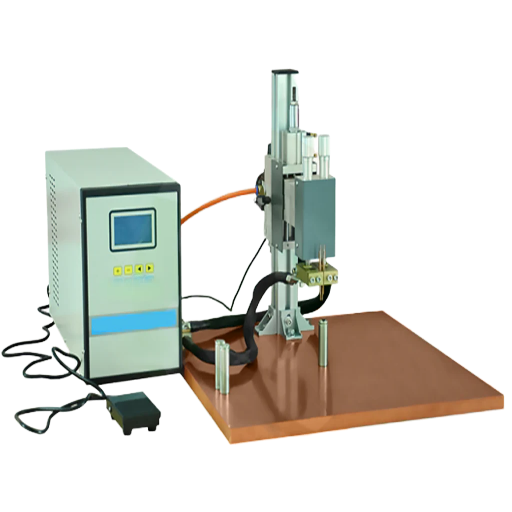
Most of the spot welding equipment offered on the market today consists of ready-to-buy machines that are built to cater to routine industrial purposes. They are comparatively cheaper and can be found on demand with a promise of good work for inessential work. In contrast, custom assist. Corrective usability performance of tailoring most commonly covers employment remodelling due to facility-specificity, such as unusual part design, exotic material usage, or out-of-the-box processes. Corrective services are the better option to avoid standard machines, in need of every gram of enhancement while sustaining the most desired accuracy. The basis for choosing either standard or custom equipment is often based on the expected number of manufactured parts, the detail of the parts, and the level of quality that is desired.
Benefits of Custom Resistance Welding Machinery
- Increased Accuracy: Custom machines used for resistance welding of metals are created for specific applications, making them more effective in cases of unique sizes and materials. This assures satisfactory levels of precision and cohesive weld production every time.
- Better Performance: Especially adapted machines for particular products guarantee the enhancement of labour productivity, faster operations, and lesser wastage, finally resulting in the increased effectiveness of the enterprise.
- Freedom of Customization: The tailored equipment offers room for modification in order to fit peculiar fabrication requirements,s thereby assisting the user in even the most difficult and out-of-the-ordinary tasks/applications.
- Increased Durability: There are many engineering measures that can help make the necessary custom welding machines to overcome certain problems, thus increasing the service life or the system, thanks to this wear and tear reduction.
- Expansion: Such turnkey systems offer future growth options as they can be amended in line with future increases in production capacity.
- Cost-Effectiveness: While the upfront cost may be significant, there are considerable savings on maintenance, and attractive increases in performance and accuracy that will be gained over time.
- Integration with Existing Processes: It is much more effortless to incorporate customer-specific equipment into the existing manufacturing process and operations.
- Compliance and Quality Standards: Specialized equipment can be fabricated so that it allows certain industrial environmental limitations and quality assurance marks to be adhered to, thus meeting the necessary spot welding equipment manufacturing requirements.
Choosing the Right Welder for Specific Applications
There are several important issues to deal with when it comes to the choice of a welding unit for a given fabrication task, to maximize performance and efficiency. To begin with, take the nature and thickness of the material into consideration to question the suitability and the necessary level of power of the machine. Production capacity and cycle time are also important considerations when determining the level of automation needed for the equipment, that is, whether it should be just handheld or automated to a moderate or full extent. Also consider the particular joint design and level of finish observed for scarce applications, as these will affect the setup settings of the machine. In the end, look for equipment such as spot welding machines that are reliable, easy to maintain, and include features designed specifically for the work being done.
Frequently Asked Questions (FAQs)
Q: What exactly is and how does spot-welding equipment function?
A: Spot welding equipment is a kind of resistance welding machinery used to join two or more pieces of metal, generally sheets of metal, with the application of heat and pressure. The concept involves the use of a spot welder, having two electrodes that clamp onto the metal parts and pass an electric current through to the weld at the point of contact. The opposing resistance to the flow of current causes severe heat generation at and around the welded spot. That heat causes the metal to soften and pass under great pressure; thus, the weld is produced.
Q: What advantages are associated with resistance spot welders?
A: Some of the benefits of resistance spot welders include fast processing times and efficiency, the ability to produce strong welds with little distortion, and they are extremely good at welding thin metals, suitable for automotive applications and collision repair. New generation spot welding guns can be integrated into automation lines where production rate and weld consistency can be maximized.
Q: How should I select the spot welding guns best suited to my applications?
A: The selection of spot welding guns, such as bench welders or rocker arm welders, depends on the application under consideration, for example, the welding materials, their thickness, and the type of welding one would prefer. Power supply should be among the considerations: for instance, AC or DC? What’s the required KVA rating? Is there a need for a handheld or portable spot welding solution, such as a micro spot welder, for specific tasks? Electrodes and welding consumables must be perfectly selected as well.
Q: What function does a rocker arm serve during spot welding?
A: The rocker arm in spot welding machines helps to apply the pressure needed to correctly align the electrodes with the workpieces. This part is crucial to prevent imperfections resulting from misalignment that would otherwise degrade weld quality. Rocker-arm welders have been designed to work reliably and can be adjusted to weld engineering accordingly.
Q: Can spot welding equipment weld high-strength steel?
A: Yes, to weld high-strength steel, spot welding equipment can be very effective when correctly set. Coordination of resistance welding parameters ensures adequate and sturdy welds for high-strength materials. Welding controls and settings have to be apt so as to produce the best weld.
Q: What is the difference between a portable spot welding machine and a stationary welding machine?
A: Portable spot-welding equipment is designed to be portable and hence easily taken to various sites, making it suitable for on-site repairs and smaller jobs. In contrast, stationary welding equipment is usually larger and has more power to undertake high-volumes of production. Each has its advantages depending upon the application required.
Q: How do I keep my resistance spot welding machinery reliable?
A: To keep the resistance spot welding machinery reliable, it must be maintained regularly. Check for worn electrodes and replace them; check power supplies; ensure the systems have proper cooling so that the temperature does not rise above normal levels; and the use of good quality consumables will do much to improve the performance and life span of the equipment.
Q: What kinds of welding automation can be applied to spot welding?
A: There are various kinds of welding automation available for spot welding, such as robotic systems, multi-gun, or automatic mode, to improve efficiency. These automated welding solutions drastically reduce labor costs and increase production rates while ensuring consistent weld quality. Also, custom resistance welding systems can be designed to fit specific manufacturing requirements.
Q: What is capacitor discharge spot welding?
A: Capacitor discharge spot welding is a specialized form of resistance welding that uses a capacitor to store electrical energy. The energy so stored is discharged in a very short burst, creating a high-intensity weld suitable for thin materials and delicate applications. This method produces very low heat inputs, and the risk of damaging the weldments is further reduced.
Reference Sources
1. Resistance Spot Welder – Controller for Beijer iX T7B Softmotion-Based Weld Equipment
- Author: Olaf Hermansson
- Year of Publication: 2016
- Abstract: The paper presents the design and implementation of a controller for resistance spot welding equipment using Beijer iX T7B Softmotion technology. It targets improving control and efficiency of the welding process.
- Method: Engineering principles are used in the creation of a controller that fits with the existing welding equipment while placing an emphasis on software and hardware interfacing for better performance.
- Citation: (Hermansson, 2016)
2. Improvement Method of EMC for Small-Scale Resistance Spot Welding Equipment
- Author: D. Spitsyn,
- Year of Publication: 2017
- Summary: The research deals with the methodology of EMC improvement for small-scale resistance spot welding equipment. The study describes the many difficulties faced by this small-scale equipment in maintaining EMC standards.
- Methodology: The author makes use of an experimental setup to assess several configurations and materials in terms of their influence on EMC performance.
- Citation: (Spitsyn, 2017)
3. Top H Beam Production Line Manufacturer and Supplier in China