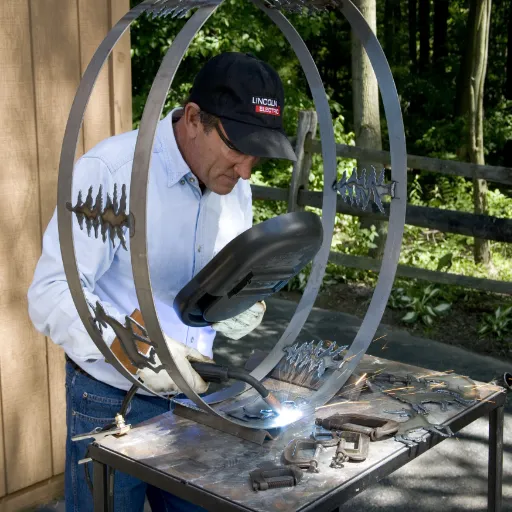
Welding is a combination of a technical skill and an art that brings forth a new feature with metal that can either be practical or artistic. If you are a novice who wants to try out welding or an expert seeking new ideas, there are still many projects that are very exciting to work on. The purpose of this blog is to provide you with a source of inspiration and to accompany you through a diversity of welding projects ranging from easy and do-it-yourself ideas to difficult ones that will test your skills. You will become acquainted with the projects that are meant for you to create unique and usable pieces while improving your skill level. These pieces can be placed in your home, workshop, or can even be given as gifts. Therefore, let’s ignite your imagination and let your ideas come true, one weld at a time!
Getting Started with Welding Projects
Essential Tools and Equipment for Beginners
In beginning your welding journey, you will need some essential tools and equipment to ensure your success. The following are the key items that should be in every beginner’s toolkit:
- Welding Machine – Choose a MIG welder for the beginner, as it is versatile and easy to learn compared with TIG or stick welding machines. Lincoln Electric and Hobart are brands that get high marks for their reliability and performance.
- Welding Helmet – Get an auto-darkening welding helmet for safety and comfort, and make sure it complies with ANSI Z87.1 safety standards. The adjustable settings can also make you more efficient in different lighting conditions.
- Protective Gear – Quality gloves and a fire-resistant welding jacket are indispensable. Leather is one of the materials that can protect you from heat, sparks, and molten metal. In addition, safety glasses should be worn underneath the helmet.
- Welding Table or Workbench – A working area that is both sturdy and fire-resistant is a necessity. A steel welding table with clamping capabilities is what you need if you want to work more precisely.
- Clamps and Magnets – They provide a steady and aligned workpiece for welding which increases the safety of the process and allows for more precise welds.
- Angle Grinder – A multifunctional machine for cleaning welds, cutting metal, and preparing surfaces, thus really necessary for most welding projects.
- Measuring Tools – Since accuracy is of utmost importance in welding, you need a good tape measure, square, and scribe which are the essentials for precise cuts and alignments.
Welding Wire and Electrodes – You should select the materials that match your welding machine and the type of metals you will be working with.
When you follow the guidance of many sources from the industry’s forums and expert reviews, you are equipping yourself with the basics. So, you will be able to undertake a variety of beginner welding projects with confidence. Remember, high-quality tools will not only improve safety but also produce better results over time!
Safety Measures in Welding
Welding is an effective and flexible process, but it can also pose serious risks to health and safety if safety measures are not strictly followed. Major sources of data and insights, including trending searches from ‘s search engine, suggest that the most important safety measures include wearing proper personal protective equipment (PPE) such as welding helmets with auto-darkening filters, fire-resistant gloves, and protective clothing to shield against sparks and heat. At the same time, good ventilation is stipulated in order to secure non-contaminated air that does not harbor toxic fumes and gases, which can otherwise endanger your health in the long run.
Moreover, being cautious with electrical appliances, proper grounding, and circuit breaking are preventive measures in cases of electric shocks. Immediate access to fire extinguishers and first aid kits is a prerequisite for prompt handling of accidents. Lastly, the safety of a clean, orderly work area is proving to be effective in keeping hazards, for example, trips over tools or allowing the welding process to become intertwined with the flammable materials, at bay. The practice of these safety measures not only protects the worker but also guarantees a smooth and high-quality welding process. No project should ever be prioritized over another when it comes to safety.
Understanding Different Welding Techniques
Welding is an all-encompassing process that connects materials, mostly metals or thermoplastics, using heat, pressure, or a combination of both. Each welding technology has its own set of applications, and the choice of the right process is based on the materials, the requirements of the project, and the skills of the people involved. The following are some of the most frequently applied welding techniques:
- Shielded Metal Arc Welding (SMAW): Stick welding is the other name for this method, which employs a flux-coated consumable electrode to form the weld. The process is very simple and inexpensive, thus making it a good choice for the construction and repair of structures.
- Gas Tungsten Arc Welding (GTAW or TIG): This method employs a tungsten electrode and calls for an inert gas, argon for instance, to protect the weld area. As a result, TIG welding is preferred for stainless steel and non-ferrous metals like aluminum and copper where precision work is done.
- Gas Metal Arc Welding (GMAW or MIG): This technique makes use of a constant wire feed acting as an electrode alongside the shielding gas which protects the weld. It is well-known for its rapidity and productivity, therefore, MIG welding finds its place in the automobile and manufacturing sectors.
- Flux-Cored Arc Welding (FCAW): The application of this method is similar to that of MIG, but it introduces a continuously fed consumable electrode featuring a flux-filled core that negates the need for an external shielding gas. It is a good option for outdoor and thicker welds.
- Plasma Arc Welding (PAW): This advanced technique utilizes a supersonic jet of ionized gas to fuse the workpiece, thus it is able to produce very exact and reliable welds that are often in demand in the aerospace and electronics sectors.
Recent statistics from ‘s search trend point out that a lot of people are curious to know about the differences between MIG and TIG welding. While MIG is the more user-friendly method and much quicker for large projects, TIG is the one that offers better control and quality for fine or light tasks. Both techniques possess their own advantages and the knowledge of these options leads to the best outcomes for any welding project.
Beginner Welding Projects
Basic Welding Projects for Beginners
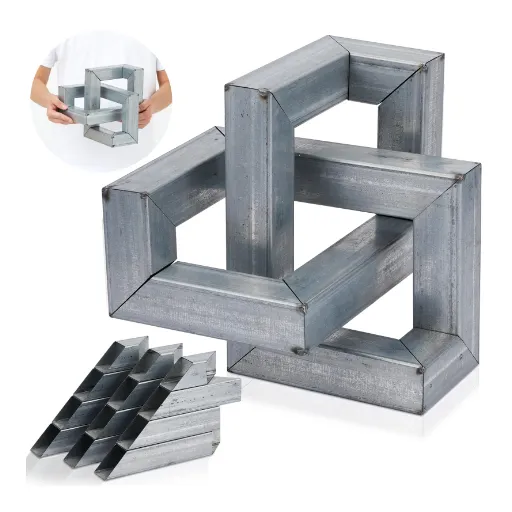
Newcomers to the art of welding are advised to begin with projects that are simple. They will gain not only skills but also a sense of accomplishment. Among the beginner ones, the most common are metal picture frames, small garden trellises, and basic storage racks. A new welder’s search is for welding tutorials on such things as small tables or repairing metal gates as according to the recent data from ‘s search engine. One of the most common questions asked by these newcomers is if MIG or TIG welding is the better choice for their undertaking. MIG welding is the favorite method because of being user-friendly and fast, particularly for large and simple projects. On the other hand, if detail and skill matter most like in case of working with thin metal parts, TIG welding is the best choice. So, proper picking of welding method can help a novice get pleasing work and at the same time improve his/her skills.
Making Basic Structures with Rebar
Rebar, the short form for reinforcing bar, is a primary construction material that adds strength and longevity to concrete structures. With rebar, one can make simple structures by first planning a grid that will carry the whole project, for instance, a little foundation, pathway, or ornament. Rebar is usually placed in a grid or mesh formation in such a way that the loads are equally distributed and the concrete around it is made stronger. The correct lengths and angles of the rebar must be cut and bent so that the final product meets the drawings, and this is done with a rebar cutter or a bender.
A frequently asked question is, “How do you keep rebar from moving when it is being built?” Rebar is fastened with tie wire to join the overlaps and this way even the pouring does not affect their joint very much. This is usually done with a pair of pliers or a rebar tying tool. Also, to avoid rusting and at the same time ensuring the structure’s integrity, you could use rebar that is coated with rust preventive or if it is being placed in concrete, then do it immediately after. If you follow the steps, you will be able to make strong and long-lasting structures and at the same time use rebar efficiently.
Easy to Weld Projects for Beginners
Welding for novices should not be very complicated and difficult but rather very easy and simple crafts like these are still rewarding and educational. Some ideas that are welcoming to a beginner are making the simplest metal like a picture frame, a plant stand, or a small rack for storage. The projects will teach you the essential welding skills like tack welding, bead control, and joint positioning when working with not too difficult tasks.
According to the latest data from ‘s search engine, in 2023 the most searched beginner welding project ideas were DIY fire pits, wall-mounted coat racks, and custom tool holders. The reason for their high popularity is that they combine both necessity and creativity providing an ideal outlet for those just learning the craft. Minimal materials and equipment are therefore needed in the process making it budget-friendly for newbies. Therefore, if the projects are practical and simple, the confidence and skills of the beginner can be increasingly developed.
Intermediate Welding Projects
Crafting a Garden Fence
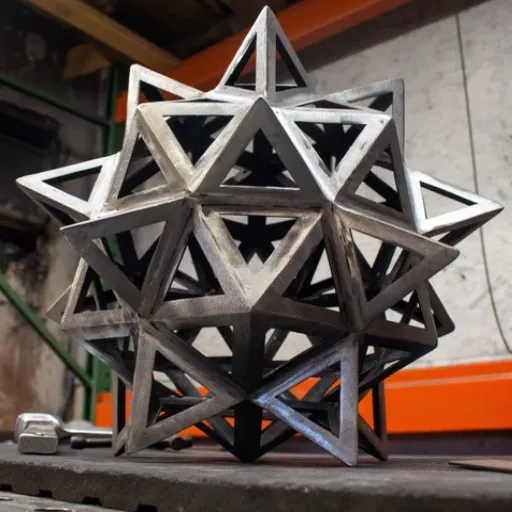
A garden fence, which can also be termed as a garden perimeter made by welding, is a very common project for the intermediate levels as it gives the user both functionality and the art aspect. The process shall include the stamping and assembling of panels which limit and safeguard the garden and at the same time provide the outdoors with an image, therefore, working on aesthetic value for the garden area. The particular process goes first through the selection of heavy-duty materials like steel or aluminum since they are both durable and resistant to weather. The welders would then need to do the measuring and cutting of the metal to get the even partitions; this would ensure that the dimensions of these sections are the same as the dimensions of the garden area. The linking of the panels is done through very precise welding such that very strong and stable connections will result.
One of the questions most often asked when building a garden fence is “Which welded garden fence designs are the best?”. From the data collected via the search trends, it can be confidently stated that the decorative patterns like floral motifs, shapes of geometric nature, and lattice ways are in demand. Besides, there are preferences of people who are also looking for the functional features like gate latches for their flower-climbing plants or vertical supports for them. Therefore, by embracing all these elements, the welders will be able to construct a fence that is not only fashionable but also caters to the interests of the customers in terms of utility and design. Besides, this project is a great way to practice welding skills, plus it will give an everlasting ornamental feature to every garden space.
Building Outdoor Cooking Equipment
The creation of outdoor cooking equipment is one of the most favored DIY projects among homeowners and hobbyists as it combines the functionality with the personalized design. The search trends of late are pointing towards a substantial interest in such items as custom barbecue grills, smoker ovens, and fires, and the making of such projects is often using highly durable and heat-resistant materials like stainless steel which also allows fitting them to individual cooking styles. One can, for instance, have the feature of adjustability in the grates or addition of side shelves which clearly improves rather than just facilitates usability, while the likes of creative engraving or the use of peculiar shapes can boost the allure factor. One can enjoy the art and a personalized setup of the outdoor lights and cooking experiences by simply letting their creativity flow through their craft.
Exploring Artistic Fabrication Projects
Artistic fabrication projects tend to usually erase the line that separates the functional from the aesthetic and at the same time mix in practical utilities with amazing design. The recent search trends reflect people’s growing interest in custom-made products which are provided with sustainable materials and advanced methods such as laser cutting and metal 3D printing. The above-mentioned processes enable the makers to go a long way in creativity and produce goods that are not only very eye catching but also fitted to be very useful. Questions that are frequently asked are, “What are the best materials for artistic fabrication?” or “How do I combine aesthetics with durability?”. For the majority, this challenge is overcome by picking out materials like aluminum or reclaimed wood which are both multipurpose and environment friendly. Along with that, running with trends like modular design is a guarantee that the works will stay flexible and also possess the characteristic of being timeless.
Advanced Welding Techniques and Projects
Unique Professional Welding Ideas
The welding craftsmen never stop looking for those ideas that are able to expand the whole area of imagination and also brought up new products to the market. Mixing the output from ‘s search engine with the latest data points out that there is a growing popularity of projects that unite sustainability and modernity, e.g., one of such ideas is the making of exclusive pieces of furniture out of scrap metal combined with reused industrial parts, thus brought to life the eco-friendly design trends. The other innovative idea mentioned, though not yet mainstream, is creating outdoor installations or sculptures that not only please the eye but also serve a purpose such as outdoor lighting integrated in metal trellises. Besides that, using the latest welding technologies, like laser welding or friction stir welding, is becoming popular among the professionals and the application is quite wide – aerospace and automotive design, for example – as they are getting lightweight, high-strength parts made for these industries. Thus, the said concepts not only exhibit proficiency but also cater the current necessity of precision engineering and sustainability.
Tailored Fabrication for Distinct Uses
In every industry, most of the time, through custom fabrication, the especial needs are met by precisely specifying and providing the tailor-made solutions. Not long ago, data from the search engine revealed a growing trend of incorporating advanced materials like carbon fiber composites and titanium alloys in custom fabrication. These materials are the reason one can have light but strong designs and these designs can be used in renewable energy, medical devices and robotics which are the sectors that might even need such materials. Not only that, the adoption of advanced manufacturing technologies like 3D printing and CNC machining will also contribute to the high accuracy of complicated parts production. By combining innovative fabrication methods with new state-of-the-art technologies, companies will be able to supply the market with the growing demand for customized, eco-friendly, and high-performance solutions.
Difficulties in Complicated Welding Projects
Difficult welding assignments are very often along with a mix of difficulties that all demand very careful planning and managing to be brought to their requirements. One of the main barriers is the accuracy needed to work with very complicated shapes or materials that have certain characteristics, for instance, being highly heat sensitive or having thickness variations. Besides that, in every industry, like the aviation or car industry, it is very difficult to maintain the physical characteristics of the product and also prevent defects such as warping, cracking, or contamination to be produced, so this is a very big challenge indeed.
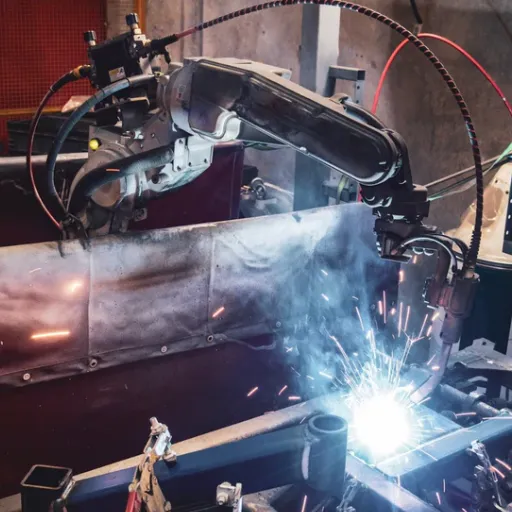
The need for skilled workers capable of carrying out advanced welding methods, such as TIG or laser welding, is another frequent problem and these techniques, though being very effective, demand a lot of experience and specialized training. To some extent, the incorporation of modern technologies such as robotic welding systems can help to make these processes more efficient but at the same time it raises the issue of high initial investment and the necessity of regular upkeep.
Latest statistics from ‘s search engine show that companies are on the rise in searching for ways to boost quality control and efficiency in welding. This pattern points out the emphasis put on tackling the issues of product reliability, adherence to the rules that are very strict, and high-quality production always. In order to cope with these issues, it is necessary to utilize the cutting-edge tools, provide intensive training, and have cross-functional teams to collaborate in the innovation of welding technics.
Conclusion and Future Projects
Enhancing Your Weld Skills
It’s imperative to keep up with the advancements in technology and the newer welding methods in order to develop your welding skills. The changing data and trends show that some of the most widely searched topics regarding welding are automatic welding systems, TIG and MIG welding procedures, and getting advanced certificates. Besides professionals, even hobbyists are showing a lot of interest in knowing about the usage of eco-friendly materials and energy-efficient methods.
The development of your welding skills would ultimately come from practice, education, and getting the latest updates from the industry innovations. First, take a course on advanced training or get professional international certifications like CWI (Certified Welding Inspector) or AWS (American Welding Society) qualifications. You can also modernize the tools and equipment you are using and spend time gaining proficiency in other processes such as TIG, MIG, and flux-cored welding. In addition, being part of online communities and going to trade shows can be a great way to get input from professionals who have already gone through a similar process and not lose track of the latest industry standards and regulations.
Learning Resources for Continuously
In case you want to be a specialist in welding, the resources and tools are many and they can continuously Learning support welding. Platforms like Weld.com, and the American Welding Society (AWS) provide extensive online resources including the latest tutorials, webinars, and articles on advanced techniques and industry trends for example. For hands-on practice, local technical schools and community colleges can be a good option, as they provide courses or certifications that are tailored to specific welding techniques. Courses covering TIG, MIG, and other welding methods can be found on platforms like Udemy, Coursera, and LinkedIn Learning.
In addition, YouTube is there as a source of practical tutorials that are easy to learn from, and that showcase experienced welders guiding through step-by-step complex projects. Visiting forums such as WeldingWeb gives you the chance to meet and exchange ideas and experiences with welders from all over the world, while AWS Code Clinics or Fabtech trade shows offer chances to network and get acquainted with the latest equipment. The rapidly changing nature of welding technology makes it a necessity for the practitioners of the craft to be well-informed through the use of such resources.
Working Together and the Welding Community
Community and collaboration are the two main strategies that have been employed to overcome challenges in the welding industry and consequently facilitate innovation. The most recent data from the search engine indicates that queries related to “welding forums,” “welding communities,” and “peer learning in welding” are on the rise and have become a trend these days. This is a clear indication of the expanding interest among the international welding community in the exchange of ideas and techniques. The interaction between the welding community and the industry is beneficial for all the parties involved as it gives little or no Cost Mentorship, Troubleshooting, and Sharing Breakthroughs in Welding Methods. Whether being in online or physical industry events, collaboration among the welders makes it easier for them to share knowledge, practices and innovations with each other, thus creating a conducive environment that is crucial for the success of the trade.
FAQ
What are some of the welding projects for beginners that you can make?
It is the best way for novice welders who want to learn welding through do-it-yourself projects to start from the easy welding projects. Making a horseshoe key holder which is both functional and decorative can be one of the beginner projects. One more project to consider could be the stool made from flat bar and metal plate, a project that is both useful and a chance to practice your welding skills. Also, an easy metal project that has the potential of being gifted from time to time is a sheet metal trivet. Thus, all these easy projects will not only contribute to your welding skill enhancement but will also give you a chance to make practical items that you can either use or give to someone as a gift.
What are the benefits of welding projects on outdoor cooking?
You can not only have better outdoor cooking but also more fun cooking by incorporating welding projects since you will then be able to make custom grilling stations or fire pits. One such project could be the construction of the grill frame made of steel tubes and iron angles that could be very well prepared first by the welding process. Then, an industrial style outdoor setup could be made with metal sheet as a decorative cooking table top. These kinds of projects might also add ambiance to the place besides the regular function of being outdoors in a stylish way. When you think of incorporating easy welding projects in your outdoor cooking area, you can then invite the place to become both inviting and practical for the gatherings.
What are the easy welding projects for you as a beginner?
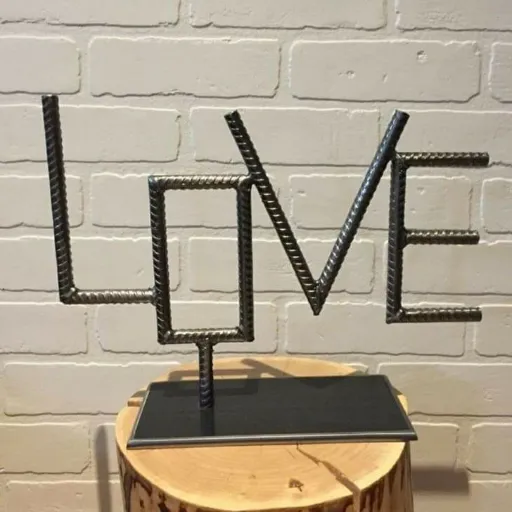
Most often, easy welding projects for beginners consist of little things only and this makes possible the developing of skills without the burden of overwhelming complexity. One of the simplest welding projects could be a metal plate decoration which may be very useful for the home as it gives a personal touch of decoration. Practicing welding through such projects as making a rebar Christmas tree or simple metal one can be enjoyable and they will also function as pretty and tasteful seasonal decorations. Furthermore, it is very easy to make garden stakes or holders and in this case, the mild steel is really useful giving the user both the opportunity for practice and a functional outcome. These projects will inflate the confidence of the beginner welders as well as they will enjoy the process which is quite creative.
What kind of welding projects could I come up with using rebar?
Rebar is a multifaceted material that can serve for many welding projects, particularly for people who want to make outdoor items and use them. An idea for beginners would be making either an ornamental fence or garden trellis that could be pointed as a highlight of the yard. Moreover, welding rebar into unique shapes can lead to the creation of arts and crafts or even sculptures that would declare your inventiveness. Also, why don’t you use rods to make an excellent table frame that you will later match with a rustic wood top? Rebar welding projects are not only about getting a strong construction but also about expressing one’s creativity in the outdoor areas.
How do I get perfection in welding projects?
Attaining flawless welding in your items will not be done only with the help of practice and meticulousness. For the novice welders, the clean and even welds with steady hand and the correct angle are the main concerns. Sometimes, a mig welding machine can make the operation easier as it provides a constant weld bead. Besides, warming up your workpieces particularly if your dealing with steel plates, can be a good way of avoiding distortion and improving weld quality. Do not forget to remove the rough edges by grinding before welding as this will create a smoother surface which is also very helpful in making stronger joint connections. It will be through regular practice with different materials that you will gradually acquire the skill of finishing and be getting amazing results in your welding projects.
Reference Sources
-
Purdue Extension – Welding Project: Offers a comprehensive background on electric arc welding and oxy-acetylene welding. Source
-
North Dakota State University – 4-H Welding Project: Provides detailed welding project ideas and procedures for educational purposes. Source
-
New Mexico State University – Welding Basics: Covers fundamental welding techniques and project guidelines for exhibitions. Source