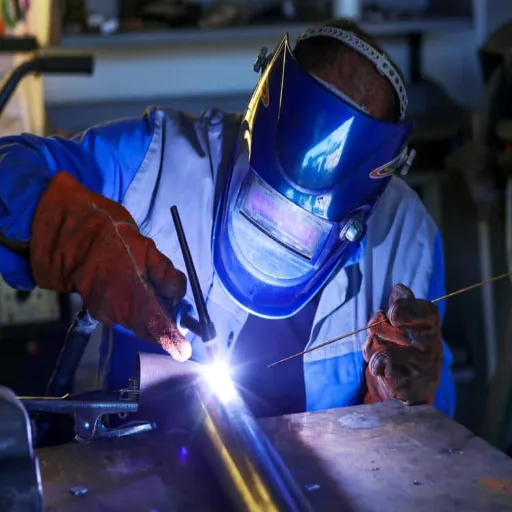
Are you a DIY project lover or a novice metalworker who plans to learn welding as one of his skills without incurring a big price? Whichever way you are going either repairing the broken things, doing custom pieces or just having fun with a new hobby, good welding equipment is very much needed. However, there is a whole lot of different products in the market which makes it really challenging to find the right mix of quality, functionality, and price. To ease you with this issue we have created an exclusive guide to budget welders. We will discuss low-cost welding solutions absolutely suitable for your home workshop while giving you tips on what features to look for, the different types of welding machines, and how you can be sure that you are getting the best value for your money. Just stay with us and by the time you finish the post you will have all the necessary information to select a welder that fits perfectly your needs and budget confidently.
Understanding Different Types of Welders
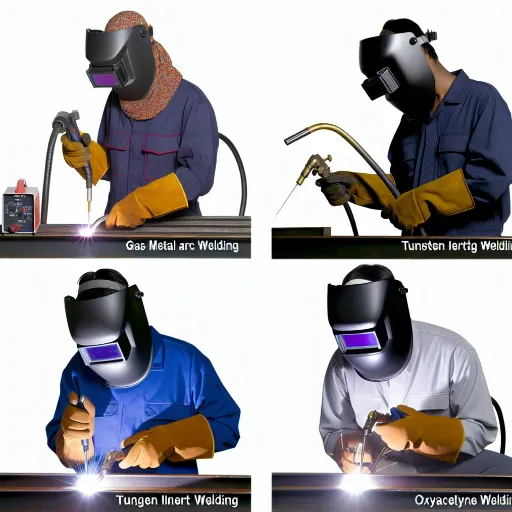
What is a Stick Welder?
A stick welder, also referred to as a Shielded Metal Arc Welder (SMAW), is a kind of welding instrument that is adaptable, easy to move around, and commonly used in both industrial and home applications. A continuous and consumable electrode coated with flux is used to clear the electric arc that melts the electrode and the metal pieces together, thus forming a strong weld joint. The coating of the flux results in the formation of a gas and slag that shield the weld from the adverse effects of oxygen and moisture contamination during the process. Stick welders are quite powerful and can handle a wide range of materials including steel, stainless steel and cast iron, moreover, they can work under extreme conditions like outdoors or wind too. Because of this factor and their simplicity, they have become very popular among both novices and professional welders.
Key Features of Stick Welders:
- Versatile and portable design
- Works with steel, stainless steel, and cast iron
- Effective in outdoor and windy conditions
- Flux coating provides automatic shielding
Introducing MIG Welders
MIG welders, or Metal Inert Gas welders are, by far, the most flexible and user-friendly welding solutions available in the market today. By employing a continuous wire feeding system, these welders produce clean and accurate welds while covering the molten metal pool with an inert gas like argon or a mix of argon and CO2. This protective atmosphere prevents the fusion of atmospheric gases which results in high-quality joints that require very little cleaning afterward.
One of the most frequently posed queries regarding MIG welders is “Is it possible for beginners to use the welders?” The reply is an emphatic yes. The MIG welders are the best choice for new comers in welding due to their very easy and simple operation and setup. They get rid of the manual electrode application which makes the process a bit cumbersome and then again less efficient. On the other hand, MIG welding works with many kinds of materials, for instance, aluminum, stainless steel, and mild steel. When the recent developments in the industry are taken into consideration including innovations like digital controls and automatic adjustments, MIG welders still are the favorite choice for not only hobbyists but also experienced professionals who are after high-quality, easy-to-use welders.
TIG Welding: A Synopsis
TIG welding, or tungsten inert gas welding, is a precise and versatile welding process that utilizes a non-consumable tungsten electrode to perform the weld. It can create clean, high-quality welds along with being very picky, thus, it is suitable for intricate projects and procured materials like stainless steel, aluminum and magnesium. TIG welding generally leads to more skill and patience compared to MIG welding however, it is the superior control over heat and welding parameters that results in outstanding welding.
TIG welding is being looked up quite frequently in many sectors such as aerospace, automotive and art sculpture. The corresponding keywords would include mastering the TIG welding techniques, best TIG welding machines, and tips for working with difficult materials. This indicates the importance of TIG welding not only for professionals but also for hobbyists who want welds that are both durable and of great precision.
Factors to Consider When Choosing a Cheap Welder
💡 Pro Tip:
Don’t let a tight budget limit your welding ambitions. By understanding the key factors below, you can find a quality welder that meets your needs without breaking the bank.
Welding Capability: Amps and Types of Welds
It is necessary to know the ampere range and the different types of welding the machine can handle when analyzing a welder. The different types of welding that the machine can handle are important factors in determining the performance of the welder. A recent trend in searches asked for such a question as “What amperage is the best for TIG welding?” The best answer varies depending a lot on the thickness and type of the material. For very thin materials like aluminum or stainless steel, it is good to use a low-amperage range of about 15-30 amps since that gives control and precision. On the other hand, if the material is thick, then the amperage has to be high and that may go over 200 amps for getting deep penetration.
Also, people have been asking about multi-process welders that can do TIG, MIG, and stick welding. These kinds of machines give versatility which is why they are so popular among users who have to deal with different kinds of projects. Consequently, if a person picks a machine with a wide amperage range and support for multiple weld types, he or she can be sure the demand of various applications will be met quickly and efficiently.
Amperage Guidelines:
- Thin Materials (Aluminum, Stainless Steel): 15-30 amps for precision control
- Medium Materials: 30-100 amps for general fabrication
- Thick Materials: 200+ amps for deep penetration welding
Portability and Size of the Welding Machine
Portability and size of a welding machine are very important factors when buying a welding machine, especially for people who do it as a hobby and for professionals who work in different locations. According to the most recent data from search trends, there is a growing preference for welding machines that are compact and light in weight. Users have shown interest in easily portable models, which can be carried without losing performance. Machines that do not weigh more than 50 pounds and have carrying handles or carts that can be taken apart are very much in demand. The interest in portable welding equipment is growing, and among these, the fabrication of such small units is also very much demanded. The new trade-offs that balancing portability with essential features has opened up guarantee that users can achieve professional-grade results along with the convenience of transport and setup.
Durability: Heavy Duty vs. Lightweight Welders
Durability is one of the key aspects to think about when selecting between heavy-duty and lightweight welders. Heavy-duty welders are meant for industrial applications and are able to handle tough materials over a long time without giving in to the performance drop. The robust construction of these machines with parts such as the heavy-duty frames, powerful cooling systems, and long duty cycles, make them a reliable choice for the most demanding environments such as factories or construction sites.
But then again, the lightweight welders support portability and user-friendliness over the performance aspect. While they may not be as rugged as the heavy-duty models but still many modern lightweight ones use reinforced materials which increase their toughness. The technology in welding has also helped lightweight welders perform very well while their designs are compact. Hybrid models that are a mix of portability and high duty cycles are becoming popular giving a versatile option to those users who want to have mobility and do not want to compromise on the reliability part.
Top Affordable Welder Options in 2023
Best Stick Welders for Budget Buyers
Price and performance are the key factors to consider when choosing a stick welder that is not too expensive to purchase in 2023. As per the most recent data from search engine trends, some of the highly-rated stick welders for budget-conscious shoppers are the Forney Easy Weld 298 Arc Welder, Amico Power MMA-200, and YESWELDER ARC-205DS. These models are quite often acknowledged for their stability, ease of operation, and transportability, thus they are suitable for both novices and pros.
🏆 Top Budget Stick Welders:
- Forney Easy Weld 298: Small and lightweight option convenient for do-it-yourselfers with small-scale projects
- Amico Power MMA-200: Provides power and versatility in equal measure, handles a wider variety of materials
- YESWELDER ARC-205DS: Utilizes inverter technology for even arc performance, less spatter, and better welds
In the process of choosing a stick welder, one should take into account things like output power, duty cycle, and electrode compatibility. All these models produce astonishing results while being relatively cheap, thus they can be regarded as superb selections for the buyers who wish to impart the least amount of money and receive the maximum value.
Popular MIG Welders Under $500
Quality MIG welders below $500 have to be very good, but still, many selections can be made that are based on performance and economic factors. The Hobart Handler 140 being one of them is very well received as it is the main choice for labor-intensive and mild steel and aluminum metals. With a 5-position voltage control selector, it provides a great opportunity to make very precise adjustments which will directly affect the behavioral performance of the arc.
Hobart Handler 140
Main choice for mild steel and aluminum with 5-position voltage control selector for precise adjustments.
YESWELDER MIG-205DS
High-performance with MIG, TIG, and stick features. Advanced digital controls and flux core wire compatibility.
Forney Easy Weld 140 MP
Beginner-friendly with multiple welding processes. Power up to 140 amps, lightweight yet powerful.
These welders, apart from being budget-friendly, offer amazing features thus demonstrating that one doesn’t have to spend much money to get professional-grade outcomes.
Affordable TIG and Multiprocess Welders
Affordable TIG and multiprocess welders help welding on different types of materials at a low cost per unit. Some models of TIG and multiprocess welders which are basic but efficient will be the best picks for the working strategies that do not require much investment in separate machines. The Weldpro Digital TIG 200GD is one of the affordable options that maintains its ground and even surpasses expensive models with its precise control, AC/DC capability, and user-friendly interface which makes it suitable for working with steel, aluminum, and other materials. Another wattage of choice is YesWelder TIG-205DS which boasts of a powerful performance and ease of portability all at an accessible price.
Among multiprocess welding, Everlast PowerMTS 211Si is a model worth considering. It is MIG, TIG, and Stick welding-friendly with easy controls which makes it a versatile option for both professionals and hobbyists. The machines do not go beyond budget limitations yet they allow the user to produce clean, high-quality welds on various materials easily without compromising on performance or reliability. As a result of recent insights, these cheap alternatives have made professional quality results more accessible than ever.
Accessories and Safety Gear for Budget Welders
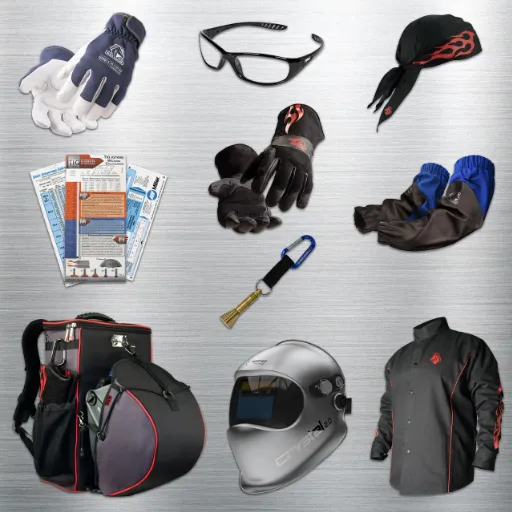
Essential Welding Helmets and Protection
In picking welding helmets and protective gear, safety, comfort, and quality must be the three focal points even if one is on a budget. The current statistics say that auto-darkening helmets with adjustable shade levels still remain the most popular choice for their price and functions. These helmets give the least eye straining and the highest visibility which makes the welding process easy even when the light is changing. Furthermore, fireproof gloves and aprons are a necessity to protect the user from high temperatures and sparks. Wearing a lightweight helmet plus ergonomic features allows the user to continue working for longer hours without feeling any discomfort which makes them suitable for both amateurs and professionals. Buying approved and highly rated gear is a sure way of protecting oneself reliably while still maintaining cost-effectiveness.
⚠️ Safety Checklist:
- ✓ Auto-darkening welding helmet with adjustable shade
- ✓ Fireproof welding gloves (leather recommended)
- ✓ Flame-resistant welding jacket or apron
- ✓ Steel-toed safety boots
- ✓ Respiratory protection for enclosed spaces
- ✓ Proper ventilation equipment
Recommended Welding Trolleys and Organization Tools
Welding trolleys and organization tools are not only an added luxury but a must-have in order to keep the workspace safe and running smoothly. Based on the most recent data, top options are the multi-level welding trolleys which can securely contain welding machines, gas bottles, and tools. The Eastwood MIG Welding Cart and the Yaheetech Welding Trolley are two examples of products that are widely praised for their strength, small size, and easy to move which makes them fit for both professional and home workshops.
Magnetic tool trays and pegboards are two great organizational tools that will greatly help in the workspace by giving the spot for the most used tools and also reducing the mess around. The Strong Hand Tools brand is among the ones that provide such accessories as clamping tools and organizers that can be attached to welding tables. This would significantly improve the workflow. When these tools are combined, a well-structured workspace is formed, which is not only accessible and productive but also safe.
Buying Flux Core Wire and Other Consumables
Among others, the most important factors to consider when buying flux core wire and welding consumables are the materials that can blend together, the diameter of the wire, and the use the wire is intended for. Flux core wire comes in two major types: self-shielded and gas-shielded with each type having its own merits. Self-shielded wire is most suitable for outdoors and windy conditions because it does not need the use of an external shielding gas, while gas-shielded wire is used in indoor and controlled environments where cleaner welds are required. Users’ frequent searches also show that they have a lot of questions regarding the best brands with Hobart and Lincoln Electric being the most suggested ones due to their quality and reliability.
Moreover, consumables are contact tips, drive rolls, and nozzles should be the same as the welding system and wire specifications so as to ensure smooth operation. In addition, it is always good and cost effective to regularly check these parts for wear because that is one of the ways of getting good quality welds and prolonging the life of the machine. There is a noticeable trend that many welders are also going to online platforms like Amazon and welding-specific retailers such as WeldingSupply.com for wider options and competitive prices. It is good to remember that consuming high-quality consumables will not only improve performance but also cut down on downtime which is a crucial factor for both professional and hobby welders.
Tips for Budget-Conscious Welding
How to Maintain Your Welder for Longevity
The maintenance of your welder is something that you cannot ignore if you want it to be in good condition throughout its lifetime. Based on the latest search volume data from search engine trends, here are some handy tips made for you:
🔧 Essential Maintenance Tips:
1. Regular Cleaning
The welder can be affected by dust and particles building up inside and on the outer surface, and its operation may be impaired. Compressed air can be used for cleaning the internal parts occasionally while a soft cloth can be used for wiping the outer parts.
2. Inspect Consumables Frequently
Keep an eye on your welding tip, nozzle, and liners for any damage. Worn-out consumables will not only lower weld quality but also exert more stress on your machine.
3. Check Cables and Connections
All cables, hoses, and connectors should be checked for damages, corrosion, or looseness. Wear parts should be replaced so as to ensure uninterrupted power and safety.
4. Monitor Cooling Systems
A welder’s overheating is prevented by proper cooling. Check that fans, vents, or liquid cooling systems are working well and have no blockages.
5. Store Properly
A welder should always be located in a clean and dry place, covered, and away from extreme temperatures and humidity, which can cause incidents of component degradation over time.
6. Follow Manufacturer Guidelines
The user manual is the best resource to refer to for maintenance schedules, operating procedures, and parts replacement that ensure optimal machine performance.
You can by following these steps not only significantly extend the life of your welder but also maximize its efficiency, thus making it a more trustworthy tool for your projects and saving maintenance costs in the long term.
Common Welding Mistakes and How to Avoid Them
Welding is a precise skill to master, and even professionals sometimes make mistakes that affect the weld’s quality and durability. We now present to you some of the most frequent welding mistakes along with preventive measures that can be taken:
❌ 1. Improper Joint Preparation
One of the most common mistakes is not cleaning or preparing the weld joint correctly. The presence of dirt, oils, rust or paint will contaminate the weld and ultimately result in a weak or brittle weld. Do not let this troubles bother you by making it a practice always to clean the materials thoroughly with right tools like wire brushes or grinders before the welding process starts.
❌ 2. Incorrect Machine Settings
Beginners don’t pay attention setting of the proper voltage, amperage, and wire feed speed on their welder. Improper settings can lead to either no penetration or excessive spatter. The recommendation is to refer to the machine’s manual and practice on scrap metal to adjust your settings for the specific metal and thickness.
❌ 3. Poor Electrode or Filler Material Choice
Wrong type of electrode or filler material can lead to the weld being compromised strength wise and losing its integrity. Always make sure that you are using welding materials that are compatible with the base metals and also follow any guidelines given by the manufacturers.
❌ 4. Lack of Proper Technique and Movement
Welders who move the torch too fast or unevenly may produce lights, weak, or even porous welds. It will be best Practice to have constant speed and angle during the process, and it can help to observe professionals or participate in training to improve your technique.
❌ 5. Ignoring Safety Protocols
Minimalist protection by wearing PPE or the absence of proper ventilation may result in injuries or long-term health risks. Always make protection a priority by using the welding helmet, gloves, and respiratory protection, plus ensuring that your workspace is adequately ventilated.
❌ 6. Overlooking Heat Control
Too much heat may either melt the metal or cause warping, while too little heat may lead to poor bonding. Keep track of your method and use heat control practices such as welding for short periods followed by cooling intervals.
Becoming cleaner and stronger and more reliable welds is your reward once you turn to the right techniques and develop your skills. With the right preparation, practice, and compliance with the guidelines, welding can be a safe and rewarding craft. Following expert advice and keeping updated on new techniques or tools can additionally boost your results.
Where to Find Deals on Welding Equipment
You can find welding equipment deals in a number of sources that are excellent, both online and in local stores. Amazon, eBay, and Walmart websites are some places that usually have competitive prices and provide additional discounts on various welding tools and accessories, especially during seasonal sales or promotions. Specific retailers like Welding Supply, Cyberweld, and Grainger not only give top quality equipment but also have regular discounts or bundle deals. For those looking for budget-friendly choices, it can be a cost-effective option to buy refurbished or gently used equipment from Craigslist or Facebook Marketplace. Besides, local hardware shops sometimes have clearance sales or exclusive in-store offers. Price comparison, reading reviews, and being alert to promotions can help you get the best price for welding supplies.
💰 Money-Saving Tips:
- Subscribe to newsletters from major retailers for exclusive discounts
- Shop during Black Friday, Cyber Monday, or end-of-season sales
- Consider buying combo packages or bundles for better value
- Check manufacturer websites for refurbished models with warranties
- Join online welding communities for insider deals and recommendations
Frequently Asked Questions (FAQ)
❓ What is the best cheap welder for beginners?
A multiprocess welder, which can bear MIG, TIG, and stick welding, is very often the best inexpensive welder for beginners. Harbor Freight welder is one of the top models that beginners trust for its easy handling and proficiency. YesWelder MIG-250 is a cheap but very good option that could be the one among the best since you are also getting the compatibility of auto darkening welding helmet which is a great introduction to the welding world. If your concern is only the gases then the gasless flux core welder can be a great option to choose for getting the outdoor welding projects done. Besides that, it’s better to look at things like duty cycle and voltage, so you choose the right model for your particular requirements.
❓ How does a MIG welder differ from a TIG welder?
MIG or Metal Inert Gas welder makes the process of welding through continuous wire feed making it easier and faster for beginners, whereas the TIG or Tungsten Inert Gas welder on the other hand gives up more precision and control with more skill requirements and it is usually with thinner materials. Although MIG welding is generally quicker, TIG welding is more suitable for the aesthetic quality of the work, e.g. bodywork in production projects. If you’re after flexibility then inverter welder that can interchangeably work with both processes is what you need. Ultimately, your choice will depend on your specific welding requirements and your level of expertise.
❓ Is a flux core welder as good as a MIG welder?
In some conditions, a flux core welder becomes a great alternative for a MIG welder especially in outdoor projects that need welding because of the wind blowing away shielding gas. The flux core welders consist of a tubular wire filled with flux, thus they do not need a gas shield. They’re often cheaper to buy and can deal with thicker metals than MIG welders, which makes them suitable for heavy-duty work. Nevertheless, MIG welders are usually cleaner and more precise than flux welders due to the gas shielding. If you are in the situation of a limited budget and very cheap option is a must, a flux core MIG could be a good compromise. Finally, your selection has to be in accordance with your particular welding tasks and the area where you are going to work.
❓ Are inverter welders better than traditional welders?
The benefits that inverter welders have over their counterparts are many: they are portable, consume less power, etc. Inverter welders are also stable power supply providers compared to their traditional counterparts and they are generally lighter which makes their transportation easier. And the range of settings in most inverter models is wider, so the control over amp and voltage is better. This is very handy to those who practice several welding processes like MIG and TIG. Plus inverter welders frequently feature sophisticated technology, making them suitable for both novice and professional welders. Overall if you are looking for a modern and versatile option, an inverter welder will be a good choice to consider.
❓ What should I look for in a portable welder?
Weigh the pros and cons of the welder you are about to purchase with respect to portability, power supply, and welding capability factors when looking for a portable welder. The ideal portable welding machine should not only be lightweight but also easy to transport, especially if you vary locations for its use. Models that come with a dual voltage option, especially those that can operate at both 110V and 220V, are more flexible and thus easier to use. Furthermore, always look out for a duty cycle of 20% or more for longer uninterrupted use without overheating. If you want to buy a portable welder, brands like ESAB and Miller would be your best bet. Lastly, ensure it’s suitable for MIG and stick welding so as to really get the most out of it.
Final Thoughts
Finding the right cheap welder doesn’t mean compromising on quality or performance. With careful research, understanding your specific needs, and following the guidance provided in this comprehensive guide, you can confidently invest in a budget-friendly welder that will serve you well for years to come. Whether you’re a beginner taking your first steps into welding or an experienced hobbyist looking for a cost-effective solution, the market offers numerous affordable options that deliver professional-grade results. Remember to prioritize safety, maintain your equipment properly, and continue developing your welding skills through practice and learning.
📚 Reference Sources
- Tulsa Welding School – Best Welders for Beginners: This blog provides insights into beginner-friendly welders, including MIG welders, which are often affordable and easy to use. Source
- University of Georgia – Hobart Handler 125 MIG Welder: This resource highlights the features and performance of the Hobart Handler 125 MIG Welder, a popular and affordable option for beginners and professionals. Source
- Central New Mexico Community College – Welding Program: This program provides hands-on training and technical knowledge for welding, offering insights into affordable equipment suitable for students and beginners. Source
- welding machine buying guides