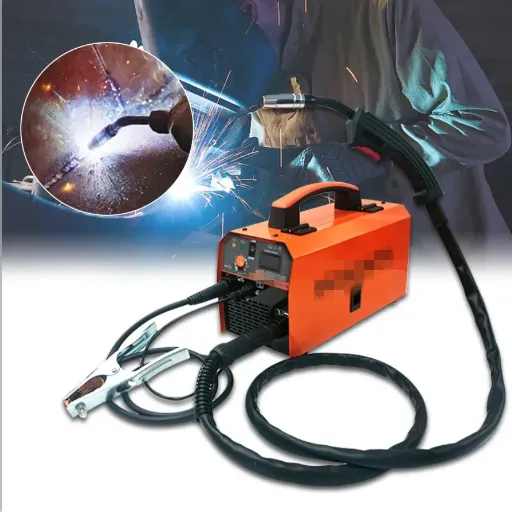
Introduction to Welding Machines
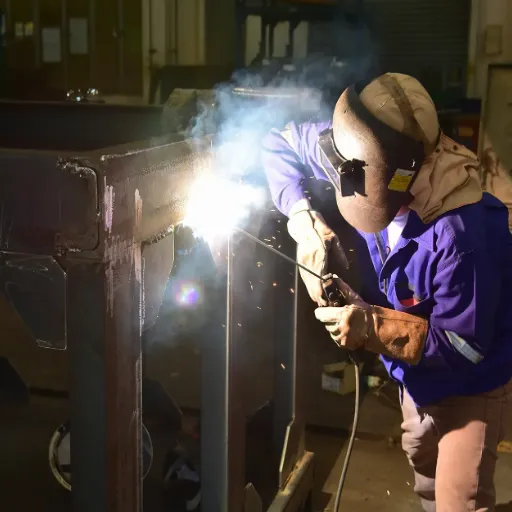
The first time someone enters the world of welding, it may be a bit too much to handle, particularly if one is picking their first machine. The options are completely unlimited and they differ greatly in the skills required to operate them, the materials used, and the types of projects. So, it is really important to make a wise decision. The very first thing that this complete guide does is to make the selection process easier and secondly, to assist you in understanding the main factors starting from machine types and ending at essential features and budget considerations.
What is a Welding Machine?
A welding machine is specialized equipment that joins two or more pieces of metal or thermoplastic material through heat, pressure, or both. The process melts workpieces and creates strong joints upon cooling, often incorporating filler material for enhanced strength.
Modern Welding Machine Types
- 🔥 MIG (Metal Inert Gas): Versatile, beginner-friendly with continuous wire feed
- ⚡ TIG (Tungsten Inert Gas): Precision welding for detailed work
- 🛠️ Stick Welding: Simple, reliable for outdoor conditions
- 💪 Flux-Cored: Strong welds for thicker materials
Market Trend: Recent data shows substantial growth in DIY enthusiasts and small business owners seeking efficient, economical metal fabrication solutions. Modern machines now feature digital controls, enhanced safety features, and multi-material compatibility.
Importance of Choosing the Right Welder
Selecting the correct welder profoundly impacts project quality, productivity, and safety. Search engine data reveals substantial increases in queries for “best welder for beginners” and “multi-process welding machines,” indicating growing interest in versatile, user-friendly equipment.
Critical Selection Factors
Expert Insight: MIG welding machines dominate beginner preferences for ease of use, while TIG welders provide precision for advanced applications. The right choice ensures increased productivity and professional-quality, durable results.
Types of Welding Machines Explained
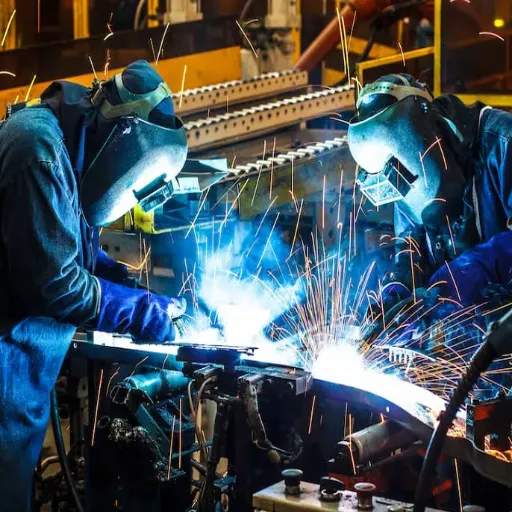
🔧 MIG Welding Machines
Key Characteristics
- Metal Inert Gas process
- Continuous wire feed system
- Clean, precise welds
- Beginner-friendly operation
Compatible Materials
- Steel and stainless steel
- Aluminum (with proper wire)
- Various alloys
Best For: Automotive repairs, fabrication, artistic metalwork
⚡ TIG Welding Machines
Key Characteristics
- Tungsten Inert Gas process
- Non-consumable electrode
- Highest quality, precision welds
- Minimal spatter
Compatible Materials
- Thin stainless steel
- Aluminum
- Non-ferrous metals
Best For: Aerospace, automotive precision, art fabrication
🛠️ Stick Welders
Key Characteristics
- Shielded Metal Arc Welding (SMAW)
- No shielding gas required
- Works in windy conditions
- Extremely portable
Best For: Outdoor work, construction, repairs, field welding
💪 Flux-Cored Welders
Key Characteristics
- Tubular wire with flux core
- Higher deposition rates
- Handles thicker materials
- Simple setup
Best For: Industrial jobs, heavy-duty projects requiring speed and strength
📊 Quick Comparison Chart
🔑 Key Features to Consider
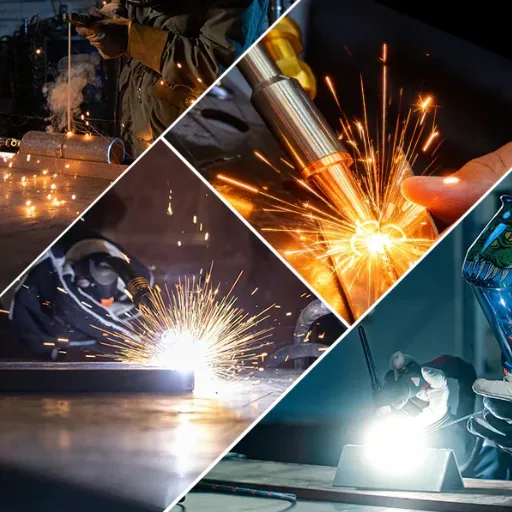
Understanding Duty Cycle
Duty cycle is a decisive specification directly affecting productivity and efficiency. Measured as a percentage, it indicates how long a welder can continuously operate within a ten-minute interval before requiring cooling time.
Duty Cycle Examples
Selection Tip: Light tasks may only require lower duty cycles, but heavy industrial applications demanding extended welding times necessitate higher duty cycles to maintain productivity and work quality.
Importance of Amperage
Amperage is indispensable in welding, determining heat input and directly impacting weld strength, durability, penetration depth, and welding speed—all critical for achieving stable, consistent results.
Amperage Guidelines by Material
Expert Advice: Proper amperage management prevents common problems like undercutting or insufficient fusion, increasing productivity with fewer defects and saving both time and resources.
Portability and Power Input
These factors are crucial, especially for professionals working across multiple locations. Modern trends favor compact, lightweight machines without compromising functionality.
Power Input Options
110V Single-Phase
Home workshops, light duty
220V Single-Phase
Professional use, higher output
Dual-Voltage
Maximum versatility
Three-Phase
Industrial applications
Search Trend: Users increasingly seek machines delivering heavy-duty performance with portable convenience, consistently requesting constant power output in easily transportable packages.
🛡️ Safety Considerations & Personal Protective Equipment
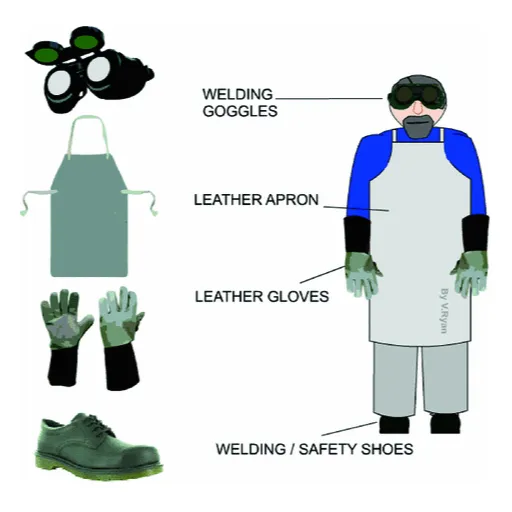
Essential Personal Protective Equipment (PPE)
Appropriate PPE is absolutely mandatory when welding. Search trend data shows significant increases in queries about proper workplace protocols combined with correct PPE usage.
Complete PPE Checklist
👷 Head Protection
- Auto-darkening welding helmet
- Shade 10-14 lens minimum
- Impact-resistant face shield
👀 Eye & Face Protection
- Safety glasses with side shields
- UV-blocking protection
- Anti-fog coating preferred
🧤 Hand Protection
- Heat-resistant welding gloves
- Leather or Kevlar material
- Extended cuff protection
👔 Body Protection
- Fire-resistant clothing
- Leather welding jacket/apron
- No synthetic materials
👢 Foot Protection
- Steel-toe safety boots
- Slip-resistant soles
- High-top coverage
👂 Respiratory Protection
- Respirator for fume exposure
- Adequate ventilation essential
- Earplugs for noise protection
Safety Tips for Beginners
Search data reveals beginners primarily seek advice on proper equipment use, safety protocol understanding, and hazard recognition. Prioritizing safety from day one dramatically minimizes accident and injury risks.
📋 Beginner Safety Protocol
- Familiarize with Equipment: Thoroughly read instruction manuals, watch tutorials, seek experienced guidance
- Verify Proper PPE: Ensure complete protective equipment before starting any welding task
- Inspect Work Area: Clear flammable materials, ensure adequate ventilation, check fire extinguisher availability
- Test Equipment: Verify all connections, check for damage, ensure proper grounding
- Maintain Awareness: Stay alert, take regular breaks, recognize fatigue
- Never Work Alone: Have someone nearby, especially when learning
⚠️ Common Welding Hazards
Critical Insight: Search data reveals non-compliance with basic safety measures—especially wearing appropriate PPE—is the primary cause of welding injuries. Proactive safety procedures and preventive tool maintenance effectively mitigate these risks.
💰 Budgeting for Your First Welder
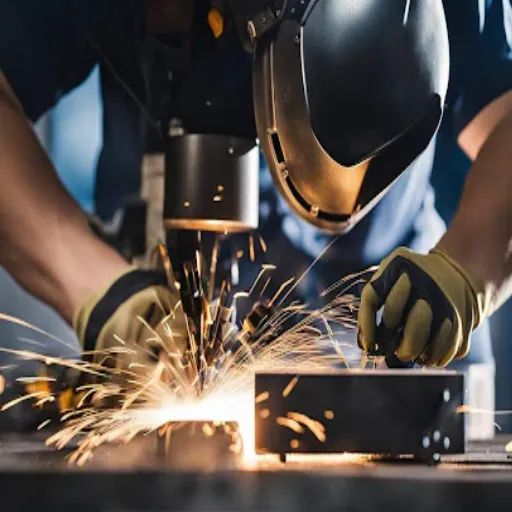
Understanding Costs: Hobbyists vs. Professionals
Recognizing the price difference between hobbyist-grade and professional-grade welders is essential for budget planning. Search engine data provides clear spending patterns:
💵 Price Range Breakdown
Buying a Used Welder: Inspection Checklist
Purchasing second-hand equipment requires careful evaluation to ensure a sound investment. Follow this comprehensive assessment guide:
✓ Essential Inspection Points
- Physical Condition: Inspect for cracks, rust, worn components—indicators of poor maintenance or heavy use
- Power Specifications: Verify compatibility with your workspace electrical system
- Performance Testing: Test machine if possible—check for consistent output, no strange sounds
- Model Research: Investigate reliability ratings, spare parts availability (older/discontinued models may be problematic)
- Seller Background: Verify reputation through online platforms or private sale references
- Documentation: Request maintenance records, original purchase receipts, warranty information
- Price Comparison: Research current market value to ensure fair pricing
Pro Tip: Investing time in thorough assessment prevents hidden expenses and ensures the machine suits your project needs without costly surprises.
Cost-Effective Options for Beginners
Budget-friendly options help beginners enter welding without excessive financial commitment. Recent search trends reveal popular affordable brands and strategies:
💡 Money-Saving Strategies
- Refurbished Models: Reputable brands offer quality at reduced prices
- Entry-Level Units: Purpose-built beginner models with adequate features
- Second-Hand Markets: eBay, Facebook Marketplace (verify condition and reviews)
- Brand Research: Look for manufacturers known for beginner-friendly, economical options
- Package Deals: Starter kits including essential accessories
- Seasonal Sales: Holiday promotions, clearance events
🔧 Maintenance Tips for Your Welding Machine
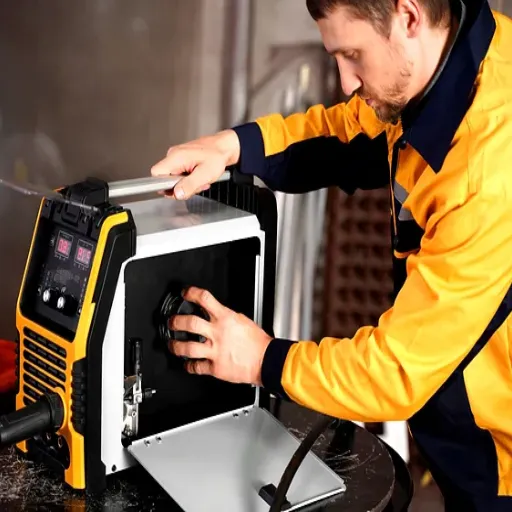
Regular Maintenance Practices
Routine maintenance ensures optimal machine performance and significantly extends operational lifespan. Following these practices prevents costly repairs and maintains safety standards.
🛠️ Maintenance Schedule
After Every Use
- Clean exterior to remove dirt, dust, debris
- Wipe down cables and connections
- Check for visible damage or loose components
- Ensure proper storage in dry environment
Weekly/Bi-Weekly
- Inspect cables for frays or damage
- Test all connections for tightness
- Check ventilation system for blockages
- Verify proper airflow to prevent overheating
Monthly
- Deep clean internal components (per manual)
- Inspect consumables (electrodes, gas nozzles)
- Test performance consistency
- Review and replace worn parts
Annually
- Professional inspection and servicing
- Calibration check
- Comprehensive component testing
- Update or replace aging parts
Trending Issue: Search data shows users frequently seek solutions for torch malfunction or poor arc performance. Addressing these proactively through regular professional check-ups and manufacturer-recommended troubleshooting guides reduces downtime and costs.
Extending the Life of Your Welder
The most common search query: “How can I make my welder last longer?” The answer combines proper maintenance practices with informed usage habits.
🎯 Longevity Best Practices
When to Seek Professional Help
Certain circumstances necessitate professional assistance. Search trends indicate users commonly seek expert help for specific issues:
⚠️ Warning Signs Requiring Expert Evaluation
- Inconsistent Arc: Erratic performance, unstable welding arc
- Sudden Power Cuts: Unexpected shutdowns during operation
- Strange Noises: Unusual sounds indicating mechanical issues
- Error Codes: Digital display warnings or error messages
- Decreased Precision: Weld quality deterioration
- Complex Repairs: Electronic components or substantial internal dismantling needed
Professional Advantage: Addressing issues quickly through certified technicians prevents heavy downtime, extends machinery life, and ensures operational safety.
❓ Frequently Asked Questions
Q: What should you consider when purchasing a welder?
Answer: Consider the welding process type (MIG, TIG, or Stick) that best fits your requirements. Examine material thickness—MIG or flux-cored machines suit thinner materials well. Understanding duty cycle is crucial; higher percentages allow longer continuous use.
Key Factors: Amperage capacity (125 amps offers versatility), available power supply, and ensuring proper welding supplies including helmet and protective gear.
Q: What various types of welders are available?
Answer: Primary types include MIG, TIG, and Stick welders, each with ideal applications. MIG welders excel for beginners due to simple operation and versatility. TIG machines provide precision for professionals working with alloy materials. Stick welders offer ruggedness for outdoor conditions.
Multi-Process Option: Multiprocess welders integrate diverse methods into single machines, offering maximum flexibility for varied projects.
Q: How do you determine which welding machine to get?
Answer: First, examine materials you’ll work with—metal type and thickness. MIG aluminum machines suit aluminum projects, while DC TIG machines work best for stainless steel or thinner materials.
Project Volume Consideration: Small, infrequent projects may only require basic MIG or Stick welders. Larger industrial projects necessitate engine-driven welders or high-quality multiprocess machines. Factor in your skill level—beginners benefit from simpler machines, while advanced users seek professional features.
Q: What are the tips for buying a used welder?
Answer: Thoroughly inspect machine condition—look for wear indicators like rust on torch or damaged cables. Inquire about usage history from sellers: frequency and project types provide valuable insight.
Essential Verification Steps:
- Ensure complete kit (helmet, welding materials, gas/wire)
- Research specific model reputation and common issues
- Test machine functionality before purchase if possible
- Verify performance consistency—no output variations or strange sounds
Q: What is a duty cycle and why is it significant?
Answer: Duty cycle expresses the time ratio a welder can operate within a specific period, typically given as percentage. For example, 60% duty cycle means 6 minutes of welding in a 10-minute interval, followed by mandatory rest.
Significance: Understanding duty cycle ensures you select appropriate welders for project demands, guaranteeing effective and safe operation.
📚 Authoritative Reference Sources
🎓 ETI Campus Welding Guide
Source: ETI Campus Educational Resources
Focus: Comprehensive guide on buying your first welder, emphasizing budget considerations and machine capability assessments
Relevance: Practical advice for beginners navigating first-time welding equipment purchases
🎨 MCAD Welding Reference
Source: Minneapolis College of Art and Design
Focus: Detailed PDF guide covering welding basics, machine usage, and fundamental techniques
Relevance: Educational foundation for understanding welding processes and equipment operation
📋 Kansas 4-H Arc Welding
Source: Kansas 4-H Educational Program
Focus: Comprehensive reference document on arc welding, including equipment inspection and proper setup procedures
Relevance: Safety-focused guidance for beginners learning equipment handling and maintenance