🌡️ Critical Techniques
Storage Critical: Keep 7018 rods in a rod oven or dry environment to avoid moisture absorption. Moisture compromises weld strength and integrity—proper storage is non-negotiable for high carbon projects.
🛠️ Professional Best Practices
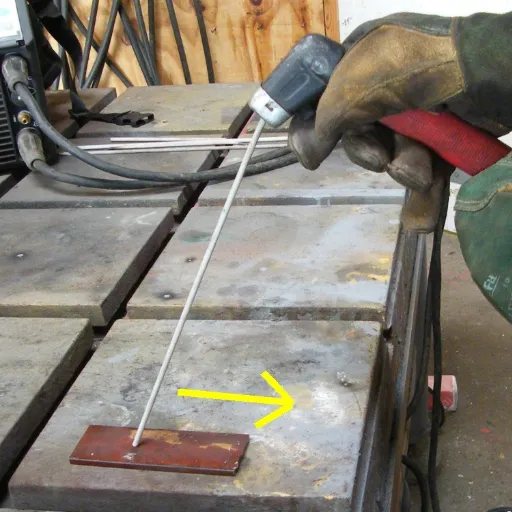
📦 Proper Storage
7018 Low-Hydrogen Rods
- Temperature: 250°F to 300°F in rod oven
- Environment: Moisture-free conditions mandatory
- Purpose: Eliminate hydrogen contamination
- Result: Prevent porosity and cracking
General Storage Guidelines
- Airtight, moisture-proof containers
- Dry, temperature-controlled location
- Regular inspection for oxidation/damage
- Follow manufacturer specifications
✨ Minimize Spatter & Slag
Surface Preparation
- Clean welding area thoroughly
- Remove rust, oil, and moisture
- Ensure materials are contaminant-free
- Proper alignment and clamping
Technique Optimization
- Stickout Distance: Maintain proper tip-to-workpiece gap
- Travel Speed: Steady, even pacing throughout
- Angle: Typically 10-15 degrees for best results
- Modern Solutions: Anti-spatter sprays, machine settings
⚙️ Optimal Settings
Key Parameters
Advanced Method: Pulsed arc welding provides superior heat input control, minimizing defects like warping or burn-through.
⚠️ Critical Mistakes to Avoid
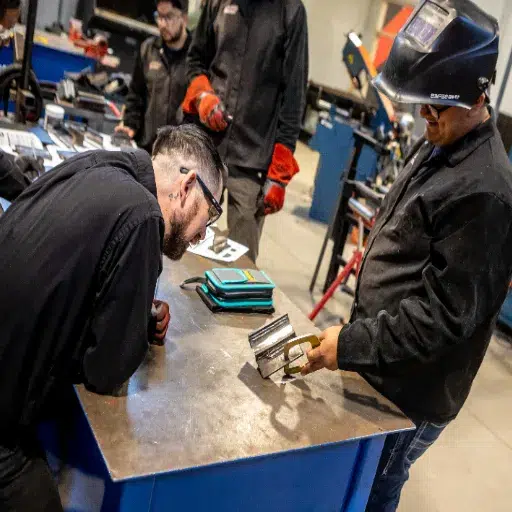
❌ Mistake #1: Inadequate Preparation
Consequences:
- Weak welds with poor structural integrity
- Incomplete fusion between materials
- Increased defects: porosity and cracking
- Contamination from dirt, rust, or oil
- Uneven welds requiring costly rework
Solution: Thorough cleaning and proper alignment are non-negotiable. Surface preparation directly impacts weld strength and quality.
❌ Mistake #2: Using Wrong Rod
Common Issues:
- Weak joints and insufficient penetration
- Structural failure in critical applications
- Cracking or porosity from mismatched materials
- Compromised weld durability and safety
Solution: Understand rod classification—tensile strength, flux composition, position capability. Use welding charts and material specifications to ensure proper selection.
❌ Mistake #3: Neglecting Safety
Essential Safety Measures:
- PPE: Helmets with proper filters, fire-resistant clothing, gloves
- Ventilation: Reduce exposure to harmful fumes
- Workspace: Keep area clean and organized to prevent hazards
- Training: Stay updated on current safety protocols
Impact: Proper safety practices prevent serious injuries, health issues, and fatalities while increasing productivity by reducing workplace accidents.
Rising Awareness: Search trends show increasing interest in “how to clean metal for welding,” “choosing the right welding rod,” and “welding safety tips”—indicating growing consciousness about proper techniques.
❓ Frequently Asked Questions
Q: What is the best welding rod for beginners?
Answer: The E6013 rod is the top choice for beginners due to its exceptional versatility and user-friendliness. It operates in all positions (overhead, vertical, horizontal, flat), allowing newcomers to learn various welding techniques effectively.
Why 6013? Excellent slag and spatter control, good arc stability, works with carbon steel, and offers the perfect balance of penetration depth and joint quality for learning.
Q: How does 7018 compare to 6013 for penetration?
Decision Factor: Choose based on specific welding job and materials—7018 for strength, 6013 for convenience and clean finishes.
Q: What are common applications for different rods?
- E6011: Rusty or dirty materials—works without perfect surface conditions, deep penetration capability
- E7018: Industrial welding—exceptional durability, deep metal penetration, structural applications
- E6013: Light fabrication, automotive repairs, thin materials—smooth arc, minimal spatter
- Flux Core: Outdoor settings—wind-resistant, stable weld pool protection
Key Takeaway: Understanding each rod’s characteristics enables welders to select the optimal electrode for specific project requirements.
Q: Can I use 7018 with both AC and DC current?
Answer: Yes, the E7018 rod is compatible with both AC (alternating current) and DC (direct current), making it highly versatile for various welding applications.
Performance Characteristics:
| DC Current: | Smoother arc, better penetration—preferred for most applications |
| AC Current: | Better results on dirty or rusty surfaces—alternative for challenging conditions |
Critical: Select the appropriate welding polarity according to specific job requirements for optimal weld quality.
Q: What are the benefits of high-strength welding rods?
Key Advantages:
- Superior Tensile Strength: Essential for load-bearing structures and critical applications
- Hydrogen Crack Resistance: Reliable performance in tougher, more demanding environments
- Deep Penetration: Creates stronger, more durable welds with excellent fusion
- Extended Lifespan: Critical for specialty metals and challenging conditions
Professional Insight: High-strength rods like E7018 are indispensable for structural applications where weld failure could result in catastrophic consequences.
📚 Reference Sources & Further Reading
📖 Welding Beginner Manual
Source: Purdue Extension
Coverage: Comprehensive discussion of general-purpose electrodes like E6013 for welding mild steel with practical record sheets.
Welding Beginner Manual with Record Sheet – Purdue Extension
⚡ Polarity in Welding Guide
Source: Universal Technical Institute
Coverage: Detailed explanation of welding polarity and its direct impact on weld quality, essential for proper rod selection.
Polarity in Welding: The Beginner’s Guide – Universal Technical Institute
🔬 Academic Research
Source: PubMed Central
Coverage: Profiling mild steel welding processes to reduce fume, providing scientific insights into welding rod performance and selection.
Profiling Mild Steel Welding Processes to Reduce Fume – PubMed Central
🎯 Quick Selection Guide
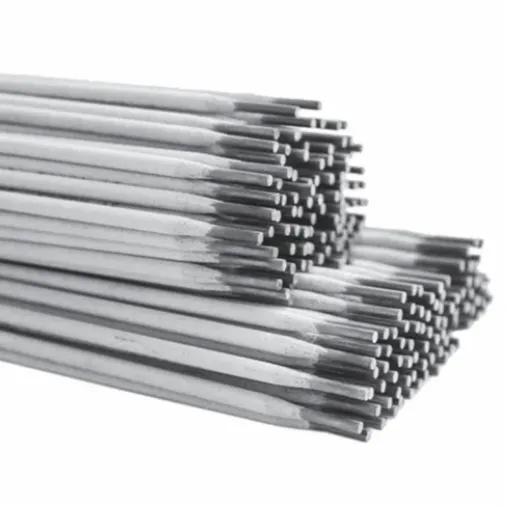
🔰 Beginner Projects
Recommended: E6013
- Home repairs and DIY
- Thin sheet metal work
- Automotive bodywork
- Light fabrication
🏗️ Professional Work
Recommended: E7018
- Structural steel welding
- Bridge construction
- Pressure vessel fabrication
- Heavy machinery repair
⚙️ Specialized Tasks
Consider: E6010/6011
- Dirty/rusty materials
- Deep penetration needs
- Pipeline welding
- Root pass applications
⚡ Decision Matrix
💡 Expert Pro Tips
🔥 Preheating Protocol
For high carbon steel, always preheat to 200-400°F. This reduces thermal shock and prevents cracking. Use temperature indicating crayons to verify proper heat.
⏱️ Rod Drying Time
If 7018 rods get exposed to moisture, re-dry at 300°F for 1-2 hours. Never use damp low-hydrogen rods—moisture causes porosity and hydrogen cracking.
📏 Amperage Formula
Quick rule: 1 amp per 0.001″ of electrode diameter. For 1/8″ (0.125″) rod, start at 125 amps and adjust based on material thickness and position.
✅ Weld Inspection
Check for uniform bead appearance, no undercut, proper tie-in, and consistent width. Use magnification to detect micro-cracks in critical welds.
🛡️ Safety First
Always use shade 10-14 lens for stick welding. Protect surrounding areas from arc flash. Keep fire extinguisher within 10 feet of work area.
🎨 Weld Appearance
While appearance matters, never sacrifice penetration for cosmetics. Properly ground welds reveal internal quality. Beauty and strength must coexist.
🔧 Common Problems & Solutions
❌ Problem
Rod Sticking
✅ Solutions
- Increase amperage by 5-10 amps
- Ensure proper arc length (electrode diameter distance)
- Clean base metal thoroughly
- Check rod condition—replace if damaged
❌ Problem
Porosity in Weld
✅ Solutions
- Dry electrodes properly (especially 7018)
- Remove all rust, paint, oil from base metal
- Reduce travel speed for better gas coverage
- Store rods in heated cabinet
❌ Problem
Excessive Spatter
✅ Solutions
- Lower amperage settings
- Maintain shorter arc length
- Check polarity settings (use DCEP for most rods)
- Use anti-spatter spray on surrounding areas
❌ Problem
Undercut
✅ Solutions
- Reduce travel speed
- Lower amperage slightly
- Adjust electrode angle (5-15 degrees)
- Use weaving technique for wider beads
Ready to Master Stick Welding?
Armed with knowledge of electrode selection, proper techniques, and safety protocols, you’re equipped to tackle any welding project with confidence. Remember: the right rod isn’t just about the weld—it’s about ensuring safety, reliability, and professional results every time.
🎯 Match rod to material • 🔥 Prep surfaces properly • 💪 Choose strength when needed • 🛡️ Safety always first