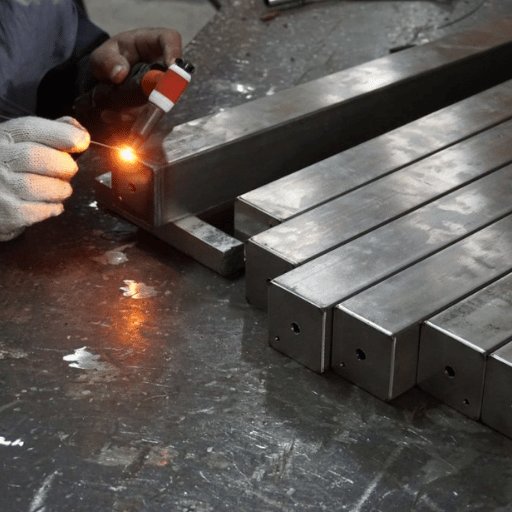
The right welding machine in a home shop can make all the difference between frustration and a successful project. Whether repairs on weekends keep a hobbyist busy, or working on custom creations is a favorite pastime of a DIYer, it is obviously imperative to choose a welder that fits one’s particular needs. With so many options currently available, from those that perform simple arc welds to multiprocess welding machines, the selection process can become overwhelming. This guide will help you by separating worthy considerations, welding processes, and best recommendations for home-shop steel welding. At the end of this, with a well-informed choice, you will know exactly which welder will suit your skills and the requirements of your project.
Introduction to Welding Steel

In welding steel, joining components by heat, pressure, or both creates a robust and durable joint, as seen in TIG and metal arc welding, among others. Its standard processes include MIG (Metal Inert Gas), TIG (Tungsten Inert Gas), and Stick welding. Each has its advantages depending on the particular form of steel, its thickness, and the welder’s capacity.
MIG welding is typically used for novice or home shop applications because it is easier and faster. TIG welding has far better applications for more exact work, making it ideal for detailed or high-quality projects. In this context, Stick welding is more versatile, working better on thicker materials or outdoor work. Choosing the appropriate welding process will ultimately depend on the requirements of your project.
?What is Welding?
Welding is a fabrication process that joins two or more pieces of metal by heating them to the point where they melt and fuse, and then cooling them. This can be accomplished by heat, pressure, or a mixture of both. Frequently, a filler metal will be added so that the melted solid, after cooling, can bear the load. Welding is widely used in construction, manufacturing, and automotive repair because its strength and durability enable the formation of permanent connections.
★The Importance of Steel in Welding
Welding steel is universally considered one of the paramount materials because of its versatility, strength, and availability. Such characteristics favor making welds that are sturdy and reliable across a range of applications. Mainly, carbon steel, when used in interfaces, is categorized into prevalent types because it is easy to weld and compatible with many techniques. The application of steel in high-stress loads makes it invaluable in structural and industrial uses, particularly in construction, manufacturing, and transportation sectors. The above features of steel make its application in welding processes essential when durability and precision must be assured.
Common Applications of Steel Welding
Steel welding is widely applied in many industries because of the strength and versatility of the material. Some of the uses include:
- Construction: Used in the fabrication of bridges, buildings, and structural frameworks that demand stability and durability.
- Manufacturing: Steel welding is used in making machinery, industrial equipment, and tools.
- Automotive and Transportation: Vehicle frames, railcars, and ship structures all require precision steel welding to ensure safety and performance.
- Energy Sector: Welded steel piping systems, pressure vessels, and infrastructures for oil, gas, and renewable energies are designed to withstand extreme working conditions.
These examples validate the critical role that welding of steel plays in erecting reliable and long-lasting industrial structures.
Types of Welders for Steel
MIG Welders: Advantages and Best Uses
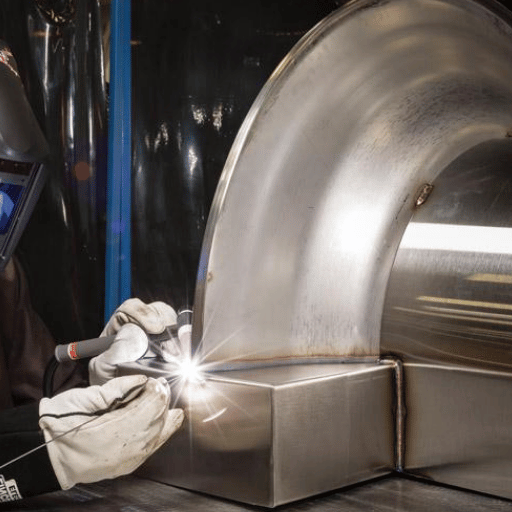
MIG welding, or Metal Inert Gas welding, offers a very versatile and fast technique through which steel and various other materials can be joined. One of the advantages of this process is its simplicity, favoring both the apprentice and the experienced professional. MIG welders use continuous wire feed systems with shielding gases that protect the weld pool from atmospheric contamination, allowing for clean and strong welds. High weld speeds are also suitable for the process, thus ensuring a high rate of production.
MIG welding is most suitable for industries working on thin to medium-gauge materials, making it the most popular for vehicle repair, construction, and manufacturing. Studies and reports from the industry also cite that MIG welding has a high deposition rate, lowering downtime and material waste.
Key Advancement: The development of MIG welding machines drives precision and allows welds on difficult materials, thereby further increasing the versatility of MIG welding. Welding, repair, and steel working are indispensable with MIG welders due to their features.
TIG Welders: Precision and Best Applications
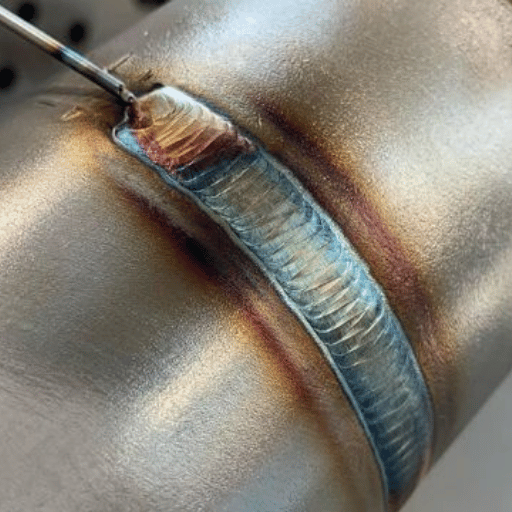
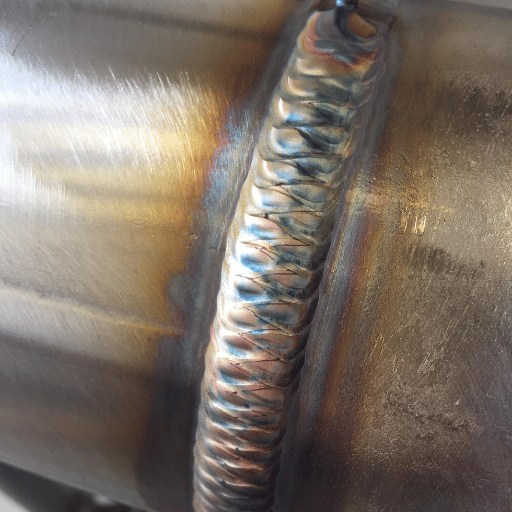
TIG welding, sometimes also referred to as Gas Tungsten Arc Welding (GTAW), is synonymous with precision and finesse in welds. It consists of a non-consumable tungsten electrode, giving the operator precise control over the weld puddle, advantageous when dealing with thin materials or excellent detail work. TIG welds are made on metals such as stainless steel, aluminum, magnesium, and copper alloys, where high-grade finishing is expected.
Two welders perform a clean weld with minimal spatter, saving time in post-weld cleaning. This is why TIG welders are commonly found in aerospace, automotive, and medical device manufacturing.
Advanced Features: Modern TIG welding systems now include:
- High-frequency starts
- Pulse welding capabilities
- Enhanced amperage control
According to studies, TIG welding is unrivaled when ultimate accuracy and finish are to be considered. It is slower than other welding methods, such as MIG welding; thus, welding detailed parts in vessels where the weld is indispensable becomes crucial in service. Versatility, combined with further technological improvements, will place it in a niche in high-performance and special-purpose fabrication.
Stick Welders: When to Choose This Option
Different names, such as Shielded Metal Arc Welding, refer to the Stick-welding process. It persists and is popular worldwide as an effective and inexpensive method for construction, maintenance, and repair. Except in adverse weather conditions, such as wind or rain, a stick-welding procedure can be employed because it requires no shielding gas that the wind might blow off. Several metals, such as steel, cast iron, and aluminum, can be welded using American-style stick welders, making the process suitable for all applications.
Statistics show that stick welding remains an easy and productive method for joining thicker materials, especially in workplaces that require portability and ease of use. Whereas TIG and MIG welding procedures generally require higher complexity and may not be portable at all, stick welding procedures require less complexity and are relatively portable, making them an obvious choice in specific remote or rugged environments.
Important Note: Compared to other methods, the stick welding process is somewhat less appropriate for thin materials or applications requiring fine precision due to the increased spatter and consequent post-weld clean-up. Innovations in stick welding technology, though, including inverter power sources, have enhanced weld quality and energy efficiency, thus keeping this art alive in professional fabrication and repairs.
Criteria for Selecting the Best Welder
Understanding Your Welding Needs
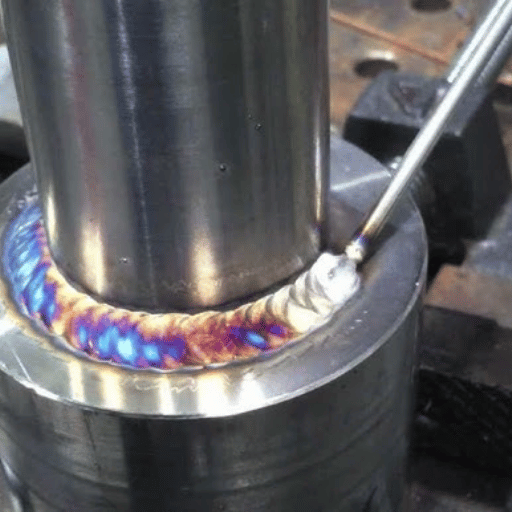
Selecting your welder of choice starts with assessing the material being worked on, the size of the project, and the type of welding demanded, such as TIG or metal arc welding. Different metals-competing aluminum, stainless steel, or carbon steel-require different welding processes to maintain strength and quality.
Material-Specific Considerations:
- Aluminum needs MIG or TIG because of its high thermal conductivity and precision requirements.
- Thicker carbon steel is commonly welded by stick or flux-cored processes for efficiency.
Project Scale Considerations:
- Heavy-duty industrial work: Machines with higher amperage capacities, often from 250 to 500 amps, may even be required for prolonged welding cycles.
- At-home or small-scale projects: Usually, a compact unit with a lower amperage range (say, 120-200 amps) will suffice; they cost less and are easily portable.
TIG welds are best for exact jobs needing intricate details: automotive and aerospace fabrication, for example. Or perhaps flux-cored arc or stick welding would be appropriate for outdoor high-production environments, where conditions cannot be adequately controlled.
Additional Factors: Power-source availability (i.e., 220V versus 110V), duty-cycle characteristics, and desired portability should also be considered. Understanding the peculiarities of your application will ensure that everything functions smoothly, maximize efficiency in your project, and minimize material waste.
Power Requirements and Specifications
When selecting equipment, it is crucial to consider power requirements to ensure good operation and service compatibility. Welding machines usually operate on 110V and 220V voltage sources, which can affect the welding process.
Understanding Duty Cycle:
The duty cycle describes the percentage of time a machine can operate continuously for ten minutes without the onset of heat.
Example: A machine at 200 amps with a 60% duty cycle can operate for 6 minutes before needing to cool down for 4 minutes. Greater duty cycles are preferred for demanding professional applications because they allow for a more efficient workflow with minimal downtime.
Portability is a paramount criterion for modern inverter welding machines, which offer lightweight and compact designs along with high power output. With technological advancement, the machines have become multi-voltage, adjusting automatically for 110V or 220V inputs depending on the job field in which they work.
Once these factors are duly considered, the equipment will not only perform well for its intended use but will also be efficient and provide maximum service with minimal maintenance issues.
Budget Considerations for Your Welder Purchase
When planning to buy a welder, it’s important to understand your specific needs and balance them with the cost.
Entry-Level
$200 – $500
Suitable for hobbyists or light-duty applications. Bare MIG or Stick welding features are cheap enough for small projects.
Mid-Range
$600 – $1,200
Semi-professionals, small business owners. More advanced features, dual voltage for versatility, and multiple welding processes.
High-End
$2,000+
Industrial applications, heavy-duty operations. The most recent technologies include digital displays with pulse modes and better duty cycles.
Additional Cost Considerations:
- Protective gear and safety equipment
- Consumables (electrodes, filler wire, shielding gas)
- Maintenance expenses
- Energy-efficient models may help you save on operational costs
Cost-benefit analysis, considering your operational requirements, helps you decide on a welder suitable for your needs and budget.
⚠Safety Tips for Welding Steel
Essential Safety Gear for Welders
Welders must use different safety equipment to protect themselves from intense light, heat, and various flying debris. These are the necessities:
Using these items consistently helps ensure safety and minimizes occupational risks.
Best Practices for Safe Welding
- 1
Inspect Equipment Regularly: Keep the welding tools in proper working condition to safely conduct the work. Look for damaged cables, worn parts, or defects in safety equipment. - 2
Maintain Proper Ventilation: Work in well-ventilated areas or employ an exhaust system to avoid the build-up of hazardous fumes and gases generated by the welding machine. - 3
Wear Appropriate PPE: Use personal protection equipment such as a welding helmet with proper filters, flame-retardant clothing, gloves, and respiratory protection against heat, sparks, and harmful substances. - 4
Control Fire Hazards: Ensure all flammable materials are removed from the work area, and place fire extinguishers within easy reach. - 5
Follow Correct Procedures: Adhere to industry-standard welding techniques and safety procedures, including maintaining a stable posture and holding the welding tool with both hands whenever possible. - 6
Stay Aware of Surroundings: Be cautious of colleagues, equipment, and surroundings to prevent accidents or any interference with welding activities. - 7
Practice Regular Breaks: Take short breaks between long welding sessions to maintain focus while operating a welding machine. Fatigue can affect concentration and increase the chance of errors or accidents, especially when welding power sources are involved.
If these recommendations are applied, they will promote safer and more efficient working welds.
How to Avoid Common Welding Hazards
To avoid common welding hazards, follow these essential guidelines:
- Ensure Proper Ventilation: Work in a roomy area with good ventilation or use exhaust hoods for the fumes and gases to dissipate.
- Wear Protective Equipment: Use appropriate personal protective equipment, such as welding helmets, gloves, and flame-resistant clothing, to protect the skin from burns caused by UV radiation and flying debris.
- Inspect Equipment Regularly: Check welding hand tools and machinery for any damage or defects that may cause them to fail in use.
- Prevent Electrical Hazards: Ensure electrical connections are grounded correctly, and do not use damaged cables or tools.
- Store Materials Safely: Keep combustible materials away from the welding area to reduce the risk of fires.
By following these methods, welders can reduce the chance of accidents and create a safer work environment.
Maintenance Advice for Your Welder
✓Routine Maintenance Checks
Proper welding equipment maintenance is essential to optimize equipment performance and extend the life of any given machine. The following is a necessary list of the key maintenance activities:
Essential Maintenance Checklist
Inspect and Clean Consumables Regularly
Check contact tips, nozzles, and diffusers for wear or contamination. Replace any worn pieces, and ensure all parts of your welding machine are clean to avoid poor weld quality caused by dirt accumulation.
Check Electrical Connections
Inspect all leads, cables, and connectors for wear, fraying, or damage. Any loose or damaged connections can cause erratic performance or hazardous issues.
Examine the Power Source
Check the power unit for any visible damage or overheating, and clear vents of dust and debris for proper airflow and cooling.
Test Gas Flow Rates
Ensure that the shielding gas flow rate is set within recommended levels for the relevant material and type of welding being applied; this is especially necessary when an unusual power supply is used. Gases that are not correctly set can weaken the weld or contaminate it.
Monitor and Replace Filters
Certain types of machinery may be fitted with internal filters designed to shield delicate components. These filters need to be reviewed at regular intervals and replaced as necessary, according to the manufacturer’s recommendations, to prevent the equipment from falling into disrepair due to contamination.
Lubricate Moving Parts
Lubricate moving parts, such as those on the wire feeder, with a lubricant recommended by the manufacturer to reduce wear caused by friction and allow for smooth operation.
Perform Calibration Checks
Ensure your machine is calibrated correctly by comparing the voltage and amperage output to the given values. Recalibrate when necessary for good welding work, ensuring that your equipment is running at the correct voltage levels.
Adding these routine checks to your maintenance schedule shall then maximize welding machinery efficiency and safety. Such checks also maximize reliability with time.
How to Extend the Life of Your Welder
To extend the life of the welding machine, imperative maintenance and proper operation should be applied along with a few methods:
Clean Regularly
Keep dust, dirt, and any contaminants away from the welder to prevent hampering its performance.
Store Properly
Keep the welder dry and at a moderate temperature. Remove moisture, if any.
Inspect Components
One must regularly check for any wear or damage occurring on the cables, connectors, or any other parts.
Use Approved Parts
Use only parts and consumables recommended by and purchased from the manufacturer.
Important: You should use the welder within its recommended duty cycle to prevent it from overheating. Be alert for any loose connections and tighten when necessary. Following these simple care tips will lengthen the life and increase the dependability of your weld equipment.
When to Seek Professional Servicing
Professional servicing of welding equipment is necessary whenever a problem transcends the barriers of basic maintenance or when specialized tools or an expert technician are needed. In the following cases, you should seek professional services:
Warning Signs That Require Professional Attention:
- Persistent performance problems, such as inconsistent arc stability
- Irregular weld quality or unresponsive controls
- Unusual sounds, burning odors, or overheating during operation
- Electrical malfunctions or mechanical wear
Critical Data: Avoiding professional servicing usually leads to a 20-30% reduction in equipment life, with internal faults either going undiagnosed or unresolved.
Recommended Service Schedule:
For heavy-use equipment, an annual or semi-annual servicing is recommended to maintain critical parts, including transformers, rectifiers, and the cooling system.
Technicians can often use advanced diagnostic equipment, after which they can recalibrate the machinery to factory set points, hence improving both operation and safety. These technicians, when called upon for rewiring work, PCB testing, and gas-leak detection, contribute significantly not only to extending the longevity of the equipment but also to preventing any workplace hazards from faulty welding tools.
Professional servicing ensures compliance with industry standards and guards against unplanned downtime, which could have a high cost in terms of productivity and operator safety.
Frequently Asked Questions (FAQs)
Q: What type of welder should be used for steel?
A: The best type of welder to be used depends on the thickness and kind of steel you are working with. For mild steel, the MIG welder is mainly preferred because it is easy to learn and fast. However, for thick steel, one should probably go for a stick welder or a multiprocess welder, which can weld using different processes.
Q: What are the advantages of multiprocess welders?
A: Because multiprocess welders lend the flexibility of performing any type of welding, such as MIG, TIG, or stick welding, all with just one machine, they are great for those who have to work by themselves or as a hobbyist on various types of metals, whether it is stainless steel, mild steel, or aluminum.
Q: Is MIG welding appropriate for stainless steel?
A: Yes, it is an excellent option for stainless steel welding using MIG. It makes a clean weld and can be done pretty quickly. The proper shielding gas and filler material ensure a good weld pool for stainless steel.
Q: How is flux core welding different from MIG welding?
A: The flux-core welding uses a tubular wire that is flux-filled, creating a shield gas during the welding process. Flux-core welding does not require an external shielding gas, which makes this process far better for outdoor work where the gas flow can get disturbed by wind.
Q: What is the duty cycle of a welder?
A: The duty cycle means the amount of time a welder can operate continuously for 10 minutes before it needs to cool down. For instance, if the duty cycle were 60%, then the welder could be used for 6 minutes out of 10 minutes at a specific amperage.
Q: Should I go with TIG or stick welding for home use?
A: When focusing on thin materials or precision welding, TIG welding is a preferable option. In contrast, a stick welding set-up is likely more suitable for home use, as it can withstand thicker materials and a variety of welding applications.
Q: What is a good welding helmet for a beginner?
A: It needs to have an auto-darkening lens so it can adjust the brightness to safety levels and the comfort of the welder. One should further prefer a helmet with a faster reaction time and a larger viewing area for ample visibility throughout the welding process.
Q: Can I weld aluminum and stainless steel with the help of a MIG welder?
A: Yes, a MIG welding machine can weld aluminum and stainless steel, but the settings and filler materials need to be changed. When welding aluminum, either a spool gun or a MIG gun with wire feed should be selected. When welding stainless steel, ensure the correct shielding gas is used to obtain a solid weld.
Q: What is the best welding machine to be used for a structural steel job?
A: Considering structural steel applications, a multiprocess welder that can perform MIG, stick, and flux-cored welding would be the best choice. It can weld various steel thicknesses and in several welding positions; therefore, any professional welder can put it to good use.