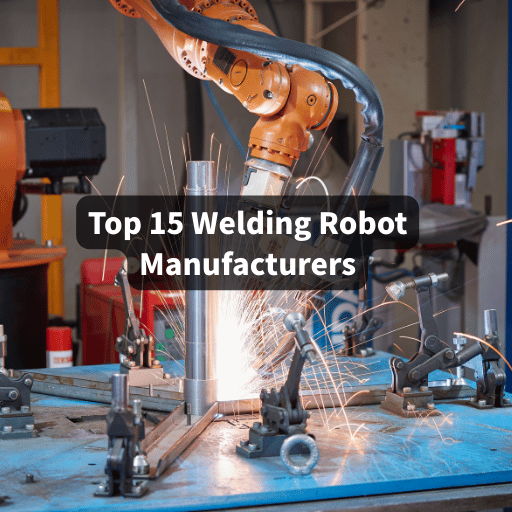
Top 15 Welding Robot Manufacturers You Need to Know in 2025 (Updated List)
Discover the industry leaders transforming modern manufacturing through advanced robotic welding technologies.
Introduction to Welding Robots
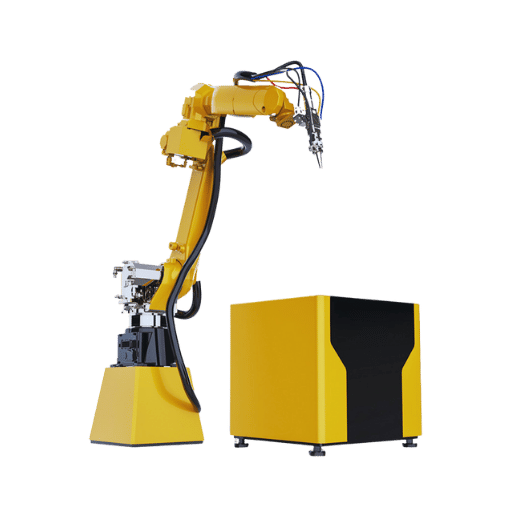
Significance of Welding Robots in Modern Manufacturing
The fourth industrial revolution integrated welding robots in the cementing of the industry, providing repeated and equally welds. The welding robots, on the other hand, operated with the advanced welding technology, making everything weld applications a little more challenging and profitable.
Increased Productivity
Automated welding systems do not have to take breaks or be distracted, therefore achieving the increased rate of production set to fulfill demand schedules.
Improved Weld Quality
Uniform parameters and motion brought about consistent quality welds that met the established standards of the industry.
Reduced Operational Costs
There should be considerable savings that accrue in the long term, mostly because heed is given to the reducing levels of labour, material wastes and rework processes.
Industrial robots deployed in welding operations ensure precision and reliability, thereby making it indispensable in production lines of very high demand where efficiency plays a more significant role.
Overview of Welding Technologies and Applications
Robotic arc welding Almost all types of welding processes can be employed in robotic welding. These systems, thus, find application in several welding tasks and industries.
TIG Welding
Laser Welding
Spot Welding
MIG Welding
From simple spot welding to complicated robotic arc welding processes, robotic welding services can be used in the automotive, aerospace, and construction industries. By implementing robotic automation, welding systems can be tailored by manufacturers to fit their specific needs, thereby increasing the commercial competitiveness of the systems.
Latest Trends in Robotic Welding
The technology of robot welding is undergoing fast evolution from manufacturers introducing new technologies that address the emerging industry needs. With trends going that way, the adoption of collaborative robots (or cobots) that work along with human operators in safety and efficiency is rising. Besides, real-time monitoring/control systems come with enhancements that enable the system to make adjustments based on changes so as to attain the highest welding quality possible. Energy-efficient welding methods and green solutions are gaining popularity. This indicates a shift towards green industrial practices.
Leading Welding Robot Manufacturers
Founded: 1991
Introduction: A leading Chinese manufacturer specializing in welding and cutting equipment, Zhouxiang is renowned for its innovative robotic welding solutions.
Main Products
- Robotic welding systems
- CNC cutting machines
- Laser welding equipment
Advantages
- High-quality products
- Cost-effective solutions
- Strong customer support
Disadvantages
- Limited global distribution network
Founded: 1919
Introduction: A Japanese leader in arc welding and robotic systems, known for its reliability and affordability.
Main Products
- Arc welding robots
- Power sources
- Welding torches
Advantages
- Cost-effective solutions
- Reliable performance
Disadvantages
- Limited advanced automation features
Founded: 1989
Introduction: A global leader in industrial automation, offering versatile robotic solutions.
Main Products
- Arc welding robots
- Assembly robots
- Material-handling robots
Advantages
- High adaptability and precision
Disadvantages
- Higher maintenance costs
Founded: 1972
Introduction: Known for high-speed and precision robotic solutions, FANUC is a global leader in industrial robotics.
Main Products
- ARC Mate series for welding
- Industrial robots
- CNC systems
Advantages
- Exceptional speed and accuracy
Disadvantages
- Complex programming for beginners
Founded: 1898
Introduction: A German pioneer in robotic automation, specializing in high-precision welding.
Main Products
- KR AGILUS series
- KR QUANTEC series
- Industrial automation solutions
Advantages
- Exceptional accuracy and reliability
Disadvantages
- Expensive for small businesses
Founded: 1988
Introduction: A Swiss leader in electrification and automation, offering a wide range of industrial robots.
Main Products
- IRB 1520ID
- IRB 2600
- Robotic automation systems
Advantages
- High precision and durability
Disadvantages
- High initial investment required
Founded: 1929
Introduction: A trusted name in welding equipment, known for its rugged and reliable products.
Main Products
- Auto-Continuum™ 350
- Robotic welding systems
- Welding power sources
Advantages
- Durable and reliable for heavy-duty tasks
Disadvantages
- Limited advanced features
Founded: 2018
Introduction: A cutting-edge company combining AI with robotics for intelligent welding solutions.
Main Products
- Path Welding Robot
- AI-driven welding systems
Advantages
- Self-learning technology
- Adaptive capabilities
Disadvantages
- High initial cost
Founded: 2005
Introduction: A leader in collaborative robots (cobots), making automation accessible for small businesses.
Main Products
- UR series cobots
- Collaborative welding solutions
Advantages
- Easy to program and deploy
Disadvantages
- Limited payload capacity
Founded: 1928
Introduction: A Japanese manufacturer offering a wide range of industrial robots.
Main Products
- Arc welding robots
- Spot welding robots
- Machine tool integration
Advantages
- Integrates well with machine tools
Disadvantages
- Limited global support
Founded: 1989
Introduction: Known for heavy-duty and versatile robots, Kawasaki is a veteran in industrial robotics.
Main Products
- BA06L series
- Arc welding robots
- Heavy-duty industrial robots
Advantages
- Handles large-scale projects with precision
Disadvantages
- Bulky design for compact spaces
Founded: 1895
Introduction: Specializes in custom robotic systems for challenging welding tasks.
Main Products
- Fab-Pak XFT
- Custom robotic welding cells
Advantages
- Robust performance in harsh environments
- Reliable custom solutions
Disadvantages
- High customization costs
Founded: 1904
Introduction: A pioneer in welding and cutting equipment, offering durable and reliable solutions.
Main Products
- Fabricator EM 400i
- Robotic welding systems
- Welding consumables
Advantages
- Reliable performance
- Durable construction
Disadvantages
- Limited advanced robotics features
Founded: 1983
Introduction: Specializes in robotic automation solutions for various industries.
Main Products
- FastARC weld cells
- Robotic automation systems
Advantages
- Customizable solutions
- Efficient performance
Disadvantages
- High customization costs
Founded: 2020
Introduction: Focuses on affordability and democratizing robotics with AI-driven solutions.
Main Products
- RO1 six-axis robotic arm
- Affordable robotic solutions
Advantages
- Affordable pricing
- Easy setup
Disadvantages
- Limited to small-to mid-sized operations
Innovations in Welding Robotics
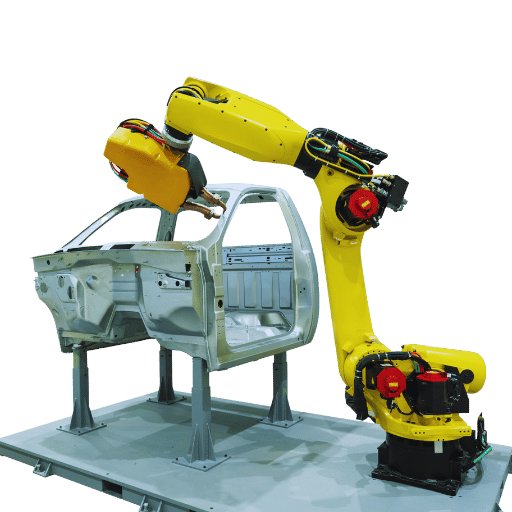
Latest Technology Advancements in Robotic Welding
The scene for welding robots is fast-changing, with new-age time inventions making the industry more efficient than ever before. Robotic welding systems are increasingly incorporating Artificial Intelligence and Machine Learning to fine-tune the welding techniques. These technologies enable welding robots to dynamically adjust their welding process parameters for the purpose of quality welds with reasonable consistency.
Further integration of upgraded sensor and vision systems in robotic arms allows for more precise positioning and monitoring in the welding process, thereby permitting higher productivity.
Cost-Effectiveness of Robotic Welding Solutions
| Aspect | Traditional Manual Welding | Robotic Welding |
|---|---|---|
| Labor Costs | High ongoing wages and benefits | Reduced after initial investment |
| Consistency | Variable quality due to human factors | Consistent, repeatable results |
| Material Waste | Higher due to rework and errors | Minimized through precision |
| Operating Hours | Limited by human work schedules | 24/7 operation capability |
| Long-term ROI | Moderate | High due to efficiency gains |
While the welding task can be automated, one wonders how much labor can be saved there, and in turn, the efficiency of the production line can be enhanced. This industrial robotization of welding minimizes wastage of material and improves precision in welding processes, thus ensuring uniformity in product quality. Modern welding robots are also very reliable and can serve for many years, working continuously without fatigue, which is an added savings on cost.
Sustainability Efforts in the Welding Industry
The welding domain has an emphasis on sustainability nowadays, and robotic welding systems are the turning point in this transformation. Manufacturers have invested much in welders that consume less power relative to their output. Advanced welding technologies are being developed to cut down the environmental impact of welding processes by reducing harmful emissions.
Besides this, robotic weld cells optimize material usage and recycling to support broader sustainability goals within the manufacturing industry.
Customer Insights and Reviews
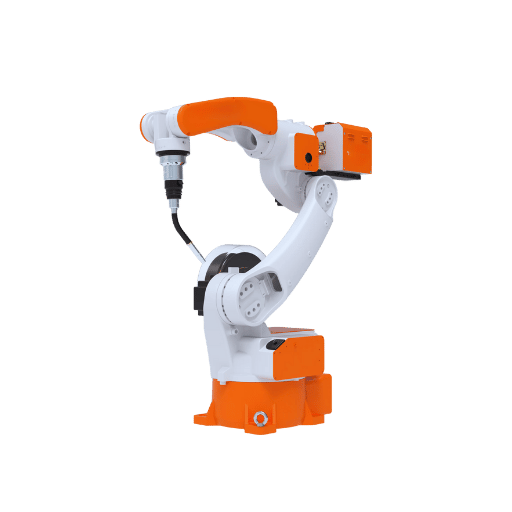
User Experiences with Different Welding Robot Brands
User experiences with welding robots are rather diverse across brands and thereby also reflect the nature of the many robotic welding systems that the market offers. A prime example is the expressed appreciation from customers for the precision and efficiency of brands like Zhouxiang and Yaskawa, and the reputation behind these names in carrying out all sorts of welding tasks.
For example, users of Yaskawa Motoman mostly express satisfaction when cobots blend seamlessly into the production lines while boosting productivity. On the other hand, arc welding robots from Zhouxiang get appreciation for their welding processes that guarantee the same high-quality welds throughout.
Comparative Analysis of Welding Robot Performance
Depending upon welding robot performance and evaluation, factors determine the quality:
- Weld Quality: Uniformity and accuracy of welds on various materials and thicknesses
- Automation Capability: Degree of operation and adaptive function at play
- Operational Efficiency: A rate and gist of uptime
- Integration Ease: Compatibility with existing production control systems
- Programming Complexity: Ease of programming versus the time taken to learn
Industrial manufacturers, especially those like Zhouxiang and ABB, are known for their robotic welding systems that provide real-time monitoring and control, thus supplying optimum performance to different welding applications. Welding robots by Mitsubishi Electric are considered versatile and can perform both TIG and spot welding with ease.
The comparative analysis stresses the importance of selecting a robot manufacturer that fits the operational goal that the company wants to pursue and the type of industry it is in.
Feedback on Robotic Welding Systems from Industry Leaders
Industry Expert Insights
The automotive industry is often used as a comparative example in feedback regarding robotic welding systems and the role of automation in industrial efficiency. Sectors employing robots from Kawasaki and Hyundai Robotics give feedback stressing the importance of these robotic systems being in some way customized to address specific welding needs.
Furthermore, the experts across the industry underline the value of employing cutting-edge welding machines and technology to maintain market competition. The feedback that comes from these leaders is decidedly apparent how the welding robotics has brought about changes in the contemporary production floor.
Future Trends in Welding Robotics
What to Watch for in Robotic Welding Technology
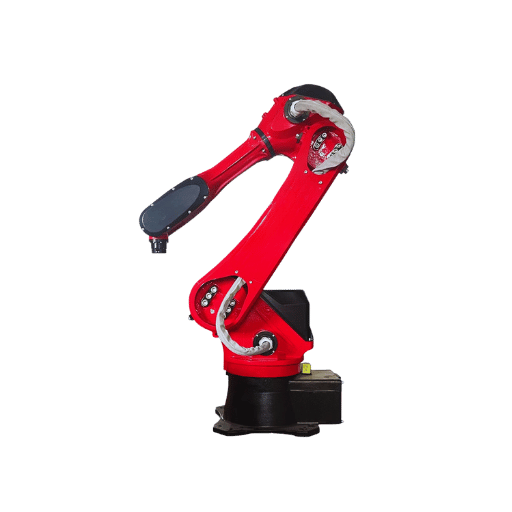
The future of robotic welding technology is thus set for thrilling developments, with the advent of artificial intelligence and machine learning expected to rekindle the sector. Such technologies will allow welding robots to perform adaptive welding methods, with parameter changes in reaction to varying environments or weld quality, in order to optimize weld quality.
Key areas to watch include:
- AI-Driven Optimization: Smart systems that learn from each weld to increase the performance of future welds
- Advanced Sensor Integration: Vision systems and tactile feedback methods of the next generation
- Cloud Connectivity: Remote monitoring and predictive maintenance features
- Human-Robot Collaboration: Advanced cobot technologies for safer working environments
Moreover, advanced sensor and robotic arm integration should promote accuracy and precision in welding tasks. When technology evolves, manufacturers should gaze with an eye for opportunities to weave in smart robotic systems that augment productivity and efficiency in welding operations.
Emerging Applications of Welding Robots
The welding robot is finding emerging applications in various industries beyond their traditional industrial applications.
- Construction Industry: Welds that are complex, requiring precise movements, and structures that must be joined with a degree of consistency
- Automotive Sector: Achieving weld quality in components that require high safety considerations and welds in lightweight materials
- Aerospace Applications: Welding of advanced alloys and composite materials with precision
- Shipbuilding: Large-scale welding that demands consistency in the welds
- Renewable Energy: Manufacture of frames for solar panels and components for wind turbines
With so many applications emerging, welding robots will become a necessary tool for addressing the unique demands of the various industries, thus fostering even more innovation in robotic welding.
The Role of Automation in Future Manufacturing
Automation is indeed becoming the future cornerstone for manufacturing. Welding robots will act as the agents of this transformation. Efficiency and minimization of manual operations in the production lines are tapped through integrating robotic solutions.
Key benefits of increased automation include:
- Productivity Enhancement: It can work all the time without the need for rest.
- Better Quality Control: Ensures parameters are not changed and mistakes are not made by man
- Cost Optimization: It requires higher initial finishes but in the long run, it reduces operational costs.
- Safety to Workers: Reduced exposure to a burner welding environment
- Scalability: Easily adjusted to production needs that vary
Given the manufacturer’s heightened urge for slaughtering processes, advanced welding robotics will be the root for achieving cost-efficient and streamlined production processes that address the issues this rapidly changing market puts forth.
Conclusion
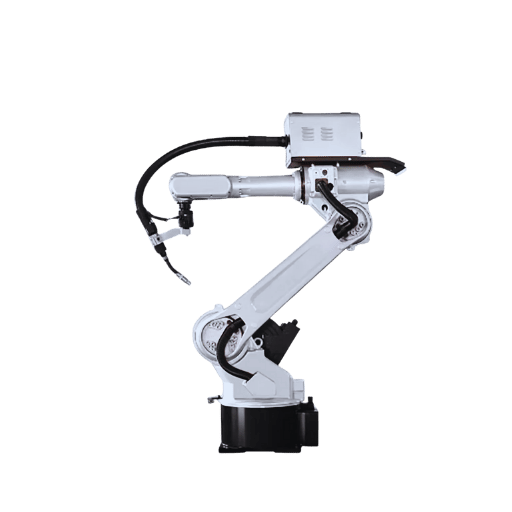
The fastest developments in the welding robotics industry with the forefront of innovation and technological advancements being held by the top 15 manufacturers. Big players like Zhouxiang and KUKA are joined by new innovators like Path Robotics and Standard Bots, all selling with different strengths.
Moving in the future, there will be AI, machine learning, and sensor technologies continuing to change the way welding robots are being operated, and the sustainability, cost-effectiveness, and collaborative robotics will be another domain for innovations for making robotic welding solutions accessible and efficient for manufacturers from any scale.
Be it a small company asking for affordable cobot options or a big manufacturer asking for high-precision heavy-duty welding systems; the spectrum of different welding robot manufacturers available will surely cater to the specific operational requirements and budget constraints.