
The manufacturing industry has long struggled to achieve efficiency, precision, and higher-quality output. Among those latest innovations fostering such progress stands the automatic beam welding machine. Designed to integrate seamlessly into modern production lines that require high precision, this technology streamlines welding, reducing the likelihood of human error while increasing overall operational productivity. But what is at the heart of this machine’s advantage, and how can it completely revolutionize the industrial approach to welding? We discuss the capacity, benefits, and potential of automatic beam welding machines to transform industries, providing you with reasons to believe that these machines are the future of manufacturing. Stay tuned for the working of these machines and the possibilities this opens for companies, great and small.
Introduction to Automatic Beam Welding
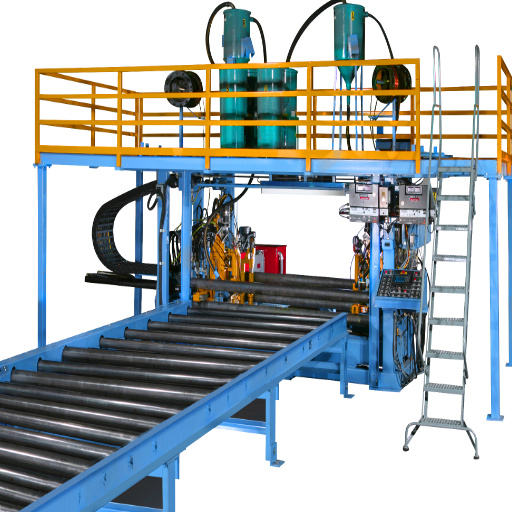
Automatic beam welding is an efficient manufacturing process that uses automated systems to join metal components quickly and precisely. Using modern technology, they ensure the consistency of weld quality while significantly reducing labor costs and production times. These are particularly important in industries where strong and uniform welds are required in large structures, such as construction, shipbuilding, and automobile manufacturing. Simplified operations and consistent results from automatic beam welding machines make the workflow smooth, enabling businesses to increase productivity while minimizing material wastage.
The Evolution of Beam Welding Technology
The beam welding technology has undergone dramatic advancements since its inception, as welding has become faster, more precise, and more efficient. Initially, conventional welding techniques were primarily manual and time-consuming, resulting in unpredictable outcomes. Now, the convergence of automation and robotics has catapulted beam welding into a new realm altogether. Laser and electron beam welding ushered in the golden era: together, they can weld with pinpoint accuracy in tricky spots and on a wide array of materials, including very high-strength alloys.
Now, research focuses on Industry 4.0 principles, with the introduction of AI being among these, as well as the growing trend of real-time monitoring of welding processes. That makes it adaptive welding, where parameters are adjusted in real-time to yield the best output in the current environment. Another dimension would be competent welders using predictive analytics to foresee imminent failures or disruptions, thereby ensuring the machine operates continuously. Another benefit stems from the research on energy-efficient beam welding systems, which aim to reduce energy consumption while maintaining weld quality, as industries increasingly seek eco-friendly solutions. This is the never-ending journey of modern technological evolution that keeps beam welding forever indispensable in today’s manufacturing.
Understanding Automatic Welding and Its Importance
Automatic welding has found a place in contemporary manufacturing, integrating production processes to make them more efficient and maintain weld consistency. These welding techniques are used to manipulate systems that incorporate a range of technologies, including robotics, machine learning algorithms, and sensors. In other words, automatic-welding systems perform functions like severe welding with minimal human intervention. This type of industrial process reduces human error that often occurs with manual welding and increases accuracy when bulk production is required.
Businesses continue to seek environmentally friendly and cost-effective ways of doing things, but they require these systems to work uniformly without compromising on quality. Other questions regarding the integration of automatic welding with other Industry 4.0 technologies, such as IoT or predictive maintenance, only reinforce the fact that automatic welding is a key component in future-ready manufacturing setups. Therefore, automatic welding becomes a key agent in helping companies remain competitive in a rapidly evolving industrial landscape.
Current Market Trends in Beam Fabrication
Several emerging trends in beam fabrication highlight efficiency, adaptability, and sustainability. Related searches to automated cutting and tailored beam lengths have shown increasing demand for technologically driven solutions. There is also a noticeable increase in searches for modular fabrication systems that enable manufacturers to assemble beams in standardized sections, facilitating expedited project delivery. To this end, another topic on the rise is the pursuit of green materials and manufacturing processes, in line with the industry’s efforts toward sustainability. These trends suggest that the beam fabrication market is aligning itself with broader engineering objectives: minimizing waste, maximizing project timelines, and embracing modern technologies as construction and industrial requirements evolve.
Technology Overview: How Automatic Beam Welding Works
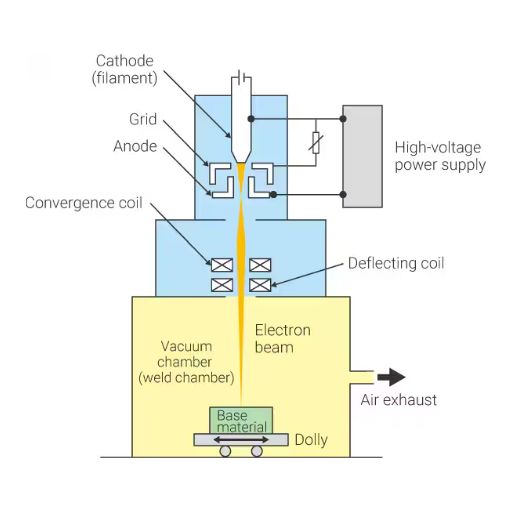
The term “automatic beam welding” denotes a process that utilizes specialized machinery to weld beams efficiently and consistently. The system positions the beam and welding constituents with precision, controlled by automated mechanisms and sensors. This ensures that welding is of equal quality, reduces the chance of human error, and accelerates production. The advanced control also controls the speed and temperature of welding, depending on the material and project requirements. It automates repetitive tasks, thereby increasing productivity in the fabrication of beams while ensuring a safe and accurate method.
Principles of Beam Welding and Automation
As beam welding utilizes highly concentrated energy to join materials with pinpoint accuracy, it is well-suited for jobs where distortion must be minimized while accuracy is at its highest. Automation enables sensor integration, computer control, and real-time monitoring capabilities, allowing for precise setting of welding levels. Recently, further enhanced machine learning algorithms are being utilized to closely examine welding patterns, determine and predict potential defects, and instantly adjust parameters to achieve satisfactory results. This combination of automation and data offers not only further efficiency but also consistency in implementing large-scale and complex manufacturing environments. As technology advances, so too do beam welding and automation, meeting the increasing demands of industries such as aerospace, automotive, and construction.
Types of Welding Techniques: Arc, Plasma, and Submerged Arc
Arc welding, plasma welding, and submerged arc welding are key techniques, each with unique methods, applications, and benefits.
|
Parameter |
Arc Welding |
Plasma Welding |
Submerged Arc Welding |
|---|---|---|---|
|
Heat Source |
Electric arc |
Ionized plasma arc |
Electric arc under flux |
|
Electrode |
Consumable/Non-consumable |
Non-consumable |
Consumable |
|
Shielding |
Gas/Flux |
Gas |
Flux |
|
Applications |
General fabrication |
Precision welding |
Heavy-duty welding |
|
Advantages |
Versatile, cost-effective |
High precision |
High deposition rate |
|
Limitations |
Slower, slag cleanup |
Expensive, complex setup |
Limited positions |
Benefits of Using CNC in Beam Welding Machines
Therefore, it is true that CNC technology has revolutionized the process of beam welding, offering numerous advantages that contribute to increased precision, enhanced productivity, and improved performance. Below are given five essential functions that CNC can perform in beam welding machines:
- Enhanced Precision and Accuracy:
CNC systems offer higher precision by following movements that are almost literally preprogrammed into them. Meanwhile, they reduce the potential for errors and inconsistencies that could surface in projects requiring detailed designs or demanding tolerances.
- Higher Efficiency and Productivity:
By automating the welding task, CNC welding ensures minimal operator interference, thereby reducing process time. Tests have proven that CNC machines can achieve a 30% reduction in process time compared to conventional ones.
- Improved Repeatability:
Using high-end CNC programs, identical top-quality welds can be consistently repeated, which is crucial for large-scale processes. Such repeatability also helps achieve uniform output for components or batch work.
- Reduced Material Waste:
The precise technique of welding guided by CNC programs reduces faults and results in less material waste. The optimized welding pathway lowers the cost for the manufacturers and ensures sustainable operation as well.
- Versatility and Customization:
This CNC machine supports variations in the size, thickness, and shapes of beams, as well as welding patterns. This versatility makes it ideal for industries with varied requirements, such as aerospace and automotive.
Therefore, industries involved in beam welding can significantly benefit from adopting CNC technology.
Industry 4.0 and Smart Manufacturing Integration
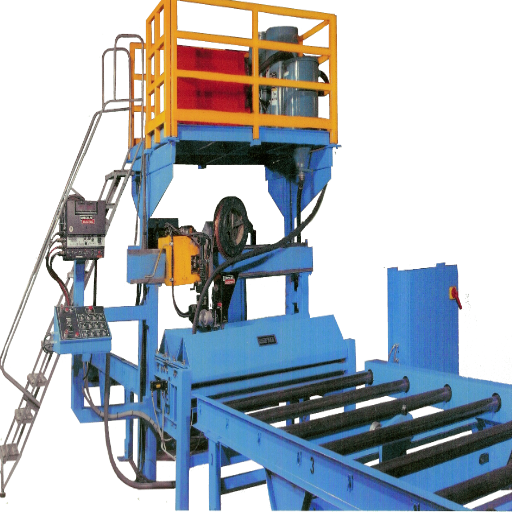
Industry 4.0 and smart manufacturing integration focus on utilizing advanced technologies, such as IoT, AI, and data analytics, to optimize production processes. This enables real-time monitoring, predictive maintenance, and enhanced automation, ultimately increasing productivity and reducing downtime. Smart integration enables the production of beam welding machines with precision control and consistent quality, utilizing automated feedback systems and interconnectivity with other manufacturing tools. These technological developments would allow manufacturers to meet modern standards of efficiency and adaptability.
The Role of IoT in Automatic Welding Systems
IoT (Internet of Things), by interlinking machines with sensors and data analytics platforms, helps in pursuing maximum performance and minimum operational effort in automatic welding systems. Welding, when realized with IoT, can collect real-time data on temperature, voltage, weld speed, and other parameters, ensuring precision and accuracy throughout the process. Machine learning algorithms running on IoT devices can forecast preventive maintenance, cutting downtime by alerting to potential failures beforehand. Additionally, it can ensure seamless communication between welding tools and other manufacturing equipment, mapped in a workflow that facilitates highly synchronized production and reduces costs. Recent data reveal a significant growth in IoT welding adoption as industries prioritize smart manufacturing and connected solutions, further solidifying its role as a key player in present-day fabrication.
AI Applications in Welding Line Automation
This is a summary of how AI optimizes welding line automation, thus refining efficiency, precision, and productivity: Key applications include:
- Defect Detection and Quality Control
Using automated computer vision systems, machines are employed to detect welding defects in real-time, such as cracking, porosity, or incomplete penetration. This guarantees uniformity in the quality with minimal wastage.
- Predictive Maintenance
Predictive maintenance monitors sensor data to foresee the failure or need for maintenance of welding equipment. Hence, it prevents downtime and operational difficulties due to unexpected breakdowns.
- Path Optimization
With more advanced algorithms, AI selects the optimal welding paths and parameters, which can also be adjusted according to the materials or conditions. This saves time in welding and improves productivity to a certain extent without compromising the quality.
- Automated Welding Parameter Adjustments
Through the use of AI, welding machines can automatically adjust parameters such as voltage, current, and travel speed, among others, based on real-time data, thereby facilitating the creation of consistent and accurate welds under all conditions.
- Collaborative Robot (Cobot) Integration
AI enhances the welding capabilities of cobots, enabling more collaborative work between humans and cobots. The precise automation these systems provide, coupled with their adaptability, makes them the ideal solution for assisting in the performance of repetitive or hazardous welding activation tasks.
Such applications define how AI transforms traditional welding processes into more intelligent and more efficient systems that meet the demands of modern manufacturing and Industry 4.0 implementation.
Collaborative Robotics in H Beam Production Lines
Collaborative robots, or cobots, have been enhancing the operations and precision in the H-beam production line. Working alongside human operators, AI and sensor technology enable cobots to accelerate a wide range of operations, including welding, cutting, and assembly. Armed with real-time quality monitoring systems, these cobots maintain consistency in quality and work alongside human operators to reduce the likelihood of human error in mundane and demanding tasks. The robots also accommodate shifts in production requirements, granting manufacturers the flexibility to respond to ever-changing market demands while maintaining a high standard of safety. The increased penetration of collaborative robotics into the steel and construction industries is driven by the automation initiatives of Industry 4.0 and the demand for sustainable and scalable production solutions.
Applications of Automatic Beam Welding

The process of automatic beam welding finds high application in industries that demand precision and efficiency in structural fabrication. Some key applications of the technology include:
- Construction Industry: Welding steel beams and frameworks for buildings, bridges, and other infrasture projects is carried out using it.
- Shipbuilding: To maintain the structural integrity of huge steel sections in shipbuilding, welding is carried out automatically.
- Automotive Manufacturing: It supports the assembly of heavy-duty vehicle frames and components for enhanced strength.
- Energy Sector: This technology is used for the fabrication of wind turbine towers, pipelines, and energy-related infrastructure.
These applications exemplify its ability to enhance productivity while reducing costs and maintaining the consistent quality of welds.
Aerospace and Defense: Precision Welding Needs
Aerospace and defense precision welding requires advanced techniques, strict quality standards, and compatibility with exotic materials to ensure safety, performance, and durability.
| Parameter | Key Points |
|---|---|
|
Techniques |
TIG, MIG, Plasma, Laser, Electron Beam |
|
Materials |
Aluminum, Titanium, Nickel Alloys |
|
Applications |
Fuselage, Engines, Satellites |
|
Standards |
MIL-STD, AWS D17.1, NADCAP |
|
Challenges |
Exotic materials, Tight tolerances |
|
Testing |
X-ray, Ultrasonic, Dye Penetrant |
|
Benefits |
Safety, Longevity, Efficiency |
Automotive Industry: The Shift to Electric Vehicle Manufacturing
Significant changes are taking place in the automotive sector, with the rise and ceaseless demands of emissions regulations by governments in tow. As electric vehicle production increases, advanced welding technologies become increasingly vital for achieving efficiency and safety in these vehicles. Battery enclosures, lightweight frames, and electric motor parts should not be welded carelessly, as they require utmost precision and accuracy.
As more and more consumers express concerns about green vehicles, queries for “best electric cars,” “EV subsidies,” and “electric car charging stations” have reached an all-time high. This is a clear indication of a behavioral shift in the demand for green transportation. To address this challenge, the automobile industry has adopted advanced welding methods, such as laser and robotic welding, to enhance production efficiency and maintain lightweight yet sturdy designs.
Medical Device Production and Its Precision Requirements
Medical device manufacturing requires the highest degree of accuracy, as any slight imperfection can affect the device’s functioning and compromise patient safety. The complexity in this industry stems from regulatory standards and the need for these devices to operate flawlessly within the human body. There have indeed been increased searches of terms such as “medical device manufacturing processes” and “precision engineering in healthcare.” This trend has raised awareness among the public about the methods used to manufacture these healing devices. To achieve this utmost accuracy, they would utilize increasingly advanced technologies such as 3D printing, CAD, and automated laser cutting. These technologies will provide precision beyond the accepted standard, reducing the time required for manufacturing and the cost of manufacture, thereby meeting their criteria for safety and efficiency.
Leading Innovations in Beam Welding Technology
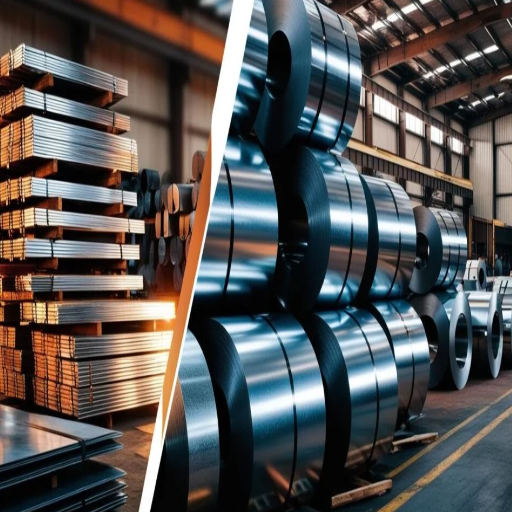
The beam welding technique has undergone considerable improvement, with increased accuracy and efficiency, and new variations have been added to the process. Some notable developments include high-power fiber lasers, which weld with excellent efficiency and accuracy, causing minimal heat distortion to the piece. Hybrid laser-arc welding is currently garnering attention, as it leverages the advantages of both conventional arc welding and laser welding to achieve a superior-quality weld at faster speeds. In addition, the integration of robotic automation in beam welding processes has enhanced consistency and productivity, thereby establishing it as one of the most effective solutions for businesses such as the automotive and aerospace industries. These cutting-edge technologies have collectively expanded the capabilities of traditional welding, yielding improved results for complex manufacturing requirements.
Recent Technological Advancements in Welding Machines
Welding has undergone numerous technical developments in recent years to meet the demands of applications that require greater efficacy, precision, and automation. The integration of AI and machine learning into welding systems is one such technological advancement. It enables machines to automatically adjust parameters in real-time, promoting precise welds and minimizing waste. Additionally, with the advent of IoT technology, welding machines can be monitored and operated remotely, thereby enhancing productivity and minimizing downtime.
Laser hybrid welding combines laser welding with arc welding, obtaining greater penetration and faster welding speeds. This welding technique is particularly beneficial in industries where welds must be strong and of high quality, such as the automotive and aerospace sectors. Welding trainers are also utilizing augmented reality, which is recommended for skill upgrades and new methods of practicing complex welding techniques safely.
Such developments have led to rapid changes in welding technology, making processes more efficient, cost-effective, and adaptable to the evolving requirements of modern industries. The incorporation of these technological innovations is laying new foundations for welding and reshaping manufacturing on a global scale.
Competitive Landscape of H Beam Welding Manufacturers
Emerging trends emphasize sustainability, recognizing that manufacturers are implementing green processes to minimize waste and reduce energy consumption. Then, artificial intelligence has begun to take its place in real-time monitoring and quality control as a key factor in differentiating market actors. Through continuous research and development investments, companies strive to meet the ever-diversifying needs of construction and infrastructure projects worldwide, thereby making this sector even more competitive.
Advantages and Challenges of Automatic Welding

Advantages of Automatic Welding
- Consistency and Precision: Automatic welding ensures that welds are laid with utmost accuracy and consistency, thereby minimizing weld defects.
- Improved Efficiency: Considerably faster than manual welding, greater productivity results, especially with wide-ranging projects.
- Cost-Effectiveness: Labor costs and waste are reduced, thereby lowering costs.
- Enhanced Safety: Minimizes human exposure to hazardous conditions, such as extreme heat or toxic fumes.
Challenges of Automatic Welding
- High Initial Costs: It takes a significant amount of capital to machine the equipment and its setting.
- Complex Maintenance: The systems require regular maintenance by experts to ensure they continue operating effectively.
- Limited Flexibility: There is little flexibility offered to accommodate irregular or custom designs.
- Dependency on Skilled Operators: To effectively program and operate the equipments, trained technicians should be at hand.
Transformative Benefits of Automatic Beam Welding
- Enhanced Efficiency: There is evidence that production time can be halved with the use of automatic beam welding, and in some cases, studies show that it can double throughput compared to manual welding.
- Improved Precision: An automatic system consistently delivers high-quality welds with fewer defects than manual welding, resulting in a 30% reduction in rework.
- Cost Savings in the Long Term: Although it requires a significant initial investment, reducing labor costs or material waste can yield substantial benefits to industries; in some cases, decreases of 20% in production costs have been achieved.
- Superior Weld Strength: The structural strength of automatic beam welding improves, as it produces an exact and uniform weld, necessary in load-bearing applications such as bridges and buildings.
- Enhanced Safety: By reducing the need for worker intervention, these systems help minimize the exposure of welders to potentially hazardous environments or injuries that can occur during traditional welding techniques.
Challenges in Implementing Automated Welding Solutions
Automated welding offers obvious advantages; however, these solutions are confronted with specific challenges:
- High Initial Costs
The initial investment required to procure automated welding equipment and build the necessary integrated infrastructure can be too high. For small to medium-sized enterprises, capital expenditures in the range of $50,000 to $500,000 for machinery and installation become a significant barrier.
- Skilled Workforce Requirement
Operators and technicians of automated systems require a basic understanding of machine programming, maintenance, and troubleshooting. According to reports, skilled labor shortages plague the industry, with more than 40% of manufacturing establishments being cited as a significant problem.
- Integration with Existing Systems
Automated welding may require some form of custom adaptation and system recalibration when it is married with an existing production line, thereby inducing set-up downtime and additional costs. The process can take weeks to months, depending on the complexity of the operations.
- Maintenance and Technical Support
Maintaining the automated welding equipment and providing technical support are stimulated with assistance from the product vendor. An unexpected breakdown could disrupt production schedules, with some repairs costing over $20,000, depending on the specific machine.
- Limited Flexibility
Automated systems are often optimized for specific tasks, making it challenging to accommodate modifications in product design or manufacturing requirements without considerable reprogramming and retooling. Such inflexibility can disrupt operations in industries characterized by high product variability.
Cost-Benefit Analysis of Beam Welding Automation
The cost and benefit of implementing beam welding automation must be studied in terms of initial investment and long-run savings. Sound automated systems require high installation and training fees upfront, but high production rates, reduced labor requirements, and improved weld quality can offset these costs. Automation helps to reduce human error, thus lessening defect rates and rework expenses. Sometimes, we must consider other factors that might limit us; for example, high maintenance costs of the system or a lack of flexibility when there is an urgent need to change production. There is no straightforward answer to implementing beam welding automation, as it is entirely dependent on specific operational needs and the prospect of greater long-term revenues.
Reference Sources
-
PHI Hydraulics: Automatic Beam Welder – Details on automatic welding for beam flanges with precise penetration.
-
Corimpex Group: BWM-TC – Beam Welding Machine – Advanced solutions for welding T and I beams.
-
Franklin Manufacturing: Sub-Arc Beam Welder – Information on automatic submerged twin-arc welding systems.
-
Primo Automation: H Beam Welding Machine – Insights into H-beam fabrication and welding processes.
-
Welding Alloys: Box Beam Welding Machine – Customizable solutions for heavy-duty structural steel welding.
Frequently Asked Questions (FAQs)
Q: What is an automatic beam welding machine?
A: An automatic beam welding machine is a specialized piece of equipment designed for efficiently welding beams, such as H beams and box beams, in the fabrication industry. These machines use advanced technology to automate the welding process, ensuring precision and consistency in production. They often feature a gantry system for movement and can integrate with CNC cutting machines for enhanced performance.
Q: How does a beam welding line work?
A: A beam welding line operates by sequentially processing beams through various stages of production, including cutting, welding, and assembly. The line typically includes an automatic welding machine, a conveyor for transporting materials, and a control system that coordinates the entire process. This streamlined workflow maximizes efficiency and minimizes manual labor, making it ideal for high-volume manufacturing.
Q: What are the benefits of using a submerged arc welding machine?
A: Submerged arc welding machines offer several advantages, including deep penetration and high welding speeds, which are essential for heavy-duty applications. They produce minimal spatter, reducing post-weld cleanup, and provide excellent control over heat input, which is critical for maintaining the integrity of the material being welded. This makes them a popular choice for manufacturing H beams and other structural components.
Q: What types of materials can an automatic beam welding machine handle?
A: An automatic beam welding machine can typically handle a variety of materials, including steel sheets, H beams, and PEB beams. These machines are designed to work with various thicknesses and types of steel, making them versatile for a wide range of welding applications in construction and fabrication. Customization options may also allow them to accommodate unique materials as needed.
Q: What is the role of a welding manipulator in beam welding?
A: A welding manipulator enhances the efficiency and precision of the welding process. It allows for controlled movement of the welding torch or electrode, ensuring consistent weld quality even on complex geometries. In conjunction with an automatic beam welding machine, a manipulator can significantly reduce the time and labor required for tasks such as H-beam assembly and box-beam welding.
Q: Can automatic beam welding machines be integrated with CNC technology?
A: Yes, many automatic beam welding machines can be integrated with CNC technology to enhance their capabilities. This integration enables precise control over welding parameters and can incorporate features such as CNC plasma cutting and CNC drilling. This technology allows manufacturers to achieve high levels of accuracy and repeatability in their production processes.
Q: What is a gantry-type welding machine?
A: A gantry-type welding machine is characterized by its overhead structure that allows for the movement of the welding equipment along a track. This design is particularly effective for significant components, such as H beams and heavy-duty fabrication projects. The gantry system can improve accessibility and efficiency, as it covers a larger working area without requiring the workpiece to be repositioned.
Q: What safety features should be considered in an automatic beam welding machine?
A: Safety features in an automatic beam welding machine are crucial to ensure the well-being of operators and the integrity of the equipment. Key features include emergency stop buttons, protective barriers, and safety interlocks that prevent operation if safety guards are removed. Additionally, proper ventilation systems must be in place to manage fumes generated during the welding process.
Q: How does a control system enhance the performance of a beam welding line?
A: A control system enhances the performance of a beam welding line by providing real-time monitoring and management of the entire production process. It enables precise adjustments to welding parameters, tracks the progress of each operation, and ensures that quality standards are met. This level of automation minimizes errors and maximizes throughput, making it essential for modern fabrication systems.


