The evolution of welding technology has been a major innovation across industries from aerospace to automotive manufacturing. Among the most advanced techniques, plasma welding has come up as a highly efficient and reliable solution with the best quality and precision. The article about the critical components, advantages, and applications of plasma welding technology has secured its position as a game-changer in modern engineering and production. Whether you are an experienced person in the field or just an interested innovator, accompany us in revealing the impact of plasma welding on industrial fabrication in the future and the reason it is the most important technology for high-performance manufacturing.
Understanding Plasma Welding
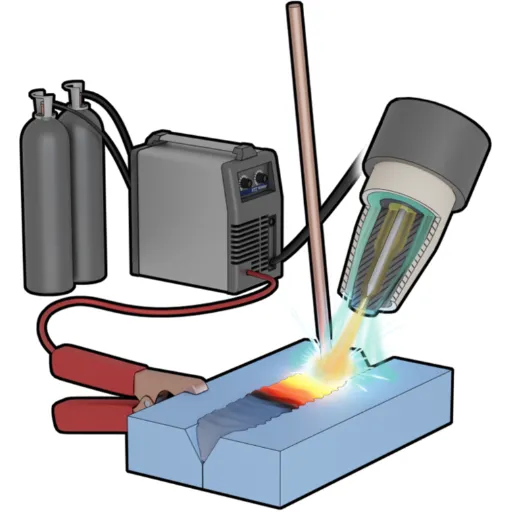
What is Plasma Welding?
Plasma welding is an arc welding process that is very advanced and uses a plasma arc which very focused and high-temperature to join materials with great precision and efficiency. The system works by compressing the ionized gas that is called plasma through a very fine bore nozzle to make an extremely high heat source that can melt even the hardest metals. While conventional arc welding uses less stable plasma, plasma welding benefits from the welder’s ability to maintain a very stable and concentrated heat profile even at high temperatures. Consequently, plasma welding has excellent penetration, less distortion, and good welds for a wide range of metals including stainless steel, titanium, and aluminum.
In recent statistics, plasma welding is one of the most common technologies used in sectors that are very demanding in terms of quality like aerospace, medical equipment, and automotive production. It is a labor-saving device that works with both, thin and thick sections, coming with a high level of repeatability, thus, especially fitting for automated systems and precision tasks. Besides, modern technology has made it easier with the power sources and torch designs and this is one of the reasons why the technique is becoming more popular among the different high-performance applications.
The Science Behind Plasma Arc
The technology of the plasma arc is based on the idea of an inert gas being ionized that creates a plasma which is a state of matter that carries electricity. The gas is ionized by applying a very high electric current to it, which is the reason why the gas’s atoms are drawn apart and a very energetic and stable plasma jet is created. The plasma gas then reaches 30,000°F (16,650°C) or more and then it is able to cut or weld the materials precisely and efficiently.
💡 Key Insight: The merging of the above-mentioned plasma arc operators with computer numerical control (CNC) systems and data-driven optimization algorithms has increased the power and effectiveness of the plasma arc systems by multi-fold. The attention of various industries on the advanced plasma arc solutions is indicated by data. They are looking for flexible technologies for processing complex geometries and different material compositions. The precision during the process and the chance for minimizing operational errors are enhanced when the operators depend on the integrated design-tool automation processes backed by real-time analytical insights. The use of cutting-edge computational technologies alongside plasma arc systems in industrial applications allows the meeting of stringent standards concerning quality and performance.
Benefits of Plasma Welding Over Traditional Methods
Plasma welding is much more beneficial than the conventional welding methods in several ways with precision being the major focus area. The foremost advantage LEDs by using the highly concentrated and stable plasma arcs which translates into superior control and precision in the welding process. Unlike the traditional methods, plasma welding is particularly suitable for joining thin materials and complicated shapes without, however, risking too much heat distortion or warping. Moreover, it makes possible the realization of deep welds while maintaining a consistent quality of welds across the different types of materials such as stainless steel, titanium, and nickel alloys.
From a productivity viewpoint, plasma welding considerably cuts down the operational downtime. The use of high-energy arcs enables faster travel speeds that will then result in shorter weld cycle times. Moreover, the adoption of advanced automation technologies and real-time monitoring tools in the welding process makes it possible to have the least labor input and therefore, lowers the chances of human error. Also, unlike TIG or MIG welding or similar, plasma welding has longer electrode life due to the non-contact arc transfer mechanism that reduces wear and tear on the internal components.
Plasma welding is one of the technologies that offer higher returns on investments in industrial and high-performance settings, and this is confirmed by the latest research data. By the technology’s capability to lowering operational variance, facilitating the bronzing of materials, and curbing the overall maintenance costs, the industries that are opting for plasma welding systems are reaping superior throughput, with no sacrifice on quality. It is a technique that is increasingly becoming a mainstay in the aerospace, automotive, and power generation sectors where reliability and precision are of utmost importance.
Types of Plasma Welders

Various Plasma Welding Machines
The plasma welding machines are segmented into a variety of categories on the basis of their particular design and machine application capabilities, thus making sure that they are able to deliver the highest level of performance to meet the needs of the wide range of industries. The main categories of plasma welding machines consist of transferred arc plasma welders and non-transferred arc plasma welders.
The technological advancements in plasma welding technology that are reflected in the updated industry metrics have resulted in the development of hybrid systems that combine the features of both types, thus enhancing flexibility, efficiency, and precision. Computerized controls are a common feature in modern plasma welders that have resulted in better process automation and real-time monitoring, making them very suitable for high-demand production lines. The classification and technological advancement of plasma welding machines signify that they can be adapted to the changing technical and industrial requirements.
Plasma Arc Welding vs. Other Welding Techniques
Plasma arc welding (PAW) is a method that stands out among the rest due to its accuracy and wide application, especially when pitted against similar techniques like tungsten inert gas (TIG) and metal inert gas (MIG) welding. PAW operates at an extremely high temperature and in most cases, it is over 30,000°F, this leads to a faster melting process and even deeper penetration creating an ideal scenario where even the thickest materials can be welded together without any quality issues being conventional methods becoming substandard in efficiency or toughness. On top of that, a plasma arc is a little bit more difficult to control, but in this case, it’s made easier by the use of a -crucible- plasma arc which provides better control over the heat-affected zone (HAZ), hence distortion and warping are decreased which is perfect for the application that has very strict tolerances.
⚖️ Comparison Summary
In comparison to TIG welding, PAW shows to be more productive because PAW can produce the same high-quality weld at a higher speed. Besides, plasma arc welding systems are more reliable than MIG welding in terms of handling a wide range of materials including non-ferrous metals like titanium and aluminum which is the main reason for plasma being chosen for applications in aerospace, nuclear, and medical sectors. But it is necessary to say that the complexity of the plasma welding equipment usually means that the initial cost is high, plus there is the need for skilled personnel which can be hindrances in the case of small operations.
As a whole, the use of modern automation in PAW systems has continued to reduce the gap between traditional techniques thereby ensuring that performance is consistent and that the system is adaptable to a wider range of industrial needs.
Selecting the Right Plasma Welder for Your Needs
The selection of an appropriate plasma arc welding (PAW) system is a process that requires the complete understanding of your operational requirements and at the same time a thorough analysis of the industry data. According to the latest insights gained from search trends, the most important factors influencing the purchasing decisions are the type of material, thickness, required weld precision, and the technology. For example, high-frequency automated PAW systems are suggested for environments where consistency is a must, and the materials are thin and heat-sensitive, such as the case with stainless steel in the aerospace sector. However, manual plasma welders are considered to be the most cost-effective option for small-scale operations where versatility and easy handling are very important.
Besides that, the required power output and system compatibility must be synchronized with the targeted application. According to the welding experts, the systems with adjustable amperage settings grant the operators the flexibility to work on different types of projects and thus the overall flexibility is increased. Besides this, the consumers should evaluate the after-sale support, training facilities, and the durability of the equipment, thus considering these aspects as significant components in the long term ROI of investment. Making sure that these specifications coincide with the project objectives, the application will be characterized by the welding operations being optimal in terms of efficiency, precision, and reliability.
How Plasma Welding Works
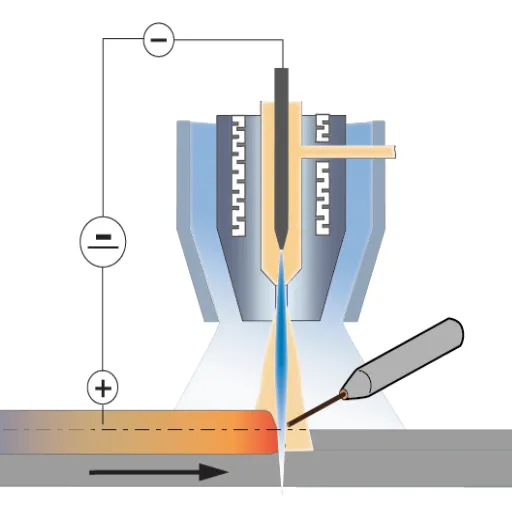
The Electrode’s Function in Plasma Arc Welding
The electrode plays a vital role in the plasma arc welding (PAW) as it provides the plasma arc that is the major source of heat for the welding process. The electrode is normally made of tungsten because of its high melting point and great electrical conductivity, and it is non-consumable and built to endure very high thermal and electrical conditions. A pilot arc is first created to link the electrode and the nozzle during the welding process. The pilot arc then ionizes the gas around it and generates the plasma. When the plasma is directed to the workpiece, the power arc is created, and the heat is transferred for the precise welding.
Electrodes are being made to last longer and be more reliable even at higher ampere settings by getting the most of the latest advancements and plasma arc welding technology. The newest research reveals that varying the tips of the electrodes and exploring new coating materials can lead to the stable and durable arcs, especially in the case of tough materials such as aluminum and high alloy steels. It is more than essential to find the ideal electrode specification that covers diameter and composition so that the best weld quality is obtained and that the modern fabrication processes are kept in line with the requirements. Adding to this, the life of an electrode and the stability of its performance can be prolonged by the combination of these developments along with applying maintenance routines.
Making a Focused Arc
Creating an arc with a specific focus requires a profound understanding of the different factors that are interconnected and together determine the stability and behavior of arcs. The initial course of action is to determine the welding parameters like voltage, amperage, and travel speed. Among these, voltage is the most crucial factor that influences the length of an arc; thinner, more concentrated arcs are produced by low voltages and wider, softer arcs are the result of high voltages. To follow this, the selection of shielding gas, which could be Argon or Argon-rich mixtures, is extremely significant as they promote especially in Gas Tungsten Arc Welding (GTAW) and Gas Metal Arc Welding (GMAW) applications a very stable and centralized arc. The correct torch angle and the position of the electrode make it possible to obtain the proper focus and, consequently, heat distribution is lessened and penetration is increased.
Data from on research and search show that modern innovations like advanced waveform controls and pulsating techniques are the main reason behind the further Refinement of the arc’s stability through the dynamic adjustments of the power delivered. These advancements when combined with accurate equipment calibration and the operator’s skill bring about very focused arcs that have reduced spatter, improved metallurgical integrity, and have met quality control measures in the modern manufacturing environments.
Configuring Your Welding Machine
While you are configuring your welding device, your primary consideration should be the welding technique and the material properties. Select the appropriate power supply depending on the process, for instance, a traditional MIG welding power source is a constant voltage while a TIG welding power supply is usually a constant current system. The revelation of gas flow rate being a critical factor has recently backed up by research-based data, as excessive gas flow leads to turbulence and contamination while insufficient flow makes the arc unstable. In addition, the grounding clamp should be properly and securely connected to a clean and conductive surface to ensure good circuit completion. Modern machines have adopted real-time adjustments with the use of advanced algorithms like adaptive controls for variable conditions which not only facilitate the setup process but also maintain the delivery of optimal output consistently. The combination of technology and precision has enabled the user to effortlessly attain the very high-performance standards.
Applications of Plasma Welding
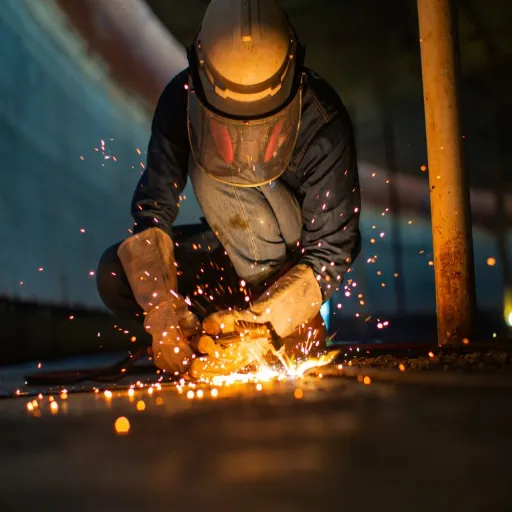
Industries That Benefit from Plasma Welding
Plasma welding, due to its unmatched precision and efficiency, has become a vital technology throughout a wide range of industries, from aerospace to electronics. Among the sectors that enjoy the most benefits from this technology, the aerospace industry takes the first place by welding of high-strength, lightweight materials like titanium and aluminum to the most accurate of tolerances in order to comply with safety and performance standards. The automotive industry is another main sector where the robust and consistent performance of plasma welding technology in the production of components such as where it is used in component manufacturing of consistency and dependability is acknowledged.
🏭 Key Industries Using Plasma Welding
- ✈️ Aerospace: Welding high-strength, lightweight materials like titanium and aluminum
- 🚗 Automotive: Component manufacturing requiring consistency and dependability
- 🏥 Medical Devices: Welding thin stainless steel or titanium for surgical instruments and implants
- 💻 Electronics: Micro-welding of sensitive parts for circuit boards and semiconductor manufacturing
Furthermore, the medical devices industry uses plasma welding in a surgery task where welding of thin stainless steel or titanium used in surgical instruments and implants is done. The electronics sector also makes use of this technology for micro-welding of sensitive parts, which is accurate and required for circuit boards or semiconductor manufacturing. The installation of advanced automation and control systems has made plasma welding support in industrial fabrication processes where speed and repeatability are critical, leading to enhanced productivity and cost cutting.
As of now, plasma welding is no longer the silent partner but rather the very foundation on which industries that demand both performance and precision are built thanks to its reliable high-quality joints in different materials and thicknesses.
Common Uses of Plasma Cutters
Plasma cutters are not only known but also highly appreciated for their cutting-edge technology which eliminates the long process of cutting through electrically conductive materials and at the same time keeping the precision of the cut. Metal working, automotive, aircraft, and construction these sectors are the main ones that have a big dependency on plasma cutters for various purposes. That is why, in the cutting of steel, stainless steel, aluminum and other metals, where plasma is the most applicable, the high-speed performance and clean edges are given.
Also, in the case of bad and broken metal parts, plasma cutters are the ones that are called upon in maintenance and repair operations since they are used to getting rid of damaged metal parts fast or producing new ones with exact measurements. The application of CNC (Computer Numerical Control) tools in the plasma cutter’s usage has also increased and this is because precision in passive designs for components like custom parts, brackets, and panels has become a basic requirement in the modern-day manufacturing process.
The plasma cutting process has undergone a tremendous transformation in terms of the inverter technology and cutting torch making them more available to smaller-scale workshops and hobbyists giving less reason for these segments to have to miss out on mastering industrial-grade tools. In addition to that according to very recent trends chosen from the Internet, plasma cutters are still notable in the artistic fields that involve the use of metal sculpture and decorative projects, thus re-emphasizing their adaptability over creative sectors.
With the combination of speed, precision, and cost-effectiveness, plasma cutters are still a must-have in the modern-day manufacturing and craftsmanship where accuracy and efficiency are the most important factors.
Innovations and Trends in Plasma Welding Technology
The recent developments in plasma welding technology have not only increased the process efficiency but also the precision that can be afforded by this technology which has intrigued industrial and niche applications alike. The automated systems and controls driven by Artificial Intelligence (AI) and enhanced supervision are among the most important innovations of the period, and they are making it possible for such industries to greatly benefit from implementing these innovations as they contribute to bringing about the desired quality while at no point reducing the number of workers operating the machinery. This is especially advantageous in manufacturing setups of large volumes where precision and repeatability are the leading drivers.
On the other hand, new trends are pointing towards the direction of a more and more interest in portable and energy-efficient plasma systems. The small and compact solutions being developed are not only meant for small workshops but they are also the answer to the need for on-site welding without comprising the efficiency. Moreover, the partnership with eco-friendly practices is expected to yield manufacturers who are going to be creating plasma welding systems that would consume less power and produce lesser emissions hence meeting the global sustainability goals.
📊 Trending Searches: The search results over the last few months have shown that there has been a significant increase in the questions related to “plasma welding for microfabrication” and “plasma welding automation software”. This actually indicates the higher demand for technologies that could be especially designed for precision applications in industries like aerospace, medical device manufacturing, and electronics. The very same trends give the very same indication of the continuous evolution of plasma welding technology that is always ready to cater to modern industries with their special requirements.
Tips for Successful Plasma Welding

Safety Precautions for Welders
It is essential for welders to adhere to strict safety measures as a means of minimizing the dangers brought about by plasma welding. The ultra-hot temperatures, UV light, and the smoke from the metal being welded necessitate the use of PPE which comprises, among others, auto-darkening welding helmets, heat-resistant gloves, fire-retardant clothing, and respirators. Furthermore, one of the key factors in keeping the operator free from harmful gases like ozone and nitrogen oxides is the constant supply of fresh air in the area since these gases are a by-product of high-energy plasma arcs.
⚠️ Safety Alert
Search trend data has recently shown a significant rise in the number of people searching for “plasma welding safety equipment standards” and “improving workspace ventilation for welding”. This trend suggests a gradually increasing awareness among welders and the rest of the industry about the necessity of health hazard reduction.
The use of safety equipment such as lightweight helmets with built-in respiratory systems, and advanced filtration technologies that are up to or better than ANSI and OSHA standards is a major factor that keeps the welders informed. Through proper training, inspection of tools and equipment, the welders would not only be well equipped but also enable their safety protocols to evolve with the changes in technology and regulations in the welding industry.
Common Mistakes to Avoid in Plasma Welding
1. Improper Gas Flow Settings
One of the most common mistakes in plasma welding is the incorrect setting of gas flow rates. Weld contamination, oxidation, and porosity can be caused by insufficient shielding gas, while disruption of the plasma arc’s stability can result from excessive gas flow. It’s necessary for the operators to calibrate the gas flow according to the manufacturer’s recommendations and take into account variables like the kind of material and its thickness for the best outcome.
2. Incorrect Electrode Selection or Preparation
The wrong choice of electrode type or improper preparation of an electrode can lead to unsatisfactory welding performance. Not sharpening tungsten electrodes to the correct angle or using broken electrodes are among the mishaps that can contribute to arc wandering and low-quality welds. Make sure to check and keep the electrodes in good condition before every welding session.
3. Skipping Pre-Weld Cleaning
Plasma welding needs the surfaces to be clean in order to produce strong and defect-free welds. The operators often, however, forget to eliminate the contaminants like oils, dirt, or oxides which cause inclusions in the welds and thus lead to lower durability. Employ appropriate cleaning methods like abrasive blasting or chemical cleaners depending on the welded base material.
4. Failure to Monitor Equipment Maintenance
Welding equipment needs to be maintained regularly in order to keep performance consistent. Equipment maintenance mistakes usually include more often than not neglecting the changing of consumables, cleaning of nozzles, and checking for gas leaks. A routine inspection and adherence to a preventive maintenance schedule will go a long way in avoiding unexpected equipment failures and ensuring operational efficiency.
5. Incorrect Heat Input Management
It is very important to control heat input in plasma welding since excessive heat can cause warping, burn-through, or microstructural damage to the material while insufficient heat input may result in weak weld penetration. Use the amperage and travel speeds that are precisely set according to the project specifications to ensure good weld quality.
The rise in search queries concerning eliminating weld defects and managing plasma settings indicates the importance of proper operator training and staying up-to-date with industry best practices in the reduction of such common mistakes. A command of plasma welding skills not only increases output but also guarantees quality compliance in line with strict standards.
Maintenance Tips for Your Plasma Welder
For your plasma welder to perform at its best and reliably over time, frequent maintenance is vital. According to trending search, a lot of users want to know the ways to avoid the defects common in welding and the optimal plasma settings among others. Solving those problems begins with a comprehensive check of your machine. The first step is to routinely monitor the wear of consumable parts, like nozzles and electrodes, since their shutdown may ruin arc stability and in turn produce inconsistent weld quality. Follow the manufacturer’s recommendations on replacing these parts or do so when you see heavy wear marks.
Also, a clean torch head is very necessary. The dirt or debris collected would interfere with the airflow and the accuracy of the job; therefore, you should clean the torch after every use. Make sure cables and connections are tight so as to avoid the occurrences of power variations or erratic plasma flow. Moreover, calibrate your device’s settings from time to time according to the specific material requirements for the projects you are working on. Calibrating helps to achieve a steady output and at the same time reduces the operator’s induced errors. The combining of these practices with knowledge of the industry best practices will very much help the welders in keeping the defects to a minimum and getting the best out of their plasma welding operations.
Frequently Asked Questions
❓ What is a Plasma Welder and How Does it Work?
A plasma welder is a specific type of welding machine that works with a very concentrated arc of ionized gas – called plasma – which is used to create a union between two materials. On the other hand, the plasma method entangles the melting of the electrode and the base metal, thus creating a fusion that allows for the penetration of the base metals and even the welding of very thin sheets. Plasma welding is used in the manufacturing of pipes and other similar processes because of its high-quality welds and the clean finish it creates. The aforestated parameters of welding current and plasma gas flow rate are the main ones that determine the quality of the weld and the characteristics of the weld pool.
❓ What Are the Advantages of Plasma Arc Welding?
Plasma arc welding is much better than traditional welding, for instance, MIG and TIG welding, because it provides many advantages. The plasma welder produces an arc that is highly controlled so that there will be no mistakes, thus it is very much suited for welding thin materials. Not only that but also, along with low welding currents, the plasma welding can go very deep and the workpiece will only get very little distorted. Furthermore, another additional benefit is the ability to separate the plasma and shielding gases which bolsters the protection of the weld from contamination by the shielding gas envelope. Moreover, the use of plasma welding takes place in a number of sectors due to its ability to work with a wide variety of materials, for example, aluminum and stainless steel, its versatility, and its suitability.
❓ How Does a Plasma Cutter Differ from a Plasma Welder?
The applications of both a plasma cutter and a plasma welder are different in the welding and the cutting industry. The best way to distinguish between them is that while a plasma welder is focused on the joining of materials by utilizing the plasma welding process, a plasma cutter is about precise and clean cutting of metals. Specifically, the pilot arc present in a plasma cutter is the one that really ignites the cutting by producing a super hot arc that fuses the metal as it advances along the cut line. The difference lies in that while the welding process concentrates on making a strong bead, plasma cutting is characterized by a rapid removal of material, and filler wire is not required. Plasma gas flow is featured in both instruments, but their use is different.
❓ What is the Role of the Electrode in Plasma Welding?
The electrode is at the heart of the plasma welding process, as it is the one that causes the arc to form. Tungsten is used in making the electrode in plasma welding, and it is located right in the middle of the welding torch. Once the current for welding is switched on, an arc is created between the electrode and the base material, and thus the plasma arc is formed. The nozzle design which narrows the arc also directs the power and stabilizes the plasma gas flow. Choosing a positive electrode configuration can also have a say on the thermal characteristics of the arc and the eventual performance of welding.
❓ What Applications Benefit from Plasma Welding Technology?
Because of the flexibility and efficiency that plasma welding technology brings, the areas where it can be applied are numerous. It is mainly the precision and high-quality attributes of plasma welding which have made its usage prevalent in the aerospace, automotive, and manufacturing industries. In particular, it proves to be an asset in welding thin materials and fine components, which would otherwise be the case with TIG and MIG welding where the levels of control would be lower. Besides, plasma welding is largely used in pipe welding and dissimilar metal joining where deep penetration, among others, is required. Its production of a narrow heat-affected zone also makes it a very good option for sensitive applications.
❓ How Do Current Levels Affect the Plasma Welding Process?
The levels of current are one of the key elements in the plasma welding process, and they together with the weld quality and its characteristics. The input of higher levels of current results in a rise in heat, thus leading to deeper penetration and wider welds among other positive outcomes. Just the opposite occurs if the current is too much; it might result in burn-through especially when working with thin sheets. On the other hand, the use of low current settings would be a way of getting better control, and that would come with less distortion but on the downside, not enough heat for effective fusion. The welding current adjustment in combination with the plasma gas flow is key to achieving the best possible results in plasma welding applications.
Reference Sources
📚 Plasma Arc Welding | OpenLearn
This resource from The Open University provides an overview of plasma arc welding, including its principles and applications.
📚 Different Types of Welding – ETI School of Skilled Trades
This article discusses various welding techniques, including plasma arc welding, and their industrial applications.
📚 What is Plasma Cutting? | Tulsa Welding School
This blog explains the plasma cutting process, which is closely related to plasma welding, and its practical uses.