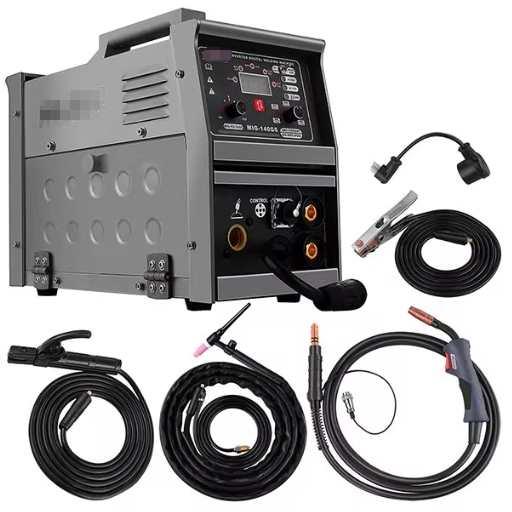
Aluminum being considered lightweight yet strong is used in almost all industries from being automotive to aerospace to construction-almost everything. But aluminum welding is tough to master. The tools and knowledge are two factors that can make all the difference. This guide will lead you through everything you need to know about an aluminum welding kit. From what’s needed to get started to tips on putting together clean and strong welds, this article will be your one-stop shop to sharpen your skills and pick out the kit that’s best for you.
Understanding Aluminum Welding Kits
?
What Is an Aluminum Welding Kit?
An aluminum welding kit is a set of tools and supplies that provide the welder with the perfect equipment to work with aluminum. Such kits contain basic tools such as a welding machine of appropriate power for aluminum, rods or wires conditioned for aluminum alloys, the welding torch, and safety equipment to protect from hazards. Cleaning tools such as brushes or solvents may also be included in the kit to prepare aluminum surfaces. The peculiarities of aluminum welding, being high thermal conductivity, and very liable to oxidation, necessitate this specialized welding kit for clean and production welds. Modern aluminum welding kits, thus, come with detailed instructions/manuals, therefore being ideal for beginners as well as professional welders wanting to weld aluminum safely and efficiently for anything from automotive repair to industrial fabrication.
⚡
Types of Aluminum Welding Kits
The following are a few welding kits for aluminum that are available, each designed to suit a certain technique, proficiency, or project requirement:
TIG Welding Kits
TIG welding kits are among the most common types of aluminum welding kits because they provide the most precision and control. Usually, these kits consist of a TIG torch, a regulator for the gas, tungsten rods, and perhaps a few other necessary accessories. Thin aluminum sheets and other projects requiring clean, high-quality welds are where TIG welding is most suitable.
MIG Welding Kits
These kits are chosen for speed and ease of use. A spool gun, nozzles, wire feed, and components for shielding gases are generally included in these kits. MIG welding is useful on thicker aluminum materials, therefore it is a viable option for outdoors or a large industrial project.
Stick Welding Kits
Stick welding kits are fairly simple compared to TIG and MIG kits but still work for aluminum welding. These kits consist of the electrodes, a clamp, and the cables. Stick welding does allow for less precision; however, it remains a very cost-efficient way to handle some outdoor or heavy-duty jobs.
Multi-Process Welding Kits
By harnessing different methods such as MIG, TIG, and stick welding all in one setup, these kits become the most versatile and perfect for candidates or professionals engaging in many different welding processes. A multi-process kit will usually have adjustable settings for various thicknesses of aluminum.
Portable Welding Kits
Designed for projects away from home, these kits are made lightweight and compact. Many have advanced technology, such as an inverter weld unit, allowing welding to be carried out efficiently and reliably virtually anywhere.
Choosing the ideal aluminum welding kit depends on the project’s nature, the material thickness to weld, and one’s level of experience in welding techniques. The vast selection allows for any aluminum welding operation to find an appropriate solution, from beginner-friendly sets to those requiring high performance.
+
Benefits of Aluminum Welding Kits
A welding aluminum kit offers many benefits, rendering them necessary in various projects involving aluminum materials. For one, they provide better precision and cleaner welds due to ultrasonic-style tools preventing contaminations and strengthening joints. The kits are engineered to work with aluminum as a unique calling to him, given especially in his high thermal conductivity to provide consistent and professional results.
However, these days, aluminum welding kits are being augmented by better technologies, such as inverter systems with variable heat settings for energy efficiency, as well as ease of use. Thus, they do well for amateurs as well as seasoned professionals. From a portability standpoint, these kits are small and lightweight, thereby making the job easier when performing on-site repairs and projects.
Last but not least, aluminum welding kits find application in mass production of automotive, construction, and artistic works, hence the kits become an adaptable investment. How you weld with a dedicated aluminum welding kit can give high-performance results with minimum energy and wastage, something that is very much required in the modern-day welding projects.
APPLICATIONSApplications of Aluminum Welding Kits
Automobile Repair
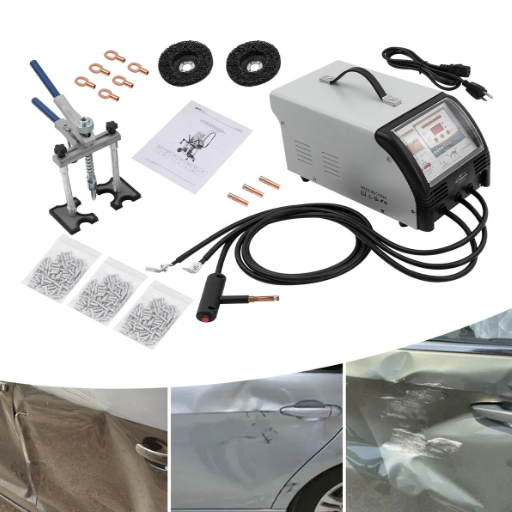
Aluminum welding kits are ever handy when it comes to car repairs, especially on modern vehicles that increasingly accommodate aluminum parts for weight reduction and thus fuel efficiency. With fine advancements in aluminium welding techniques, these kits easily cater for the utmost finest artistic and sturdy kind of repair on engine blocks, radiators, or body panels. As per search trends, more and more consumers are beginning to seek affordable and workable DIY aluminum repair solutions to sell some quick-on-the-spot repairs at home. These aluminum welding kits cater to such necessities by offering a small assortment of tools with which any average person can carry out professional aluminum repairs themselves-whoever tries it will save a bundle of time and money.
Construction Industry
From the construction industry viewpoint, the aluminum welding solutions are increasingly interesting. Both tradesmen and do-it-yourselfers are interested in tools that work on aluminum materials. ‘s search engine reports reveal a steady increase in queries like “best aluminum welding kits for construction,” “how to weld aluminum for building projects.” Such growing interests paint an active picture of industry involvement with lightweight and durable materials such as aluminum for applications that range from structural members to roofing to frame assemblies. It clearly aims at equipping workers to either repair or fabricate aluminum capable of delivering more versatility and less cost to a project, while some level of structural integrity is still upheld.
DIY Projects and Home Repairs
A recent study of Google search data reveals a rising trend in search phrases linked with DIY aluminum repair tips and how to use aluminum in home projects. Here housekeepers and DIYers are going into aluminum. Aluminum is sought after because of its lightweight and corrosion resistance, so it can be creatively, as well as practically used. A few of the most common questions regard welding or fastening aluminum, which tools are best for cutting or shaping it, and the last how to maintain the finish of any aluminum object for years in durability. By following these methods, manual work can be done in making custom furniture, repairing porch-type outdoor structures, or placing interiors with fine modern aluminum designs.
SELECTIONChoosing the Right Aluminum Welding Kit
⚖️
Factors to Consider
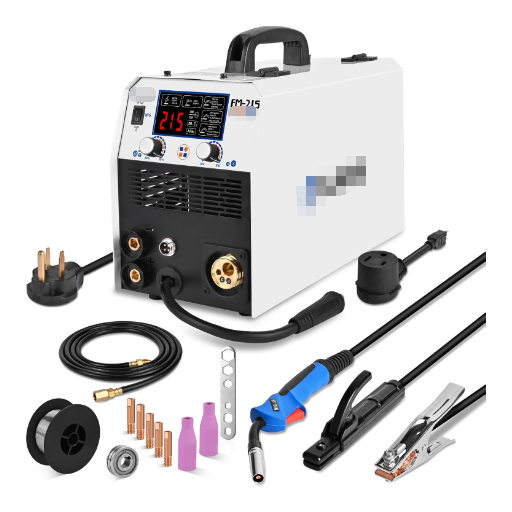
Many factors go into deciding an aluminum welding kit to use in order to assure working efficiently and precisely. Hence, try to determine the welding process you want to carry out, TIG welding or MIG welding, for example, as each requires specific equipment and skill levels. TIG welding is a competition for projects mainly with thin aluminum since it allows control and precision; however, MIG welding is generally faster for larger projects.
Then, it is important to examine the power output offered by the kit and see whether such power fits the projects at hand under considerations. A kit with adjustable power settings will surely come in handy when working with varying thicknesses of aluminum. Portability is a very vital consideration, especially if you ever need to carry the kit from home to the field or somewhere else. Hence, being lightweight and compact should be on your list of considerations.
Always strive for kits offering excellent materials and great safety features. In particular, consider secure gripping torches, among other protective gear. Searching through user reviews, otherwise ratings, or performance comparisons online hones down which brands are trustworthy and which kits really work for your purposes. So, with all these parameters in place and all the latest facts in hand, it now all boils down to choosing an aluminum welding kit that assures quality and incremental ease.
Skill Level and Project Type
Basic aluminum kits tend to be simpler to use and usually come along with basic instructions to help with handholding through processes. Kits for intermediate to advanced welders have settings for finer adjustments, higher precision, and often the power to speed through welding tasks.
The project type is a decisive factor in the choice. On one side are lightweight jobs of fixing little bits or household items, for which compact and versatile kits are ideal. Opposing this would be heavy-duty projects that require automotive repairs or industrial welding with the power to perform under strict conditions-any of which needs big, powerful kits to yield consistent results. Combining your level of expertise with the range of the project and the newest info derived through ‘s search engine will eventually narrow down the choices so you can spend on the kit best suited to your requirements.
Budget Considerations
Consider the balance between affordable and durable when creating a budget for a kit. Along with the latest price comparison data on the search engine, you can efficiently weigh prices, customer reviews, and product features against options within your range that fit your technical requirements. Seasonal sales, discounts, or bundled deals could offer some handsome saving opportunities. Also, be sure your investment corresponds to what your projects require, not less than in reliability or durability.
HOW-TOHow to Use Aluminum Welding Kits Effectively
⚙️
Setting Up Your Aluminum Welding Machine
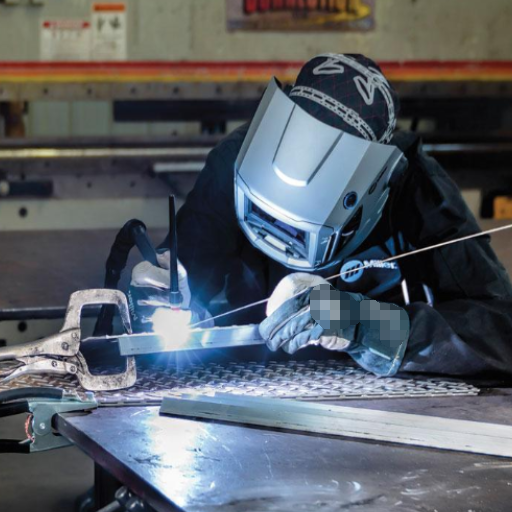
To set up the aluminum welding machine thoroughly, you should go through the manufacturer manual so as to install and use the machine accordingly. The machine has to be kept on a firm surface in a well-ventilated place for safety. Now, check the power source in order to match that of the machine. The welding torch must be secured, and the ground clamp placed on an actual workpiece or working table to complete the circuit.
The correct shielding gas must be used in aluminum welding, according to the latest information available in ‘s search engine. Basically, pure argon is used or an argon-helium mixture is used depending on the thickness of the material. Adjust the welder settings, i.e., amperage and wire feed speed, according to the specification of the aluminum being welded. Thinner metal would require less setting. Finally, set up on a scrap of aluminum and test to ensure everything is running perfectly before proceeding with the actual project. Adequate preparation means good safety and improved welds.
🎯
Proper Welding Techniques
The perfect weld is a mere concoction of technique and the nature of the weldable object. Always maintain a regular travel speed and consistent angle during welding to promote uniformity. While welding aluminum, the push method has proven beneficial since it keeps contamination minimal and allows the weld to penetrate through properly. Ensure that the work surface is clean and keep on removing any oxide layer formed on the aluminum surface for it would hinder welding.
Recent data from search trends reveal that quite a few users want to know the methods for minimizing porosity in the process of aluminum welding. Among them are: ensure the purity of the shielding gas, make sure all connections in your gas delivery system are tight, and clean contaminants, including oil, grease, or dirt, from the surface of the material. Another example of good technique is the skillful control of heat to avoid overheating, which is the cause of porous welds. The best welds can always be produced by applying these techniques along with top-notch preparation and will have an excellent structural ability, as well as appearance.
🔧
Unbeatable Hardware and Tools
The right tools and accessories refer to crucial considerations in making good aluminum welds. TIG (Tungsten Inert Gas) welding, being the foremost tool, deserves all the limelight since it enables pinpoint control during welding procedures, which is paramount when aluminum welds become heat-sensitive. It should have a high-quality shielding gas regulator designed to maintain a consistent flow of totally pure gas and prevent any possibility of porosity in the weld. Other features worth mentioning include the spool gun, which benefits a MIG (Metal Inert Gas) welder by keeping the aluminum wire from tangling and giving feed problems.
Other must-haves include a stainless wire brush kept only for aluminum to keep contamination at bay and an excellent welding helmet with variable shades to protect your eyes and enhance clarity during welding. The description of the clamps is as follows: Good clamps to prepare joints and a carbide burr to clean and bevel edges are sure will come handy. Investing in these tools and accessories for aluminum welding will make life easier and ensure beautiful and reliable results.
SAFETYSafety Precautions in Aluminum Welding
🛡️
Protective Gear for Welders
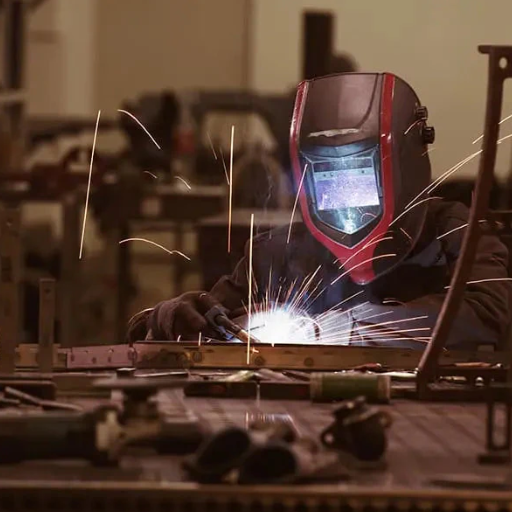
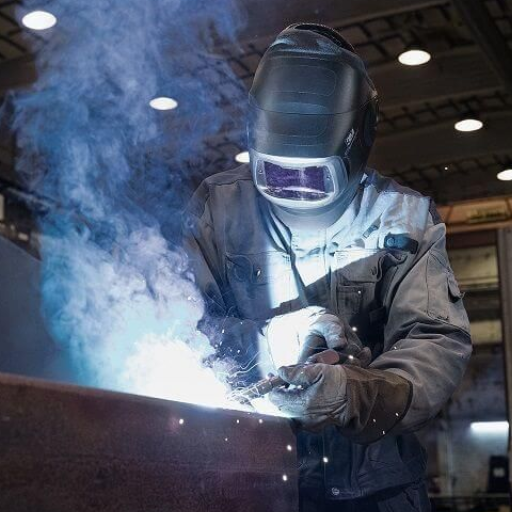
In aluminum welding, the importance of wearing the proper safety gear cannot be overemphasized to avoid injuries; such as with special welding helmets with auto-darkening filters to ensure the eyes of the operator are shielded from the UV-IR radiation happening during welding, the outfits are flame-retardant to protect one’s body from sparks and spatter of molten metal types: welding jackets, aprons. Heat-resistant gloves protect the hands of welders and yet provide them with enough dexterity to hold a weld carefully. Steel-toe boots protect against objects falling with a heavy impact on the feet or molten metal, and depending on the noise in the workshop, either earplugs or earmuffs help to cut down exposure. Neverwilling aluminum welding, either a well-ventilated workspace or a respiratorcorrector for welding fumes are equally encouraged. Good-fitting and certified protective gear serves to enhance safety and build the confidence and efficiency of the welder in carrying out their work.
Handling with Care
Proper handling of materials is the very essence of safety at work and injury prevention. Be aluminum and welding materials; one must take precautions according to best practice guidelines of the industry. Materials must be stored in their designated areas to prevent a tripping hazard. When it is time to move an object that is considered heavy, strong consideration must be given to the use of any mechanical aids or standard lifting techniques aimed at preventing musculoskeletal injuries.
Certain decrees on safety stipulate that clamping systems may be employed to aid in the stabilization of materials and help in their transfer; the same goes for trolleys specially made for this purpose. They even recommend labeling materials, especially those that pose hazards to some extent-like materials that have sharp edges or ones whose edges are chemically coated-so as to prevent injuries during the handling process. Along with these measures, regular training keeps the knowledge refreshed so that the workforce can remain alert and thus participate in the growth of a safer and more productive environment.
Common Safety Hazards
Slips, trips, and falls are very common hazards from which injuries occur in major percentages in workplaces globally. With this hazard include irregular floorings, spills, and misplaced objects. On an ergonomic hazard, incorrectly set-up workstations for a hazard from improper lifting become, musculo-skeletal disorders with time.
Chemical hazards might be those most feared for corrosive substances, toxic fumes, or flammable agents. Coupled with data from recent query trends, it stands out that companies are looking increasingly for answers to mitigating these risks to appear for safer values: anti-slip flooring, ergonomic office equipment, and modern PPE to the top of the list. Early identification and being proactive in dealing with such hazards will certainly go far toward the reduction of deadly injuries and the promotion of total safety.
MISTAKESAvoiding Common Mistakes in Aluminum Welding
🔥
Overheating Aluminum
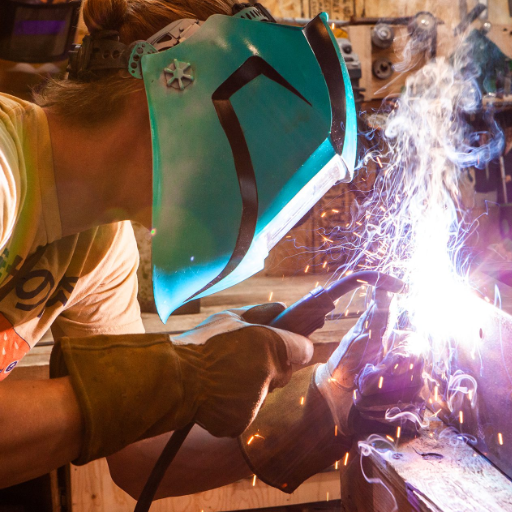
It is one of the more frequent errors during welding, which compromises the structural integrity of a piece of work and creates aesthetic anomalies therein. From the recent search trends over these queries, it appears a lot of experts are trying to find either a solution or a better technique to prevent material overheating. It is precisely about thermal conductivity: aluminum conducts heat quickly and so it also is heated quickly; therefore, heat input must be controlled to avoid any problem of overheating by utilizing correct welding procedures such as reducing the amperage value or employing a heat sink that absorbs the excess heat rather than allowing it to soak into the weld. These measures also help reduce the chances of warping or burn-through of the material, keeping the weld surface clean for reliable welding. Such awareness and implementation pave the way to minimize errors in aluminum weld jobs, as displayed by a steep increase in interest.
⚠️
Incorrect Filler Materials
The wrong filler material used results in poor weld integrity, a more common problem awaiting a solution in aluminum welding. Filler material must, after all, be of matching composition with the aluminum to be joined to ensure proper strength and corrosion resistance of the joint. According to recent data from , it seems that many questions revolve around confusion about the selection of filler material, especially for the various aluminum alloys. The number one question that is asked is, “How do I choose the correct aluminum welding filler material?” The answer to this question starts with determining what the base material is, and then one goes ahead to look at filler selection charts or manufacturer’s recommendations. This ensures compatibility and avoids issues like cracking or weak welds and instead provides a solid weld that will last.
🔧
An improper setup of equipment
Improper equipment settings is a major welding problem, according to recent data on the search engine. Somebody will always ask: “How do I set up welding equipment correctly for aluminum?” Answers begin along the following lines: one must choose an appropriate type of welding machine for aluminum-whether it be AC TIG or MIG type specially designed for aluminum; then do the actual settings on the machine according to amperage and the thickness of the aluminum to be welded. A thorough cleaning of the base material is then applied to eliminate oxides or contaminants. Applying the right shielding gas, usually 100% argon, in aluminum welding will bring clean and strong welds. At this point, re-check all connections, including flow rates and grounding; efficient equipment operation becomes an effective defense against weak welds or errors caused by equipment.
FAQFrequently Asked Questions
Q
What is an aluminum welding kit, and what does it comprise?
An aluminum welding kit usually comprises tools and equipment deemed necessary for welding aluminum. This will usually consist of a welder, welding wire, contact tips, and sometimes a spool gun for better feeding of the aluminum MIG wire. Besides, welding helmets and gloves may also be given in the kit for safety during welding procedures, depending on the supplier or manufacturer, such as Miller or Lincoln. Pricing also varies on what is included in the kit. More versatile multiprocess machines can perform different types of welding, including MIG and TIG.
Q
Can I weld aluminum with a MIG welder?
Can aluminum be welded by a MIG welder? Sure it can, especially with a spool gun attached. Aluminum Mig welding would be preferred to ease the feeding of aluminum wire and prevent jamming. You may consider using a Mig welder with the suitable filler material, that is aluminum Mig wire for aluminum, 110v or 220v voltage, depending on your application. Practice makes welding tips and tricks well to create a clean strong weld, so anything DIY-aluminum welding would be worth giving a shot.
Q
Which welders are best for amateurs working with aluminum?
Q
What welding wire is suitable for aluminum welding?
Q
How do I maintain my aluminum welding kit?
The maintenance of the aluminum welding kit must be taken into consideration to allow it to operate optimally for longer periods. On a routine basis, keep inspecting the machine and cleaning it, especially from any debris on contact tips and liner for non-metallic cables. Is the welding wire OK? Change it to prevent any possibility of jamming during use. Store helmets and gloves properly to prevent them from being worn out. Following the manufacturer recommendations for maintenance and using the accessories that he recommends will ensure maximum benefit from your welding activity.