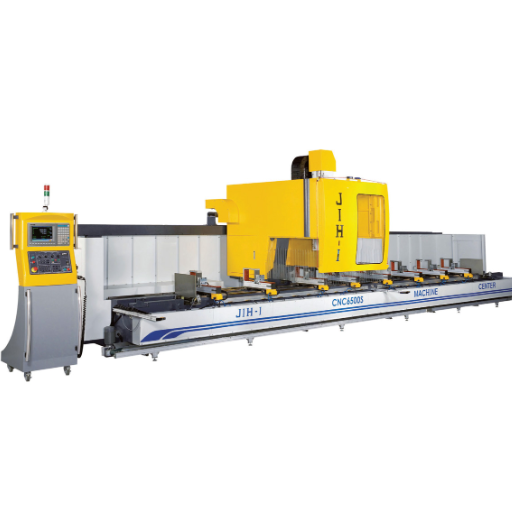
Industrial fabrication remains an important component phase into construction, into automobile manufacturing, into aerospace, and into consumer goods. Fundamentally, the process is one of taking raw metal and creating functional structures or products, often wrought with intricate designs, employing a variety of machinery and methodologies. Since every new condition of technological advancement presses upon metal fabrication to evolve, the metalmaker curious or seasoned from the past has always found a whole new avenue of tools and techniques awaiting him to tread. This article takes you into an exciting array of metal fabricating machineries and explores their various uses, streamlining processes, and trends contributing towards the future of metal working. So this should discharge some good ideas to precision if you really stand out with sheer power nowadays-a thing that’s truly worth some deliberation-across those who have already mastered the art and those aspiring to comprehend how modern-day engineering actually rolls.
Types of Metal Fabrication Machines
Laser Cutting and Its Applications
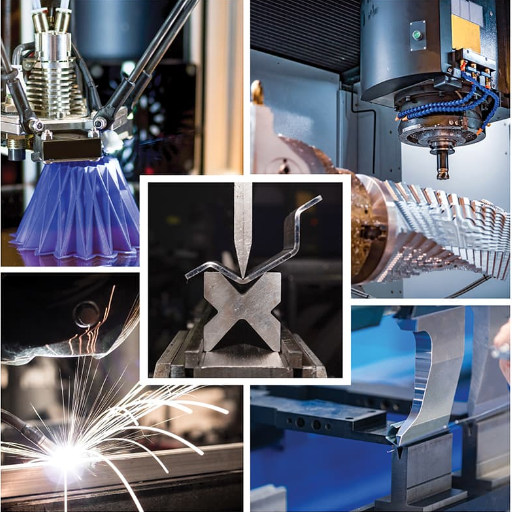
The laser cutting machines are basically laser-based machines, having laser cutting, engraving, marking, and many other uses across industries. The laser is directed to cut metals with efficiency, such as steel, aluminum, or titanium, keeping in view the accuracy of cutting. The applications of laser cutting range from automotive manufacturing, where components have to be very exact in dimensions, to jewelry with delicate designs where finer detailing is of utmost precision.
Signing, electronic components, and manufacturing of medical devices are other possibilities offered by the technology. Being a very swift process, laser cutting efficiently cuts down on wastage and shortens machining times; hence the tool continues to be one of the most sought-after in modern manufacturing. Now, with changing technology and newer interfaces, such as AI integration and automated processing, the possibilities and prospects of metalworking and fabrication sectors continue to be redefined by laser cutters.
Press Brake and Sheet Metal Brake Usage
Press brake and sheet metal brake usage are very vital factors in sheet metal fabrication. Such machines bend and shape metal to the exact dimensions required-with the highest precision and consistency. Manufacturing bends involves forcing the material into shape through the punch and dies. More than anything, the key advantage of a press brake is its versatility-it can work on a range of sheet thicknesses and create intricate shapes, as per the needs of industries.
According to fresh data from search engines, queries on “press brakes” and “sheet metal brake usage” denote a new interest in automated solutions and production lines of enhanced efficiencies. Many manufacturers are keen on CNC press brakes that attempt to increase the accuracy and repeatability of the process while diminishing operator-related errors. Besides these, others that earn popularity include servo-electric press brakes because of their green and environmentally friendly attributes.
Basically, in metal fabrication, the amalgamation of these press brake technologies and increasing automation is transforming. This combination enables industries to simplify workflows, reduce production costs, and achieve very higher levels of precision required for many present-day engineering and construction projects.
CNC Metalwork Machines
Through CNC machining, unprecedented production and accuracy, as well as speed and versatility, entered the metalworking sector. The machines run thanks to a pre-programmed software code that manages motion control, facilitating creation of complex parts with a minimum amount of human intervention. CNC machines such as cutting, drilling, milling, and turning give quality consistently in even mass production. For features that call for a separate turning or milling operation, custom CNC machining from Zhenling is a subcontract machining reference; define the finished dimensions and datums separately from sheet cutting and bending.
According to the latest tools of search data, one of the most asked questions is: “How do CNC machines benefit the modern metalworking industry?” The answer shall lie in the rapid reduction of production times with the maintenance of accuracy. CNC machines reduce wastages and cut down material cost. They offer rapid prototyping, and this essentially makes them more cost-effective and efficient. CNC-wise manufacturers can easily meet the ever-changing demands of customers. CNC technology continues to exemplify the automotive industry and aerospace parameter to the very forefront of modern manufacturing standards.
Applications of Metal Fabrication Machinery
Automotive and Fabrication Machines
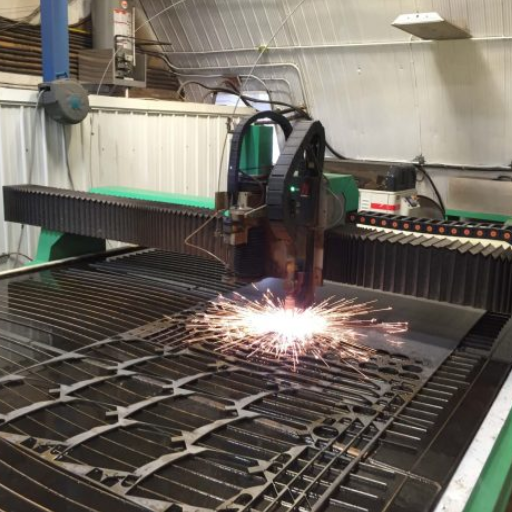
Fabrication machines are of prime importance for the automotive industry in speeding up the production of the most critical parts in a short time frame and also increasing the efficiency of automotive plants. These fabrication machines comprise CNC machines, laser cutters, and press brakes to manufacture automotive parts with very intricate designs. With the advent of automation and smart manufacturing systems, the use of fabrication machines has dramatically reduced manufacturing lead time without compromising on quality.
A growing interest can be noticed in recent times in making use of Industry 4.0 technologies such as AI and IoT to improve the usage of fabrication machines for automobile making. This trend is also in unison with the ever-growing demand of the automotive industry for lighter, more fuel-efficient, and sustainable vehicles with stringent safety and performance parameters.
The Aerospace Applications of Metalworking Equipments
They are metalworking types of machines, very important in the aerospace sector, where strength and precision must particularly coincide. The creation of extremely critical parts like turbine blades, airframe structures, and landing gears, which also have extreme performance requirements, involves the very best in fabrication procedures. Employing CNC machining and additive manufacturing methods yields lightweight and tough components.
Data available continuously show the growing interest in the use of materials like titanium and composite alloys basically because they can stand harsh conditions and can simultaneously reduce weight. This aligns well with current industry’s trend to take aircraft design towards sustainability and fuel efficiency.
Through their collaboration in dispersive metalworking techniques aided by Industry 4.0 tools, such as AI-driven monitoring and IoT-enabled machines, manufacturers will be able to meet the growing requirements of modern aerospace engineering simultaneously at higher precision and lower waste of material and energy.
Construction and Manufacturing: Metalwork Machinery at Work
The metalwork machine has become an enormous concern in the world of construction and manufacturing industries, as these metalwork machines can produce the various grades and types of parts: durable ones, precise ones, and high-type standard high-quality parts. More type of machines included CNC mills, welding, and laser cutting machines, which are all really just fancy words for saying that the metalworking process has been eased, and hence the efficiency level has been increased.
From research data of Alphabet Inc., it appears that industries are looking much into how intelligent machinery can be integrated into their processes, precisely because searches rank higher relating to automation and intelligent metalworking technology. This would, of course, be in order to reduce labor cost and increase accuracy and also to meet new design complexities. This means all the more that innovation in metalworking machinery would be of utmost importance if the two industries are to go on thriving together.
Choosing the Right Machine for Your Fabrication Needs
Factors to Consider: Material Type and Production Scale
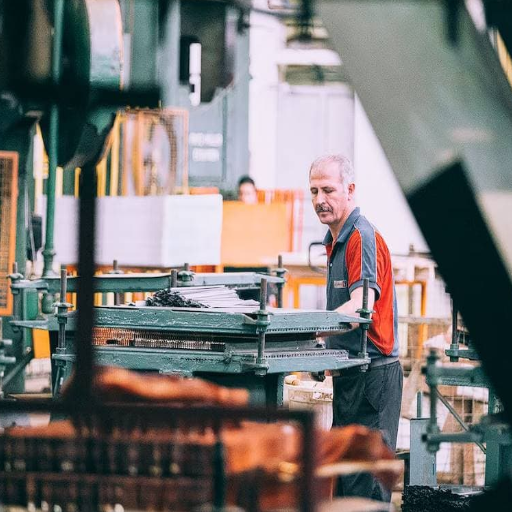
It is important to ensure that your metalworking machinery is well-suited to the materials that will be worked on during the processes and, secondly, to the scale of production that the operational environment demands. Different machines are suitable for different materials; aluminum, for example, being softer may require less force and precision than stainless steel. Small-scale production will need very versatile equipment that allows multi-operations; in comparison, a larger scale of production requires very specialized, high-capacity machine types.
Trends: According to the latest search trends, businesses are increasingly searching for CNC machines and automated cutting tools for different materials and that handle both small-batch and large-scale productions, thereby showing the very strong interest in the flexible, smart system that does not compromise time with necessity for precision. Thus, when paired with a machine suited for the application of specific materials and production needs, creators can expect to give maximum performance and cost-effectiveness in today’s fabrication environment.
Precision Requirements in Metal Fabrication
Precision in metal fabrication can ensure final products of top quality with stringent specifications required by sectors like aerospace, automotive, and construction. According to the latest search data, considerations of users for metal fabrication processes include how to maintain tight tolerances and consistency. This is in part through the use of technologies such as CNC machining, laser cutting, and automated inspection.
Tolerance limits as thin as +/- 0.001 inches can be obtained with the use of modern systems that are computer-controlled to ensure every part meets specification. Real-time monitoring offers adjustments through analysis of data that increases and enhance accuracy and limits errors further. Through the combination of high tech production equipment with skilled artisans, manufacturers will not only meet but exceed these precision standards to address the rising demand of the present market.
Budget Constraint and Investment in Quality Metal Machinery
The investment in a quality metal machinery is always a challenge for the manufacturers on tight budgets, yet it is a balance worth achieving, for they are going to be successful in the long run. From the recent insights emanating from search engines, businesses that opt for quality machinery witness greater operational efficiency and lower maintenance costs over time.
They may require higher initial capital injection in the advanced equipment that is durable and provides consistency and precision, which helps to promote customer satisfaction and eventual repeat business. The use of financing schemes and government grants for manufacturing upgrades will go very far in keeping businesses afloat while remaining true to excellence.
Advancements in Metal Fabrication Technology
Automation and Impact on Fabrication Processes
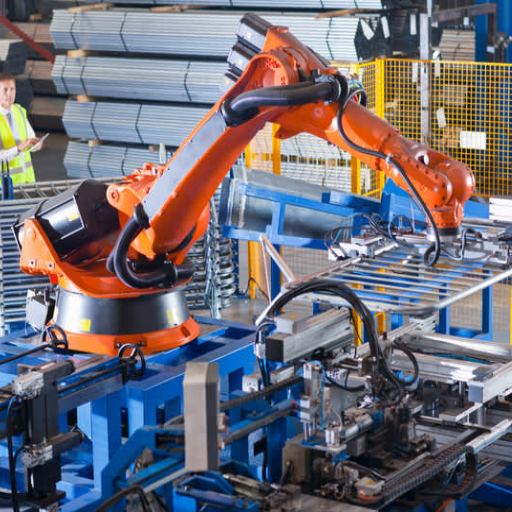
Automation has utterly revolutionized metal fabrication, cutting across all manners of efficiency gains and productivity and precision. This led to the evolution of robotic systems and CNC machine tools, coupled with AI-guided methods, streamlining fabrication, reducing human errors, therefore mathematically reducing wastage. According to the latest data, production speed can be maximized by about 30% when automated systems are used, maintaining the consistency of quality to serve the ever-growing demand for quality goods in competitive markets.
The efficiency brought by automation is that manufacturers enjoy increased flexibility so that things in design or production volume can be swiftly adjusted to accommodate market changes. According to search data, businesses applying state-of-the-art automation report better customer satisfaction due to shorter lead times and more options for customization. As a result, automation is shaping fabrication while fostering innovation with more profitability and scalability in the industry.
Metalworking Machinery Integration with AI
Innovation in AI-based metal machining presupposes operations to be carried out with more refinement and precision at every stage of production. Manufactures have, with the help of predictive analytics and machine learning algorithms, been able to pinpoint inefficiencies, minimize wastage, and enhance workflow processes. A common quagmire faced by all is: How does AI influence the metalworking industry on a grander scale?
In the newest information retrieved from AI-powered search engines, there is the suggestion that AI integration with metalworking has the potentials of causing maximum improvement in productivity and cost-effectiveness. To be very specific, in predictive maintenance, AI can predict the failure of the equipment before such failure actually occurs, thus minimizing downtime and repair cost.
What the AI-enhanced quality control systems do to reduce variation and make products consistent with very stringent compliance requirements is one of the things that lift operational obstructions-I mean, that allow high-level customization and that move with shifting customer expectations, so to say. Conversion to AI truly sets another watershed moment for innovation and competition in the industry.
Sustainable Solutions for Metal Fabricators
Sustainability becomes now a topic of discussion for metal fabrication with the companies attempting to keep the environment intact while still ensuring smooth operational prowess. Innovations across the board in green materials, recycling options, or energy-efficiency keep moving the cause of sustainability. By embracing energy conservation technology and smart systems to optimize power consumption, these new-age metalworking machineries are much more energy efficient. Making use of recycled metal would reduce demand for raw materials and minimize waste generation during manufacture.
One giant trend gets into energy production from renewable sources, maybe solar or wind, to prevent the burning of fossil fuels and assist in achieving high carbon neutrality targets agitated by several regulatory bodies. Water conservation today seems to be a continuous affair with this closed-loop water system design having caused water losses to be checked and the efficiency of the majority of the facilities undertaking water conservation enhanced.
In addition, such prevalent measures are clear testimony of the industry’s commitment to green practices for improving their compliance with ever-changing environmental standards, while also tending to increasing social and corporate policing demands. The coming in of these sustainable ways has laid a green path for metal fabrication, other than thereby proving that environmental consciousness can still go hand in hand with economic development.
Maintaining and Optimizing Metal Fabrication Machines
Inspection Routines for Longevity
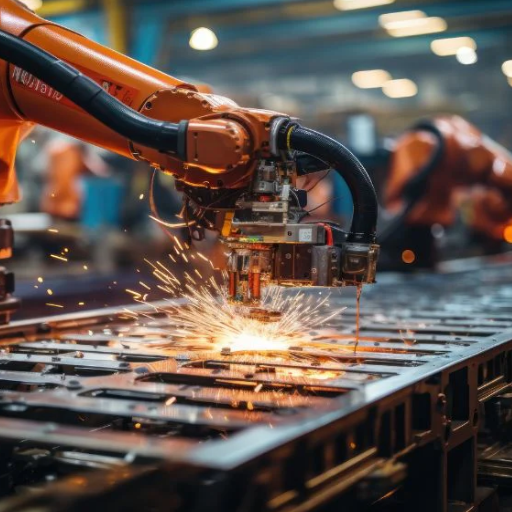
The primary stage that manufacturers rely on to make inspection and preventive maintenance checks is the longevity of the equipment- a metal fabrication machine-and its efficiency of functioning. If checked for the wear or aging of parts, possible misalignment, lubrication, or other mechanical gremlins on a periodic basis, preventive maintenance might be scheduled, avoiding the costly breakdowns of equipment, thus making it last longer. Search trends these days suggest that there is growing concern regarding the care of machinery, as manufacturers are now more than ever looking out for preventive maintenance regimes.
Basically, the routine inspections go into extending the life cycle by minimizing down time and thus maintaining effective operation and lessening costly repairs. Say, from fixing small symptoms before they turn into much larger and more expensive problems, production capacity is increased, and the workforce is encouraged and safe, thus ensuring smooth working, which is going to support long-term achievements.
Teaching Operators for Efficiency
In industrial settings, having good training in place for machine operators is a real determinant of operational efficiency and safety. Latest research reveals that trained operators usually increase the performance of machinery and human errors still constitute a leading cause of workplace accidents.
Such programs will train the operators to understand the complex working of machinery, early detection of faults, and maintenance practices. This combined with the best use of technology and real-time data optimizes worker operational practices for productivity and for achieving longer life spans for their machines.
Premium Consumables for the Best Performance
It is necessary to invest in the best consumables for machines to operate efficiently and reliably. Good consumables, meaning through lubricants, filters, and abrasives, are meant to resist harsh working environments and help in reducing the wear and tear on the equipment. According to recent search data, companies will have significant reductions in downtime maintenance costs if they rank high on consumables.
Due to the robustness and proper application of such consumables to areas of machinery, these consumables enhance the performance of the machinery and work against sudden breakdowns, which assist in equating safer working environments for all. By combining quality consumables with appropriate maintenance, companies ensure continued operational excellence and pay less in the long term.
Frequently Asked Questions
What type of machines are used in metal fabrication work?
The metal fabrication industry comprises different machines, each designed for different tasks. The common ones include shearing machines, bending machines, and cutting machines. Whereas motors perform cutting operations to cut sheet metals out of raw sheets, shearing processes are carried out to cut sheets into desired sizes and bending machines to form them into the desired shapes. Good hydraulic shears will cut through very thick sheets of metal, while a good bending machine will have such precision. So, before you even begin operating a metal shop, it is required to understand how versatile these machines can be in producing quality metal products.
How are sheet metal brakes operated in metal fabrication?
The imparting of bends in sheet metal is very much common in sheet-metal working. The sheet-metal brake is very much necessary for this purpose. It holds the sheet metal and then uses force to bend it through the required angle. Other configurations such as the box and pan brake may be employed for different bending requirements-Crucial for fabrication work at accurate angles, more so, for smaller fabrication shops. The end product produced’s accuracy and life will, therefore, hinge in large measure on the brake’s quality, which makes it one of the most important tools for a fabricator.
What is the purpose of cutting machines in metal work?
The cutting her machines are therefore very important in metal work since the cutting is very clean and precise through metal sheets and other materials. They are also used to cut through different thicknesses and types of metal materials like mild steel or aluminum. They work by shearing operation wherein two blades pass each other to shear the material. Heavy-duty machines will shear thick gauges and hence will become so important to any metal fabrication shop. The faster the shearing machine runs, the faster would bulk quantities of metal parts be produced by expert fabricators.
What in fact are used as metal-working fabrication tools?
Fabrication tools are any tools employed in metalworking: anything from simple hand tools to the most functional machines. Some common fabrication tools consist of drill presses, welding machines, machinery, and CNC plasma cutters. One tool drills holes; another welds to join metal pieces; yet another plasma cuts intricate designs into sheet metal. Choice of tools and equipment depends mainly on the type of project and materials used. These are used for fast fabrication of quality works in a fully equipped metalworking shop.
How do metal fabrication machines produce efficiency in production?
Metal fabrication machines create efficiency by saving production time. They create efficiency by automating time-consuming manual operations that would drain time and drudgery. Among some of the more advanced machines include the fiber laser and CNC plasma cutter that produce parts of much complexity and very fast with high accuracy and precision. This conversion and further increase in output factors enable fabricators to strictly stick to deadlines. Some of these will also be versatile machines like the 3-in-1 machine that can perform more than one operation to speed up production even more. Investing in metal fabrication machines of quality is a sure way to improve operation efficiency and cut down on costs.
Reference Sources
- University of North Carolina Asheville – STEAM Studio: Provides detailed information on various metal fabrication machines, including horizontal metal band saws, laser cutters, manual lathes, and milling machines.
- University of North Carolina Charlotte – Sheet Metal Fabrication Tools: Discusses specific tools like the Tennsmith N16‑18 sheet metal cutter, designed for light-duty tasks, and other fabrication equipment.
- Lawrence Berkeley National Laboratory – Molecular Foundry Machine Shop: Highlights services and equipment for sheet metal fabrication, including part fabrication, CAD modeling, and in-house equipment modification.