Aluminum welding is a porte de la skil that’s not only but also a way to show one’s creativity, inventiveness and get money as a result. No matter if you are an experienced welder or a novice, the malleability of aluminum will permit you to do many renovations not only for your own use but also as a source of steady income from your hobby. The present guide will take you through the process of learning the art of aluminum welding, supplying you practical project ideas, hints for aluminum working and methods to sell your creations. If you have ever dreamt of making something new while being paid for doing what you like, then you are in the right place.
Understanding Aluminum Welding
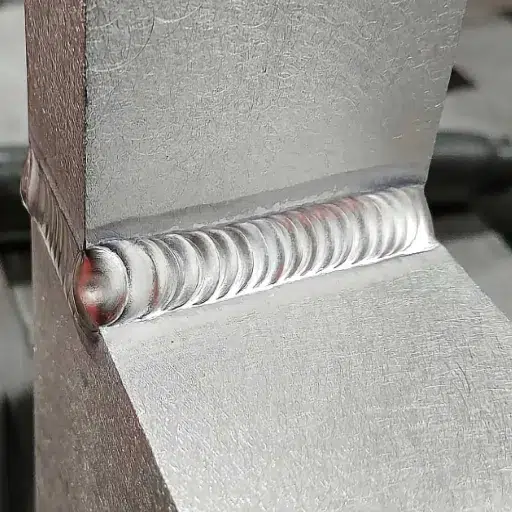
Various Types of Aluminum Welding Techniques
Aluminum welding encompasses different techniques that vary depending on the project requirements and skill level. Understanding these methods is essential for selecting the right approach for your specific application.
Tungsten Inert Gas (TIG) Welding
Among the many names of Gas Tungsten Arc Welding (GTAW), the process is synonymous with extreme precision and, hence, it is the best choice for the application of welding thin aluminum sheets. Basically, it operates with a non-consumable tungsten electrode and skillful heat and speed management are required. The TIG welding technique exceptionally clean, high-quality welds that are, consequently, ideal for detailed work.
Best For: Thin materials, precision work, aesthetic welds, artistic projects
Metal Inert Gas (MIG) Welding
This method, commonly known as Gas Metal Arc Welding (GMAW), is suitable to weld thicker aluminum parts. The speed of MIG welding is greater than that of TIG and it usually is the coice for large companies in regard to the process efficiency. The always feeding wire allows the method to be very powerful to weld thick metals with permanent and uniform strength of welding.
Best For: Thick materials, large-scale projects, production work, beginner-friendly applications
Plasma Arc Welding (PAW)
Similar to TIG but featuring a more concentrated arc, this method allows for superior control in delicate aluminum welding. This procedure is perfect for achieving detailed and top-quality results in specialized applications.
Best For: Specialized applications, intricate details, professional-grade projects
Welding method selection depends on several factors, including material thickness, precision requirements, and project complexity. Recent search trends indicate growing interest in MIG welding due to its user-friendly nature and increasingly accessible technology for both hobbyists and professionals.
Benefits of Aluminum Welding
The remarkable properties of aluminum make welding it a prominent practice in different industries. This metal, which is as light as a feather, has the quality of being corrosion resistant and is incredibly strong at the same time thus making it the best option for the aerospace, automotive, and construction industries. With the help of welding, aluminum not only produces joints that are strong but also maintains the same strength as the base material, which is very important for stressed components and critical parts.
Additionally, using modern welding techniques like MIG and TIG, high-quality welding and efficient workflow become possible. Recent search data indicates that the rise in aluminum welding has been due to the fact that it is energy-efficient and has so many eco-friendly advantages. Aluminum can be completely recycled without losing its quality, and welding is a way that supports sustainable practices by allowing repairs thus lessening waste generation. These advantages will attract both the professionals and the amateurs who want to work on projects that are both environmentally friendly and cost-effective.
Common Issues When Welding Aluminum
The primary problems encountered in welding are the low melting point and high thermal conductivity of aluminum, among others, they will still have to be eliminated in order to get rid of such defects as warping, burning through, etc., and this would also necessitate very precise control of heat. In addition, the melting point of the oxide layer which is formed on the surface of the aluminum is significantly higher than that of the aluminum itself. If care is not taken, this oxide layer will be the cause of poor-quality welds and inconsistencies.
Porosity is another big problem, as it is due to gases being trapped in the weld and thus weakening the joint. The most frequent reasons for this to happen are the use of different materials, the wrong selection of shielding gas, or even drafts around the welding area. The only thing that beginners have to fight against is keeping the areas to be welded clean and the selection of equipment, i.e., correct filler material or technique (TIG vs. MIG welding) for a specific project.
Common Problems and Solutions:
| Heat Control Issues: | Use proper clamping techniques and heat sinks to distribute heat evenly |
| Oxide Layer Formation: | Clean aluminum thoroughly before welding using appropriate methods |
| Porosity Problems: | Select correct shielding gas and eliminate drafts in the work area |
| Wire Feeding Difficulties: | Use spool gun or push-pull system for consistent wire delivery |
| Warping During Welding: | Set correct amperage and travel speed parameters for aluminum |
The latest data from search engines shows that the users are looking for solution to these problems more and more, and they are especially interested in methods for cleaner welds and ways of heat control. The searches for “how to clean aluminum before welding” and “best welding practices to prevent porosity” have significantly increased, which is a sign of practical instruction demand. The solving of these issues with proper preparation and training makes aluminum welding a promising field for successful projects.
Essential Tools for Aluminum Welding Projects
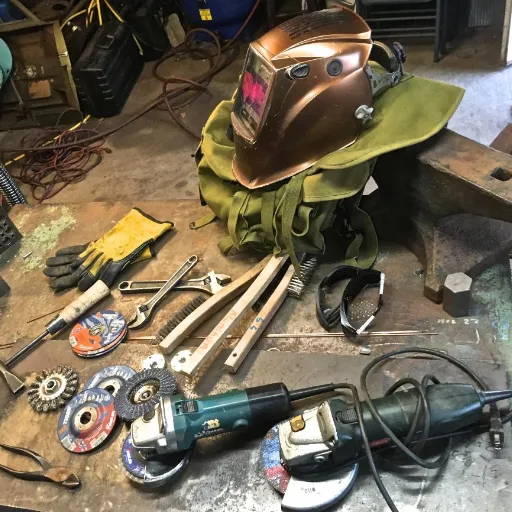
MIG and TIG Welding Equipment Overview
MIG and TIG welding represent two aluminum welding methods, each possessing unique characteristics suited to specific applications and skill levels. Based on popular search queries, leading questions revolve around “Which is better for aluminum welding MIG or TIG?” and “What equipment do I need to start MIG or TIG welding?
MIG Welding Equipment Requirements:
- MIG Welding Machine: Core equipment capable of handling aluminum specifications
- Wire Feeder: Delivers continuous electrode wire to the weld pool
- Shielding Gas Cylinder: Usually filled with argon or argon-helium blend for aluminum applications
- Spool Gun or Push-Pull System: Facilitates smooth wire feeding for soft aluminum wire
- Appropriate Nozzles and Tips: Sized correctly for aluminum welding wire
MIG welding is often favored for its speed and simplicity, making it popular among beginner welders and in high-production environments. The continuous wire feed makes this method highly effective for welding thick materials, ensuring strong and consistent welds.
TIG Welding Equipment Requirements:
- TIG Welding Machine: AC/DC capable unit with precise amperage control
- Tungsten Electrodes: Non-consumable electrodes properly sized for your application
- Filler Rods: Aluminum-specific rods matched to base metal composition
- Gas Shielding System: Usually pure argon for optimal aluminum welding results
- Foot Pedal or Fingertip Control: Enables precise heat adjustment during welding
- Gas Lens and Collet Body: Improves gas coverage and electrode stability
TIG welding is a process that requires skilled and patient hands but produces beautiful and high-quality welds. Great hand-eye coordination is needed since the operator has full control of both the heat and the filler rod at the same time. There is a clear trend towards quality in welding that is reflected in the search for”best argon gas mix for TIG welding aluminum.” The ultimate decision regarding processes and tools for welding is affected by the specifications of the project, the thickness of the material, and the knowledge of the welder. Knowing the fundamentals of each technique is still the main point of getting clean, professional results.
Choosing the Perfect Welding Cart
When selecting a welding cart, factors including mobility, storage capacity, and durability must be considered. Recent search data confirms this, with main questions like “best welding cart for home use” and “how to organize a welding cart” indicating steady demand for versatile and space-saving designs.
Essential Welding Cart Features:
- Sturdy Wheels with Brakes: Allow easy movement while providing complete stability during operations
- Multiple Storage Compartments: Drawers or shelves for organizing tools, safety equipment, and consumables
- Durable Construction: Strong materials capable of bearing welder weight, gas cylinders, and accessories
- Compact Design: Space-efficient footprint suitable for home workshops or small work areas
- Cable Management: Hooks or clips for organized wire and hose storage
- Ergonomic Handle: Comfortable grip for easy maneuvering around the workspace
- Adjustable Features: Customizable shelving or work surfaces to meet specific needs
The ideal welding cart has to come with a solid wheel base for smooth mobility, a place for the tool storage, and the use of durable materials that can hold the weights of the welders, gas tanks, and different accessories. The small carts with the ability to be adjusted to different heights are very beneficial in home or workshop setups because they maximize the use of the limited space and provide easy access to the tools that are frequently used. When you select your cart according to your welding requirements and work surroundings, you will be able to increase the efficiency and throughput tremendously.
Protective Gear and Safety Best Practices
Safety must be the top priority when welding, serving as the only barrier between you and potential hazards like burns, eye damage, and inhalation of toxic fumes. The following key points, along with the latest insights and industry data, represent essential safety equipment and best practices requiring observation:
Critical Safety Practices:
- Adequate Ventilation: Ensure proper airflow or use fume extraction systems to avoid exposure to harmful gases and particles released during welding
- Electrical Safety: Verify proper equipment grounding and maintain dry working conditions
- Fire Prevention: Keep fire extinguishers or sand-filled buckets nearby for accidental fire response
- Work Area Organization: Maintain clean, clutter-free workspace to prevent accidents and improve efficiency
- Equipment Inspection: Regularly check all equipment for damage or wear before use
- Training and Certification: Stay current with safety standards and regulations through ongoing education
By applying these safety precautions and wearing high-quality protective gear, you minimize risks while ensuring a safer and more productive welding environment. Staying aware of constantly changing safety standards and regulations provides a comprehensive approach to workplace protection.
Popular Aluminum Welding Projects
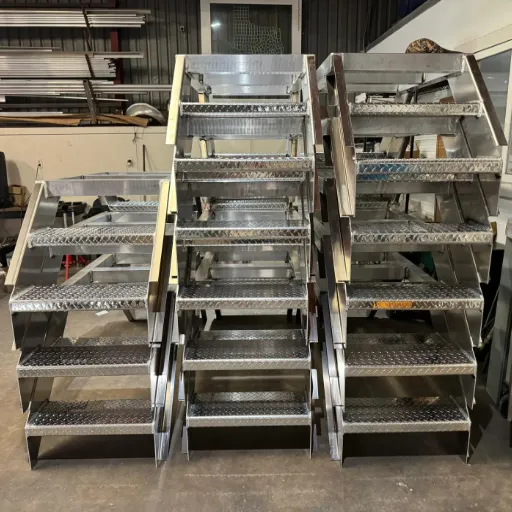
Building a DIY Welding Cart
Creating a DIY welding cart represents an impactful and encouraging project that organizes and mobilizes your working area. Latest research data indicates that the most sought-after welding cart attributes include durability, multiple storage levels, and easy mobility.
Step-by-Step DIY Welding Cart Construction:
- Design and Planning: Sketch your cart dimensions based on available space and equipment size. Consider height, width, and depth to accommodate your welder and accessories.
- Frame Construction: Build a sturdy frame using steel or aluminum tubing that supports welder weight and related equipment. Ensure square corners and level surfaces.
- Add Storage Compartments: Incorporate shelves, drawers, or compartments for organizing tools, safety equipment, and consumables. Plan accessibility for frequently used items.
- Install Casters: Attach heavy-duty casters with brakes for mobility and stability. Position at least two braking wheels for secure positioning.
- Cable Management: Add hooks, clips, or holders for organized wire and hose storage. Consider retractable systems for cleaner workspace.
- Ergonomic Handle: Attach a comfortable handle for easy maneuvering around the workspace. Position at appropriate height for pushing or pulling.
- Finishing Touches: Apply protective coating to prevent rust and add any custom features specific to your workflow needs.
By incorporating these beloved attributes, your custom cart design can meet exact requirements while providing personalized efficiency. This project serves dual purposes: developing welding skills while creating a practical tool that enhances workspace organization.
Functional Aluminum Fabrication Projects
Aluminum has come to be known through the years as the number one among fabrication materials and its position will not change easily, since its main properties are: low weight, high strength and high resistance to corrosion. Due to proper design techniques being applied, aluminum can be made into products that are not only highly functional but also long lasting. The various industries have made aluminum their first choice and these industries include automotive, aerospace, construction as well as consumer goods thereby giving proof for its versatility along with its excellent strength-to-weight ratio.
One common question that pops up often during discussions is “What characteristics of aluminum make it the most suitable for customizations?” The most important reason is the material’s outstanding machinability, which permits making very delicate shapes and designs without weakening the workpiece. Besides that, aluminum is a metal that can be recycled almost completely, thus being environmental friendly as the ‘green’ factor keeps getting more important in the society. Whether, aluminum in the form of architectural panels, tools or fixtures is used still; it is non-demanding as far as the consumption of power and efficiency is concerned thereby making it suitable for innovation-focused fabrication projects.
Innovative Ideas for Practice Projects
When considering aluminum for innovative practice projects, the best approach combines imagination with practicality. These projects allow skill development while creating useful or marketable items.
Modular Shelving Units
Creating modular shelving units from precision-cut aluminum panels represents an excellent project idea. These units are lightweight, strong, and adaptable to different-sized spaces, making them highly practical for home or commercial applications.
Market Potential: High demand for customizable storage solutions in small apartments and modern offices
Solar Panel Frames
Designing frames for solar panels represents a fabulous and creative concept. Due to aluminum’s strength-to-weight ratio, installation and transportation of solar cells becomes manageable. For outdoor applications, aluminum’s excellent corrosion resistance ensures longer lifespan and minimal maintenance.
Market Potential: Growing renewable energy sector with increasing solar installation demand
Drone and Robotics Chassis
For tech enthusiasts, making a drone or robotics project chassis can be quite fun and satisfying. The material’s excellent machinability creates possibilities for designing units that are lightweight yet very strong, ideal for flight or movement applications.
Market Potential: Expanding hobbyist market and educational robotics programs
Upcycled Aluminum Furniture
Creating aluminum furniture or nonfunctional art pieces attracts eco-minded creators. This trend emphasizes the necessity of incorporating recyclable materials in design, aligning with increasing consumption preferences for sustainable products.
Market Potential: Strong appeal to environmentally conscious consumers and interior designers
According to latest search engine data, there’s a growing tendency for people to be interested in DIY and upcycling projects that are environmentally friendly. Whether creating innovation, pursuing sustainability, or developing technical skills, these projects are not only practical but also widely regarded as the best ways to explore aluminum’s full potential.
Turning Aluminum Welding into a Profitable Venture
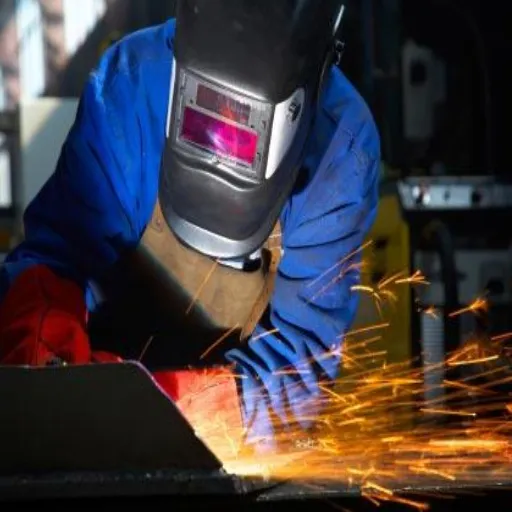
Discovering Profitable Aluminum Welding Projects
The initial phase in the identification of lucrative aluminum welding projects entails taking into account the ongoing trends and knowing the consumers’ needs. Recent data-driven search trends reveal a steep demand upturn for aluminum-based products such as lightweight outdoor furniture, custom auto parts, and recycled aluminum home décor.
Aluminum furniture is on its way to be a trendy choice because it is not only robust and weatherproof but also draws people in with its modern style. The fast-increasing electric vehicles (EV) market opens up a vast area for the hiring of custom aluminum parts as the manufacturers and the users are gradually acknowledging aluminum’s strength and lightness as the most important factors. Uniqueness is essential to the market of artists who create custom signs or architectural features; thus, these markets are also similar to the automotive ones. By utilizing search insights and focusing on these areas, welders can tap into lucrative avenues that cater to both eco-conscious and design-centric customers.
High-Demand Product Categories:
- Outdoor Furniture: Weather-resistant tables, chairs, benches, and lounge sets with modern designs
- Custom Automotive Components: Performance brackets, panels, roll cages, and modification parts
- Architectural Elements: Custom railings, gates, window frames, and decorative panels
- Home Décor Items: Wall art, sculptures, mirrors, and unique accent pieces
- Custom Signage: Business signs, house numbers, and decorative lettering
- Garden Accessories: Trellises, planters, arbors, and outdoor structures
- Industrial Solutions: Custom racks, work tables, and specialized equipment
Strategies for Selling Aluminum Creations
Successfully marketing aluminum creations requires strategic approaches that align with consumer preferences and current market trends. The following strategies, based on recent search data and market insights, will help you effectively reach your target audience:
1. Focus on Durability and Sustainability
The environmental footprint of products is one of the main issues that customers take into account. In order to win over the green-minded buyers, it is suggested to not only speak of the negative environmental impact but also to promote the recyclability and durability of aluminum. This aspect is highly attractive for the present market and will set your goods apart from those of your competitors.
2. Leverage Visual Content
Based on search data, it appears that there is a growing interest in attractive product presentations. Capture the beauty of your aluminum creations with high-quality photographs and videos that highlight the polished finishes and fine details. The two platforms Instagram and Pinterest are capable of offering this kind of content huge visibility in a very efficient way. Think about making time-lapse movies of your welding process for audience engagement.
3. Offer Customization Options
Indicating your capability to manufacture custom pieces speaks in favor of attracting clients seeking unique and personalized designs. Keywords referring to “personalized aluminum gifts” or “custom metal designs” are very popular now, so incorporate them in your SEO strategy and product descriptions. Customization commands premium pricing and builds customer loyalty.
4. Showcase Your Process
The phrase “how aluminum products are made” has been a major driver of searches lately. Think the same way about your production process and create content like blogs or videos. This openness not only establishes trust and curiosity around your skill but also crowns you as an authority. Inside-the-factory content brings your business closer to the clients and makes them feel emotionally linked to you.
5. Optimize Local Search Visibility
Online inquiries about welders nearby or custom metalwork in stated locations are very common in search data. Your business needs a profile on Google My Business and should use local keywords in website content so potential customers can locate you easily. Local optimization often yields higher conversion rates than broad national marketing.
By matching your marketing strategy to these search-based trends, you’ll be able to reach and engage your target audience more efficiently while remaining competitive in the changing market.
Utilizing Online Platforms to Generate Income
To generate income effectively, one of the best approaches is utilizing online platforms while aligning your product range with latest consumer search trends. Current search data shows considerable rises in interest about freelancing, remote work opportunities, and e-commerce solutions. This indicates that customers and businesses are actively seeking ways to transition into the digital era.
A favorable reaction to this demand includes moving activities to the likes of Fiverr and Upwork for the provision of freelance welding services or to Etsy and Shopify for the sale of handmade products. An e-commerce store is regarded as a powerful online presence that can raise the potential market with its corresponding revenue streams thousands of times. Thus it is possible to come up with profit-making strategies that are not only directed by the market but also through search engine trends that have revealed specific needs.
Improving Your Aluminum Welding Skills

Practice Techniques for Beginners
The first step in improving aluminum welding skills involves completely mastering the basics. For those just starting, practicing bead-on-plate techniques is very important for gaining control of the weld pool and learning proper heat distribution.
Essential Practice Techniques:
- Bead-on-Plate Exercises: Practice running consistent beads on flat aluminum plates to develop steady hand control and proper travel speed
- Heat Management: Learn to recognize proper puddle appearance and adjust amperage to prevent warping or burn-through
- Proper Clamping Techniques: Use appropriate fixtures and clamps to prevent aluminum from warping during the welding process
- Heat Sink Application: Employ copper backing bars or heat sinks to spread heat throughout the workpiece
- Correct Parameter Settings: Set amperage and travel speed appropriately for aluminum thickness and type
- Wire Feeding Mastery: Use spool guns or push-pull systems to greatly ease wire feeding, a common problem for beginners
Recent search data shows that a lot of new welders are interested in finding out how to prevent aluminum warping while welding. To solve the problem and to give the best results, the focus must be on the right clamping techniques and the application of heat sinks that will make heat distribute all over the workpiece. Continuous practice of these basic techniques will bring huge changes in the confidence of the welder and open the doors to the more advanced welding techniques.
Resources for Learning Advanced Welding Techniques
When you want to move your welding skills beyond basics, many reliable resources and tools are available. These educational platforms provide comprehensive instruction for advancing from intermediate to expert-level aluminum welding.
Recommended Learning Resources:
- American Welding Society (AWS): Offers in-depth guides, certification programs, and access to industry research essential for advanced welders
- YouTube Channels: WeldTube and Welding Tips & Tricks provide comprehensive video tutorials explaining techniques like TIG welding, pulse welding, and troubleshooting material issues
- Trade Schools and Community Colleges: Conduct classes with practical sessions supervised by experts, helping to sharpen skills through hands-on learning
- Professional Welding Forums: WeldingWeb and similar communities act as platforms for sharing ideas and getting advice from experienced welders worldwide
- Manufacturer Training Programs: Equipment manufacturers like Miller and Lincoln Electric offer specialized training for their equipment
- Online Course Platforms: Udemy, Coursera, and specialized welding education sites provide structured learning paths
By using these plentiful resources along with regular practice and exploration, you will not only master your craft but also be first to know of latest developments in welding technology. Continuous learning ensures you remain competitive and capable of tackling increasingly complex projects.
Community and Online Forums for Welders
Virtual communities and forums have become indispensable tools for knowledge transfer among welders, from novices to experts. These communication barriers that have always existed in the industry are being broken down, thanks to online platforms where thousands of professionals interact daily.
Popular Welding Communities:
- WeldingWeb: Comprehensive forums covering all welding processes, equipment discussions, and project showcases
- American Welding Society (AWS) Forum: Professional-grade discussions, certification guidance, and industry standards
- Facebook Groups: Various specialized welding groups for different skill levels and welding types
- Reddit r/Welding: Active community supporting instant communication, troubleshooting help, and project feedback
- Welding Forums UK/Australia: Region-specific communities addressing local regulations and suppliers
- LinkedIn Professional Groups: Industry networking, job opportunities, and business development
Recent statistics indicate that the growing number of welders searching for places online where they are referred to and/or the places claiming to be the best online welding communities is pointing towards the fact that the welding profession is changing its character digitally and thus getting tutorial, help with imperfections and guidance in the careers more easily than before. Not only will these communities solve technical problems but also create friendships among the technicians because of the ideas they share and the issue of welding process being their passion. By participating in the forum communities, the welders not only keep pace with the industry developments but also get continuous opportunities for skill improvement.
Frequently Asked Questions (FAQ)
What are some beginner aluminum welding projects I can start with?
If you happen to start off with welding aluminum, one of the simplest projects that can be recommended is a welding cart or toolbox. These projects will not demand more than basic welding abilities, nevertheless, they will give you the opportunity to try out different methods, for instance, making uniformly thick beads. Another activity could be yard art or decorative items which would be a good mixture of skill development and creativity. Once your confidence grows, you can challenge yourself with more difficult projects such as making a handrail or building a storage area. Keep in mind that being patient and practicing are the main two factors in mastering aluminum welding.
How can I make money from my aluminum welding projects?
There are several methods with which a hobby can be turned into a source of income, and one of the most popular is making items that people want. You can make fire pits, racks, and custom furniture, which all are very nice and safe projects to sell. Selling through the internet, jewelry or local arts and crafts fairs are other possible ways of selling your products. The price you can demand is determined by the quality of your product, and hence you should always be vigilant about the quality of your products. Letting the world know about your artworks is going to be the most effective way to get the customers who are looking for something special, beautiful, and handmade. Besides, do not forget to make the most of your sketches and more to be noticed in a market that is already filled with companies.
What tools do I need for MIG welding aluminum projects?
If you plan to do MIG welding on aluminum successfully, you will require a MIG welder which may be of Miller or Lincoln brands. A gas flow regulator is necessary for proper control of shielding gas, while a foot pedal control may give you better control over the welding process. Also, you will need consumables like nozzles and filler rods which are especially made for aluminum. A plasma cutter can be a handy tool for your material preparation so that you can have clean edges and consequently better welds. Last but not least, protective gear is an absolute necessity for your safety during operation.
Can I use a plasma cutter for aluminum welding projects?
Definitely, a plasma cutter could turn out to be an ideal device for aluminum welding operations. One of the advantages would be the very accurate cutting of aluminum sheets which saves a lot of time and prevents wastage when thin sections of aluminum are prepared. But still, it should be stated that plasma cutting is just one part of the work; at that point, you need to weld the pieces together. Applying the plasma cutter would provide great help in cutting down the time required and in having clean cuts. Just make it a point that before cutting, you should practice your cutting skills to be in a position to deliver the best results.
What makes aluminum welding different from welding stainless steel?
In the first place, differences in material properties are responsible for the distinction between aluminum welding and stainless steel welding. Therefore, one cannot simply switch from one to another in welding; it requires a complete setup of welding equipment with different parameters taking into account the lower melting point and more significant heat conductivity of aluminum. Hence, you will need filler metal suitable for aluminum whereas stainless will require different consumables. Acquiring this knowledge is key in striving for strong, quality welds, especially if you are contemplating such projects as marine repair or art installation.
Conclusion
Aluminum welding is not only a technical skill but also a form of artistic expression, a way of solving problems practically and an opportunity to make money. The extensive guide has led us through the techniques like TIG, MIG and so on, gave us a view of the tools and safety gear we need, and even showed us a long list of project possibilities that can be as easy as practice pieces or as big and profitable as commercial products. The metal’s unique properties along with its lightness, resistance to corrosion and recycling make it a material of choice for both the amateur and the skilled trader who want to go for a strong, nature-friendly project. The opportunity to develop your skills through denim welding is not limited to creating a custom welding cart for your workshop, outdoor furniture for your customers, or artistic products that reveal your skill—your products can be endless. The increase in demand for custom aluminum parts—such as car and building elements—means that those who master the techniques and know the market might make a good living out of this craft. You can turn welding aluminum from a pastime into a profitable business by using the internet, making a nice visual portfolio, being eco-friendly, and always learning by practicing and being in the community. A good technician may not necessarily succeed in this field, whereas persistence, creativity and quality workmanship would certainly lead to success. Thus, when you start your aluminum welding journey, first go for easy projects, take safety measures at all times, ask for help from seasoned welders in the online communities, and keep learning. If you have the combination of technical skills, creative vision and an entrepreneurial mindset, you can to create a career or a side business that is really rewarding and at the same time allows you to do what you love—making beautiful, functional and valuable aluminum creations that meet the needs of the market.
Reference Sources
-
MIT Project Manus – Fabrication Focus: Aluminum MIG Welding: Discusses the addition of MIG aluminum welding capabilities and its applications. Source
-
Portland Community College – Gas Tungsten Arc Welding Aluminum: Provides detailed information on equipment, setup, and operation for aluminum welding. Source
-
NASA Technical Reports – Integration of Aluminum Welding: Explores research projects and advancements in aluminum welding, particularly in aerospace applications. Source
- welding projects guides Source