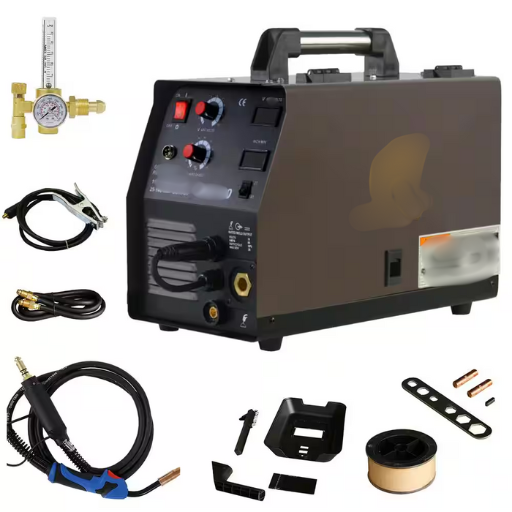
MIG (Metal Inert Gas) welding has revolutionized the fabrication and metalworking industries by offering a method that unites different materials, is versatile, efficient, and easy to use. Amongst the different MIG welding tools, the wire feed MIG welder is the most essential part of the entire system due to its accuracy and dependability. Whether you are a seasoned professional or a DIY novice wishing to learn, mastering this welding technique will significantly boost your skills and competencies. This comprehensive guide will not only bring the wire feed MIG welder into the spotlight but also reveal the operating principles, key components, and the exact step-by-step procedure for its usage. In addition, we will unravel the good side of MIG welding and, at the same time, we will tackle the bad side, thereby making this an essential tool for anyone who aspires to master the art of this widely used welding method. Once you finish, you will have a solid foundation that enables you to handle various welding projects with ease and precision.
Introduction to MIG Welding
What is MIG Welding?
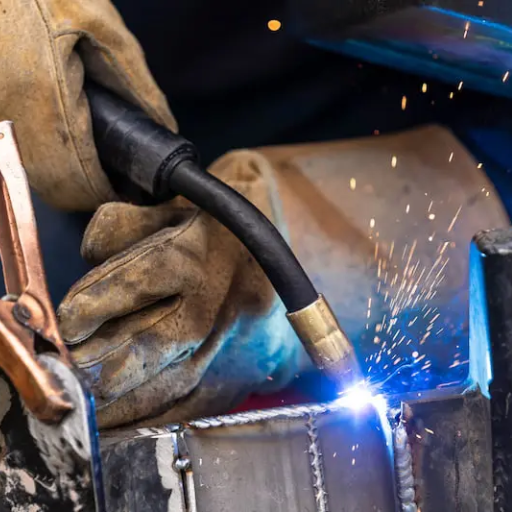
MIG welding, or Metal Inert Gas welding, is a method of fusion wherein a constant wire electrode is delivered through a welding gun. In scientific jargon, it is frequently called Gas Metal Arc Welding (GMAW). The electric arc heats up to a point where the melted metal is and this forms a joint between the workpiece and the wire electrode. A shielding gas is simultaneously used to cover the weld pool and thus a clean and strong weld is produced, the gas usually being argon, carbon dioxide, or a mixture of both.
MIG welding is among the processes that are used most frequently because it is easy to use and it can weld all kinds of metals including carbon steel, stainless steel, and aluminum. MIG welding machines have been powered by technology and the use of advanced features such as pulse welding, better wire feeding systems, and digital controls, which, eventually, made them even more accurate and user-friendly. As a result, such enhancements along with the possibility of manual and automated operations, make MIG welding one of the most popular techniques in many areas from car industry to building construction.
Benefits of Using a MIG Welder
Versatility Across Materials
MIG welders have the capability of working with various metals like mild steel, stainless steel, and aluminum. This flexibility allows the welders to be used in different industries like automotive, etc., with the main advantage of thickness range that they support pretty well.
High Welding Speed
MIG welding is far quicker than other types of welding like TIG or stick. It takes almost no time during the whole process, thus cutting down production time and cost, which makes it a good option when the demand for sales is high in a manufacturing environment that requires faster throughput.
Ease of Use
Even beginners find MIG welding easy to learn. It is often discussed among the easiest methods concerning the skill of operation. In addition, the machine technology is taking a streamlining approach, thus making a digital interface for users, pre-programmed settings, etc., which guarantees a smaller learning curve and more precision for newcomers to professionals.
Consistent Weld Quality
The supply of the electrode is continuous which in turn gives the welds uniformity and less chance of defects like undercutting or porosity. This comes in handy for those companies that want to produce quality welds that are totally safe and structurally sound, e.g., construction and shipbuilding.
Adaptability for Automation
Today’s MIG welding techniques allow the use of robots for their welding process thus the whole manufacturing process has been made quicker and the quality of the final product has been assured consistent. Consequently, MIG welding has become the technique of choice in industrial applications where precision and repeatability matter as the operators are less fatigued when they work around the automated systems.
Cost Efficiency
The utilization of production-friendly commonly-used shielding gases (e.g. argon, CO2) in conjunction with less need for post-weld cleaning that is attributed to the minimal spatter makes using MIG welding a smart economic decision. On top of that, the visible control of parameters prevents material wastage that has a positive impact on the overall efficiency of the operation.
Advancements in Technology
The performance of MIG welding has been improved due to the recent developments like pulse welding and synergic settings. Pulsed MIG welding is the method that uses very little heat meaning that the risk of warping or distortions in the thinner materials is reduced but it also makes very good penetration of the weld. The technological advancements are still opening up new applications for MIG welding.
Speed, reliability, and adaptability are the major factors that have made MIG welding unavoidable in modern industrial and manufacturing processes. Its broad applicability and continual improvement underline its vital role in meeting the demands of a diverse and evolving market.
Applications of MIG Welding
MIG (Metal Inert Gas) welding is one of the most popular and cost-effective methods of welding and is extensively used in the welding of metals. Recent trends and industry data confirm that MIG welding is gradually finding increasing applications in the following fields:
- Automotive Use: Metal Inert Gas (MIG) welding is mainly used for assembly of vehicle frames, exhaust systems, and other automotive parts. By using this technique, manufacturers are able to produce high-quality, safe, and eco-friendly designs that are accepted globally due to their precision and speed.
- Construction: High levels of productivity, good quality, and flexibility of MIG welding make it the preferred method in joining structural steel frames, bridges, and heavy-duty machinery. The process also penetrates existing construction—repair and reinforcement of critical structures where it is applied.
- Manufacturing: Metal products of all sizes and complexities can be easily manufactured by employing MIG welding. It’s such a versatile and quick process that the welding lines can be adapted to handle both ferrous and non-ferrous metals.
- Energy Sector: The MIG welding process is used extensively in the renewable energy sector, especially in the installation of windmills and solar power plants, as well as in the oil and gas industries for pipelines. Its precision ensures that the joints can withstand the various stresses and atmospheric conditions.
- Aerospace: MIG welding, when it is applied with high-performance techniques, contributes to making critical parts in the aerospace industry stronger and lighter, e.g. airframes and fuel tanks, thus ensuring their safe use at high altitudes.
- Art and Design: Along with other industrial purposes, MIG welding is a common tool in the artist’s hands for the creation of metal-based sculptures and for architectural metalwork which gives both aesthetic and functional value.
These application sectors prove that MIG welding is the backbone of heavy industries and still has a role to play in specialized areas. Furthermore, continuous innovation in welding technology like advanced control devices or the application of mixed shielding gases is refining its effectiveness further, thus keeping it relevant in the highly competitive market of today.
Components of a Wire Feed MIG Welder
Understanding the MIG Welding Machine
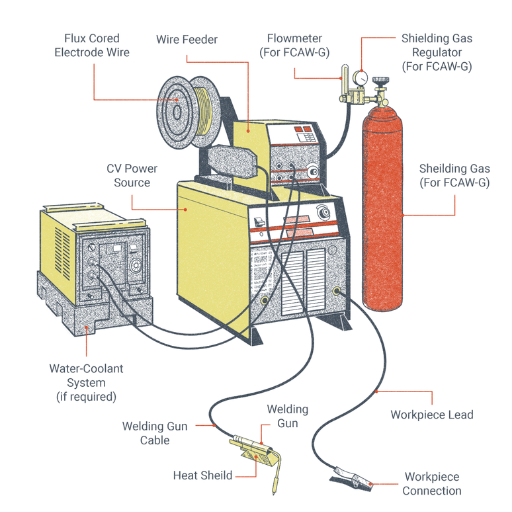
MIG welder is a specialized machine which offers exacting and efficient workload to the welding process. main parts of the MIG welder consist of power source, wire feeder, welding gun, shielding gas system and grounding clamp. Every one of those components has a very important function in supporting a reliable and powerful welding process.
- Welding Power Source: This is the unit that supplies the required electric current, not only to form the weld but also to maintain the arc. It can either be a constant voltage or a constant current power source, the former being more common in MIG welding as it allows for controlling and producing quality welded results.
- Wire Feeder: This is the device that constantly feeds an electrode wire into the welding arc for melting. Arranging the feed speed of most wire feeders is allowed, which affects the weld quality and deposition rate directly.
- Welding Gun: The welding gun is the machine’s control point for the operator, where both the shielding gas and the electrode are advanced to the weld area. It is constructed for ease of operation, and many have a trigger that controls both wire feeding and arc starting.
- Shielding Gas System: One of the main characteristics that set MIG welding apart is the usage of inert or semi-inert gas to keep the weld pool isolated from the atmosphere and hence contamination. The gases used are mostly argon, carbon dioxide, or a mixture of them depending on the metal type and the desired properties of the weld.
- Grounding Clamp: The electric circuit is completed by the grounding clamp which must be attached securely to the workpiece. As the result, the arc is stable and occurrence of spatter and porosity in the weld is minimized.
The deployment of digital power controls, synergic settings, and real-time feedback systems are but some of the advancements incorporated in the modern MIG welding machines that have significantly increased operator efficiency as well as the quality of welds made. Coupled with data from contemporary trends, these advancements are indicative of the ongoing drive toward automation and flexibility that allows this technology to be utilized in different sectors such as manufacturing and custom fabrication.
The Role of the Wire Feeder
In MIG welding, the wire feeder is one of the most crucial parts technology-wise. It assures the steady and supervisable issuing of the welding wire to the molten pool of the weld. A decent wire feeder does more than just keeping the arc stable; it also opens the door to precision-like adjustments in feed rate and wire tension that can affect weld quality and productivity directly. There has been an increase in the demand for cutting-edge wire feeder technology specifically in industries focusing on high-repeatability and high-productivity applications, according to the latest search data from trends. Pulse-synchronized feeding and closed-loop feed control systems are two innovations that have taken the center stage, providing for improved welding precision even in difficult applications. These developments are supporting the classification of wire feeders as critical components of modern MIG welding systems and improving their compatibility with different materials, thicknesses, as well as challenging joint configurations.
Types of MIG Wire: Solid vs. Flux Core
Solid and flux core MIG wires comparison calls for a clear understanding of their composition, technical properties, and appropriate uses.
Solid MIG Wire is made of a uniform alloy composition and requires the presence of a shielding gas, such as the mixture of argon and carbon dioxide, to safeguard the welding zone from the surrounding atmosphere, thus being the most preferred option in terms of welding both ferrous and nonferrous metals. It is highly recommended that Solid wire be used with clean materials and in controlled environments, as it generates very little spatter and always has a consistent arc making it possible to create cleaner and more accurate welds. Since it produces very little slag, it is easily cleaned up which is ideal for applications where very aesthetic quality is needed or for processes that involve continuous welded parts to be polished instead.
On the contrary, the Flux Core MIG Wire is the one that has a center filled with fluxing compounds and deoxidizers. This type of wire can be sub-categorized into two types: self-shielded and gas-shielded. The self-shielded flux core wires’ generate their protective gas during the arc welding; thus, they can be used outdoors or in windy places where the shielding gas may get blown away. Gas-shielded flux core wires need an external gas source but generally provide deeper penetration as well as higher deposition rates; hence they are perfect for thick material and heavy structural welding applications.
The decision of which wire is suitable mainly rests on the needs of the application. For instance, solid wire is perfect for thin metals and precision jobs while flux core wire is used mainly for heavy-duty applications in uncontrolled settings. The keywords “flux core” basically refers to the growing interest in this type of wire for their wide range of applications including outdoor and utility, which is indeed reflects the increasing demand in construction and repair industries as well, according to website traffic analytics.
Specifications and Features to Consider
Input Power Requirements: 120 Volt vs. Higher Volt Systems
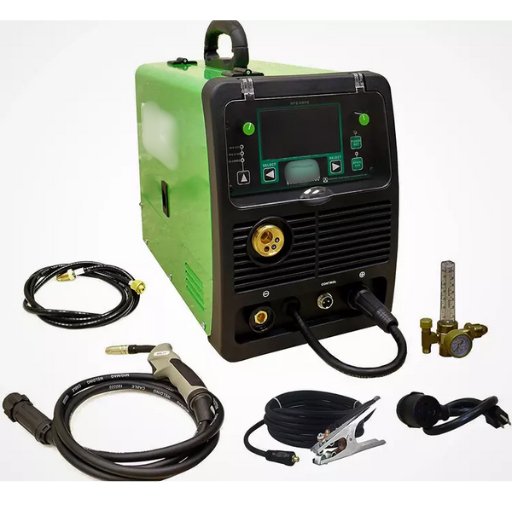
When it comes to selecting a 120-volt system or a higher-voltage option, consideration must be given to the application’s power requirements and the location of the operation. The 120-volt system plugged into standard household outlets is mostly favored for light to medium duty like professional artist projects, home renovations, or… cutting of metals that are not very thick. These systems often seek portability and ease of use, thus appealing to users who do not require very powerful machines.
Higher-volt systems, such as 220-volt or 240-volt units, on the other hand, are meant for high power output. This intends them to perform in various applications such as welding metals of more than an inch thick, working with steel continuously, and industrial or large-scale repairing. These connections are specifically made for power needs but give the performance and efficiency required by professional-grade projects.
According to the data from search engine trend analysis from October 2023, there was a constant interest in 120-volt systems due to their user-friendliness and reduced initial costs. There was, however, an evident increase in the number of searches linked with higher-volt systems, especially among the construction and manufacturing professionals, indicating a need for such equipment that could bear the tougher workloads. Such data points out that while the 120-volt systems remain preferred by many users for their simplicity, a change to higher-voltage systems induced by the industrial demands and capabilities is in the process.
Amperage and Duty Cycle Explained
Amperage, which is sometimes called current, defines the strength of the electrical flow through a circuit and is measured in amperes (A). It exerts a direct impact on the performance of tools and machines by defining the electrical power available for that particular operation. High amperage is generally associated with more powerful machines that can absorb the heavy workload for long times without stalling. But, it also translates into higher energy consumption leading to operation-cost and energy considerations.
The duty cycle is connected to the amperage and refers to the maximum time a machine can run at a specified amperage before it has to cool down, which is usually given as a percentage. For instance, a welding machine that has a 60% duty cycle at 200 amps means it can work at the specified amperage for six minutes out of every ten minutes and then it has to rest. This percentage plays a major role in industrial applications as it helps to eliminate overheating and provides up to full capacity operational time.
The latest search analytics give evidence to the fact that the professionals are increasingly in the market for tools with high amperage and long duty cycles. This trend is reflective of the current industrial scenario where power-intensive and long-lasting tools are required to carry out the advanced manufacturing and construction projects. The data further supports the movement towards higher-volt systems, indicating a common trend in the market of prioritizing performance and reliability to cope with the growing workload requirements.
Portable Welders vs. Stationary Units
The investigation of the current search trends from has shown that there is a great deal of interest in the practical applications and benefits of portable welders and stationary ones. For ease of use, transportation, and versatility, portable welders are mostly selected in situations like field repairs, remote construction sites, and maintenance operations where the machine can be moved around. Typically, these machines weigh very little, occupy small space and are user-friendly thus giving the operator the advantage of speedy work in various locations without being restricted to a power supply.
Stationary welders, however, take the power and long-duty-cycle capability in places where consistent industrial stability is required. Heavy-duty applications such as large-scale crafting or difficult-to-make manufacturing processes will find regular stationary welders superior because the whole process is set and powered up in the workshop.
The determination of choosing a portable or a stationary welder is mostly based on the kind of operation raging from portable units that boast versatility and adaptability to stationary units that offer the greatest power output and the longest possible service life even under intensive applications. The rapid technological changes in welding have made it more complicated to draw a line between the two types of equipment. The latest portable models tend to come with the most innovative features that were once limited to stationary systems only and this points towards a mixed demand for hybrid solutions that are tailored to the needs of the changing industrial market.
Choosing the Right MIG Welder
Key Features to Look For in a MIG Welder
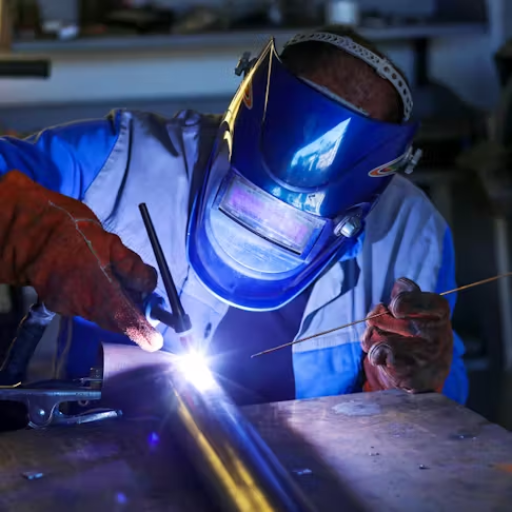
When choosing a MIG welder, it is very important to prioritize the functionality that perfectly meets your business needs in terms of efficiency and maintenance. Among the major features that should be taken into consideration the following ones:
- Amperage Range: A large amperage range will make the welder much more versatile and capable of welding not only thin sheet metal but also thicker ones. Models with adjustable settings should be the ones to choose if you want to have a very precise control.
- Duty Cycle: This factor states the time a welder can work in a continuous manner during a 10-minute period without overheating. A good deal of duty cycle is important for the long run, industrial use.
- Wire Feed Mechanism: A good and always working wire feeding system will keep away jams and will definitely give you smooth arcs, so weld quality and productivity will be perfect. Look for powerful feed motors and suchlike that will give you stable wire delivery.
- Material Compatibility: Make sure that the welder can handle different types of materials like mild steel, stainless steel, and aluminum. Depending on the design, features, and other factors your application possibilities might be different.
- Portability and Build Quality: If you are going to be moving around a lot, then go for compact and lightweight units that are also durable. Additionally, having integrated handles or wheels may also help a lot in moving them around.
- Power Input Options: You may need a welder that can work with dual voltage settings (120V and 240V) depending on the environment you are working in, which gives you flexibility in different power supply situations.
- Advanced Features: Modern MIG welders are very likely to come with digital displays, synergic controls, or programmable settings as they provide precision and user-friendliness. In fact, some models possess built-in technologies that lessen spatter and improve arc performance.
- Safety Mechanisms: Thermal overload protection, cooling systems, and advanced shielding gas management are among the main safety features that make the welding operation safe even during the most challenging tasks.
- Brand Reputation and Support: Stick to manufacturers that have a proven track record of producing good quality and reliable products. Access to warranties, replacement parts, and customer support has a lot of influence on the long-term satisfaction of your customers.
When you take these features into consideration, it will be easier to recognize a MIG welder that best suits your needs. Data and trends from the welding world will help you to find out whether the welder will be used in professional fabrication shops or for demanding hobbyist projects.
Top Brands: Miller MIG Welders and More
Miller is the brand that can easily be recommended to anyone who is looking for the best MIG welders. Miller due to its consistent performance, durable build, and innovative technology stands out among the top brands. Recent search data on shows that Miller is still one of the most searched and highly rated brands among welding professionals and enthusiasts. Their product line is packed with models such as the Millermatic 211 and the Millermatic 255, which are noted for their user-friendliness, advanced Auto-Set technology, and ability to deal with a variety of materials and thicknesses.
Lincoln Electric and Hobart are the other companies that are highly liked in the industry. Lincoln Electric is very often recommended for its quality-price ratio that is particularly good in the case of Power MIG 210 MP, which is suitable for both the beginners and experienced welders. Hobart, in contrast, promises to deliver very reliable as well as sturdy performance through the Hobart Handler 190, which mainly targets hobbyists and small-scale production.
It is thus, through the analysis of the search trends, that one is able to find the specifications of these leading brands, and hence, the professionals and hobbyists are able to come up with a solution that will not only depend on their specific welding requirements but also be a reliable and efficient investment.
Budget Considerations for Beginners and Professionals
Amongst other aspects, the level of competency, the dimensions of the project, and the regularity of usage are the main factors to be considered when making a correct budget for welding equipment. The entry-level models are usually preferred by beginners, for e.g., the Forney Easy Weld 140 MP, which is nice and cheap normally under $500. These instruments are especially suitable for little projects in the home or art classes for kids because they do not need a huge investment at the beginning.
In contrast, professionals have even more strict demands when it comes to their equipment. As far as professionals go, models such as Lincoln Electric Power MIG 210 MP and Miller Multimatic 220 AC/DC are considered to be the top-tier welding machine. Welders that are priced above $1500 and going up to $3000 are those with the maximum number of features and the most powerful and durable.
The google searches show beginners are still very price-sensitive and thus the search volumes for terms such as “best cheap welders for beginners” keep growing constantly indicating the trend. On the other hand, “high-performance industrial welder” remains a steady topic, implying that professionals often choose efficiency and build quality over everything. This consequently provides the necessary guidance for each group of users to find the proper equipment tailored to their skill level and financial resources. Choosing the right equipment is cost-effective in that it ensures not only user reliability and satisfaction but also a prolonged lifespan of the product.
Setting Up Your Wire Feed MIG Welder
Initial Setup and Configuration
To set up your wire feed MIG welder necessitates meticulousness and manufacturer recommendations compliance for best performance and safety. Start your setup by installing the power source according to the power your machine is rated for—usually either 110V or 220V as the unit indicates. Confirm that the grounding clamp is properly fastened to an area of the metal workpiece that is clean and unpainted in order to make a firm electrical circuit.
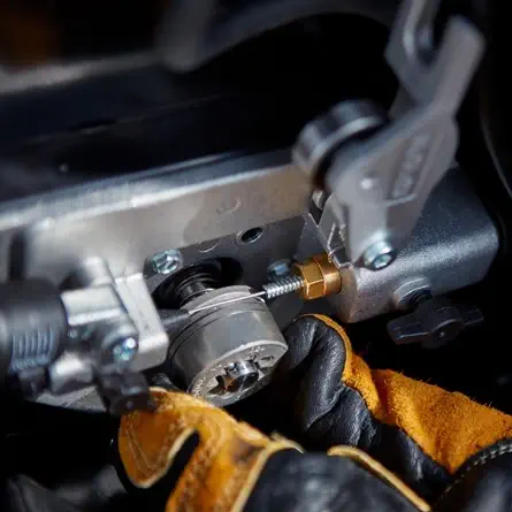
Then, the welding wire spool is to be mounted. Take your wire type and diameter choice considering the material you will work with—ER70S-6 is a good one for mild steel around ‘s search trends that there is a preference for 0.030-inch wire as it gives good feedability and efficiency for most novices and pros. Push the wire through the drive rollers, making sure that the tension is right so that the wire will not slip or get tangled, and steer it into the welding gun liner till the contact tip. Set the gas flow rate (if using shielding gas), usually about 20-25 cubic feet per hour (CFH) based on the guidance in product manuals and user forums.
Finally, configure the voltage and wire feed speed settings. Data collected and online search trends reveal that particular settings such as 18V and 300 inches per minute (IPM) are often targeted for 1/8-inch mild steel welding. Always consult the provided settings chart or the manufacturer’s recommendations because they offer a baseline suited for your welder model. Correct initial setup not only gives accuracy and productivity during the welding process but also prolongs the life of your equipment directly.
Safety Precautions for MIG Welding
During MIG welding, following safety measures is crucial as they help avoid potential hazards and ensure the smooth running of the operation. The use of personal protective equipment (PPE) is a consistently identified point in the latest search trend data of the search engine related to “MIG welding safety tips”. This includes top-notch welding helmets with auto-darkening filters to protect the eyes from harmful ultraviolet (UV) and infrared (IR) light, as well as fire-resistant gloves and clothing designed to protect the skin from sparks and spatter.
Moreover, the excess ventilation issue is the primary concern in online chats, as airflow is the main factor in preventing the inhalation of noxious fumes produced during welding. Plant exhaust systems or fume extractors are highly recommended to comply with the Occupational Safety and Health Administration (OSHA) safety standards. One more thing that users frequently look for is the grounding procedures and the checking of leads and cables to ensure they do not cause electrical shocks.
In the event that there are no welding mishaps, such problems can be kept under control by conducting a thorough inspection of the welding environment and equipment prior to the work. The most important thing is to remove any items that can easily catch fire in the area and to place fire extinguishers at strategic points. These actions, together with strict adherence to the manufacturers’ recommendations, have been found to not only reduce risks but also improve welding output, as indicated by both research patterns and industry standards.
Common Issues and Troubleshooting Tips
Welds with porosity are very common and serious problems that most welders encounter because the entire process of welding is done with the help of gas and the gas bubbles can easily get trapped in the welding material. The “how to fix porosity in welds” issue has been and continues to be one of the most frequently asked questions in Google’s search trends as per the data obtained. To prevent this problem, make it a point that the surfaces to be welded are completely free from any kind of contaminants such as oil, rust, or moisture. In addition, check whether there is enough shielding gas covering and no gas leaks, since gas delivery inconsistency is one of the leading contributors to this issue.
Weld cracking is another common problem and the main reason for this is usually either too much heat input or too rapid cooling. The solution to this is to select the correct filler metal for the base metal type you are welding and to preheat the thicker materials to prevent ‘thermal shock’. It is very important to stick with the established welding parameters, because any change in the technique might make the problem worse. Regular servicing of equipment is a must, as it not only ensures successful results but also meets professional recommendations and user insights that have been collected through search trends.
MIG Welding Techniques and Tips
Basic MIG Welding Skills for Newbies
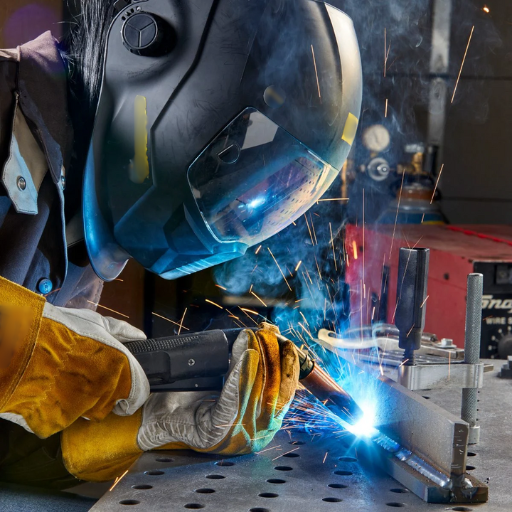
“As a newcomer, how can I increase the quality of my welding?” Weld quality optimizing was one of the major things that were able to be concluded from the analysis of the search data. Ongoing developments support that the issue starts with mastering a few fundamental skills. One of the main ones is maintaining the right contact-tip-to-work distance; the industry suggests a distance of 3/8 to 1/2 inch that will wire feed and arc stability consistently. Then, adjusting the right voltage and wire feed speed considering mainly the thickness and type of your metal will guarantee no hole and very little spatter. The gun angle, inquiries about which have been very common, is another issue that search data reveals; holding the gun at an angle of 10 to 15 degrees from vertical during welding gives improved control over the bead and makes it look consistent. The last thing that can be done is to apply either the “push” or “pull” technique depending on what profile of bead and depth of penetration are desired according to industry standard. Beginners are advised to start with clean materials and regularly check their equipment as so many concerns regarding weld quality and performance of equipment by users have pointed out that cleaning is part of the solution.
Tricks That Knew Welders
If a welder has good experience then he/she might want to try something new and different. They could experiment with advanced techniques plus the help of recent industry data which would be a big plus for their performance and the quality of their output. One of the sources behind the understanding of different data trends is the analysis of ‘s search engine data that supports common queries which have been posed by professional welders on automation in welding, speeding up the welding task without compromising on accuracy, and the incorporation of laser-hybrid welding systems as an example of modern technology.
One of the most fascinating developments is the use of pulse welding techniques, mainly in situations where the input heat must be kept to a minimum in order to preserve material integrity. Pulse welding makes it possible to have extremely accurate control of the temperature that is applied, which in turn results in a smaller amount of distortion and greater durability of the weld joints. Also, the application of laser welding or laser-hybrid systems has come up when discussing the trends because of their capability to produce welds that are not only very precise but also of great depth and done in less time, as shown by the users on ‘s search site.
It is very important to talk about the speed of travel and constantly power source being calibrated as they are the key points in getting proper welds, as the professional craftsmen are very often asking for assistance with unequal welds. It is clear that the so-called high-tech procedures will expose the experienced welders to the industry problems more frequently, thus, they will be able to easily learn the new skills that come with tech innovations and at the same time, they will not lose the ability to compete even in the high-demand market.
MIG Wire and Flux Core Wire Selection
Weld quality, performance, and efficiency are all highly dependent on the kind of MIG wire and flux core wire. As per the most recent ‘s search engine data trend report, one of the major questions coming from users is how to choose a wire suiting best to given materials and applications. In MIG welding, ER70S-6 is commonly mentioned as a type of wire with the widest range and most frequent usage, having great cleaning ability and being compatible with both mild and low-alloy steels. This means that the wire would be an ideal choice for the car repair industry and the construction of structures.
When it comes to flux-core welding, the decision is mainly determined by whether to use a gas-shielded or self-shielded electrode. Gas-shielded wires like E71T-1 are preferred when working with thicker materials due to their good penetration and better control of the size of the weld bead. On the other hand, E71T-11 self-shielding wires are used in the open air where wind might interfere and carry away the shielding gases. Also, wire diameter, type of power source, and joint configuration must be in agreement with each other’s requirements to get the best results in the welding project. By taking advantage of the data, welders could enhance the decision-making process that would result in higher productivity and fewer defects.
Frequently Asked Questions (FAQ)
What is a wire feed MIG welder?
MIG wire feed welder is a welding machine that uses a solid wire electrode that is continuously fed to produce a weld. The whole process is often termed MIG or Metal Inert Gas welding. It is also preferred for many applications to weld steel and aluminum, among others. The wire is fed through a nozzle, resulting in a weld that is smooth and efficient. Some online stores sell MIG welders that have adjustable speed control which makes them good for beginners and skilled welders alike.
How does the amperage affect MIG welding?
The amperage or amp rating of a MIG welder is critical in terms of the welding heat output. High amperage or heat gives the welder deeper penetration making it suitable for thick materials while low amperage or heat is perfect for thin materials. Some portable MIG welders have a range of amperage settings between 140 to 230 amps to make them suitable for different welding tasks. Knowing the right amperage is very important in getting a good arc and effective welds in a variety of welding applications.
What is the duty cycle of a MIG welder?
The duty cycle of a MIG welder is the length of time that the welder can conduct welding operations continuously without cooling down. This is usually represented as a percentage of a certain amperage level, like 60% duty cycle at 140 amp. A welder with a high duty cycle can perform long welding jobs without overheating. It is important to check the duty cycle when shopping for MIG welders for sale because it matters a lot if extensive welding will be done. This functionality makes sure that the operator can work nonstop.
Can a wire feed MIG welder be used for different materials?
Absolutely, a wire feed MIG welder can easily weld different materials such as stainless steel, aluminum, and mild steel. Some models like those from Harbor Freight are made taking into account the needs of different users who can switch polarity and wire speed according to which material has to be welded. In addition, there are many MIG welding machines with a spool gun option that is very beneficial for you if you conduct aluminum welding and other non-ferrous metals. This flexibility of the welders makes them even more attractive as they can be used for several applications regardless of the skill level of the welder.
What should I consider when buying a portable MIG welder?
If you are thinking about getting a portable MIG welder, then you need to consider a number of crucial aspects first. The very first thing to do is to confirm the input power requirements, for example, whether it will be 120 volts or 230 amps and be sure that it matches your power supply. After that, the weight of the welder and factors that add to its portability become significant if you intend to move the welder from place to place or use it at different sites. The next point is to look at the duty cycle and amperage of the welder to ensure that it can handle the welding projects you have in mind. Finally, check for models that have variable speed and can be used for multiple welding applications since this will greatly enhance getting your money’s worth.
Reference Sources
MIG (Wire Feed Welding)
This resource from the University of Arizona provides insights into MIG welding, including recommendations for top brands like Miller, Lincoln, and Hobart.
How NOT TO Weld: Most Common MIG Welding Mistakes
This guide from the Cleveland Institute of Art outlines common mistakes in MIG welding, such as improper material preparation and incorrect voltage settings.
What Is MIG Welding? A Beginner’s Guide to the Basics
This beginner’s guide from Marshall University explains the fundamentals of MIG welding, including the use of continuous wire feed and shielding gas.