

Welding is vital to the automotive industry; the master of it attracts the most opportunities. Wire welding is the most straightforward and most efficient way of learning for novices. So, where do you start? This manual leads you through the basics of wire welding with a wire welding machine, lifting the mystery from the topic and imparting the skills that will make your success inevitable. If you are looking for a new hobby, home projects, or a welding career base, this blog post will be there for you. You will know about the equipment and, along with it, the safety, tips and tricks, techniques, and everything else to start your welding journey confidently.
Understanding Wire Welding
What is Wire Feed Welding?
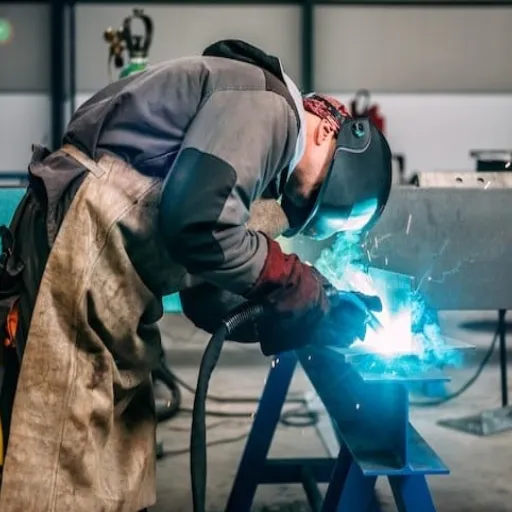
Wire feed welding, popularly referred to as GMAW and MIG, is the process of consistently feeding the wire electrode through the welding gun, wherein the wire melts and gets fused to the base material to create a strong joint. The wire serves as the electrode as well as the filler material and thus is a highly efficient and versatile technique. Usually, the process employs some shielding gas (argon or carbon dioxide or a mixture) to protect the weld from the contamination of the surroundings.
Wire feed welding is extensively used in the industries of automotive, manufacturing, and construction due to its ease, speed, and clean welds. Welding of thin materials is the best application for this method and it produces consistent results even if a beginner is using the technique; so this method is widely accepted by professional and amateur alike.
Introduction to MIG Welding
MIG stands for Metal Inert Gas welding and it denotes a technique used in welding where a wire that is continuously supplied acts both as an electrode and as a filler material. Inert or semi-inert gas, such as argon or carbon dioxide, is used to shield the welding process and, in this way, the weld pool is protected from contamination by air gases. The process has overcome many obstacles and challenges and has, therefore, become one of the most practiced and easiest welding techniques. It is a widely used process because it can weld various metals—steel and aluminum being the most common ones—and, thus, it is of great service in various industries such as aerospace and automotive, metal working, building, and metal fabrication.
📊 Key Statistics
According to the newest search data, terms like “how to begin MIG welding” and “best MIG welding machines for beginners” dominate, signifying growing interest in welding among hobbyists and amateurs. MIG welding has become very popular because it is easy to operate and very little beginner-oriented equipment is required. It would hardly take opening a few bottles of welded bonds with right equipment and safety procedure, as all that MIG welding is known for in choosing a go-to method for both practical technicians and DIYers.
Introduction to Flux-Cored Welding
Flux-cored welding, often considered a versatile and efficient welding method, uses a special tubular wire filled with flux. This flux produces shielding gas upon melting to protect the weld pool from impurities, giving better quality welds. Unlike the conventional MIG welding process, the flux-cored process does not always require an external masking gas, and hence it proves worthy enough while undertaking outdoors or working in wind-laden environments.
Currently, questions such as “What is flux-cored welding best used for?” and “Is flux-cored welding easy to learn?” continue to garner attraction on search engines. Due to the deep penetration offered by this welding technique, and depending on the property and position of welding, it is generally favored for heavy-duty construction work such as structural work, shipbuilding, and repairs. Beginners like the forgiving nature of this technique because of its lenience toward minimum surface preparation and still provides the outcome of fairly strong welds.
Equipment Setup for Wire Welding

Choosing the Right Wire Welder
Selecting the wire welder depends on several factors—the kind of project, materials to be worked on, and even the level of experience. A 110-volt welder is best for the beginner or working on light-duty projects because of its great ease of use and the fact that it plugs into a household outlet. For more advanced works and heavier duty jobs, the welder has to do the welding on larger materials that require very strong welds hence, 220 volts are the way to go.
💡 Expert Tip
The recent trends in search have revealed that inquiries such as “What is the best wire welder for home use?” reflect the great interest in the multiprocess welders which are capable of combining MIG, TIG, and Stick welding. These machines, even though they are the most expensive ones, are the most versatile for both professional and non-professional users. The results will depend on the wire diameter and shielding gases used for the particular job, the chosen welder will provide the best outcome. Always consult product specs and customer reviews before making your choice of welder according to your requirements.
What to Know about Welding Guns and Accessories
The right welding guns and accessories may essentially affect the quality and efficiency of your work. According to up-to-date search trends, the most common query is: “What must-have welding accessories do beginners really need?”
✓ Essential Accessories Checklist
- Dependable Welding Gun: Most users prefer an ergonomic type that fits their welding machine
- Consumables: Contact tips, gas diffusers, and nozzles for constant output
- Safety Gear: Auto-darkening welding helmet, fireproof gloves, and protective clothing
- Support Equipment: Quality wire feeder, welding cart for mobility
- Positioning Tools: Clamps for holding materials in position
With quality welding guns and accessories, even inexperienced welders can assure their steady and successful results.
Setting Up Your Wire Feed System
If you want a good welding result, your wire feed system should be well set up. First, select the wire type and size according to your project; these factors vary with the material being welded. Mount the correct drive roller for your wire feeder—grooved rollers generally are meant for solid wires or knurled ones for flux-cored wires. Feed the welding wire through the liner, setting the drive roll tension so the wire does not slip or get crushed.
Next comes wire feed speed calibration. Check the welder’s manual or an online chart for the appropriate speed based on wire diameter and weld settings. Too fast or too slow wire feed can definitely produce inconsistent arcs and bad welds. Maintenance really should include cleaning old debris off the drive rolls and liner, and replacing worn-out consumables, in order to give the system smooth functioning. These basics assure that even green welders can come up with a consistent and reliable wire feed performance.
Basics of MIG Welding
Understanding the Metal Inert Gas Welding Process
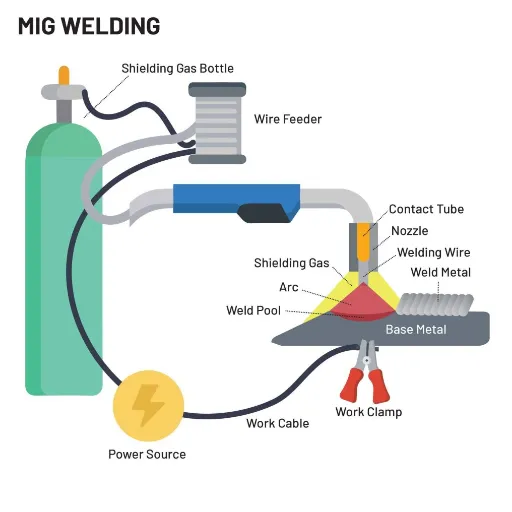
Gas Metal Arc Welding, also known as MIG welding, is a technique with a lot of application and quite user-friendly. The process of this welding involves the permanent feeding of a solid wire electrode through the welding gun connected to a constant voltage power source. Usually, argon, carbon dioxide, or their mixtures are used as shield gas to keep the weld pool safe. The fusion of metals is achieved by an arc that is created between the wire electrode and the workpiece, thereby melting the metals.
Because it is especially apt to produce good welds that are strong and clean in a rather short time, the metal inert gas welding process is widely applied from auto manufacturing to construction. Modern methods teach us that an automated MIG weld system or enhanced power source enhances precision and productivity, and from this, we gather that the welding process suits both large industrial applications and less industrial productions. Getting an understanding of the weld parameter balance—V, wire feed speed, type of shielding gas—is paramount to having a weld with great results.
Basic Components of MIG Welding
Several important components work together in order to make level MIG welds properly, effectively, and efficiently:
A proper understanding and maintenance of these major components constitute a sure beginning point for achieving successful MIG welding in any application.
Choosing the Right Wire and Shielding Gas
Proper wire and shielding gas selection plays a huge part in getting the best weld in MIG welding. These largely depend on the work material and sometimes on the welding position. ER70S-6 is usually the wire chosen for mild steel since it has really good deoxidizing properties that allow clean welds to be laid on not-so-clean or a little rusty surface. Stainless steel will usually require stainless steel wire, such as ER308L, to maintain corrosion resistance in the weld.
Check the wire and gas manufacturer’s recommendations and see to it that they are suitable for your welding machine setup. To improve on weld strength, and to be sure of better workmanship, you must first understand the wire and gas properties.
Step-by-Step Instructions for MIG Welding
Setting Up Your Workspace
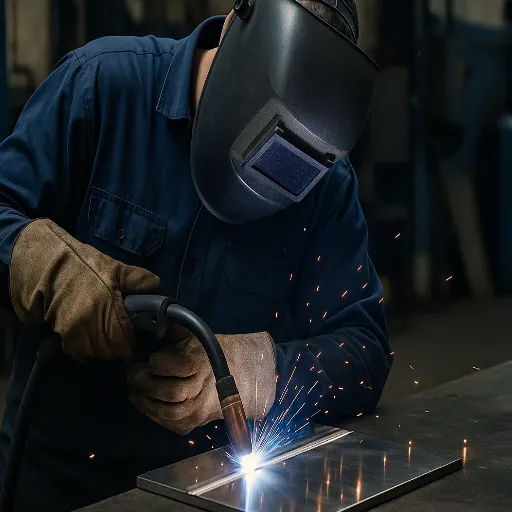
Your workspace must be efficient and safe to allow for effective MIG welding. Follow these critical setup steps:
🔧 Workspace Setup Guide
- Ensure Proper Ventilation: Use exhaust fans or work in an open/semi-open environment to reduce exposure to harmful fumes
- Remove Flammable Materials: Keep away any flammable material from the immediate area and have an extinguisher nearby
- Prepare Work Surface: Use a stable, non-flammable surface such as a steel or concrete table, free of dust or dirt
- Organize Equipment: Arrange your MIG welder, welding wire, and gas cylinder in perfect working status
- Check Connections: Verify all connections on your welding machine and ensure gas cylinder is firmly secured and leak-proof
- Wear PPE: Use auto-darkening welding helmet, flame-resistant gloves, welding jacket, and steel-toed boots
Proper preparation of the workspace will promote good welding, reduce hazards, and provide a safer working environment for you.
Voltage and Wire Speed Adjustment
Incorrect voltage and wire speed adjustments prevent proper weld formation. The voltage influences heat input and weld bead size and shape, whereas wire feed speed concerns the volume of filler metal deposited. Depending on the material to be welded, its thickness, and the welding position, a balanced setting must be selected.
⚙️ Settings Best Practices
- ✓ Start with manufacturer’s recommended settings from the instruction booklet or machine chart
- ✓ Thicker materials: Higher voltage + slower wire speed
- ✓ Thinner materials: Lower voltage + faster wire speed (prevents burn-through)
- ✓ Monitor weld bead for undercutting, poor penetration, or excessive spatter
Experimentation and hands-on experience are all that matter because adjustments can vary with custom conditions like the type of shielding gas, electrode diameter, etc.
Carrying out the Welding Process
The strength and durability of welded joints in welding depend on accuracy and skill. First, all metal surfaces must be cleaned very well by removing rust, oil, or any other contaminants that would lower the quality of the weld. Set up your workstation in such a way that it is safe, well-ventilated, and ergonomic so that you do not get tired easily during long welding sessions.
🎯 Key Success Factors
Many welders ponder, “What key reasons enable a clean, neat weld?” Very recent data indicate that the three basic considerations are:
- 1. Preparation of the Weld: Thorough cleaning and setup
- 2. Constant Travel Speed: Maintain steady movement
- 3. Good Welding Angle: A travel angle from 5° to 15° from vertical lubricates penetration and reduces defects
Defection to porosity or contamination in a weld can be eliminated from by proper selection of the shielding gas. For instance, argon-CO₂ mixes are commonly used in MIG welding. Fine welding includes thorough observation of the weld pool and making required parameter changes among voltage, current, and wire speed. The more one practices and learns from visual cues like bead uniformity and spatter, the more one maximizes the chance to weld well.
⚠️ Safety Protocols in Wire Welding
Essential Safety Gear for Welders
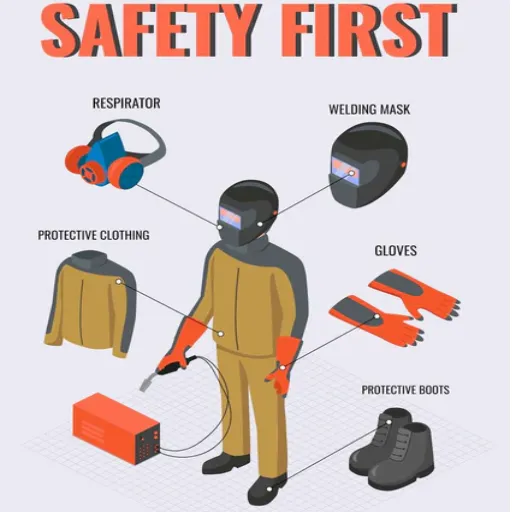
Welding is a profession requiring extreme attention to safety standards as it involves an inherently hazardous situation of extreme temperature, strong light, and fumes. However, some of the essential items a welder must have to assure his safety based on the latest data include:
When correctly used, this safety equipment will make welders safer in their workplaces.
Understanding Hazards and Risks
Many hazards can be associated with welding, from physical injury to exposure to adverse materials. Some of the key hazards are burns from hot metal, eye injuries caused by intense UV radiation, and respiratory issues due to inhaled toxic fumes or particulates.
⚠️ Critical Health Alert
Such health concerns seemed to have raised concern following long-term exposure to welding fumes in search activities, with issues such as lung cancer and neurologic disorders happening in the long run. Potential hazards would include professionals engaging in these assessments and identifying potential hazards through regular risk assessment while ensuring that effective control measures are activated whenever possible. Mechanical ventilation is one of the measures that is being considered; these include personal protective equipment (PPE), as well as health surveillance. It is emphasized that compliance with such preventive measures and the maintenance of standards shall surely mitigate these risks so as to protect the health of workers.
Best Practices for a Safe Working Environment
Implementing comprehensive safety practices is essential for protecting welders and maintaining a secure workplace. Here are the critical best practices every welder should follow:
1. Ensure Proper Ventilation
Adequate ventilation prevents harmful fumes and gases from accumulating in welding sites. The use of local exhaust ventilation systems, such as a fume extractor, arrests and removes toxic substances from the air, protecting the welders against respiratory problems.
2. Wear the Correct Personnel Protective Equipment (PPE)
It is of utmost importance for welders to always wear the correct PPE. This includes helmets with suitable filter ratings, fire-retardant clothing, gloves, and safety boots. PPE serves as the first barrier against hazards such as UV radiation, sparks, and the splattering of molten metals.
3. Maintenance of Equipment
Proper maintenance of welding tools and machines minimizes the risks of failures that may lead either to accidents like electrical shocks or overexposure to fumes. Regular inspection and maintenance also ensure that the equipment works optimally in a safe manner.
4. Ongoing Training and Education
The mechanism of training intends to adequately keep workers up to date with welding techniques, safety hazards, and their awareness. This stands to assure that everyone involved could react in time to potential welding hazards.
5. Perform Regular Health Check-Ups
Regular health check-ups help detect early-onset occupational diseases that may negatively impact workers—welding-related respiratory or vision problems. Early intervention maintains the general health of welders in the long run, thus minimizing adverse effects.
6. Stay Aware about Safety Laws
Welding people should always be up-to-date with developments in any safety standards within the industry. This would enable them to have safer working procedures using reference materials such as OSHA guidelines or even ISO standards—which, of course, are requirements they have to adhere to legally.
🔬 Latest Safety Innovations
By the latest figures and search trends, things like advanced air quality monitoring systems and greening of welding technologies are being promoted. Robotic welding schemes are cited to improve safety by limiting human exposure to detrimental conditions. The few mentioned can be incorporated to provide a higher level of safety and performance in the welding environment.
❓ Frequently Asked Questions (FAQ)
Q: What is the process of MIG welding, and how does it operate?
A: MIG welding refers to any process where a solid wire electrode is fed continuously under a shielding gas to form the weld. The welding gun will feed wire into the weld pool, and the wire will melt and mix with the base metal. It is very important that the shielding gas cleanses away contamination from the weld pool so that the joint will be toned well without defects caused by contamination. Therefore, the welding is fast, being able to weld different thicknesses ranging from thin metals. One suitable weld can be chosen based on a welding characteristic study, like bead appearance and penetration.
Q: How do I select the wire for wire feed welding?
A: Wire selection greatly affects the welding; for smooth welds, it has to be right. Once the diameter of the wire is decided, everything else becomes weld qualities: This includes solid or flux-core wire. Generally speaking the wire diameter increases with the metal thickness and decreases with the metal thickness. Concerning power settings and amperage for every application, they directly affect wire speed and the welding process. Try always to remember that the latest wire may no longer be the one in your welding machine; check the wire’s instruction manual to make sure of the right wire being used for your MIG welder.
Q: What are the factors that influence the weld pool in wire welding?
A: The wet pool in wire welding is affected by many factors. Voltage and wire speed settings greatly affect weld pool properties such as depth and width. Greater voltage results in more heat and a greater penetration. On the other hand, it is always good to adjust wire speed to keep the arc stable, especially when working with thin materials to avoid burn-through. The shielding gas will impact weld pool quality since different gases offer different degrees of shielding against contamination. These variables must be understood to get the hang of the welding process.
Q: What are some frequent problems with MIG welding and how do I avoid them?
A: A lot of common problems seen during MIG welding consist of bad bead appearance, undercutting, and contamination of the weld pool, all of which undermine its strength. To work past these problems, one would maintain desired arc length and wire stick-out while ensuring a proper flow and coverage by the gas. That is to say, given the power ideal for the thickness of the metal with respect to which one would be working, set a little more power good enough for deepening the penetration so that weld strength and quality are not compromised in any way. Keeping the workplace clean is another way that prevents the development of union strength due to contamination in the mate joined. Basically acquainting oneself with the techniques of MIG welding will deeply help in reducing such problems.
Q: In what ways do gas and wire selection affect the welding process?
A: The welding process involves choosing the gas and wire, which in turn directly affects weld quality and performance. Various selections of shielding gas in MIG welding, either pure argon or argon mixed with CO₂, provide arc stability but quite distinct weld bead appearances. Similarly, choosing solid wire or flux core wire yields different penetration characteristics, and in some cases, flux core wires may provide ease in welding in different positions. Afterward, they should remember gas flow-rate adjustment since too much or too little flow leads to weld pool contamination or porosity. If welders know how gas and wire interact during work, they will make an excellent weld in return.
📚 Reference Sources
PubMed Central (PMC) – Research on the Welding Process and Weld Formation
This academic paper explores welding processes, including the effects of welding parameters on weld formation, with a focus on ultrahigh-strength steel.
Lincoln Tech – What is MIG Welding and How Does It Work?
A detailed explanation of MIG welding (Metal Inert Gas welding), covering its process, applications, and benefits.
Automotive Training Center – MIG Welding
An educational resource on MIG welding, highlighting its speed, versatility, and use of consumable wire electrodes and shielding gas.

![Robot Welding Parameters [Traceable Window]](https://zhouxianggroup.com/wp-content/uploads/2026/10/robot-welding-parameters-blog-featured.png)


