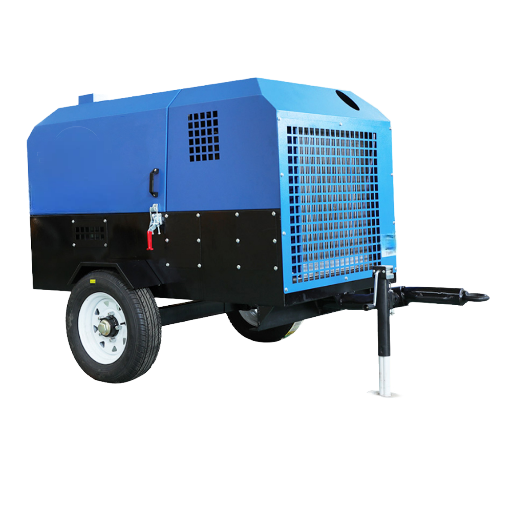
Understanding Diesel Welders

Diesel welders, in essence, are the diesel-powered welding machines. They can be used in place of electric converters for welding, especially where mobility is most required. This welding equipment incorporates the use of a generator and a welding machine at the same time, hence they are stable for welding and other accessories. Also, diesel-powered welders do provide good service in all weathers, thanks to their tank-like structure, whereas an automotive spot welder, which is usually part of the construction shape, is not an option. These sturdy posts guarantee unwavering service irrespective of the severity of the factors, particularly moisture.
What is a Diesel Engine-Driven Welder?
A diesel-driven welder refers to a mobile engine-welder combination with Diesel as the energy source. Such machines, as appropriate, are employed in situations devoid of power company infrastructure. Thanks to technological advancements, contemporary Diesel welding generators are designed to use less fuel and emit fewer pollutants within the spectrum of permissible limits. They are built to work in harsh environments, allowing them to be employed in jobs like pipeline welding, construction work, and industry. In addition, most of them have adjustable power levels fitting different forms of welding, including MIG, TIG, and Stick, though all different forms are designed for professional purposes, like a typical automotive spot welder.
Key Features of Diesel Welders
| Key Feature | Description |
|---|---|
| Durability | Built for tough conditions and demanding environments. Details matter when selecting a welder, especially for those needing features like TIG welding and DC stick capabilities. |
| Fuel Efficiency | Long runtime with cost-saving benefits |
| Portability | Easy to transport to various job sites |
| Power Output | High welding capacity for heavy-duty tasks |
| Versatility | Supports multiple welding types, including MIG, TIG, and Stick |
| Reliability | Consistent performance in challenging conditions |
| Applications | Ideal for remote sites, the Big Blue engine-driven welder provides reliable power for various welding applications |
| Maintenance | Low upkeep requirements reduce downtime |
Advantages of Using Diesel Engines for Welding
- Fuel Accessibility: Diesel can be found almost anywhere, so there should be no anxiety attached to where one can use it.
- Efficiency: In most cases, diesel engines are more energy efficient, which keeps operation costs down.
- High Performance: These engines are built for enduring harsh conditions without compromising the output and longevity of the engine.
- Long Duration: when one uses diesel engines, it covers a long period compared to other fuels, which means that in case prolonged welding is required, one can complete it without any deceleration.
- Minimum Servicing Time: The designs of diesel engines help in minimizing the causes of damage; therefore, downtime and repair costs are minimized.
- High Torque in Action: Torque delivered by the diesel engines is quite strong, helping in the performance of difficult welding tasks without straining.
- Health and Safety: With the use of a diesel welder, there is a reduced risk of explosion than to a gasoline-driven one and thus promoting safety, especially in marine locations where engine-driven welders are used.
Types of Diesel Welders

Overview of Popular Diesel Engine Welders
Lincoln Electric Ranger Series
The Ranger series is a popular choice among professionals due to its reliability and significant performance. This portable series includes outstanding arc control, which is suitable for use in both indoor as well as outdoor activities.
Miller Bobcat Series
The welding capabilities provided by the Bobcat series are very steady, as well as include an additional generator. These model,s showing the capacity of various welding processes, are easy to handle and use less fuel due to their design.
Hobart Champion Elite
In addition, Champion Elite provides a more efficient yet extremely portable option in terms of deploying generators, and that does a whole lot of noise, especially in distant or those exhausting operations.
Every diesel welder is assessed as efficient, reliable, and flexible, meeting the professional welder’s requirements in various sectors,s even in single-hand welding.
Comparative Analysis: Lincoln vs. Other Brands
Generally, people consider Lincoln Electric welders as very trustworthy. These machines perform flawlessly each time, and to add to all this are quite sophisticated, making them a great choice among many in the industry. However, unlike other brands such as Miller and Hobart, Lincoln offers a wide selection of models with options that allow solving diverse tasks for quite modest budgets. Thus, while Miller targets specific objectives with more complex functions, Lincoln ensures more ordinary, yet more universally applicable, and user-friendly categories that can attract a wide spectrum of users from novices to seasoned welders. On the contrary, when it comes to Hobart welders, they are, in fact, simplistic to operate; however, Lincoln welders are considered to be more heavy-duty and can be used extensively. Diesel welder, however, having such characteristics as robustness, reliability, and pricing strategies,s is one of the widely used welding machines.
Choosing the Right Diesel Engine Welder for Your Needs
When it comes to selecting a diesel welder, you have to keep in mind many important points. Firstly, try to consider the nature of the jobs you have to do with the welder, whether they are hardcore types of tasks or just some little activities here and there. After that, check the welder’s power production and how it uses fuel in order to make it operational, as well as how much it will cost to run it, whether for continuous usage or not. You also need to factor in whether it is portable enough and if maintenance is easy, since one might need an efficient and easy-to-move as well as service machine. Lastly, consider investing in features such as automated controls or multiple processes so that the machine can be used to the maximum extent and can evolve with the changing needs in the future.
Performance and Efficiency
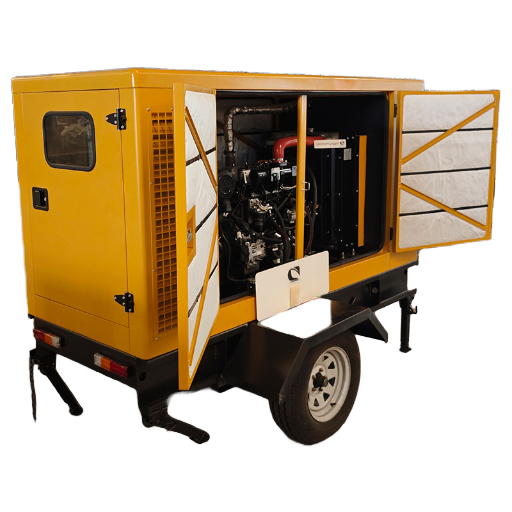
Welding Power: How Diesel Welders Perform
Even rigorous welding works are efficiently done using a diesel welder, as they supplement engines that ensure uninterrupted current, which is essential for such tasks because of the extended duty cycles. They are intended for outdoor use and in fields where there is no access to power, as they can generate their own power. A diesel welder and the accompanying equipment make it capable of handling a very heavy load capacity and accomplishing tasks in industry and construction processes. The use of these masks enables enhancement of these “operation”, what is referred to as” dangerous areas”, capabilities, durability, and efficiency via fuel, making them of high regard.
Fuel Efficiency and Operating Costs
The diesel welders are branded and appreciated for their fuel efficiency since they are made such that they consume less fuel in the process of maximizing output. This results in low operating costs in comparison to the other welder types for prolonged or even in applications with high demand. Besides this, they do not have very complex systems, by they require high maintenance, and this in the long run can cut down on the cost of these welders. All these make the possibilities available for a diesel welder in industrial works and construction, making them practical and cost-efficient.
Real-World Applications of Diesel Welders in Various Industries
- Building: The diesel welder is frequently and intensively utilized in construction, for example, in joining steel structures, strengthening beams, and making repairs on heavy machinery at the site.
- Maritime industry: They are useful in the manufacture and field welding of hulls, decks, or other structures, given the successful functioning of the system away from the station and at the port.
- Industry: Diesel high-powered welding machines are used for various construction works, including busy assembling of huge machines or their part,s where there is no reliable current service.
- Waste pipe as well as Oil and natural gas: In pipeline installations or repairs and the upkeep of equipment in remote oil fields, such welders are always in use, but more often than not, they use air pak systems.
- Mineral extraction: With their versatility also in place, including strength and portability, diesel welders are of importance in equipment repair and structural welding in mining.
- Farm production: In many villages, the needs of farmers for welding work, repairs of equipment for farming, or construction of various storage units seem likely to be met by using such a welder.
- Reliability in Emergency Repair of Edifices and Reconstruction: Countries affected by different types of disasters have a high need for repairing buildings and structures, such as bridges and utilities, with diesel welders. The process of recovery frequently involves the use of strong machinery such as engine-welders that can be easily transported and set up.
- Transportation: they are also important in the repair, maintenance, and service of trains, trucks,s and other heavy machinery that is used in commercial and industrial transportation.
Maintenance Tips for Diesel Welders
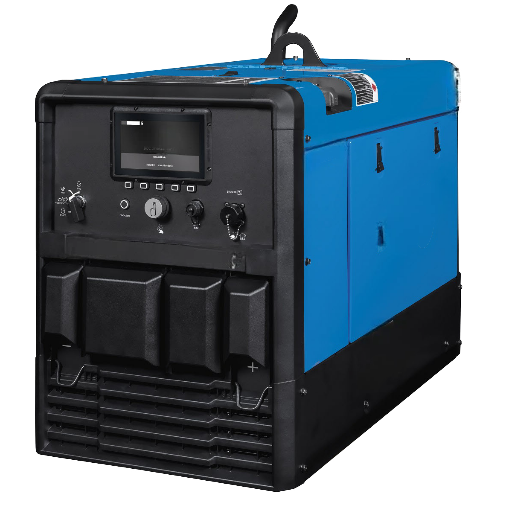
Routine Maintenance Practices
- Examine Components Periodically: Inspect hoses, filters, and connections to see if any water, wear, tear, or any other injuries exist to avoid the necessity of any downtime.
- Replace Oil and Filters, and change oil according to the manufacturer’s regulations, to achieve the performance and durability of the engine
- Maintain Clean Air Filters: Keep the air filters clean or substitute them with new ones so that they do not get debris clogged, which will cut down air flow and overall inefficiency.
- Assess Fuel Condition: Use appropriate clean high-grade diesel as fuel and check the fuel system for contamination or blockage of fuel.
- Checking and Preventing Battery Corrosion: Confirm that battery connections are corrosion-free, fitted properly, and at least holding enough charge for cranking power.
- Welding Machines – Checking: Carry out measurements of the output of the welder in a reasonable number of inspections in order to ascertain proper working conditions as well as to meet the requirements for use.
Common Issues and Troubleshooting Tips
| Issue | Key Points | Troubleshooting Tips |
|---|---|---|
| Engine Won’t Start | Fuel, Battery, and Oil are critical components for ensuring the performance of equipment like the Big Blue engine-driven welder | Check fuel, inspect battery, verify oil levels, examine starter motor |
| Irregular Welding Output | Cables, Settings | Inspect cables, adjust settings, check for contamination |
| Overheating | Ventilation, Cooling | Ensure ventilation, check fans/radiators, avoid overloading |
| Excessive Smoke | Air Filter, Fuel | Check air filter, inspect injector, verify fuel quality |
| Power Fluctuations | Alternator, Circuit | Examine alternator, test circuit, tighten connections |
| Noise/Vibrations | Bolts, Bearings | Inspect bolts, lubricate bearings, check components |
| Fuel System Problems | Leaks, Filters | Look for leaks, clean filters, check fuel pump |
| Poor Grounding | Connections | Verify secure, clean, and proper grounding, particularly when using an AC generator for welding tasks |
| Control Panel Malfunctions | Gauges, Switches | Test gauges/switches, replace defective parts |
Extending the Lifespan of Your Diesel Engine Welder
For your diesel welder to be durable, ensure that it runs on regular maintenance, such as oil and correction of the fuel system, cooling, and preservation of the devices.
Safety Guidelines for Using Diesel Welders

Essential Safety Gear and Equipment
In order to avoid injuries and be as safe as possible while working with a diesel welder, you need to have the right safety equipment on. These equipments are:
- Welding Helmet – This is used to protect the eyes and face against working sparks, heat, and damaging UV and IR radiation.
- Safety Glasses – The safety glasses are worn for extra protection when elements and particles are projected towards the welders’ eyes.
- Welding Gloves – Heat and spark-proof hand gloves used to protect the hands in extreme conditions
- Flame-Resistant Clothing – Long sleeves and pants that have been constructed from strong materials that cannot burn are extremely important for any welder that would do some plasma cutting or any other process that uses a lot of heat, such as TIG.
- Steel Toe Boots – Use of steel shoes prevents foot injury from heavy weights and also enables a firm grip of the region of the seat being worked on.
- Hearing protection – Earplugs or ear muffs that help in preventing exposure to high levels of noise in an environment
- Respiratory protection – Masks or respirators, which must be worn if the spray mist or dust is generated.
- Make sure all the machines are in the proper working order in accordance with safety standards. Always check the equipment to ensure that the welding process is carried on safely and effectively.
It is critical to conduct an inspection of the material before usage, and particularly when it concerns a diesel welder.
Safe Operating Procedures
In a workplace where welding is done, it is vital to enforce the safety rules before commencing operations; otherwise, accidents occur and efficiency is compromised. The first thing is to check whether all the equipment to be used, including welding equipment, diesel welder, power cables, and any tools, and other equipment, is in good working condition. If you come across any faulty equipment, it should be reported and replaced at the earliest possible opportunity to avoid any threats. Make sure that there is appropriate ventilation to clear the smoke generated in the welding process, as outlined in OSHA standards.
Emergency Preparedness and Response
Appropriate emergency planning in any industrial setting, such as welding workshops, involves established procedures and quick response. Each member of the team should know how to access and use fire extinguishers, first aid kits, and ways of escape during a fire or accident. Drills should be held regularly in order to know the functions of every worker during an emergency. In Case of an incident, immediately switch off the power and evacuate the surroundings if possible. Contact the relevant emergency team and, most importantly, give honest details about the incident at hand. By following these procedures, danger leads to injuries and intermittent to everyday work processes. diesel welder as they have a portable energy supply and allow for fast task completion work at height.
Industry Advancements and Innovations

Latest Technologies in Diesel Engine Welders
The latest technologies in diesel engine welders include multi-process capabilities (MIG, TIG, Stick), portable designs, and auxiliary power outputs for enhanced versatility and reliability.
The Future of Welding: Trends to Watch
| Key Trend | Details |
|---|---|
| Automation | Robotics enhance precision and efficiency |
| Materials | Lightweight, durable alloys drive innovation |
| IoT | Real-time monitoring optimizes processes |
| Sustainability | Focus on energy efficiency and waste reduction |
| Portability | Multi-process, portable machines in demand |
Impact of Regulations on Diesel Engine Welders
Environmental policies concerning emissions have curtailed the design of a diesel welder, as increased emission standards have driven the manufacturer to fit filters such as DPF to the exhaust systems, among others, to ensure cleaner emissions. These changes have enhanced compliance, but they may lead to an increase in manufacturing and maintenance costs. Moreover, many switch to other fuels or go with a hybrid electric system as a way of fulfilling these regulations and maintaining operation. These adjustments are accompanying the general trend in the industry, which aims towards the production of environmentally friendly technologies and the utilization of renewable energy.
Frequently Asked Questions (FAQs)
Q: What is a diesel engine-based welding equipment or a diesel welding machine?
A: A wet settlement containerized welding machine is a welding machine that is most popular on oil and gas constructions since a wet settlement technology is utilized to power the machine. Wet settlements are designed in such a way that they can be transported very easily and therefore can be utilized outdoors, since they are very effective in marine and offshore construction works, especially when using pipe welding techniques. It is possible to carry out MIG, TIG, and stick welding processes with them, which makes these welders very useful for a wide variety of applications.
Q: The working principle of the Trailblazer® 330 wet settlement engine welding machine?
A: The Trailblazer® 330 is such a diesel-engined welding machine that works according to the principle of using the power of the internal combustion engine for welding, that is, it uses a light arc automotive welding. There is a broad range of supplementary powers available in this welder, which are beneficial as it can be used as a generator too, which is a great plus for this machine. It, therefore, caters well to individuals with such a need as welding machines and tool generation in one piece of equipment.
Q: What are the benefits of a diesel welder?
A: The use of diesel engine welders has several benefits, such as greater fuel efficiency, longer run time compared to their gasoline alternatives, and, in most cases, powerful output. They are very effective for heavy-duty applications; for example, useful in a few instant situations, mainly for projects such as pipeline work and repairs. Other aspects of many diesel welders include features like enhanced fuel injection and fuel-saving emission capabilities.
Q: Is it possible to use the Bobcat ™265 Air only for one type of welding?
A: No, the Bobcat™ 265 air specifically works as a multi-process welder, which allows the operation of different processes, viz. Stick, TIG, MIG. This feature makes it a suitable option for those types of welders who need to perform several components that are different from one another, for instance, flux-cored and stainless steel washing gears.
Q: What is the rated power for a given diesel welder in terms of its auxiliary power?
A: The power capacity of a diesel-engine welder depends on the specific configurations; however, many models incorporate strong generators to power peripheral tools and other devices. As an illustration, the generator within the Trailblazer® 330 diesel welder is sufficient to sustain the load of several electrical devices. Thus, it is a good option for construction sites that employ many equipment simultaneously.
Q: Which welding functions can a diesel welder be used for?
A: Diesel welders are employed in various fields that involve welding, for instance, construction, fabrication, pipeline works, maintenance done with the help of welding, etc. They are essential, especially in metal arc welding or FCAW, which is done mainly in open fields where there is no assurance of power supply. Moreover, such tools do not buckle under unwelcome work exigencies simply because they are made bearing such activities in mind.
Q: Is Champion® Elite 225 a good performer relatively to its ampere output?
A: The Champion® Elite 225 welder is constructed for high amp output and can operate numerous welding projects effectively, owing to the different shielded metal arc welding techniques that it comes with. Supplied with a max current of up to two hundred and twenty-five amps for carrying out the welding activities, it can be applied in both light and heavy-duty welding functions as it helps the user achieve the desired effectiveness.
Q: Why does it matter that some diesel welders have an Air Pak™?
A: Some diesel welders come with an air pak™, which means it has its own air compressor system, allowing users to operate certain pneumatic tools off of the welder itself. This is especially useful in conditions where the site is too crammed or if both welding and pneumatic tool-related work is to be performed, productive work is enhanced.
Q: How sustainable are diesel welders?
A: Electronic fuel injection (EFI) is among various emissions reduction technologies built into contemporary diesel engine welders to help lower the negative effects on the environment. Although diesel engines emit emissions, there are technologies that have enabled these types of welders to be more efficient and less polluting than previous diesel engines, making them a more suitable option for heavy tasks such as welding.
Reference Sources
1. Evaluating Hazards and Safety Practices in the Malaysian Welding Workshop
- Authors: N. A. Shuaib and others
- Date of Publishing: 3rd of May, 2021
- In-text citation: (Shuaib et al., 2021, p. 020218).
Abstract:
- The problems of welding, especially in the workshop, are analyzed in this article. The case of a diesel welder’s death due to the explosion of a diesel tank while welding is presented. There is a discussion around the hazards of fumes, heat, fire, and electric and noise exposures in this study.
- Research Method: It was, therefore, interesting to note that the authors relied on different techniques of identifying hazards, which include the Fish Bone diagram, HIRARC (Hazard Identification, Risk Assessment, and Risk Control) table, and a Pareto chart. The authors applied walk-through observations and obtained the images of risks they identified.
2. Learning Points on the Design and Development of Hydrocracking Lipseal Gasket
- Authors: among others, Charles Perilloux
- Published On: 16th July 2023
- Citation Token: (Perilloux et al., 2023)
Overview:
- This paper examines the leakage problems encountered in the hydrocracking diesel systems fitted with welded lip seals. It explains the cause of the failure of a particular fillet weld, which also caused leakages down the line due to start-up and shut-down cycle operations.
- Approach: The methodologies employed comprised fatigue analysis in accordance with codes such as API 579-1/ASME FFS-1 using FEM based approaches. The paper expands its scope to infrared scans to validate the finite element analysis, and then proposals to reduce such failures are given.
3. Top H Beam Production Line Manufacturer and Supplier in China