
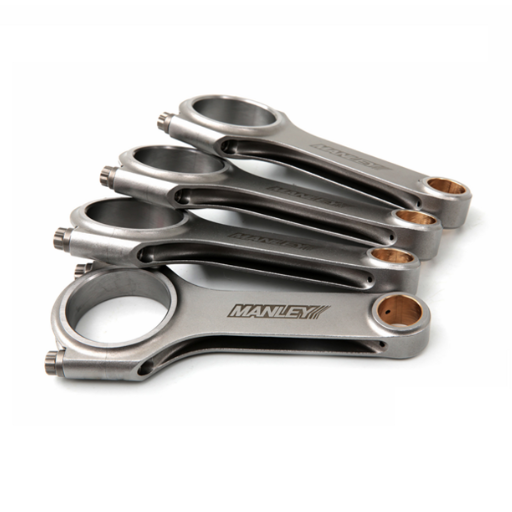
The connecting rods go for selection, in building an engine, either as an H-beam or I-beam type. The choice of connecting rod matters in performance, durability, and efficiency of the engine; therefore, one has to learn the differences and choose one or the other according to the specific situation. The whole H-beam versus I-beam debate can be quite intimidating without someone leading the way for you, whether you’re an enthusiast, a professional engine builder, or someone just interested in getting as much out of his car as possible. This article will serve to clear away the haze and explain the basic differences between, merits of, and reasons for choosing each style, so you may apply them to an actual situation and select an option that best suits your needs. Stay with us as we explore the engineering, performance considerations, and practicalities surrounding these two paramount engine components.
Introduction to Connecting Rods
Connecting Rods are the Heart of an Engine
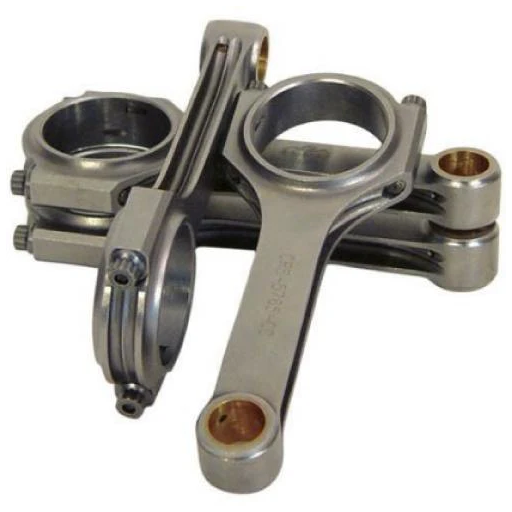
Connecting rods are the building blocks for any engine or are, in other words, the pistons and crankshaft—the equivalent of wheels and axles. The connecting rod’s primary function is to carry the linear motion of the piston into circular motion to operate the internal combustion engine. This action happens thousands of times every minute; hence the strength and design of connecting rods mark a great deal on engine power, efficiency, and durability.
Connecting rods for the modern-age engines come in steel, aluminum, and titanium options. Steel rods were selected for high-performance engines for strength and durability, while aluminum rods are used in drag racing for their lightness and fast engine response.
Key Performance Impact
Thus, this study elaborates on the materials and design options for the connecting rods along with their effect on engine performance. These lightweight rods get 20% reduction in reciprocating mass, therefore faster revving and better fuel efficiency. Generally, the rods are designed as H or I types, each optimally designed to face different stresses. The H-beam rod has an excellent reputation as a compression load carrier and so is mostly used in turbocharged or supercharged engines. The I-beam rods are good for naturally aspirated engines where tensile forces prevail.
Processor CNC machining gives tight control of tolerances and highly reliable process control where connecting rods can be manufactured to provide maximum reliability in performance under extreme operating conditions. Designed coupling rods using FEA will be analyzed and optimized to achieve a perfect strength-to-weight ratio for maximum engine power either in competitive environments or for everyday use.
Nearly an ideal choice when considered toward the design and material of the connecting rods shall offer the highest increase in performance, efficiency, and reliability to the car enthusiast or automaker, thus making it one of the utmost important components of a high-performance engine.
Importance of Choosing the Right Type of Rod
The selection of the type of connecting rod is of utmost importance affecting the performance, endurance, and efficiency of the engine. Due to modern specification materials and engineering involved in this under the present time, a handful of options are presented, with each type having some advantages and suited for one or the other application. The three main types of connecting rods tested in the broad market include steel, aluminum, and titanium.
| Material Type | Key Characteristics | Applications | Performance Benefits |
|---|---|---|---|
| Steel Connecting Rods | High strength, cost-effective, can withstand compression forces above 10,000 PSI | Heavy-duty vehicles, racing applications | Maximum reliability under high loads |
| Aluminum Connecting Rods | Lightweight, 15-20% weight reduction, faster fatigue | Drag racing, short-term high-performance | Better engine response, improved acceleration |
| Titanium Connecting Rods | 40% lighter than steel, immense tensile strength | Formula 1, motorsport engines | Ultimate performance, efficiency |
In the realm of motorsport, where maximum performance is required from the engine, titanium rods fall on the excellent side of the scale; the rods maximize strength while minimizing weight in the engine for efficiency and performance. Titanium alloys such as Ti-6Al-4V possess a massive tensile strength, being about 40 percent lighter than steel. Besides all the better attributes, price remains one real drawback; a titanium rod could set back a purchaser five to ten times that of steel or aluminum counterparts.
To correctly select a connecting rod, one has to understand the operating requirements, check the specification of the engine, and consider budget constraints. Reviews on the market reveal that endurance racing engines are best achieved in their goals by titanium rods, while turbocharged engines in modified street cars tend to bear the toughness of forged steel better.
H-Beam vs I-Beam: The Big Question
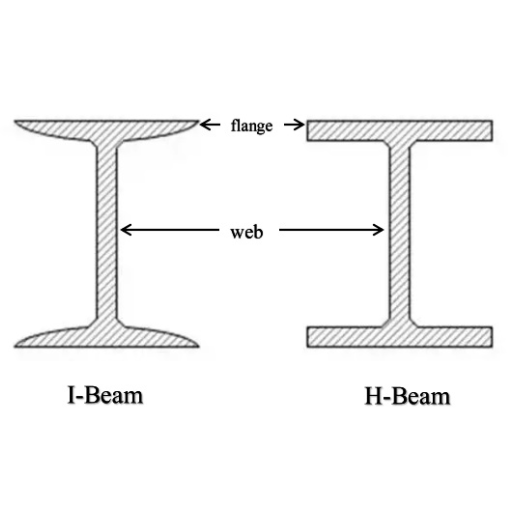
Since the two types of rods differ structurally, selection takes place according to the suitability of the given application in an engine. H-beam rods, so named because they bear an H-shaped cross-section, are well known for their strength and durability. This force distribution evenly within the rod and prevents any stress concentration, especially in the applications that require utmost output. I-beam rods have a narrow I-shaped cross-section and strive to be the lightest possible in situations where low reciprocating mass is essential, such as in high RPM engines.
| Rod Type | Power Handling | Weight | Best Applications | Cost |
|---|---|---|---|---|
| H-Beam Rods | Over 1,000 horsepower | Heavier | Turbocharged, supercharged, nitrous-fed engines | Higher |
| I-Beam Rods | 400-800 horsepower | Lighter (20-25% less) | Naturally aspirated builds, high RPM engines | Lower |
Latest data from automotive engineering states that the H-beam rods are engineered to produce much-higher levels of horsepower and torque, especially with turbocharged, supercharged, or nitrous-fed engines. For instance, a normal forged H-beam rod can withstand the forging of over 1,000 hp; so with these figures, it would be safe to eliminate any drag race and rallying expedition from consideration. Whereas lighter I-beam rods would normally be found in naturally aspirated builds because their weight-to-strength ratio is favorable for medium power output.
The consideration could be the price. In general, H-beam rods tend to be pricier than I-beam rods, given the need for heavy-duty construction and materials. However, with a view to materials and manufacturing advances, this gap has gradually shrunk. A case in point is the fact that many companies presently compete with precision-machined I-beam rods, which in some urban situations nearly equal the average H-beam in strength.
Anyhow, I-beam or H-beam rods should be selected based on the application. In view of horsepower targets, budget constraints, and engine traits, it is best for builders to weigh their options so as to be able to make a favorable decision.
Understanding H-Beam and I-Beam Rods
Description of the H-Beam Rods
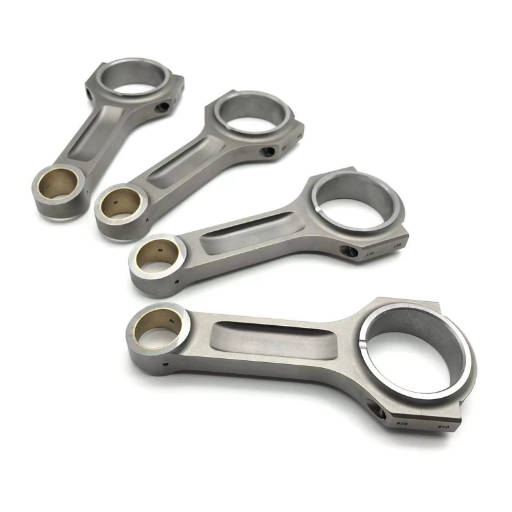
The human-like rods are so named because, from the side view, they exhibit an unusual “H” shape. The design is said to be a strength-based design, and thus, these connecting rods are used in very high-horsepower, high-stress situations-for example, forced induction or very-high-revving naturally aspirated engines. They can resist massive loads without bending, which gets more apparent when they are in worst-case performance applications.
Manufacturing Excellence
The rods are really a treat when forged out of 4340 steel and heat-treated for maximum endurance. Equipped with H-beam rods, the manufacturing tolerances can be held to a minimum in CNC-mill. Selective grades may be fitted with best fasteners, namely ARP2000 or ARP Custom Age 625+ bolts, wherever it is imperative to have very secure fastening.
H-beam rods serve another important function: due to their construction, they permit the stresses to be distributed evenly along the length of the rod. Numerous lab tests and real data have shown that normal force compressive and tensile forces are much better resisted by these rods as compared to the I-beam rods. Depending upon the engine platform and upon build quality, it has been observed that the best H-beam rods can handle power levels of above 1000 HP. By design, it would resist bending or twisting; an attribute critical to connecting rods when engines are driven regularly at high rpm levels.
However, the H-beam rods are heavier than the I-beam ones, and that little weight difference might act as a hindrance to engine response. That weight that comes in the way of better engine response is mostly the trade-off taken to beef it up for rough usage, especially in turbo or supercharged ones.
Mostly, the builders of high-performance engines stand by H-beam rods, which they believe are the strongest rods and will keep their structural integrity in adverse conditions and are thus one of the leadages to be chosen when one pushes a machine to the very edge.
Description of I-Beam Rods
These kinds of connecting rods get their name because, from a side view, they resemble the shape of an `I’. From the aspect of structural engineering, this form entertained the ultimate balance of strength and weight, making the design well-suited for many engine productions. Compared to the H-beam rods, the I-beam rods tend to be lighter and therefore work to the advantage of engine responsiveness, as well as diminish rotating mass, which is of utmost importance in naturally aspirated engines and high-revs.
Typically, an I-beam rod will be made out of the strongest materials: even forged steel, billet aluminum, or titanium. Aerodynamically, these rods produce very little drag or resistance cutting through the crankcase oil, thereby fostering an environment of increased efficiency and power output. They are also well suited to moderate power builds of about 400 to 800 horsepower, being largely dictated by materials and manufacturing processes in any given application.
Recent Technological Breakthroughs
The recent advances in I-beam rod technology have offered the possibility of high precision machining and much better heat treatments to increase the rod’s structural integrity and resistance to fatigue so that these rods might be reliable mechanisms under demanding conditions. The data suggests they’re perfectly suitable for engine types wherein cost, performance, and weight saving have to be traded off. I-beam rods are building favorites amongst engine builders where very high RPM and efficiency come before strength at extreme conditions, while ironically, they are less strong compared to H-beam rods in extreme conditions.
Strength and Weight Considerations
Assessing strength will compound with the influence of bending on the engine performance. Heavier rods are against I-beam rods, which were lightened to reduce rotating mass. This, in turn, enhances engine response and fast acceleration and therefore suits very high rpm. Recently, one can find bodies of information which suggested that based on specific materials and design elements, I-beam rods weigh perhaps 20-25 percent less, say, if made from 4340 chromoly steel.
| Performance Metric | H-Beam Rods | I-Beam Rods |
|---|---|---|
| Weight Difference | Heavier | 20-25% lighter |
| Power Capacity | Up to 1,200 HP | 700-800 HP |
| Engine Response | Good | Excellent |
| Best For | High power applications | High RPM applications |
Almost like a bearable trade for weight is sometimes the shoot for peak strength. I-beams can bear a lot of stress, yet usually they are considered inappropriate when very high horsepower levels come about from extreme comp-Ratio or forced induction. So, long story short, Hondroid rods can go up to 1,200 hp, whereas under kind of similar conditions, I-beams come short by providing only about 700-800 hp.
Advanced manufacturing processes, CNC machining, and precision forging give current I-beam designs that better balance strength and weight. Some manufacturers take this further by heat treating and coating the rods for enhanced endurance. Hence, these improvements make I-beam connecting rods excellent for naturally aspirated or light forced induction engines where response and efficiency are placed ahead of outright strength.
Still, with the application of newly developed methods, I-beam rods continue to satisfy an engine builder’s requirements for high RPM potential, reduced inertia, and general reliability in both motorsport and street-the-real-life areas.
Material Composition of Connecting Rods
Common Materials Used
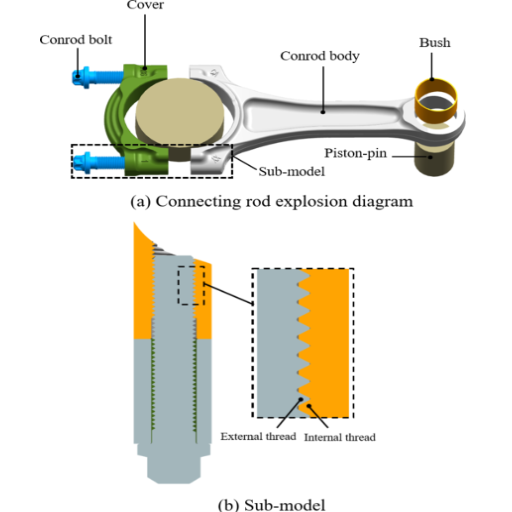
Material in manufacturing each connecting rod is, if you will, to finalize the rod between the specifications of strength, weight, fatigue resistance, and performance taken. Provided below are commonly used materials alongside their principal properties and applications.
1. Steel Alloys
In connection with either design or manufacture, steel is a material that is said to be used quite often for connecting rods mainly due to its decent strength, good durability, and lower-profile price. Steel, in most forms, is used, mainly 4340 steel and chromoly 8640 steel:
- 4340 Chromoly Steel: It has very high tensile strength (up to 980 MPa) and good fatigue resistance; and that is why it’s considered ideal for connecting rods in high-performance engines.
- 8640 Steel: This steel is wear-resistant and has a moderate strength; therefore, 8640 steel connecting rods are in production vehicles of standard specifications.
- Applications: High horsepower applications, performance builds, and OEM engines.]
2. Aluminum Alloys
Aluminum rods can rotate very fast, giving more RPM and less rotational inertia compared to steel rods. Aluminum has less fatigue life than steel and, therefore, is used in select applications.
- 6061-T6 Aluminum: Strong (290 MPa) with good machinability and good corrosion resistance.
- 7075-T6 Aluminum: Extreme strength (up to 510 MPa) applied mostly in all racing applications where it is critical to keep things light.
- Applications: Drag racing, any application that calls for lightweight parts.
3. Titanium Alloys
They boast titanium rods because of their really good strength-to-weight ratio. Way distant from steel or aluminum in price, it is the rod of choice in motorsports when where the best counts:
- Grade 5 Titanium (Ti-6Al-4V): As lightweight as it could possibly be, tensile strength of up to 950 MPa; Worth taking to high RPM endurance race.
- Advantages: Resistant to corrosion, of low mass, excellent fatigue resistance.
- Uses: Racing engines where money counts, aerospace-inspired performance builds.
4. Powder-Metal Alloys
Due to competitive prices and acceptable performances, PM rods are generally employed in modern mass-production engines:
- Powder Steel: The-making rod is formed after compressing powdered metal under high pressure and sintering under high temperature to get a strong yet cheap rod.
- Advantages: Dimensional accuracies, reduce production costs, and strong enough for daily running of typical and low performers.
- Applications: Economy cars and General production vehicles.
5. Carbon Composite Materials
Carbon composites are emerging materials that are not yet fully developed for lightweight applications. They’re known to be extremely lightweight and stiff and are currently being researched to serve in engines that go after the highest possible efficiency:
- Advantages: Ultra-lightweight, excellent impact resistance, and good heat dissipation.
- Limitations: Very expensive, and limited fatigue resistance if Continuous application is achieved.
- Applications: Experimental builds and limited motorsport applications.
Through combinations of these materials in pursuit of performance requirements, connecting rod manufacturers do make rods that can withstand further stresses from their intended applications.
Advances in Material Technology
The developments in materials technology have made progress toward increasing the performance, durability, and life of connecting rods and other main engine components. Thus the arrival of lay-up composites like CFRPs has changed the domain of industries that wanted the lightest materials with maximum strength. CFRPs are superior to conventional metals like steel or aluminum in their strength-to-weight ratio, making them more appropriate in applications where performance and fuel efficiency are paramount. It is also stated in the literature that carbon fiber composites can reduce weight of component-half compared to their steel counterparts while maintaining either comparable or better mechanical properties. The development of high-performance alloys like titanium-aluminum intermetallic compounds has led to the further evolution of connecting rod materials. These alloys provide extremely high strength and thermal stability, with a 20-30% increase in fatigue resistance over conventional titanium alloys. The evolution in additive manufacturing (3D printing) affords the manufacturer a time of material prowess in building a complex design with the best utilization of materials and weight distribution, thus allowing for levels of customization unmatched for any application.
Environmental Considerations
Another worthy cause is environment conservation. Thus, bio-based composites and recyclable metals are increasingly gaining attention. Working on fiber composites derived from renewable sources such as lignin seems to be very promising, showing mechanical properties competitive with the synthetic ones. Such innovations speak volumes about how automotive and motorsport industries stand for looking past outright performance to environmental considerations.
Putting Material Into Perspective of Performance
Materials dictate to a great extent, the performance of any vehicle in the automotive and motorsport world-weight, strength, and durability being issues considered there. These materials have been, therefore, regarded as high strength-to-weight ratio materials-cum-mainly-options nowadays, viz. carbon fiber composites, aluminum alloys, and titanium. To put into perspective: carbon fiber-reinforced plastics are about five times stronger than steel at only 60% of steel’s weight, ideal for component pieces whose reduction in weight cannot be at the expense of strength.
According to present research, a weight reduction of 10 percent of a vehicle can give rise to fuel efficiency improvements in the range of 6 to 8 percent. This is further critical in the motorsport arena: every single gram saved translates into an advantage of milliseconds on the race. These are high-performing alloys, and their corrosion resistance and temperature resistance collectively lend a greater level of performance and durability.
Recent advances in nanomaterials and graphene-enhanced composites make even more exciting contrasts. These materials have optimal thermal conductivity and stiffness to keep the integrity of components under high stress and temperatures as are normal in motorsports. It is therefore with the advancement of material science that these industries anticipate the realization of unbridled performance efficiency with a view toward the promise of being sustainable.
Manufacturing Processes of H-Beam and I-Beam Rods
Forging vs. Casting Techniques
Forged or cast manufacturing systems are vital manufacturing processes in the production of H-beam and I-beam rods, with their own unique advantages for different applications.
Forging Techniques
Forging offers a range of pressures on metal under temperatures. More technically, it provides for mechanical properties because of the grain structure orientation, which enhances strength and imparts wear resistance and impact resistance. Tensile strength is highest within the forging of H-beam and I-beam rods. In case tensile strength is required to the utmost: high-stress applications like motorsport engines and heavy industrial machinery. Another main feature of forging over casting is the decreased porosity and defects. In other words, forged rods, being microstructurally much denser, can withstand loads 20%-30% higher than rod castings. Closed-die forging, or precision forging, also advances the level of dimensional accuracy by providing near-net-shape components that require minimum finishing and machining time and are hence environmentally beneficial.
Casting Techniques
The procedure of finding the metal, then melting and making it into castings, shapes the materials to resemble the said metal with the help of suitable molds. This method facilitates design freedom because intricate geometries can be readily designed. Cast H-beam and I-beam rods are normally used in situations where cost-application considerations and part design complexity outweigh maximum strength. There tends to be a slightly higher risk of casting porosity, inclusions, or may have a weaker grain structure than forging. With the advent of so many innovative casting methods, casting has truly come into a favorable spotlight. Consider vacuum casting; this method offers a controlled environment during the casting process to minimize the chances of impurities, hence making good components. Casting costs have been ranked lower than forging by approximately 20% to 30%, according to recent industry data; however, the need for forging may arise if the product requires it.
| Comparison Factor | Forging | Casting |
|---|---|---|
| Strength | Superior due to grain alignment | May suffer from non-uniform strength |
| Flexibility | Limited design versatility | Greater design capability for complex shapes |
| Cost | Higher production costs | 20-30% cheaper for large-scale production |
| Applications | High-performance industries (aerospace, automotive) | Less critical components |
A detailed grasp of both processes provides the manufacturer with an option for careful consideration between forging and casting, regarding performance, cost, and end use. Advances in forging and casting continue to improve the capabilities and methods that efficiently produce top-quality H-beam and I-beam rods.
Pros and Cons of Each Manufacturing Process
Forging – Advantages
- Superior Strength and Durability- Forging produces parts offering superior fatigue and impact-related characteristics, as the process aligns grain flow; a very important consideration for high-end applications such as aerospace and automotive.
- Reliability-The Forging Process – Forging seldom permits internal voids and defects to be found in the forged parts, seriously precluding any chance of failure during operation.
- Ability to Carry Extreme Temperatures – Forged parts generally can bear heavier load and temperature as compared to cast parts.
- Fine Customization for Specific Applications – Specific tooling can very finely tailor the material’s properties to suit the needs of a particular application process.
Forging – Disadvantages
- Higher Production Costs – The tooling and machinery in forging are generally very expensive, thereby necessitating higher upfront product costs.
- Lower Design Versatility – Complex shapes and refined designs are much more difficult under forging processes as opposed to the other way round with casting.
- Longer-Runtime Production – Forging can inherently be almost interminable depending on the actual forming and finishing process.
Casting-Advantages
- Design Flexibility- Casting is able to manufacture complex geometry and shape including intricate internal cavities.
- Lower Tooling Costs- The costs of making molds for casting are generally much lower than those for making forge dies.
- Production Scalability- Casting processes are especially adapted to large runs in production, especially for parts of uniform dimensions.
- Material Utilization-Casting usually provides for lower material wastage as the molten metal alone fills the cavity in the mold with almost no extraneous trimming.
Casting-Disadvantages
- Lower Mechanical Strength- Being cast, parts show much less tensile strength and fatigue than forged ones due to the existence of micro-porosities and less grain alignment.
- Susceptibility to Defects- Cast products are prone to having voids, shrinkages, and inclusions which affect their thrivingages.
- Limited in Applications with High Stresses- High strength or resistance to impact probably cannot be demanded of a cast part.
- Quality Variability- It is not always easy to variate (or improve) quality through tempering, since casting is a very complex process.
Latest Industry Data and Innovations
Market Growth Forging
The use of further augmenting and so-called advanced forging technologies, including isothermal forging and additive forging, for improving the precision and efficiency of the forging process has been validated in recent studies. The Grand View Research projected in 2023 that the forging market will witness a growth to USD 96.1 Billion by 2030 due to the rising demand for higher strength components from aerospace and defense industries.
Casting Industry Development
In casting processes, 3D printing is used to create molds, and better alloys are being developed to improve speed and quality. The same 2023 market report holds a global metal casting industry CAGR of 5.6% between 2023-2030, owing to industry demands from automotive and construction. Especially, demand for aluminum and magnesium alloys to produce really lightweight vehicles is rising at a very rapid pace.
If manufacturers use these advanced processes as a reference and consider the general benefits and harms offered by each, they will always be able to select the right method for their applications with great cost savings and assurance of quality product.Insights
Quality Control in Manufacturing
Quality control constitutes a major process in manufacturing whose emphasis lies in setting product specifications so that the final product meets these specifications and consumer needs. It has now become much more necessary to implement advance field tools in the quality control methods as more and more industries adopt newer environs of production to cater to the growing demands.
The most common quality control systems are Statistical Process Control (SPC), Six Sigma, and Total Quality Management (TQM). SPC means statistics used for monitoring and controlling a manufacturing process to identify and eliminate variations. Six Sigma is about eliminating defects through data-driven decision-making so a process can almost be defect free i.e., 3.4 defects per million opportunities. TQM is more about establishing a company-wide commitment toward maintaining quality levels through involving all employees in various continuous improvement activities.
AI-Driven Quality Management
Recent development is signifying the growing application of automated QA procedures. Selling Artificial Intelligence inspection techniques have caused the global Quality Management Software (QMS) market to grow at a CAGR of 8.9% in the years 2022 to 2030. These intelligent technologies are able to learn mechanisms in real time that identify defects while minimizing waste and maximizing efficiency. With the inception of AI-based quality control applications, inspection times have been cut down to 30% in the automotive and electronics industries.
With reference to the development in NDT, ultrasonic testing, and X-ray imaging, among other technologies, allow for the determination of internal defects without destruction. These techniques test for safety and durability of components that are thereafter used in aerospace, construction, and energy production industries.
Quality control in contemporary manufacturing has resulted in an ever-increasing transformation of quality control from back-end processes into one of the pro-active elements in the core manufacturing process. The closer such back-end processes are brought to the front of manufacturing, the better the output, assured reliability, manageable costs, and acceptance of unwanted consumers.
Performance Applications: Which Rod for Which Engine?
High-Performance Applications for H-Beam Rods
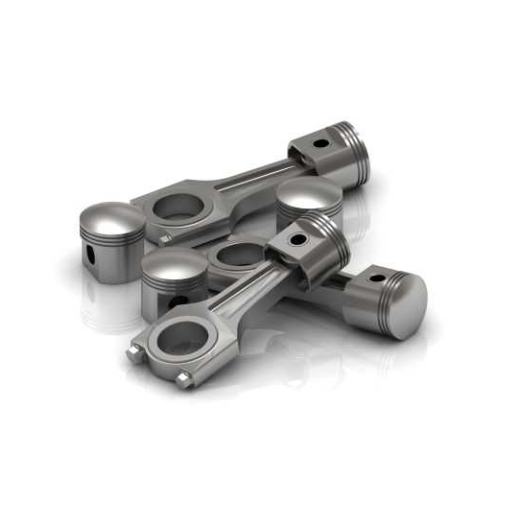
H-beam rods still remain an active player in posh engine building and application since they can be sturdy and remain in harsh conditions. In essence, the rod’s primary design force was strength for durability in engines outputting enormous horsepower and torque.
New data bearing on the topic by some industry pundits suggests that high-H-beam rod application is generally in race motors generating over 500hp since the rod design allows the forces to be distributed evenly and therefore, minimizing the chances of bending or breaking. According to NHRA data, professional drag racing teams also mostly employ H-beam rods in their engines because these rods can resist the stresses of high RPMs and rapid accelerations.
Materials Used for High Performance
Based on specification, these rods will be fashioned out of a high-performance material such as 4340 steel which is very well known for tensile strength and fatigue resistance. Scientific studies state that the 4340 steel H-beam rods can withstand a stress level of more than 200,000 PSI and this makes them ideal for turbocharged and supercharged applications.
Another advantage H-beam rods have would be versatility and readily accommodating aftermarket modifications. They work with custom piston and crank configurations, allowing tuning for endurance race applications, street performance builds, and high-output dieseling.
For ultimate performance, H-beam rods must be balanced and matched with the engine setup as a whole. Using CNC technology combined with design and engineering, manufacturers can work rods right down to the micron level of precision, the direct outcome of which is greater rod reliability that translates to perfectly performing and dependable engine components.
I-Beam Rods for Street Engines
I-beam rods have had a storied history with the street performance segment, getting appreciation from lots of enthusiasts because they successfully combine strength, weight, and price into an able package, able to take on insane forces generated by high-revving engines while at the same time remaining light-weight, therefore, giving the engine a little extra enthusiasm in throttle response.
Almost always, forged steel is used as base material in this day and age, ensuring these I-beam rods to survive under harsh conditions. However, some manufacturers even go the extra step of providing aluminum ones that weigh down the so-called street riders rewarding themselves with reciprocal speed. CNC machining allows I-beam rods to be made to tight tolerance levels, which in turn gives better fitment and reliability.
Power Handling Capabilities
Historical data shows that I-beam rods can accommodate up to 600 hp in a naturally aspirated atmosphere, with some of the top-spec ones withstanding a little force more in a forced induction setup. Carrillo and Eagle are two such reputable companies that produce I-beam rods for the street turbocharged applications, respectively, and have further buttressed the strength of these rods by using ARP fasteners and heat-treat finishes.
Aided by the rapid advancements in metallurgy and design, today I-beam rods somehow sit well with a great list of engine setups, effectively giving the engine builder the needed ability for different applications. So whether you are upgrading a small-block V8 or a high-revving inline-4, I-beam rods remain the sturdy bone for every street performance enthusiast.
Real-World Examples of Engine Platforms
Ford Mustang (Small-Block V8 Engines)
The Mustang-family can be thrown up as a typical example of street upgrades forged I-beam connecting rods. Newly created small-block V8 engines for this car, such as the Coyote 5.0L, utilize forged I-beam rods capable of taking the enormous horsepower and torque output. In simple words, with a barn-tuned setup and heavy-duty rods, a forced-induced Coyote can reliably get to the circa 700-horsepower figure plus, the rods offering the durability and performance that all enthusiasts can appreciate.
Subaru WRX STI (High-Revving Inline-4 Engines)
Channeling its rally spirit, the Subaru WRX STI’s turbocharged boxer engine benefits from ultra-lightweight heat-treated I-beam rods. The rods are supposed to sustain the onslaught of constant high RPM and boost levels for hours, a trait that has wholeheartedly embraced by the aftermarket tuning fraternity. Cars fitted with modified I-beam rods are commonly rated well above the 500 horsepower marks, being proven worthy of such-demanding scenarios.
Chevrolet LS Engines (Versatility and Scalability)
LS engines such as the LS3 or LS7 are famously adaptive to nearly any form of performance build placed on them. Improved in the fabrication of I-beam rods, these engines now support both naturally aspirated setups and truly serious forced induction systems. Modified LS engines with upgraded I-beam rods are reported to make about 1,000 horsepower on a twin-turbo setup, hence making them truly street and professional drag race-worthy.
Mitsubishi Lancer Evolution (Turbocharged Inline-4 Engines)
The 2-liter 4G63 engine is another good example for I-beam rod integration in the guise of Mitsubishi Lancer Evolution. Known for high-output potential, this engine is often supercharged in modified builds with I-beam rods rated for well beyond 700 horsepower. The rods themselves are light and very reliable, which is a necessity in reinforcing the internals for demanding track and daily-driver use.
The above shows the versatility and strength of I-beam rods across so many types of engines and reinforce the position of I-beam rods in the world of performance today. I-beam rods are still in high demand for engine builders who push their work right to the cutting edge whenever power and reliability can be obtained.
Cost Implications: Balancing Budget and Performance

Price Difference Between H-Beam and I-Beam Rods
Depending on the usage and the quality of the rod, differences in prices between H-beam and I-beams are to be expected. Generally speaking, H-beam rods have been considered to carry more horsepower and torque, therefore fetching higher prices than I-beams. Depending on the manufacturer, material, and specifications, H-beam rods can cost anywhere between $500 and more than $1,000. For example, the priciest ones for good reasons are forged steel or billet aluminum H-beams because of their resistance and excellent engineering.
Price Comparison Overview
- H-Beam Rods: $500 to $1,000+ per set
- I-Beam Rods: $300 to $700+ per set
- Premium H-Beams: $1,000+ (4340 forged steel or billet aluminum)
- High-End I-Beams: $1,000+ (motorsport)
The prices for standard I-beams vary from relatively low to rather high. Usually, of the I-beam rods meant for moderate horsepower applications, a set should cost someP300 to P700. Though increased prices can well be asked for in the case of higher-level I-beams intended for certain motorsport applications, which acknowledge as much as their H-beam counterparts up to and well above $1,000 for the incorporation of weight optimization and top-class materials.
This price difference is, in part, resultant from the nature of construction and engineering use. H-beams are thick in cross-section, long and better at resisting compressive versus tensile forces; a good choice for a turbo- or supercharged powered engine. In other words, I-beams strike a good balance between keeping weight down while maintaining almost ruthless adaptability as to the designs they can be used in. They’re best suited to naturally aspirated engines and provide a fairly reliable option at a lower cost for daily driver or mild build.
End of the day, it’s all down to the money versus performance equation for the engine applications that use them. Numerous H-beam rods cater to extreme needs: the realm of racers who build engines that are basically barely holding together; meanwhile, the so-called I-beam rods have remained the less expensive choice for a wider variety of builds-from street to mild-performance builds.
What Affects Price
Several factors influence the cost of connecting rods, H-beam or I-beam. Being aware of all of these should help any builder decide which is most conducive to his needs and budget.
1.Material Choice
The choice of materials in used has an important influence on the cost. Forged steel is usually used for I beam rods, and billet steel rods are usually I-beam rods prepared by I-beam users. This difference in price is huge. Normally, forged steel rods will be cheaper, costing roughly $200-$600 per set, whereas billet steel rods, having superior strength and requiring exact manufacturing processes, range anywhere from $800 to $1,500 or more.
2. Manufacturing Process
Even precision machining or complex design can affect the price. Therefore, since more material and precision machining are required to outfit H-beam rods to high-performance demands, these generally carry a higher price. High-performance H-beam rods generally run about 20 to 30 percent higher than I-beam rods used on turbocharged or nitrous builds.
3. Brand and Quality Standards
Performance aftermarket brands are pricier since greater quality standards have been held, and they have a reputation to maintain. Brand examples include Eagle, Carrillo, and Manley, which can cost between $600 and $2,000, back on what the application calls for. Putting upfront money into a name usually means reliability and longevity later on.
4. Application and Specifications
Increasing demands on the engine apparatus do huge impact on prices. The rods thus can reach the sky-level price for high horsepower applications when custom dimensions or exotic materials, like titanium rods.
The following are examples where titanium connecting rods cost from $3000 for a setup and are strictly used for high-performance racing engines.
5. Quantity and Availability
Cheap manufacture processes tend to reduce the production cost. An I-beam rod for a stock replacement for a well-known engine model will be much cheaper than a custom-fabricated H-beam rod for a rare racing build. Price fluctuations by 10% to 20% due to supply chain disruptions or materials shortage have been seen recently in many countries.
Weighing these factors, buyers should decide between budget and the real functional need so that the rod type best suits their build. Reliable websites with costing calculators can ease price comparison and estimation of overall project costs.
Suggestions for the Most Cost-Effective Choices
- Highly Specific Letters of Fulfillment
Analyze the specifics of your build needs in terms of power output, or durability expected. For instance, 4340 rods are often chosen for high-performance builds because of their strength, whereas 7075 aluminum rods might perhaps be chosen for low-weight applications. Do the research on your engine-specifics and where you want to go with it, as this will keep you from over-buying materials you do not really need. - Compare Cost and Benefit of Materials (Understand the New Age)
Internet resources or tools are used to check prices of materials sold in the market. For example, as of October 2023, depending on the supplier brand and milling, prices of $600 to $1,200 range for 4340 steel connecting rods, craft aluminum rods around $500-$900. Some manufacturers provide cheap rods that offer almost equal performance compared to those expensive ones; maybe it is good to look at these brands with good reviews. - Jump on the Bandwagon with Supply Chain Discounts
Recent research indicated that discounts of around 15% can be enjoyed when buying labeled bulk quantities or towards the closure of a year, depending on whom one asks. Retail outlets that sell these quality rods or the discount promotions at seasonal times include Summit Racing, JEGS, and several other automotive suppliers. - Stay Trends
Any hikes or fall sales prices of materials caused due to disruption in the supply chain would seriously impact the pricing of the product. For instance, though prices of steel dropped globally by 12% in Q3 2023 as against what was fixed in previous quarters, it is a blessing for anybody going out to purchase any steel-based product currently. Being updated on such developments through relevant trade reports or an automotive forum can rightly help in planning to make the purchase well. - Inherently, Compatibility and Longevity Must Be Earmarked for Value
How will the connecting rods wholesale interact with other components of your build? Spending a bit extra so that rods fit perfectly with your crankshaft and pistons will save you down the years from repairs or replacement. What may seem like a costly component at first for the sake of durability is worth the price in the long run.A well-informed decision, plus knowledge of all the current tools and resources, will help keep you from going over-budget while still the perfect suggestion for your performance goal.
Current Industry Trends and Technological Advancements

Lightweight Materials and Their Benefits
With automotive manufacturers now focusing on fuel-efficiency and emission targets, lightweight materials have come into vogue. Materials such as high-strength steel, aluminum, magnesium alloys, or carbon fiber composites are now more and more applied in vehicle design because they would provide the same structural integrity as the heavier counterparts but massively reduce weight.
Weight Reduction Benefits
In terms of application, aluminum has been increasingly used in the automotive field for frames, panels, and engine components, being about 40% lighter than steel. Reducing weight by a mere 10% can procure 6-8% fuel efficiency, which are the very grounds on which light construction stands as an environmental benefit, say recent researches. Carbon fiber, on the other hand, although pricier, finds a place in high-performance class and electric vehicles for unmatched rigidity and about half the weight of aluminum.
A reduction in weight also benefits the driving dynamics of a car if less weight is added to it by materials. These materials are becoming more and more available and competitive through advancements in extrusion and newer bonding techniques. Far from being a trend, making use of these materials will have to be a big part of the automotive industry’s efforts towards constructing more sustainable and high-performance vehicles for the future.
Manufacturing Techniques and Innovations
Manufacturing has witnessed a significant flurry of innovations in recent years, allowing for lighter, stronger, and more sustainable vehicle production at lower costs. Additive manufacturing or 3D printing is a case in point. 3D printing offers the possibility of creating lightweight parts that are very complicated in geometry and create very little material waste. It reduces waste by as much as 90%, which is a considerable saving on costs as well as environmental impact.
The other newly introduced technology is hydroforming, where pressurized fluid seeks to form machinable metals into lightweight yet heavy-duty structures. This design process provides high-structural-integrity shaping of vehicle components such as exhaust systems and chassis parts. The hydroforming method has been reported to produce parts 30 percent lighter than those produced by traditional pressing methods.
Industry 4.0 Integration
On the other hand, computer-aided manufacturing system adoption, real-time big data analytics, and robotics automation have rotated production lines, leading Industry 4.0 implementation. These technologies enhance manufacturing accuracy and efficiency yet reduce the scope for human errors; an increase of 20 percent in production speed is attributed to automation and robotics in assembly processes, declaring the industry.
The processes involved in modern manufacturing, such as bonding using structural adhesives and laser welding techniques, are continuously improved and hence contribute to vehicle manufacturing. Structural adhesives help share loads uniformly among automotive components for better crashworthiness and endurance. Laser welding is applied to reduce distortion and to join different materials to allow the realization of mixed-material designs.
In view of modern technologies, these manufacturing advances aim at the sustainable and efficient process emphasized by the industry while maintaining utility and performance during the construction of modern vehicles.
Sustainability Trends in Material Sourcing
Considering the automotive industry, changes toward sustainability in material sourcing are paramount as companies seek to lessen their respective environmental impacts. A leading trend here has fast become the emphasis on recycled and renewable materials. For instance, to preserve virgin resources and cut wastes, recycled metals, including aluminum and plastic, and even carbon fiber, have found use in automobile manufacturing. It is even said that the recycling of aluminum and processing it into a ready product for use by the automotive industry saves about 95% of the energy consumption as compared to the use of new aluminum. Hence, it is preferential to use recycled aluminum in sustainable manufacturing.
Bio-Based Materials Revolution
At the same time, bio-based materials, such as hemp-based, bamboo-based, or other plant composites, are making their way as interior components for seat covers and panels. BMW, for instance, has decided to use plant-based alternatives to replace conventional materials while targeting a 40% reduction in CO2 emissions by 2030.
Another developing trend is that of advancing closed-loop recycling. Ford and GM are investing heavily in technologies that will enable them to recycle batteries, steel, and plastics internally within production, reducing external wastes by several orders of magnitude. Tesla’s current effort is aimed at recycling lithium and cobalt from battery components; arguably one very critical step towards the development of electric vehicles and the reduction of dependence on mining.
These trends point to the automotive industry’s aid to sustainability all along when redesigning material sourcing and shifting into circular economy concepts. Collaboration with suppliers and hence greater regulatory support for sustainable sourcing is predicted to quicken this change in the near future.
FAQ
How do H beam and I beam rods offer different attributes to engine performance?
Can H beam and I beam rods be interchanged in a performance engine?
What are the materials of construction for H beam and I beam connecting rods?
How does the rod design affect engine performance?
Reference Sources
-
About I-beam versus H-beam Connecting Rod Design Using Inventor Autodesk 2018
This study analyzes the structural differences between I-beam and H-beam connecting rods, focusing on stability and performance.
Link to source -
Rods and Beams
This paper provides a detailed analysis of the mechanical properties and equilibrium of rods and beams, which can be applied to connecting rod designs.
Link to source -
Some Aspects of Influence of the Connecting Rod Design on the Output Parameters of High-Speed Internal Combustion Engines
This research compares traditional I-beam and H-beam rod profiles, highlighting their impact on engine performance and output parameters.
Link to source


