
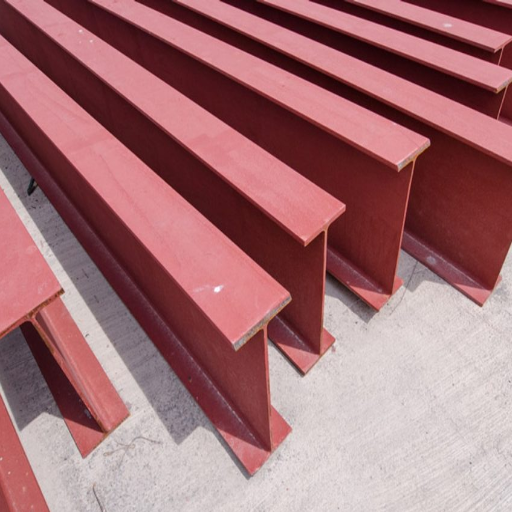
Introduction to H Beams
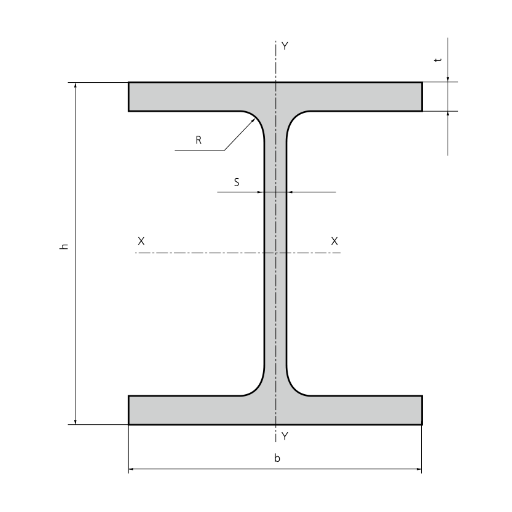
What Are H Beams?
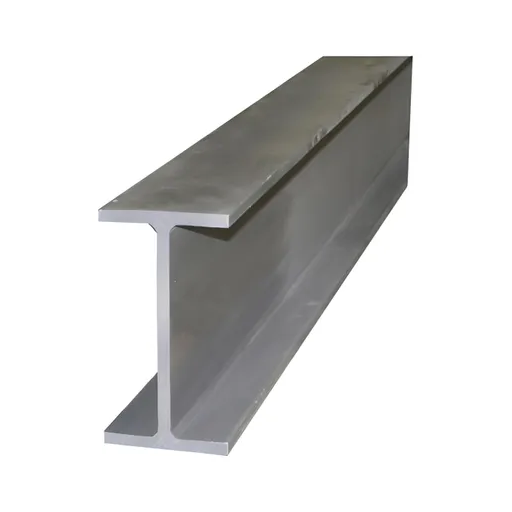
The so-called H-beams are steel construction members with wide flanges that have an H-shaped cross-section. The shape is designed to provide immense strength and allow harmonious load distribution. Thus, they are very much required for construction and engineering purposes. The horizontal portion is called the flange, while the vertical one is called the web.
- Flanges: Resist the bending forces
- Web: Resists the shear forces
- Material: Usually carbon steel (ASTM A992, ASTM A36)
- Size range: Flange width from 100 mm to above 300 mm with height greater than 900 mm
- Popular example: W12x50 means W (wide flange shape), 12 (nominal height in inches), and 50 (beam weight in pounds per foot).
Purpose and Importance in Construction
H beams are used in modern construction because of their unique properties:
- Strength versus Versatility: Handling heavy loads applied on bridges and buildings
- Material Efficiency: A reduction in material consumption by anywhere between 10% and 30% as compared to a concrete alternative
- Speed of Construction: Installing them more quickly than alternative steel elements and connecting them quickly to other steel elements
- Seismic Resistance: They perform well against earthquake forces
- Service: Life Resistance against corrosion and temperature
Overview of H Beam Properties
Material Composition
The H-beams are manufactured from the following materials:
- Carbon steel
- Stainless steel
- Alloy steel
- Weathering Steel (HSLA-High-Strength Low-Alloy)
Key Properties
- Load Bearing Capacity: With wide flange, equal load transfer in vertical and horizontal direction
- Corrosion Resistance: Surface coated and galvanized for protection
- Fire Resistance: Fire-resistant materials and high-temperature resistance
- Sustainability: Usually made with recycled steel and are fully recyclable
Standard Dimensions of H Beams
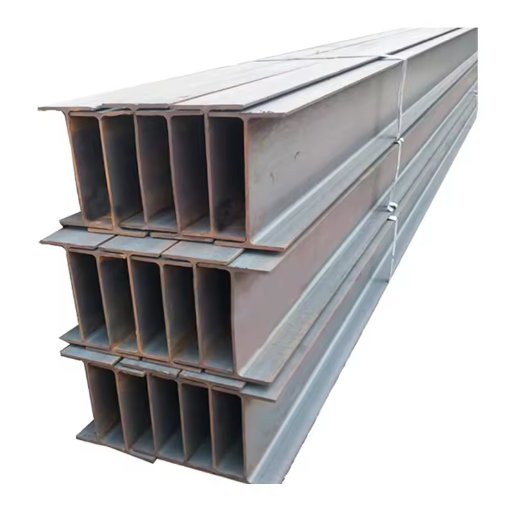
Height and Width Specifications
Available in a variety of sizes to meet construction needs, H-beams:
- Height (H): Generally less than 100mm (4″) to 900mm (35″) and above.
- Flange Width (B): Ranges from 50mm (2″) to 300mm (12″).
- An example of a specification: H200x200x8x12 means: 200mm height, 200mm flange width, 8mm web thickness, 12mm flange thickness.
Thickness of Flange and Web Dimensions
Dimensions that are critical in determining load-carrying capacity:
- Flange Thickness: 6mm to 40mm maximum
- Web Thickness: Depending upon the beam size and its application
- Example of a Small Beam (200x100mm): web thickness somewhere around 5.5mm with flange thickness of about 8mm.
- Large Beam (400x200mm) Example: Web thickness about 8mm, flange thickness 13mm and even more.
H Beam Dimension Table
| Designation | Height (H) mm |
Flange Width (B) mm |
Web Thickness (tw) mm |
Flange Thickness (tf) mm |
Weight kg/m |
Section Area cm² |
|---|---|---|---|---|---|---|
| H100x100x6x8 | 100 | 100 | 6 | 8 | 17.2 | 21.9 |
| H150x150x7x10 | 150 | 150 | 7 | 10 | 34.6 | 44.1 |
| H200x200x8x12 | 200 | 200 | 8 | 12 | 52.4 | 66.7 |
| H250x250x9x14 | 250 | 250 | 9 | 14 | 76.4 | 97.2 |
| H300x300x10x15 | 300 | 300 | 10 | 15 | 94.0 | 119.7 |
| H350x350x12x19 | 350 | 350 | 12 | 19 | 137.9 | 175.4 |
| H400x400x13x21 | 400 | 400 | 13 | 21 | 172.6 | 219.8 |
Variations in H Beam Dimensions Across Industries
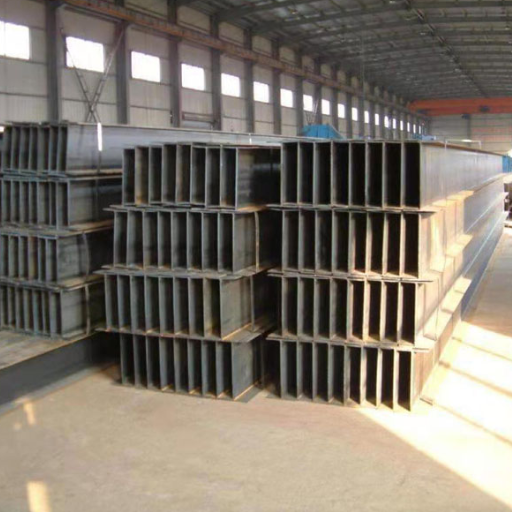
Construction Industry Standards
H beams maintain standard dimensions according to various international codes:
- Common Dimensions: H200x200x8x12, H300x300x10x15, H400x400x13x21
- Regional Standards:
- ASTM International (USA)
- EN standards (Europe)
- JIS standards (Japan)
- Steel Grades: ASTM A36, S355 for superior attributes
- Innovation Focus: High-strength lightweight steel for efficiency and sustainability
Manufacturing Applications
Manufacturing industry applications require specific considerations:
- Primary Uses: Heavy machinery frameworks, automated assembly lines, industrial facilities
- Popular Size: H300x300x10x15 (section modulus: 125 cm³)
- Manufacturing Techniques: Laser cutting and welding for custom shapes
- Quality Standards: ISO 9001 compliance for safety and reliability
Shipbuilding Requirements
Marine applications demand specialized specifications:
- Steel Grades: AH36, DH36, EH36 (high-strength low-alloy)
- Standards: ASTM A131 compliance
- Dimension Range: H100x100 to H800x300, thickness 6mm-25mm
- Popular Application: H400x400x13x21 for major deck structures
- Certifications: Lloyd’s Register, Bureau Veritas approval required
Applications of H Beams in Engineering Projects
Bridge Construction
H beams serve crucial roles in bridge construction:
- Load Capacity: Support over 200 tons across single spans
- Steel Grade: ASTM A992 for superior yield strength
- Construction Benefits: Faster assembly, reduced labor costs
- Applications: Decks, piers, girders in suspension and truss bridges
- Technology: Automated welding and cutting for precision
High-Rise Buildings
Essential components of skyscraper construction:
- Capability: Support buildings over 1,000 feet (Burj Khalifa example)
- Material Integration: 30-40% of total construction material weight
- Composite Use: Combined with reinforced concrete
- Innovation: 3D modeling and prefabrication for efficiency
- Fire Resistance: Enhanced with composite materials
Industrial Structures
Backbone of industrial construction:
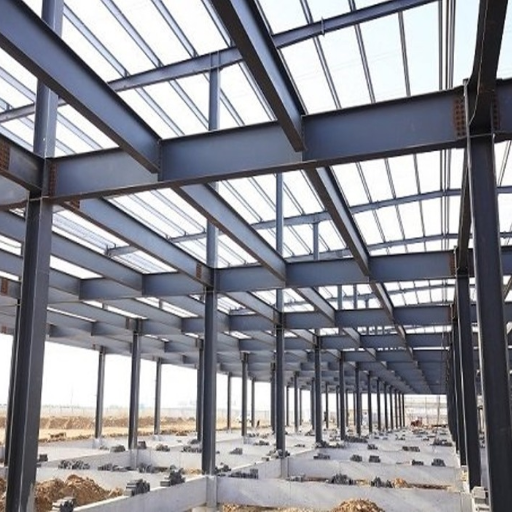
- Applications: Factories, warehouses, heavy machinery support
- Cost Savings: ~20% material cost reduction vs. conventional methods
- Specialized Uses: Crane rails, equipment platforms
- Manufacturing: Automated welding, laser-cutting for customization
- Performance: Handle heavy vibrations and dynamic loads
Benefits of Using H Beams
Strength and Durability
- Yield Strength: 50,000 psi and above with high-strength steel alloys
- Load Capacity: Superior to I-beams for heavy service loads
- Corrosion Resistance: Enhanced with protective coatings
- Uniform Distribution: Optimized flange and web dimensions
- Longevity: Reduced maintenance costs over time
Cost-Effectiveness
- Material Efficiency: Minimal waste in production
- Construction Speed: 30% cost reduction vs. traditional methods
- Labor Savings: Easy erection with fewer skilled workers
- Environmental Benefits: Made from recycled steel
- Lifecycle Value: Fully recyclable at end of service life
Versatility in Use Cases
- Applications: Skyscrapers, bridges, industrial structures, residential homes
- Load Handling: Excellent strength-to-weight ratio
- Renewable Energy: Wind turbines and solar panel support
- Market Growth: Global steel beam market projected to exceed $160 billion by 2030
- CAGR: 5% annual growth rate
Selecting the Right H Beam Dimensions
Understanding Load Requirements
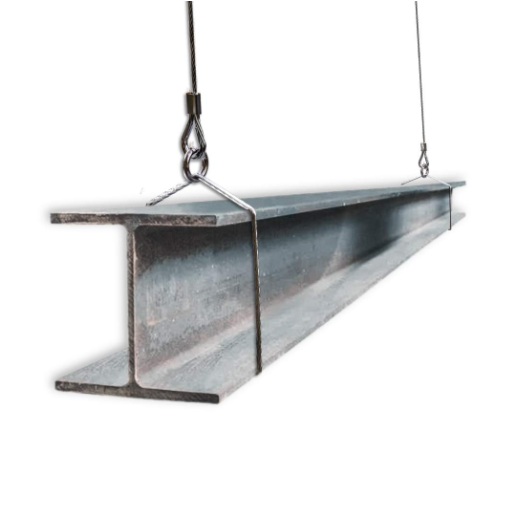
The criterion for choosing a correct H-beam is as follows:
- Load Types:
Axial forces
Bending forces
Shearing forces - Key Dimensions: Flange width, thickness of the web, and overall height
- Capacity Example: W12x26 beam offers a resistance of about 112.1 kip-feet of bending moment
- Analysis: Using Finite Element Analysis or structural engineering software
- Loads Considered: Live (temporary) and dead (permanent)
Material Quality Considerations
- Material Standard: ASTM A992 (Yield strength~50 ksi/345 MPa)
- Corrosion Protection: Galvanized steel or weathering steel ASTM A588 grade
- Seismic Application: Materials possessing fair toughness and energy dissipation.
- Sustainability: More than 60% of structural steel is recycled.
- Environmental Compliance: Less environmental impact.
Industry Standards and Guidelines
- The key organizations:
American Institute of Steel Construction (AISC)
International Organization for Standardization (ISO) - Main Standards:
AISC 360 Specification for Structural Steel Buildings
ISO 14001 for Environmental Impact Management - Market Growth: The green building materials market is estimated to grow beyond $610 billion by 2030
- Growth Rate: At 11.6% CAGR
- Certifications: LEED certification promotes the use of recycled content
Frequently Asked Questions
The dimensions of steel beams vary widely depending on the application. H-beams commonly range in height from 100mm to 1000mm and in width from 50mm to 400mm. The choice depends on factors like moment of inertia, section modulus, and expected loads. Engineering professionals use design tables to select appropriate sizes based on these considerations.
H beam strength is determined by analyzing dimensions, material properties, and expected loads. Key factors include moment of inertia and section modulus for assessing performance under loading conditions. Engineering software tools provide simulations based on various parameters. Consider material type, weight, and beam area when calculating capacity. Consult engineering professionals for accurate assessments.
H-beam design is influenced by the intended use, load requirements, and environmental considerations. Critical factors include structural integrity, weight distribution, and moment of inertia. The availability of different sizes and shapes also affects design choices. Engineers use design software to model scenarios and optimize dimensions and material properties.
Essential information includes load type, span length, and environmental conditions. Key factors are moment of inertia, cross-section shape, and material specifications. Engineers refer to design tables providing data on various sizes and weight capacities. Consider beam support conditions and lateral loads. Professional consultation ensures optimal selection.
Yes, various H beam types exist for specific applications and load requirements. Common types include standard H-beams for general construction and European H-beams with different sizing standards. Selection depends on moment of inertia, section modulus, and project design criteria. Engineers use design software to evaluate the suitability of a design based on its intended use and the environmental conditions.
Reference Sources
- Wermac: Detailed steel profile dimensions and HEA beam specifications
- Service Steel: Comprehensive wide flange beam sizing charts
- Carnegie Beam Sections by AISC: Historic reference for structural steel beam profiles
- AISC Structural Steel Dimensioning Tool: Interactive tool for rolled section dimensions
- Wikipedia: General I-beam overview and applications


