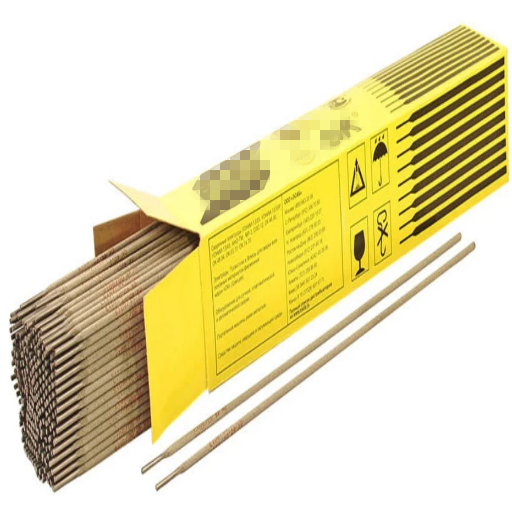
When it comes to stick welding, choosing the correct welding electrode is the basic step in achieving clean, durable, and professional-grade welds. With many types of welding rods existing, all meant for different metals and welding circumstances, it’d be a somewhat difficult feeling to understand their differences. Whether it’s a mere home-repair job, creating industrial-strength joins, or adorning the prestige of a fine art of making welds for an interesting job, quality, efficiency, and success of welds get directly impacted by the choice of electrodes. This guide will lead you through the basic types of stick welding rods, their properties, and best uses so that you will be able to make the right choice and improve your welding skills.
Introduction to Stick Welding and Welding Rod Types
The Significance of Picking the Right Welding Rod
Dispose and installation of arc-welding rods have consequences for the strength, thin, and finished nature of the weld. Welding rods or electrodes can vary in materials, coatings, and sizes according to their intended application and working environments: The considerations to take into account in choosing an electrode are the metal being welded, strength requirements, environmental factors that may affect welding, cleanliness of work surface on-site, or different welding positions. For example, pipe welding with 6010 gives deep penetration, whereas the 7018 Rod electrode is used in structural work because of the smooth finish provided and higher tensile strength. If the rod choice is not proper, the weld would produce weaker joints, spatter, and cracks, to name a few. Having a good knowledge of welding rods enables the person to marry the capacity of the rod with project requirements to ensure that the final welds perform well and last.
Role of Welding Rods in Providing Strong and Durable Welds
An appropriate welding rod must be selected for producing welds that will be strong and durable and stand the test of time. Factors such as material type, joint coping, and welding position contribute in determining the rod needed. Recent ‘s search trends indicate that many welders are searching for advice about how to distinguish between rod types like 6013, 6010, and 7018. These rods perform different purposes-6013 rods, for instance, are generally considered more versatile, balancing penetration with easy slag removal, while 7018s are preferred for their low-hydrogen coating and structural performance. Yet, changes in climate and environment may demand variations in rod selection. Humidity or cold temperatures may inhibit ease of use or affect storage conditions. They use this knowledge to make the best decisions possible about wound projects.
Overview of Popular Types of Stick Welding Rods
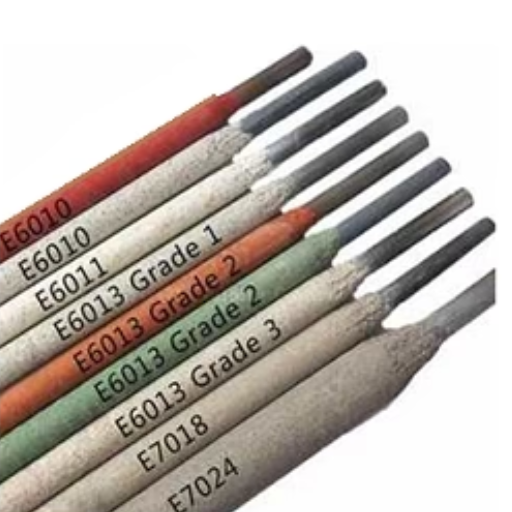
There are many types or classifications of stick welding rods according to applications and material requirements. Commonly used rods may include E6010, E6011, E6013, and E7018 rods. E6010 rods penetrate deep and weld through rust, paint, or dirt, making them perfect for outdoor or fieldwork, construction projects, and pipeline projects. The E6011 rods are similar but are mostly used with AC welding when versatility is needed. E6013 rods produce smooth welds with little spatter on thin metals and are the best rods for beginner welders and light fabrication work. E7018 rods, however, are considered the best rods for structural steel welding because they possess a low-hydrogen coating, tensile strength, and crack resistance for use in applications where failure is critical, such as bridges, buildings, and heavy machinery.
⚡
Popular Welding Rod Types at a Glance:
- E6010: Deep penetration, outdoor work, pipeline welding
- E6011: AC welding, versatile applications
- E6013: Smooth welds, beginner-friendly, light fabrication
- E7018: Structural steel, high tensile strength, low-hydrogen
Recent search trends certainly strengthen the notion that interest remains considerably high with regards to the E7018 rod and resulting in its prime reliability in high-strength applications, and its ability to produce results of high standard and outstanding quality. Likewise, amateurs and professionals alike are exploring hybrid uses with rods, such as combining E6010 for root passes and E7018 for the more structurally demanding cap passes. This combination yields maximum results in creating durable, and eye-pleasing welds. Welders easily select the best tools that fit their needs simply through an understanding of the characteristic properties and typical applications of each rod. This stands as a veritable guarantee that efficiency and accuracy are promoted in carrying out the projects.
Classification of Welding Rods
Types of Welding Rods Based on Coating
Welding rods are classified according to their coating materials because coat and performance-in-use applications greatly correspond to each other. Some commonly used types are:
Cellulose-Coated Rods
Known for deep penetration, welding through rust, oil, or dirt, these rods, such as E6010, are used in pipeline welding and other vertical or overhead positions. The cellulose coating shields the weld pool with a good gas shield during welding.
Rutile-Coated Rods
These rods are really handy, with an excellent bead appearance and with the ease of slag removal: perfect for any beginner. Generally speaking, these are considered for sheet metal work or general-purpose welding.
Basic or Low-Hydrogen Rods
E7018 rods, for example, have a calcium carbonate and fluoride-based coating. They weld with high tensile strength and are employed in structural applications where resistance to cracking is paramount. An atmosphere devoid of moisture during storage is essential to retain quality.
Acid-Coated Rods
These rods have become rather uncommon but are renowned for a smooth welding operation and ease of use. Usually employed in occasions where the appearance of the weld is given more importance than strength.
When welding rods are matched in reference to their coating characteristics with what is required in the job, then welders can be assured of the best possible results. For instance, while cellulose-coated rods are suitable for fieldwork requiring deep penetration, rutile-coated rods are superior in controlled environments with aesthetic needs for a flawless finish.
Types of Welding Rods Based on Material Compatibility
To weld stronger and durable welds, welding rods used have to be compatible with the base materials. Welding rods, or filler metals-alloy wires-are divided based on their compatibility with the base metal in process:
A welder can improve the quality of a weld, reduce the potential for defects, and assure a longer loss of life of a product by knowing the base material and choosing the right rod for it. Manufacturer guidelines and industry standards would also need to be looked at for making an informed choice.
Consumable and Non-Consumable Electrodes
The difference between consumable and non-consumable electrodes must be understood before the welding operation can be set up. Consumable electrodes, such as those used in Shielded Metal Arc Welding (SMAW) or GMAW, are melted by the welding operation to form the weld joint. They act both as heat and filler material, subsequently needing further reinforcement in joint applications. Such electrodes could be mild steel, stainless steel, aluminum, or any other substance compatible with the base material and the welding environment.
This welding procedure employs non-consumable electrodes which do not melt during welding. By and large, these consist of tungsten electrodes used mostly in Gas Tungsten Arc Welding or GTAW (TIG welding). A non-consumable electrode may form the welding arc, forcing the welder to add any filler by hand. The tungsten electrodes could be used in the aerospace, automotive, or precision manufacturing industry for making clean waxy-wax welds owing to their high melting point and resistance to heat.
Welding Rod Types and Their Applications
Low Hydrogen Electrodes
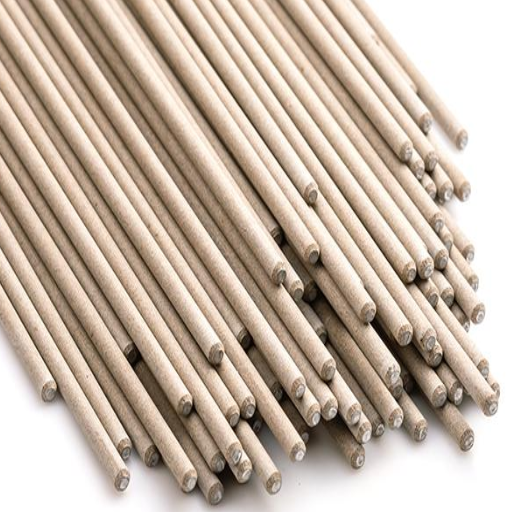
Low hydrogen electrodes are welding rods specially designed to reduce the amount of hydrogen entering into the weld, thus minimizing the tendency of hydrogen cracking. According to the last data extracted from the search engine, these electrodes are most commonly researched and sought-after in specialized fields such as construction, shipbuilding, and pipeline maintenance, placing high-strength, steel-based materials in high demand. They are found very much suitable for welding thick steel sections and may be classified as electrodes that produce clean welds with sound integrity. The low hydrogen content ensures maximum durability and structural stability under all difficult circumstances.
Cellulosic Electrodes
Cellulosic electrodes are a kind of welding electrode with their particular coating being composed mostly of cellulose. These electrodes are particularly useful in deep-penetration welding requiring all round strong and consistent welding on vertical and overhead positions. So an interesting trend with electrodes and based on data from ‘s search engine, these electrodes are heavily implemented in industries such as pipeline building and repair, where flexibility and dependability are the key requirements. Good forceful arc and fast freezing slag are produced with them, making the electrodes suitable for difficult fieldwork. Also, a question may arise: “Why are cellulosic electrodes widely used in pipeline welding?” The answer to this lies with their ability to weld outdoor welds or less controlled environments with solid performance under adverse conditions of wind and low temperature. They are, thus, dearly required when projects demand adaptability with perfect results.
Basic Electrodes
Basic electrodes or low-hydrogen electrodes must be selected for welding tasks requiring high-quality, crack-resistant welds. They are named so because their flux coating contains very low hydrogen content, which prevents hydrogen cracking. Structural welding is done through these electrodes; heavy fabrication and the like, where the best mechanical properties in the weld are needed.
A delicate and highly technical asking followed: “Why do industries choose basic electrodes for critical-weld jobs?” Because basic electrodes probably give high strength and less chances of welding defects in addition to cleaning up smooth on weld with penetration. As per the latest statistics in the search trend, low hydrogen electrodes and their benefits are trending among the welding industry, proving their relevance in this modern era of manufacture and construction. These electrodes have sound welding abilities, even on materials under extreme stress and are, therefore, of utmost importance in very fine and demanding applications.
Advantages and Disadvantages of Each Type of Welding Rod
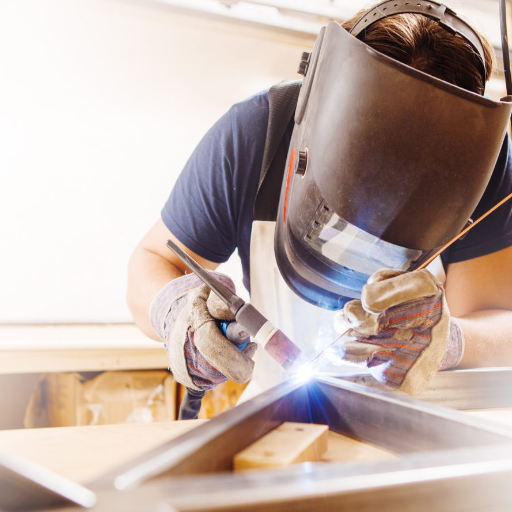
Pros and Cons of Low Hydrogen Electrodes
Low hydrogen electrodes are considered top-grade welding electrodes since they reduce contamination and scouring cracks. The advantages and disadvantages are discussed here based on their applications and the most recent search trend figures.
✓
Advantages
- Minimize Cracking: Greatest advantage is their capacity to minimize hydrogen-induced cracking
- High Performance Under Stress: Providing for high strength and durability under extreme conditions
- Clean Welds: Due to low moisture contents, these electrodes produce clean welds
- Broader Application: Found in shipbuilding, pipeline construction, and civil engineering
✕
Disadvantages
- Storage Requirements: Require storage in moisture-resistant packaging or ovens
- Higher Cost: Always cost more, increasing overall project costs
- Skill-Dependent: Proper handling requires advanced welding skills
One sees according to ‘s data that the interest bloom regarding “low hydrogen welding electrodes” shows an increase in recognition of their value in modern manufacturing and construction projects. Even with their high cost and technical demands, for applications where precision and reliability are critical, the advantages truly weigh out the drawbacks.
Cellulosic Electrodes: Pros and Cons
Cellulosic electrodes are generally considered more versatile and can help yield excellent welding results in challenging environments. Below is a detailed discussion of their pros and cons:
✓
Advantages
- Deep Penetration: Best suited for pipe welding and strong fusion applications
- All Position Usability: Perform well in vertical and overhead positions
- High-Speed Welding: Enables faster welding with higher production rates
- Good Outside Conditions: Tolerate moisture and winds for outdoor applications
✕
Disadvantages
- High Skill Application: Requires high level of skill from experienced welders
- Spatter and Cleanup: Develop more spatter, requiring extra cleaning time
- Potential Hydrogen Cracking: Can cause cracking in high-strength steels
- Limited Finish: Weld bead appearance may not be as uniform
Recent search trends reveal that in the last fifteen years or so, industries engaged in pipeline construction and heavy-duty outdoor projects have developed greater interest in cellulosic electrodes. This means that their practical applications necessarily remain on which sectors continue to insist as a question of durability and efficiency, not aesthetics. While the demand speaks to the value of these electrodes being recognized, the upside to this search data is that it also points to an urgent need for professional training and technical expertise in overcoming the problems of hydrogen cracking and spatter control.
Advantages and Disadvantages of Basic Electrodes
✓
Advantages of Basic Electrodes
- Weld Quality: Produce welds with high strength and ductility
- Hydrogen Control: Prevent hydrogen-induced cracking effectively
- Good Performance Under Stress: Best suited for high-stress materials
- Welding Out of Position: Allow versatile positioning for complex work
✕
Disadvantages of Basic Electrodes
- Storage: Requires special care and often storing in ovens
- Higher Skill Level: Requires more technical training
- Lower Welding Speeds: Slower deposition rates than other types
- Surface Conditions: Need clean surfaces to work effectively
Recent search trends have been registering interests about the technical use of basic electrodes and how to defeat such usual problems as hydrogen cracking and spatter control. This effectively conveys that while the merits of basic electrodes make them genuinely indispensable in industries such as pipeline construction, a professional has to be able to use them. Companies and welders are now actively searching for resources in training, indicating a strong demand for customer-centric programs to boost welding skills and knowledge.
Practical Tips for Choosing the Right Welding Rod
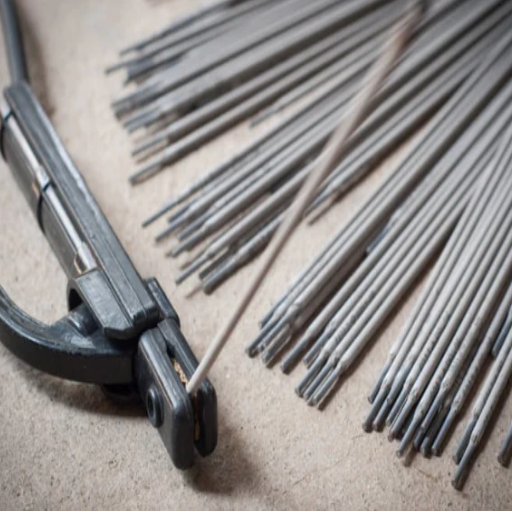
Factors to Consider in Welding Rod Selection
In choosing a welding rod, the base metal being welded, the position of welding, and the welding process type all need to be considered. Only a compatible welding rod can offer a strong and durable bond with the base metal. Some are manufactured according to the needs of the welding position, such as horizontal, vertical, or overhead. Usually, a welding rod must possess at least equal tensile strength as the optional base metal to prevent the weld from becoming a weak link in the joint between the welded materials.
According to the latest data from the search engine trends, professionals must seek information about various types of rods, such as E6010, E7018, which might be their general-purpose application, in one way or another, strength-wise. Search queries indicate increasing curiosity over rod coatings that influence arc stability and the ease of use. Broadly considered, such factors and a common set of queries stress the importance of wisely deciding on the welding rod that gives the best performance and results.
Welding Rod Matching with Material Types and Thickness
Matching welding rods to types of material and thickness will take into account the properties of the base metal, the welding position, and the strength of weld desired. Trends in data extracted from the search pattern of users have recently indicated that users often seek recommendations for welding metals such as thin gauge metals and dissimilar metals.
Thin materials see great utilization of E6013 rods, which produce smooth and shallow welds, minimizing the risk of burn-through. Conversely, with thicker metals, E7018 rods are preferred for deep penetration and high tensile strength for producing tough welds. Also, for joining different metals, nickel rods are often enquired about for their versatility and adaptability to different metals.
These popular search trends emphasize the need to understand the nature of welding rods and the material to be worked on. In doing so, a welder ensures the best outcomes depending on work intensity, structural value, or aesthetic appeal.
Welding Position and Its Impact on Rod Selection
The welding position often contains the determining factor on rod choice so that the welding results consistent and of high quality. The recent statistics from ‘s search engine points to the inquiries through which welders articulate their gripes over vertical or overhead welding positions. These rods have to have characteristics specific to these welding positions, such as having controlled melt-off rates, superior slag control, finesse in manipulation, and reduced chances of defects.
For instance, rods of E7018 are most scrutinized because of their use in all welding positions, mainly in vertical and overhead applications, thanks to balanced flux coating and arc stability. Likewise, rods of E6010 stand high in their popularity because of producing deep penetration, making them suitable in difficult positions and hard access. These searches underpin the necessity of understanding rod properties with welding positions, as the proper rod can complement weld quality while also improving efficiency and operator comfort.
Safety Tips for Using Stick Welding Rods
⚠
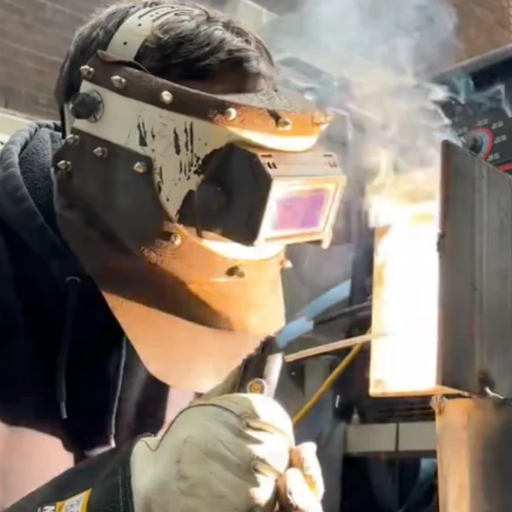
Safety is paramount in welding operations. Follow all safety protocols and use proper protective equipment.
Essential Protective Gear for Welders
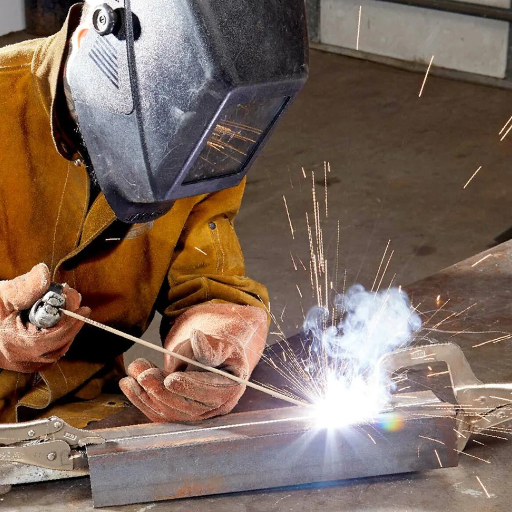
Welders must safeguard themselves with the right PPE because safety prevails over everything else. Important stuff includes a welding helmet that must have a correct welding lens shade to shield eyes and faces from intense light and UV rays and safety goggles to protect from flying debris when the helmet is off. Flame-resistant gloves and jackets are needed to prevent the welding spatter and sparks from burns. Steel-toed boots should be worn for the safety of feet against heavy incidences and welding splatter. Using disposable respirators or PAPRs in restricted spaces will keep the welders out of danger from inhaling harmful fumes.
Preventive Measures of Stick Welding Accidents
Search trends showed that a number of factors influence the prevention of accidents in stick welding: proper technique, safety protocols, proper PPE being one of the aspects. Searches for welding helmets and respirators indicated auto-darkening filters for enhanced visibility and less eye strain, and respirators to guard against fumes. A clean and well-organized workplace is the other must-have technique. Allowing for a safe environment that cuts down on trips and falls would also make movement smoother in tight locations.
Inspections and maintenance should be regular operations in welding. A machining defect and welding defects in electrodes can be all causes of malfunctions that pose threats to safety. According to these figures, there has been an uptrend in searches by the keyword welding safety training; hence emphasizing the need for specialized training. This training trains the employees with respect to the handling of materials, working with tools, and emergency procedures.
Lastly, proper ventilation measures need to be maintained to minimize the adverse effects of breathing in toxic fumes. Installing appropriate exhaust systems or working in well-ventilated areas fits into concerns reflected in trending topics relating to respiratory health. Together with ensuring good working practice and the availability of the most modern protective devices, the welding environment will be made much safer for workers.
Safe Handling of Welding Rods: Best Practices
Proper handling of welding rods demands attention to safety and weld efficiency. Based on data attracting a significant amount of search activity on the search engine, people are mainly concerned about preventing moisture contamination, managing storage conditions, and chemical exposure.
📋
Best Practices for Rod Handling
- Store Welding Rods in a Dry Environment:
Moisture hinders welding rods from developing welds structurally; bad welds result from it. Store the rods in containers duly sealed against humidity or in humidity-controlled storages.
- Wear Gloves and Protective Clothing to Prevent Contact:
Skin exposure to welding rods coated with flux may cause irritation or burns.
- Follow Manufacturer Guidelines:
Follow all handling and storage instructions from welding rod manufacturers. These instructions will be invaluable when you want to make the most of your application and ensure that it is safe.
- Avoid Open Air Exposure for a Long Time:
Welding rods should not be left unopened for long during operation, as their exposure would develop moisture from the air around. Ideally, rods should be used if taken out of the container.
- Dispose of rods that have been used or past the date:
They check expiration dates, not trusting degraded rods that could lower weld quality. Dispose of them in accordance with the local disposal regulations of industrial waste.
By attempting these measures and remaining explored on up-to-date safety recommendations, a worker will be able to lessen hazards and hold quality welds while integrating them into industry standards.
Frequently Asked Questions
Reference Sources
- Welding: Its Methods, Methodology, and Safety Measures
This paper discusses various welding methods, including the use of metal electrodes in arc welding, and provides insights into advancements in welding technology.
Read the article (PDF) - Methods of Conducting Practical Training on Power Sources for Welding
This document covers practical training methods for arc welding, including the use of power sources and electrodes, along with safety and troubleshooting techniques.
Read the article (PDF) - Metalwork and Enamelling
This book provides detailed information on metalworking techniques, including the use of rods and electrodes in welding processes.
Read the book on Books - guide for welding machine accessories