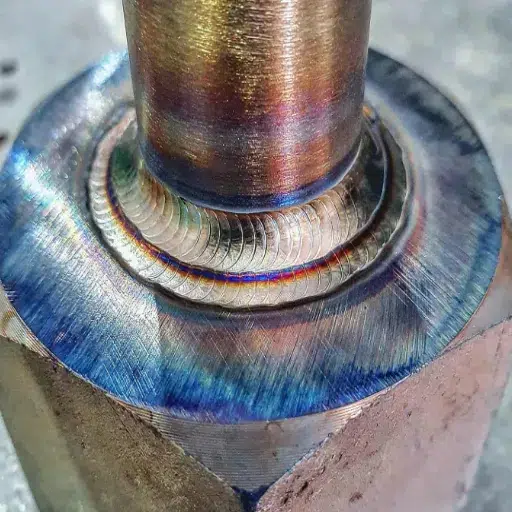
Welding stainless steel to steel can be regarded as a tough challenge, but if one possesses the appropriate skillset and tools, it becomes completely possible. The welding profession already opened the way to such metallurgical experiments, so understanding the intricacies of the union of these two metals is necessary for strong and high-quality durable results. This manual will demystify the basic operations, the necessary tools and methods for the successful welding of stainless steel to steel, while pointing out the typical difficulties and explaining how to beat them. By the finish of this writing, a detailed plan will be provided for carrying out this welding process with ease. So stay with us while we navigate through this captivating mixture of metallurgy and art!
The Feasibility of Welding Stainless Steel to Mild Steel
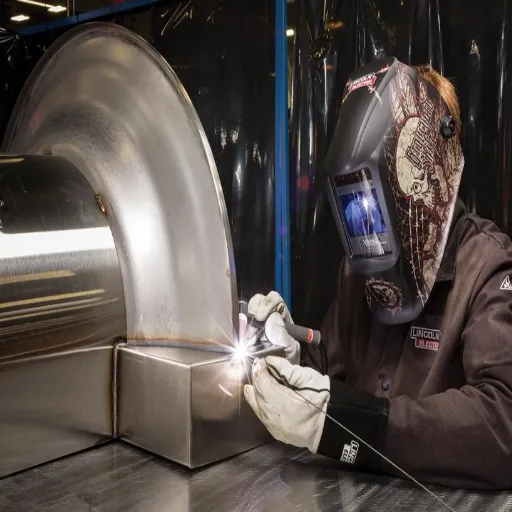
Grasping Dissimilar Metals
The welding process of non-similar metals like stainless steel and mild steel is an entirely possible procedure but necessitates the consideration of their contrasting properties. The main feature of stainless steel is its resistance against corrosion and high chromium content, while mild steel due to its low carbon content and non-use of corrosion-resistant elements is softer and, as a result, cheaper. The welding of these different materials simultaneously causes problems such as different thermal expansion rates, and the need for different types of filler materials, or even the occurrence of galvanic corrosion.
Welding dissimilar metals is a practice commonly used in various industrial sectors and the latest information from the search engine suggests that when these two metals are welded, a compatible filler material like austenitic stainless steel filler for e.g. ER309 rod is usually employed which acts as a bridge across the differing compositions. Moreover, when mild steel is preheated and then the heat input is controlled meticulously during the process it is possible not only to create a strong bond but also to make the process less susceptible to cracking or distortion. With right insulation and tools, the joining of stainless steel and mild steel will not only be the domain of experts but also of the skilled hobbyists as it is possible to have a strong and long-lasting weld between stainless steel and mild steel.
Benefits and Drawbacks
✓ Benefits
- ►
Application Versatility: Joining stainless steel and mild steel leads to flexible constructions where the best attributes of both are utilized, resistance to corrosion of stainless steel is coupled with the strength and cost-effectiveness of mild steel. - ►
Project Cost Reduction: The use of these dissimilar metals leads to a less expensive overall project than if all stainless steel were used. - ►
Durability of the Weld: If the heating is done properly, the weld can become non-disastrous and strong, hence could be used in the construction, automobile, or manufacturing industries.
✗ Drawbacks
- ►
Technological Challenges: The compositions and thermal properties of the two metals oppose each other leading to compounding that results in cracking, distortion, or weak bonds unless managed skillfully. - ►
Material Price: The use of fillers like ER309 and additional equipment for managing heat can add to the cost although mild steel itself is cheaper. - ►
Weld Corrosion Risk: Due to the different metals, the weld could easily be a spot for galvanic corrosion and will therefore need more protection.
Summary: Proper preparation, technique, and material selection are the deciding factors in successfully making a trade-off between these pros and cons.
Industrial Applications
Different industries take advantage of stainless steel to mild steel welding technology due to its flexibility and economic viability. One of the main application areas is the construction industry where both stainless and mild steel are used to make buildings and other infrastructures less costly and stronger and more durable in terms of their design.
Moreover, in the automobile industry, this procedure is adopted for making parts that need to be resistant to corrosion but are not supposed to be highly costly. Ex. in a case of exhaust systems, and other components that are subjected to heat and harsh environments are enabled by the blending of these two metals.
Furthermore, in the power generation industry, stainless-to-mild steel welding is one of the important techniques used for making pipelines and refining structures that are strong enough to endure even the harshest conditions while still being economical since the welds carry on in all the above-mentioned industries like shipbuilding and heavy machinery where the parts that need to be strong and resistant to corrosion are made by welding dissimilar metals.
Technological advancements coupled with continuous innovations in the welding methods and filler metals have broadened the range of applications. Recent search terms from ‘ show that there is a steady increase in the interest toward this process with the users looking for ways to improve joint durability and reduce corrosion problems which points to the growing importance of this technique in the modern industrial world.
Best Welding Methods for Stainless to Mild Steel
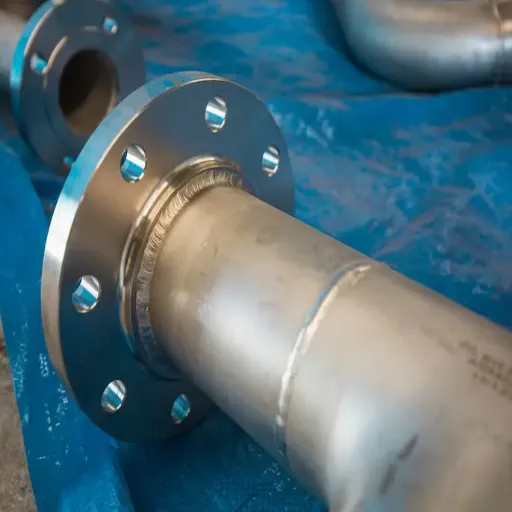
TIG Welding Techniques
TIG welding, which comes from the word “tungsten inert gas” welding, and also GTAW (Gas Tungsten Arc Welding) is one of the best ways to weld together stainless steel and mild steel. Precision, cleanliness, and aesthetic results are the benefits provided by the process making it perfect for the industries that require strong and corrosion resistant joints. When the welding is done between the metals having different properties, typically a compatible filler rod like ER309L is used to close the gap of different thermal and compositional characteristics.
Latest search data from is showing a trend of more and more people looking for ways to make TIG-welded joints more durable and at the same time preventing galvanic corrosion. Wanting to meet these challenges, professionals suggest monitoring the heat input very closely so as not to cause warping and also gas shielding of the weld area, e.g. argon-helium mix, to make certain of weld quality. Mild steel can also be preheated to cut down the chances of cracking and to encourage fusion of the dissimilar metals. With the combination of advanced TIG techniques and best practices used, welders are able to create durable as well as reliable results that can be applied in structural and industrial applications.
MIG Welding Approaches
MIG welding is a process that uses a solid wire electrode as the filler material and gas protection in the weld area. It utilizes the most versatile and effective welding techniques which are widely employed in industries. Shielding gas, mostly an argon mix, is supplied along with the welding of a continuous solid wire from the welding gun to prevent atmospheric contamination of the weld pool. It is the welders’ responsibility to properly adjust the wire speed, voltage settings, and gas flow rates to obtain the best possible results.
Correctly applied, MIG welding results in high welding speeds and clean and attractive welds. This process can be considered for very thin materials as well as quite thick ones. Newer technologies like pulsed MIG welding have been imposing better heat input control which results in less chance of warping and hence very accurate welding even of the most delicate material. Through these techniques and being up-to-date with the latest MIG technology, welders are able to produce strong/high-quality welds that are fit for structural and industrial applications.
Stick Welding Considerations
Stick welding aka Shielded Metal Arc Welding (SMAW) is still one of the most versatile and most used production methods of welding, especially for outdoor and industrial applications. Welding challenges are met with simplicity. Plus, it is still very handy due to its ability to weld many different types of metals—carbon steel, stainless steel and cast iron—among others. But still, there are some factors that are critical for reaching optimal results.
Proper electrode selection comes first, as different electrodes match specific materials and thickness levels. E6010 and E7018 are the most common electrodes because of their strength and versatility attributes. Another controlling factor is arc length taking—keeping stable and uniform arc prevents defects of various kinds including porosity and undercutting. Also, surface preparation is significant in stick welding. While this technique is tolerant to some surface contaminants such as rust or paint, cleaning the workpiece will yield a better quality weld.
It allows simplicity in stick welding but this added adaptability comes along in harsh conditions like high winds or wet environments where other methods may fail. But it does produce more spatter and requires clean-up after the welding process. The combination of recent SMAW innovations, such as better power sources and efficient flux formulations, allows the welders to optimize the productivity and to ensure the welds are solid and reliable both for structural and repair applications.
Types of Filler Materials for Welding Stainless Steel to Carbon Steel
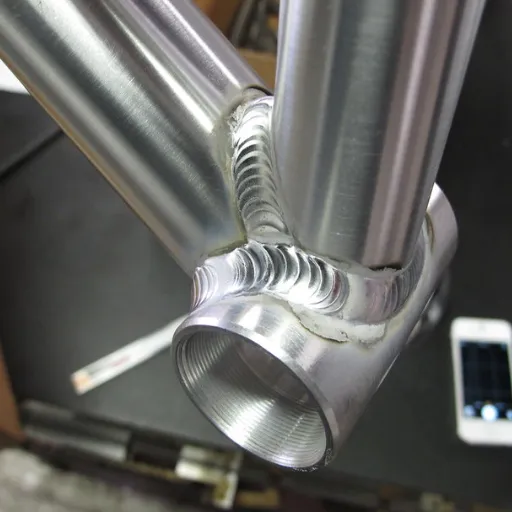
Choosing the Right Filler Rods
When it comes to welding stainless steel to carbon steel, the choice of filler rod is critically important and will have a big impact on the weld which will be both strong and corrosion resistant. Generally, the welders with lots of experience and the latest information tend to recommend austenitic stainless steel filler rods, for instance ER309 or ER309L classification rods, depending on a mix of their practical welding skills and the latest data. The two metals that are different in nature and properties are perfectly compatible and produce a joint that is strong and impervious to not only cracking but also corrosion. ER309 welding rods are designed specifically to take care of the thermal expansion and the chemical composition differences between stainless steel and carbon steel. Besides, preheating or controlling the welding parameters can considerably strengthen the chosen filler material’s capacity, thereby giving it a long-lasting and dependable presence in different applications.
Using Stainless Steel Wire
One of the most remarkable materials in the industry is stainless steel wire, which is highly regarded due to its toughness, resistance to corrosion, and capacity to endure severe conditions. Based on the modern search trend and data insights from , one of the top questions regarding stainless steel wire is: “What makes it an ideal option for industrial and residential uses?”
The response comes out of its remarkable characteristics. Stainless steel wire is very hard to rust or oxidize; that is why it becomes a very good choice in places where the air is humid or where there is water exposure. Its hardness and pliability make it acceptable for the industrial branches like construction and car making which are very different. Furthermore, the tensile strength of stainless steel wire is much higher than that of its competitors and thus can bear quite a lot of stress before being damaged. All these properties, together with the fact that it requires very little maintenance, make wire of stainless steel popular and effective in a wide range of uses, both commercial and private.
Impacts of Filler Material Selection
The choice of filler material is one of the most important aspects that have to be taken into account because it has a direct impact on the performance, durability, and cost-effectiveness of the product. Usually, the fillers are capable of enhancing the most important properties such as the strength, heat resistance, or electrical conductivity, thus the product can be accepted with the required characteristics. The case can be made of welding, which requires the selected filler to ensure strong, corrosion-resistant joints that can survive even the harshest environments. The construction and aerospace industries have to rely on careful filler material selection in order to achieve the highest safety and stability.
Recent data indicates that customers’ awareness about sustainable and at the same time inexpensive filler solutions is increasing as seen in the search trends. Materials used are composite fillers and advanced alloys, which both keep the waste at the producer’s end low and do high performance. The trend is in favor of the earth since it is global campaign for the green and clean manufacturers. Then, research and development become the fuel of the filler materials’ innovation at every turn of the industry standard as well as customer satisfaction. The selection of the right filler material is still a technical decision however it is also a factor that greatly affects the quality and sustainability of the product in the long run.
Challenges in Welding Stainless Steel to Regular Steel
Heat Affected Zone (HAZ) Issues
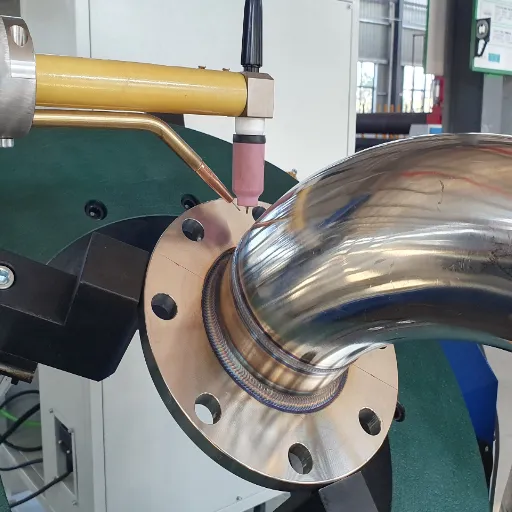
The Heat Affected Zone (HAZ) is the predominant factor when discussing the welding of stainless steel and carbon steel; the reason behind this is the completely opposite metallurgical properties of the materials involved. The HAZ is the area of the base metals where changes are made by the heat from the welding process. Among others, this results in changes to the material’s strength, resistance to corrosion, and, ultimately, its durability. The difference in thermal expansion rates and compositions can lead to cracks, distortions, or even the creation of brittle structures in the HAZ during the welding of stainless and regular steel.
In addition, current researches indicate that the choice of filler materials and pre-weld preparations are important for overcoming the problems that the HAZ presents. The use of compatible fillers, e.g., austenitic stainless steel electrodes, will not only reduce brittleness but also ensure the weld’s integrity. Additionally, controlling interpass temperatures and using post-weld processes like stress relieving and heat treatment will contribute to the elimination of potential difficulties. Once proper techniques and planning are employed, the problems will be effectively solved and a strong and durable weld secured.
Corrosion and Galvanic Reactions
Corrosion and galvanic reactions are issues that are considered in the choice of materials and engineering designs, being natural phenomena. To illustrate, corrosion is the decay of a material, mostly metal, because of a chemical or electrochemical interaction with its surroundings. On the other hand, galvanic reactions occur when two dissimilar metals are connected electrically and are placed in the same conductive electrolyte, thereby, the anode metal’s corrosion is accelerated.
To lessen these complications, it is important to the use of materials transferring electrochemical properties which are closely related. Environmentally, protective coatings like paint or galvanized, can act as a barrier and protect materials from the environment. The use of cathodic protection, either through sacrificial anodes or the imposition of current systems, can help reduce galvanic corrosion. An emerging industry trend is that of utilizing corrosion-resistant alloys and nanocoatings to prolong the lifespan of equipment which is now replacing the usage of more traditional methods like guards, enclosures, and coatings. Besides, regular inspections and maintenance need to be planned and executed to detect incipient stages of corrosion and apply preventive measures.
Prevention and Mitigation Strategies
According to the latest searches on the Internet, there is an increasing awareness of the necessity to implement early actions to counteract corrosion, especially in industries that work under extremely difficult conditions. Prevention and mitigation techniques are slowly but surely turning to AI and ML—these are the very technologies that are going to monitor and predict corrosion patterns in real time. With the help of such advanced techniques, the companies will be able to process huge data collections, recognize the points of danger and perfect their maintenance scheduling. The industries of today have the capacity not only to cancel out the effects of damage but also to utilize the new inventions such as the so-called smart coatings that have self-healing capability and corrosion sensors. Moreover, the companies employing digital twins—these are the digital likenesses of their physical systems—will determine the effect of corrosion and be ready with better decision-making and resource allocation that are now done through the traditional system. The bacteria and the fungus that live in soil are thus making use of technology to go beyond their conventional methods of prevention and control.
Tips for Successful Welding Practices
Preparation and Cleaning Techniques
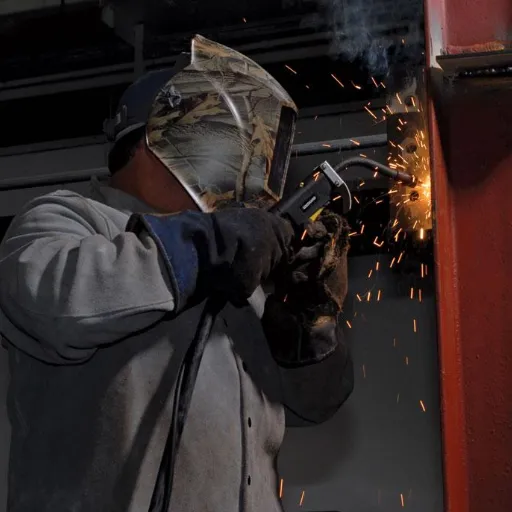
Solid and long-lasting welds are unthinkable without the right preparation and cleaning methods. If you do not get rid of the dirt, oil, rust, and paint from the joints before you start with any welding, you are just asking for the weld to be of a poor quality. You can remove the contaminants by either wire brushing, grinding or using chemical cleaners, specifically made for welding applications. Clean and smooth edges at the joining points provide the conditions for better fusion, and most probably, there are no defects left, like the porosity or the weak joints.
The use of advanced surface preparation tools, for example, laser cleaning systems, has not only gained popularity but also been backed up by modern techniques, data insights, and the search engine’s sources. These tools provide very accurate, eco-friendly cleaning by taking away layers of debris but without compromising the base material. Besides, preheating the metal, when needed, can eliminate defects, like cracking, especially in the case of high-carbon steels being welded. The trio of clean, prepared, and new technology will not only facilitate the welding processes but will also improve the quality and reliability of the welds done.
Welding Parameters and Settings
Among the most vital factors for strong and consistent welds is proper welding settings and parameters. Welding amperage, voltage, moving speed of torch, and type of electrode are the reasons for the difference in weld quality. For instance, joining of mild steel calls for lower amperage than that of joining thicker stainless steel to avoid overheating and ensuring penetration. Like-wise, travel speed alteration can cause a drastic change in bead profile, heat input; too fast might lead to lack of fusion, whereas very slow can produce excessive heat distortion.
Post-Weld Treatment and Inspection
It is a common misconception that post-weld treatment is a dainty treatment and in fact, it is a very rough and tough process meant to strengthen welded components. One of the most common ways to achieve this is heat treatment which is a stressed-relief method, one that makes the weld metal not to be weak and prone to cracking and distortions. Depending on the type of metal and its application, different methods such as annealing or normalizing can be used. In addition, surface cleaning by wire brushing or chemical solution not only cleans but also prevents the metal from corroding.
Inspection is an important step that cannot be skipped after welding; it is the step that tells you the quality and detects if there are any defects. Visual inspection, ultrasonic testing (UT), and X-ray radiography are among the most used techniques. The visual inspection would be able to detect surface irregularities such as porosity or undercutting but NDT methods like UT or radiography would be able to indicate the existence of internal flaws without the material being destroyed. Requirements that are up-to-date, and the specifications of the manufacturers will very much enhance post-weld reliability.
Automated inspection systems have become an area of interest in recent times, according to the search engine data. These systems might comprise of robots and the participation of AI in the performance of thorough assessments done with accuracy and consistency, and thus, human error is reduced. Industries that keep an eye on the upcoming technology will not only improve their post-weld processes but also when they follow quality standards, they will be very strict.
Frequently Asked Questions (FAQ)
❓ Is it possible to join stainless steel and carbon steel by welding?
Yes, stainless steel and carbon steel can be joined by welding though there are some aspects associated with it. The difference between the melting points and the microstructures of the two materials can create problems like hot cracking. The utilization of a filler metal composed of 309 or 309L stainless steel can be very helpful in this aspect because it is nickel and chromium, which are conducive for the process, that the filler consists of. Moreover, while welding it is crucial to set the right amount of both dilution and heat input so that the welded joint has excellent mechanical properties. Good preparation and post-weld treatment are also needed not only to prevent corrosion but also to keep the weld strong.
❓ Which one is the best welding method for stainless to carbon steel?
The most common and therefore best welding method for dissimilar metals like stainless and carbon steels is Gas Metal Arc Welding (GMAW), popularly called MIG welding. This process provides a controlled heat input which is necessary when dealing with incompatible metals to avoid warping or damage. By using a filler rod made from 309 stainless the weld can be improved even more and become a more durable joint. Besides, a powerful welding machine capable of handling the stresses imposed by welding stainless to carbon, especially in terms of amperage and voltage, is necessary. The welding process also benefits from the use of a shielding gas mix containing helium that provides arc stability and penetration.
❓ Can welding of stainless steel to mild steel be considered difficult?
Welding the aforementioned metals could be considered as a difficult task due to large differences in chemical composition and melting points. The presence of carbon in mild steel would increase the probability of hot cracking and at the same time it would decrease the corrosion resistance of the area that has been welded. If one wants to make the waterproof between material and steel, then it would be better to use a filler like 309 which is stainless and similar in nature, so that the treated steel will not be exposed to the dilution effects. Moreover, in such conditions if the welding process is employed that minimizes the heat, then the risk of warping of base materials will also get reduced. Cleaning the surfaces that are to be welded together and preheating the materials coming in contact can also elevate the outcome.
❓ What are the various mechanical properties of the welding of carbon steel with stainless steel?
The welded stainless steel to carbon steel might have very different mechanical properties depending on the welding method and the filler used. Generally, stainless steel addition makes the joint resistant to corrosion but carbon might lower the overall strength and ductility. Use of a filler such as 309L can lead to strong joint with good mechanical property because of its nickel and chromium content. On the other hand, the heat-affected zone might get so hot that martensite could form, which would then cause the area to be brittle. Therefore, the welding parameters and post-weld heat treatment have to be operated with great care to get the desired properties.
❓ Can normal MIG be used for stainless steel welding?
Indeed, welding stainless steel is possible with conventional MIG welding. It however requires the process to be fine-tuned through specific modifications. Welding stainless steel and particularly carbon steel necessitates the use of appropriate filler metal and shielding gas to eliminate contamination. 316 stainless steel filler can be used to increase the weld’s corrosion resistance while a shielding gas containing a specific amount of argon and helium can be used for arc stability. Moreover, having the correct voltage and amperage settings on the welding machine is very important for obtaining a quality weld. The use of good technique and preparation is indispensable when welding stainless steel using regular MIG.