
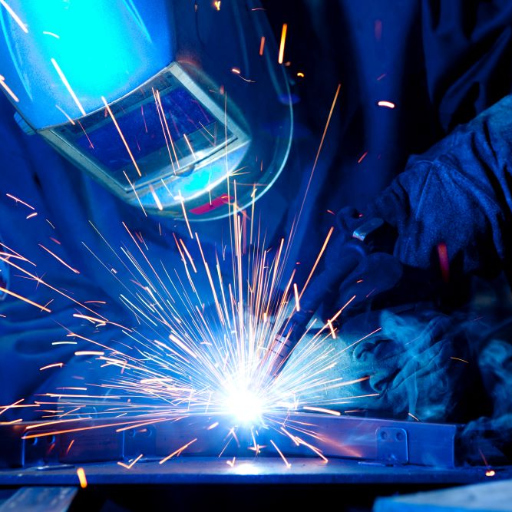
The process of electric welding involves artistry and science, and it requires metalworking tools with precision engineering. It can bring metal projects to life. Understanding tools, techniques, and skills is crucial whether you are a beginner wanting to learn the basics or a professional trying to polish your skills. Electric welding can be mastered using this guide which contains crucial information and actionable tips to improve one’s productivity and self-esteem. We will delve into basic equipment selection, skills enhancement, electronic equipment precision calibration to bolster protective measures enabling a successful and safe project completion. Get on board to ignite creativity and boost confidence to weld unreservedly.
What is Electric Welding and How Does it Work?
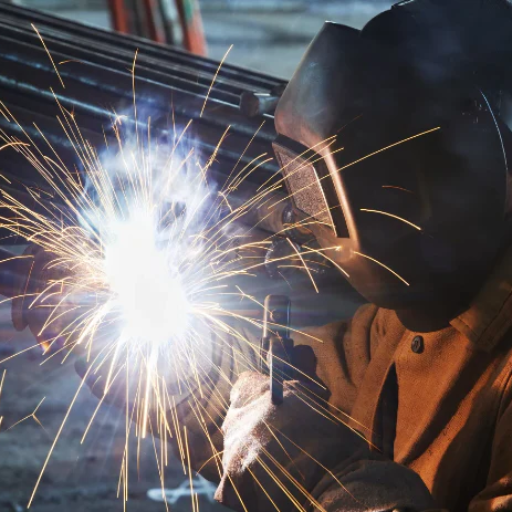
With electric welding, pieces of metal can be joined together by the heat generated from an electric current. It is a process of melting the metal at the joints and cooling them to create strong legal hugs aide buds in the joins. It is an effective procedure done using electric arcs which takes current between an electrode as well as the surface of the metal to produce sufficient heat. Electric welding is a favored option and done by different industries since it is economical and effective for various forms of repair and metal work.
Skipping to Component of Electric Arc Welding
Usage of electric arc welding is common due to its quick and effective basics in joining pieces of metal. The procedure is simple as it encompasses creating an electrical arc which supplies current in two components, an electrode and the base metal. The temperature produced through the electric arc often exceeds an alarming 6 thousand degrees Fahrenheit alongside being intensely hot. This extreme temperature tends to melt both metals ,and any consumable electrodes, enabling them to lock. The solidification of the copper later forms a steadfast connector making it reliable while withstanding multiple pressures.
Key Differences: Electric Welding vs. Gas Welding
Electric welding and gas welding differ in heat source, efficiency, cost, portability, and application scope.
| Parameter | Electric Welding | Gas Welding |
|---|---|---|
| Heat Source | Electrical Arc | Gas Flame |
| Efficiency | High | Moderate |
| Cost | Moderate | Low |
| Portability | Limited | High |
| Application | Broad | Specialty |
The Role of Electrodes in the Welding Process
Equally important, electrodes are integral to the welding process since they enable the flow of electric current to generate heat required for effective welding Electrode types are divided into two groups: consumable electrodes and non-consumable ones.
- Consumable Electrodes: These electrodes are incorporated into the weld and therefore, they melt during the process. For instance, flux-cored devises used in SMAW or shielded metal arc welding. Recently, it was reported that during 2022, the consumable electrodes market reached a value of USD 4.21 billion due to the increasing demand in construction and automotive as well as other sectors.
- Non Consumable Electrodes: These electrodes are made of tungsten, which does not melt in the arc and, therefore, is not classified as a consumable. This type is used in gas tungsten arc welding (GTAW) and is beneficial for precise works of high-quality joints. Tungsten electrodes outstand other materials in their durability, having melting points above 6192°F (3422°C), making them specially useful in aerospace and energy industries.
The application of coatings on consumable electrodes or flux significantly improves performance by stabilizing the arc, shielding the weld from atmospheric contamination, among other things. Work is still being done in electrode technology to enhance efficiency, spatter reduction, and overall quality of modern industrial welds.
Which Welding Machines are Best for Arc Welding?
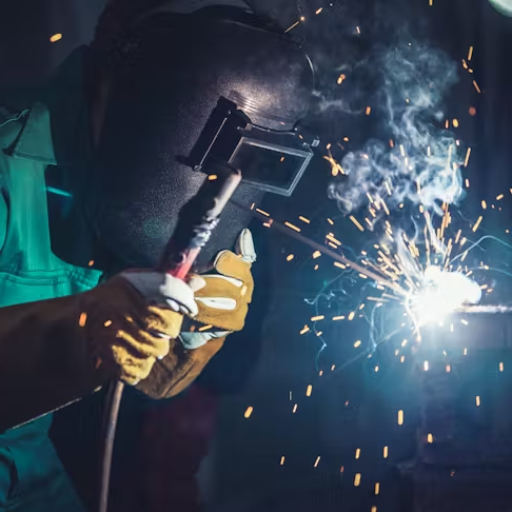
As with any arc welding project, having the right machine makes all the difference. For general-purpose inverter arc welding, we recommend the inverter-based machines because these types are more compact, use less power, and control the welding parameters with great precision. For more severe industrial applications, transformer-based machines are dependable, rugged, and well-suited for high-duty cycles jobs. An ESAB, Miller Electric, and Lincoln Electric are known and respected brands that, along with many others, offer reliable and high-grade machines for light and medium complexity jobs. Machines should always be selected considering the material, position of welding, and machine’s power source.
Different Arc Welding Machines and Their Uses
There are multiple types of arc welding machines, each designed for specific applications. Stick welders, also known as SMAW, are the most versatile and best suited for rugged and outdoor work. GMAW or MIG welders are easier to and more effective for thin to medium thickness materials, which makes them great for novices. Precision is offered by TIG welders or GTAW, which are preferred for intricate work including aluminum and stainless steel. Moreover, multi-process welders are good for different projects as they combine multiple welding capabilities into one machine. Familiarity with the project and material types determines what arc welding machines to choose from.
Benefits of IGBT inverter Welding Machines
- Efficiency: These machines have a positive operational attribute of being energy efficient, especially while in use.
- Portability: IGBT inverters are small and light, which helps in storing and transporting the welding machine.
- Performance: Stable arc performance enhances welding precision and the quality of welds.
- Versatility: A wide spectrum of materials and types of welding are made possible by IGBT technology.
Best Suggestions by Lincoln Electric
In the case of Power MIG and TIG welding machines, few companies offer such well built options as Lincoln Electric does. They are well known for their long lasting construction, technical sophistication, and unparalleled power. These tools are perfect for professionals and hobby nurturers alike. I would gladly recommend Lincoln Electric POWER MIG® 210 MP and Lincoln Electric Precision TIG® 225. With these tools, you have a dependable high performing machines with great flexibility to cover multiple jobs.
How to Choose the Right Welding Rod for Your Project?
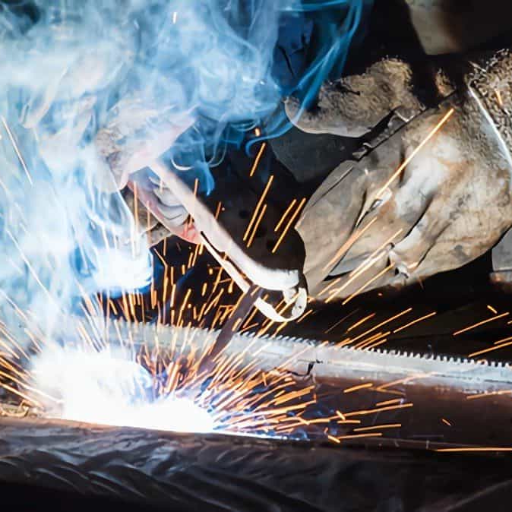
- Material Type – Select the correct welding rod for the base material you are working with. For example, mild steel uses rods E6010 or E7018. For stainless steel, specialized rods like 308L are required.
- Weld Position – Choose a suitable rod for the position of your weld. Some rods, such as E6010, work well in all positions while others are better for flat or horizontal welding.
- Strength Requirements – The tensile strength of the rod must be equal to or stronger than the base material to ensure a good weld has been created.
Welding Rods And Their Applications
- E6010 – Deep penetration, all position welded, structural and pipeline welding.
- E7018 – Strong, smooth, low hydrogen welds. Structural and other high strength applications.
- 308L – Welds stainless steel and its alloys. Used for projects that require high strength and resistance to corrosion.
- E6013 – Easy to use and versatile. Great for beginner projects on mild steel and other light duty tasks.
Factors to Consider When Selecting a Welding Rod
- Base Metal Compatibility – Make sure the weld rod is of the same type and material combination of the metal to be welded.
- Strength Requirements – Choose a rod which meets or exceeds the project’s required tensile strength.
- Welding Position – Some rods are made for specific positions such as flat, vertical, or overhead.
- Operating Conditions – Take into account, relative humidity, temperature, and the presence of corrosive elements.
- Skill Level – E6013 rods are more appropriate for novices, while specialists can conveniently make use of more specialized rods.
- Project Type – The nature of the project’s task such as structural, pipeline, or even stainless steel works assumes that the rods will have certain essential properties.
Knowing Welding Rod Types
Like most people’s first impression, welding rods specifications do look complex at the start. However, knowing them is important to picking the right rod for your welding project. Each welding rod comes with a code assigned to it like E6011 or E7018, and these also come with relevant information. The “E” in the code stands for electrode, while the first two digits normally show the tensile strength in pounds per square inch. The third digit informs us about the welding position ,flat, vertical or overhead, the rod is to be used and while the last digit tells us the type of coating and current used. Having a grasp of these specifications enables you to accurately select a rod that fully matches your project requirements to get the desired results.
What are the Advantages of TIG Welding?
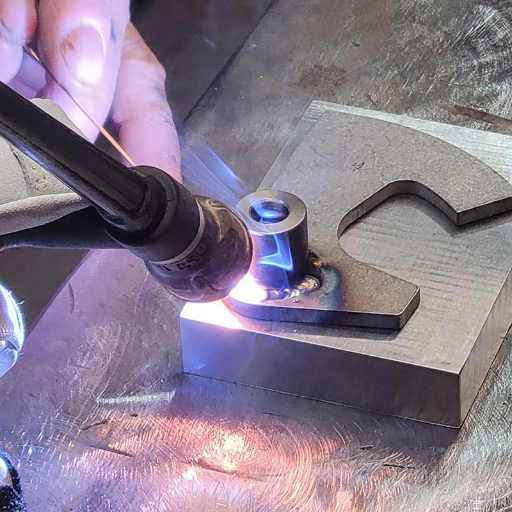
Aluminum, stainless steel and alloys are some of the metals that can be welded using TIG welding techniques. With Iraq and cobalt, you d not have to worry about spatter since TIG welding is clean and precise with its cutting. TIG welding ensures complete control of heat and weld in a delicate operation making it useful for more stringent tasks. A benefit of this technique, is the works appearance which is neat, hence resulting to less work needed after.
Comparing TIG and MIG Welding
TIG and MIG welding differ in precision, speed, cost-effectiveness, ease of use, equipment, and suitable materials.
| Parameter | TIG Welding | MIG Welding |
|---|---|---|
| Precision | High | Moderate |
| Speed | Slow | Fast |
| Cost | Higher | Lower |
| Ease of Use | Complex | Simple |
| Equipment | Compact | Bulkier |
| Materials | Versatile | Limited |
| Spatter | Minimal | More |
| Weld Finish | Aesthetic | Basic |
Applications of Gas Tungsten Arc Welding
Gas Tungsten Arc Welding, or GTAW, holds significance in industries that require critical and high-quality welding. This method is widely used in the aerospace, automotive, and construction industries for the welding of thin stainless steel, aluminum, and magnesium components. GTAW is often employed when the aesthetic appearance of the weld is important, spatter needs to be minimal, and strength is critical. Such cases are encountered in the medical industry, food processing equipment, artistic metalwork, and other sensitive industry equipment.
Tips for Effective TIG Welding
- Prepare the Base Materials – For base materials to be welded, the surfaces should be as cleaned as possible without contamination of oil, dirt, or even rust. This ensures better quality welds and fewer defects.
- Choose the Right Tungsten Electrode – The type and size of the electrode should fit the material to be welded. Make sure the electrode is well sharpened to improve arc stability.
- Set Proper Parameters – For the specific material being welded, tungsten should be set on proper amperage and settings with regard to the material and thickness.
- Control Heat Input – Heat control is best done with either a foot pedal or some control which eases applying too much heat that can cause material distortion.
- Maintain Consistent Technique – Keep the torch at a proper angle, usually 10 – 15 degrees from vertical, to enable even filler rod delivery and smooth welds.
- Follow Safety Protocols – Protect against arcs, heat, and UV radiation by putting on gloves, a welding helmet, and other proper clothing.
How to Ensure Safety While Using Welding Equipment?
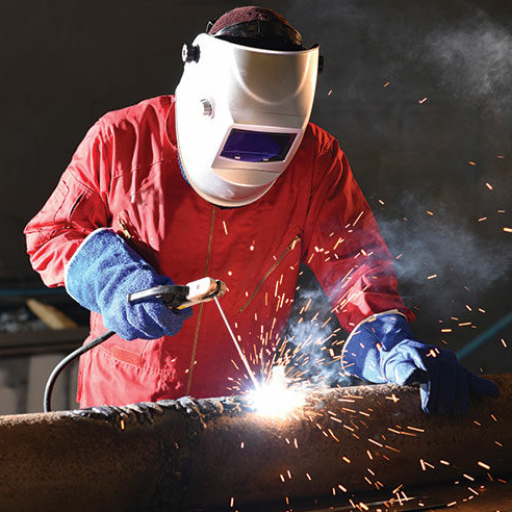
- Wear Proper Protective Gear – To shield oneself from UV radiation, heat, and sparks, always use welding helmets, long-sleeved garments, gloves, and steel-toe boots.
- Inspect Equipment Regularly – Conduct visual inspections for broken cables, worn components, or loose connections prior to commencing work.
- Ensure Proper Ventilation – To avoid inhaling harmful gasses, work in ventilated spaces or employ ventilation hoods.
- Be Aware of Your Surroundings – Maintain a distance away from the work site for highly combustible materials while keeping a fire extinguisher within reach.
- Follow Manufacturer Guidelines – Equipment must be operated in accordance with the accompanying regulations and safety documents. All documented safety procedures must be followed.
Essential Safety Gear For Welders
As with every profession, the welding industry has its specific dangers and requires safety measures to be taken. Like other fields, welders have specific dangers like: ultraviolet radiation, excess inhalation of harmful fumes, and fire. Wearing protective gear specifically designed for welders protects them from these dangers.
- UV Radiation Welding Helmets – Safety welding helmets with an auto darkening feature help adjust the tint depending on the intensity of infrared radiation and UV light emitted during work. Furthermore, shade 9-13 helmets recommended for TIG and MIG welders are auto adjusting. Thus, it is imperative that every helmet worn by welders has adjustable shades to decrease the intensity of infrared light when not in use.
- Safety gloves – Gloves designed for welders must be reinforced with other heat resistant equipment. Additionally, the soldering process produces enough heat and sparks to cause burns without protection. Therefore, electrostatic armor and gloves resistant to temperatures over 500 °C ensure safety.
- Fire resistant apparel – Along with gloves and flame resistant helmets, specially designed fire resistant apparel must be worn. Treated denim is one of the most popular choices among welders as it doesn’t catch fire quickly, allowing time to smother the flames.
- Respiratory Protection – During welding, metallic oxide fumes and toxic gases are produced. For effective protection against harmful respirable particulates, OSHA guidelines suggest wearing N95 respirators or powered air-purifying respirators (PAPRs).
- Steel-Toed Boots – Protective footwear is needed to reduce the risk of injury to feet from falling objects or spills of molten metal. According to the U. S. Bureau of Labor Statistics, 75% of foot injuries sustained from welding could be avoided with the use of steel reinforced boots.
Purchasing safety equipment enables compliance with industry regulations and reduces the number of incidents in the workplace, thereby increasing productivity. Always check that the safety gear provided for welding operations is up to standard or above the set benchmarks.
Usual Welding Risks and Measures for their Protection
Among the many threats welding is associated with, the most harmful ones are: toxic gases, welding ailments such as -over exposure to ultraviolet radiation, electric shocks and fire. To avoid inhalation of toxic fumes, ensure there is sufficient circulation in the workspace. PPEs (welding helmets with ultraviolet glasses), fireproof uniforms and gloves, and heavy insulated gloves to protect hands must always be worn. Defective welding tools should be checked regularly to avoid electrical malfunctions. Moreover, clearing the workspace of anything that is flammable will help in reducing fire hazard risks. Welders can observe and implement these measures to limit accidents happening in the workplace and make it a safer place.
Establishing a Safe Welding Environment
When establishing a safe welding environment, I take necessary precautions like ensuring that the area has adequate ventilation to reduce the concentration of noxious fumes. Personally, I always use a welding helmet with UV protection, fire-resistant clothing, and heat proof gloves, so I meet the personal protective equipment requirements. In the course of my work, I always check for defects in all equipment in advance to ensure there are no surprises. Furthermore, I reduce fire hazards by keeping my workspace tidy and removing flammable objects. All these steps assist in effective and safe welding.
Reference sources
- Temperature Distribution of Vessel Tissue by High Frequency Electric Welding with Combination Optical Measure and Simulation(Wang et al., 2022)
- Publication Date: 2022-03-31
- Methodology: Combined optical measurement and simulation to evaluate temperature distribution in vascular tissue during high-frequency electric welding.
- Key Findings: Achieved a fitting degree greater than 97% between simulation results and measured data. Optimal welding parameters were identified to prevent thermal damage while ensuring welding strength. This was determined by integrating temperature distribution data, strength test data, and Raman spectrum data.
- Welding Challenges and Quality Assurance in Electric Vehicle Battery Pack Manufacturing(Stavropoulos et al., 2024)
- Publication Date: 2024-04-24
- Methodology: Review of existing literature on welding challenges and quality assurance methods in electric vehicle battery pack manufacturing.
- Key Findings: Highlights the challenges of diverse materials, configurations, and welding processes in battery assembly, leading to variations in joint quality. Reviews existing quality assurance methods and identifies research gaps for widely adopted welding methods.
- Joining thin copper wire and copper busbar by remote laser welding for electric motor assembly: Impact of welding parameters and pre-welding surface treatment(Sun et al., 2024, pp. 337–346)
- Publication Date: 2024-08-01
- Methodology: Investigated remote laser welding for joining thin copper wire and copper sheet in electric motor assembly. Examined the impact of welding parameters and pre-welding surface treatment.
- Key Findings: The method uses the wire itself as filler material, achieving robust electrical and mechanical connections. The mechanical load capacity was high (221 N, 92.5% of enamelled wire strength). Performance was comparable across different pre-welding surface treatments.
Frequently Asked Questions (FAQs)
Q: Arc welder, what is it and how does it work?
A: An arc welder is a piece of equipment designed for individual pieces of metal to be fused together through melting using an electric arc. This process requires an electric circuit that generates current in the welding rod that will be used. It produces a considerable amount of heat which will melt the two metals that are to be joined together.
Q: Can you describe the arc welding procedure?
A: The arc welding procedure involves the formation of electric arcs between electrodes and the base metal for the molten weld metals to be produced at the joint. This method is accepted by many people because of its well-known capability to produce strong and robust joints.
Q: What advantages does one gain from using a machine equipped with IGBT inverter 6 for welding?
A: With a machine equipped with IGBT inverter 6, one can gain some advantages such as high alternation and regulation, improved energy efficiency, accurate command over the welding current, and performance augment especially in the changeable current range. This is beneficial for all kinds of welding and even for industrial welding.
Q: In what ways does the inverter 6 variable current adjustment feature improve welding proficiency?
A: The inverter 6 variable current adjustment feature enables welders to customize and fine tune the welding current selection. This adjustment enhances the wielding performance, minimizes spatter, and ameliorates overall weld caliber.
Q: What is classified as an arc welder gun and when can it be employed?
A: An arc welder gun is described as a small and light welding tool which can be moved from one location to another with ease. This tool is useful where maintenance and repairs are needed because it is not accompanied by a full-sized welding apparatus.
Q: Which protective measures are needed with an arc welder machine?
A: The protective measures needed with an arc welder machine include wearing goggles and gloves, maximally inhaling fresh air to prevent intake of fumes, and adherence to safety rules will prevent accidents, injuries from electric currents, and burns from hot metals.
Q: In what ways does a 110V portable welding machine differ from larger models?
A: For easy movement and use, a portable welding machine 110v is especially suitable in places with spatial or power supply constraints. Unlike more powerful machines, these units only work best for light to moderate welding tasks.
Q: How does one go about selecting which welding techniques to use for a project?
A: Among other primary considerations like geometrics of the weld, physical features of the pieces to be joined, their structural integrity, and overall project difficulty level, available equipment such as shielding gas or inert gas applicable in Gas Metal Arc Welding may also dictate the method of welding employed.
Q: How does a set of tools and a box for organizing them impact the welding procedure?
A: The role of the toolbox is to keep the accessories in one place while also giving the welder all necessary components which, if appropriately organized, can enable efficient performance during welding as outlined by the electrodes, clamps, brushes, and protective gear.
Q: Why utilizing IGBT inverters is important with welding tools?
A: Performance and precision of a welding tool can be significantly improved with the use of IGBT inverters. Considering industrial applications, this technology helps in improving the weld quality, cutting down on energy usage, and improving the reliability of the system.


