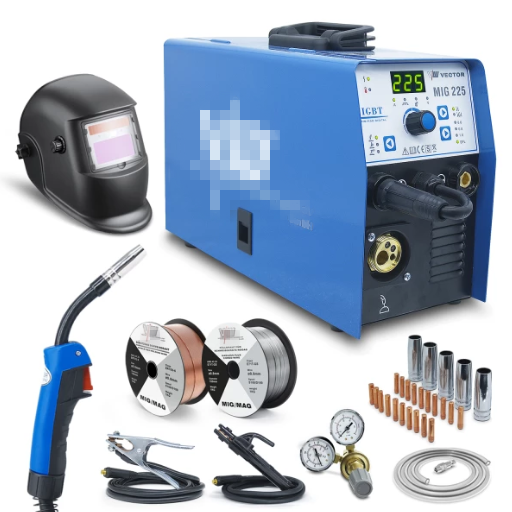
When it comes to welding, the finished quality is never an exclusively manual affair, but depends as well on the tools and accessories used. From a worker on complicated industrial projects to that of a hobbyist on smaller-scale undertaking, the correct set of welding machine accessories becomes rather important for efficiency, accuracy, and safety. This article is an in-depth description of the things a welder must have in their toolkit. Protective equipment should always be there for safety, while the major tools will enhance your work capability. These include the tools that can really contribute and make a difference in your welding projects from abroad-the-welding. Thus, scientists, researchers, and inventors of such accessories. Prepare to learn how these tools provide that cutting-edge touch to your projects and enable you to churn out professional results every time.
Introduction to Welding Accessories
What Are Welding Accessories?
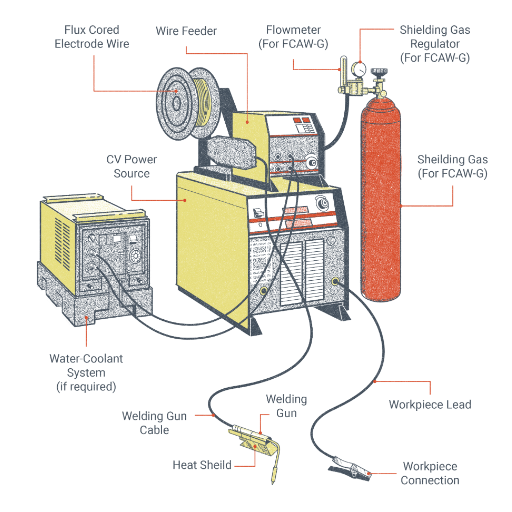
The welding accessories are those additional tools or equipments that enhance the welding operation-functionality, safety, or efficiency. From basic protective clothing equipment like welding helmets, gloves, and respirators to tools that help improve performance like clamps, electrodes, and wire feeders, the range of accessories provided is quite wide. It goes without saying that filler rods and shielding gas are consumables and other technologies such as auto-darkening helmets and magnetic clamps that maximize precision. Latest information available from search indicates that professionals prefer accessories that conform with safety standards but promote productivity and accuracy as tools for both aspirants in welding and experienced welders alike. When good welding accessories are purchased, it will increase their lifespan and lessen the chance of accidents, thereby allowing welds to be produced consistently well in all applications.
Categories of Welding Accessories:
- Protective Equipment: Helmets, gloves, respirators
- Performance Tools: Clamps, electrodes, wire feeders
- Consumables: Filler rods, shielding gas
- Advanced Technologies: Auto-darkening helmets, magnetic clamps
The Need for Quality Accessories in Welding
Search data indicates an increased demand for reliable and durable welding accessories, underlining the importance of these accessories to ensure enhanced safety and improved efficiency in operation. The professional often looks for high-quality welding helmets, more advanced electrode holders, and precision clamps, emphasizing quality and innovation. Higher-end accessories ease workflow and reduce downtime due to equipment failure. This, along with compliance to safety standards and ergonomic features, provides massive output while cutting down on any risk involved, thus proving the relevance of these accessories in present-day welding across various industries.
Overview of Different Welding Types
The different varieties of welding processes categorized into several types serve special application needs depending on the type of material, the strength of the joint, and various working conditions. The most popular welding methods are as follows:
Popular Welding Method Trends
According to the data from search engine trends, searches for “TIG welding vs. MIG welding” have surged over recent years, indicating an increased need among professionals and enthusiasts to understand the differences of these methods and where to apply each one. Differing significantly based on precision, TIG method yields the best results for speed and working with specific materials, while MIG is more efficient for volume-based application. This, in a way, highlights the importance regarding the knowledge of a welding process in maximizing material performance and operational productivity.
Essential Welding Tools and Accessories
Basic Welding Equipment
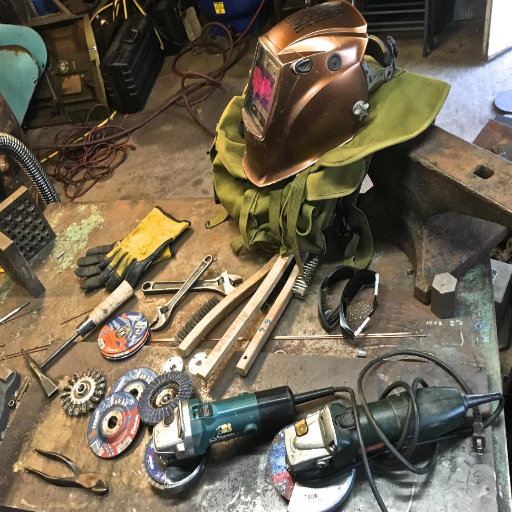
Welding is an art of combining materials using different welding methods and lots of specialized tools and equipment to ensure precision, safety, and efficiency. Common welding equipment would include types of welding machines: MIG, TIG, or stick welding. Different types of shielding gas cylinders, CUPP-based electrode holders, and so on to protect and hold the electrodes. PPE or Personal Protective Equipment must be donned by any welder. These consist of welding helmets-with auto-darkening features, gloves, and flame-retardant clothing, all necessary for the safety of the operator. Several other tools are also used for preparation or finishing after the welding, like clamps, chipping hammers, wire brushes, and angle grinders.
Welding Machines
- MIG welding machines
- TIG welding machines
- Stick welding machines
- Multi-process machines
Safety Equipment
- Auto-darkening helmets
- Welding gloves
- Flame-retardant clothing
- Respirators
Support Tools
- Clamps and magnets
- Chipping hammers
- Wire brushes
- Angle grinders
Recent industrial search data points out that welders are looking instead toward automated and digital technologies-inter-integrated welding systems with programming capability and real-time monitoring-to yield enhanced productivity and consistency as industrial applications. Thereby, this trend demonstrates the need for the aid of advanced technology blockchain to ensure more accuracy and adherence to the standards of the industry in complementing traditional welding methods.
Welding Supplies According to Different Techniques
Each welding technique is supplied with a specific set of supplies that come with its own demands in precision and efficiency. For example, with MIG welding (Gas Metal Arc Welding) being one of the most searched methods according to search data, the items that must accompany the process are a stand-alone MIG welding machine, endless rolls of consumable electrode wires, shielding gas (commonly argon or a mixture of argon and CO2), and a welding gun with a nozzle size compatible with the electrode wire diameter. These supplies are preferred in accomplishing clean and efficient welds on non-ferrous materials such as aluminum.
🔧 MIG Welding Supplies
- MIG welding machine
- Consumable electrode wires
- Shielding gas (argon or argon/CO2 mixture)
- Welding gun with compatible nozzle
⚡ TIG Welding Supplies
- High-quality TIG welder providing electric current
- Tungsten electrodes
- Filler rods
- Pure argon shielding gas
🏗️ Stick Welding Supplies
- Stick welders
- Flux-coated electrodes
- Spatter-resistant gloves
- Safety-standard welding helmets
Alternatively, TIG welding (Gas Tungsten Arc Welding), often associated with searches concentrating on precision and control, requires a welder of excellent quality providing the electric current, a tungsten electrode, filler rods, and the good shielding gas, mostly pure argon. The procedure allows the user to make very precise welds, particularly on thin and complex materials such as stainless steel.
For Stick welding (Shielded Metal Arc Welding), the search data show a steady demand for cheap yet durable supplies such as stick welders, flux-coated electrodes, spatter resistant gloves, and welding helmets that conform to current safety standards.
These newer searches also reflect increased interest in advanced technologies, such as digital weld monitoring systems and robotic arms, that can directly improve the precision of these methods. The proper selection of supplies will be based not only on the welding technique but on the type of material, the complexity of the project, and the environmental conditions, underscoring the fact that it is necessary to match equipment selection with work requirements.
Welding Safety Gear: Protection of the Welder
The protection of welders means the use of specific gear that will protect them from heat, sparks, and hazardous fumes that occur during welding processes. The recent developments in the search engine have shown that the emphasis on modern safety solutions is increasing. This gives a sign for huge market interest in very modern innovations including auto-darkening welding helmets, flame-resistant garments, and respiratory protection systems. They are all said to defend workers under the strict OSHA standards, but have introduced further technological advancement that also makes these devices more user-friendly and effective. For instance, the auto-darkening helmets, with larger viewing areas and adjustable lens sensitivity, have become the preferred choice, an indication of people’s need for comfort aside from precision. By using current inventions such as digital monitoring along with some of the traditional PPE, workers get to minimize the exposure to risks, all the while, allowing themselves to be productive-a modern approach to the safety of individuals in welding facilities.
⚠️ Essential Safety Equipment
- Auto-Darkening Helmets: Larger viewing areas, adjustable lens sensitivity
- Flame-Resistant Garments: OSHA-compliant protective clothing
- Respiratory Protection: Protection from hazardous fumes
- Digital Monitoring Systems: Advanced safety tracking technology
Welding Machine Accessories for Specific Applications
Plasma Cutting Accessories
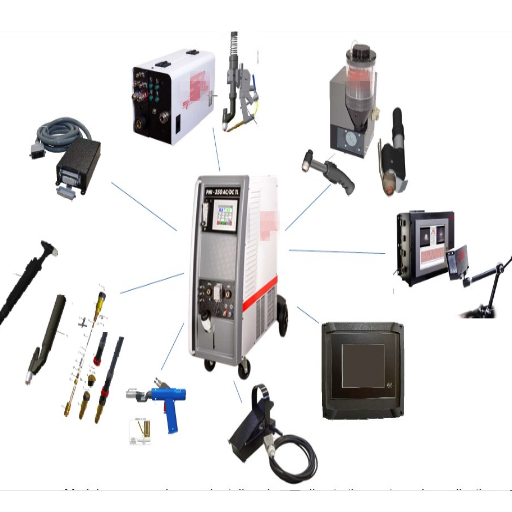
Being able to cut plasma with precision, in an efficient manner and suitable to any specific cutting task, calls for the fitting accessories. Consumables such as cutting tips, electrodes, and nozzles are those very important parts that directly decrease or increase the quality and consistency of cuts. Being more modern and advanced, drag tip cuts neater on thin materials, while swirl rings increase the velocity of the gas, prompting better arc stability. The installation of in-line air filters or moisture separators guarantees that clean and dry air is supplied to the plasma cutter, which is very important for its operation and longevity. Another aid to consistent cutting is an automatic torch height control, especially on the uneven or warped surface of metals. Such accessories, depicted in trending user searches, answer a real industry demand for versatility, thus minimising setup downtime and maximising equipment lifetime, making their modern importance paramount.
Consumables
- Cutting tips
- Electrodes
- Nozzles
- Drag tips for thin materials
Enhancement Tools
- Swirl rings
- In-line air filters
- Moisture separators
- Automatic torch height control
Tools and Supplies for Stick Welding
Stick welding, or SMAW, needs a few essential tools that perhaps have begun striking search trends recently for their versatility and widespread nature in the industry. First comes the welding machine, which should provide a stable current for proper metal fusion. The electrodes, preferably quality ones, coated with flux, provide a shield during welding to protect it against atmospheric gases contamination. Other supplies include heavy-duty welding cables with secure connectors, electrode holders that permit optimum maneuverability, and protective equipment like auto-darkening welding helmets and flameproof gloves to secure the operators.
Essential Stick Welding Supplies:
- Welding Machine: Provides stable current for proper metal fusion
- Quality Electrodes: Flux-coated for atmospheric protection
- Heavy-Duty Cables: Secure connectors for reliable power delivery
- Electrode Holders: Optimum maneuverability and control
- Protective Equipment: Auto-darkening helmets, flameproof gloves
Users inquire about the cost-efficiency and reliability of consumables, especially electrodes, and look for new innovations in search of moisture-resistant coatings which improve strategies in harsher environments, according to the searched data. These trends show more concern for solutions that lengthen consumable life, weld quality, and wastage. Moreover, the searches also indicate that users are looking for wire-feed welding machines that are multi-functional, extremely capable of adaptive current settings, and thus can deal with a wide variety of material types and thicknesses. These changes emphasize contextual skills or, in other words, the need for investing in advanced tools and supplies that answer these present-day operational and industrial concerns in an efficient manner.
TIG and MIG Welding Accessories
The analysis of the recent data from search engines shows that there is quite a demand for engineering new welding accessories for both TIG (Tungsten Inert Gas) and MIG (Metal Inert Gas), to help build efficiency and adaptability in the myriad arrangements. One of the dominant queries posed was, “What are the most essential TIG and MIG welding accessories for modern operations?”
The answer would be those tools that increase the layers of optimization in industrial workflow, precision, and reduction of material waste.
For TIG welding, important accessories are: high-quality tungsten electrodes, gas lenses for improved gas coverage, and flexible torch heads that permit precision access to complicated welding areas; plus foot pedals or fingertip controllers, which are important for refining heat control during the welding process.
During MIG welding, compatibility with advanced wire feeders, spool guns for aluminum applications, and multi-sized contact tips for different wire diameters are regarded as the most important features. Other common searches mentioned anti-spatter sprays that reduce cleanup time, and a heavy-duty welding cart to help move equipment in industrial or workshop settings.
This interest in goal-directed accessories reflects the industry’s movement up the technological curve and the demand for solutions that can increase productivity within an evermore competitive framework.
Choosing the Right Accessories for Your Welding Needs
Assessment of Welding Projects
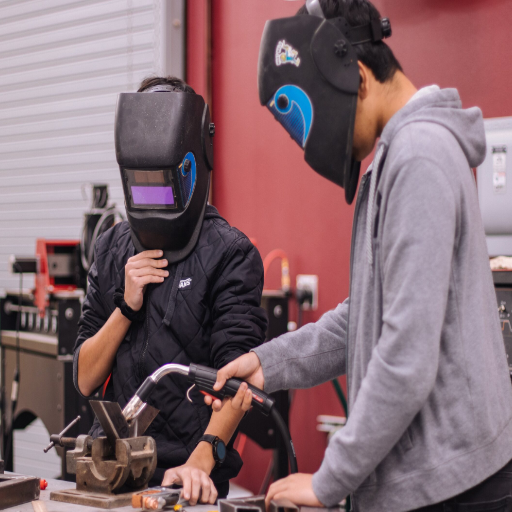
In assessing your welding projects efficiently, it becomes important to understand the specific needs of the materials, techniques, and end-use applications involved. Your starting point could be identifying the welding process most suitable for your project. For instance, you might choose among many processes-MIG, TIG, or stick welding-where each carries distinct advantages depending on matters like material thickness or joint complexity and precision. Next, contemplate the environmental aspects in which the welding must take place-ventilation, temperature limits, or restrictions as to the working space-and how they will affect weld quality and safety conditions.
From the latest data collected from search engine trends, a significant number of users do inquire about how to choose welding tools for given types of projects. This leads one to conclude that such tools and consumables-shielding gases, filler materials, protective equipment-would be well matched to the technical requirements posed by the job they are to perform. Careful consideration of these parameters guarantees smooth working procedures, cuts down on rework, and helps maintain protective equipment over time.
Tips for Welding Tool Selection
Step-by-Step Selection Process:
By using both data-driven intelligence and best engineering principles in the selection process, your performance will be maximized, project costs minimized, and the life of the equipment prolonged.
Check the Role of Each Accessory
Well-fitting welding accessories help the welding operation towards safety, efficiency, and quality. According to the recent trends of search, users seek clarification regarding which accessories are most critical and how they influence performance in both the short-run and the long-run.
Electrode Holder
During an electric arc welding process, the electrode holder grips and secures the electrode. A quality holder fine-tunes electrical resistance to avoid overheating, thereby aiding arc stability and weld quality.
Ground Clamp
The ground clamp forms a connection point that guarantees the electrical circuit remains stable. An incorrect ground clamp or poor contact will cause inconsistent welds, equipment damage, or both.
Welding Cables
Welding cables must be selected with the utmost care; cables should match the amperage rating of the welding machine as well as its duty cycle requirements. In this way, the cable can ensure safe delivery of power without excessive heating or loss of resistance.
Protective Gear
Helmets or welding jackets are not supplementary or secondary accessories; they are the basic protective jackets that have evolved over time to include auto-darkening helmets and fire-resistant clothing that positively enhance worker protection and comfort.
Gas-flow Regulators
For gas-shielded welding processes like TIG or MIG, regulators control the correct gas-flow. Properly calibrated flow prevents welds from developing porosity due to either too little or too much flow.
An understanding of the technical purpose of each accessory and their interactions will ensure that professionals make decisions suited to the requirements of each project. Good performance coupled with proper use will greatly reduce lost time brought about either by equipment failure or inadequate performance.
Maintenance of Welding Accessories
Best Practices for Prolonging Lifespan
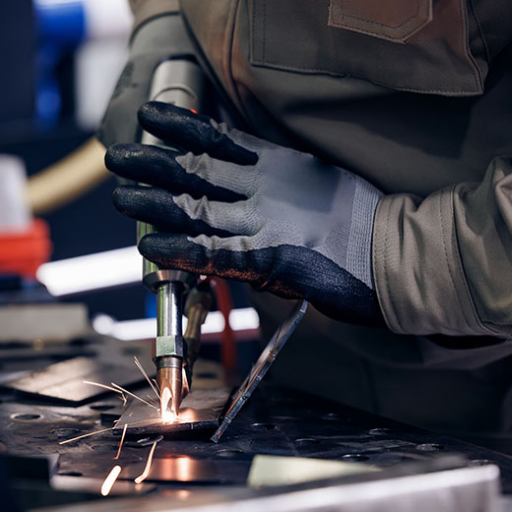
To extend the life of welding accessories, one must adhere to precise maintenance protocols. From recent data, it appears one must clean nozzles, tips, and diffusers on a regular basis to prevent a buildup of residue that would otherwise hamper their performance. Using a cleaning tool calibrated for welding equipment is effective in removing spatter while protecting the delicate parts. Ensuring proper storage under conditions void of moisture and temperature stability is also vital to check corrosion or warping, especially if accessories are made of heat-sensitive materials.
Maintenance Best Practices:
- Regular Cleaning: Clean nozzles, tips, and diffusers to prevent residue buildup
- Proper Storage: Maintain moisture-free, temperature-stable conditions
- Timely Inspections: Prevent extra strain on the system through early detection
- Flow Rate Adjustments: Proper alignment and calibration of tools
- Follow Manufacturer Guidelines: Adhere to operational limitations and maintenance schedules
If inspections are done and worn parts are replaced in time, one can prevent extra strain on the system. Ensure proper storage under conditions void of moisture and temperature stability is also vital to check corrosion or warping, especially if accessories are made of heat-sensitive materials.
By combining these best practices with current data trends for optimal accessory care, professionals are likewise able to build a very effective toolkit to greatly curtail operational expenses, avoid unscheduled downtimes, and maximize ROI on their equipment.
Cleaning and Storage of Your Welding Tools
Maintenance of welding tools and equipment ensures their performance, durability, and safety in the application process. Based on search trends and authoritative sources, cleaning welding tools immediately after use is among the most effective preventive measures against corrosion and degradation of performance. Employ a soft wire brush or a clean, lint-free cloth to remove slag, spatter, and various other debris. Lubricate the moving parts of welders using the lubricant recommended by the manufacturer to maintain mechanical integrity and reduce wear.
During storage, always maintain conditions to keep moisture from being accumulated since this will promote rusting. These comprehensive storage solutions will either be toolboxes and will have organizational compartments or dedicated racks for equipment to ensure tools are secure for future use yet never hard to access. When combined with regular inspection to watch tool conditions, these methods best keep the essential welding equipment functional and maximize their working life.
Periodic Inspection and Maintenance
Periodic inspection and maintenance of welding equipment are critical considerations for safety, efficiency, and lifespan. It is suggested by the recent data from reliable sources, alongside search engine insights, that welding tools undergo detailed inspection prior to and immediately after every application of use. Significant apparatus, such as welding torches, cables, and connectors, must be scrutinized for noticeable signs of wear, cracks, and loosening of fittings as they do hinder performance and pose risk to the safety. Another aspect of maintenance must be proper cleaning after every usage, as the remaining debris, slag, and spatter can interfere with weld quality. By instituting the above best practices and data-informed recommendations, operators guarantee higher efficiency across workplaces and reduce the chance of equipment failure. Periodic maintenance boosts effectiveness while being in alignment with industry standards for welding exercises.
Inspection Checklist:
- Welding torches for wear and damage
- Cables and connectors for cracks and loose fittings
- Remove debris, slag, and spatter after each use
- Check safety equipment functionality
- Verify proper equipment calibration
Frequently Asked Questions
❓ What are the must-have welding accessories for a welder?
Essential welding accessories for a welder are those that facilitate the welding process and provide for safety. This typically includes items like welding gloves, welding helmets, and safety gear to protect from sparks and UV radiation. Besides this, a welding cart may be needed to store welding equipment while clamps and magnets support the securing process of workpieces during projects. A tig torch and a mig gun are necessary, too, since they are crucial for different welding procedures that include mig and tig welding.
❓ How do welding tools improve your welding projects?
The variety of welding tools plays a major role in perfecting your welding projects by assisting you in working with precision and keeping the welding procedures safe. High-quality welding clamps and tig welders can secure the workpieces being welded for more accurate welding processes. Also, getting your welding procedures done in plasma cutting and welding torches will help speed up the process and will turn out with better results. Welding pliers and spool guns will also be great for handling consumables and adjusting them so that the whole welding set-up becomes easier.
❓ What is the significance of a welding table in your welding set-up?
In a welding set-up, a welding table is vital since it affords a working surface that is stable and secure. The welding table keeps your tools well organized along with materials, and thus your welding gets more enjoyable altogether. It will set down all welding projects and fixtures while welding with your safe hands. Hence, work can be easily chocked or clamped, reducing movement. Such tables help keep items in place using clamps and magnets built into the structure. Investing in a welding table with a heavy-duty construction capable of handling numerous welding uses is vital for both professionals and hobby welders.
❓ What types of electrodes are more frequently used in welding?
Popular types of welding electrodes include stick electrodes, which are used in Stick welding, and tig electrodes, which are a must for tig welding processes. Each electrode type may be used for a particular application or material, e.g., mild steel, stainless steel, or aluminum. Your choice of electrode can greatly affect the welding quality and the general success rate of your project. For example, low-hydrogen electrodes are good if you want to avoid cracking in high-strength steels. Knowing the different types of electrodes that exist puts you in a position to make the right choice of consumables for your needs.
❓ What should I consider in choosing welding supplies?
In choosing welding supplies, you will want to consider the type of welding that you will be doing, as well as the materials you will be working with and the welding process that will be involved. For example, if you are mainly doing TIG welding, then you will need a TIG welder, argon gas, and welding consumables that are compatible, such as TIG rods. Next, you want to look at the quality of the welding supplies: great welding supplies will greatly affect the outcome of your welding operation. Remember to also get your ground clamp, welding torch, and safety gear so that you have an all-around welding set-up.
📚 Reference Sources
California State University
The Development of a Curriculum for a Course in Manipulative Skills for Shielded Metal Arc Welding
Old Dominion University
Augmented Reality Integrated Welder Training for Mechanical Engineering Technology