
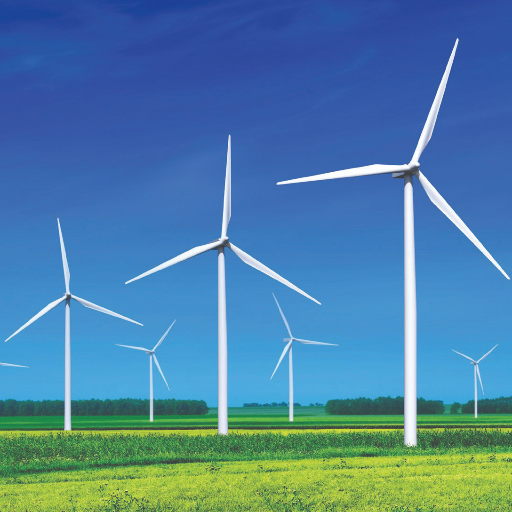
Utilizing the wind’s energy has always been a mark of human creativity, But how do current wind towers and turbines function? These towering beauties placed around the world are more than astonishing structures; They play a crucial role in the shift towards sustainable, clean energy. Wind turbines help in reducing our reliance on fossil fuels and combating climate change. This article explores the wonderful mechanics of wind towers and turbines by explaining their design, operation, and relevance in building a sustainable future. Regardless if you are an energy professional, a learner, or someone trying to know how wind powers modern civilization, this guide is for you.
What Are Wind Towers and How Do They Function?
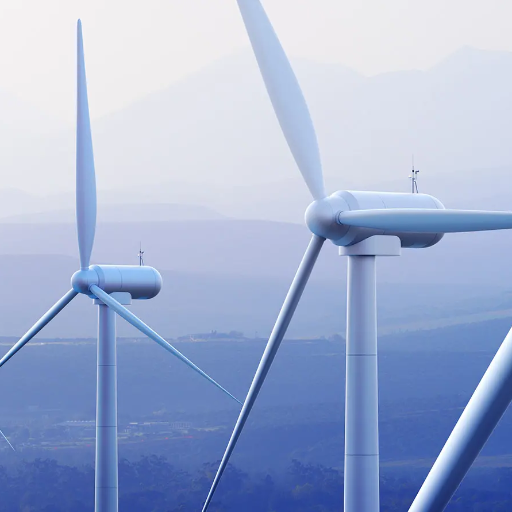
Those are some fascinating things to think about! Let’s start from the very top where we have a structure known as a wind tower. A wind tower supports wind turbines that extract kinetic wind energy and convert it into electricity. The blades of the turbines spin due to moving wind currents, which translates the kinetic energy of wind into mechanical energy. Inside, turbines have generators that convert the mechanical energy to electrical energy. The height of the wind towers keeps the turbines at regions with stronger, more powerful winds, increasing the efficiency of energy production and ensuring smoother operations.
Grasping the Concepts of the Ancient Windcatchers
Badgirs are traditionally known as windcatchers and turned into architectural masterpieces as they served the functional purpose of cooling down buildings by harnessing airflow. These structures are located in some parts of Iran, the primitive middle eastern countries and Northern African regions. More than 3000 years ago, windcatchers were one of the very first examples of passive cooling technology. Windcatchers facilitate the task of controlling temperature inside a building by drawing outside wind through one or more openings of the tower and channeling the air inside, while warmer gas escapes through other openings, helping to create self-ventilating systems.
The structures were made of mud bricks and plaster. Their purpose went beyond being functional, as they preserved energy and did not require any external power sources. Recent modern studies suggest that windcatchers have the ability to lower indoor temperatures by 8–10 degrees Celsius, depending on the climate, the height of the tower, and the building’s architectural design. Some sophisticated designs even incorporated water basins at the bottom of the windcatcher which further cooled the air through the evaporation of water.
In the face of modern demands of reduced energy use, there is an ever increasing shift towards adapting ancient methodologies, such as windcatchers, by architects and engineers. An example of this is Harare’s, Zimbabwe’s, Eastgate Centre, which has incorporated passive cooling systems based on ancient windcatcher designs and uses 90% less energy as compared to other buildings of similar size and function. This clearly shows the tremendous impact and relevance ancient architecture has on today’s green design principles.
The Contribution of Passive Cooling to Traditional Buildings
Passive cooling systems are very important in the construction of buildings in hot climate areas since they help in minimizing heat gain and enhancing airflow. These systems were created to help maintain comfortable temperatures indoors as a result of natural processes like convection, radiation, and evaporation. A good example in the Persian and Middle Eastern architecture is the windcatchers that help in ventilating and cooling rooms. They lower the indoor temperatures by 10-15 degrees Fahrenheit compared to the outside breezes.
Data and research done recently reinforce the effectiveness of these traditional techniques. The appropriate region for well-designed passive cooling systems incurs less than half the energy expenses for cooling. Another example of passive cooling systems are courtyards. They maintain the temperature through shielding as thermal buffers. They are able to get rid of heat during the evening while being insulated through shaded walls during the daytime. A study noted in Building and Environment actively supports the notion that courtyards serve a significant purpose in warm climates by reducing indoor temperature and energy demand by 30%.
Today’s architects are tempered by ancient wisdom which equips them with unparalleled intellectual resources. Integrating old and new, modern architects meticulously combine ancient techniques with the latest materials and design strategies to achieve optimal sustainability. For instance, Weston Library uses passive cooling systems to preserve historic structures while simultaneously practicing energy efficiency which drastically reduces the need for active cooling systems. In today’s climate, laden with energy costs and growing concern for the environment, ancient techniques greatly inform and inspire modern architecture.
Comparing Traditional Cooling Methods to Modern Solutions
Traditional cooling methods include passive strategies like shading and natural ventilation, while modern solutions often rely on active cooling technologies such as air conditioning and advanced HVAC systems.
| Parameter | Traditional | Modern |
|---|---|---|
| Energy Use | Minimal | High |
| Cost | Low | High |
| Environmental | Eco-friendly | Polluting |
| Technique | Passive | Active |
| Maintenance | Simple | Complex |
| Longevity | Durable | Varies |
| Comfort | Variable | Consistent |
| Tech Needed | Basic | Advanced |
| Examples | Natural vent. | Air cond. |
How Do Wind Turbines Work to Harness Energy?
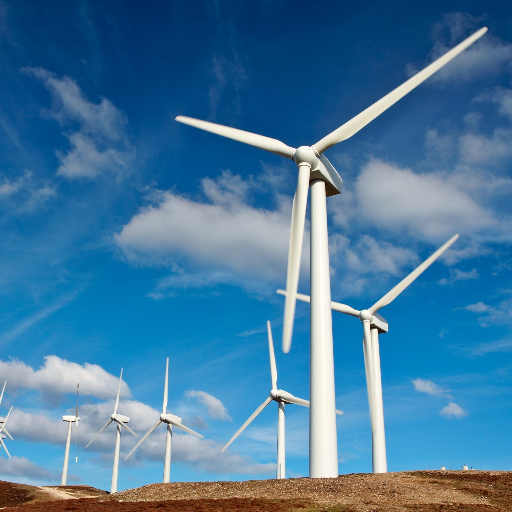
Wind turbines transform the kinetic energy possessed by the wind into electrical energy. When the wind moves over the blades of a turbine, it results in a rotational motion. This rotational motion spins a shaft coupled to a generator, which in turn creates electricity. Further, the amount of energy produced is contingent upon the wind speed, turbine size, and its geographic position. Wind turbines perform optimally in areas with steady strong winds.
The wind turbine mechanics
A wind turbine is a complex system made to capture wind energy, containing a rotor blades, a nacelle and some tower. As with airplane wings, the blades create lift by harnessing wind energy, and that lift causes the rotor blades to spin. The nacelle contains the main components, such as a gearbox that increases the rate of rotation and a generator that converts the mechanical energy into electric energy. Lastly, the tower supports these components and stands as tall as the norm for harnessed wind and it is consistent and stronger at greater heights.
Like onshore wind turbines, modern offshore turbines differ in their levels of power output. Onshore wind turbines have the capability of producing around 2 to 4 megawatts (MW) of electricity, while offshore turbines can produce up to 15 MW because of the stronger and more stable winds over open waters. According to the United States Department of Energy, wind energy comprised almost 10% of electricity production in the country during the year 2022. This indicates the wind’s importance as a contributor for renewable energy solutions. As of mid-2023, advancements in turbine technology and commitments to renewable energy allowed the total installed wind power capacity to reach 900 gigawatts globally.
Types And Power of Wind Used by Turbines
Wind turbines use wind to generate electricity by transforming kinetic energy of moving air. This varies with the kind of wind as well as the turbine technology in use. Three main types of wind turbines dominate the market:
Onshore Wind Turbines – This type is mounted on land, making it the most common type of turbine throughout the world. Onshore wind turbines are usually smaller than offshore turbines and are located in open plains and at hilltops or any place where winds are steady. In the first half of 2023, the Global Wind Energy Council (GWEC) reported that onshore wind capacity reached around 780 gigawatts, which is a significant majority of the total wind energy capacity in the world.
Offshore Wind Turbines – These turbines are located in water bodies where they exploit strong and steady ocean winds. Thus, offshore turbines tend to be bigger and generate more power than onshore turbines. According to IEA reports, the offshore wind market is expanding rapidly. IEA reported offshore wind capacity was over 60 gigawatts in 2023, which was almost a 20% increase from the previous year.
Distributed Wind Turbines – The lower segment of the wind industry spectrum consists of wind turbines used for home, agricultural, and community purposes. They may be less substationally significant from a capacity standpoint, but in some places, especially rural areas, their utility helps tremendously toward energy self-sufficiency.
The site and wind resources significantly affect the performance and output of wind turbines. There is always a classification of wind speeds; Class IV being low wind and Class I being high-speed wind. With advancements in technology, modern turbine designs are capable of functioning optimally even in slower wind regions, which widens the geographical possibilities for the production of wind energy. For instance, the US, China and Germany remain dominant in wind energy, with China alone installing more than 50 gigawatts of new capacity in 2022. This greatly sustains the worldwide push towards renewable energy.
Incorporating Wind Energy Within Wind Farms
Wind farms are essential for the large-scale utilization of wind energy. Modern wind farms consist of hundreds of turbines which are placed in optimal locations to maximize energy capture. As noted in the Global Wind Energy Council’s 2023 report, the cumulative installed capacity of wind energy globally reached about 905 gigawatts (GW), which is a significant increase compared to the previous years. Moreover, the growth of offshore wind energy is also gaining pace—almost 9 GW of new offshore capacity was installed in 2022 alone due to increasing investments and technological advancements.
Countries all over the world are trying to accelerate the adoption of wind energy powered through more aggressive policies. For instance, the European Union REPowerEU plan aims for a total installation of wind energy at 510 GW by 2030 while the United States plans to have 30 GW of offshore wind energy produced by the same year. Together with better grid and storage capabilities, these initiatives demonstrate a serious effort toward reducing reliance on fossil fuels and reaching net-zero emissions targets.
Exploring Different Types of Wind Towers
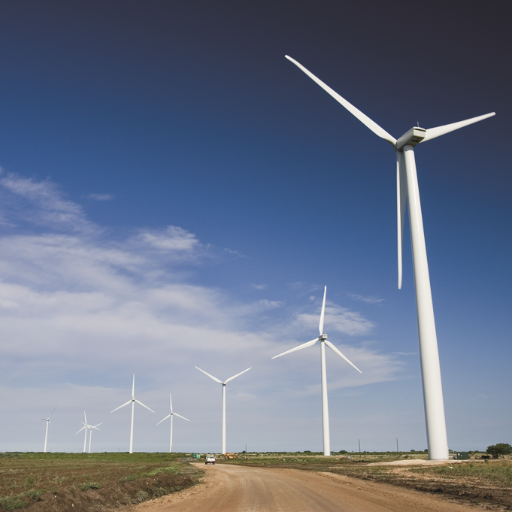
- Tubular Steel Towers: These are the most common since their sections are cylindrical, which makes them durable, easy to transport, and quick to assemble.
- Lattice Towers: Built with steel frameworks, these towers are lighter and more affordable but are more difficult to maintain.
- Concrete Towers: The strength and harsh environmental resistance of concrete makes these towers ideal for larger turbines.
- Hybrid Towers: These are made of both steel and concrete, which makes them lighter and cheaper to build to a certain height while maintaining strength.
Windcatchers as they are known in Iran and North Africa
Traditional windcatchers, or ‘badgirs’ as they are called in Iran, are a form of ancient architecture designed to capture natural wind for ventilation. They function as passive cooling systems by directing winds into and around structures, making them cooler. Their construction typically features several openings placed towards the direction from which wind comes predominantly so the wind can blow through and deposit cooler air inside. Built using clay or brick, these structures represent ingenious solutions for climate control in dry areas while providing aesthetic beauty.
Changes in Today’s Architecture
Wind tower designs are being updated to meet modern architectural and sustainability requirements. Today, wind towers are often placed as part of green building structures to cut down on energy use as well as reliance on mechanical cooling systems. For instance, in the award-winning Masdar City in the UAE ,an inventive modification of wind towers called “Wind Tower” uses sensors to alter openings to increase outside air intake.
Passive cooling systems like wind towers can cut the amount of energy used for ventilation and cooling by upwards of 60% in hot, dry regions. New materials, such as reinforced concrete and high-performance insulation, are designed to improve the structure’s durability and efficiency. Furthermore, modern urban planning requires the use of advanced computational techniques, such as CFD (Computational Fluid Dynamics) to simulate air circulation in order to strategically place and design wind towers.
Such examples exhibit the combination of ancient techniques and contemporary technology that make wind towers a practical and sustainable response to today’s climate issues.
New Developments in Sustainable Architecture
Eco-friendly architecture is adopting new technology and design methods over the past few years. These sustainable buildings are designed to be energy efficient and environmentally friendly. The most significant development is the implementation of smart building systems equipped with sensors and AI algorithms that adjust energy consumption in real-time. For example, in the International Energy Agency report published in 2023, smart buildings were stated to have the capability to lower energy consumption by as much as twenty five percent through the automated control of lighting, HVAC and other systems.
The primary focus is now on the addition of rest of renewable energy technologies, surface mounted solar panels, windmills, and even geothermal systems to the buildings. An example would be photovoltaic (PV) glass that makes windows and facades into sources of solar energy transforming them into aesthetically pleasing structural elements. To add on, photovoltaic glasses have recently been improved to over fifteen percent efficiency which now makes it a great option for construction in metropolitan areas.
The green roofs and vertical gardens are becoming more famous because of their insulative advantages as well as their capability to improve air quality in populous cities. According to the study conducted by Toronto University, green roofs mitigate urban heat island effects by reducing roof surface temperatures by 30°C in summer, with a maximum reduction during peak hot months.
Also, new technologies and materials like cross laminated timber (CLT) and hempcrete are changing the sector for the better by replacing steel and concrete with more sustainable options. Used CLT, a strong and renewable wooden product, is claimed to have 26% less carbon footprint than reinforced concrete.
The examples given above show how construction today is rooted toward greener solutions while effectively dealing with the challenges put forward by climate change and improving urban life simultaneously.
What Are the Cooling Methods in Wind Towers?
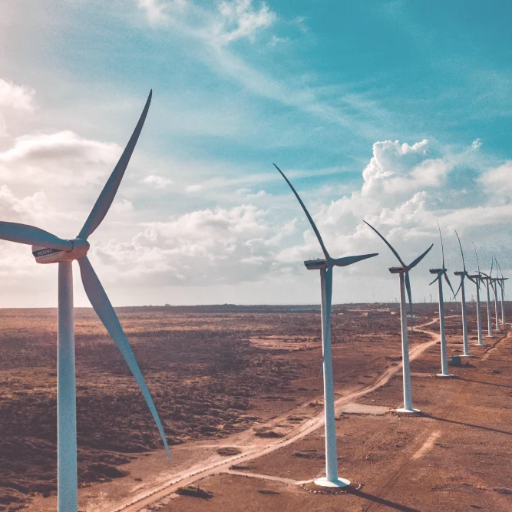
Wind towers make use of natural airflow in addition to evaporative cooling to regulate temperature indoors. They are created to capture wind at a higher elevation which is then directed into the building. The airflow also assists in providing ventilation and purging warm air. In addition, a wind tower may include ponds or wet surfaces which cool the air before it circulates throughout the building. These practices are both economically friendly as well as environmentally friendly.
The Evaporative Cooling Process
Using the natural way in which water evaporates to inhance temperature is known as evaporative cooling. When water or wet surface comes in contcat with warm air, the latter receives heat in order to evaporate. Therefore, the air emits excess heat along with water vapor. The modern systems available today are capable of reducing indoor air temperature by 10 – 15 degree Farhenhiet.
Heating, ventilation, and air conditioning evaporative cooling systems work best in arid areas due to the low humidity levels. Homes equipped with evaporative air coolers experienced a 50-75% decrease in electricity consumption relative to homes with traditional air conditioning, as documented in a study conducted in Arizona. Moreover, the development of cooling pads made of cellulose has increased the ability for evaporative systems to cool spaces by improving cooling pad evaporation.
Advanced technologies such as Smart Control with Automation are designed to reduce water consumption for cooling systems, making them more efficient and reliable. These systems reduce water waste by ensuring only the necessary amount is provided for evaporation-based cooling. The newly engineered cooling systems are in line with sustainable practices because they provide a green solution to heavily relying on energy-consuming cooling technologies. With integrated Smart Control and sensors, modern designs enable real-time monitoring and adjustment of evaporative cooler performance for optimal user comfort and system efficiency.
Natural Ventilation in Indoor Areas
In my opinion, natural ventilation is one of the best ways to enhance indoor air quality because it conserves energy. With the proper placement of windows, vents and louvers, natural circulation of air may occur, thus making the environment comfortable with minimal mechanical aid. Personally, I would aim for maximum cross-ventilation by having openings on either side of a space because there is assured airflow. This straightforward method not only improves comfort indoors but also contributes to the eco-friendly lifestyle.
Effects of Climatic Conditions on Cooling Systems
Climatic conditions are important factors that determine the cooling system’s efficiency, configuration, and operation. For instance, areas with hotter temperatures usually have higher demand for cooling. This, in turn, increases energy use. Recently, it has been established that buildings in the United States contribute about 40% of the total energy usage, and within that figure, the heating, ventilation and air conditioning (HVAC) systems consume close to 50% of that energy.
To address the challenges of the modern world, the need for sustainable cooling solutions has become increasingly important. For example, energy-saving VRF systems and smart thermostats can significantly conserve electricity by optimizing cooling within a region’s climate. Moreover, passive cooling techniques like green roofs, thermal insulation, and reflective building coat outs can reduce the need for indoor air conditioning.
Along with this, climate change has worsened the urban heat island effect, making it more salient with respects to innovative urban greening and heat mitigation approaches. Based on nature solutions, the US EPA conducted a study that showed cities with increased vegetation reported reduced summer peak temperatures by 2°F providing cooling potential.
The constant concern around climate and energy consumption can be addressed by employing modern technology alongside nature-friendly designs to create urban constructions and buildings that are cooler, more energy-efficient, and sustainable.
Why Are Wind Farms Important for the Future?
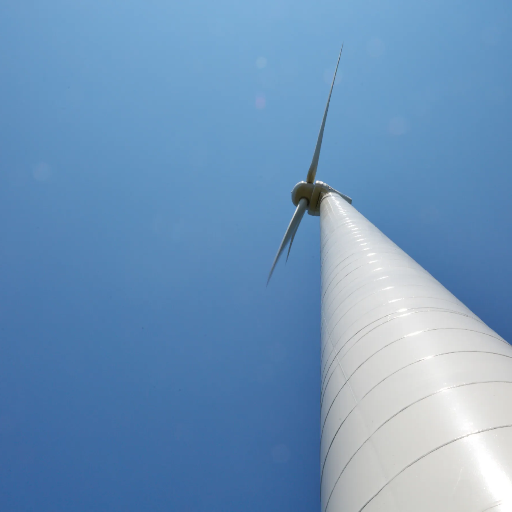
The importance of wind farms is highlighted by the fact that they help to mitigate climate change and greenhouse gas emissions, as well as offer a clean and renewable resource of energy. Wind energy has significant advantages due to it being abundant and sustainable compared to fossil fuels. Furthermore, it greatly helps in energy security, creating jobs, sustaining the local economies, and protecting the environment by not causing any pollution, having a lower environmental impact, and being a nonrenewable resource. These factors greatly aid in transitioning to nonrenewable resources
The Advantages of Offshore Wind and Onshore Wind Projects
Along with onshore and offshore projects, wind farms as well have a greater significance. Recent studies show that wind energy installations supplied more than seven percent of global electricity in 2022, with expectations of offshore wind capacity growth fivefold by 2030. Offshore wind farms have their own specific advantages as they tend to experience greater and more consistent winds, making them more productive than onshore wind farms. A good example is the modern offshore wind turbines that can, on average, power up to 3,000 households annually.
Moreover, wind farms on land are often far less complex and their construction is usually quite a bit easier. In fact, many regions now have access to them. In the case of the USA, it houses farming wind of over 72,000 land based turbines which generate enough energy to power
Around 39 Million homes per year. In addition, aside from the obvious economic advantages of offshore and wind based projects, as of 2023 the sector offers over 116,000 jobs in the wind industry.
Looking more broadly, wind energy as an integrated source of power has the potential to cut down hundreds of millions of metric tons of carbon emissions every year, helping to prevent climate change. Thanks to modern developments in turbine technology that increase efficiency while decreasing spending and energy consumption, wind energy remains unmatched as one of the most ideal renewable resources.
Changes and Technical Difficulties in Energy Use
Addressing the major problem areas first, nonrenewable fossil fuels threaten to run rampant. According to the latest figures, regardless of attempts made to switch to alternative resources, fossil fuels are by far the biggest source of energy making up 80% of the global energy consuming market.
To overcome these issues, wind, solar, and hydropower have emerged as renewable sources of energy. For example, solar energy production is surging, with surpassing global capacity of 1,200 gigawatts as IEA states in 2023. Offshore wind power is also growing, with projections of greater than 260 gigawatts of installed capacity by 2030.
There are also issues of intermittency with renewables, but advancements in energy storage technology such as lithium ion batteries are helping overcome these hurdles. BloombergNEF cites that the global energy storage market will increase from 30 gigawatt-hours in 2022 to over 680 gigawatt-hours by the year 2030, which would support renewables’ incorporation into the grid.
Investment in new smart grid systems is also crucial for improving energy efficiency and distribution. Enhanced energy flow control and remote monitoring reduces waste while resilience increases. A single example reported by the US DOE suggests that the implementation of smart grids could save up to 70 billion per year from avoided outages and improved efficiency.
All in all, though issues with energy consumption persist, innovation and cooperation at a global scale, alongside government policies, is laying a foundation for sustainable energy.
Prospects of Minor Wind Projects
In a bid to provide clean energy alternatives, small wind projects have emerged to address local energy necessities. These projects consist of small wind turbines installed on a residential building, farm, or a small business, and their capacity is usually under 100kW. Based on the latest updates, the small wind turbine market is anticipated to grow with a CAGR of 9.5% between 2023 and 2030 due to the rising adoption of renewables and supported government initiatives.
A document examines the installation of small wind systems in rural and off-grid locations, and their impact on the alleviation of fossil fuel dependence and energy costs. As of 2022, it was estimated that there were more than 1.2 million operational small wind systems around the world which accounted for around 10GW of capacity. The US and Germany are at the forefront and are actively promoting the adoption of small wind systems through tax credits, grants, and expedited permitting.
Also, improvements in the design and materials used in turbine blades and the integration of energy storage systems has enhanced the efficiency and reliability of small wind systems. Newer designs enable the efficient operation of turbines in regions previously considered less windy. Although the initial investment and zoning restrictions pose some challenges, ongoing technological advancements and supportive policies are anticipated to enable the adoption of small wind technologies in the near future.
Reference sources
- How a Wind Turbine Works – A comprehensive guide explaining the functionality of wind turbines, including blade mechanics and operational principles.
- US Department of Energy wind turbine candidate site program: the regulatory process – This report discusses the regulatory and siting processes for wind turbines, including tower installation.
- Deployment of wind turbines in the built environment: risks, lessons, and recommended practices – This paper explores the deployment of wind turbines, addressing challenges and best practices.
- Top Wind Tower Production Line Manufacturers and Suppliers in China
Frequently Asked Questions (FAQs)
Q: What is the definition of architectural wind towers, and what is their function in construction?
A: Wind catchers, also called wind towers, serve to passive cool and ventilate structures. As a result, wind towers improve the thermal comfort of the building by exploiting the principles of secondary ventilation, thus economizing on mechanical ventilating equipment.
Q: What is the chimney effect and how is it observed in the wind tower’s cooling process?
A: The chimney effect in wind towers is the upward movement of warm air which escapes out the top of the tower. This creates a vacuum that draws cool air in from below which helps maintain a cooling effect in the rest of the building.
Q: In what ways can vents in a wind tower be directional?
A: A wind tower’s air flow may be restricted by the upper portion of the windward side of the tower, which is often open. The warm air from the latter is expelled through the upper region, and thus cools the air in the tower and reduces static pressure.
Q: What is the role of evaporative cooling in the operation of a wind tower?
A: Wind towers can utilize water holding tanks to augment evaporative cooling. The water cools the air during the wind’s passage above, further cooling the air before entering through the vents.
Q: How does wind direction impact the functioning of a wind tower?
A: Wind direction greatly affects the efficiency of a wind tower. Correct positioning toward the dominant or prevailing winds allows the tower to capture large quantities of wind which improves passive cooling and circulation within the structure.
Q: What advantage does a wind tower have in warm climates?
A: Wind towers in hot climates serve as passive coolers. They enhance energy efficiency by maintaining comfortable indoor temperatures without expensive energy-sapping gear.
Q: In what ways do wind towers reduce the reliance on mechanical cooling systems?
A: Wind towers reduce the need for mechanical cooling systems by alleviating the circulatory and temperature differentials within the windward and leeward structures, alleviating the burdensome energy expenses tied to air conditioning.
Q: Why is power balance in a wind tower design the most critical element?
A: The power balance is critical because it assures the uniform and unceasing circulation of air. This wind blow is necessary to guarantee that each floor receives the required amount of air.


